
Visiting Los Angeles, the ultimate test kitchen for the American dream
The click of heels on the Walk of Fame, the scent of eucalyptus mixing with the ocean breeze on Sunset Boulevard, palm trees cutting against a pink dusk smog...
In this metropolis stretching across more than 1,200 km², the American dream plays out in the open air. Between the Hollywood sign perched in the hills and the weathered boards of Venice Beach, this sprawling city looks like no other. Forget a classic downtown core here. Instead, you get a puzzle of neighborhoods that feel like entirely different cities. A skateboarder breezes past a movie star, a Mexican food truck parks next to a Michelin-starred destination, and everyone cruises with the windows down and the music up.
Los Angeles, a playground for dreamers and pragmatists
This destination calls to film buffs wanting to touch Hollywood history, surfers chasing Pacific waves, and families aiming for Disneyland and Universal Studios. Luxury shoppers head straight for Rodeo Drive, while art lovers find their fix at the Getty Center and the LACMA.
Be warned: if you hate driving, skip this trip. A car remains practically essential despite city efforts to expand the metro. Fans of historic European architecture will likely feel disappointed, and those who avoid crowds will find certain hotspots completely jammed during peak season.
The city fits travelers who want a mix of beach days, pop culture, and accessible nature. Food lovers will feast on an incredibly diverse culinary scene, ranging from street tacos to innovative fusion spots. On the flip side, if you are searching for untouched authenticity or a walkable, human-scale city, look elsewhere. Forget about doing anything on foot because the distances are massive and the summer sun beats down hard.
A substantial budget to expect
The City of Angels is not cheap. Plan for a minimum of $158 to $230* per day per person for a mid-range budget, which covers a decent hotel ($146-$230* a night), restaurant meals, and car rental ($30-$80 a day). Lodging eats up the biggest chunk of change, especially in high-demand areas like Beverly Hills, Santa Monica, or Venice, where rates easily rocket past $230* a night. Keep in mind that listed prices usually exclude local taxes (around 15%) and the standard 15-20% tip at sit-down restaurants.
Hollywood and its hills, between glitter and raw reality
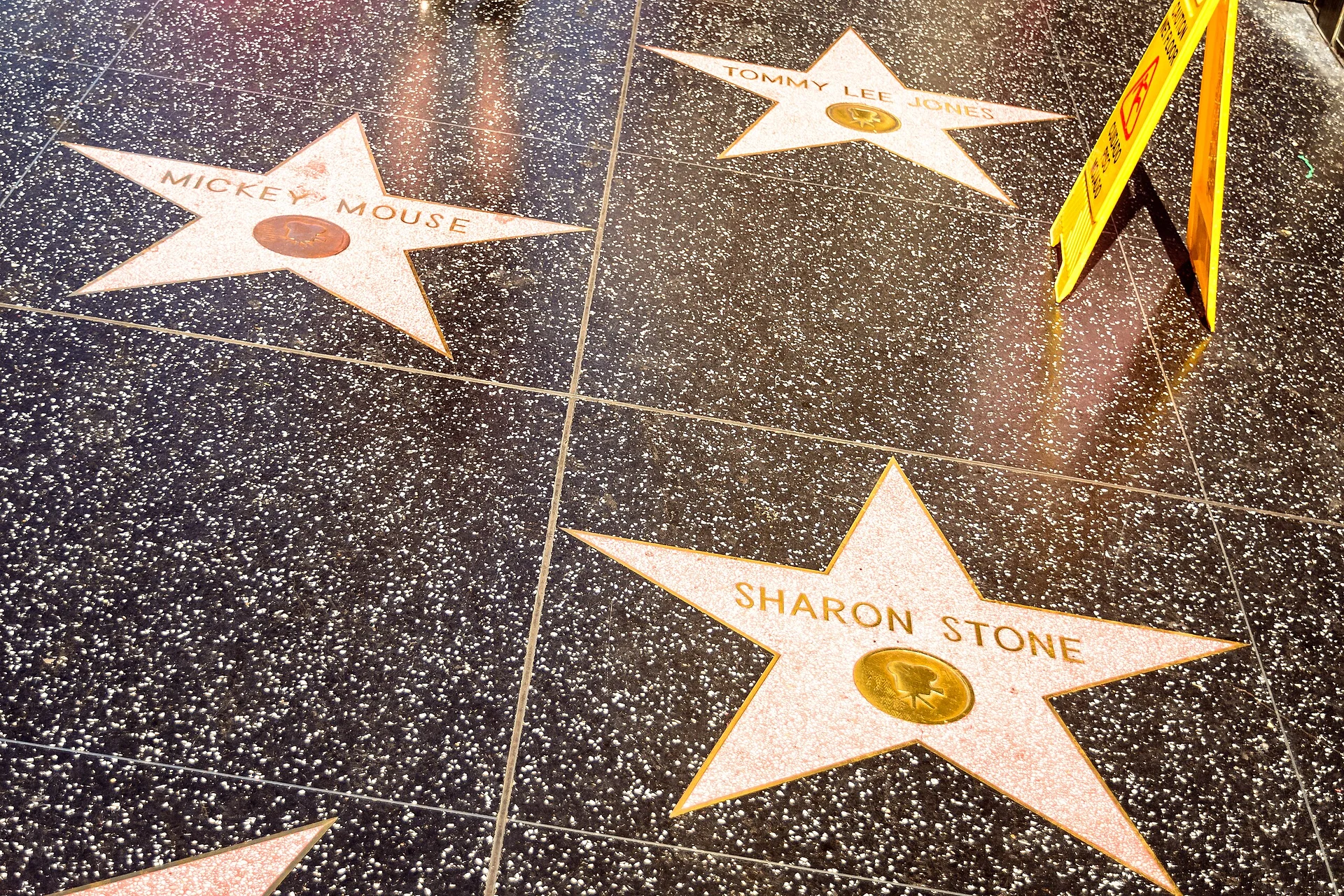
The legendary Hollywood Boulevard rolls out its concrete red carpet speckled with 2,777 gold stars. The Walk of Fame pulls in crowds tracking down their favorite idol's star while dodging Spider-Man impersonators looking for tips. The vibe bounces between faded glamour and full-throttle tourist trap, but you cannot skip the TCL Chinese Theatre and its celebrity handprints set in cement. Right next door, the Dolby Theatre hosts the Academy Awards every year. The neighborhood might not be the cleanest in town, but it pulses with raw show-business energy.
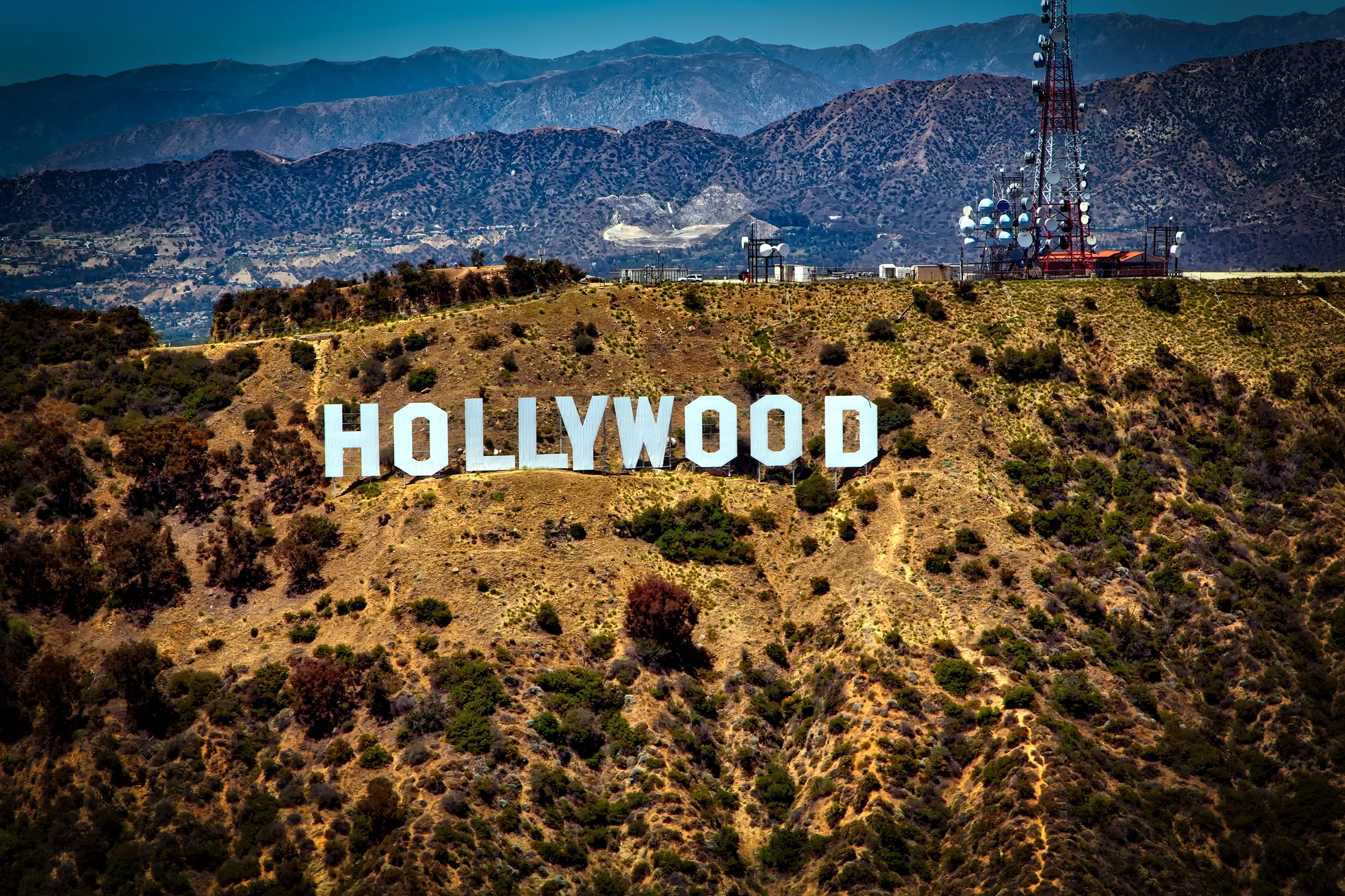
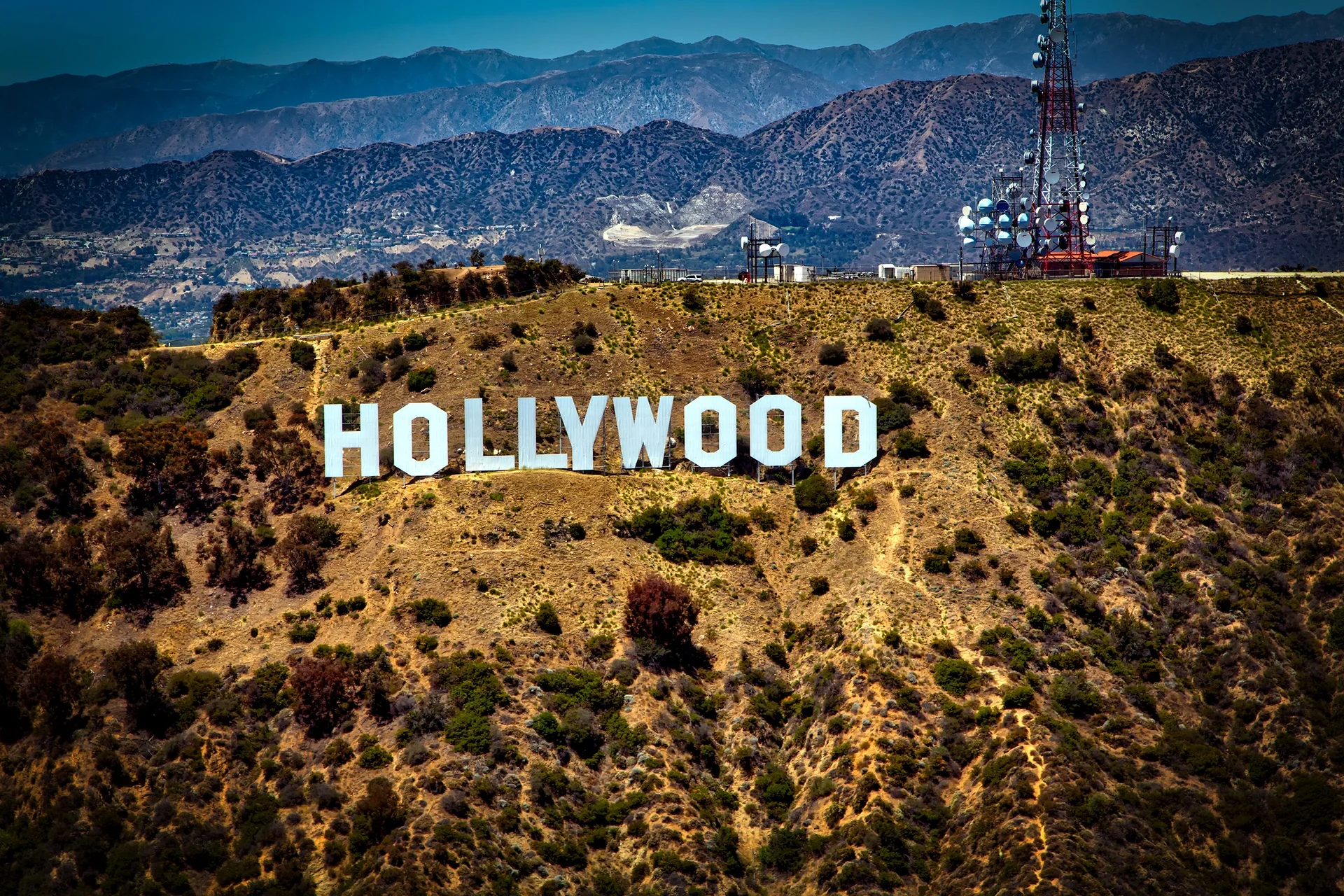
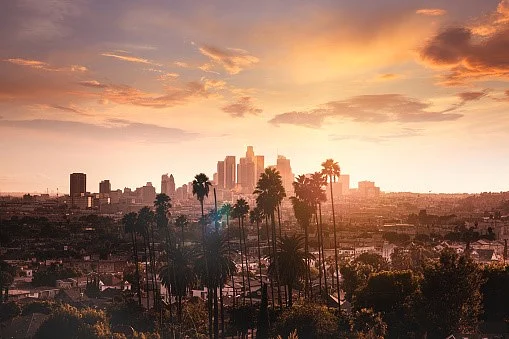
The famous Hollywood Sign has kept watch over the hills since 1923, originally put up to pitch a real estate development. Its nine white letters standing 15 metres high became the ultimate icon of the city. To get a closer look, head up Mulholland Drive or, even better, climb up to the Griffith Observatory sitting at an altitude of 221 metres. From up there, the panoramic view of the sprawling megalopolis is dramatic, especially at sunset. Admission is free and the astronomy exhibits are worth your time.
Friendly tip: hit the Walk of Fame early in the morning before 9 AM. You will dodge the tourist gridlock and the costumed characters who are still waking up. For the Hollywood Sign, the Griffith Observatory gives you the best photo spot without hiking for hours.
Beverly Hills and the beaches, two sides of California luxury
Beverly Hills, the showcase of flashiness
In Beverly Hills, the streets flash with ostentatious wealth. Rodeo Drive and Wilshire Boulevard pack in high-end boutiques where even a basic coffee costs a small fortune. Storefronts line up Chanel, Dior, and Louis Vuitton like trophies. Even if your budget cannot keep up, wandering these immaculate thoroughfares is a show in itself. To grab a drink in a legendary setting, pull up a chair at the Beverly Hills Hotel and its iconic pink decor. If you want to scout celebrity mansions in Bel Air, pick up a star map sold on every corner or cruise the edges of Sunset Boulevard, though the properties stay well-hidden behind tall hedges.
Santa Monica and Venice Beach, the coastal spirit
Santa Monica and its iconic pier embody postcard California. The Santa Monica Pier with its Ferris wheel and kitschy rides marks the historic end of Route 66. The sandy beach stretches for 4 kilometres, making it prime territory for a morning jog or a bike ride along the Strand, a 35-kilometre paved path hugging the Pacific. The neighborhood overflows with good restaurants, and the Third Street Promenade offers shopping that is a bit more accessible than Rodeo Drive.
Venice Beach rolls out an entirely different, quirkier, bohemian vibe. The oceanfront boardwalk pulses to the beat of skateboarders, bodybuilders at Muscle Beach, street performers, and jewelry vendors. The Venice canals, dug out in 1905 by developer Abbot Kinney, recreate a mini American Venice with colorful homes and picturesque bridges. The contrast is jarring between that quiet, bucolic calm and the wild energy of the boardwalk just a few streets away.
Friendly tip: rent bikes to cruise from Santa Monica to Venice Beach along the oceanfront path. Allow about 3 hours at a relaxed pace with stops to take in the spots. For the canals, go early in the morning when the light is soft and the paths are nearly empty.
Downtown and its surroundings, the other face of LA
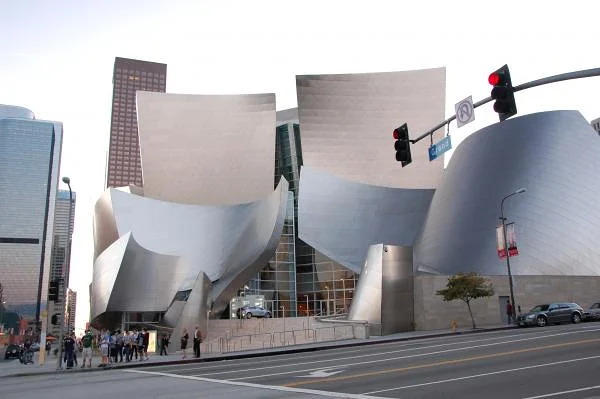
The financial center of Downtown is surprisingly walkable, a rarity in this car-obsessed city. Amidst towering skyscrapers, do not miss the OUE Skyspace on the 70th floor of the US Bank Tower and its glass slide suspended over the drop. The panoramic view helps you grasp the sheer scale of the metropolis while taking in architectural heavy hitters like the Walt Disney Concert Hall and the Civic Center. For shopping, the Fashion District stands as the best spot on the West Coast, while the Jewelry District packs in more than 5,000 jewelry shops.
The Historic District tells the city's turbulent backstory, once home to Indigenous peoples before Spanish rule, annexed by Mexico in 1822, and taken over by the United States in 1848. Olvera Street marks the cradle of El Pueblo founded in 1781, anchored by the Nuestra Señora Reina de Los Angeles church that gave the city its full name. Do not skip Avila Adobe, the oldest house in LA turned museum, alongside the Mexican marketplace overflowing with colors and flavors.
To catch your breath, head for Griffith Park, the city's true green lung and one of the largest municipal parks in the country with 85 km of trails. Kids love the zoo and the vintage merry-go-round. Up top, the observatory delivers sweeping views and fascinating astronomy displays for free. For a zen alternative, wander the quiet canals of Venice Beach away from the tourist buzz.
Friendly tip: for Downtown, park in an outer garage ($10-$20 a day) rather than hunting for street spots. At Griffith Park, get there before 10 AM to dodge parking headaches and catch the soft morning light over the city.
Universal Studios and Disneyland, temples of entertainment
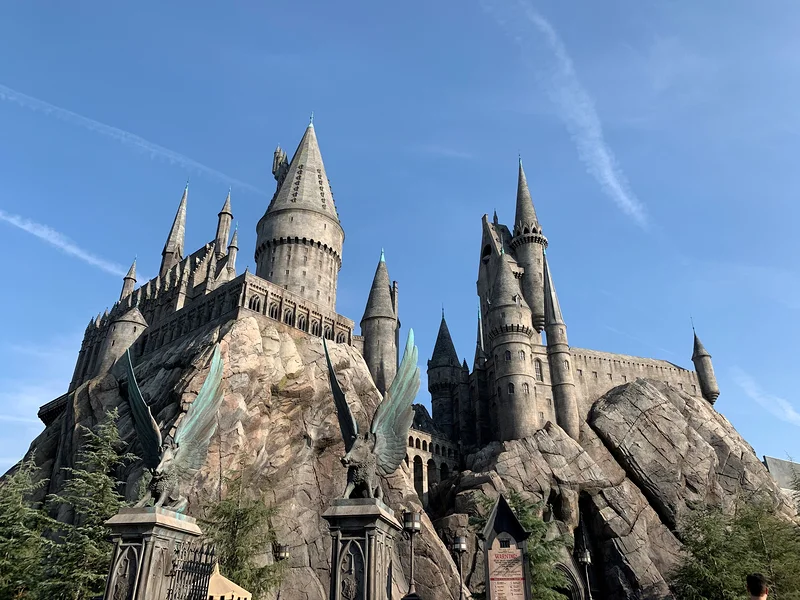
Universal Studios Hollywood mashes up a theme park and a working movie studio. The studio tour drops you behind the scenes with legendary sets from Harry Potter, Back to the Future, Fast and Furious, and Jaws. The immersive rides and stunt shows easily justify a full day on-site. Expect to pay $113-$169* per person for admission, and book online to skip the endless lines.
Disneyland down in Anaheim, about an hour's drive away, stands as the second most visited theme park in the United States. The recently added Star Wars land draws massive crowds of fans. If you are traveling with kids, both parks rank as practically mandatory stops. Budget tip: buy the Go City Los Angeles Pass, which bundles discounts for more than 40 major attractions around town.
Where to eat and drink in Los Angeles?
The Angeleno food scene reflects the city's melting pot with unbridled creativity. The French dip sandwich, a local invention, consists of a small roll packed with thinly sliced roast beef dipped in hot au jus. Try the original versions at Philippe's or Cole's. Mexican tacos reign supreme, from food trucks like Mariscos Jalisco to sit-down joints like Guerilla Tacos Downtown or Tito's Tacos. The California roll, that local twist on maki without raw fish, was born right here, while the avocado toast practically serves as the manifesto for California's health food obsession.
For restaurants, Bestia in the Arts District serves polished Italian fare that draws in celebrities, République blends a bistro vibe with modern California cooking, and Bavel explores Middle Eastern flavors with style. For tighter budgets, ethnic enclaves like Koreatown (try the Korean barbecue at Kang Ho Dong Baekjeong), Little Tokyo (ramen at Tsujita L.A.), or Thai Town deliver authentic feasts without breaking the bank. American portions run large, so one dish often satisfies two people. Expect to spend $15-$25 for a decent lunch and $30-$50 for dinner at a mid-range spot, before tax and tip.
How to get to and around Los Angeles?
Los Angeles International Airport (LAX) handles direct flights from major European hubs operated by Air France, Delta, and Air Tahiti Nui. Flight time tops 11 hours with fares swinging between $570 and $1,130* depending on the season. From LAX, you have several choices: shared shuttle ($7-$25), taxi, rideshare apps, or renting a car right at the airport. Renting a car remains the most practical way to explore LA despite the legendary traffic.
On the ground, public transit (subway and buses) exists but struggles to efficiently cover this sprawling city. A car remains your primary vehicle. Budget $30-$80 a day for car rental, plus gas (around $1.30-$1.40 a litre) and parking ($10-$25 a day in tourist zones). The metro lines serve Hollywood, Downtown, and Santa Monica, which helps bypass gridlock between those central hubs. For short hops, Uber and Lyft do the job. Transportation budget: $25-$50 a day combining metro and rideshares, or $50-$100 a day with a rental car.
When to go?
The Mediterranean climate makes the destination pleasant year-round, but the sweet spot hits between April and June or September and October. Temperatures hover between 20 and 25°C, the sun shines generously, and the crowds stay manageable. July and August bring peak tourist season with temperatures spiking up to 30-40°C and surging prices. Summer works well for hitting beaches and amusement parks, but expect to share the space with hordes of visitors.
Winter (December to February) brings mild temperatures (15-20°C) and light rain, ideal for hitting museums and studios without oppressive heat. Hotel rates drop significantly, except over the winter holidays. Just dodge the handful of rainy days in January and February. Spring carpets the hills in wildflowers, while fall holds onto summer weather without the summer crowds. To spot whales offshore, aim for May through October.
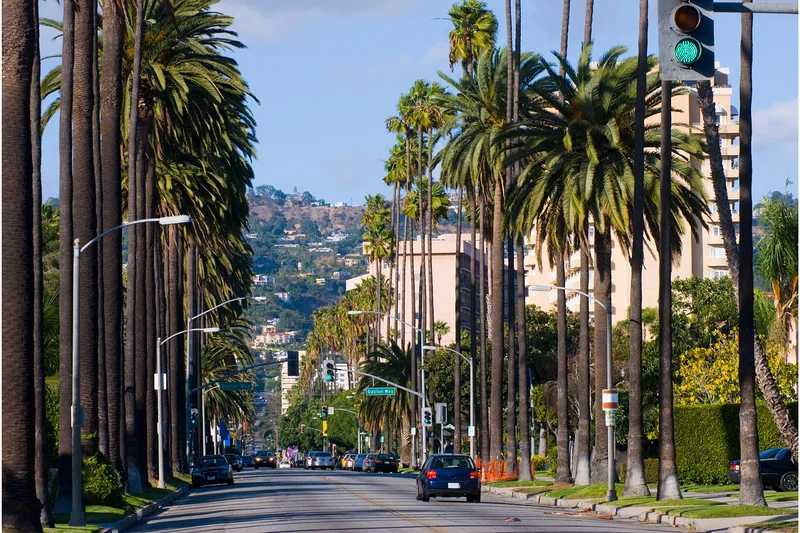
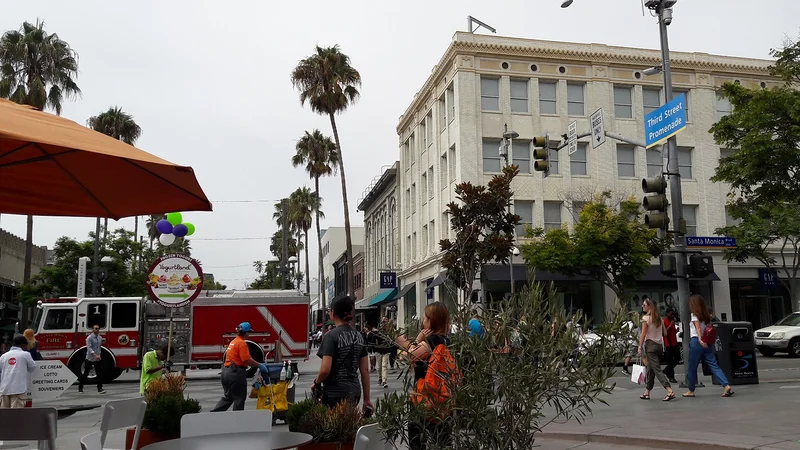
Mixed experience in the city of Los Angeles. Overall, we did not feel very comfortable there. The presence of drugs was everywhere around us, and the general atmosphere is not very cheerful, especially once night falls. The Santa Monica neighborhood and the villas of Beverly Hills are nice to visit. If you like movies, you have to stop by Hollywood and in particular take a tour of at least one studio. It is really worth it and the experience is great! One thing to note, however, is the bus and subway system. I did not find it very easy to use, or at least, you have to look into it beforehand!