
A public observatory you need to visit
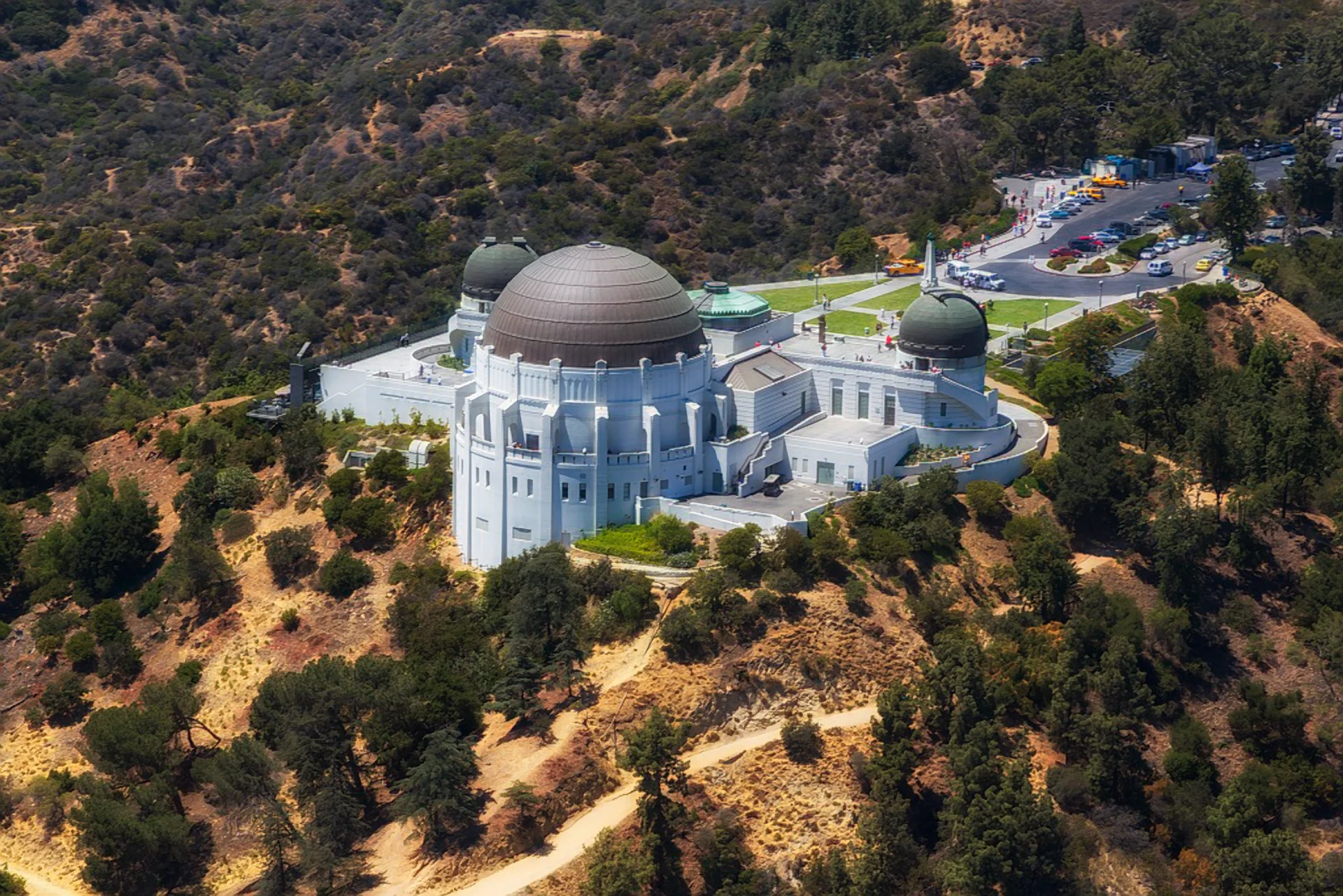
Perched high in the Hollywood Hills, the Griffith Observatory is the best place to take in the sheer scale of Los Angeles. With panoramic views of the city sprawl and the night sky, this spot is a top destination for amateur astronomers and nature lovers.
The origins of the observatory
The Griffith Observatory opened in 1935, realized through the philanthropic vision of Griffith J. Griffith, who bequeathed the funds for its construction back in 1896. Designed by architects John C. Austin and Frederick M. Ashley, the building is a distinct example of Art Deco architecture.
From the day it opened, it was a central hub for public astronomy education. The site has undergone several renovations, most notably following a fire in 2002, and reopened in 2006 with modernized facilities.
Over the last several decades, it has solidified its place as a cornerstone of the cultural and scientific life of Los Angeles.
More than just an observatory
The current facility is a center for astronomical and educational activity. It features interactive exhibits, presentations inside the Samuel Oschin Planetarium, and the chance to view the stars under professional-grade conditions.
Visitors can explore various themes, ranging from space science to stellar mythology. The Zeiss public telescope is the main draw, allowing you to observe celestial phenomena that are usually out of reach for the average person.
Special events, lectures, and workshops frequently add to the experience. The observatory also provides a direct line of sight to the Hollywood Sign and the city grid, which makes for a memorable trip.
Opening hours
| Monday | Closed |
|---|---|
| Tuesday | 12:00-22:00 |
| Wednesday | 12:00-22:00 |
| Thursday | 12:00-22:00 |
| Friday | 12:00-22:00 |
| Saturday | 12:00-22:00 |
| Sunday | 12:00-22:00 |
*Information subject to change

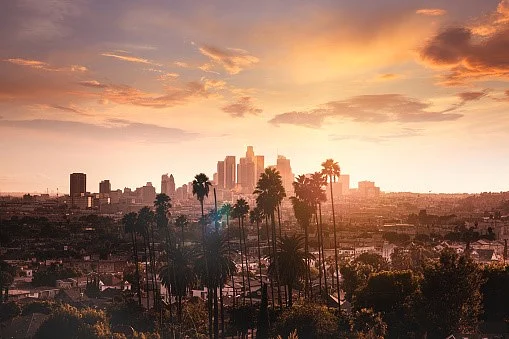
After seeing La La Land, I dreamed of seeing this observatory and the heights of Los Angeles! Perched on the hills, the site offers a spectacular view of the city and the Hollywood sign. I went there in the evening to catch the sunset. At night, the view is even more beautiful. Get there by 7pm at the latest, because the parking lot is not very big.
Inside, the observatory has a Foucault pendulum and educational exhibits on the solar system. Unfortunately, I was not able to get into the telescope room, which had a wait time of nearly 45 minutes.