Visiting Mount Carmel: Where History Meets Utah Desert Beauty
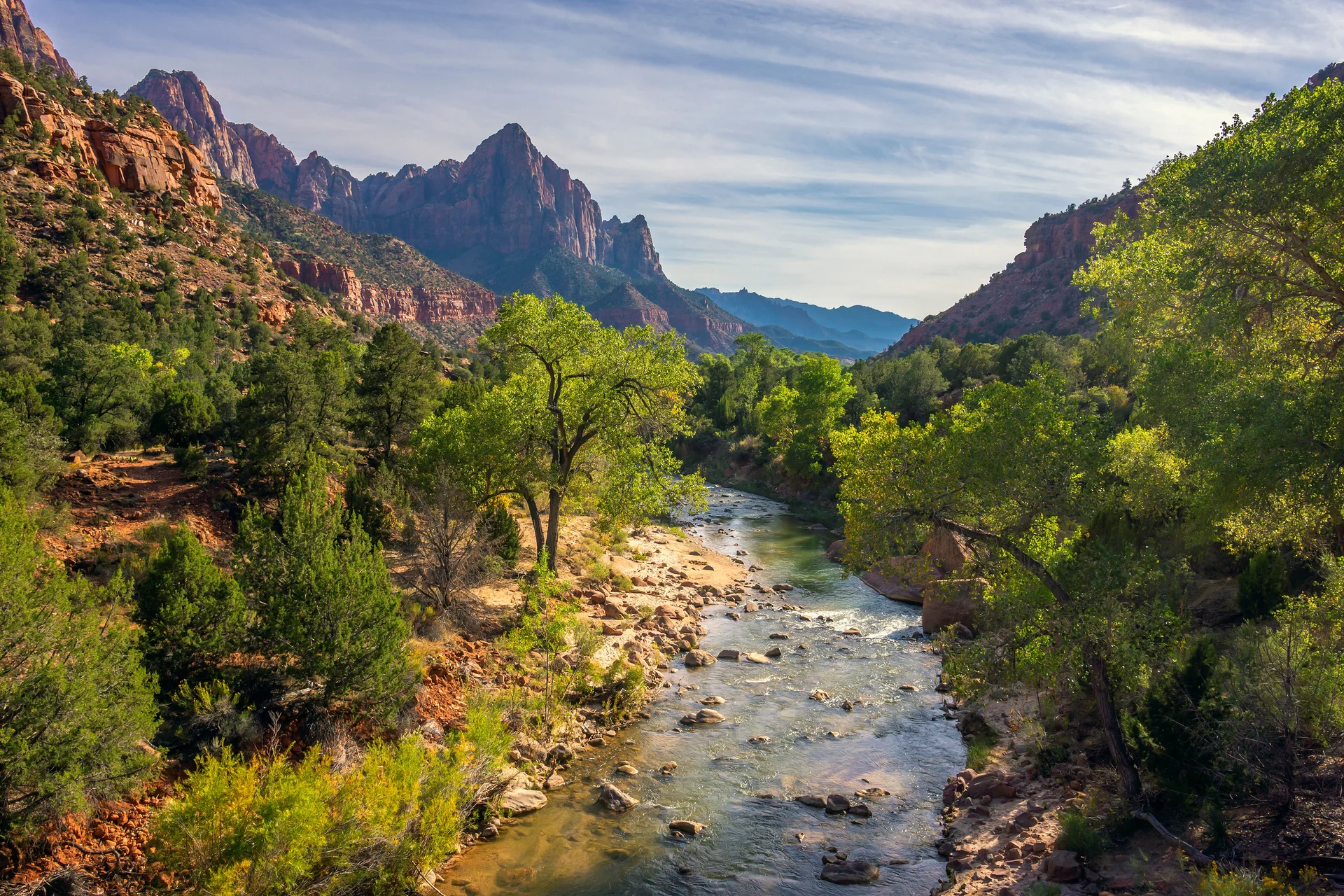
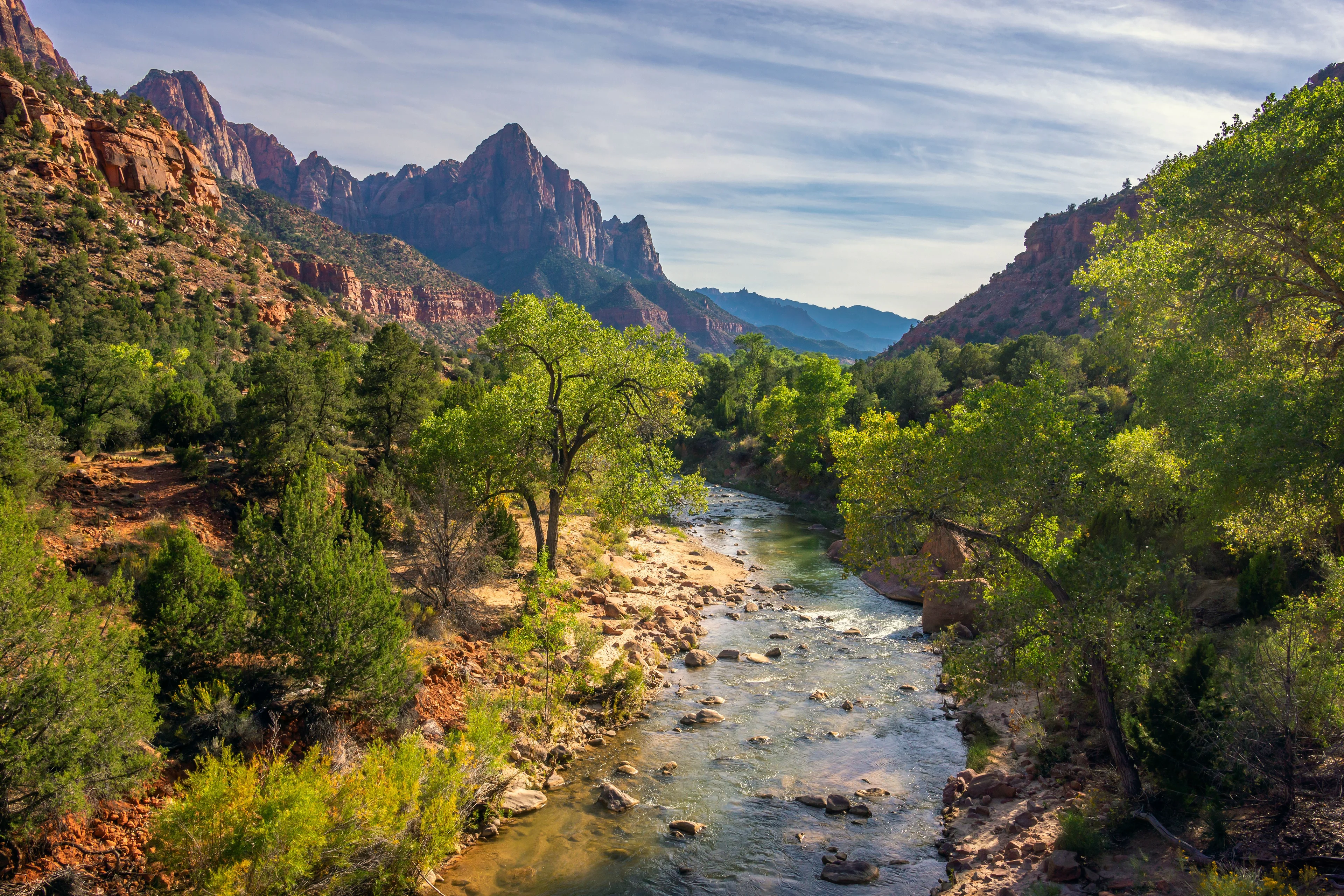
Picture the quiet calm of the desert, broken only by the wind brushing against towering red sandstone cliffs. Mount Carmel, Utah isn't just another roadside dot on the map. It is a natural crossroads, an authentic stop where pioneer history intersects with some of the most dramatic landscapes in the American West. Here, time slows down, inviting you to just pull over and take it all in.
Is Mount Carmel Right for You?
If you are exploring the national parks of the American Southwest, chasing classic desert landscapes, or fascinated by Mormon pioneer history, Mount Carmel makes a smart basecamp. It works well for road-trip families, photographers, and hikers looking for a quieter, more strategic place to stay away from the heavy tourist crowds.
On the other hand, if you need urban energy, modern entertainment, or a buzzing nightlife scene, this small community will feel pretty sleepy.
Having a car is non-negotiable here, so come ready for long stretches behind the wheel and full days of exploring.
The Zion-Mount Carmel Highway: The East Entrance
Mount Carmel sits in an ideal spot for accessing Zion National Park through its less-traveled east entrance via the Zion-Mount Carmel Highway and its historic sandstone tunnel. This scenic route serves up staggering views of deep red canyons, striking rock formations, and trailheads for every skill level. It is a straightforward way to experience Zion's grandeur without fighting the main canyon shuttle crowds.
Friendly tip: If you are short on time and cannot fit in a long hike, simply driving the Zion-Mount Carmel Highway and passing through the tunnel delivers incredible views. Make sure to pull over at the designated overlooks to take in the vastness of the landscape.
Easy Access to Grand Circle Wonders
Mount Carmel's location makes it a practical launchpad for hitting other major parks and landmarks across the region. Bryce Canyon National Park and its maze of hoodoos sit about an hour away. The Grand Canyon National Park North Rim is also close enough for a rewarding day trip, showing off a much quieter side of the canyon.
Kodachrome Basin State Park: A Splash of Color
About 100 km past Bryce Canyon, Kodachrome Basin State Park remains an underrated gem. Its distinct, brightly colored sedimentary pipes range from stark white to deep red, providing fantastic photo ops and uncrowded hiking trails in a compact setting.
Pioneer Roots and Local Art
Mount Carmel and its surroundings still carry the marks of the Mormon pioneers who first settled this rugged terrain. Historic barns and old family homesteads dot the countryside. The village also hosts a handful of art galleries and artisan shops inspired by the surrounding geography.
Friendly tip: The Maynard Dixon Living History Museum right in Mount Carmel is worth a stop. It occupies the former home and studio of artist Maynard Dixon, who spent his life capturing the light and life of the Southwest and its indigenous communities. It offers a genuine look at local artistic history.
Desert Adventure
Beyond the national parks, the surrounding area opens up wide for outdoor recreation. Scenic drives like Highway 89 and Highway 9 are made for long-distance road trips. Mountain biking is also big here, with trails cutting through raw desert terrain. Because there is virtually zero light pollution, nighttime stargazing out here is elite.
Where to Eat and Drink in Mount Carmel
Dining in Mount Carmel is straightforward and hearty, matching the vibe of rural desert living. Expect filling, comforting meals designed to refuel you after a long day on the trails.
The Thunderbird Restaurant stands out as a local institution famous for classic comfort food and homemade pies. It is the go-to spot for a heavy breakfast or a casual dinner after hiking. Local convenience stores also make it easy to stock up on cooler supplies for park picnics.
Where to Stay in and Around Mount Carmel
Mount Carmel offers a selection of independent motels and bed-and-breakfasts, many family-run, providing local insights and a welcoming atmosphere. Because options are much leaner than in bigger cities, booking well ahead is crucial, particularly during peak season.
Campers will find several campgrounds inside the nearby national forests and parks for an immersive night under the desert sky. Neighboring towns like Kanab and Springdale (situated right by Zion's main entrance) provide a wider spread of lodging choices.
How to Get Here and Get Around
A car is essential for reaching Mount Carmel and navigating the region. The village sits directly on Highway 89, a key artery connecting several national parks. The closest major airports are Las Vegas (LAS) and Salt Lake City (SLC), both requiring a several-hour drive to reach the area. Once you check into Mount Carmel, sights are spread out, so you will definitely need your own car or a rental vehicle.
When to Go
Spring (April to May) and fall (September to October) bring the best weather for visiting Mount Carmel and the surrounding parks. Temperatures are comfortable for hiking, and the peak summer crowds thin out. Summer (June to August) brings intense heat with high daytime temperatures, though every local business and amenity is fully operational. Winter (November to March) can be chilly with occasional snow, but it rewards visitors with stark desert vistas and complete solitude.