
Las Vegas, the Mirage That Never Sleeps
At three in the morning, right in the middle of the Nevada desert, it is broad daylight on Las Vegas Boulevard. No church bells, no curfew, just neon lights stretching the night out indefinitely. The city was built on a simple gamble: making you forget the time, the season, and above all, your bank balance.
A Destination Built for You?
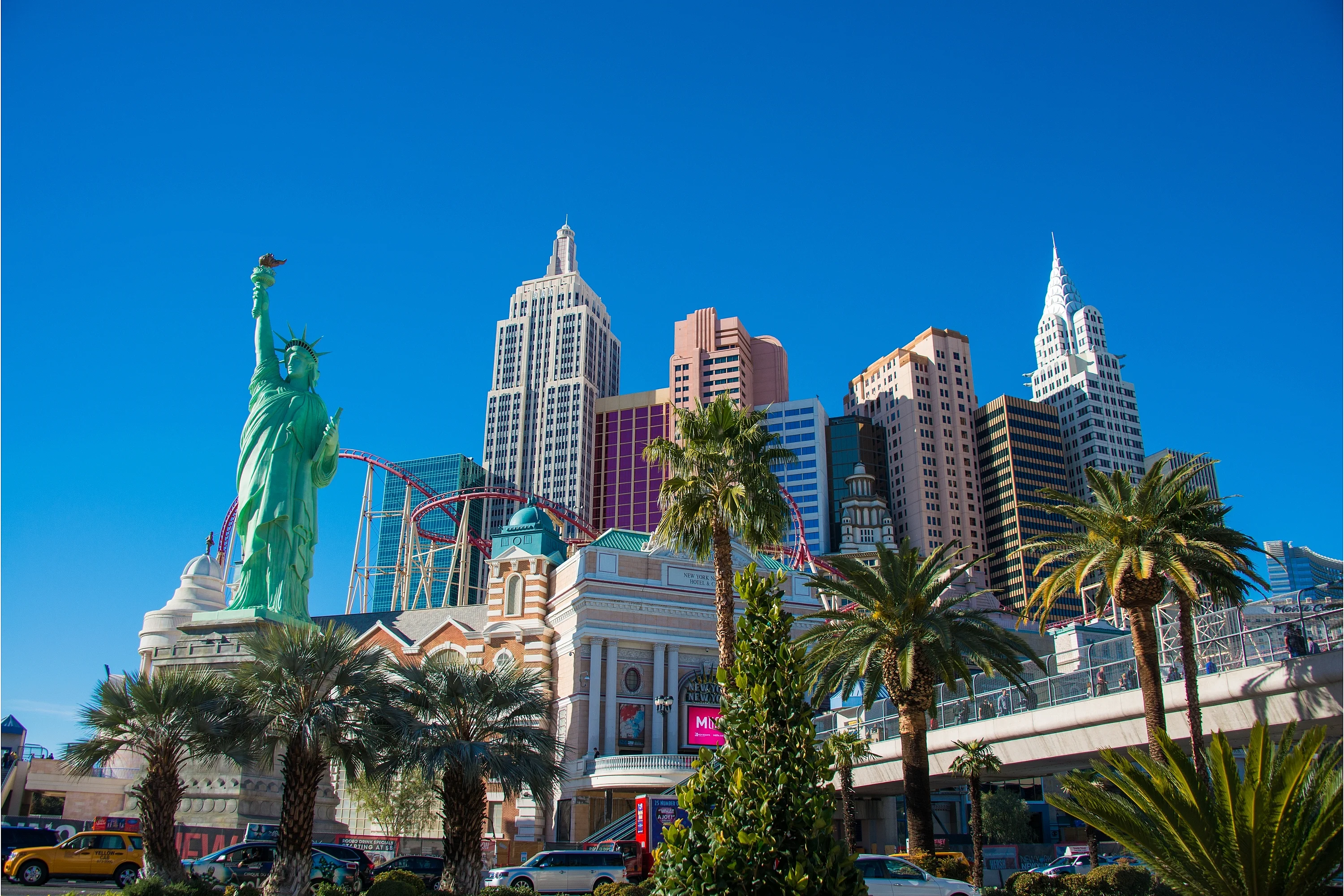
If you love grand spectacles, all-you-can-eat buffets, and the idea of sleeping inside a pyramid or in Venice while in the middle of Nevada, you are in the right place. Las Vegas embraces its over-the-top nature without apologies, and that is precisely what makes it a one-of-a-kind experience.
On the other hand, if you are looking for authenticity, a slower pace, or a connection to genuine local culture, you are likely to be disappointed. Here, almost everything is built for show, including the scenery.
Destination ideal for:
- Fans of live entertainment and massive stage shows
- Groups of friends looking for a high-energy weekend
- Couples seeking a quick and original wedding experience
- Gambling and casino enthusiasts
Destination unsuitable for:
- Travelers looking for quiet and immediate access to nature
- Tight budgets where you want to avoid impulse spending
- Families searching for a relaxed atmosphere
- Anyone who avoids crowds and constant noise
A Budget That Can Spiral Quickly
Las Vegas knows how to sell a dream at a discount to recoup the money elsewhere: buffets, drinks, and parking used to be free in the casinos, but today almost everything comes with a price tag, including parking at most major hotels on the Strip.
| Expense | Range |
|---|---|
| Standard Strip hotel night | $80 to $150 |
| High-end Strip hotel night | $250 to $500 |
| Quick bite | $10 to $20 |
| Sit-down restaurant meal | $30 to $80 |
| Show ticket (Cirque du Soleil, resident concert) | $60 to $200 |
Estimated rates subject to change
Practical Realities on the Ground
The city is vast and designed for cars or endless streams of taxis, but the Strip itself is very walkable, provided you are willing to spend 20 minutes just crossing a single mega-resort complex. English is spoken everywhere, so there is no language barrier to worry about.
The desert climate calls the shots: in the summer, the sidewalks of the Strip routinely top 45°C in the afternoon, making the air-conditioned hotels welcome sanctuaries. As for safety, the tourist areas are heavily monitored and secure, even if you are walking around alone at night.
The Heart of the Experience
The Strip, Over-the-Top Excess at Its Purest
Las Vegas Boulevard, universally known as the Strip, is where the bulk of the action happens. The city took off in the 1930s thanks to very loose gambling laws before growing into what Americans call "The Entertainment Capital of the World". The Flamingo, the first casino of its kind opened in 1946 by Benjamin Siegel, remains its historic symbol.
Bellagio and Its Fountains
The musical choreography of the Bellagio fountains creates the illusion of a lake in the middle of the desert, with jets synchronized to music several times an evening.
The Venetian and Its Canals
At The Venetian, gondoliers push visitors along indoor canals within a kitsch yet meticulous recreation of Venice, complete with painted ceiling frescoes.
The Sphere, the Strip's New Landmark
Inaugurated in 2023, The Sphere is a giant LED-wrapped globe that has established itself as the city's new visual icon, visible from almost anywhere along the boulevard. It hosts concerts and immersive screenings.
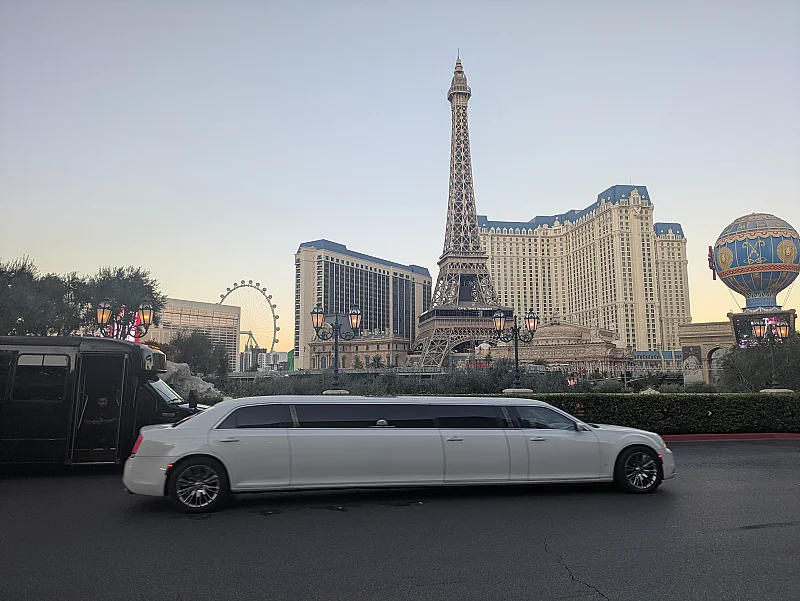
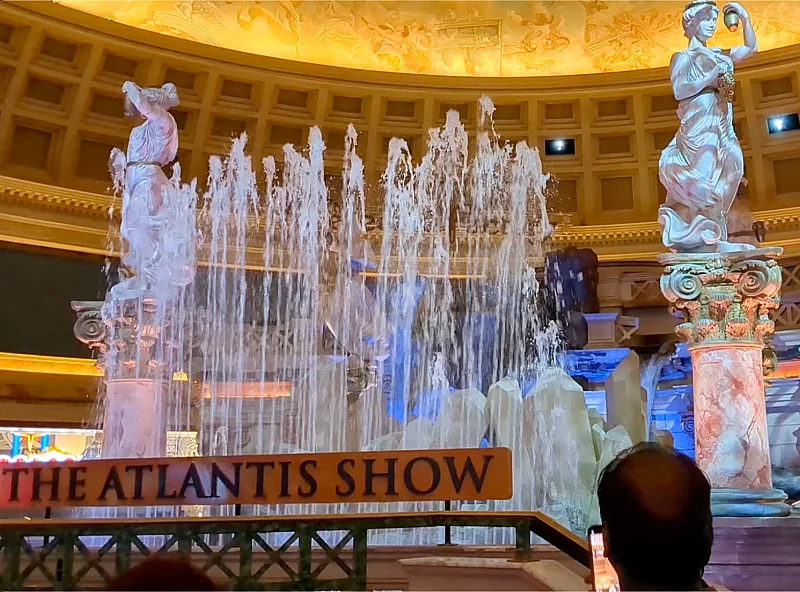
The Luxor and its pyramid, the STRAT tower (the tallest observation tower in the United States), and Caesars Palace with its 4,000-seat Colosseum round out a skyline where every hotel tries to outdo its neighbor. The iconic volcano at the Mirage is officially gone: the property closed in 2024 to make way for a Hard Rock.
Friendly tip: even without a budget to stay in them, walk into the grand hotels on the Strip; many hide giant aquariums, tropical gardens, or replicas of famous monuments entirely free to visit.
Downtown, the Old Town Defending Against the Glitz
A few miles north of the Strip, the Downtown neighborhood and Fremont Street offer a more vintage vibe, featuring retro neon signs and plenty of street art. The atmosphere here is rawer, less polished, but much closer to the actual history of the city back in the 1950s.
Escaping to the Great Outdoors
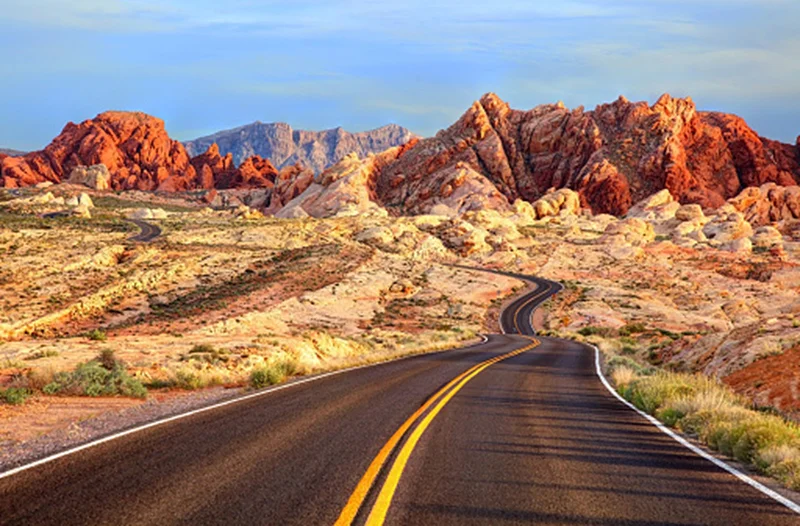
Las Vegas also serves as a base camp for exploring the natural parks of the American West. The Grand Canyon is accessible via a day trip, as is Red Rock Canyon under an hour's drive away, offering a breath of fresh air and red rock scenery far away from the neon.
Where to Eat and Drink in Las Vegas
All-you-can-eat buffets remain a local institution, even though they have become ticketed events and rather pricey at the major hotels. For a more authentic experience, food trucks and small restaurants in Chinatown, just west of the Strip, serve genuine Asian cuisine at much more reasonable prices.
The cocktail lounges inside the casinos are worth visiting for their elaborate production design alone, even if you do not drop a single quarter into a slot machine.
How to Get to Las Vegas
From most major North American cities, Harry Reid International is a single flight away. From the UK, nonstop service runs out of London; other European departures route through the East Coast or Los Angeles, for a journey of about fifteen hours. Fares from Europe run between $770 and $990* round-trip depending on the season.
Harry Reid International Airport (IATA code: LAS) sits just minutes away from the Strip, making it one of the most convenient airports in the United States for getting to your hotel quickly.
How to Get Around Las Vegas
On the Strip, walking remains the best option despite the heat, supplemented by the monorail which connects several hotels while bypassing the heavy traffic on the boulevard. For Downtown or Chinatown, a taxi or rideshare is better since distances add up quickly.
Renting a car is especially useful for excursions out to the Grand Canyon or Red Rock Canyon, where public transit does not reach.
When to go
Spring and autumn are the most pleasant seasons, offering milder temperatures for exploring the Strip on foot. Summer, from July to August, brings intense heat waves with extreme afternoon peaks. Winter, from December to February, can surprise you with chilly nights that sometimes drop close to freezing.
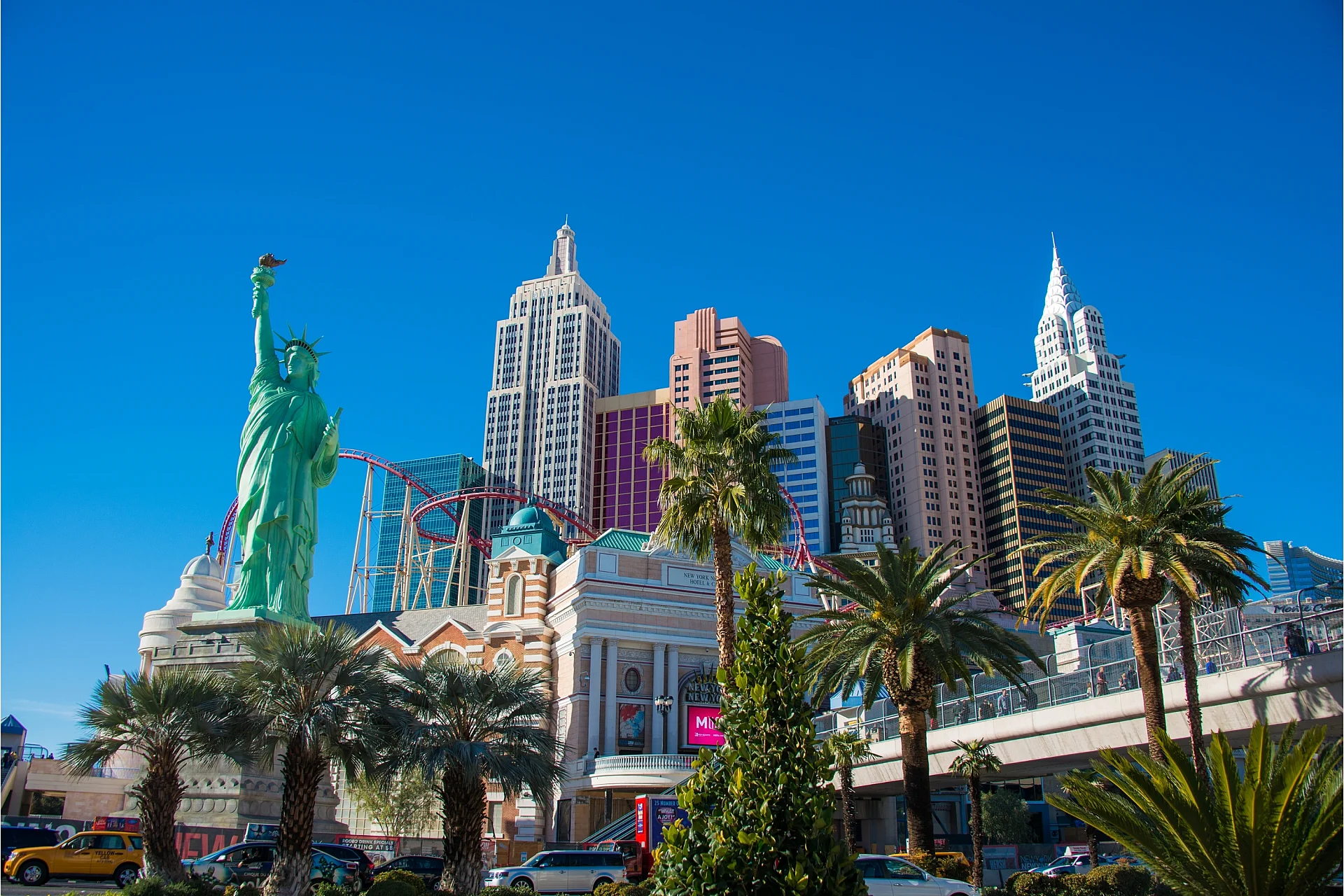


I love when everything is flashing everywhere, so I naturally wanted to see Las Vegas at least once in my life. To be honest, I loved spending a night there: we got to have a cocktail in a Mexican bar at the New York New York, ride a roller coaster, get a necklace given to us by a shirtless guy, walk through the dozens of gorgeous hotel sets, see the Wizard of Oz in the Sphere, go broke on peanut butter M&Ms... and the list goes on. All in under 24 hours. Yes, it is superficial, and you cannot ignore the sadness of people at 6 am at their slot machines and all the rest. It is over the top, it is an experience you will not get anywhere else I think. And if you have a few days, you should definitely take a day trip to Red Rock Canyon, get away from the neon and lights to see the magic of nearby nature too, which is well worth the trip.
PS: there is a One Piece Cafe not too far from the Strip, for the fans :)