
Visiting New Orleans, a crossroads of music, history, and Creole flavors
As the birthplace of jazz and a true melting pot of cultures, New Orleans stands out as one of a kind in the United States. Between its colonial architecture, lively streets, and spiced cuisine, it draws in history buffs, music lovers, and food enthusiasts alike. From the French Quarter and nearby plantations to the peak of Mardi Gras celebrations, the city delivers an experience packed with color.
The French Quarter: the historic soul of the city
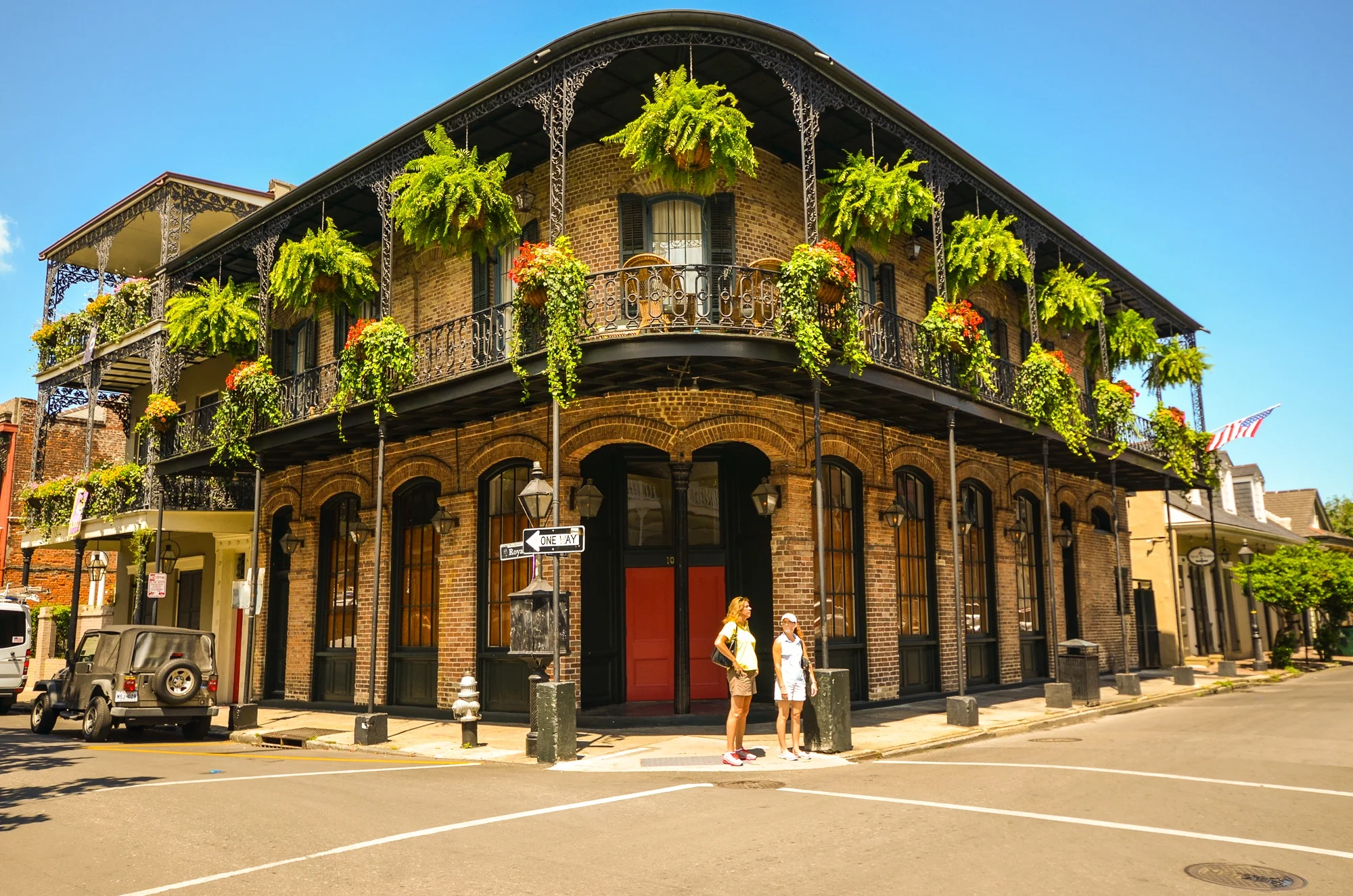
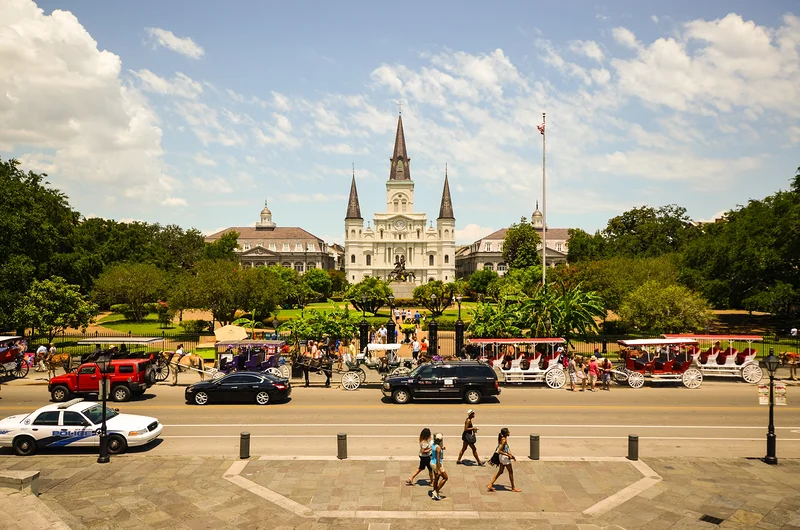
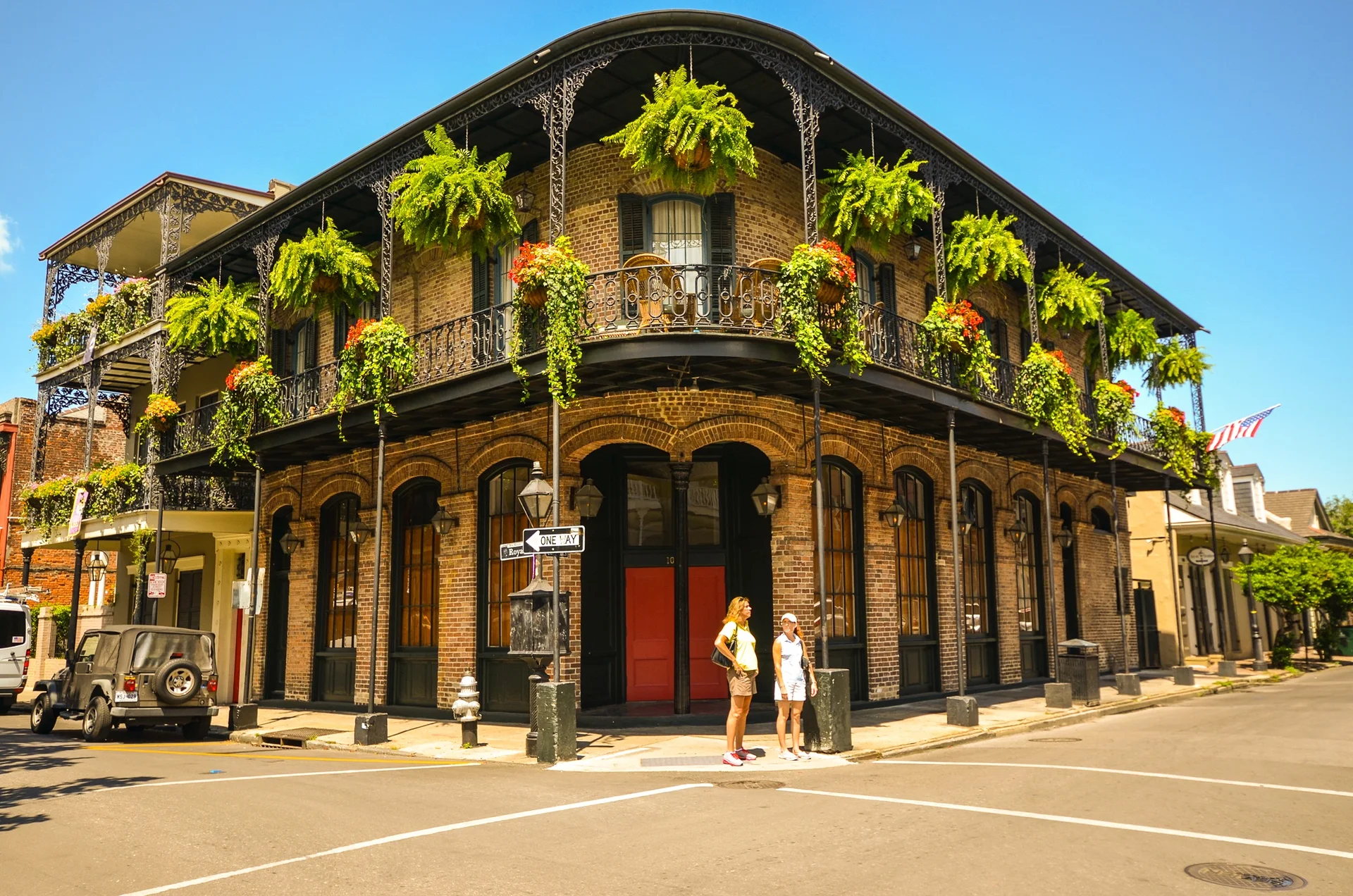
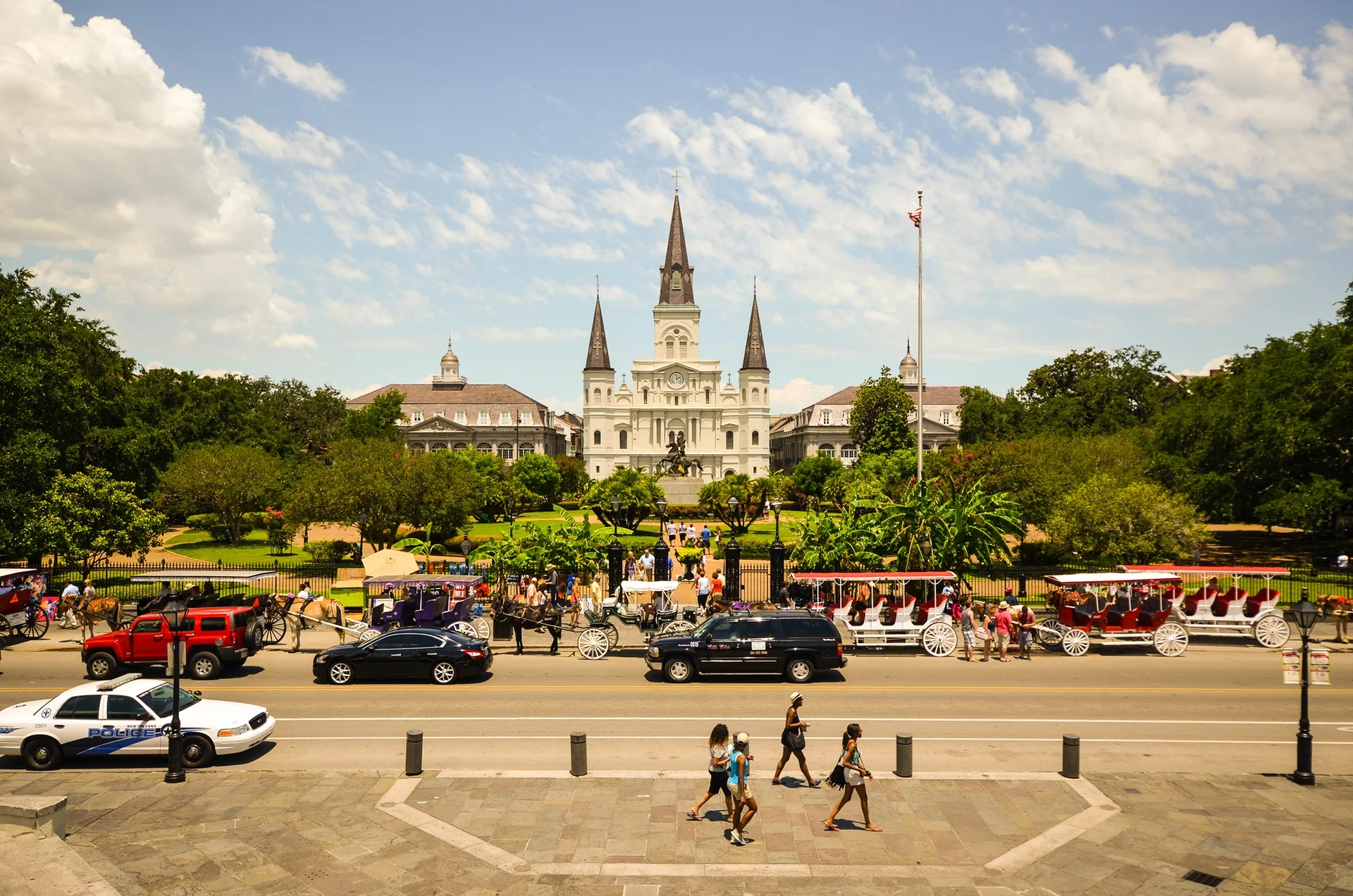
The French Quarter serves as the beating heart of New Orleans. Its narrow streets lined with wrought-iron balconies reflect a shared French and Spanish colonial past. The famous Bourbon Street draws the party crowd, while Royal Street pulls you in with art galleries and antique shops. Dominated by the St. Louis Cathedral, Jackson Square makes an ideal spot to watch street performers and soak in the local atmosphere.
Music around every corner
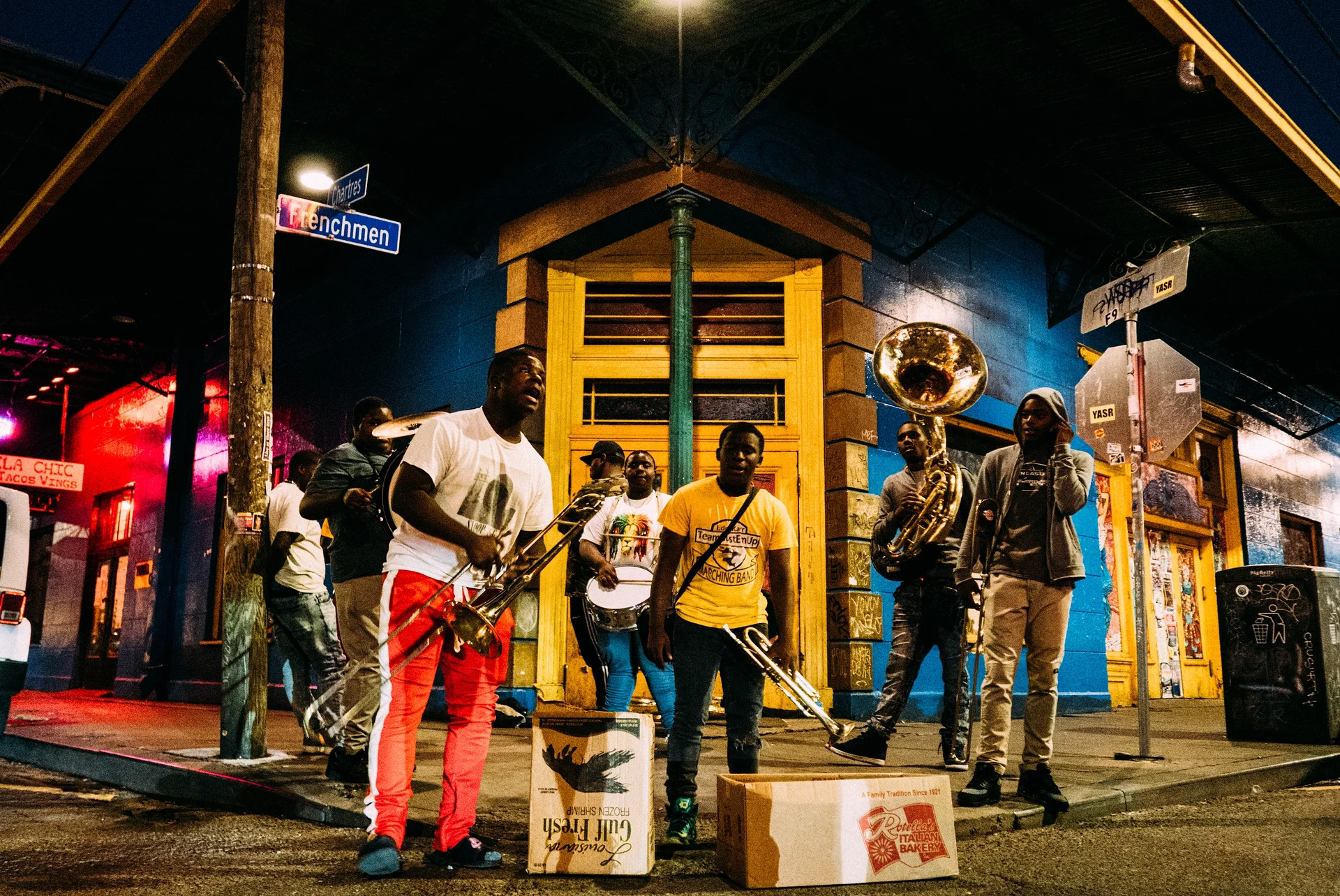
You cannot talk about New Orleans without talking about music. Jazz echoes everywhere, whether inside the clubs along Frenchmen Street or on the stages of the Preservation Hall. Running every spring, the Jazz & Heritage Festival draws international headliners to town. Beyond jazz, the city holds a strong reputation for blues, zydeco, and funk.
The Garden District and its historic mansions
Set in a more residential area, the Garden District showcases grand 19th-century mansions surrounded by lush gardens. A walk down Magazine Street lets you take in these estates while stopping at independent boutiques and neighborhood coffee shops. It provides a sharp contrast to the constant energy of the French Quarter.
Voodoo culture and unique cemeteries
New Orleans maintains a deep connection to the mystical. The historic St. Louis Cemetery No. 1, with its above-ground stone tombs, holds the supposed resting place of voodoo priestess Marie Laveau. Museums like the New Orleans Historic Voodoo Museum offer a closer look at this tradition, which remains a living part of local folklore.
A spicy, blended cuisine
The food scene in New Orleans blends Creole and Cajun influences. Gumbo, a spiced stew built on seafood or meat, stands as a local staple. Jambalaya, a rice dish inspired by Spanish paella, is another must-eat. For dessert, powdered sugar beignets paired with chicory coffee form a classic pairing.
Where to eat?
- Café du Monde (French Quarter). A neighborhood institution for beignets and café au lait.
- Commander’s Palace (Garden District). An iconic Creole restaurant known for formal service and distinctive decor.
- Cochon (Warehouse District). A popular spot serving authentic Cajun pork dishes.
- Willie Mae’s Scotch House (Treme). Famed for frying up what many consider the best fried chicken in the country.
Where to stay?
- Hotel Monteleone (French Quarter). A historic hotel featuring a famous revolving carousel bar.
- The Roosevelt (Central Business District). An elegant stay complete with a full spa and grand atmosphere.
- The Pontchartrain Hotel (Garden District). A boutique property with great views of the skyline.
- India House Hostel (Mid-City). A social and budget-friendly choice.
When to go?
Spring and fall bring comfortable weather, with mild temperatures and lower humidity. Mardi Gras season in February or March pulls massive crowds for parades and street parties. The Jazz Fest in April and May marks another high point on the calendar. Summers run hot and sticky, and the hurricane season lasts from June to November, peaking between August and October.
How to get there?
New Orleans is accessible via direct flights from major US cities. From Europe, connecting flights take between 12 and 15 hours. Prices shift by season, but a round-trip ticket from Paris runs between $570 and $1,020*. Louis Armstrong International Airport sits roughly 20 minutes from downtown.
How to get around?
The historic Streetcar system offers a practical and classic way to ride around town. City buses fill in the gaps, but the neighborhoods, especially the French Quarter, are best explored on foot. For longer hops, rideshares and taxis are readily available.
Named after a French city because it was formerly French territory, New Orleans has a culture that is very different from the rest of the USA. Fans of jazz music and Cajun food will love it. Just be careful with how heavy the weather feels in the summer.