Tucson, the Desert That Refuses to Be a Postcard
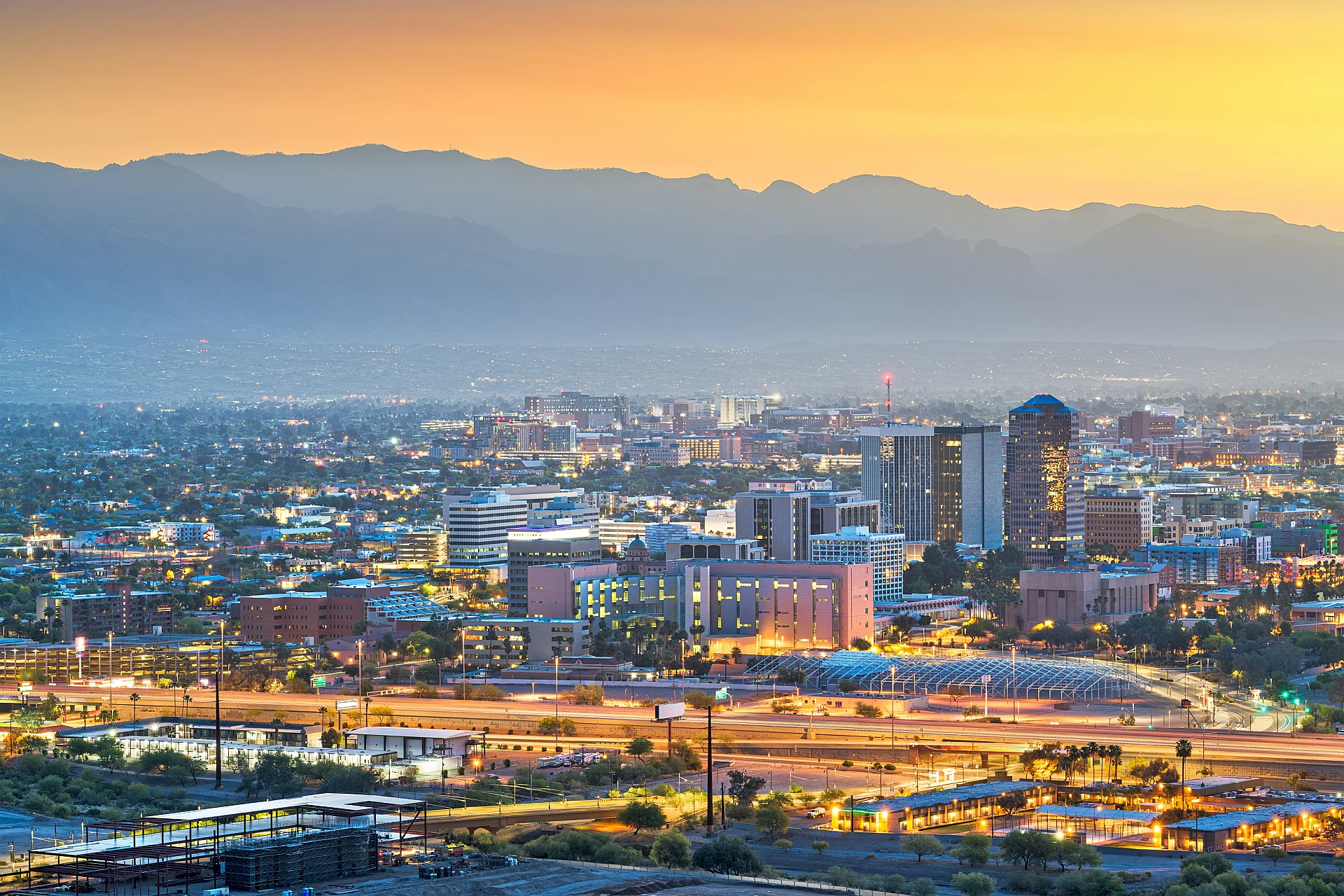
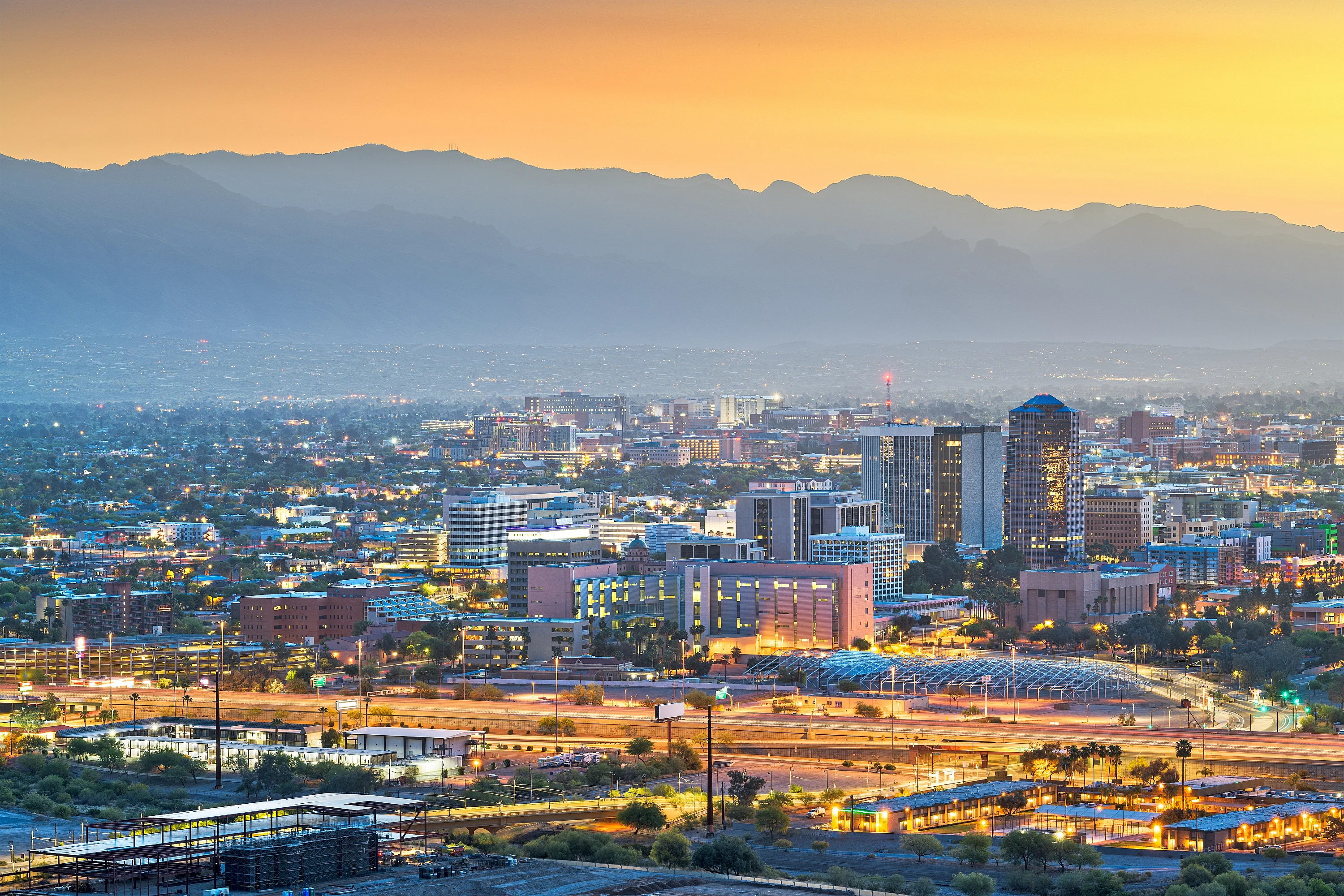
In Tucson, the sun sets behind mountains that turn bubblegum pink almost every evening, so reliably that locals have a name for it: the Catalina sunset. Saguaro cacti raise their gnarled arms toward the sky like centuries-old sentinels, and after a rain the air smells of creosote, a sharp, mineral scent you won't find anywhere else.
This Arizona city has nothing to do with the Hollywood Wild West set you might be picturing. It's a university town, an arts town, and Mexican to its core, planted in the middle of the Sonoran Desert.
Is Tucson the Right Trip for You?
Do you like wide-open spaces, dawn hikes to beat the heat, authentic Mexican food and an easygoing, no-pretense atmosphere? You'll fall for Tucson right away. This is a city you live outdoors, between stargazing and wandering the Sonoran Desert.
On the other hand, if you want a buzzing nightlife scene, grand monuments or a city you can cover on foot, Tucson may feel too spread out and too quiet. It's a driving city, built horizontally rather than for urban strolling.
Tucson is a great fit for:
- Hikers and desert-nature lovers
- Anyone curious about Mexican and Native American culture
- Travelers who want a reasonable budget compared with other Southwest cities
- Astronomy fans (some of the clearest skies in the United States)
Tucson is not a great fit for:
- Travelers without a car who are counting on public transit
- Anyone looking for intense nightlife
- Visitors sensitive to extreme heat (summers regularly top 104°F)
An Affordable Budget Compared With the Rest of the Southwest
| Item | Range |
|---|---|
| Night in basic lodging (motel/hostel) | $50 to $80 |
| Night in comfortable lodging (mid-range hotel) | $120 to $200 |
| Quick meal (taco truck, taqueria) | $8 to $12 |
| Sit-down restaurant meal | $20 to $35 |
| Rental car, per day | $35 to $60 |
Estimated prices, subject to change
The Practical Reality: You Need a Car, and You Need to Respect the Heat
Tucson sprawls across an enormous area. Without a vehicle, you'll get stuck fast: the Sun Tran bus network exists, but frequency and coverage are limited, especially in the evening. A rental car is pretty much essential for exploring the surrounding area.
Summer heat is no joke: from June through September, temperatures regularly climb past 104°F. Hiking early in the morning is a local reflex, not an option.
The Historic Center and the University District
The Barrio Viejo neighborhood, just south of downtown, preserves traces of old Mexican Tucson with its brightly colored adobe houses. It's a place to explore slowly, on foot, taking in the architectural details rather than hunting for a specific attraction.
Around the University of Arizona, the mood shifts completely. Cafés, independent bookstores and a real student buzz fill the Fourth Avenue district, known for its vintage shops and its street fair, held twice a year.
The Desert and Its Green Giants
Saguaro National Park, split into two sections east and west of the city, protects the densest concentration of saguaro cacti in the world. Some specimens are more than 150 years old and 40 feet tall.
Friendly tip: go for the west section of the park (Tucson Mountain District) at sunset. The Bajada Loop Drive scenic road gives you saguaros silhouetted against the sky, a show that draws far fewer people than the east section.
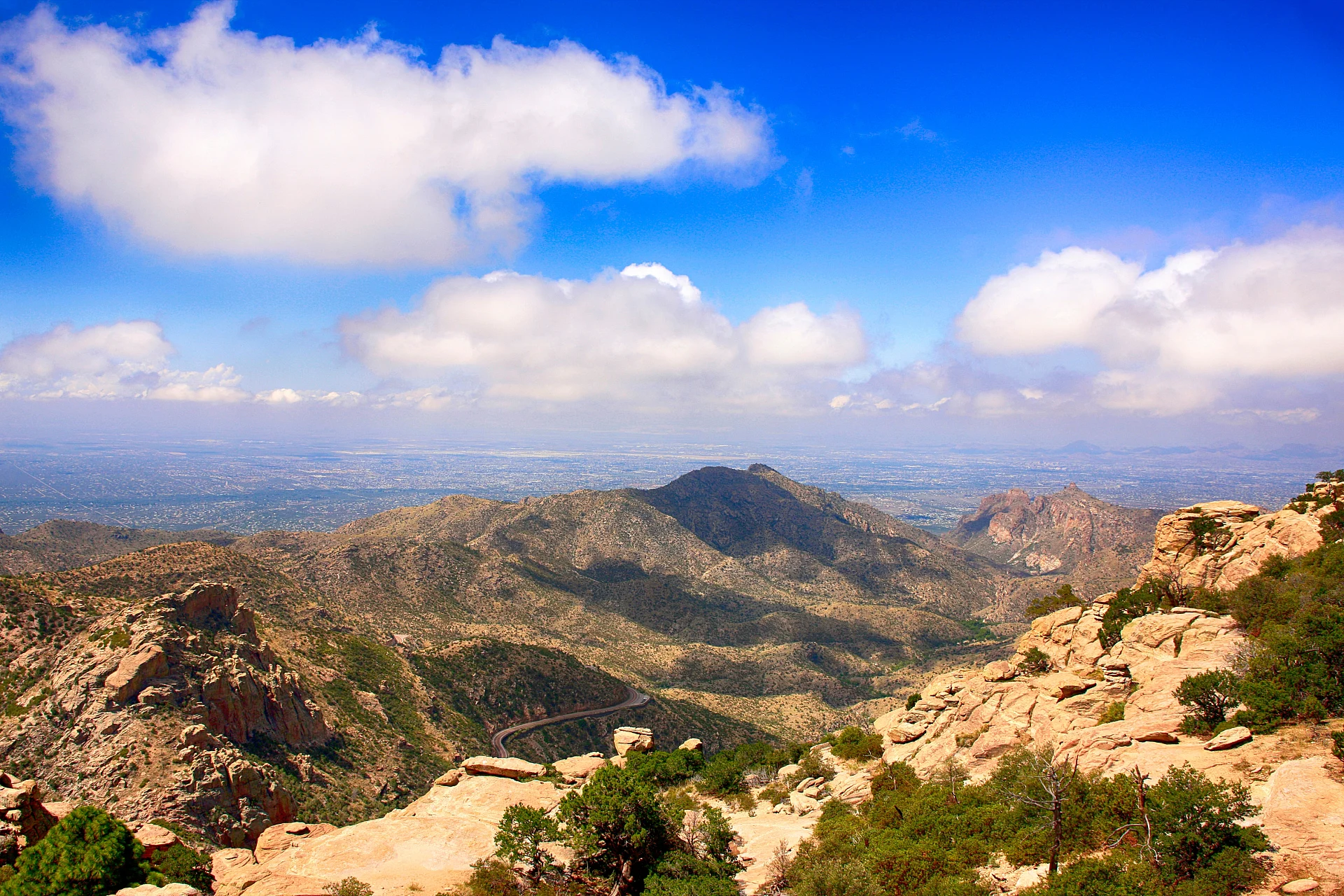
Sabino Canyon, in the Santa Catalina Mountains, offers shaded trails along a stream, a welcome rarity in the middle of the desert.
Astronomy and Science in the Desert
Since 1972, Tucson has enforced one of the oldest light-pollution ordinances in the world, adopted to protect the observatories around it. The region is home to several major observatories, including Kitt Peak National Observatory, an hour's drive away, which runs stargazing evenings open to the public.
Biosphere 2, an experimental closed ecosystem affiliated with the university, is also open to visitors and tells the fascinating story of the sealed-ecosystem project launched in the 1990s.
Where to Eat and Drink in Tucson
Tucson has been named a City of Gastronomy by UNESCO, the first American city to receive the designation. The undisputed local specialty is the Sonoran hot dog: a bacon-wrapped hot dog tucked into a soft bun and topped with pinto beans, tomatoes and jalapeño sauce.
Don't miss the carne asada tacos from the street stands either, especially around South Tucson, a Mexican enclave that has been known for its culinary authenticity for decades.
Where to Stay in Tucson and Nearby
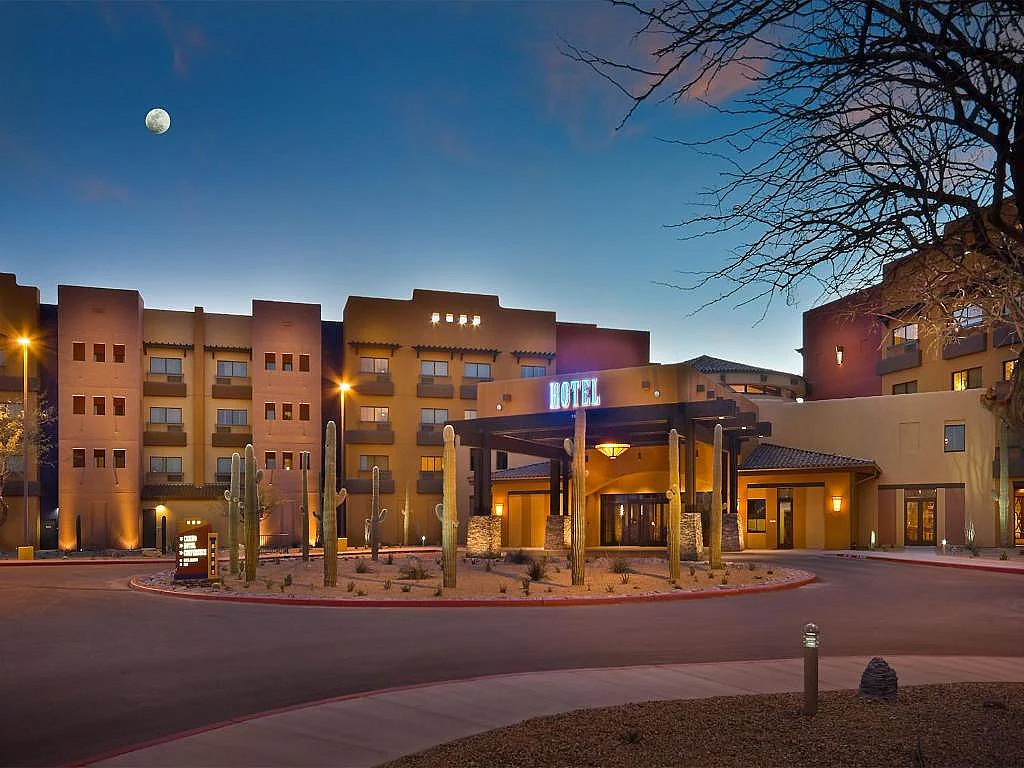
Downtown and the university district hold most of the charming hotels and boutique-style properties, handy for exploring the historic neighborhoods on foot. For a more desert-immersive stay, the Catalina Foothills area to the north has resorts with mountain views, often pricier but spectacular at sunrise.
How to Get to Tucson
Tucson International Airport (TUS) handles domestic flights only, so most connections run through a hub like Los Angeles, Dallas or Phoenix. From Phoenix, it's about a two-hour drive.
How to Get Around Tucson
The Sun Tran bus network covers downtown and the main corridors, with an affordable day pass, but it won't get you to the natural parks or the far-flung residential areas.
A rental car remains the most practical option. Distances between points of interest are measured in tens of miles, and ride-hailing services like Uber work well in town but get expensive for trips out to the national parks.
When to Go to Tucson
Spring, from March through May, and fall, from October through November, offer the best conditions: mild temperatures, clear skies and spectacular desert blooms in April. Avoid July and August, when the crushing heat sharply limits outdoor activities, though it's also monsoon season, with storms that are impressive to watch from a high vantage point.