Visiting Arizona
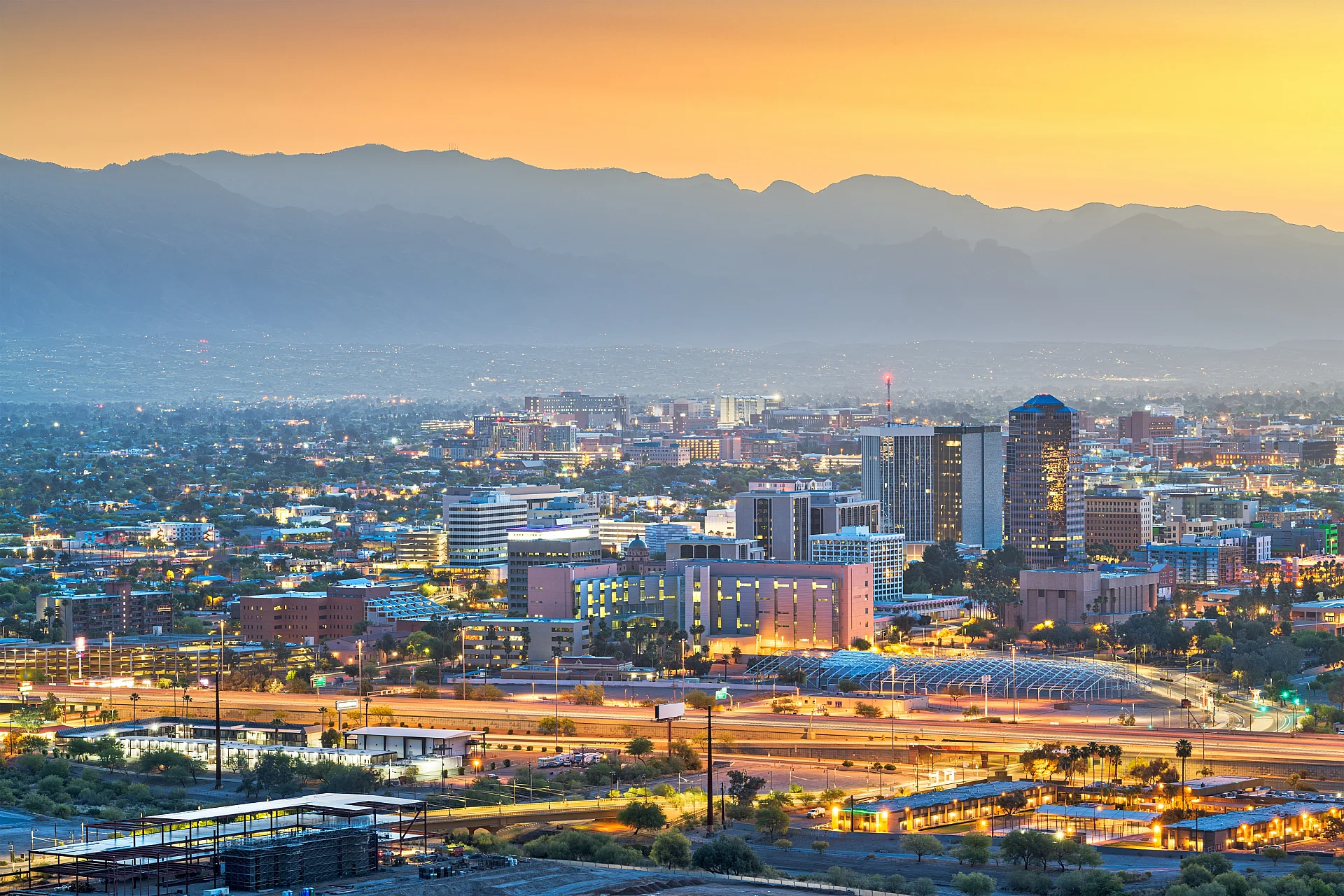
Arizona comes on two floors. To the north, the Colorado Plateau at two thousand metres, where the river spent six million years cutting what everyone comes to see. To the south, the Sonoran Desert at six hundred metres, the one with the giant cactus and forty-five degree summers.
Between them, four hours of road and a permanent ten degrees of difference. Page and Kayenta serve the first, Tucson the second.
You will love it if
- You drive: it all happens on the road, and the distances are handsome
- You come in April, May, October or November
- You will get up before daylight for the light
Look elsewhere if
- You want no car: nothing here is served any other way
- You come south in July: it is 43 °C in the shade
- You are after cities: the interest is outdoors, not indoors
The must-sees
The highlights
-
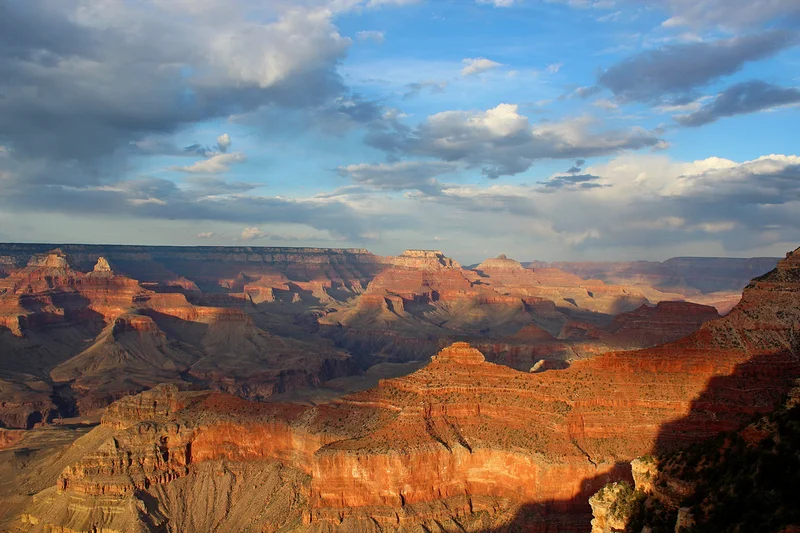
1 Grand Canyon National Park +21 recs
Five hundred thousand hectares, World Heritage listed, founded in 1919. The South Rim is open all year and holds the viewpoints; the North Rim, a thousand metres higher, closes under snow from November to May.
-
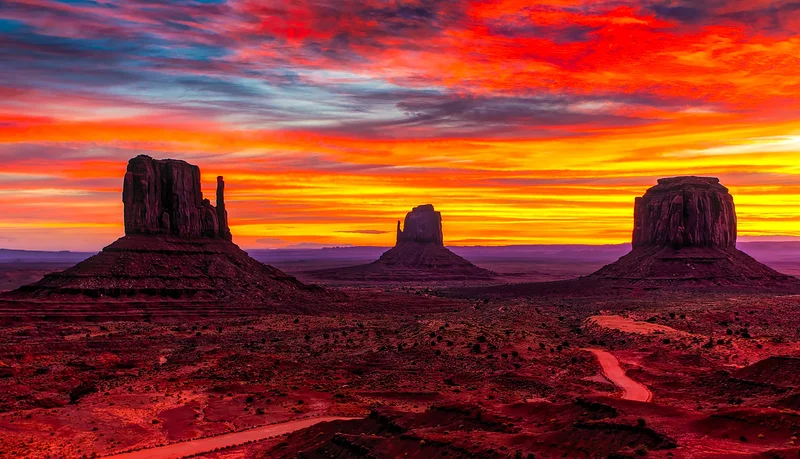
2 Monument Valley +15 recs
The red buttes that stood in for the West in dozens of films, on Navajo Nation land. The seventeen-mile loop is driven slowly in your own car, or with a Navajo guide who opens the sectors closed to everyone else.
-
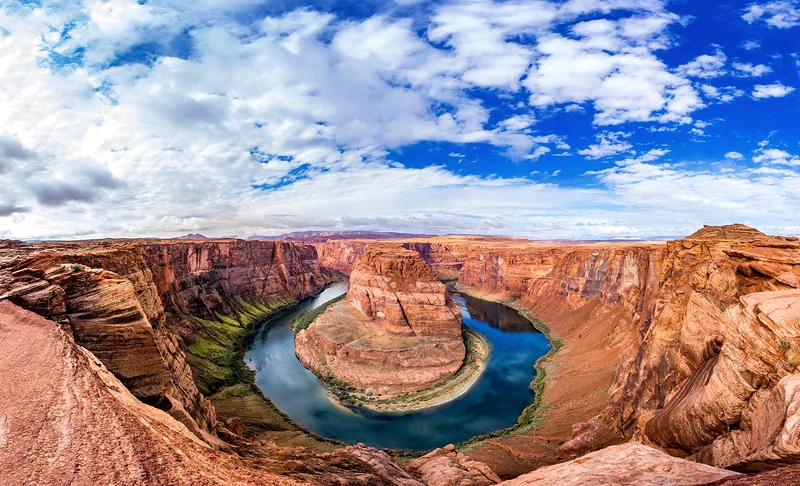
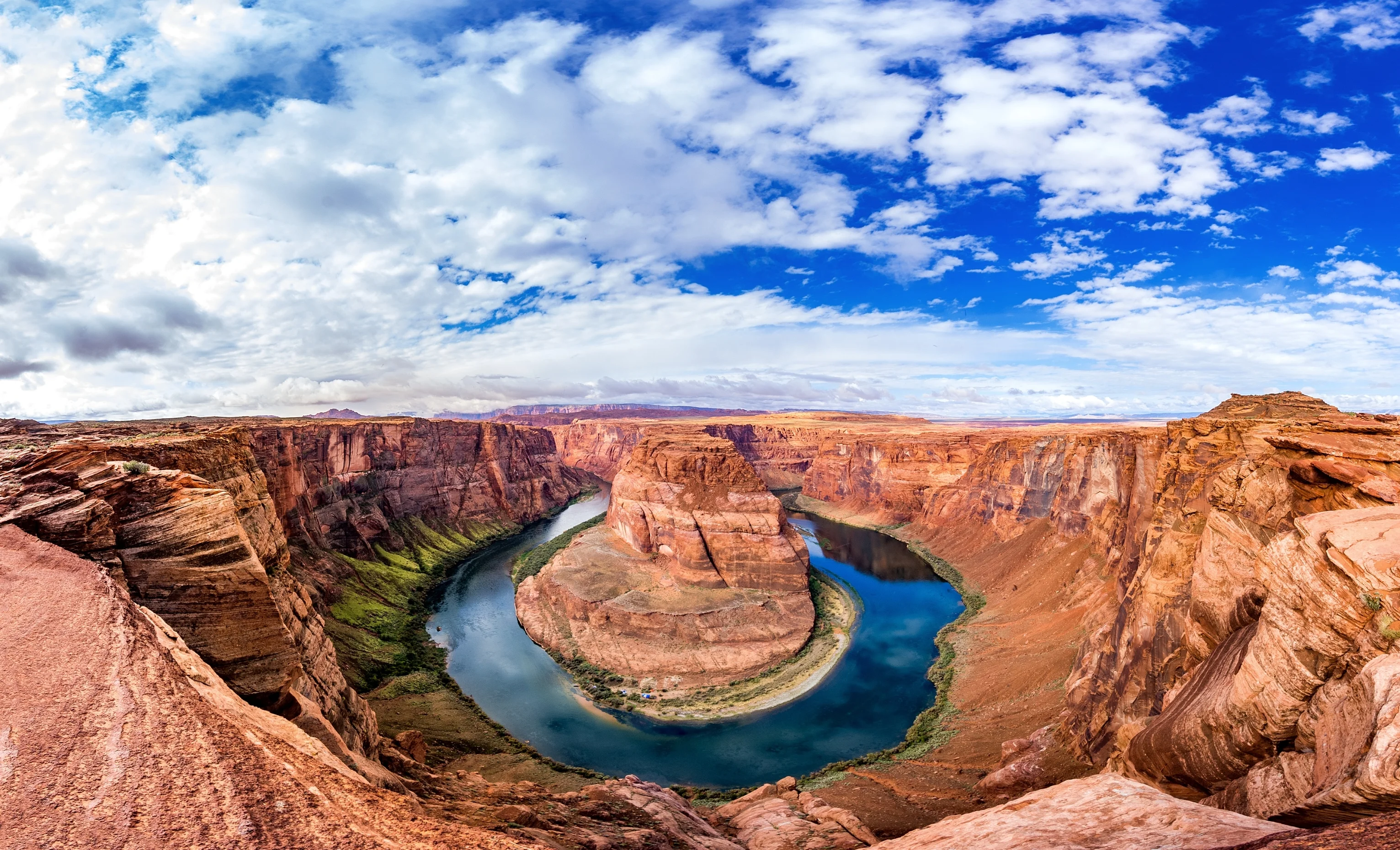
3 Horseshoe Bend +13 recs
A quarter of an hour's flat walk from the car park, and the ground falls away on a bend three hundred metres deep. There is no railing along most of the rim, and that is what makes the place land.
-
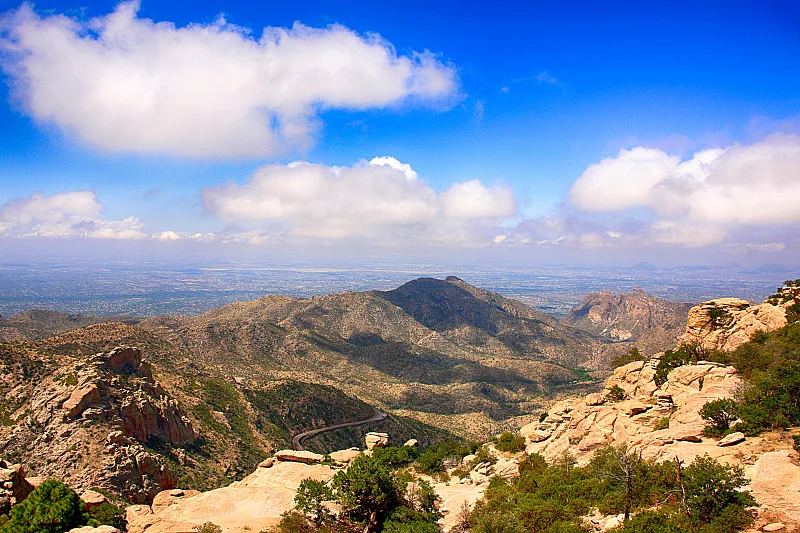
4 Mount Lemmon Ski Valley +1 rec
The southernmost ski area in the United States, an hour from Tucson. The road up crosses five ecosystems, from Sonoran desert to pine forest: you set off at thirty degrees and arrive at ten.
-
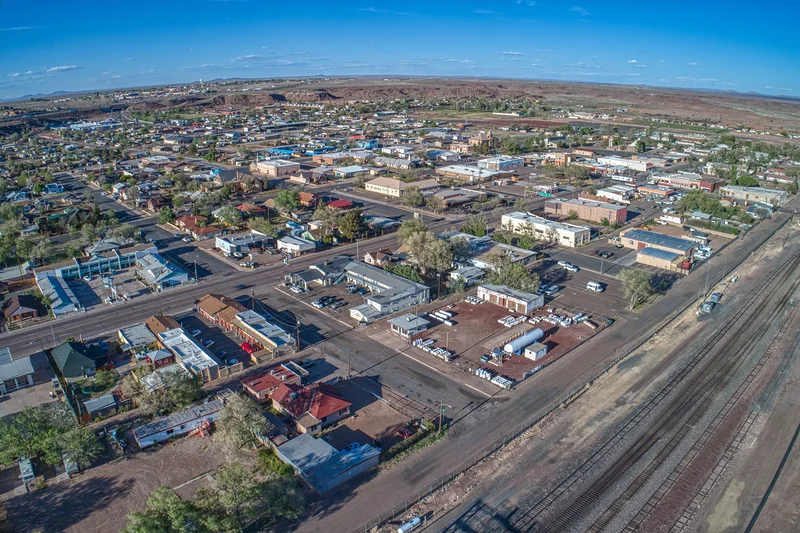
5 Holbrook and Route 66 +12 recs
Until 1913 the only county seat in the United States without a church, nicknamed Too Tough for Women and Churches. Today you sleep there in concrete tipis lined up along the old highway.
The classic mistake
Planning the Grand Canyon and Monument Valley for the same day. There are three hours of road between them with nothing in between, and both want morning or evening light. A night in Page or Kayenta settles it.
Our itineraries in Arizona
| Length | Itinerary | What you see |
|---|---|---|
| 3 days | Grand Canyon Village and Page | The South Rim, Horseshoe Bend |
| 1 week | Page › Kayenta › Grand Canyon › Holbrook | The whole plateau and Route 66 |
| 10 days | The plateau then Tucson | Both floors, canyons and saguaros |
Distances count in hours, not miles: Page is 2 h 15 from the Grand Canyon, Kayenta 2 h from Page, and Tucson 6 h from the canyon.
Which way round the loop goes matters: start south in winter and north in summer and you keep the right temperature at both ends, avoiding the one real mistake of this trip, the desert in August.
When to visit Arizona
| Rating | Season | Weather | Crowds and prices |
|---|---|---|---|
| April, May, October | 20 to 28 °C south, 15 to 22 at the canyon | Moderate, the best light | |
| June to August | 40 to 45 °C south, monsoon storms | Busy at the canyon despite the heat | |
| November | 12 to 22 °C, clear skies | Light, rates falling | |
| December to March | Snow on the plateau, 18 °C in Tucson | North Rim closed, the south pleasant |
Our advice
The July and August monsoon is not steady rain: it is violent late-afternoon storms that drown the dirt tracks in twenty minutes. On the Monument Valley loop, that means a bogged vehicle and no signal.
Getting to Arizona
-
1 By plane The way in
no non-stop from Britain. It is one change at a US gateway, then American Airlines down to Phoenix, which it has made one of its hubs. Around seventeen hours door to door.
-
2 By car On the ground
essential, hired in Phoenix or Las Vegas. The distances are long but the roads wide and empty, and fuel costs half the European price.
-
3 Via Las Vegas The other door
many travellers come in through Nevada: Las Vegas is 4 h 30 from the Grand Canyon and 4 h from Page, with transatlantic fares often lower than into Phoenix.
Mind the automatic gearbox and the size of the car: the bays at Grand Canyon Village are sized for pick-ups, but the Navajo tracks at Monument Valley are rutted and a low saloon suffers on them.
Getting around Arizona
Inside Grand Canyon park, free shuttles serve the South Rim viewpoints, and the western road is reserved for them most of the year. Park once at Grand Canyon Village and leave the car alone: that is the method.
Worth knowing
The Navajo Nation, which covers Monument Valley and Kayenta, observes daylight saving while the rest of Arizona does not. From April to October it is therefore an hour later there than in Page, fifty kilometres away. Opening times follow suit.
What to eat in Arizona
- Navajo frybread: a fried flatbread served loaded with beans, meat and cheese, the Navajo taco. Born of the rations imposed during the deportation of 1864, and now the dish of the nation.
- The chimichanga: the deep-fried burrito, invented in Tucson according to the local account, and served all over the south of the state.
- Sonoran cooking: Tucson is the first American city listed by UNESCO for its food, thanks to four thousand years of unbroken farming in the valley.
- The Sonoran hot dog: a bacon-wrapped sausage with pinto beans, tomato and mayonnaise in a brioche roll. Sold from a truck in the evening, and that is where it is best.
- Prickly pear: the fruit of the barbary fig, shocking pink, as syrup, lemonade or margarita. It grows everywhere and is picked in August.
- Yuma dates: the palm groves of the south-west supply most of America's dates, and date milkshakes are a roadside institution.
- Canyon coffee: the park restaurants open at half past five for the sunrise crowd. It is the one point of the trip where that detail really counts.
On the plateau the options are few and close early: at Kayenta as at Holbrook, last orders are around eight. A cool box in the boot is not a luxury, it is the normal organisation of a road trip here.
And the Navajo Nation is dry: selling alcohol is forbidden there, which catches people out in the evening at Monument Valley.
Where to stay in Arizona
| Area | What it is for | Worth knowing |
|---|---|---|
| Grand Canyon Village | South Rim, sunrises | Book a year ahead, or fall back on Tusayan |
| Page | Horseshoe Bend, Lake Powell | A practical base, charmless motels |
| Kayenta | Monument Valley at first light | Few addresses, book early |
| Holbrook | Route 66, petrified forest | The concrete tipis, a night worth retelling |
| Tucson | Sonoran desert, Mount Lemmon | A real city, good food, cheap in summer |
The six historic hotels on the South Rim, inside the park itself, take bookings thirteen months ahead to the day. Sleeping in one is worth the effort: you walk to the rim before dawn, when the coaches from Page have not arrived.
In Tucson it is the reverse: rates collapse in July, when the heat empties the city, and hotels with a pool become affordable.
How much does a trip in Arizona cost?
| Style | Length | Budget per person |
|---|---|---|
| Budget (motels, shared car, groceries) | 10 days | 900 to 1,300 € |
| Comfortable (hotels, car, restaurants) | 10 days | 1,800 to 2,600 € |
| High end (park lodges, Navajo guide, flight over) | 10 days | 4,000 to 6,000 € |
- The annual parks pass: pays off from three national parks, and it covers the whole vehicle rather than the person.
- Fuel: half the European price, which changes the maths on detours. Fill up before entering Navajo land, where it costs more.
- The motels of Holbrook and Page: three times cheaper than the park lodges, one or two hours away.
- July in Tucson: the low season in the south is the high season in the north. A trip that starts in the desert at dawn and ends at altitude has both.
- The park shuttles: free, and they spare you the hour spent hunting a space at sunrise.
Traditions and way of life in Arizona
The Navajo Nation is the largest Native American territory in the United States, bigger than ten states, with its own government, police and laws. Monument Valley is a tribal park, not a national one: the federal pass is worth nothing there, and the entrance fee goes to the nation.
This is also where the code talkers of the Second World War were recruited, who carried Pacific communications in Navajo. The code was never broken, and it stayed classified until 1968.
Two habits that matter. On Navajo land you do not photograph people or their homes without asking, and the answer is often no: that is not suspicion, it is a cultural rule.
And water: four litres per person per day in summer, in the car, even for a short walk. Rescues at the Grand Canyon run into the hundreds each year, almost always for that reason.