
Visiting Guanajuato, a Baroque mountain city in the Mexican highlands
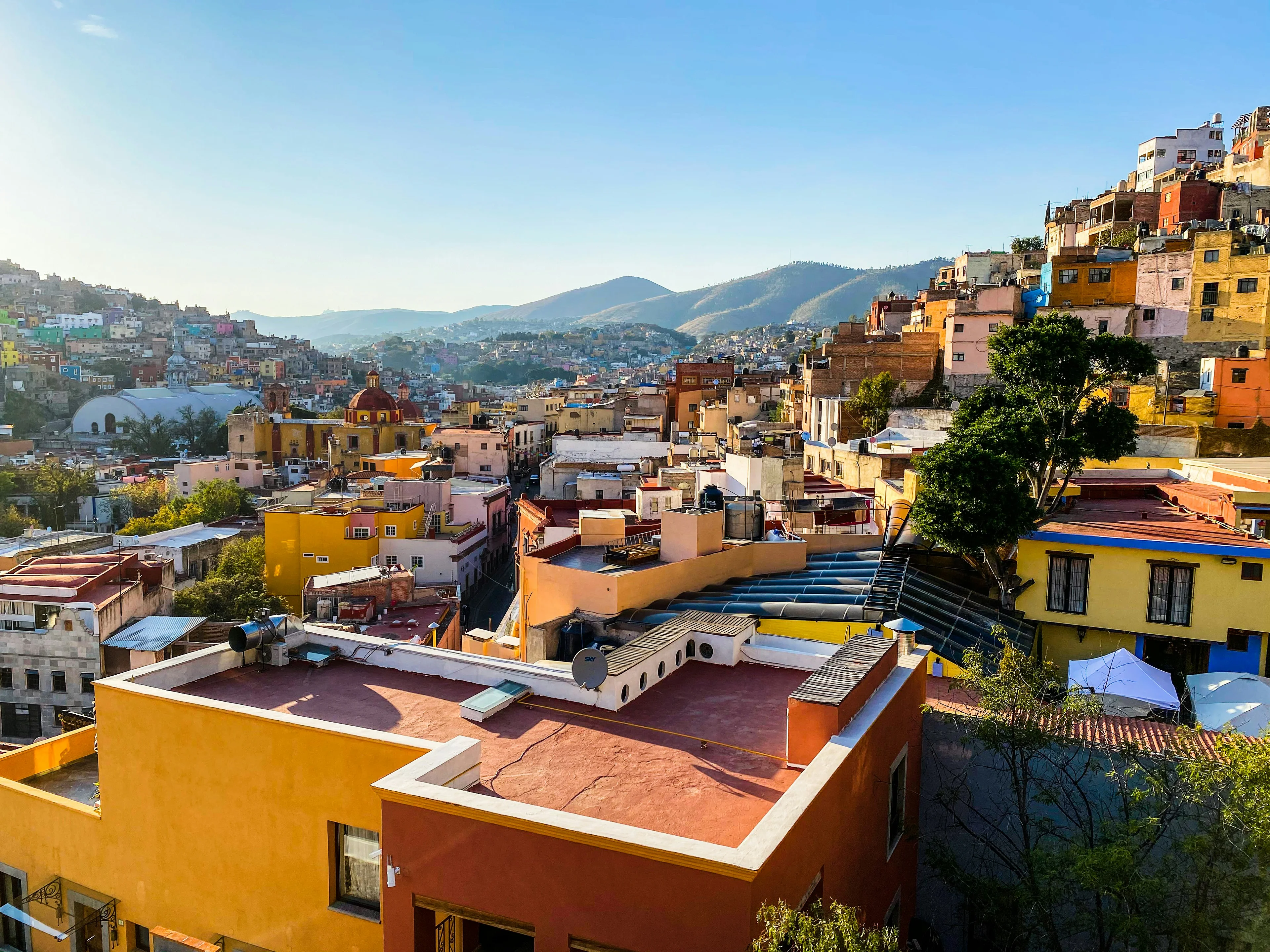
Picture a cascade of brightly painted houses tumbling down the sides of a narrow valley, while a network of subterranean tunnels hums beneath your feet. Welcome to one of the most distinctive colonial cities in Mexico, where Baroque architecture rubs shoulders with alleyways so narrow neighbors can practically trade whispers from opposite balconies.
This former silver-mining capital, inscribed as a Unesco World Heritage site since 1988, turned its challenging geography into an asset. Cars are banned from the historic core, giving pedestrians total freedom to explore paved callejones and shaded plazas.
A destination for culture seekers and history buffs
This lively university city appeals to travelers looking for an authentic Mexican experience, far from standard beach resort clichés. History enthusiasts will appreciate the ornate Baroque churches and museums dedicated to the country's independence, while wanderers will love the bohemian vibe of neighborhood plazas and café terraces that come alive at dusk.
On the other hand, if you prefer ultra-modern comforts and flat terrain, keep in mind that steep streets demand strong legs, and the city's historic charm often means older boutique hotels lack elevators. Families traveling with strollers will need patience dealing with stairs and cobblestones. Beachgoers should simply keep driving toward the coast.
A reasonable budget for a character-filled destination
Plan on $57 to $90* per day per person to experience the city comfortably. A double room in a charming boutique hotel runs around $45-$79*, a great meal costs $9-$17*, and museum entry fees are minimal ($2.30-$5.70*). Accommodations in the historic center cost a bit more, but they save you taxi fares and place you right inside the city's unique atmosphere.
Diving into mining and revolutionary history
In the 16th century, the discovery of massive silver veins turned this mountain pocket into one of New Spain's most prosperous cities. That wealth drew Spanish colonists who built opulent churches and palaces, but it also fueled tensions that erupted in 1810 with the capture of the Alhóndiga de Granaditas. That day, insurgents led by Miguel Hidalgo won their first significant victory against royalists, marking the start of the Mexican War of Independence.
Today, that imposing neoclassical building houses the Regional Museum, where a dedicated room honors revolutionary heroes. To understand where all that silver wealth came from, descend nearly 70 meters underground into the Museo Mina la Valenciana, one of the country's most productive silver mines. Equipped with a hard hat, you will walk in the footsteps of the 10,000 workers who once hauled out the precious metal daily.
Friendly tip: Tour the mine in the morning to avoid the stuffy heat that builds up in the tunnels by afternoon. Pack a light sweater because temperatures drop sharply underground.
Climbing to the best viewpoints
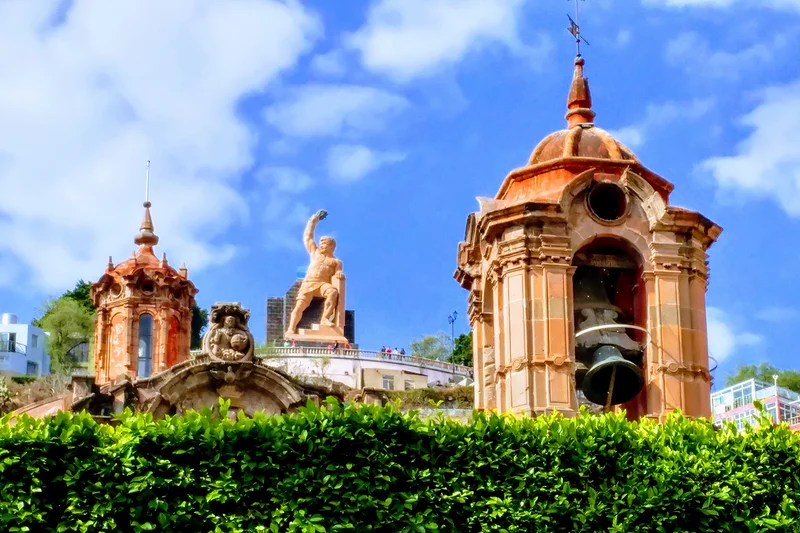
To grasp the kaleidoscopic beauty of the city, take the funicular railway from the Juárez Theater up to the Monumento al Pípila. This monumental statue honors the miner who helped capture the Alhóndiga by setting its wooden doors on fire. The real draw here is the 360-degree panorama over the colorful rooftops, church spires, and surrounding mountains.
The Juárez Theater itself is worth a close look, with its neoclassical Doric portico contrasting against a Moorish interior of gold leaf and red velvet. If your timing aligns, catch a performance by the symphony orchestra for just a few dollars.
The Callejón del Beso and local legends
In the maze of narrow lanes, do not miss the city's tightest alleyway, the Callejón del Beso (Alley of the Kiss). Measuring barely 68 centimeters wide, it owes its romantic name to a tragic legend of forbidden love. Couples squeeze onto the third step to kiss and secure seven years of good fortune. It is undeniably popular, but the spot takes on a wonderfully melancholic atmosphere at sundown.
Friendly tip: Avoid this alley between 11:00 AM and 3:00 PM when tour groups bottleneck the walkway. Go in the late afternoon for a crowd-free photo.
Exploring unusual museums and Baroque churches
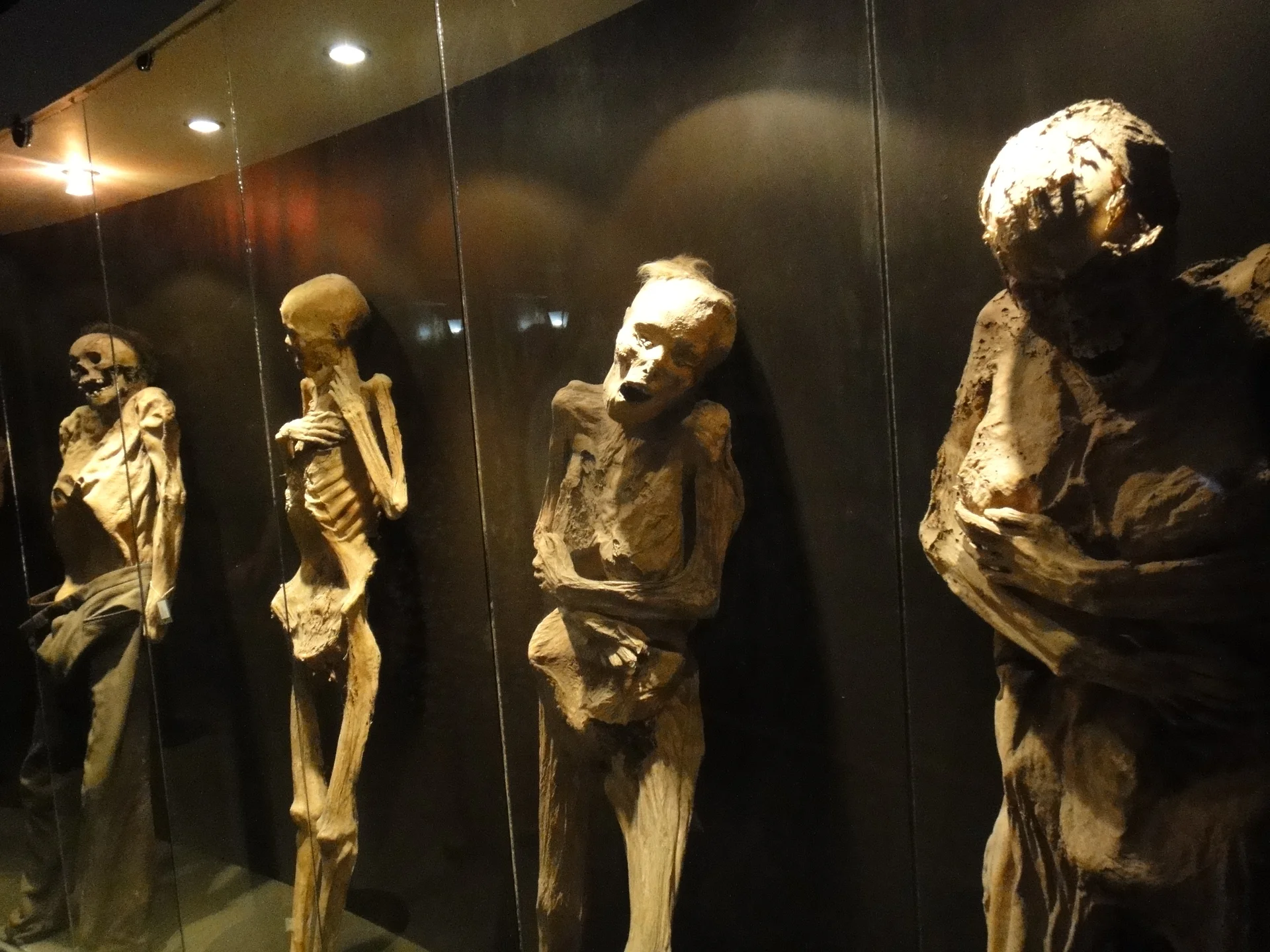
Among the city's quirky curiosities, the Mummy Museum stands out. These 111 naturally mummified bodies, preserved by the local soil chemistry, were exhumed from the municipal cemetery in the 19th century. Some visitors find the exhibit fascinating while others find it slightly macabre, so decide for yourself if this peek into Mexican death culture appeals to you.
For art lovers, the Don Quixote Iconographic Museum brings together an impressive collection of paintings, stained glass, and sculptures inspired by Cervantes. The city holds a deep admiration for the Spanish author and hosts the International Cervantino Festival every autumn, drawing theater troupes from around the globe.
Churches that tell the tale of the golden age
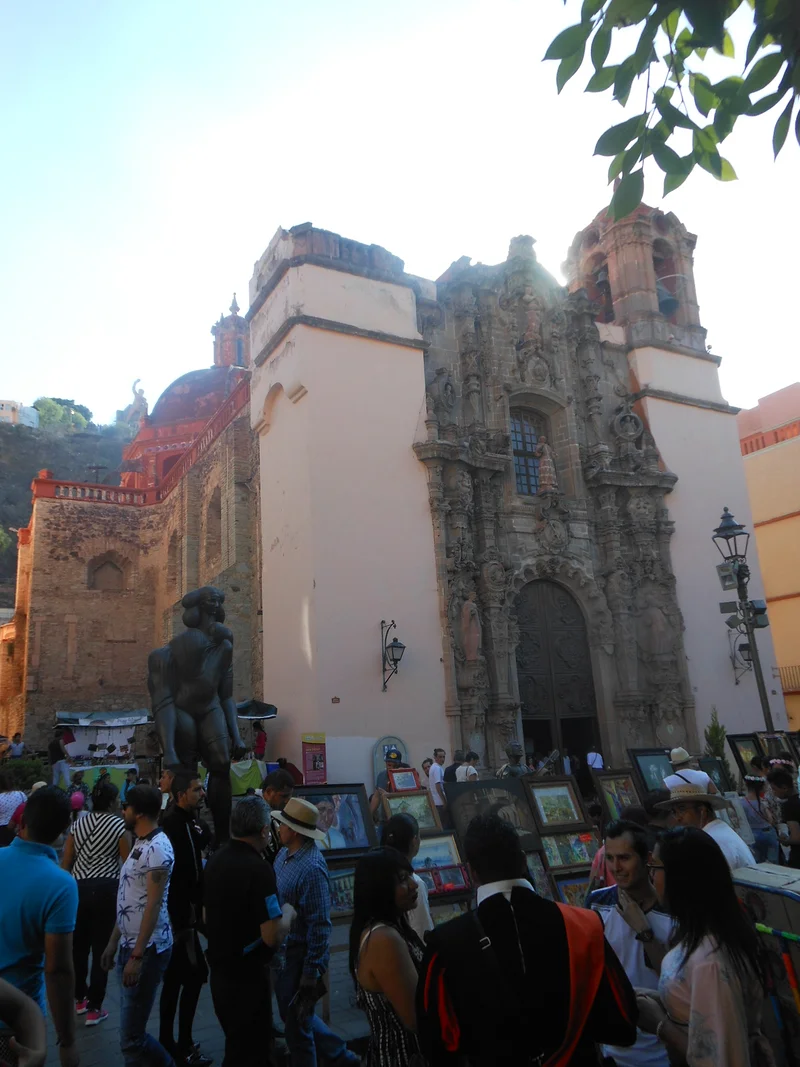
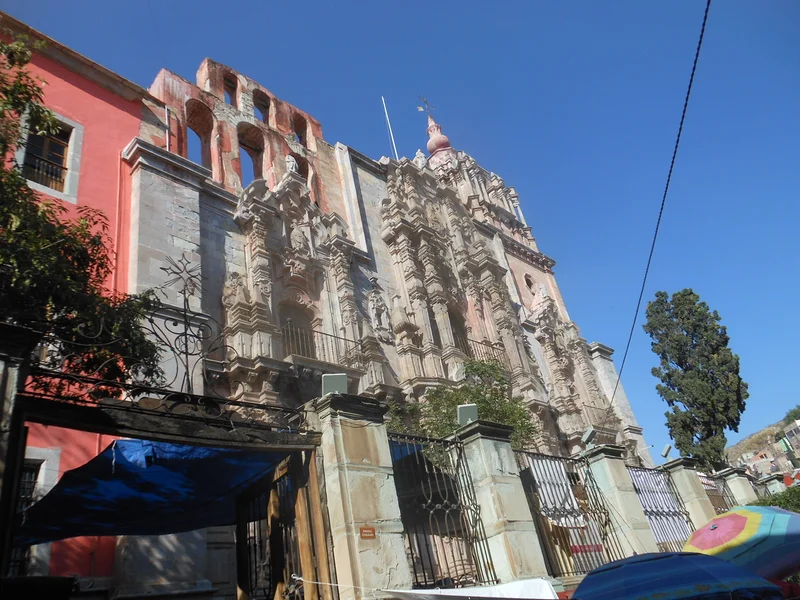
The Basilica of Our Lady, with its bright yellow facade visible from afar, houses a statue of the Virgin Mary gifted by Philip II of Spain in 1557. More discreet but equally striking, San Diego Church catches the eye with its red dome and intricate Churrigueresque facade. Up in the village of La Valenciana, just outside town, the namesake church bears witness to the sheer extravagance of mine owners with its heavy gilding, Baroque altars, and carved retables.
Friendly tip: Attend Sunday morning mass at the Basilica to experience the space in its authentic context among local worshippers and traditional choir music.
Wandering through markets and evening strolls
The Mercado Hidalgo, built in 1910 on the site of the old Gavira bullring, stretches its two-story Art Nouveau iron structure over bustling aisles. Between stalls piled high with tropical fruit, local handicrafts, and street food, the energy picks up early. This is the spot to try traditional enchiladas mineras at one of the food counters, featuring tortillas dipped in red guajillo chile sauce and stuffed with potatoes and carrots, a hearty meal miners ate before heading underground.
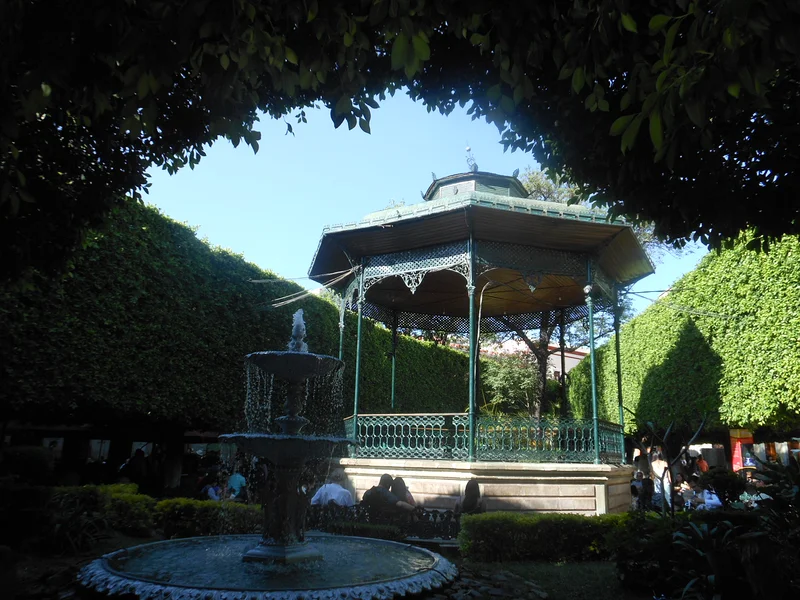
As evening falls, everything flows toward the Jardín de la Unión, the beating heart of the city. This triangular plaza shaded by trimmed laurel trees transforms into an open-air stage complete with mariachis, students dressed as medieval troubadours leading callejoneadas (musical walking tours), and couples dancing under the lights. Grab a sidewalk table, order a mezcal, and let the festive atmosphere carry you into the night.
Friendly tip: Book a spot for a callejoneada as soon as you arrive. These musical wanders through the alleyways, filled with local folklore and tequila sips, are a cornerstone of the local nightlife.
Where to eat and drink in Guanajuato
The local food scene blends mining heritage with contemporary creativity. Beyond the previously mentioned enchiladas mineras, be sure to try a guacamaya, a massive torta stuffed with carnitas, crunchy pork cracklings, and smashed avocado, best eaten standing at a Mercado Hidalgo food stand. For a refined take on Mexican cuisine, Mestizo serves creative fusion dishes like fish in green pipian sauce alongside cheese-stuffed ravioli.
For ambiance, Casa Valadez offers the best terrace seating overlooking the Jardín de la Unión, ideal for Sunday brunch and people-watching. Rooftop fans should head to Antigua Trece for comfortable lounge seating and sweeping views over the colorful valley. For coffee and pastries, French expats run La Vie en Rose, serving proper croque-madames and fruit tarts in a bohemian setting. Finally, do not leave town without a drink at Bar Luna right on the square.
How to get to and around Guanajuato
International travelers typically fly into Mexico City and catch a short domestic connection to Bajío Airport (BJX), situated between León and Silao. Alternatively, you can take a direct long-distance bus from Mexico City (a 4.5 to 5-hour ride costing $17-$29*). Operators like Primera Plus and ETN run comfortable, frequent services.
Once you arrive, ditch the car since the labyrinth of pedestrian lanes and blind tunnels makes driving stressful, and most downtown hotels lack parking spaces. Your own 68 centimeters are your best transport, supplemented by the funicular ($5.70* round-trip) to reach the Pípila viewpoint. For farther spots like the Mummy Museum or La Valenciana, rideshare apps like Uber operate reliably and cost very little ($3.40-$5.70* per ride). If you want to explore nearby spots like San Miguel de Allende an hour away, rent a car for the day right from the airport.
When to go?
The dry season from October to April delivers the best conditions: blue skies, daytime temperatures hovering around 70-75°F, and very little rain. October stands out thanks to the International Cervantino Festival, which turns the city into a giant performance space and draws artists worldwide. Book accommodations months in advance if you plan to visit during this peak cultural window.
From May to September, late-afternoon downpours happen frequently but pass quickly, cooling the air without ruining your days. Summer remains a viable choice if you want to dodge peak crowds. January and February can bring chilly evenings down to 50-60°F, so pack a light sweater to enjoy sidewalk dining without shivering.
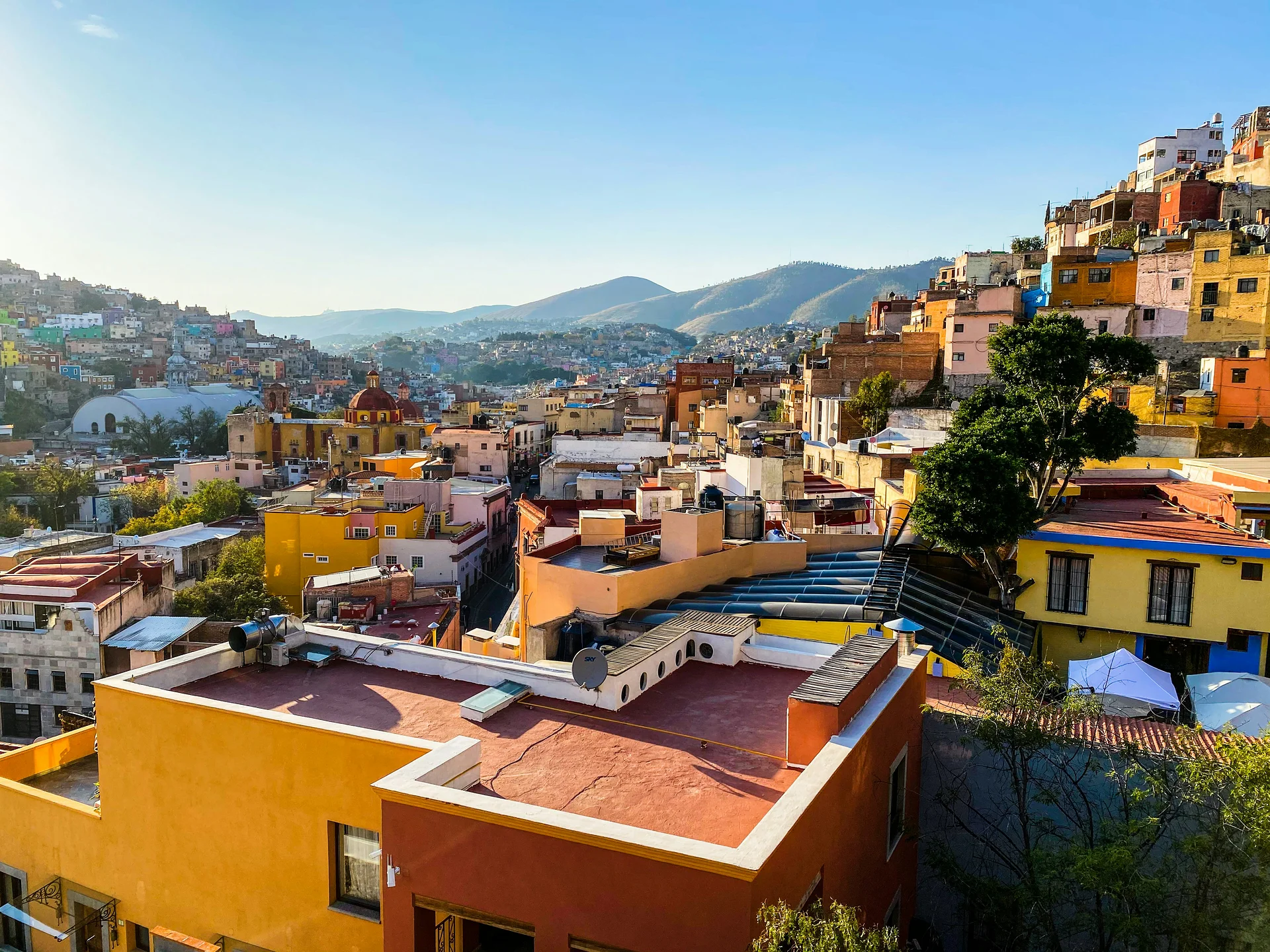
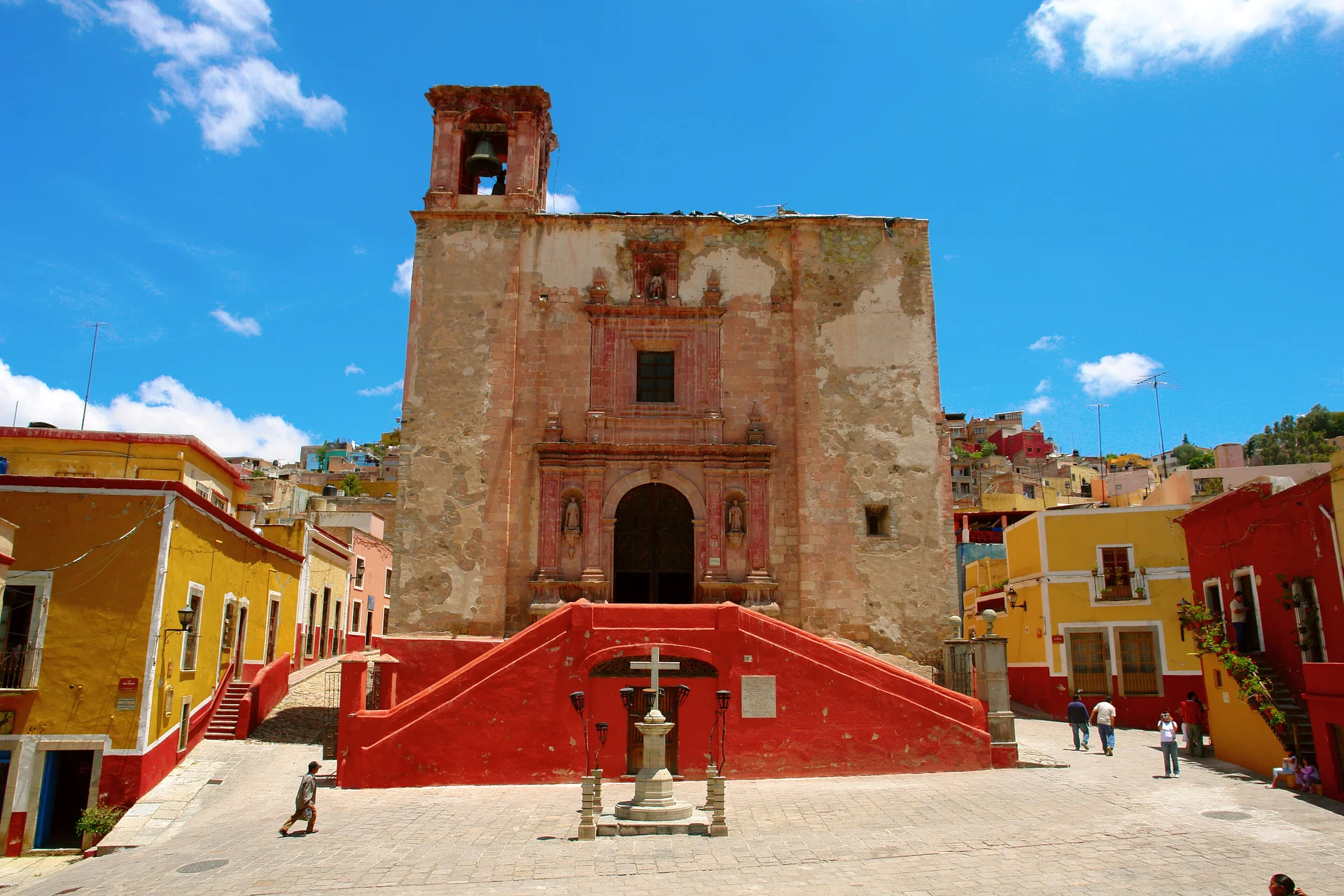
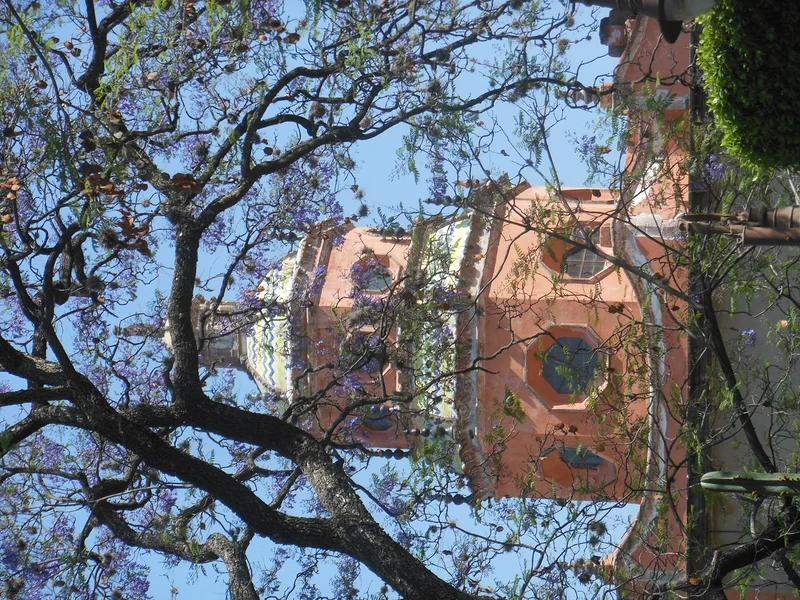
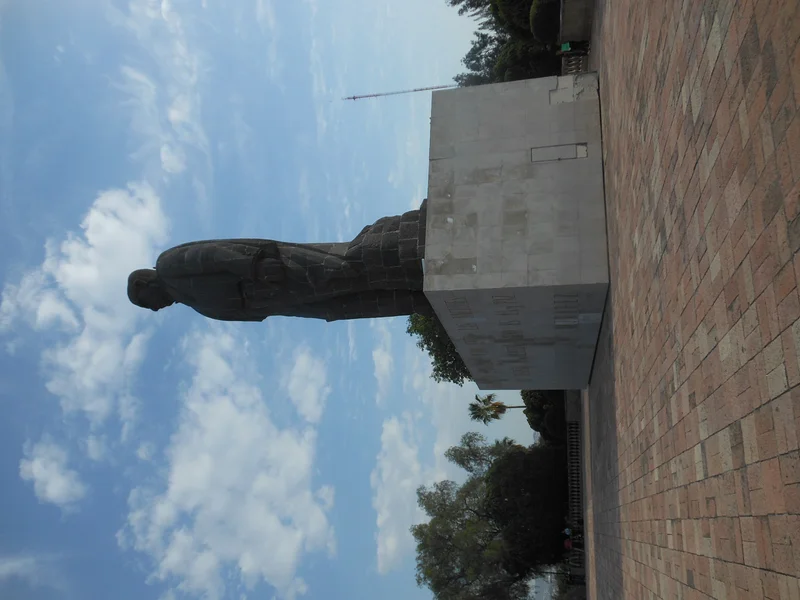
Unique in its own way, Guanajuato is carved out of endless mazes, where buses roar through with their engines at full tilt, and you sometimes resurface to admire the colorful houses and the many Churrigueresque-style churches.
Avoid it during peak tourist seasons, unless it is during the Festival Internacional Cervantino, a world-famous theater festival.