Visiting the Yucatán Peninsula
The peninsula is a slab of limestone lying flat between the Gulf of Mexico and the Caribbean Sea. No river flows across its surface. The rain seeps through the rock and runs underneath, in a network of flooded passages that ranks among the longest in the world.
The cenotes are windows onto that network: freshwater wells, sometimes open to the sky, sometimes under a vault pierced by roots. The Maya saw them as the entrance to the underworld, and they built their cities around them. That is still the shape of the journey today.
Two coasts, two moods. The Caribbean side lines up white sand and the coral reef; the interior keeps the pyramids, the colonial towns and a Mayan language you still hear at the market. You move from one to the other in three hours by road.
You'll love it if
- You want to swim in fresh water at 24 °C all year round, under the rock
- Archaeology interests you as much as the beach: the two are an hour apart
- You're coming between December and March, the dry season, when the sea is clear
Look elsewhere if
- You're after mountains: the peninsula's highest point barely tops 200 metres
- You're coming in August or September: heavy heat, rain, and hurricane season
- You want an untouched beach on the Caribbean coast in high season
The must-sees
-
1 Chichén Itzá +16 recs
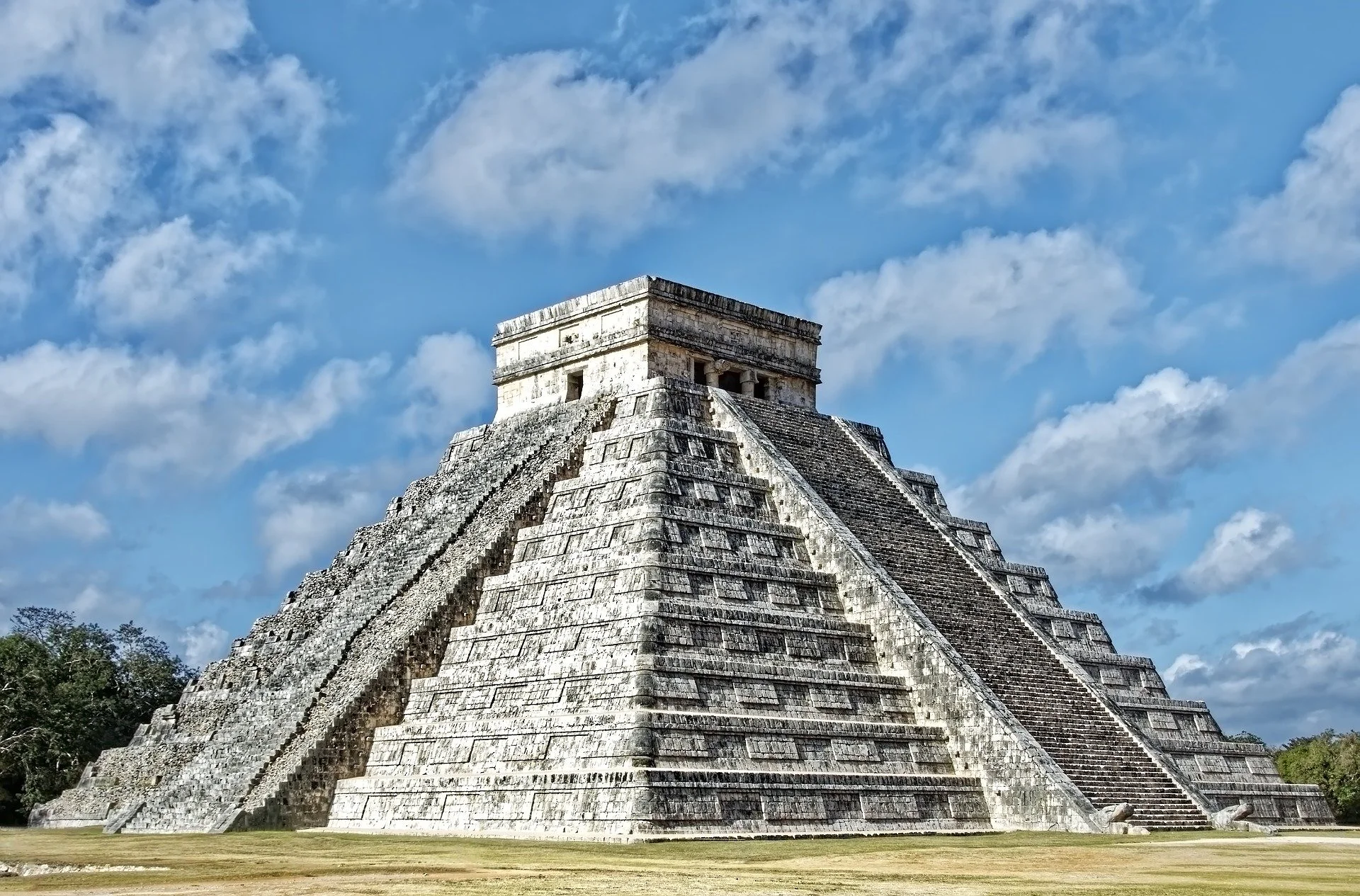
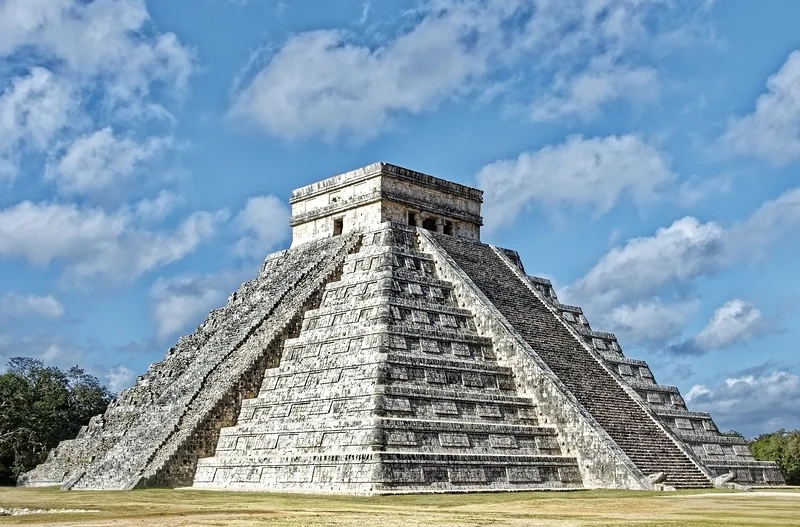
The most complete Maya-Toltec city on the peninsula, and one of the New Seven Wonders of the World. The pyramid of Kukulkán has 365 steps, one for each day of the year, and the ball court carries an echo from one end to the other.
-

2 Ik Kil cenote +13 recs
A circular well open to the jungle, a few minutes from Chichén Itzá. Vines hang all the way down to the water, twenty-six metres below, and around midday the light falls straight into the middle.
-
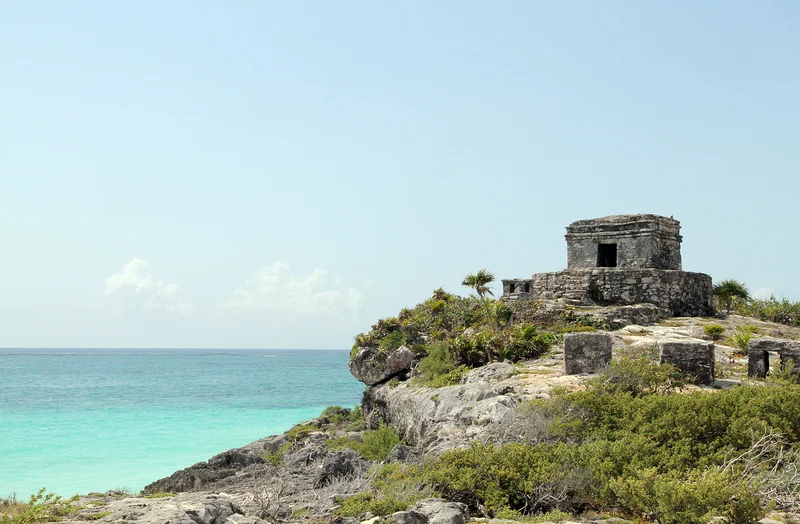
3 The ruins of Tulum +16 recs
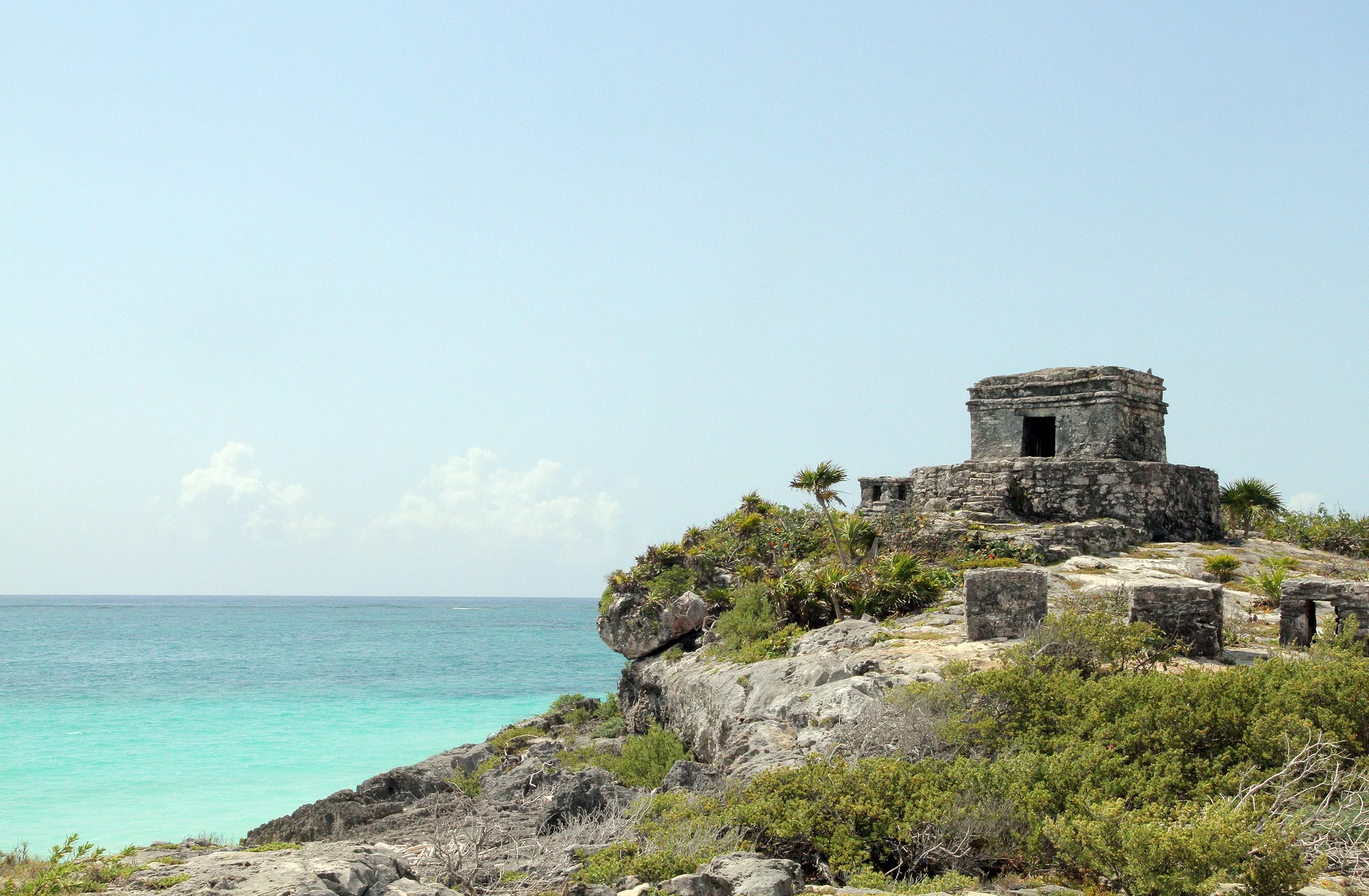
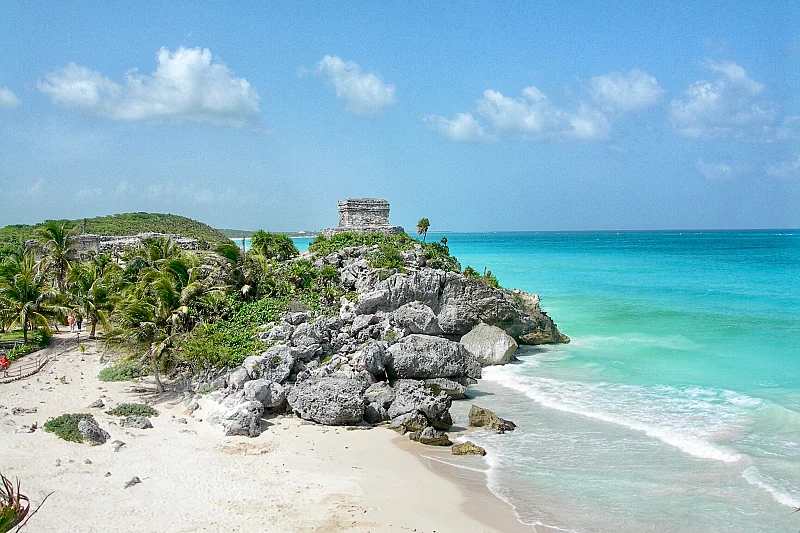
The only walled Maya city built by the sea, perched on a cliff of white limestone. The site is small and takes an hour to see: what makes the trip is the view over the Caribbean from the Castillo.
-
4 The equinox at Chichén Itzá 20 March and 22 September
Twice a year, late in the afternoon, the shadow of the nine terraces draws a row of triangles on the north balustrade. It slides down to the carved serpent's head at the foot of the staircase. The site is packed on those days, and the effect is still visible the day before and the day after.
-
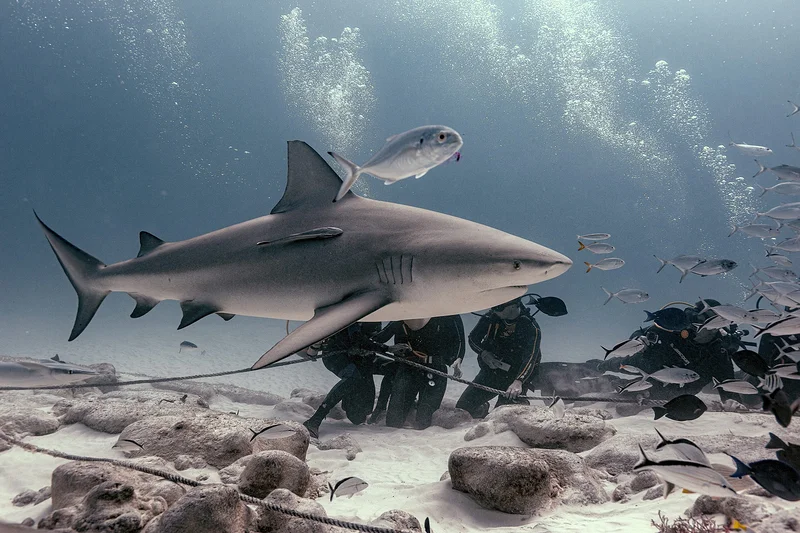
From June to September, the largest fish in the world comes to filter plankton off the north of the peninsula. The approach is supervised: life jacket, guide, two swimmers at a time. Allow half a day on the boat. In winter, it is bull sharks that come up off Playa del Carmen.
The classic mistake
Doing Chichén Itzá as a day trip from Cancún. The coaches leave at dawn and drive for two and a half hours. They drop everyone off in late morning, just as the stone throws back the heat and the paths fill up. Sleep the night before in Pisté, ten minutes from the entrance: the site opens early, and you have the first hour almost to yourself.
Our itineraries in the Yucatán Peninsula
| Length | Itinerary | What you see |
|---|---|---|
| 4 days | Playa del Carmen › Tulum | The coast, a cenote, the ruins |
| 1 week | The coast › Pisté › Valladolid | Beaches, Chichén Itzá, a colonial town |
| 10 days | The coast › Valladolid › Mérida › Campeche | Both seas, three Maya cities |
The peninsula is travelled as a loop, and that is what makes it easy. You fly into Cancún, head down the coast, cut inland through Valladolid and come back up through Mérida. No leg is longer than three hours by road.
The trap is trying to do too much. Stick to four bases for ten days, and give each of them more than two nights. The heat slows everything down, and a morning on the road eats the only hour when the sites are empty.
When to visit the Yucatán Peninsula
| Rating | Season | Weather | Crowds and prices |
|---|---|---|---|
| December to March | 26 to 29 °C, dry, trade winds | High season, high prices, clear sea | |
| April and May | 32 to 35 °C, humid | Moderate, sargassum possible | |
| June to October | Afternoon showers, hurricane season | Low, prices slashed, sargassum | |
| November | 28 °C, end of the rains | Quiet, before the December rush |
Our advice
Sargassum shapes the trip far more than the rain does. This brown seaweed washes up on the Caribbean coast mostly from April to October, varying from one beach to the next and from one week to the next. It never reaches the cenotes, the Gulf coast or the sheltered side of the islands. If your trip is all about the beach, aim for December to March; otherwise, plan somewhere else to swim.
Getting to the Yucatán Peninsula
-
By plane The easiest
The international airport of Cancún is the main gateway. It has non-stop flights from much of North America and from several large European cities; from elsewhere, it is one change at a hub. Mérida and Tulum also have international airports, useful if you'd rather not start with the coast.
-
By train The newest
the Tren Maya, opened in late 2023, links Cancún with Mérida and Campeche by way of Valladolid, with a stop near Tulum. The stations are often far from the town centres: check the shuttle before relying on it.
-
By bus The cheapest
the ADO network covers the whole peninsula in air-conditioned coaches, by night as well as by day, from terminals in the town centres. It is the cheapest and most reliable way to get between two towns without a car.
-
By car The most freedom
useful as soon as you leave the coastal road: nothing else serves the cenotes and the smaller Maya cities. The toll motorway between Cancún and Mérida is expensive but cuts the journey time in half.
For a stay built around beaches and cenotes, a return ticket to Cancún is all you need, and the colectivos will do the rest. For the full loop to the Gulf, flying into Cancún and out of Mérida saves you driving the same road twice.
Getting around the Yucatán Peninsula
On the coast, the colectivos, white minibuses that stop on request, link Playa del Carmen, Akumal and Tulum for a few pesos, every ten minutes.
A car only becomes necessary inland. The roads are good, straight and patrolled, but the speed bumps, the famous topes, are not always signposted: avoid driving at night.
Good to know
Renting a car in Mexico means knowing one thing before you book. Third-party liability insurance is compulsory. It is almost never included in the price shown online, and it is charged at the desk. A rate of five euros a day routinely ends up at forty. Compare on the ALL-inclusive price, and turn down any extras you did not ask for.
What to eat in the Yucatán Peninsula
- Cochinita pibil: pork marinated in achiote and bitter orange juice, wrapped in a banana leaf and cooked for hours in an oven dug into the ground. The Sunday morning dish, served in tacos with red onion pickled in vinegar.
- Sopa de lima: a turkey broth made with the local lime, more fragrant and less sour than the limes you know. Strips of fried tortilla are thrown in at the last moment.
- Panuchos and salbutes: two fried corn tortillas, one stuffed with black beans, the other puffed up and plain, both topped with shredded meat. You eat them standing up, at the market, before nine in the morning.
- Papadzules: tortillas rolled around hard-boiled egg and covered in a sauce of green pumpkin seeds. A Maya recipe that predates the arrival of the Spanish, and one of the few meat-free dishes on the menu.
- Habanero chilli: it grows here and it is everywhere, as a sauce on the side of every table. Taste it from the tip of the spoon: it is up to 100 times hotter than a jalapeño.
- Marquesitas: a crisp wafer rolled into a cone, filled with grated Edam cheese and jam or condensed milk. Sold in the evening on the town squares, and the sweet-and-salty mix is less surprising than it sounds.
- Xtabentún: a honey and anise liqueur distilled on the peninsula, served on ice or poured into coffee. A descendant of the Maya mead.
The covered markets serve food only until mid-afternoon, and that is where Yucatecan cooking is at its truest: arrive before noon. In the evening, the street kitchens take over on the squares, often after eight.
Where to stay in the Yucatán Peninsula
| Area | What it's for | Good to know |
|---|---|---|
| Cancún, hotel zone | Arrival, beach, nightlife | A strip of sand cut off from the town, all-inclusive from end to end |
| Playa del Carmen | Central base, restaurants, ferry to Cozumel | The best base for getting around without a car |
| Tulum | Ruins, cenotes, jungle hotels | Two Tulums: the village, affordable, and the beach road, expensive |
| Akumal | Turtles, snorkelling, families | Small, quiet, only a handful of places to stay |
| Pisté or Valladolid | Chichén Itzá at opening time | A night inland is worth two hours saved on the coach |
| Mérida | Food, museums, haciendas | The city where you stay longer than planned |
How much does a trip in the Yucatán Peninsula cost?
| Style | Length | Budget per person |
|---|---|---|
| Budget (hostels, colectivos, markets) | 10 days | 450 to 650 € |
| Comfortable (hotel, car, restaurants) | 10 days | 1,200 to 1,800 € |
| High end (boutique hotel, guides, diving) | 10 days | 3,000 to 4,500 € |
- The private parks: Xcaret and Xel-Há each cost as much as two nights in a hotel. A municipal cenote is paid for in pesos.
- Colectivos rather than a car: along the coast, they cover the same route for a twentieth of the cost of a rental, insurance and parking included.
- The Quintana Roo state tax: it is paid online before you leave and checked at the airport. A few euros, but paid at the counter on arrival, it costs you double.
- Market meals: a full plate costs four to six euros in a market hall, three times as much on Fifth Avenue in Playa del Carmen.
- The low season: from May to November, the same room costs 30 to 50 % less, with a warmer sea and the risk of sargassum.
Traditions and way of life in the Yucatán Peninsula
Yucatec Maya is not a dead language: nearly one person in four speaks it in the state of Yucatán, and at the market you hear it before Spanish. It has left its mark everywhere, in place names as in the local Spanish, slower and more sing-song than in Mexico City.
The Maya cities were never discovered, because they were never lost: villages have lived at their feet without a break. That is why the guides talk about their ancestors in the present tense.
At the end of October, Hanal Pixán, the Yucatecan Day of the Dead, sets up altars of food for the departed in homes and cemeteries. It is the most intense week of the year, and none of it is put on for visitors.
One custom to know before you swim: in a cenote, sunscreen and insect repellent are forbidden, even the kind labelled biodegradable, and a shower is required before you go in. Rinse off: the water you cloud is the water the villages drink.