
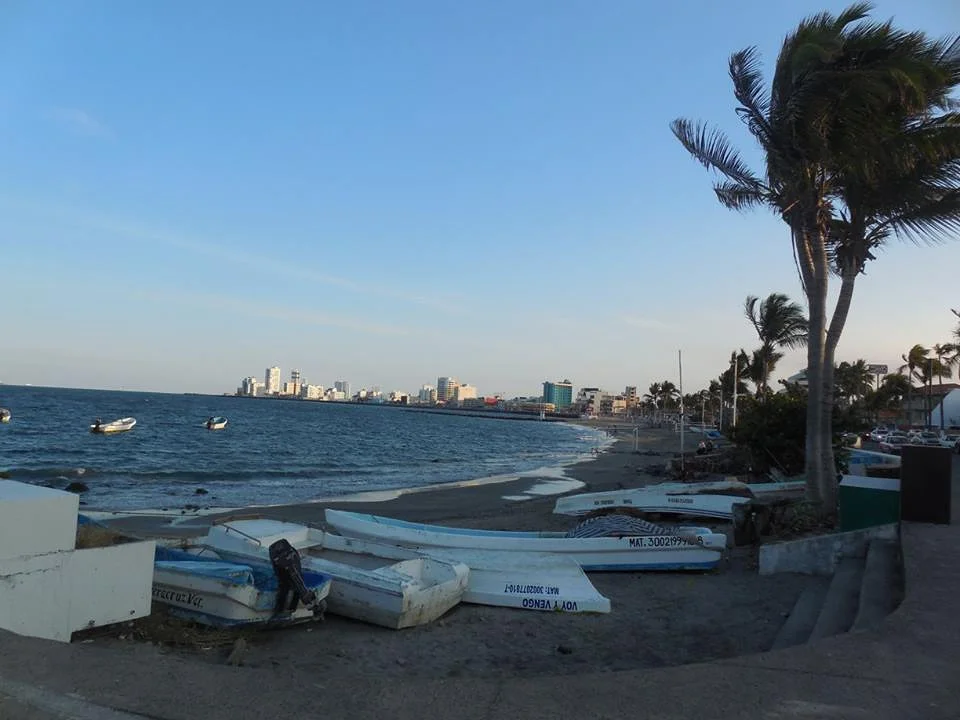

¡Veracruz, the most joyful carnival in the world!
That’s how the locals describe the largest port in Mexico, located on the Atlantic coast. The Jarochos (as residents of the state of Veracruz are known) are famous throughout the country for their high spirits and penchant for double entendres. And it’s true: every year in early February, tourists from across Mexico and around the globe descend upon Veracruz (literally "True Cross") to catch the city’s vibrant street parades. They even set up temporary bleachers in certain spots to handle the crowds.


It was here in Veracruz that Hernán Cortés first landed to begin his conquest of Mexico. The port became a gateway for trade with the New World, drawing attacks from notorious pirates like Francis Drake and John Hawkins. In fact, some of the parade floats are inspired by this history, designed to look like the pirate ships of that era.
To defend against these threats, the city’s governors ordered the construction of fortifications. One such example is the San Juan de Ulúa fortress, built on an island at the harbor entrance. It was one of nine bastions protecting the city. Interestingly, the local authorities allowed French troops to pass through when Napoleon III attempted to establish colonies on Mexican soil.


Today, Veracruz is a laid-back city where the streets echo with the sound of marimbas, those wooden xylophones, accompanied by harps and small guitars known as jaranas. You’ll see people dancing the danzón, a slow, square-patterned dance. The region is also famous for Son Jarocho, a style featuring tap dancers, small guitars, and improvised lyrics. Son Jarocho is celebrated every year at the Tlacotalpan festival, south of Veracruz.
This blended culture was woven together through centuries of migration, from the era of slavery to the more recent arrival of Middle Eastern immigrants.


The carnival kicks off with la quema del mal humor: the burning of an effigy representing "bad mood." In the following days, the city governor crowns the Carnival Queen and King, who are chosen for their dancing skills. Every day starting at 6:00 PM, parades of floats and tireless dancers take over the Malecón (the seaside promenade) well into the night. The carnival concludes with el entierro de Juan Carnaval: a puppet representing "Mr. Carnival" is placed in a coffin and buried. In the Catholic tradition, this marks the beginning of Lent, the period of fasting leading up to Holy Week.


Comments (3)