
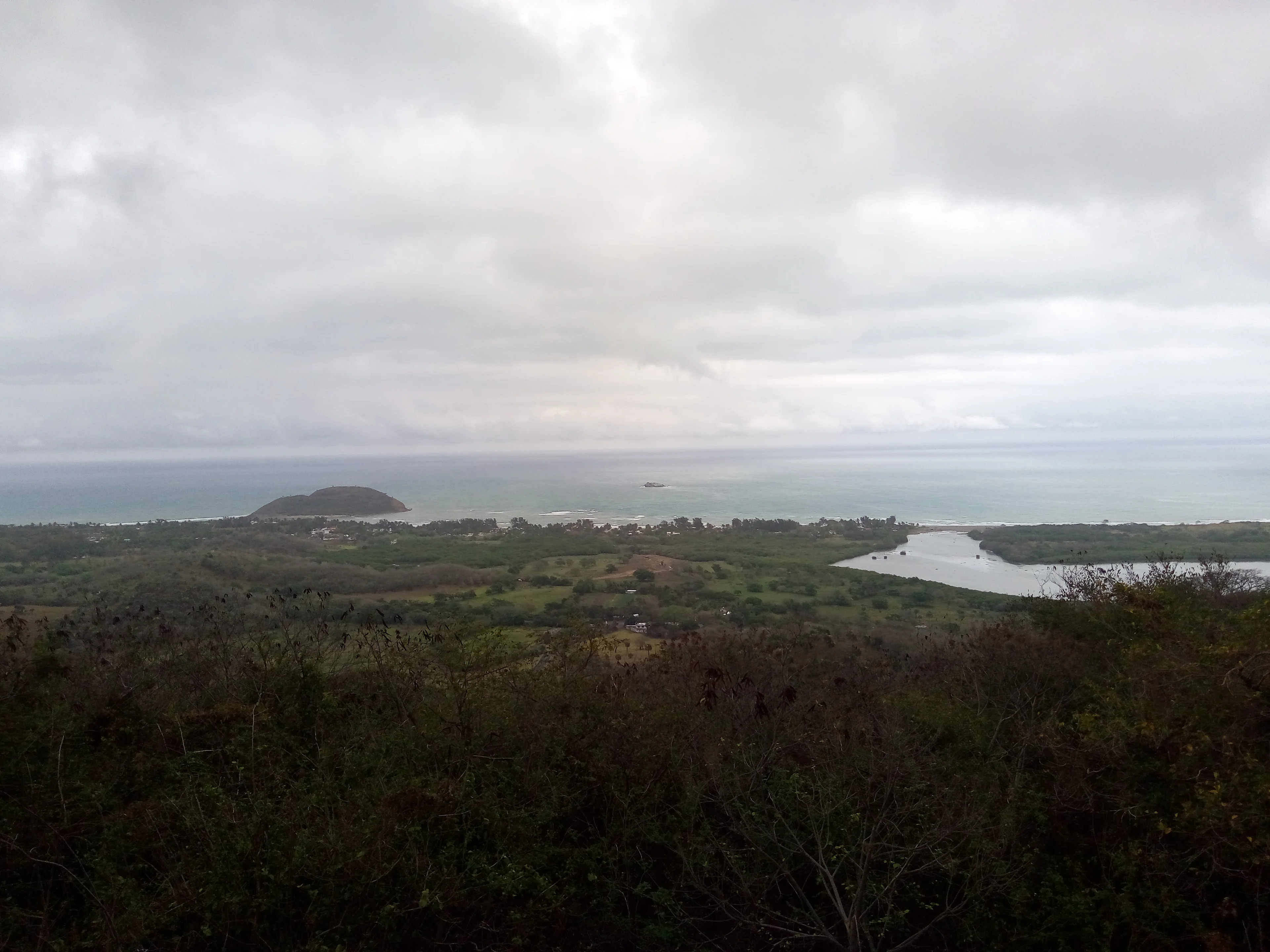
Translated from FrenchSee original
We are in Mexico, in the state of Veracruz. We’ve previously talked about the Totonacs in our photo album on Totonacapan and the archaeological site of El Tajín: https://www.avygeo.com/fr/albums-photos/1359-le-totonacapan-region-typique-de-letat-de-veracruz
But that is not where the clash of cultures and the meeting of two continents took place. El Tajín was never discovered by Spanish colonists. No, Hernán Cortés and his troops landed further south, and the first colonial city they founded in Mexico was Villa Rica de la Veracruz. We will dedicate a complete album to what has become the main seaport on Mexico’s east coast today.
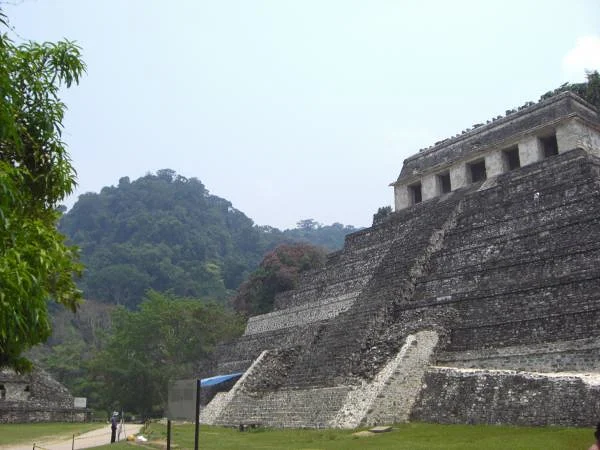
Although the Island of Sacrifices, just off the initial Spanish encampments, was a regularly frequented Totonac place of worship, it was when Cortés ventured further inland to Cempoala that he discovered the first Totonac city. He was completely dazzled: the splendor of the pyramids reminded him of the buildings of Seville in Spain. He would later build a twin colonial city right next to Cempoala: La Antigua.
The initial location of Villa Rica de la Veracruz was far from ideal: the colonists suffered from the humid climate and illnesses. The expedition established a new city further north, also named Villa Rica, which once again served as a twin city to the Totonac religious center of Quiahuiztlán.
Let’s relive together the events that would forever change the destiny of the Totonacs and later the Aztecs, through my photos taken in 2018. The information is drawn notably from a brochure on Cempoala and the website of the INAH (National Institute of Anthropology and History of Mexico): https://inah.gob.mx
We will take advantage of these historical insights to offer a glimpse into the region's diverse ecosystems: with its mangroves, dunes, and beaches, the site of La Mancha, nestled between Quiahuiztlán and Cempoala, is a true paradise for biodiversity. It's the perfect spot for fantastic nature getaways with the La Mancha en Movimiento eco-guide group, which has been offering fairly compensated tourism services focused on environmental protection since 1998. More information at www.ecoturismolamancha.com

Comments (0)
No comments yet. Be the first!