
Visiting Querétaro
Sitting at an altitude of 1,820 metres, Santiago de Querétaro is a city in central Mexico and the capital of the state of the same name. Recognized as a UNESCO World Heritage site, the old town preserves its colonial architecture alongside the winding alleys characteristic of the pre-colonial era. Santiago de Querétaro features no fewer than 3,000 historical, civic, and religious buildings that reflect the city's dynamic history. The city was also the backdrop for major national events, notably the execution of the second Emperor of Mexico, Maximilian I, and the drafting of the Mexican Constitution of 1917.
A Historical City in Mexico
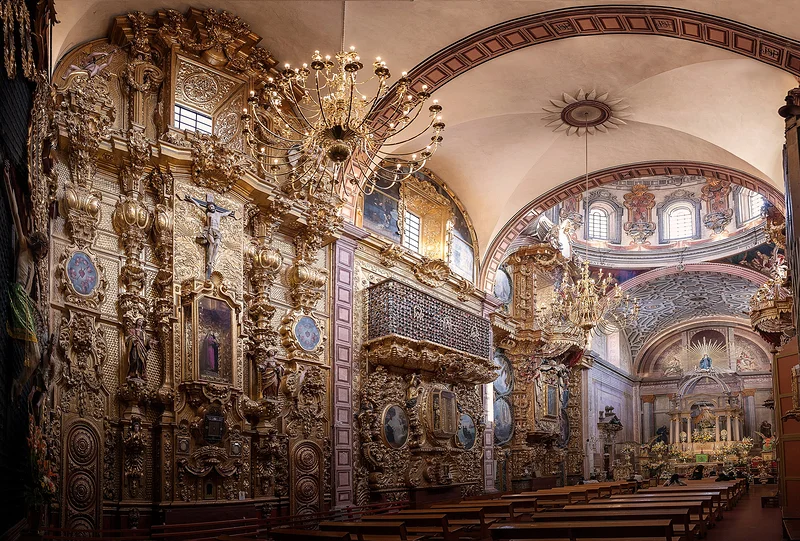
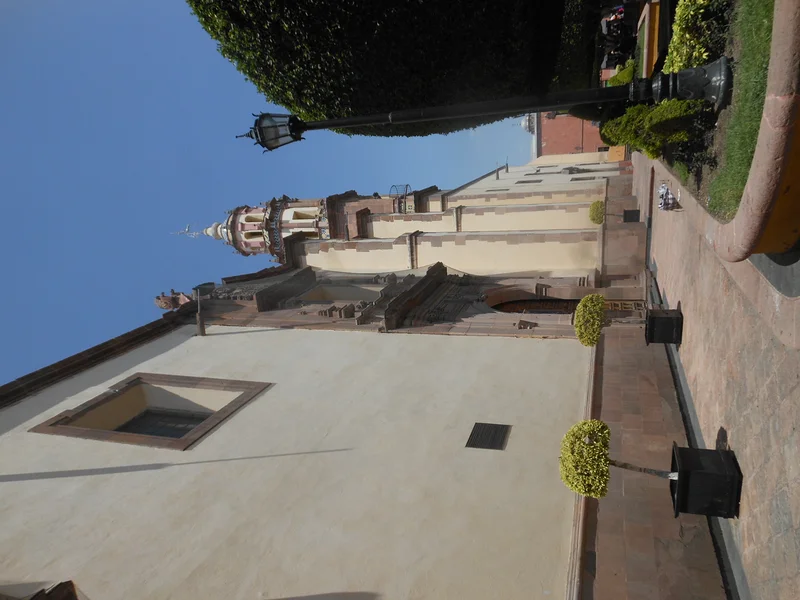
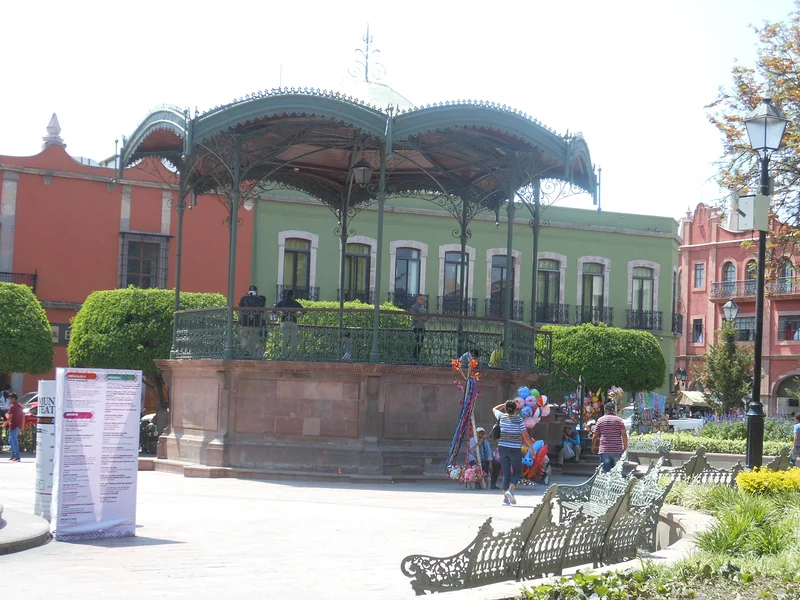
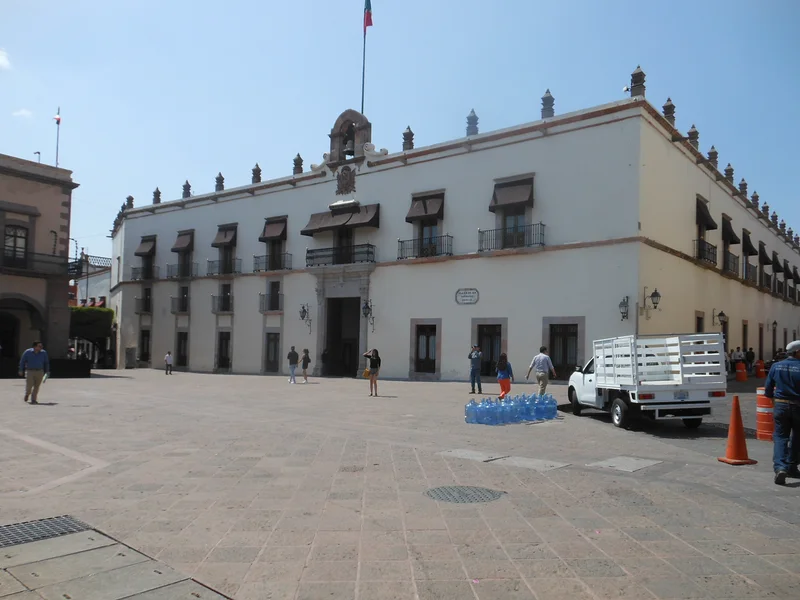
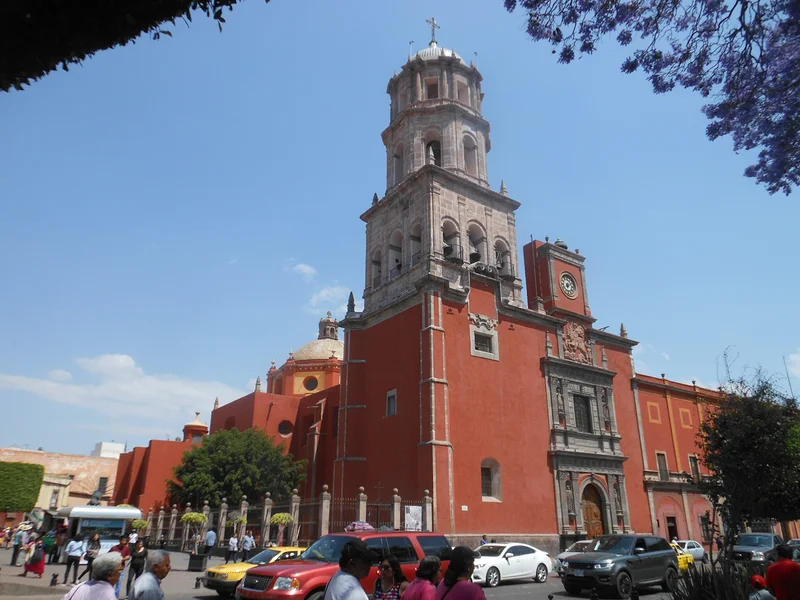
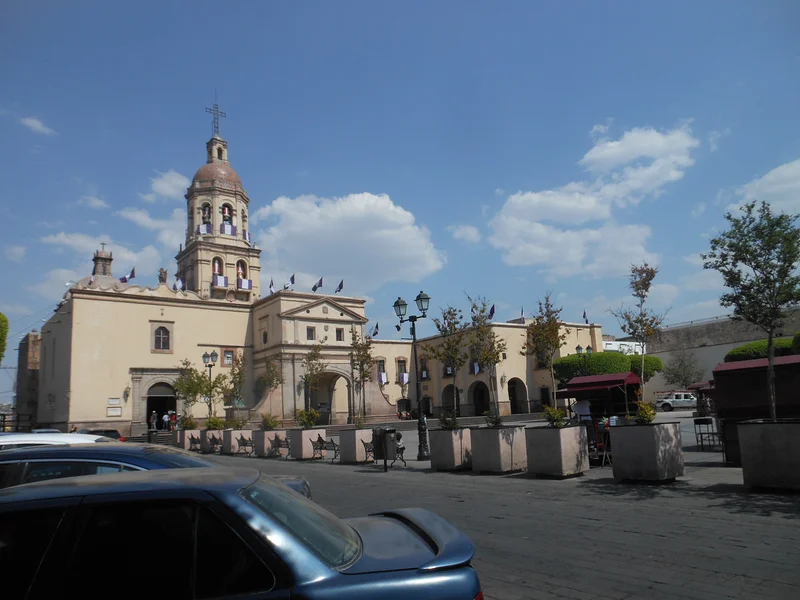
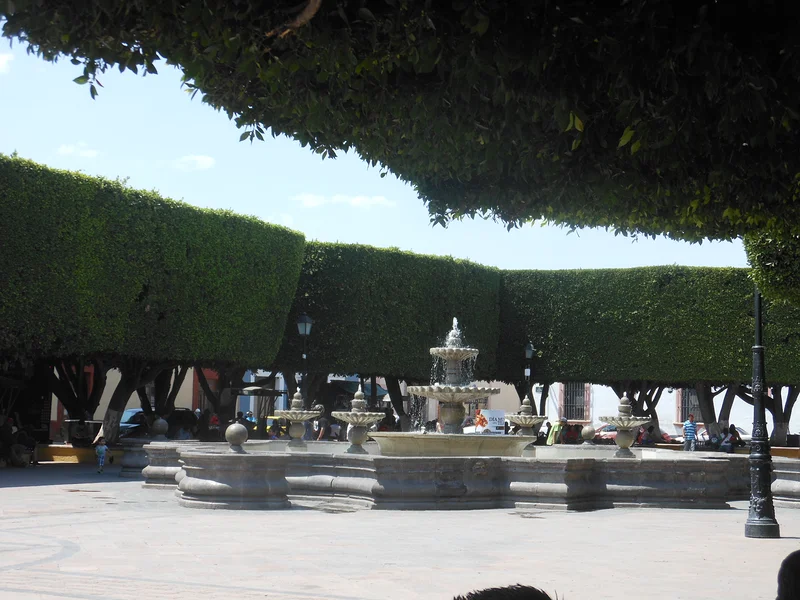
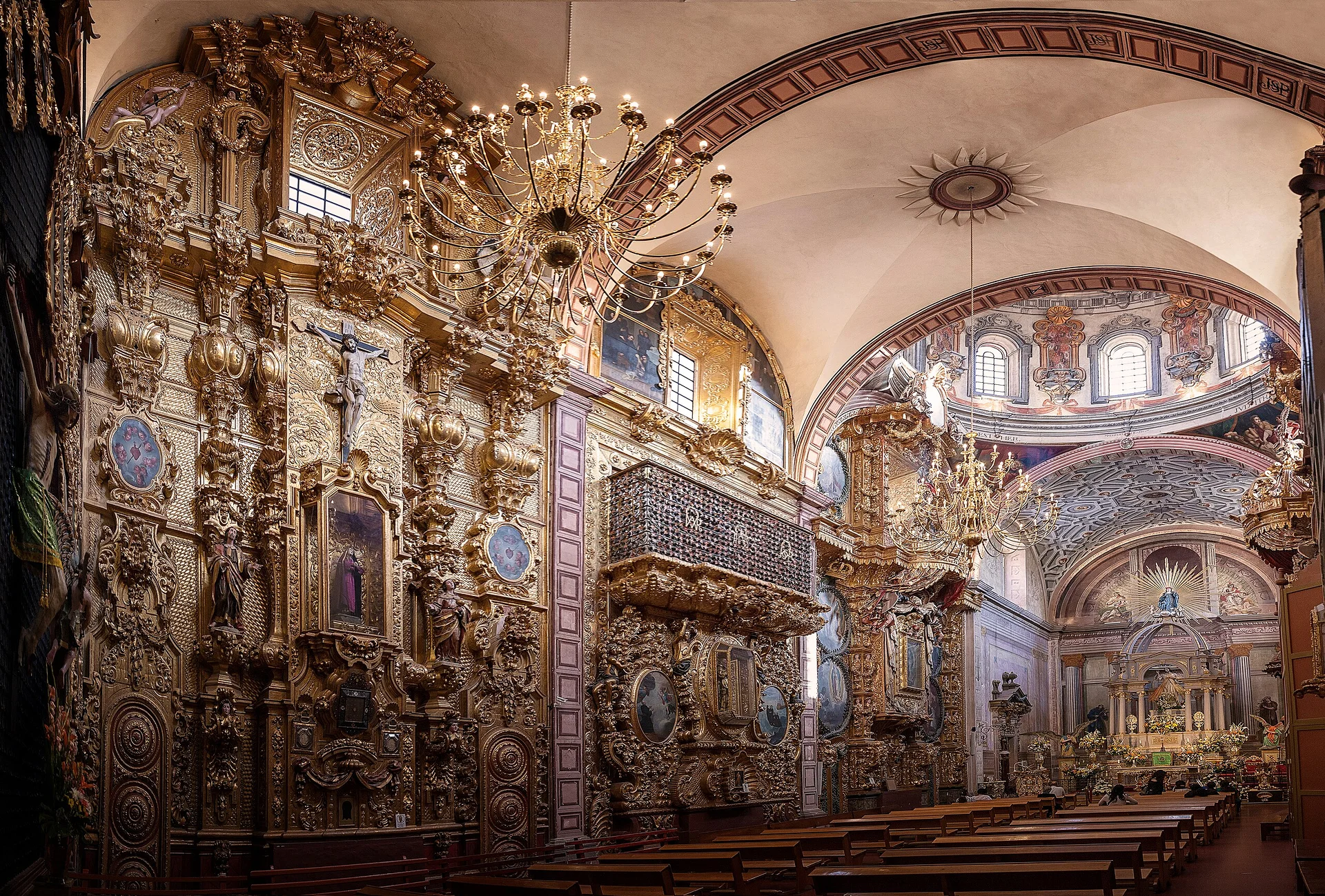
Querétaro is a Spanish colonial city that made coexistence with indigenous peoples a core principle from its very beginnings. Stroll along Plaza de los Fundadores, the site where the city was supposedly founded in 1531 following an alliance between Spanish conquistadors and local indigenous leaders. Another symbolic square in Querétaro is Plaza de Armas, framed by monuments and palaces dating back to the city's seventeenth and eighteenth-century golden age. Just a short walk away, you will find the city's most famous church, the Temple of San Francisco, featuring ochre tones and elaborate baroque carvings.
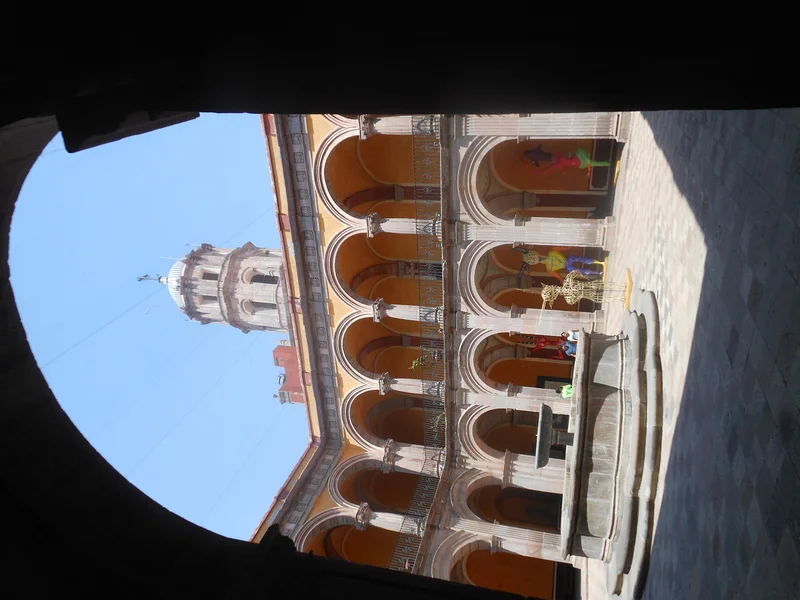
Cultural outings nearby are well worth your time. The Regional Museum of Querétaro displays artifacts tracing the region's history up to the Mexican Revolution of the twentieth century. Housed in the former San Agustín convent, the Museo de Arte is another essential stop in Querétaro. Inside, you will find works by both European and Mexican artists. Take time to explore the remarkable architecture, particularly the cloister, which ranks among the finest in Latin America.
Rich and Varied Heritage
Another major relic from the colonial era is the Querétaro Aqueduct. It stands as one of the largest colonial structures in Mexico, holds UNESCO World Heritage status, and remains largely intact. In total, 74 arches stretch across a length of 1,298 metres, built originally to supply the city with drinking water.
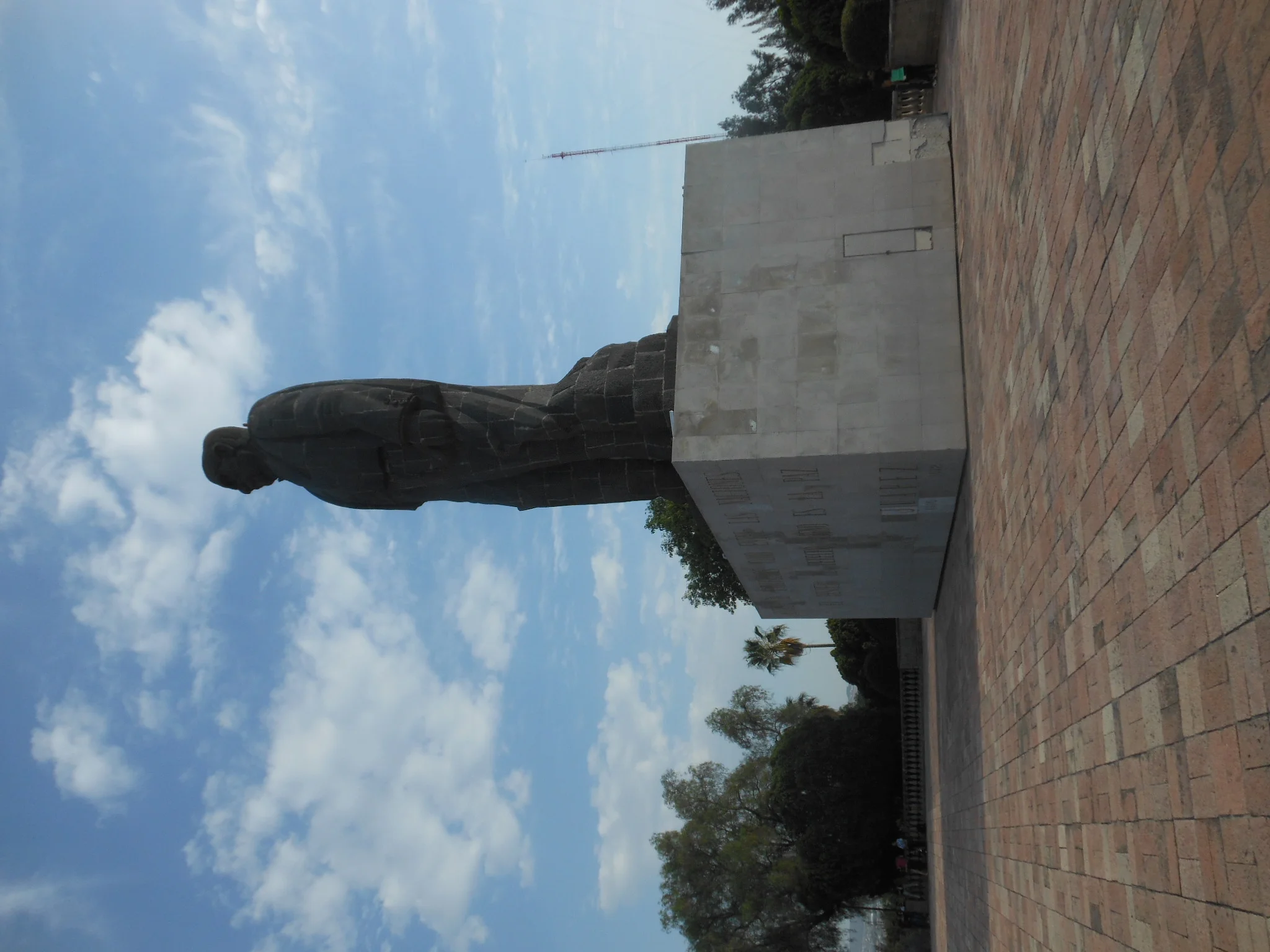
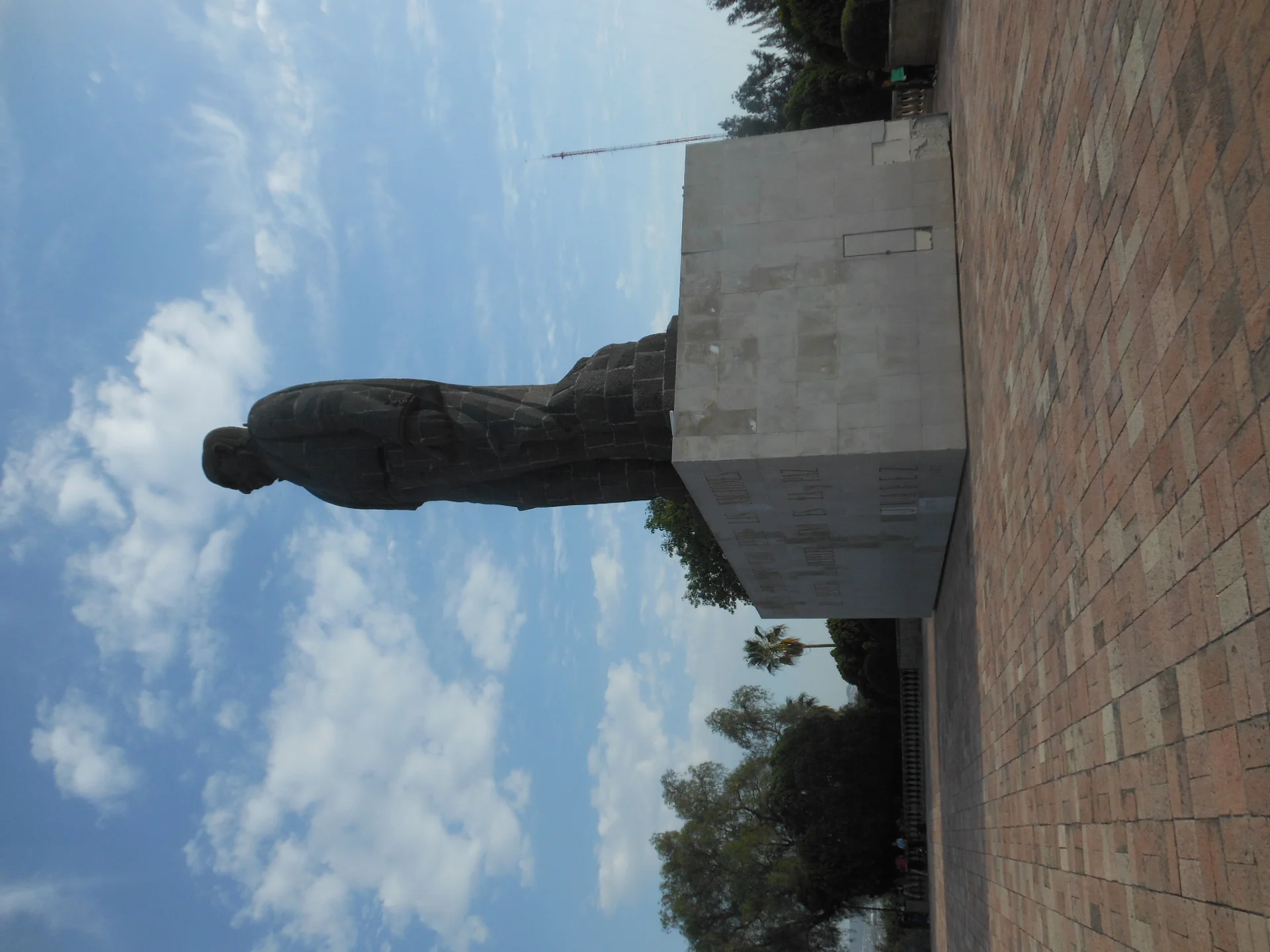
For green spaces, Querétaro is home to a sprawling urban park covering 58 hectares called Cerro de las Campanas. This exact location is where Emperor Maximilian I was executed by liberal troops led by Benito Juárez in 1867. A chapel was later built on the site by the Austrian government to commemorate the event. Today, the park is a lively gathering place hosting numerous events and sports activities. At the top of the cerro, you get sweeping views over the city of Santiago de Querétaro.
When to go
Temperatures are most favorable during the warm season, between April and September.
How to get there
From Mexico City, catch a bus for a roughly three-hour ride to Santiago de Querétaro. A few domestic flights also connect the capital directly to Querétaro.
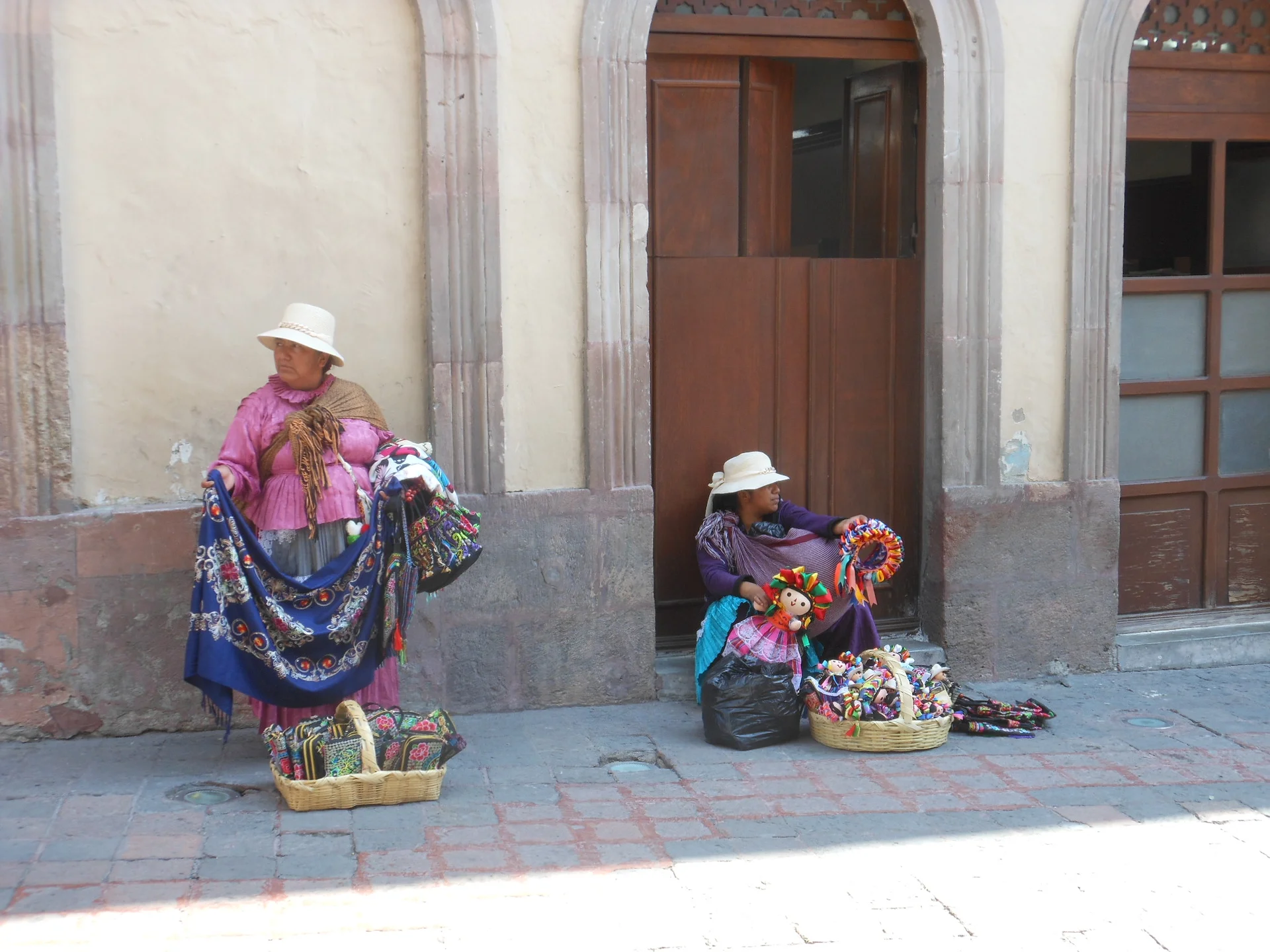
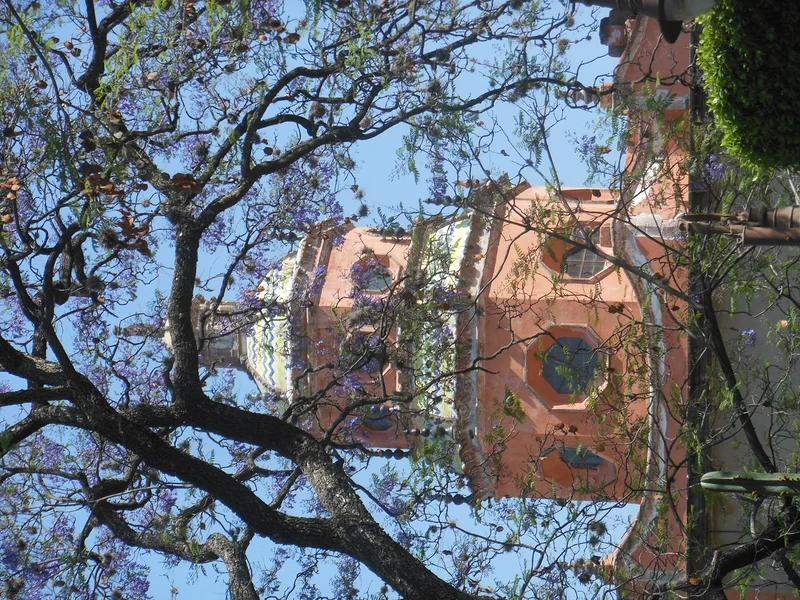
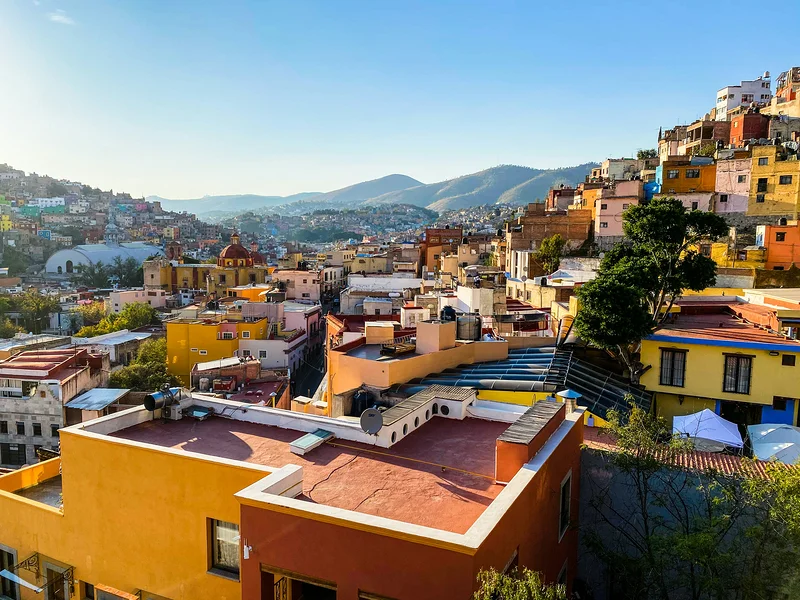
A city that is worth the trip for the quiet streets and the historical significance for the country. It is here that the Mexican Constitution was written in 1917!