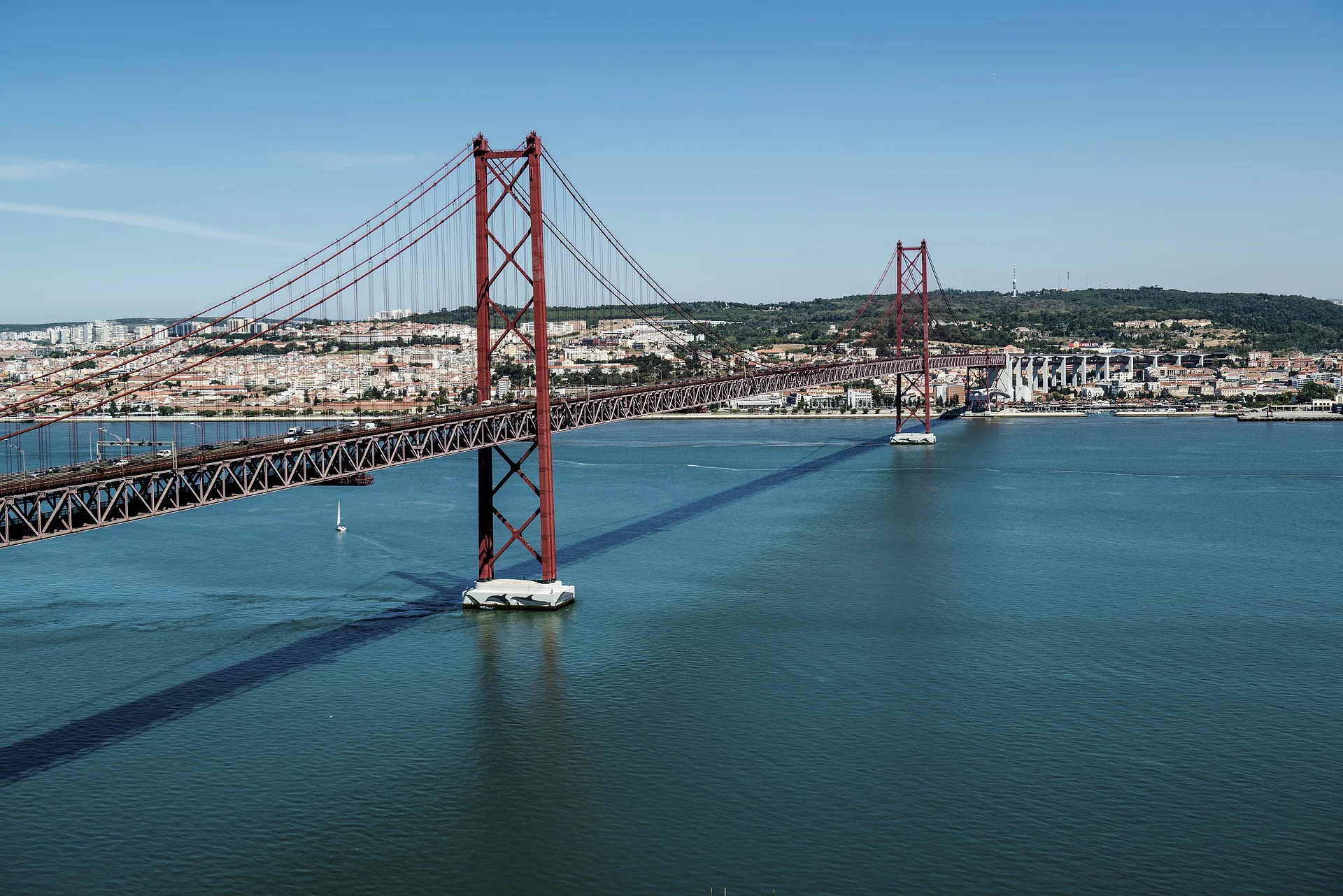
Pont du 25 avril de Lisbonne

Top 10 most beautiful cities in Portugal to visit2026 ranking

Discover our members' favourite cities in Portugal. Feel free to publish your own reviews to take part in this collaborative ranking.

Favourite cities in Portugal among our members, approved by the editors

#1 Lisbon +195

Lisbon spreads across seven hills overlooking the Tagus River, defined by facades tiled with azulejos and steep streets where you can hear the mournful notes of fado. The city is known for its distinct light, crispy pastéis de nata, and miradouros that provide wide reaching views. It is a place where time slows down, shifting from the maritime history of Belém to the nightlife found in Bairro Alto.

#2 Fátima +60

Fátima leaves an impression on everyone, whether you are a believer or just a curious traveler. Beyond the massive scale of the fourth-largest Catholic pilgrimage site in the world, you can experience the quiet intensity of candlelight processions and visit the preserved childhood homes of the shepherds in the hills of Aljustrel. This corner of central Portugal balances a monumental sanctuary with quiet, rural villages, offering a perspective that feels far removed from a typical sightseeing trip.

Must-see

#3 Porto +48

Porto sits where the river meets the Atlantic, defined by tile-covered facades and a deep maritime history. The Douro River flows beneath the iron bridges while the cellars of Vila Nova de Gaia age port wine, and the steep alleys of the Ribeira district reveal a raw, authentic side of Portugal. It is less polished than Lisbon, offering a grittier character where every block delivers a new architectural detail or a local bite.

#4 Sintra +18

Perched on a misty mountain slope 19 miles from Lisbon, Sintra packs some of Europe's most eccentric palaces into a UNESCO-protected forest. Between the Pena Palace and the hidden tunnels at Quinta da Regaleira, a day here feels like stepping into a parallel universe. The raw coastline at Cabo da Roca, the westernmost point of the continent, rounds out the trip.

#5 Lagos +8

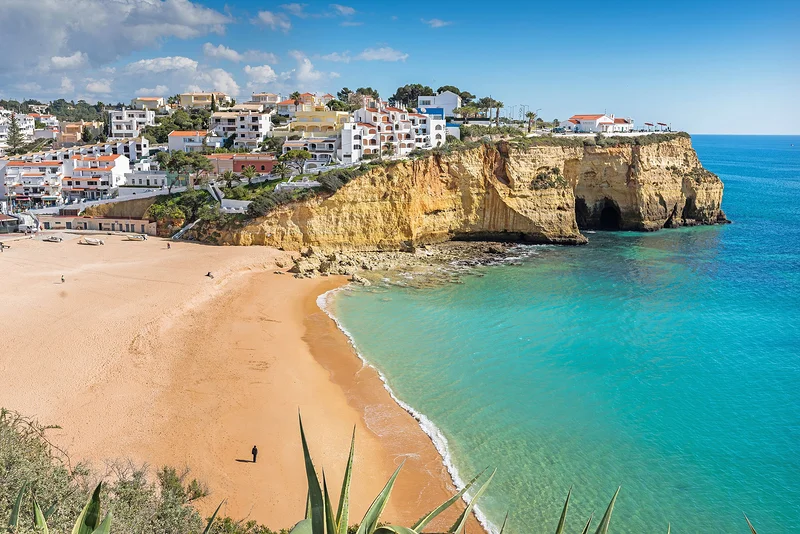
People have lived here since prehistoric times, and the port was already active during the time of the Phoenicians. It took a massive earthquake and a tsunami to diminish its influence and strip Lagos of its status as the capital of the Algarve. Until 1755, it served as a primary hub for international trade, and it was from these shores that caravels departed for the New Worlds. The local economy long relied on fishing and the canning industry before tourism became the primary driver. Today, it is a highly popular seaside destination where you can enjoy turquoise waters from numerous beaches, while the remnants of its history continue to draw visitors.

A storied past and undeniable charm

Lagos is colorful, lively, and bathed in sunlight, decorated by azulejos, the hand-painted ceramic tiles found on many facades. Walking through the city feels like touring an open-air museum. The sights are everywhere, especially within the historic center protected by its ancient walls. The beach is just a short walk away, and the two towers of the Porta de São Gonçalo serve as a reminder of the city's defensive past. The fortifications date back to 1520 and offer exceptional views over the bay and the Serra de Monchique.

The neighborhood is almost entirely pedestrian. At Praça Infante Dom Henrique, the building that once housed a 15th-century slave market has been repurposed into a cultural center. Further along, the Igreja de Santa Maria stands as a landmark of the same era. Inside the Santo António of 1707, you will find a rich collection of baroque woodwork accented with gold, as well as the Dr. José Formosinho Museum, which is dedicated to archaeology and ethnography. The religious heritage is as vast as the architecture is engaging, with stone door frames and intricate wrought iron details adding character to every street. On the Avenida dos Descobrimentos, facing the river mouth, the Ponta da Bandeira fort from the 17th century is one of the most beautiful in the region. Do not miss the Centro Ciência Viva, a science and arts museum that chronicles the great Portuguese voyages of discovery.

Traditional craftsmanship remains a point of pride in Lagos. You will find shops showcasing ceramics, hammered copper, printed textiles, and leather goods. At the municipal market, three floors of fresh and flavorful products await. Seafood is the star here, with shellfish and fish appearing on every menu. Whether it is monkfish stew, grilled tuna, or squid stuffed with chorizo, the day's catch dictates the selections. Like elsewhere in the Algarve, you should try dom-rodrigos, a local pastry made with a blend of almonds, figs, and honey.

Cliffs sculpted by turquoise water

The landscape is what made Lagos famous. Its ocher cliffs look like massive sculptures carved by the waves, and rock formations and sea caves are part of the scenery at every beach. The coastline is impressive, extending far beyond the stretches of fine sand. Ponta da Piedade is a prime example. With its lighthouse and hidden caverns, this remarkably beautiful headland can be explored on foot or by boat. Dona Ana beach is a must, as it borders the historic quarter. The smaller Camilo beach is a bit more difficult to reach, but the setting is fantastic. For more space, look to Porto de Mós, a favorite among surfers, or Meia Praia. All typical water sports are available here. The waterfront, lined with towering palm trees, is perfect for a stroll, and if you head to the marina, you might even spot some dolphins.

When to go

The Mediterranean climate ensures near-constant sunshine. From April through November, the weather is mild, though summers can get quite hot. Winters are never harsh, though the water becomes too cold for swimming and the coastal wind picks up. Traveling off-season is a great way to experience Lagos without the summer crowds.

How to get there

The nearest airport is in Faro, located 90 km (56 miles) away. Buses make the trip in about 2 hours and 10 minutes, while the train takes 1 hour and 50 minutes. The train station is located right in the center of Lagos. It is wise to plan your transportation in advance, especially during the summer months. The road network is well-maintained, and you can reach the city via motorway or national roads.

Must-see

#6 Faro +7

Most travelers only see the airport, but Faro is the genuine soul of the Algarve. It is a city of contrasts where the quiet medieval Old Town meets the wild beauty of the Ria Formosa lagoon. Far from the noise of typical beach resorts, it offers an authentic Portuguese experience focused on local culture and fresh seafood. This is the spot for travelers who want to see a different, more grounded side of southern Portugal.

Must-see

#7 Lagoa +7

Lagoa is the unsung wine capital of the Algarve, where family-run estates have been working fertile soil between the hills and the sea since the 19th century. Skip the crowded beach resorts for quiet, whitewashed villages like Ferragudo and Porches, or use this as a base for quick trips to the cliffs at Benagil and Praia da Marinha. It is the authentic side of the region, perfect for travelers prioritizing local vineyards and a slower pace over the typical tourist track.

#8 Portimão +6

Long defined by its fishing fleet, boat building, and seafood canning plants, Portimão has pivoted to become a destination known for its expansive beaches and motorsport circuit. Located in the south of Portugal, the city has managed to retain its local character even as tourism has surged. The mild climate and dramatic limestone cliffs make the capital of the Algarve region a compelling stop.

A legacy of elegance

While the modern high-rises reflect the city's recent growth, the historic center offers a different perspective. The architecture here carries real character, starting with city hall, which is housed in the former palace of the Viscounts of Bivar. Walking through the cobblestone alleys, you will see two-story houses adorned with azulejos (traditional ceramic tiles), along with ornate ceramic balustrades and wrought-iron balconies. The city was a major international trading hub before the 1755 earthquake caused widespread destruction. While little remains of the medieval structures, a few wall sections endure. The majestic Jesuit College also took damage during the disaster, but today it stands prominently on Praça da República, gleaming in white with orange trim. Its church, the largest in the Algarve, cuts a sharp silhouette against the sky. Nearby, the 15th-century Igreja Matriz remains immaculate, featuring a Gothic portal with gilded capitals that is worth a close look.

Beaches and local life

Make a stop at Praça Manuel Teixeira Gomes, a fully paved plaza with a water feature that serves as a perfect spot to grab a coffee at a kiosk and watch the world go by. At Jardim 1° Dezembro, you will find more azulejos depicting Portuguese history amidst fountains and greenery. To understand the local heritage, the Portimão Museum is essential; it is housed in a former sardine cannery and covers everything from Roman and Arab archaeological finds to the history of the local canning industry. Sardines are still the star of the local menu, usually served grilled right on the docks. The local cuisine is robust, featuring bread and tomato soup, fresh seafood, fish stews, rice with razor clams, and corn porridge with sausage. For dessert, look for morgados and bolas de ovo, traditional sweets that combine almonds and figs.

Before hitting the sand, head to the 17th-century Fortress of Santa Catarina de Ribamar for one of the best viewpoints in the area. The villa and chapel sit perched on the rock, and a spiral staircase leads down to the marina and Praia da Rocha. Sheltered by cliffs, this famous stretch of fine sand is the largest and most popular beach in the city. It functions as a full-service resort area that stays active day and night. The caves of Praia do Três Castelos are more challenging to reach, while the intimate Praia dos Careanos, located 2 km away, offers a quieter alternative. The waterfront promenade is one of the best walks in town, stretching from the Ribeirinha with its palm trees past the docks to the Praca de Bivar, where the quay becomes a hub for evening nightlife.

Getting there

The nearest airport is in Faro, about a 45-minute drive away. Lisbon Airport is roughly a 2.5-hour drive. If you fly into Lisbon, you can take a train directly to the station in the city center. If you are driving from elsewhere in Europe, the highway network is modern and well-maintained.

Must-see

#9 Setúbal +5

Just thirty miles south of Lisbon, Setúbal feels like the real Portugal that other spots have traded for tourist crowds. This working port town centers on its legendary fish market and the pristine beaches of Arrábida, while the local Sado dolphin colony and the Moscatel wineries in Azeitão offer a slower pace. Expect to find choco frito (fried cuttlefish) on every menu and azulejos decorating the walls as the locals go about their daily routines.

#10 Coimbra +3

From 1139 to 1255, this city served as the capital of Portugal. Coimbra is both essential and captivating, a place where the country's most influential figures left their mark. As a riverside university town, a hub for intellectuals and artists, and a former Roman settlement and Moorish stronghold, its history is deep. It saw the birth of six medieval kings and the finest expressions of the Renaissance. You will find remnants of this legacy in every street, now woven into one of the most spirited destinations in Portugal thanks to students who maintain local traditions and fuel the nightlife. Situated halfway between Porto and Lisbon, it continues to impress.

One of the world's oldest universities

Bordered by the waters of the Mondego, Coimbra is built on la colline de l'Alacova and retains its 12th-century urban structure that once separated social classes. La Baixa, the lower part of the city, has become the center for bars, restaurants, shopping, and nightlife. Previously reserved for the nobility and clergy, la cidade Alta, the upper quarter, gathers the main historical landmarks. These winding, cobblestone streets are quite steep, though an elevator can save you the climb, or you can opt for a tuk-tuk.

Dominating the plains, l'Universidade de Coimbra, founded in 1290 sits at the summit and ranks among the oldest in the world. Framing the courtyard and the clock tower of la chapelle Sao Miguel, a collection of buildings renovated up until the 18th century forms a site like no other. Passing la magistrale Porta Fèrrea de 1634, you will find le Palais Royal et ses salles d'apparat, Sé Nova, the late 16th-century new cathedral, and the Musée Machado de Castro, an episcopal palace with magnificent collections of Flemish and Portuguese sculptures nestled in the catacombs. This timeless place is extraordinary. Les trois étages de la bibliothèque Joanina can be visited by appointment. A jewel of Baroque art adorned with wood and gold leaf, it holds 300 000 ouvrages préservés dans les plus précieux matériaux from the colonial empire. Nearby, l'ancienne cathédrale du XIIe siècle has the fortress-like appearance of a building influenced by oriental styles and the Renaissance. Between the loggia, panoramic views, vaults, and galleries, the entire complex and the adjacent Rua da Sofia are listed as a UNESCO World Heritage site.

For a breath of fresh air, head down to Jardim Botânico with its terraces, tropical plants, and fountains.

The religious heritage is significant. Notable sites include le Mosteiro de Santa Cruz, featuring both Romanesque and Baroque elements, with a remarkable 16th-century porch. It is adjacent to Jardim da Manga and its beautiful Renaissance monument. On the left bank of the river, do not miss les ruines du monastère gothique de Santa Clara, linked to the history of Queen Isabel. Across the way, you will find l'original village miniature Portugal dos Pequenitos, which retraces the country's history through scale reproductions of its most iconic buildings.

A city of festivals and Fado

Return to the present, or close to it, at la Praça do Comércio. Its outdoor terraces are perfect for enjoying the characterful facades that line the square, as well as the region's culinary specialties. Look for alheiras, spicy smoked sausages, the famous frango chicken, cod-based dishes, and pasteis, small cream flans. Sardines are also on the menu, and you will find an incroyable conserverie rue Fereira Borges to take a piece of Coimbra home with you. Les étudiants de l'université assurent une vie nocturne that is dynamic, with festive bars animating the whole city. Many clubs are dedicated to fado, as this is a major center for the music. As one of its songs asserts, "Coimbra is a lesson."

When to go

Located in the north-central part of the country, the climate is oceanic with winters that are generally mild but rainy, especially from October to May. The best time to visit is from June to September. If you prefer a quieter experience, aim for July, as students are on break and tourists are mostly concentrated in August. En mai, the famous Queima da Fitas is the major student event with serenades and festivities, drawing thousands of visitors.

How to get there

The nearest airport is in Porto, about a 1-hour drive away. You can reach the city by train, with two stations in Coimbra, as the rail network is efficient and significantly cheaper than driving. Buses are also available from major cities like Lisbon.

The rest of the ranking of the most beautiful cities in Portugal

Latest reviews

I loved the vibe

I went to Porto with some friends for a bachelorette party, and I have to say that I loved the vibe of the city. The architecture is worth a look, just as much as the views over the Douro. It is total…

7 0

The perfect little family beach town

My favorite spot in the south of Portugal, without a doubt! The town has a friendly and pretty peaceful vibe, with its small pedestrian city center, gorgeous beaches, and especially some really beauti…

6 0

A must-see capital

Lisbon is all in all a capital like many others, but it has a Mediterranean charm all its own. The historic center is lined with winding alleys and typical houses, many of which are covered in authent…

14 0

A major spiritual site

I discovered the city of Fatima with pleasure, and a great sense of spirituality truly reigns there. It is a major pilgrimage site that brings together a great many faithful who have come from all ove…

11 0

An impressive pilgrimage site

Very impressive, this pilgrimage site is easily accessible from Lisbon by car and is close to the ocean. The sanctuary is open to everyone, very simple and at the same time gigantic, especially the Ba…

11 0

Rankings by travellers, for travellers

Our rankings are powered by thousands of reviews from travelers like you, not the arbitrary pick of a single editor. Every positive review you publish raises the destination’s score.

1 positive review = +1 reco

Your voice matters!

Have you travelled and discovered amazing places? Share your experience and help the community rank the most beautiful destinations! Sign up for free to post reviews and make your voice heard.