
Visiting Lagos
Inhabited since prehistoric times, its port was already active under the Phoenicians. It took an earthquake and a tsunami to slow down its influence and strip Lagos of its status as the capital of the Algarve. Until 1755, it held a leading role, particularly in international trade, and its shores were the departure point for caravels heading toward the New Worlds. The canning industry and fishing drove its economy before tourism took over. Now a popular beach destination, the turquoise waters are best enjoyed across its many beaches, while the remnants of its history continue to captivate.
A storied past and raw charm
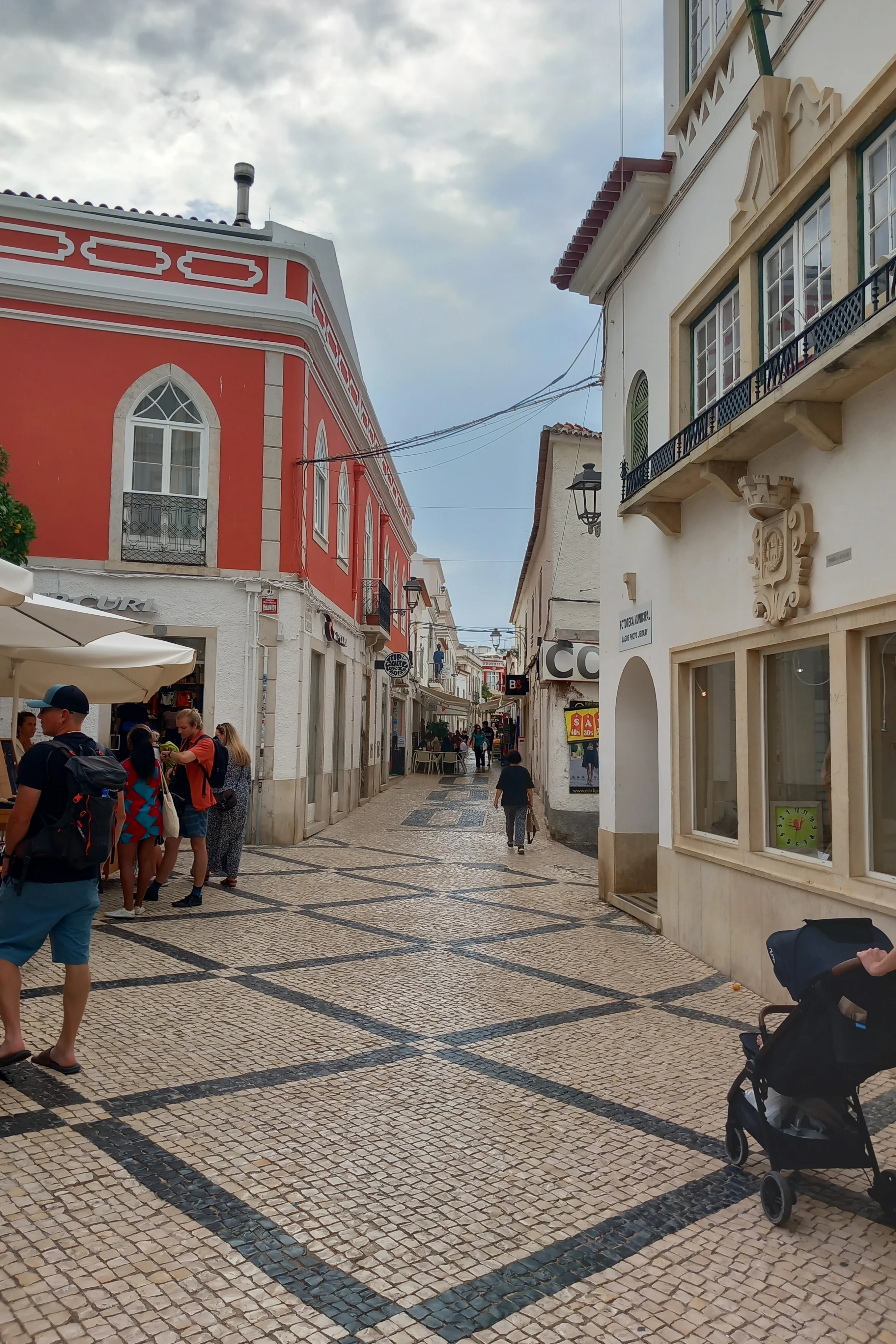
Colorful and lively, brightened by azulejos (the ceramic wall tiles found on many facades), walking through Lagos feels like moving through an open-air museum. The sights are everywhere, especially in its historic center protected by city walls. The beach is just a short walk away, and the two towers of the São Gonçalo Gate serve as reminders of its defensive past. The fortification dates back to 1520 and offers exceptional views over the bay and the Serra de Monchique.
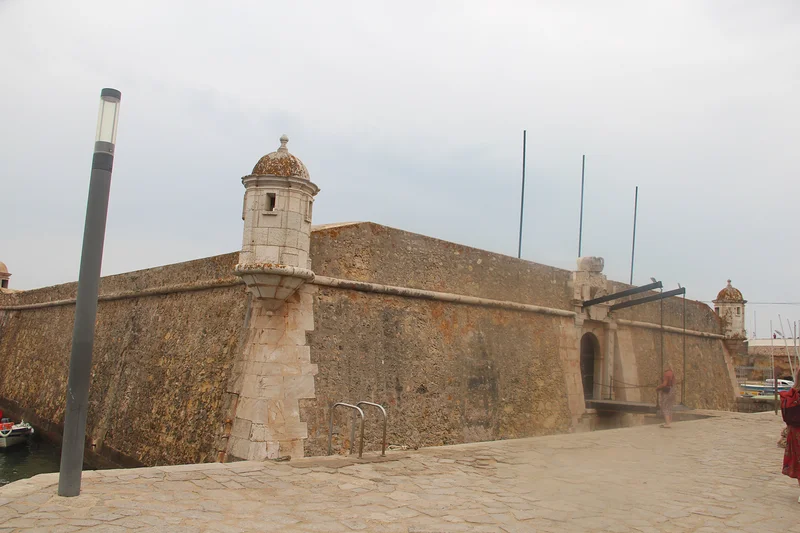
The neighborhood is almost entirely pedestrian. At Praça Infante Dom Henrique, the building of the 15th-century former slave market has been converted into a cultural center, and further along, the church of Santa Maria stands proudly with architecture from the same era. Inside Santo António from 1707, you will find a rich collection of baroque woodwork highlighted with gold, alongside the Dr. José Formosinho Museum dedicated to archaeology and ethnography. Religious heritage matches the flavorful architecture in scale, while stone doorframes and wrought iron give the alleys endless charm along the way. On Avenida dos Descobrimentos facing the estuary, the 17th-century square fort of Ponta da Bandeira is one of the finest in the region, and you should not miss the Centro Ciência Viva, a science and arts museum recounting the great Portuguese discoveries.
Traditional craftsmanship remains thriving in Lagos, with shops showcasing windows filled with ceramics, hammered copper, printed fabrics, and leather goods. At the municipal market, three floors of fresh and flavorful produce await you. Naturally, seafood takes center stage, with shellfish and fish featured in every restaurant. Monkfish stew, grilled tuna, chorizo-stuffed squid, the daily catch dictates the menu. As throughout the Algarve, dom-rodrigos are the local pastry to try, crafted from almonds, egg yolk, and cinnamon.
Cliffs carved by turquoise water
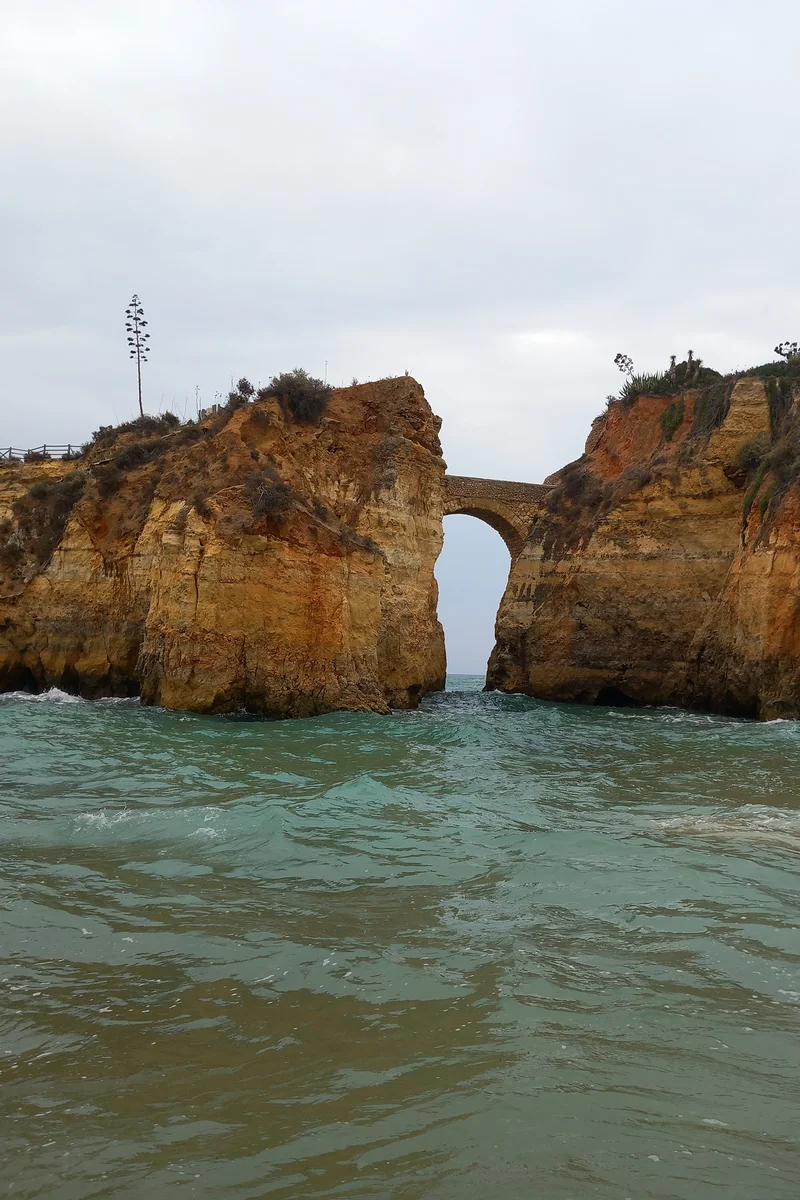
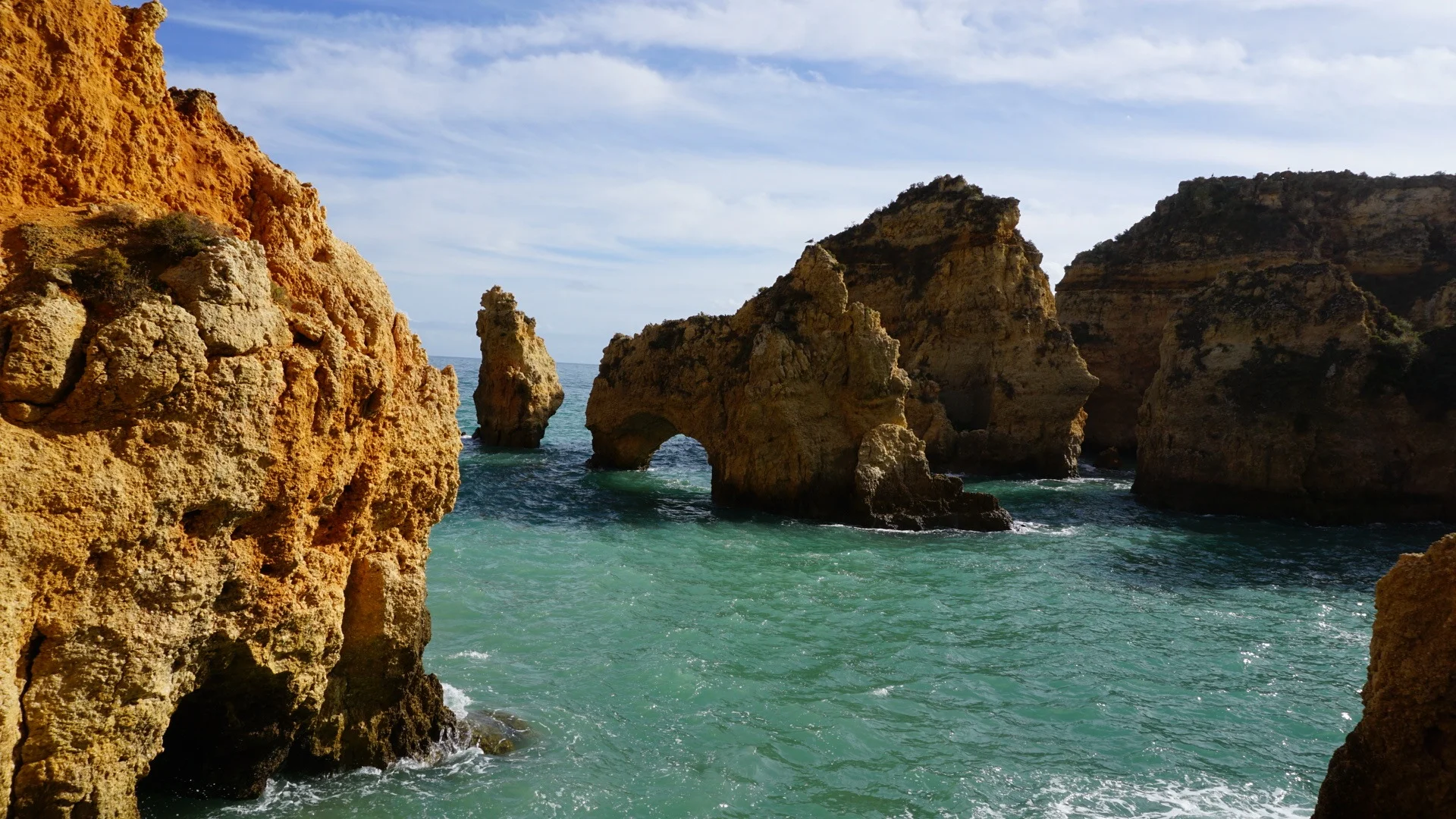
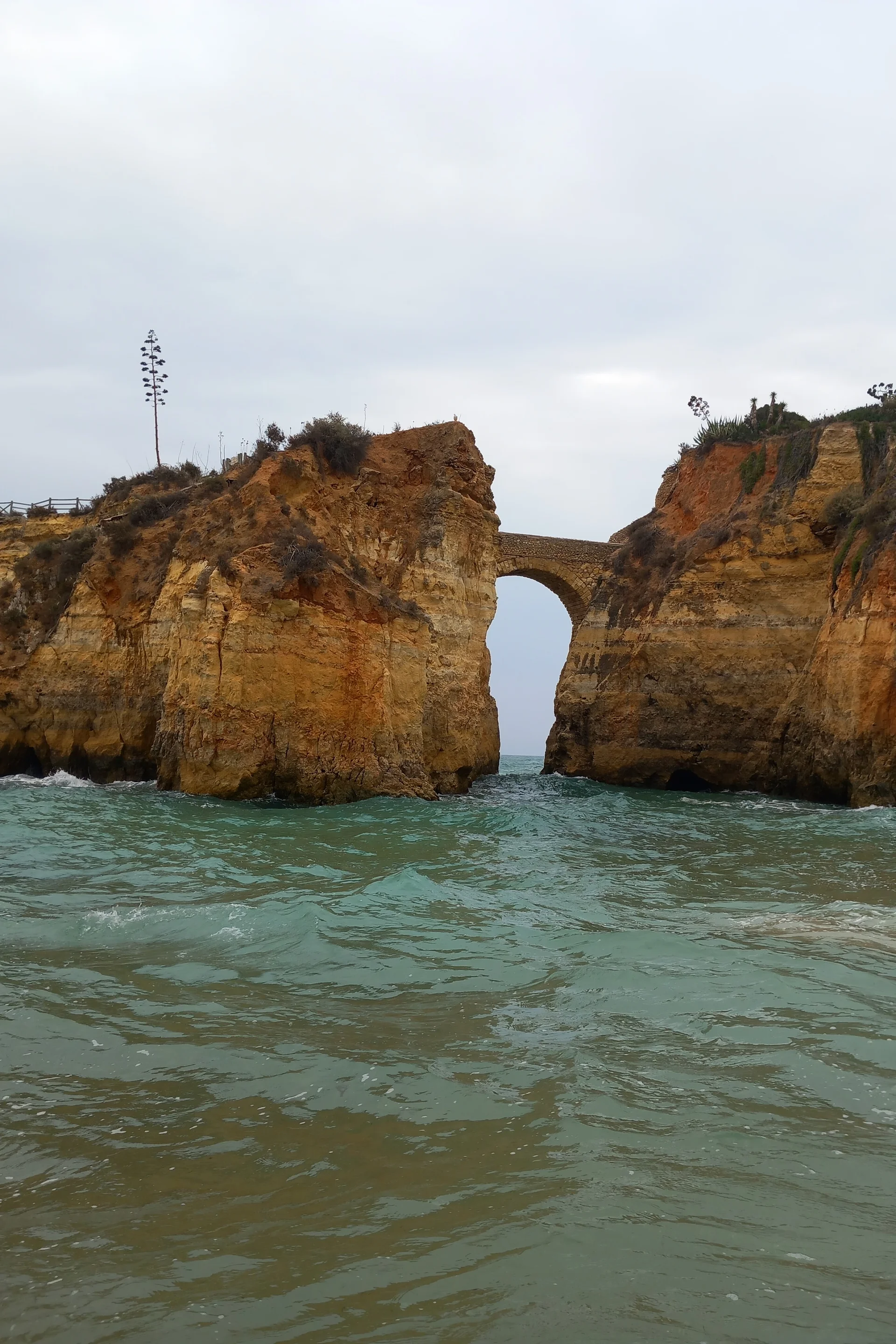
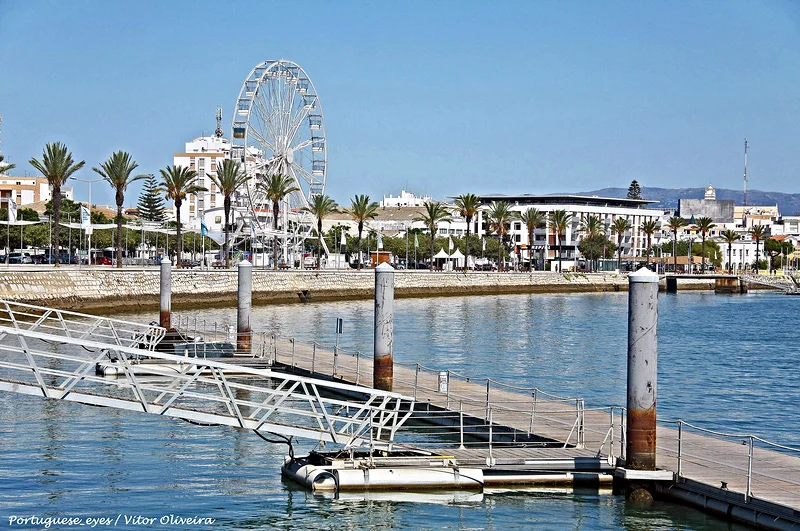
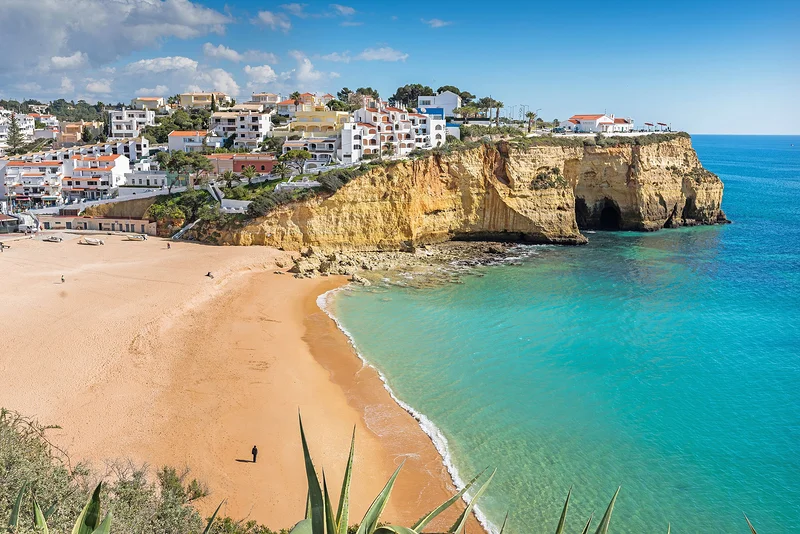
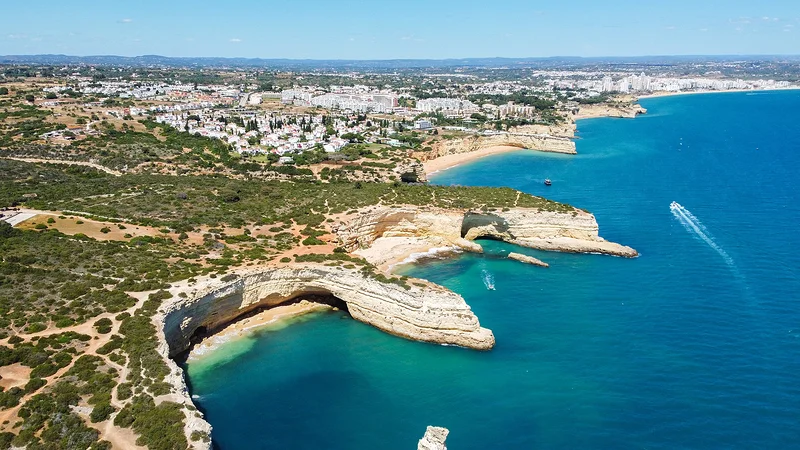
Its striking natural environment made Lagos popular in the first place, with ochre cliffs resembling massive sculptures carved by the waves, and rocks and caves shaping the coastal scenery at every turn. Beyond miles of fine sand, the coastline is truly magnificent. Ponta da Piedade is a prime example with its lighthouse and sea caves; this incredibly scenic headland can be explored on foot or by boat with equal payoff. Dona Ana Beach is a must-visit, bordering the historic district. Smaller and a bit tougher to access, Camilo Beach offers a fantastic setting, while the larger stretches belong to Porto de Mós, a favorite among surfers, and Meia Praia. All water sports are readily accessible here. The waterfront lined with massive palm trees makes for an ideal stroll, and you can keep an eye out for dolphins down at the marina.
When to go
The Mediterranean climate ensures nearly constant sunshine. From April to November, the weather is mild with summers occasionally turning very hot. Winters are never harsh, though the water is too cold for swimming and winds pick up along the beach. Visiting in the shoulder season brings fewer crowds, making it a great time to experience Lagos.
How to get there
The nearest airport is in Faro, 90 km (55 miles) away. Buses make the trip in 2h10 and trains take 1h50, with the station right in downtown Lagos. Plan your route ahead of time, especially in the summer. The highway network is well-maintained, allowing arrival via toll roads or national highways. If you are driving, motorways link Lagos to both Lisbon and Seville.
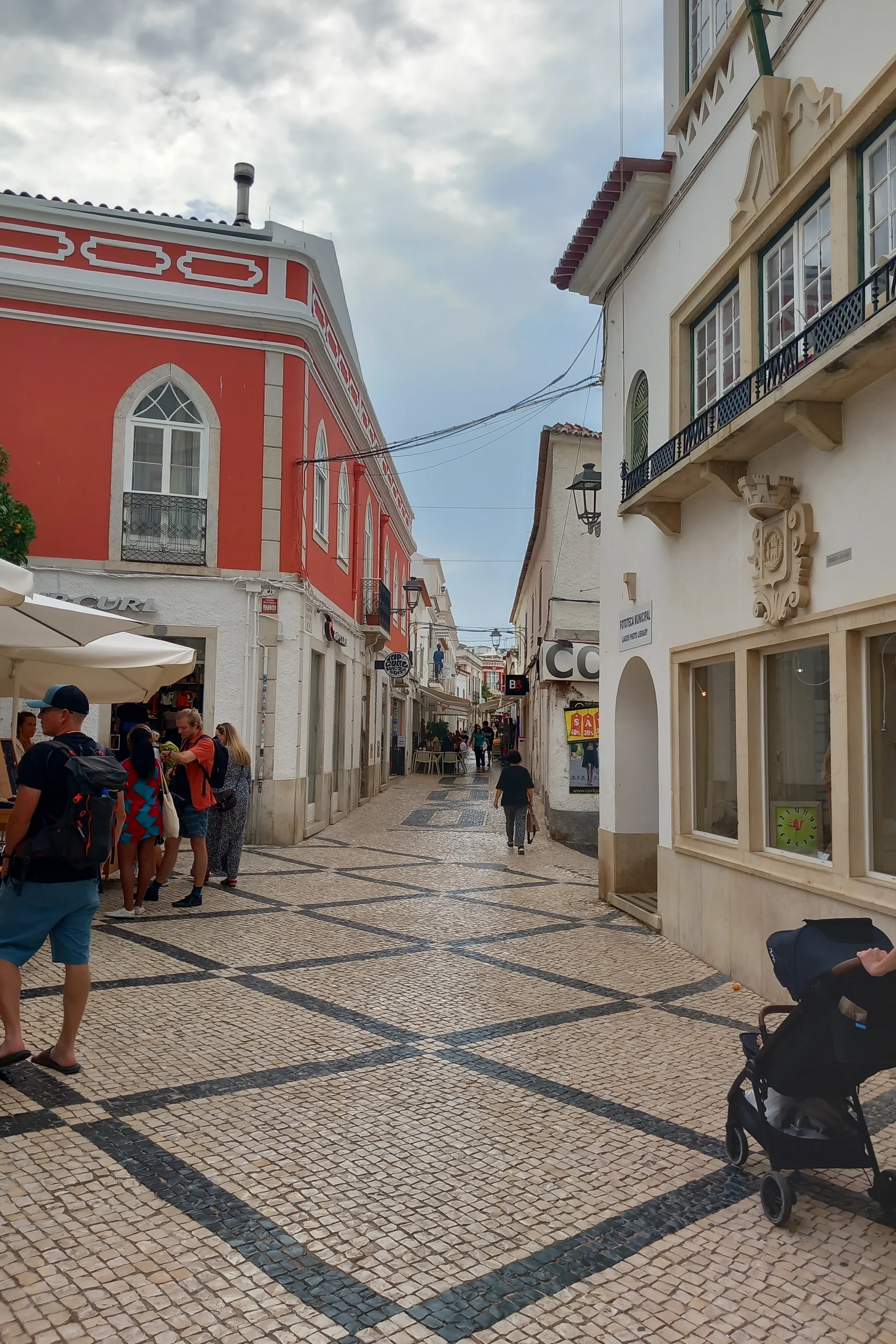
My favorite spot in the south of Portugal, without a doubt! The town has a friendly and pretty peaceful vibe, with its small pedestrian city center, gorgeous beaches, and especially some really beautiful little hikes to do in the surrounding area. Less touristy than its neighbor Albufeira, it is the perfect alternative if you want to be a bit more relaxed (especially in June or September).