
Visiting Faro, the Algarve's best-kept secret
The rhythmic clacking of the beaks of storks nesting on the ramparts blends with the scent of orange blossoms drifting through cobblestone alleys. Far from the high-octane energy of typical resort towns, you will find a capital city that moves at the pace of the tides in the Ria Formosa lagoon. It is surprising that the primary gateway to the Algarve remains its most authentic corner.
Faro: an authentic base for explorers, not an all-inclusive resort
This city is a breath of fresh air for those who want more than just a beach chair. It is the ideal destination for those who love history and nature and want to feel the pulse of a genuine Portuguese city. If you enjoy strolling through a preserved historic center, taking boat excursions, and dining in local restaurants without spending a fortune, you will be happy here.
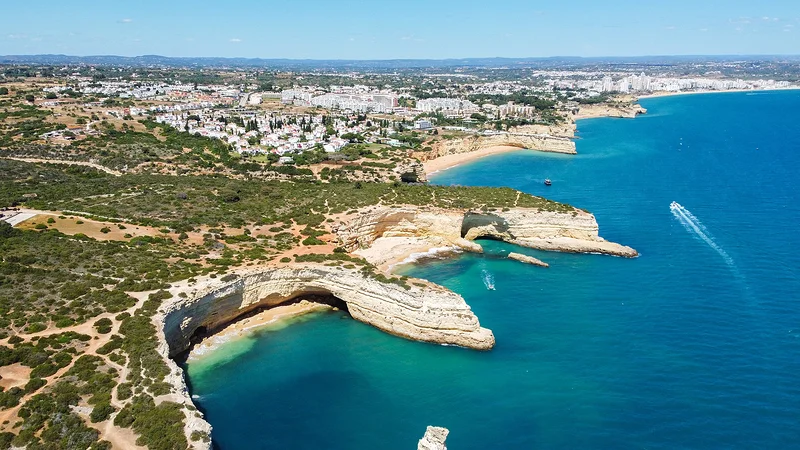
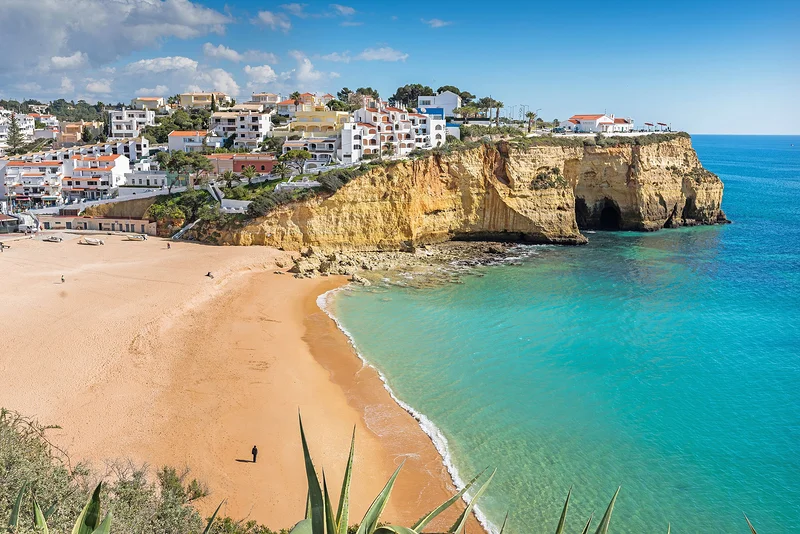
However, if you are looking for the nightlife of Albufeira or the cliff-backed beaches of Lagos, you might find this place too sleepy. Faro is not a beach resort in the traditional sense, as its main beach is not within walking distance of the city center. Think of it as a cultural and natural base that rewards curiosity, much like a quiet, historic town in coastal New England.
The Vila Adentro: a trip back in time
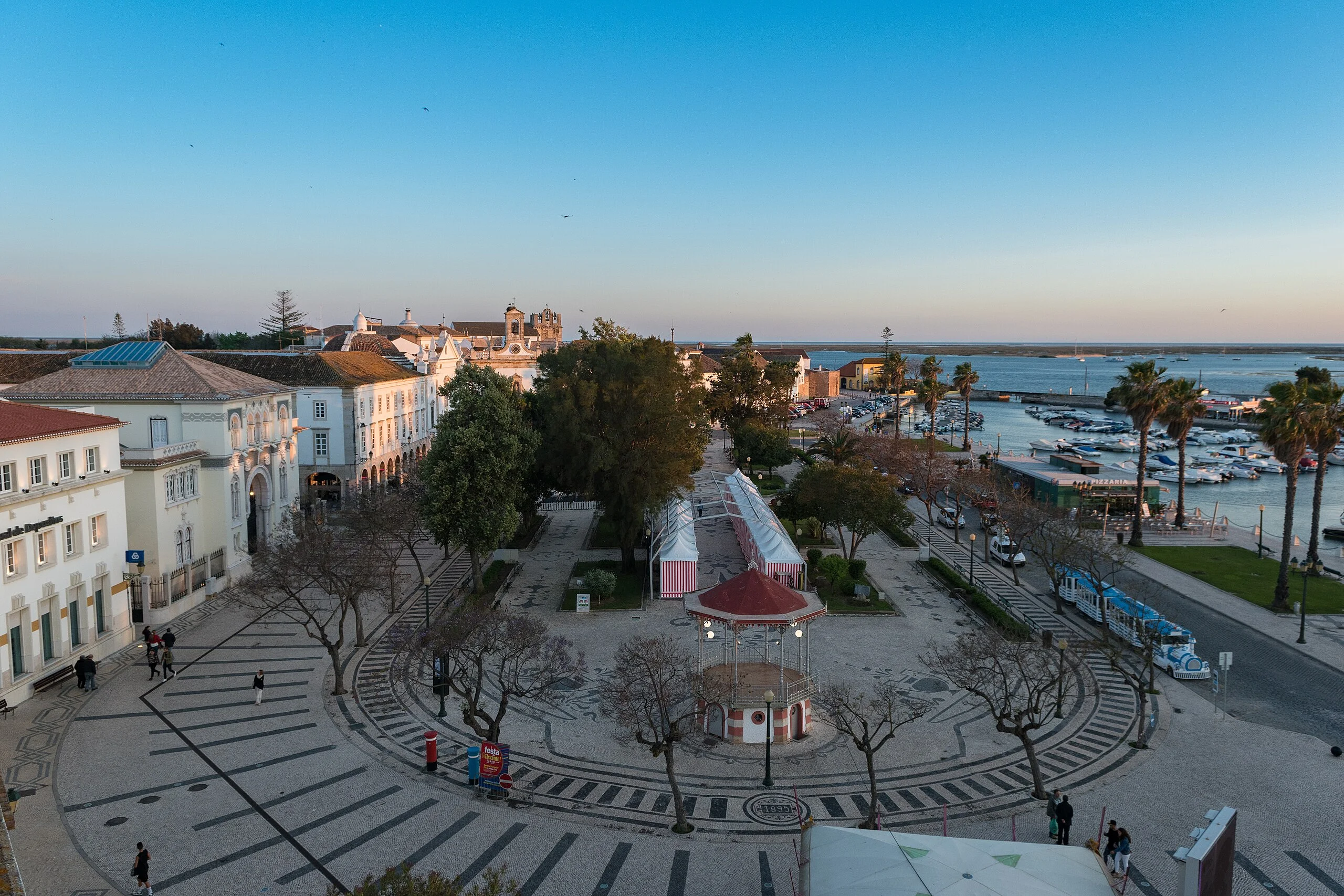
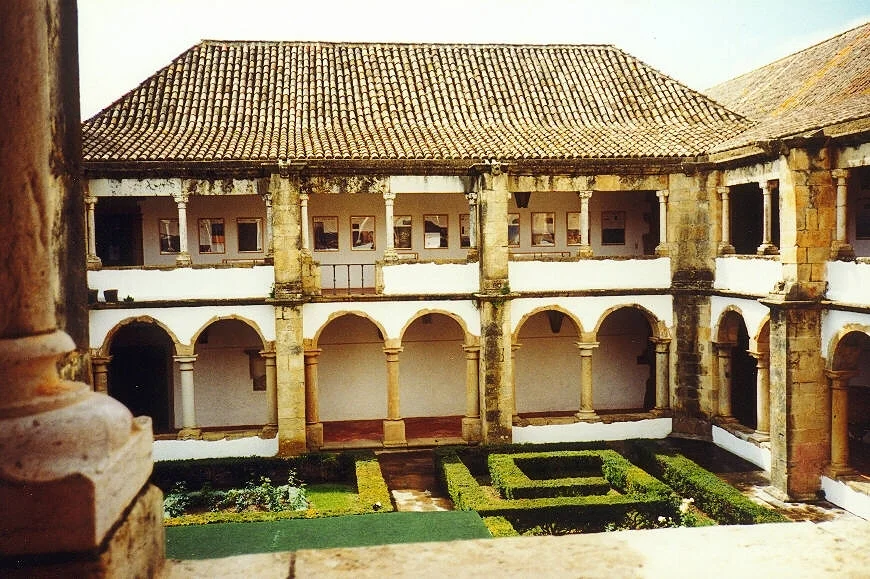
The true heart of the city is its fortified old town, the Vila Adentro. You enter through the imposing Arco da Vila, a neoclassical gateway that incorporates an 11th-century Moorish arch. Inside, you will find a maze of cobblestone lanes, shaded squares, and whitewashed houses where time seems to have stopped. Look up to spot the nests of storks, the city's iconic residents.
The Sé cathedral stands at the center of the citadel. Its appearance is a mix of architectural styles resulting from centuries of reconstruction. Climbing the bell tower requires a bit of effort, but it rewards you with a spectacular panoramic view of the rooftops, the lagoon, and the ocean.
Friendly tip: Don't bother with a map. The real joy of the Vila Adentro is getting lost, turning down a random alleyway, and stumbling upon a quiet plaza or an unexpected view from the ramparts.
The Ria Formosa Natural Park: the hidden treasure
Sprawling right at the edge of the city is one of Portugal's most beautiful ecosystems: the Parque Natural da Ria Formosa. This labyrinth of canals, islands, marshes, and sandbars is a biodiversity hotspot. It is a paradise for birdwatchers and nature lovers alike.
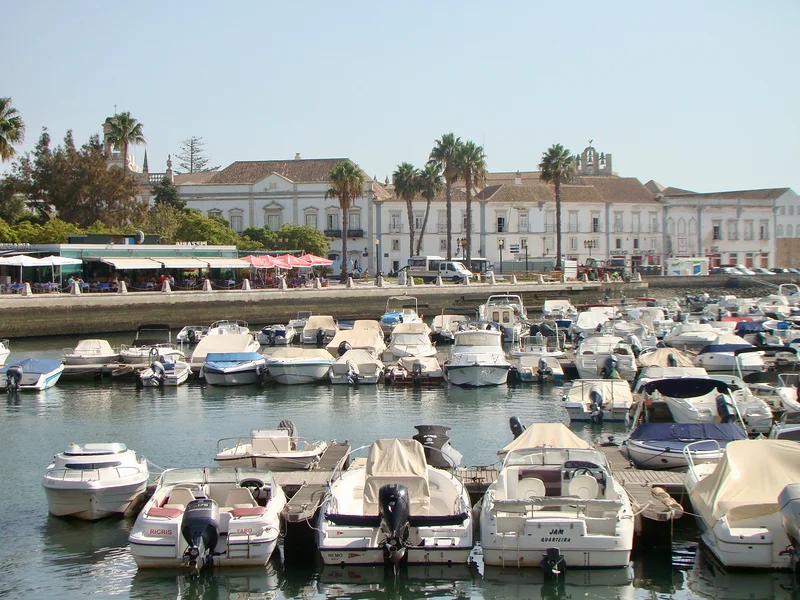
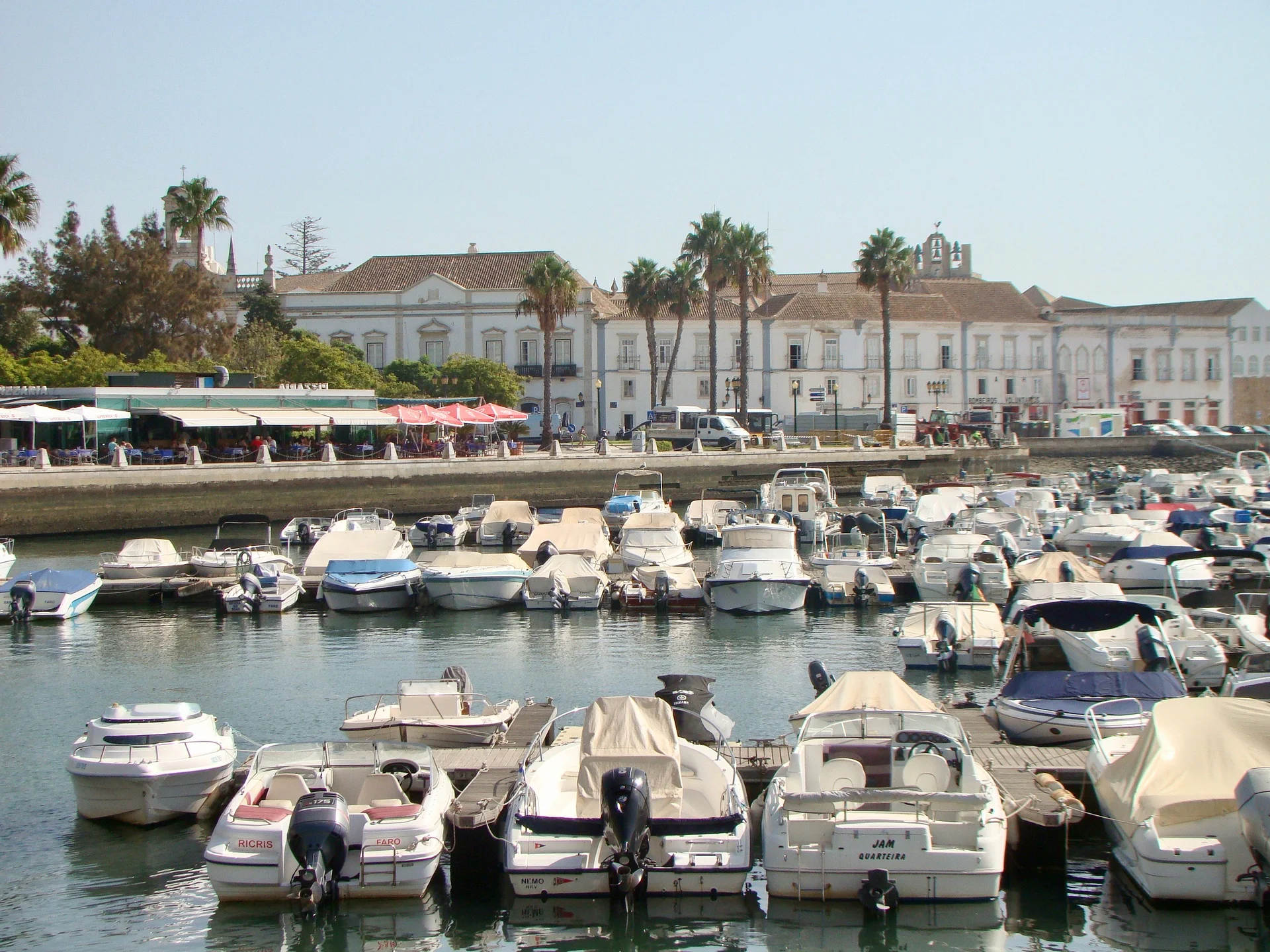
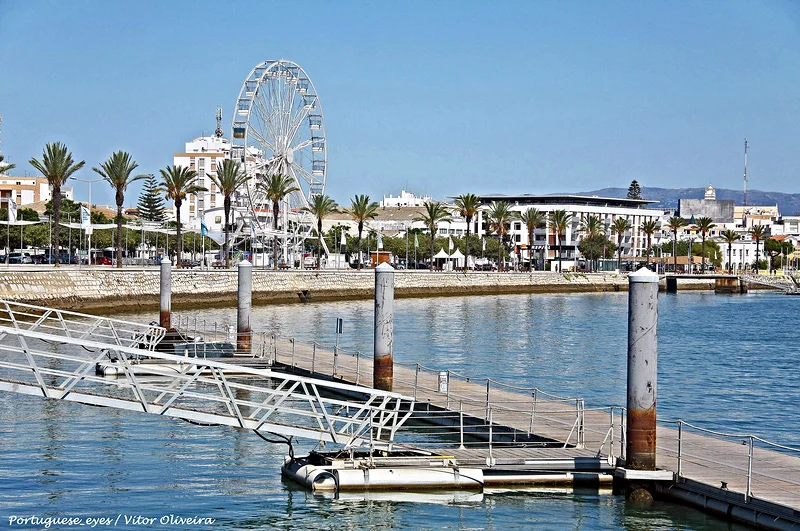
The best way to explore is by boat from the marina. Local guides can take you through this unique landscape, with stops on the barrier islands. Ilha Deserta lives up to its name with miles of wild beach. Ilha da Culatra is an authentic fishing village with no cars and no paved roads.
Beyond the walls: local life and a macabre chapel
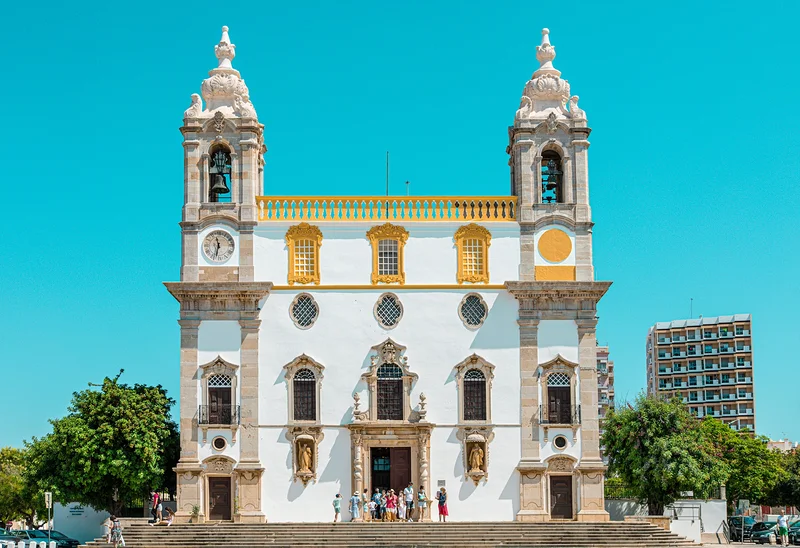
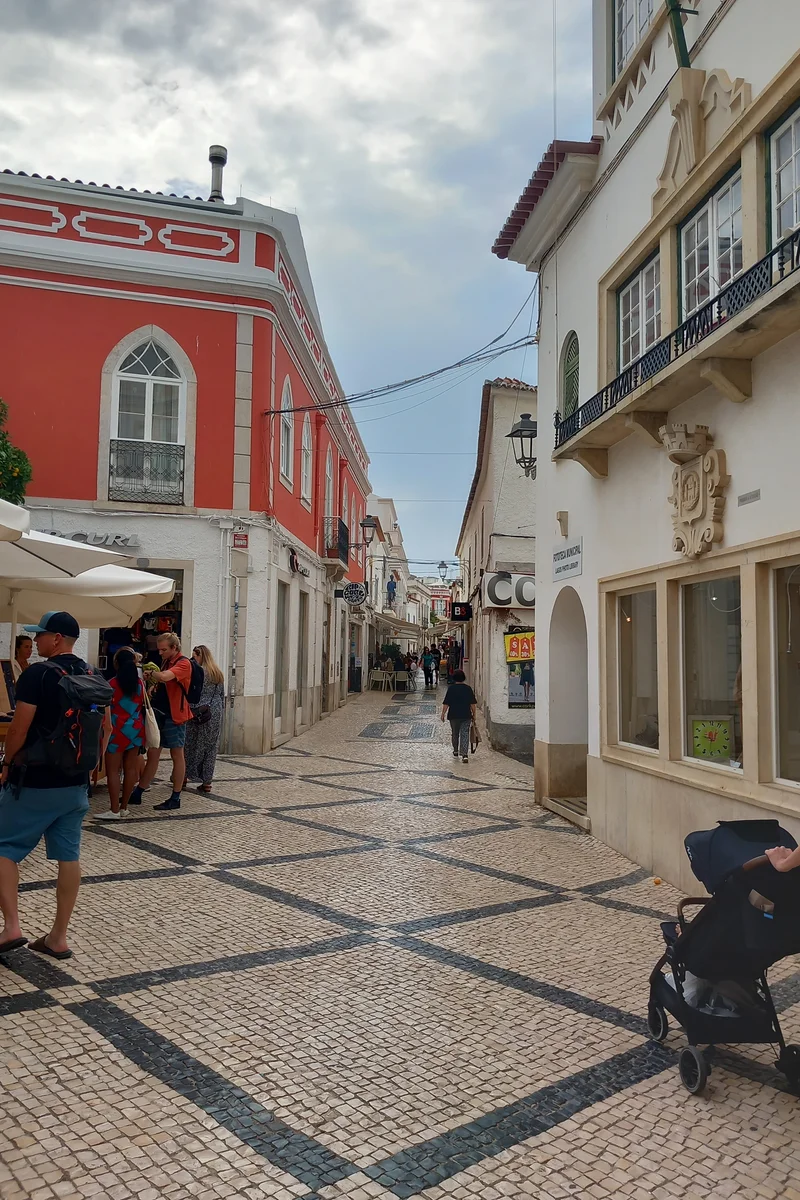
The modern part of the city outside the walls is just as pleasant. Pedestrian streets like the Rua de Santo António are perfect for shopping and soaking up the local atmosphere. The most striking site is undoubtedly the Igreja de Nossa Senhora do Carmo, a magnificent Baroque church.
Tucked behind this church is the famous and unsettling Capela dos Ossos (Chapel of Bones). The walls and ceiling are covered with the bones and skulls of over a thousand monks. An inscription above the door invites visitors to stop and consider that they too will one day reach this state.
Friendly tip: After visiting the chapel, relax in the lovely Jardim da Alameda João de Deus, a peaceful park with peacocks and exotic plants, perfect for decompressing.
Where to eat and drink in Faro?
Algarve cuisine is focused on the sea. The local specialty is the cataplana de marisco, a seafood stew cooked in a traditional copper pot. You should also try the clams (amêijoas à Bulhão Pato) or garlic shrimp. For an authentic experience, look for small, family-run spots in the streets around the marina where the locals dine.
Where to stay in Faro and the surrounding area?
For total immersion, choose a small boutique hotel or guesthouse in the Vila Adentro. You will be at the center of the history in a very quiet environment at night. The modern city center offers more choices and a livelier atmosphere. If you want direct access to the beach, there are a few options on the Praia de Faro, though they are more isolated.
How to get to and around Faro?
Faro Airport (FAO) is the main gateway to the Algarve, served by many low-cost airlines from across Europe. The city center is a short bus or taxi ride away. You can also reach Faro from Lisbon by train or bus in about 3 hours.
The historic center is entirely walkable. To explore the region, renting a car is the best option. It gives you the freedom to discover villages like Olhão and Tavira, or to head out to the sardine port of Portimão and the charms of the countryside.
When to go?
Spring and autumn are the ideal seasons, with pleasant temperatures, fewer crowds, and beautiful nature. Summer is perfect for swimming, but the city is at its busiest and the heat can be intense. Winter is very mild, often sunny, and perfect for enjoying the city in total peace.
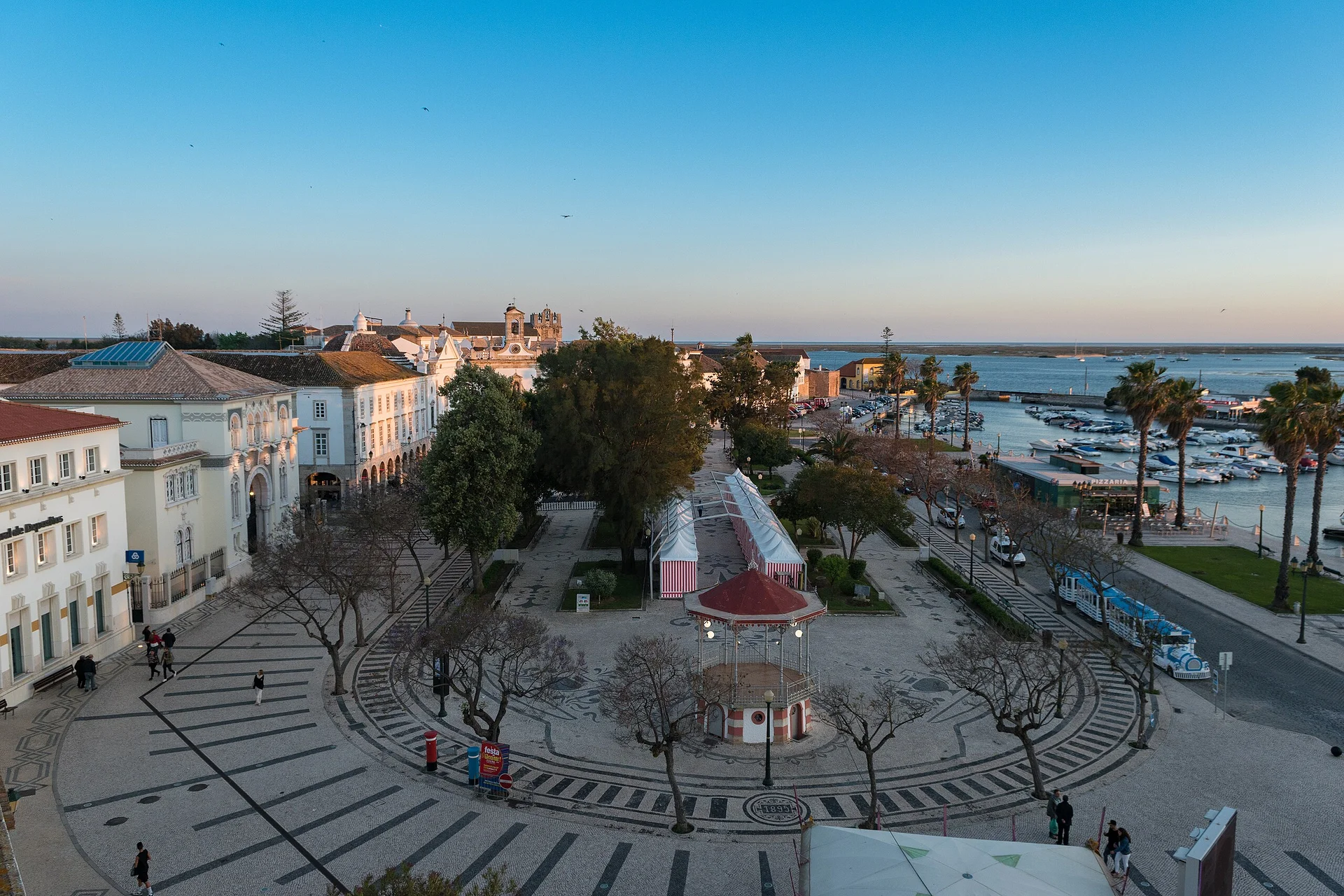
I do not know why Faro is often highlighted as a top choice for the south of Portugal, but I was pretty disappointed. You can finish walking around the old town in 1 hour, it is not that lively, and the beach is far away. Anyway, go for other places in the region like Portimao or Lagos instead.