Visiting Lagoa, the lesser-known wine capital of the Algarve
Amid rolling vineyards under the southern Portuguese sun, a whitewashed town clings to the hills just a few miles from the Atlantic. Forget the crowded beaches and high-octane tourist strips: quiet alleys smell of ripe grapes in the autumn, and wine cellars replace souvenir shops. This is where the Algarve shows its other side, featuring fertile agricultural lands where winemakers keep centuries-old traditions alive.
The ideal base for exploring the authentic Algarve
Let us be upfront: downtown Lagoa itself lacks the monumental wealth of a Silves or the beach resort energy of Portimão. That is precisely its strength. This inland municipality serves as a perfect base for reaching coastal wonders while enjoying a slower pace of life and more reasonable lodging rates.
The destination particularly suits wine enthusiasts wanting to discover Portuguese vineyards far from the classic routes of the Douro Valley, families seeking quietude with quick beach access, and couples looking for a romantic atmosphere among vineyards and whitewashed villages. Partygoers and anyone wanting to live right on the sand 24/7 should instead look at Albufeira or Lagos.
Reasonable budget: plan for $79 to $135* per day for two people in shoulder season, lodging included. A rental car is essential to properly explore the region since public transit does not serve points of interest well. Expect $29 to $40* per day for the rental.
The wine route: exploring the estates
Morgado do Quintão: the historic estate
Founded in the early 19th century by the Count of Silves, this 60-hectare family estate exclusively cultivates native grape varieties like the famous Negra Mole. The vines stand alongside a 2,000-year-old olive tree where tastings take place, creating a timeless setting.
The guided tour lasts about 2 hours and includes a walk through organically farmed vineyards, an explanation of minimal-intervention winemaking methods, and a tasting of 3 to 4 wines. The Farmer's Table option offers a full lunch under the ancient olive tree, featuring local farm products paired with the estate wines. Expect $40* for the basic tasting, $73* with lunch.
Friendly tip: book at least 2 days in advance, especially in high season. The estate accepts last-minute bookings if you get lucky, unlike most Algarve wine cellars.
Quinta dos Vales: art and viticulture
This estate combines vineyards with a contemporary sculpture park spanning several hectares. A free walk through the gardens lets you admire works by international artists scattered among the vines. For the guided tour with a narrated tasting, reserve at least 2 hours ahead.
Reviews vary on wine quality (some find the reds excellent, others average), but the overall experience remains interesting for exploring the grounds. The property also offers cottages to stay right among the vines, with views of the surrounding hills.
Friendly tip: come in the late afternoon to catch the golden light on the sculptures and follow it with a panoramic sunset from the heights of the estate.
The satellite villages: Porches, Ferragudo, and their preserved charm
Porches and its pottery workshops
This town of 2,000 residents has kept up ceramic traditions for generations. Workshops line the main road, recognizable by their colorful tiles and handcrafted dishware on display. Olaria Pequena, located between Porches and the town center, is worth the detour to watch artisans at work and pick up an authentic souvenir.
On the coast, the Forte de Nossa Senhora da Rocha sits proudly on a cliff. This whitewashed fortress houses a tiny 15th-century chapel and offers an open ocean view with zero buildings on the horizon. It is a rare spot that still escapes tourist crowds.
Ferragudo: the preserved fishing village
On the other side of the Arade River, facing Portimão, this white village maintains the feel of an authentic coastal hamlet. Park in the entrance lot (often occupied by camper vans) which already reveals a magnificent view of the sheltered small harbor.
Walk the steep alleys up to the parish church to take in the entire bay. Continue onward to Praia Grande, a family beach with calm waters overseen by a castle. The place keeps its peaceful character even in the middle of summer, drawing more locals than foreign tourists.
Friendly tip: eat grilled sardines at one of the harbor restaurants in the late afternoon when the fishermen return and the vibe picks up gently with the evening cool air.
Beaches and coastal wonders accessible from the municipality
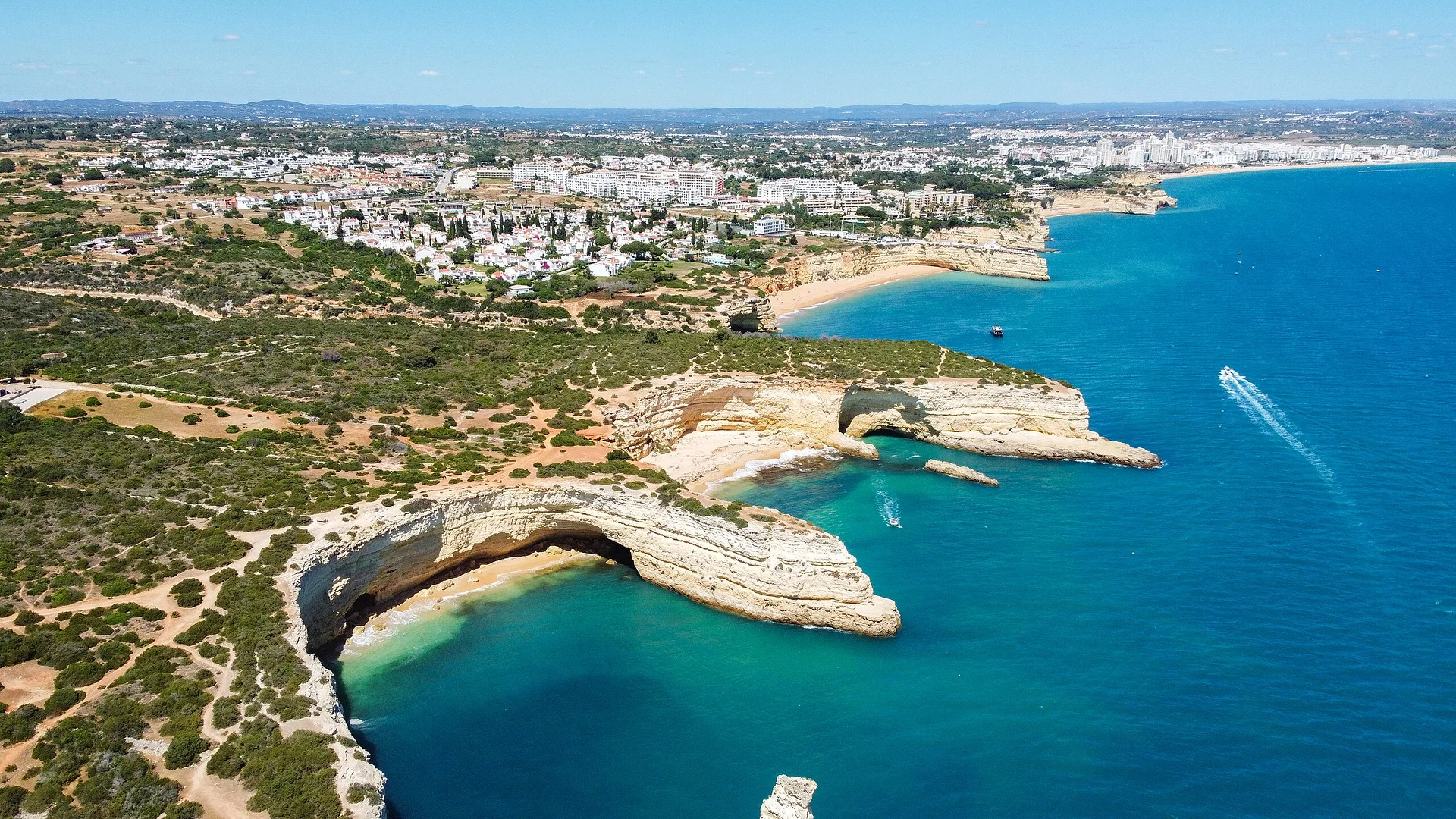
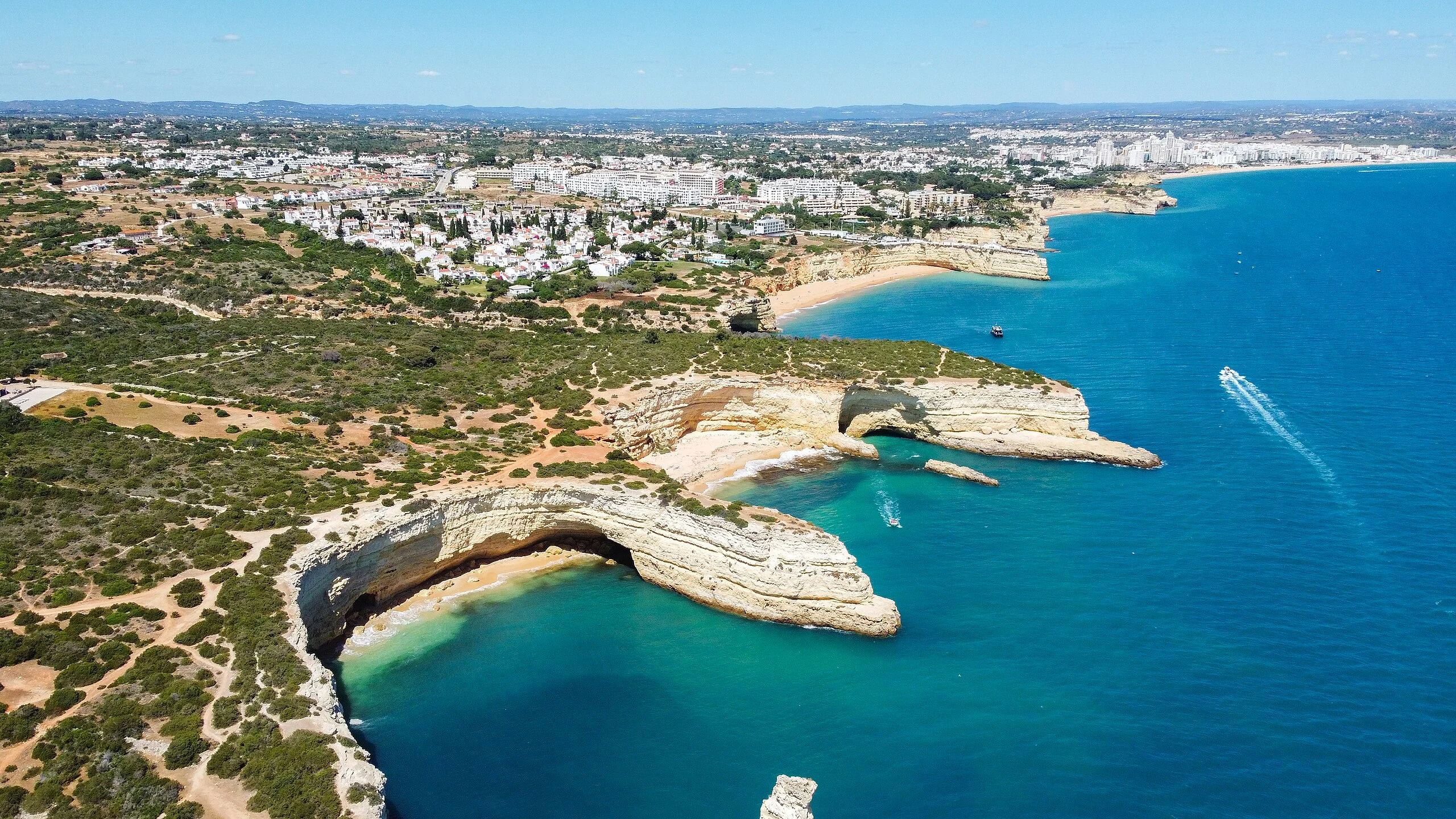
Although situated inland, the municipality encompasses some of the finest beaches in the Algarve. Marinha Beach, regularly ranked among the world's best shores, sits a 15-minute drive away. Its heart-shaped rock formations and caves carved by erosion create postcard-perfect scenery.
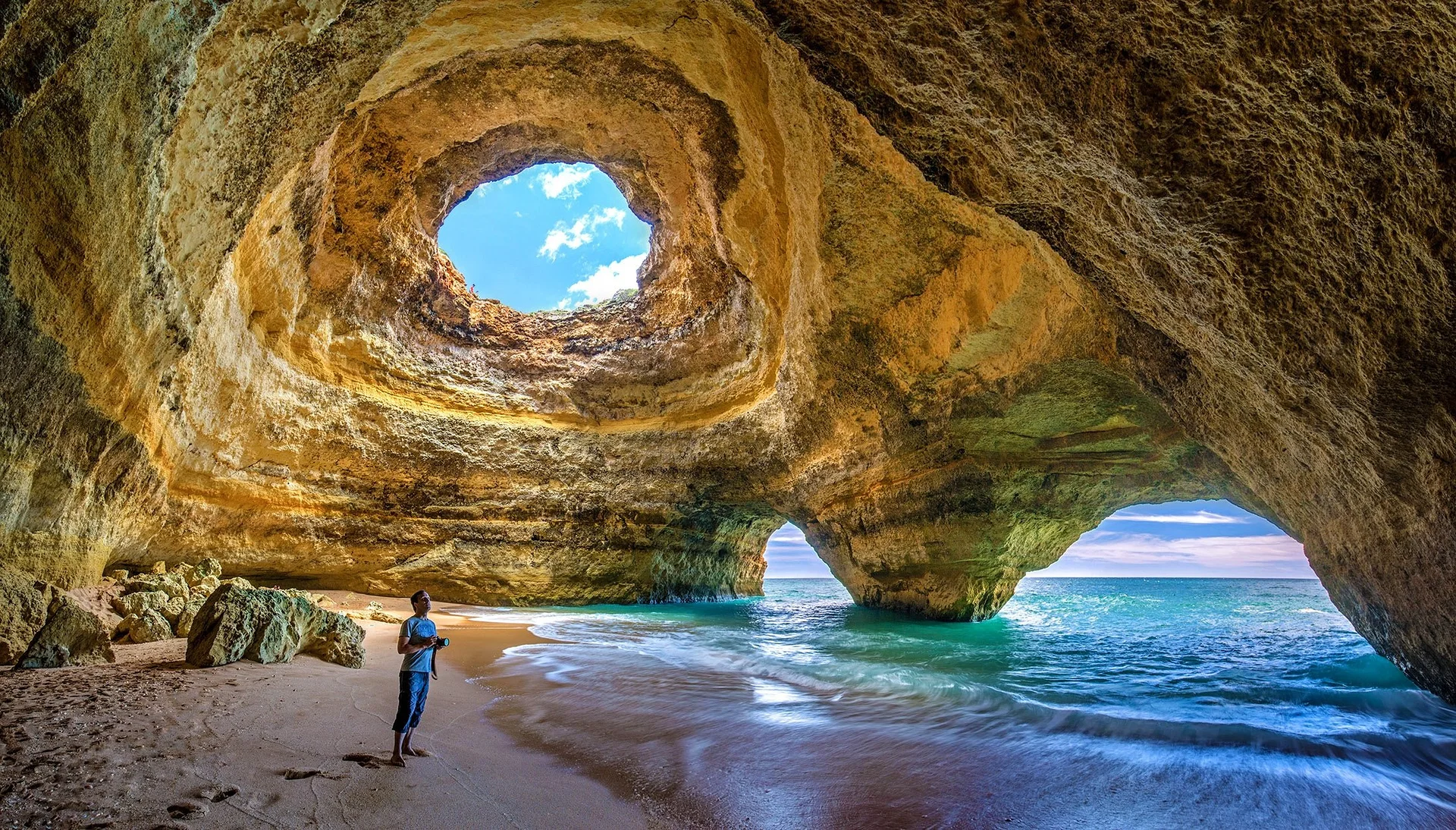
The famous Benagil cave with its perforated dome letting sunlight filter down onto a hidden beach remains the star attraction. Accessible only by water, you can visit via kayak from Benagil Beach ($29* for a 2-hour rental) or by boat from Carvoeiro ($40-$45* for a 90-minute excursion). Go early in the morning before 9 AM to beat the boat traffic.
Praia do Carvalho intrigues visitors with a tunnel carved straight through the rock leading to a secret cove with crystal-clear waters. Uncrowded in the off-season, it provides an ideal setting for snorkeling. Limited parking naturally filters visitor numbers.
The coastal trail known as the Percurso dos Sete Vales Suspensos (Seven Hanging Valleys Trail) crosses the entire municipal coastline over 12 kilometers. The stretch between Senhora da Rocha and Praia da Marinha stays less crowded than the section near Carvoeiro while still showing off jaw-dropping views.
Friendly tip: for Benagil, rent a kayak instead of taking the tour boat. You control your pace, explore other sea caves along the way, and save $17* per person.
Family activities and entertainment for everyone
Sand City: ephemeral sand art
Between downtown and Porches, this unique park displays giant sand sculptures created by dozens of international artists. Each year, a new theme inspires works that can reach several meters in height. Visiting at sunset reveals the creations lit up, adding a magical touch. Admission runs $7.90* for adults, $4.50* for kids.
Water parks
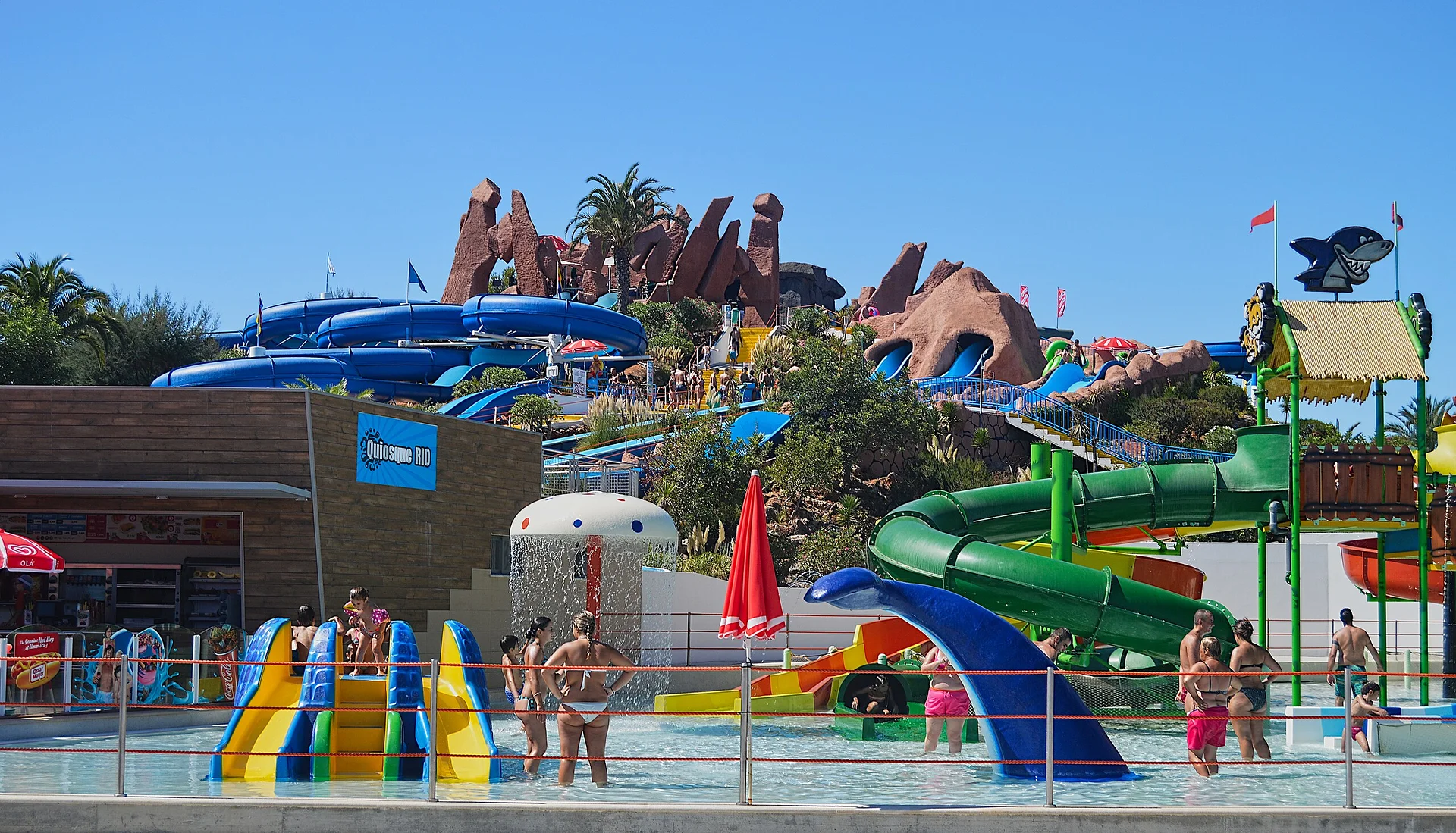
Slide & Splash, just outside Porches, and Aqualand offer dizzying waterslides and wave pools to keep kids (and adults) busy all day. Prices hover around $34* per adult, $23* per child. Budget carefully because the total adds up fast for a family.
Zoomarine, nearby, combines a water park with dolphin shows. Visitors are divided on it: some appreciate the educational programs on marine life, while others criticize the show aspect of captive animals. Decide for yourself based on your personal views.
The quiet heritage of the town center
The Convento de São José, built in the 18th century, now serves as a cultural center. Its sober cloister framed by three arches and a central well gives off a serene vibe. In the garden, an imposing menhir dating back to the 5th or 4th millennium BC points to the ancient history of the area.
The Igreja Matriz de Nossa Senhora da Luz, built in the 19th century, mixes baroque and neoclassical styles in a uniquely Portuguese simplicity. The interior is worth a quick look if you walk past, but do not make it a primary sightseeing goal.
The municipal market, one of the oldest in the Algarve (construction began in 1894), keeps its old-school charm. The bell at the top of the building once rang to signal the arrival of fresh fish. Morning stalls still display seafood and regional specialties today. Drop by on a Wednesday or Saturday morning to see local life in action.
Where to eat and drink in Lagoa?
Local gastronomy naturally draws on the resources of the nearby ocean. Seafood cataplanas, cooked in their characteristic copper pots, appear on every menu. Seafood arroz de marisco (a rich and flavorful rice dish) rivals it in taste, while charcoal-grilled fish scents the outdoor terraces.
A Marisqueira serves impeccably fresh shellfish platters, alongside their house specialty: the clam cataplana that has converted more than one skeptic. O Pescador carries on traditional Algarve cooking in a friendly setting where local fishermen sometimes drop by for a drink at the counter.
Bon Bon, a Michelin-starred spot, reimagines regional ingredients in creative plates served with sweeping hill views. Reservations are a must, with a budget of $90* minimum per person. Restaurante Hexagone offers a more affordable fine dining alternative, with updated Portuguese recipes in a polished space.
For tapas and petiscos (the Portuguese equivalent), Tapas e Lendas sits right in the center with friendly prices. Wines poured by the glass often come from local estates, letting you continue the wine exploration started in the vineyards.
Where to stay in Lagoa and the surrounding area?
The downtown area mostly features apartments and small family guesthouses, with rates starting around $57* a night in the off-season. The upside: a central location to head out in all directions. The downside: zero vacation resort vibe, as you are in a real Portuguese town going about its daily routine.
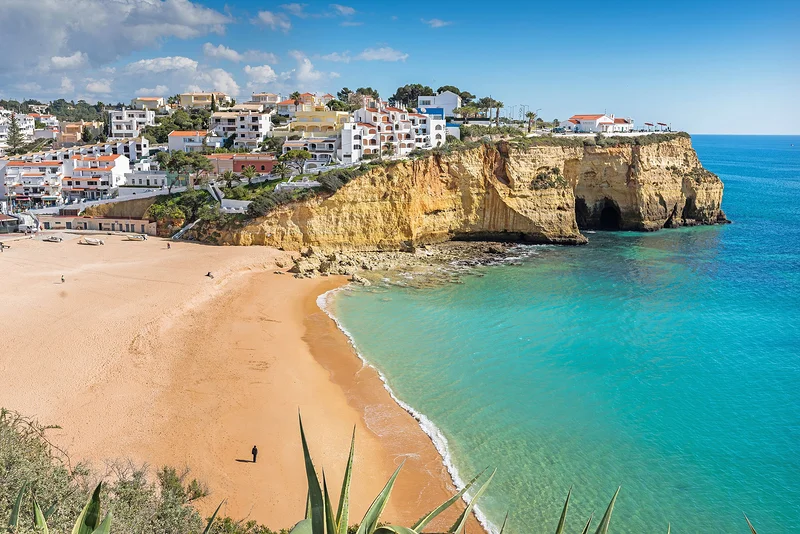
The coastal satellite villages offer a completely different experience. Carvoeiro concentrates the most hotels and resorts, ranging from simple 3-stars to luxurious 5-stars like the Tivoli Carvoeiro. Expect $113 to $290* a night depending on the tier and season. Ferragudo keeps a more authentic feel with charming guesthouses in traditional homes, running between $79 and $169* a night.
For a vineyard immersion, Morgado do Quintão rents renovated cottages among the vines, with a pool and breakfast included. Prices hover around $135-$210* a night. Quinta dos Vales also offers apartments on its estate with vineyard views and access to the facilities.
Private villa rentals abound in the vicinity, well-suited for families or groups of friends. Airbnb and local agencies offer a wide selection between $90 and $340* a night depending on capacity and comfort level.
How to get to and around Lagoa?
Faro Airport sits about 37 miles (60 km) away, about a 45-minute drive via the A22 highway. Renting a car right upon arrival is the best option: plan on $29 to $45* per day depending on the season and model chosen.
Trains connect Faro to the town station in about 30 minutes, with departures hourly during the day. Fares run around $5.70* one-way. From the station, you will need a taxi to reach your lodging ($12-$17* for the ride) unless you are staying right in the center.
Buses exist but remain impractical for exploring the region: limited timetables, multiple transfers, and no direct access to the best beaches. A private airport transfer costs about $57*, while a standard taxi will easily exceed $85*.
Once you are settled, a car becomes essential. Distances between points of interest regularly exceed 3 to 6 miles, and winding roads make biking tough. Uber operates in the region but with less availability than in Faro or Albufeira.
When to go?
- April to June and September-October are the ideal windows: temperatures hover between 68 and 79 degrees, sunshine is abundant, the sea is still swimmable, and tourist crowds are modest. The grape harvest in September adds an extra perk for wine lovers, with chances to watch the picking at certain estates.
- July-August bring fully booked coastal lodging and rates that double or even triple. Heat can top 95 degrees, making outdoor activities rough in the middle of the day. If you have no choice, book at least 3 months in advance.
- The Algarve winter (November-March) lets you escape the northern gloom with temperatures around 59-64 degrees and little rain. Vineyards and villages keep their charm, but water sports and some coastal restaurants shut down. Skip this period if beaches are your top priority.