
Visiting the Portimão Museum
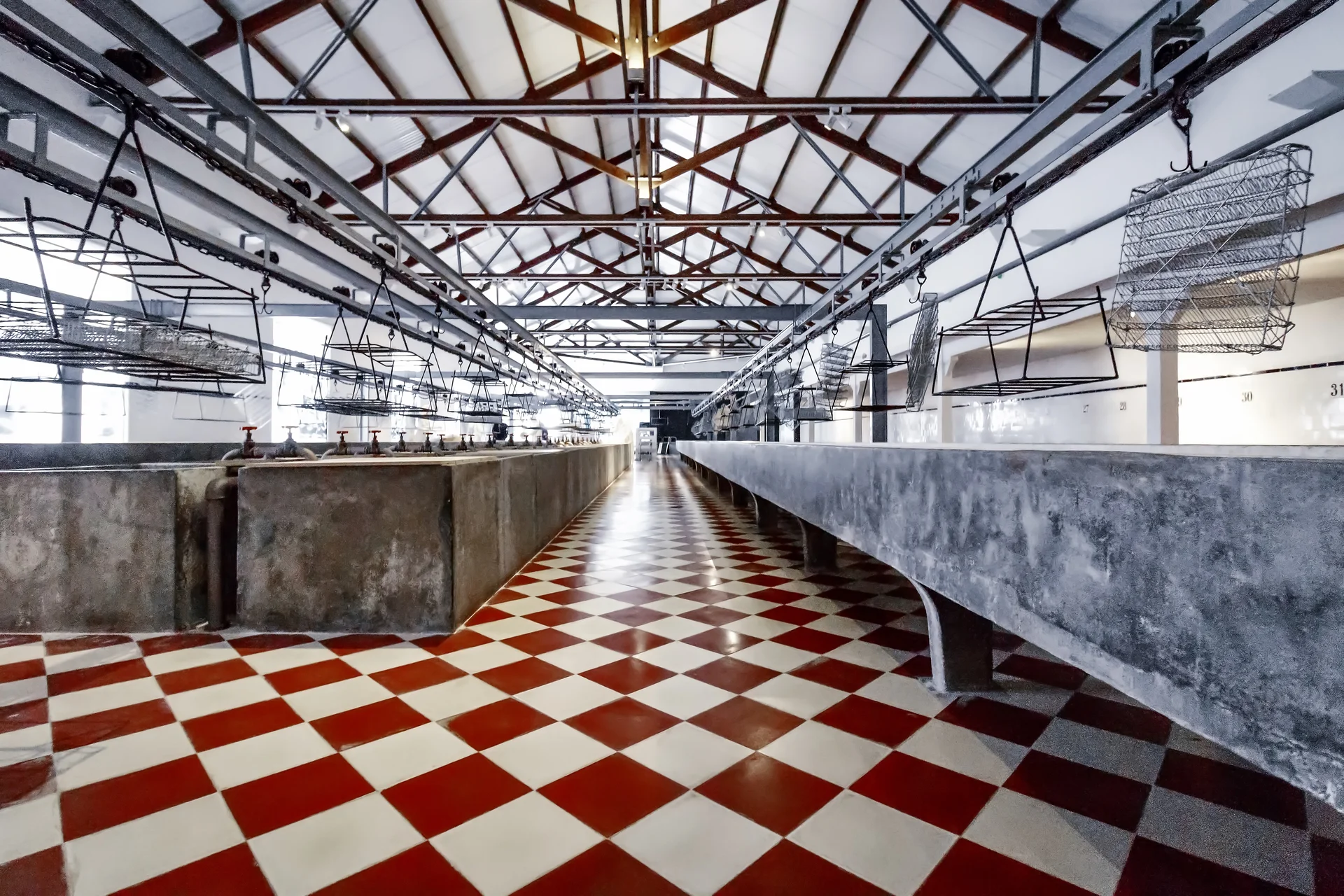
The Portimão Museum is a cultural institution dedicated to local history and heritage, housed within the walls of a former fish cannery in Portimão, Portugal, since 2008. The museum features permanent collections documenting the territory and its identity from prehistoric times to the present day, alongside regular temporary exhibitions focused on photography and painting. Visitors can explore the preserved industrial infrastructure used for fish processing on the second floor and view a reconstructed submarine in the basement levels.
Collections at the Portimão Museum
The Portimão Museum brings together a collection of objects and artifacts spread across approximately 1,000 square meters that illustrate the evolution of customs and traditions in this part of the Algarve. Regarding the prehistoric period, the museum displays a series of remnants from the protected Megalithic Monuments of Alcalar site. Architectural elements from ancient villas also provide evidence of the Roman presence in the region. The Arab occupation during the 12th and 13th centuries is represented as well, most notably by the Alcaria de Arge, a rural structure typical of that era.
A museum tied to the port history of Portimão
Located along the Arade river, the museum focuses on the cultural crossroads formed by the territory of Portimão, situated at the intersection of river, land, and sea. A large portion of the museum examines the city's maritime industry, its shipyards, and the development of local fishing. The space also highlights specific figures and industries, such as the local dried fig production chain and the life of the travel writer and former President of the Portuguese Republic, Manuel Teixeira Gomes.
Opening hours
Hours from August 1 to August 31: Tuesday (7:30 PM to 11:00 PM), Wednesday through Saturday (1:00 PM to 11:00 PM), Sunday (3:00 PM to 11:00 PM). Closed on Mondays and public holidays.

Located in an old fish cannery, this museum will appeal to everyone. It covers a bit of local history, starting from antiquity, through Roman and Arab rule, to more recent times and the Industrial Revolution.
A period documentary explains how the factory worked. The second floor is actually preserved almost exactly as it was back then. So, you can see how the fish cans were assembled.
Down in the basement, a reconstructed submarine is waiting for you.