
Portimão at a glance
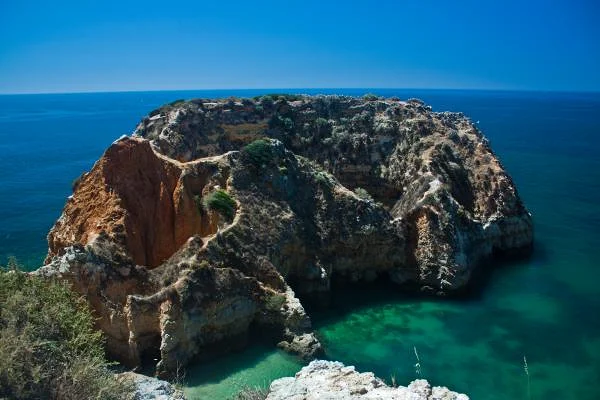
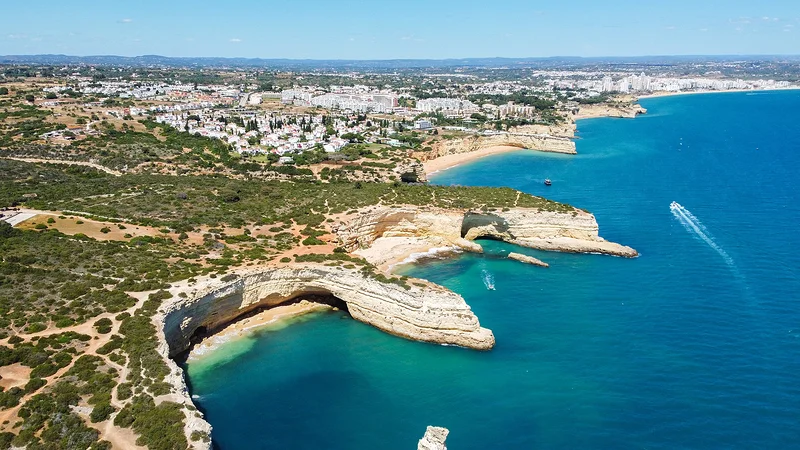
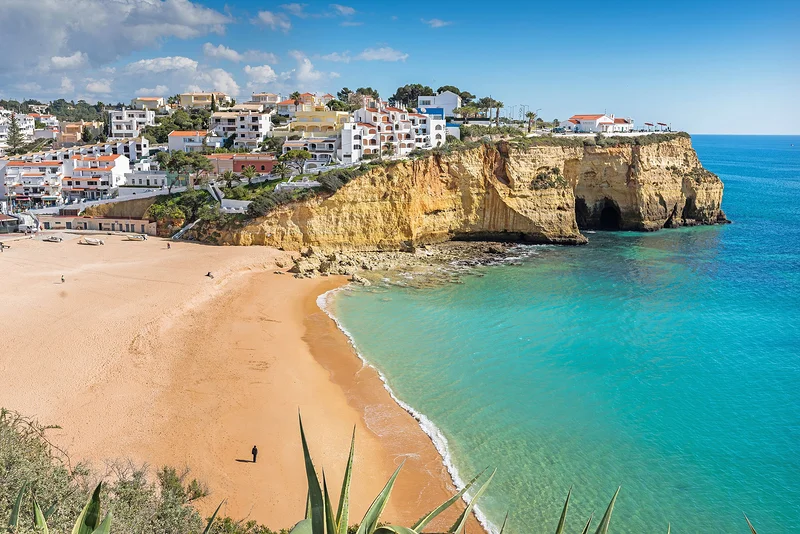
Long defined by its fishing fleet, boat building, and seafood canning plants, Portimão has pivoted to become a destination known for its expansive beaches and motorsport circuit. Located in the south of Portugal, the city has managed to retain its local character even as tourism has surged. The mild climate and dramatic limestone cliffs make this Algarve port a compelling stop.
A legacy of elegance
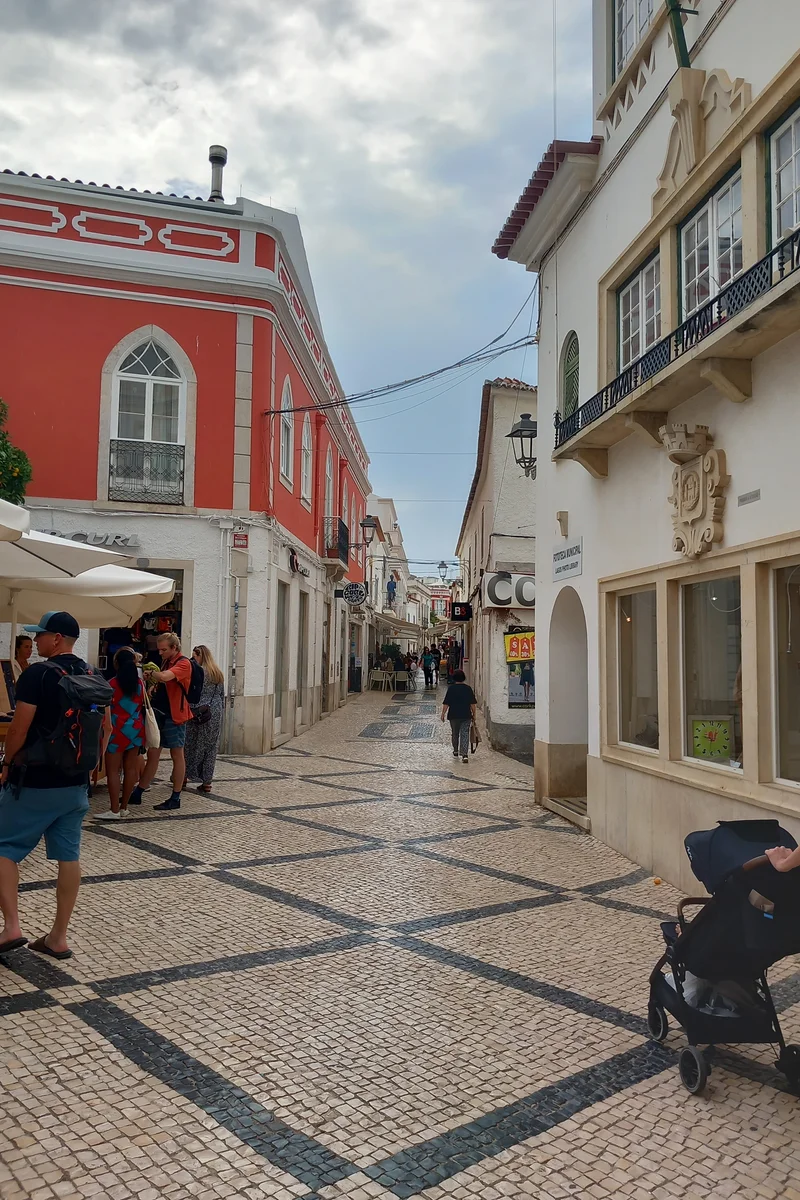
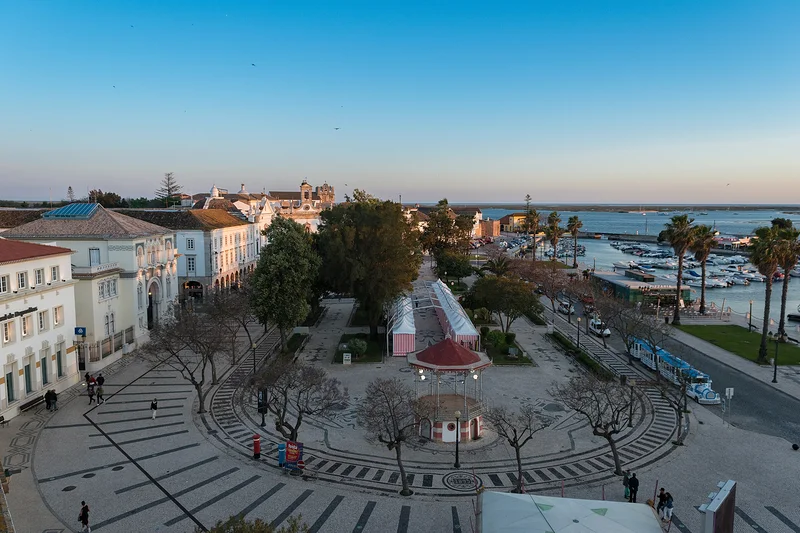
While the modern high-rises reflect the city's recent growth, the historic center offers a different perspective. The architecture here carries real character, starting with city hall, which is housed in the former palace of the Viscounts of Bivar. Walking through the cobblestone alleys, you will see two-story houses adorned with azulejos (traditional ceramic tiles), along with ornate ceramic balustrades and wrought-iron balconies. The city was a major international trading hub before the 1755 earthquake caused widespread destruction. While little remains of the medieval structures, a few wall sections endure. The majestic Jesuit College also took damage during the disaster, but today it stands prominently on Praça da República, gleaming in white with orange trim. Its church, the largest in the Algarve, cuts a sharp silhouette against the sky. Nearby, the 15th-century Igreja Matriz remains immaculate, featuring a Gothic portal with gilded capitals that is worth a close look.
Beaches and local life
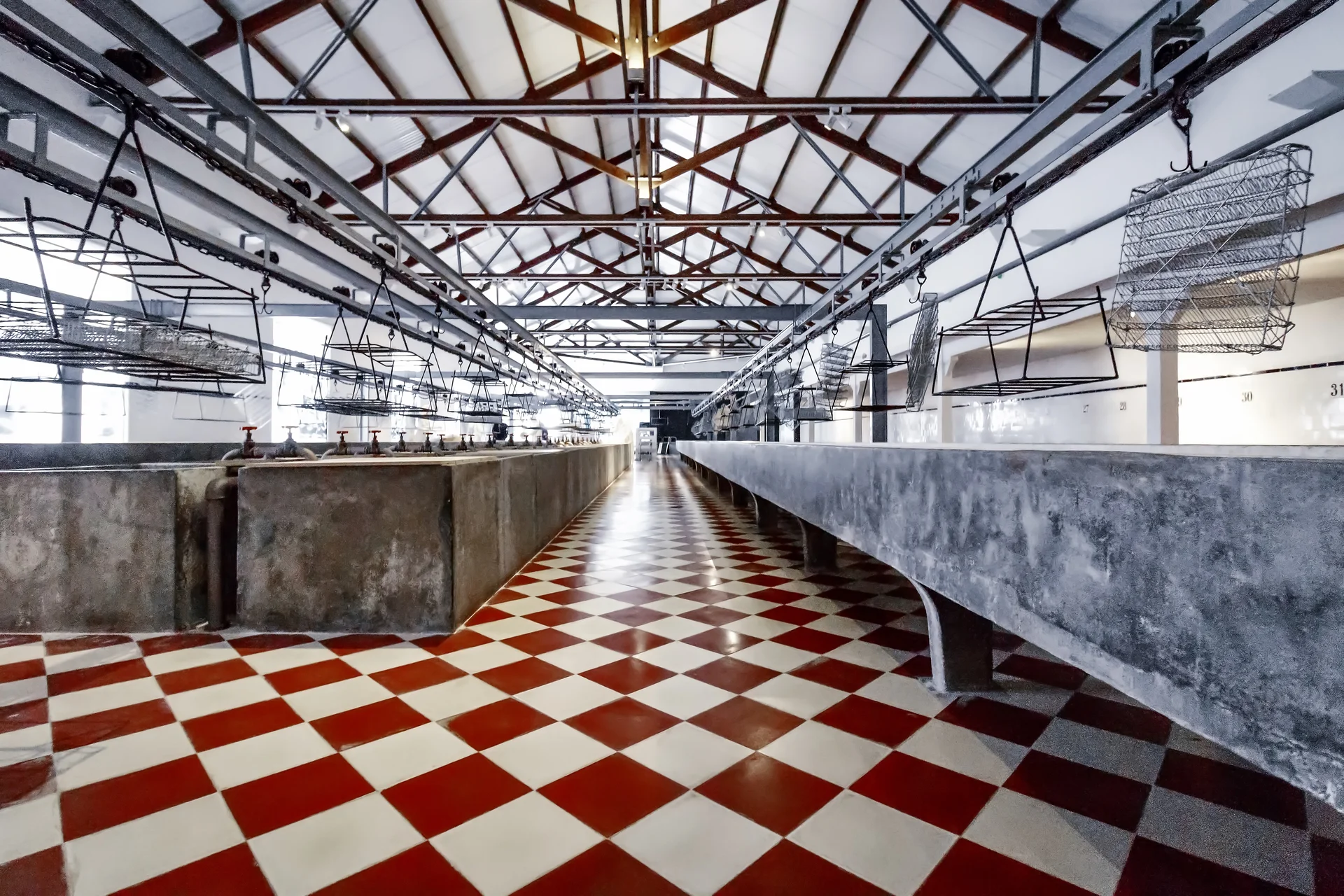
Make a stop at Praça Manuel Teixeira Gomes, a fully paved plaza with a water feature that serves as a perfect spot to grab a coffee at a kiosk and watch the world go by. At Jardim 1° Dezembro, you will find more azulejos depicting Portuguese history amidst fountains and greenery. To understand the local heritage, the Portimão Museum is essential; it is housed in a former sardine cannery and covers everything from Roman and Arab archaeological finds to the history of the local canning industry. Sardines are still the star of the local menu, usually served grilled right on the docks. The local cuisine is robust, featuring bread and tomato soup, fresh seafood, fish stews, rice with razor clams, and corn porridge with sausage. For dessert, look for morgados and bolas de ovo, traditional sweets that combine almonds and figs.
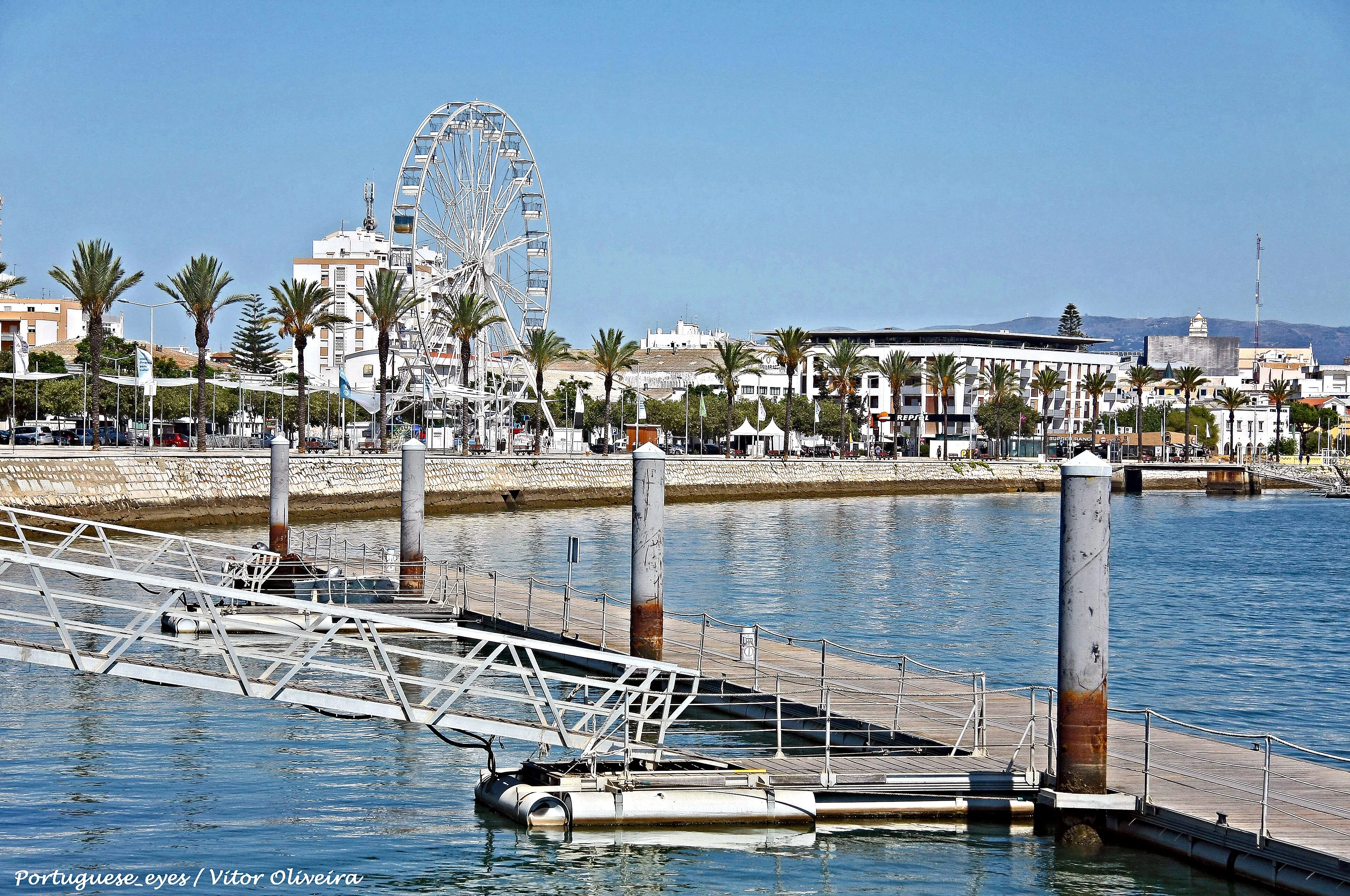
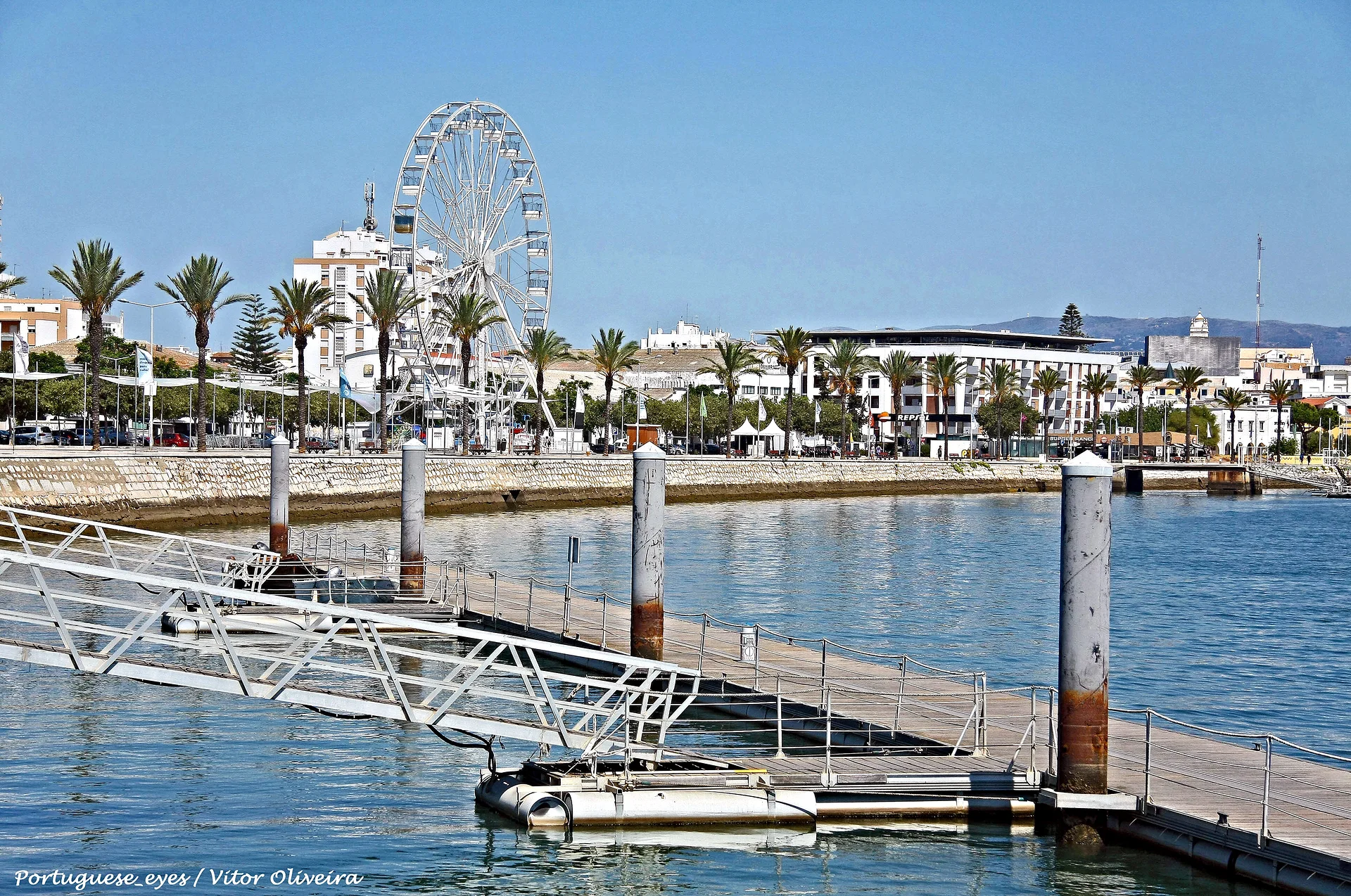
Before hitting the sand, head to the 17th-century Fortress of Santa Catarina de Ribamar for one of the best viewpoints in the area. The villa and chapel sit perched on the rock, and a spiral staircase leads down to the marina and Praia da Rocha. Sheltered by cliffs, this famous stretch of fine sand is the largest and most popular beach in the city. It functions as a full-service resort area that stays active day and night. The caves of Praia dos Três Castelos are more challenging to reach, while the intimate Praia dos Careanos, located 2 km away, offers a quieter alternative. The waterfront promenade is one of the best walks in town, stretching from the Ribeirinha with its palm trees past the docks to the Praça de Bívar, where the quay becomes a hub for evening nightlife.
How to get there
The nearest airport is in Faro, about a 45-minute drive away. Lisbon Airport is roughly a 2.5-hour drive. If you fly into Lisbon, you can take a train directly to the station in the city center. If you are driving from elsewhere in Europe, the highway network is modern and well-maintained.
Beach town where students from all over the world come to party.
Very pretty coastlines in the region.