
Visiting Carvoeiro, the Algarve's Cliffside Secret
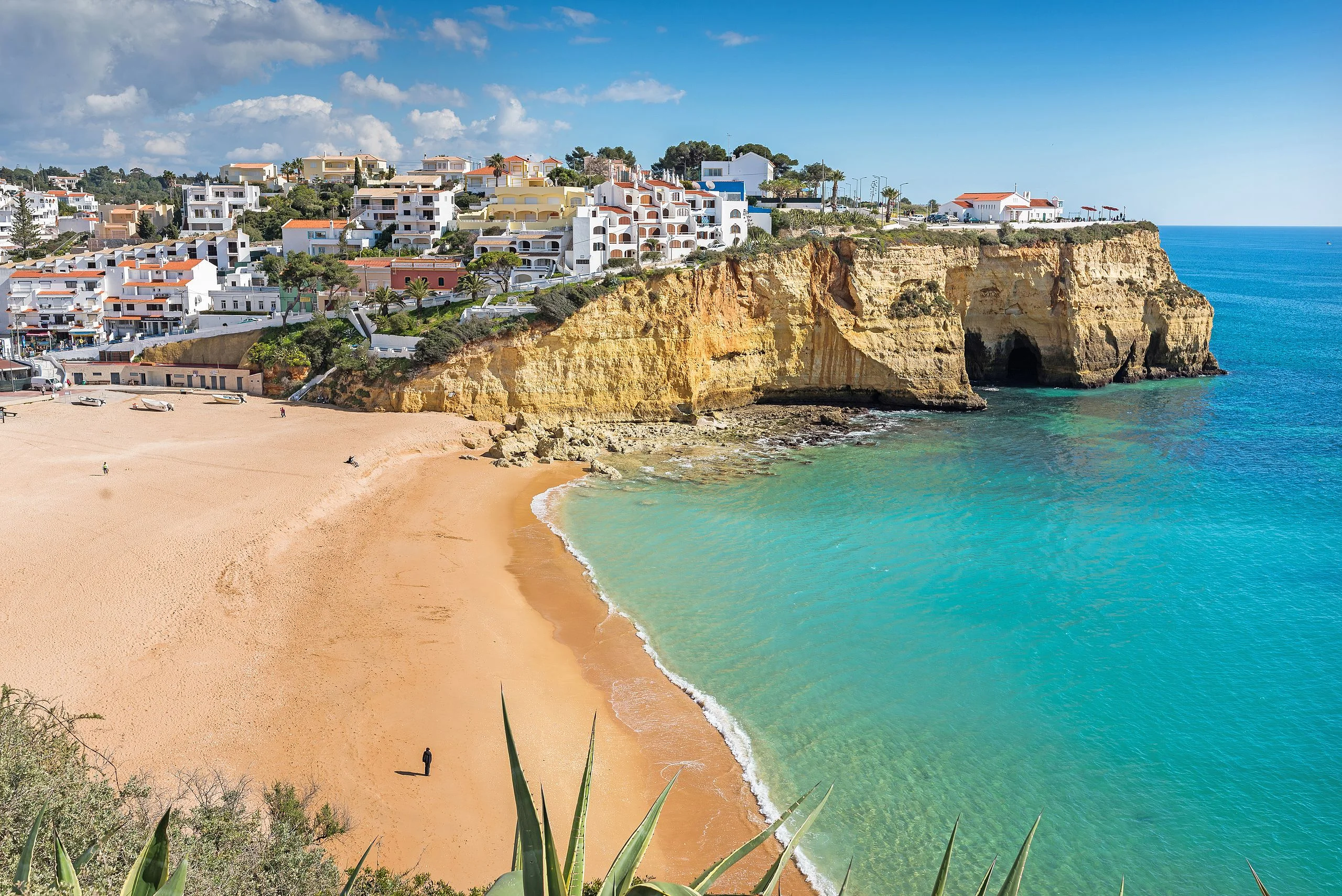
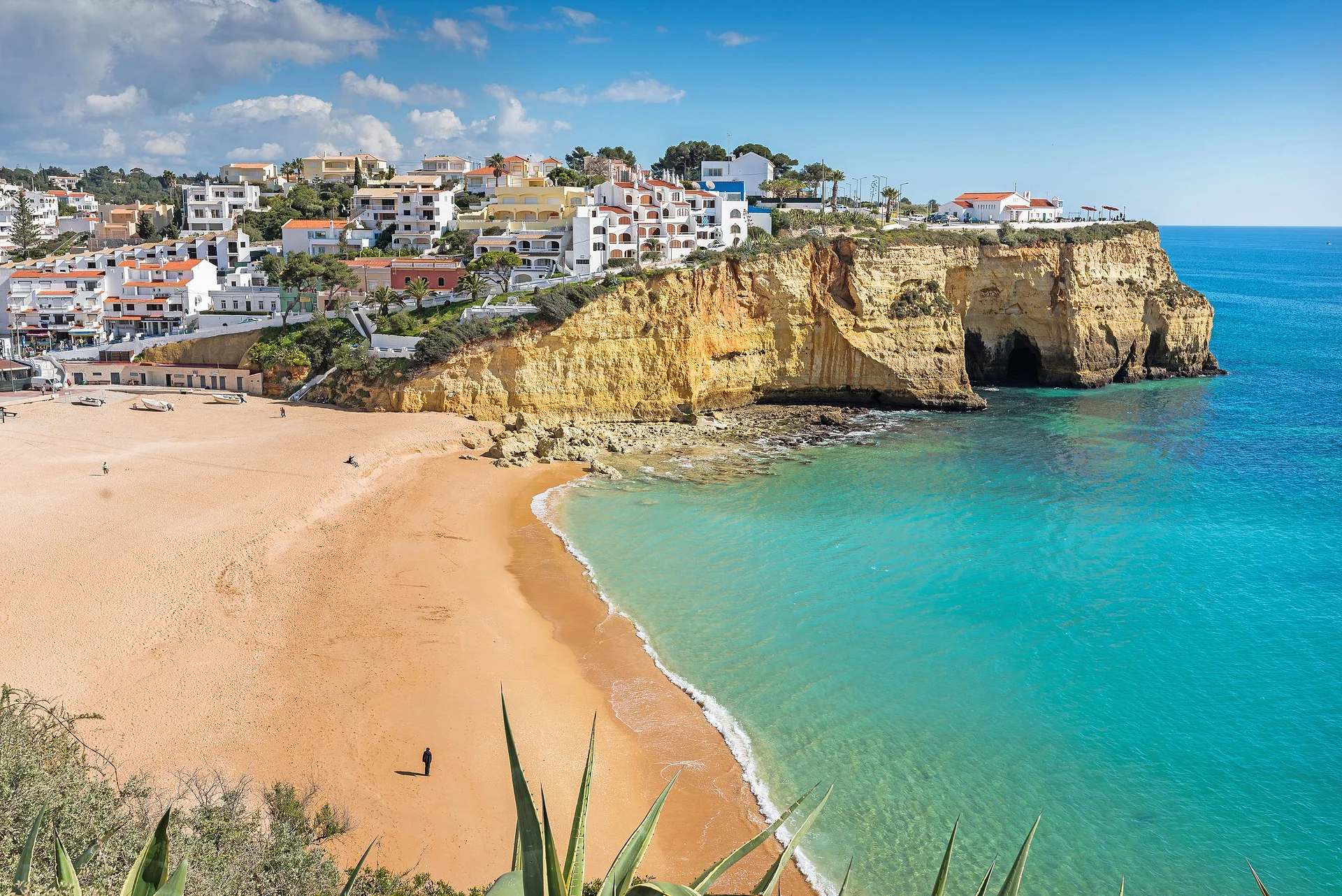
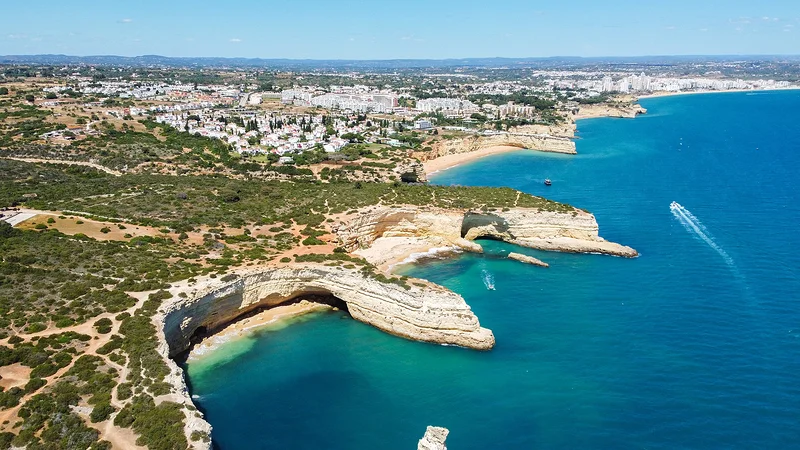
Picture a whitewashed village perched on top of golden cliffs, where the main beach opens up like a sheltered cove just a short walk from the village square. There is no concrete boardwalk separating daily life from the warm sand, just that striking proximity that gives the place its entire charm.
Colorful fishing boats still nod to the history of this coastal hamlet, even if today they carry more curious tourists toward the sea caves than fresh fish to the market.
A Refuge for Wild Coast Enthusiasts
Let's be upfront: if you are looking for the nightlife and energy of the Algarve buzzing until dawn, head to Albufeira or Lagos. People come here to reconnect with dramatic nature, hike along sculpted cliffs, and explore hidden coves accessible only on foot or by kayak.
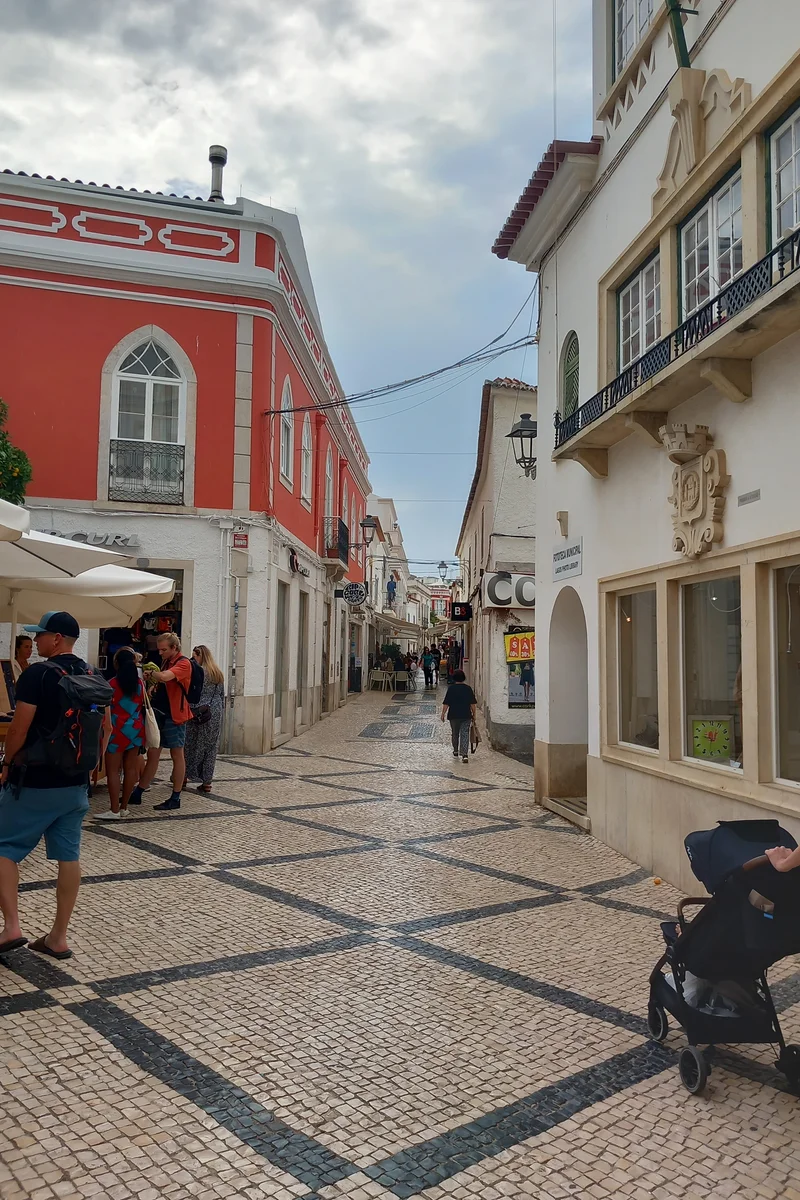
This destination particularly draws couples seeking romance, families with children who appreciate the tranquility, and hikers passionate about coastal trails. The village has managed to preserve its picturesque character despite tourism development, with whitewashed facades still dominating and modern constructions blending in discreetly.
As for the budget, expect to spend between $90 and $169* per day for two people in the shoulder season, lodging included. Renting a car is nearly essential to explore the surrounding beaches and venture into the hinterland, as public transit remains limited in this part of Portugal.
Beaches and Coves: A Mediterranean Landscape Showcase
Praia do Carvoeiro: The Beating Heart of the Village
This main beach sits right in the center, framed by rocky walls that protect it from the wind. The water shifts between emerald green and turquoise blue depending on the light. Keep in mind that its small size makes it a victim of its own success in peak season, when finding a patch of sand becomes a challenge.
Two paths lead down from the heights, featuring narrow staircases and even a tunnel carved directly into the rock. This top-down approach offers an immediate view of the geological formations that made the region famous.
Friendly tip: To avoid the crowds, head down early in the morning around 8 AM or opt for the late afternoon after 5 PM. During peak hours, head for the much quieter neighboring beaches.
Praia do Paraíso and Vale de Centeanes: The Quiet Alternatives
Praia do Paraíso takes some effort to reach, requiring a long staircase down to a tiny cove hidden at the base of the cliffs. The sand disappears at high tide, so check the tide charts before you head down. The payoff is absolute calm once you reach the bottom, sheltered from view and wind.
Vale de Centeanes, a 20-minute walk from the center, marks the trailhead for the famous Seven Hanging Valleys trail. The beach itself deserves time, featuring the O Stop restaurant serving simple meals right by the ocean.
Praia da Marinha: The Undisputed Star
Located 7 kilometers from the village, Marinha Beach regularly appears in global lists of the most beautiful shores. The double-arch rock formations, nicknamed the M rock, create a postcard backdrop. At low tide, you can explore the caves and coves dotting the coastline.
Getting down requires a steep staircase, but the cliffside paths also offer exceptional viewpoints for those who prefer to admire the scenery from above.
Friendly tip: Park in the official lot before 10 AM in the summer, or you will have to turn around. The small restaurant at the bottom of the stairs serves basic sandwiches, so pack a picnic if you want something more substantial.
Sea Caves and Rock Formations: The Geological Show
Benagil and Its Natural Cathedral
The Benagil caves are the star attraction of the entire region. Erosion carved a majestic dome out of the limestone where boats can enter, and a circular opening in the ceiling of the cave, the Algar de Benagil, bathes a hidden mini-beach in golden light.
Several options are available for your visit: boat tours departing from the village ($34-$45*), kayak rentals from Benagil Beach (about $29* for 2 hours), or stand-up paddleboarding for the active traveler. Boat departures run all day in the summer, but early morning outings offer softer light and fewer people inside the cave.
During the boat ride, you might spot dolphins playing in the wake. Captains know their favorite spots and always slow down to give passengers time to watch.
Algar Seco: A Lunar Landscape on Foot
Less than a kilometer from the center, reached via a scenic 570-meter wooden boardwalk, Algar Seco showcases limestone formations chiseled by erosion. It feels like an alien landscape, pierced with holes, open-sea caves, and sheer vertical drops.
The Boneca Bar sits right in the middle of this rocky chaos. Its name comes from a rock shaped like a doll head ("boneca" in Portuguese) sitting overhead. The menu highlights seafood, but you can simply grab a drink on the terrace to enjoy the view.
Friendly tip: Come late in the day for sunset, when the rocks take on orange and pink hues. The boardwalk has strategically placed benches to take in the view.
Coastal Hikes: Walking Between Sky and Sea
The Percurso dos Sete Vales Suspensos (Seven Hanging Valleys trail) stretches for 5.7 kilometers between Vale de Centeanes and Praia da Marinha, or about twelve if you walk back the same way. This iconic trail runs along the top of the cliffs, offering breathtaking Atlantic views at every turn.
The route passes several beaches accessible via staircases, including Praia do Carvalho (reached through a tunnel carved in the rock) and Praia de Benagil, ending at the highlight of Praia da Marinha. Plan for 3 to 4 hours to complete it at an easy pace with swimming breaks.
Along the way, you will pass the Alfanzina Lighthouse, perched on top of the cliffs. The site offers sweeping views of the sea and the coastal rock arches.
Friendly tip: Leave early in the morning with at least 2 liters of water per person. The trail is fully exposed to the sun with no services from start to finish. Sturdy hiking shoes are a must, as flip-flops will not cut it.
Water Sports and Golf for Active Travelers
- Kayaking is the best way to explore the caves at your own pace. Several outfitters offer 2-hour guided tours covering Benagil and lesser-known cavities. Beginners can jump right in, as the waters are generally calm along this protected coastline.
- Scuba diving reveals another side of the region, featuring rocky drop-offs populated by groupers, octopuses, and moray eels. Dive shops organize trips for all levels, with spots suited for both first-timers and experienced divers.
- Golfers will find several renowned courses a short drive away: Vale da Pinta and Gramacho in Carvoeiro itself, plus Alto Golf over by Alvor, designed by prominent architects. The setting is exceptional, with the sea as a backdrop and fairways winding between umbrella pines and Mediterranean brush.
Where to Eat and Drink in Carvoeiro?
The culinary scene centers around three main streets, including the one running alongside the coast with oceanfront terraces. Seafood naturally dominates the menus, fresh off the boats moored on the beach.
Be sure to try cataplana, a fish or clam dish cooked in a copper pot native to the Algarve. Arroz de marisco (seafood rice) rivals it in flavor, while charcoal-grilled sardines fill the alleys with their aroma at the end of the day. For something off the beaten path, order feijoada de buzios, a traditional whelk and bean stew.
O Pescador, perched above Benagil beach, draws locals on the weekend for ultra-fresh preparations. The vibe is casual, accompanied by the sound of cracking crab shells at the tables. Bon Bon, a Michelin-starred restaurant, elevates regional ingredients in creative dishes, with a minimum tab of around $90* per person.
For dessert, Gelados & Companhia crafts artisanal ice cream using local flavors. The Trio Algarvio blends almond, fig, and carob, while the arroz doce flavor recreates traditional Portuguese rice pudding. Organic Carvoeiro, run by a mother-daughter duo, serves hearty brunch options with organic ingredients, ideal for vegetarians.
Friendly tip: For a memorable sunset, book a table at the Boneca Bar in Algar Seco or at the Mar d'Fora restaurant. The view easily justifies the higher price tag.
Where to Stay in Carvoeiro and Around?
Downtown Carvoeiro concentrates most of the lodging options, ranging from small family-run guesthouses to larger hotel complexes. Staying right in the center puts the beach within walking distance, but expect to hear the buzz from nearby bars until 11 PM in the summer.
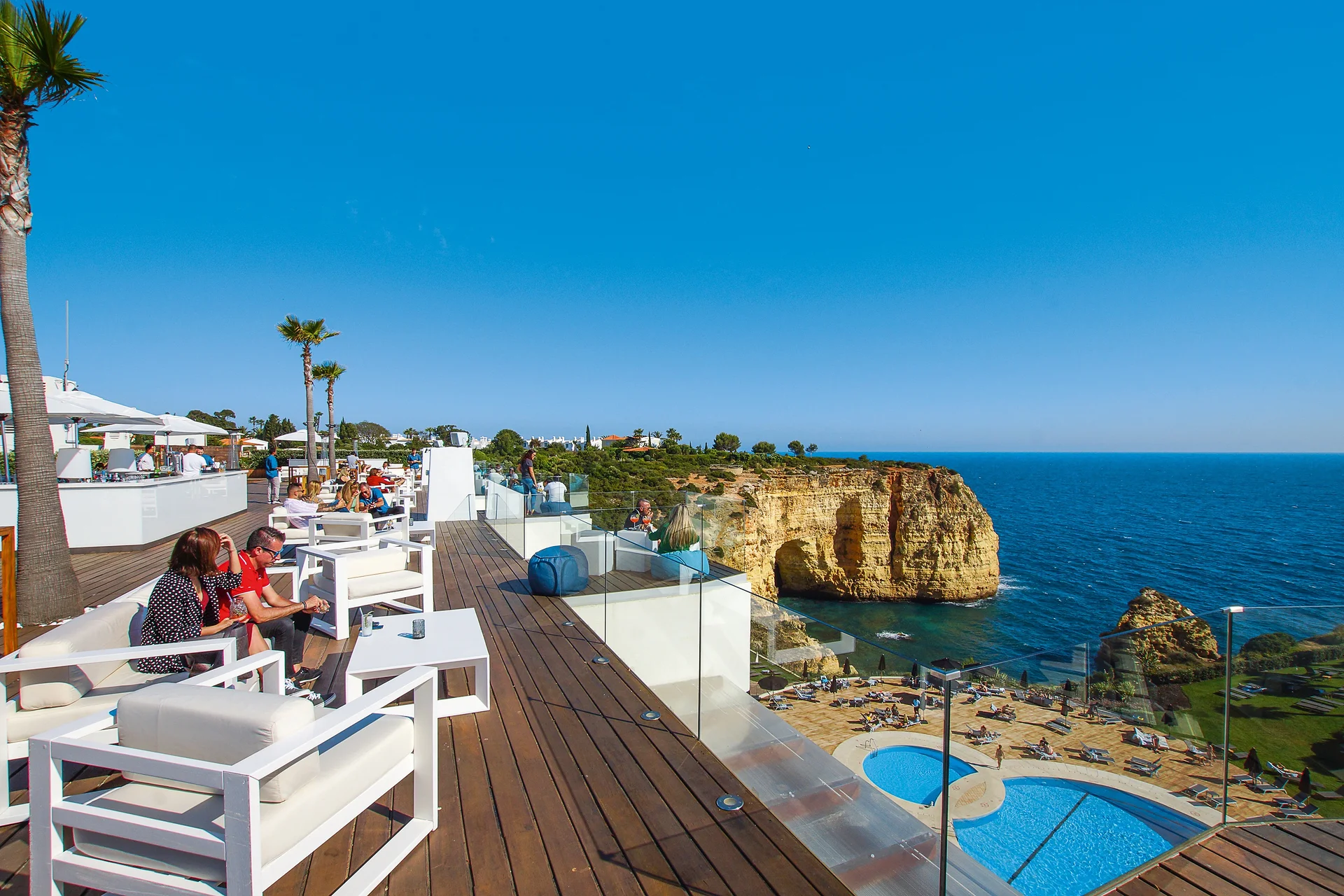
The Tivoli Carvoeiro, a 5-star resort on Praia de Vale Covo, offers upscale hotel amenities (pools, spa, restaurants) with direct access to a quieter beach. The Castelo Guest House features rooms with terraces overlooking Praia do Carvoeiro, perfect for early risers who want to catch the sunrise.
For more space and independence, apartments and villas are plentiful in the immediate surroundings. Pestana Palm Gardens offers townhomes sleeping 3 to 6 guests, complete with a shared pool, restaurant, and tennis courts. Rates start around $113* a night in the low season and can triple in July and August.
If you are looking for extra quiet, the nearby villages of Ferragudo (10 minutes away by car) or Porches (5 minutes away) offer charming alternatives with a more authentic feel and slightly lower prices.
Getting There and Getting Around Carvoeiro
Faro airport sits 65 kilometers away, about a 50-minute drive. Renting a car right upon arrival is the most practical choice, running $29 to $45* per day depending on the season and vehicle. All rental companies have desks at the airport.
Public transit exists but remains inconvenient, requiring three different buses with connections from the airport or catching a bus from Lagoa (10 minutes away). Private transfers cost around $57* for a direct ride, while an airport taxi easily exceeds $96*.
Once you arrive, downtown is completely walkable in about 10 minutes. To reach nearby beaches without a car, a summer shuttle service connects major sites, though schedules are limited. Uber operates in the region, with rides costing $5.70 to $12* to reach nearby beaches.
Parking near Praia do Carvoeiro is a puzzle in high season. Plan to park on the outskirts and walk 10 to 15 minutes, or arrive before 9 AM to snag a spot in the center.
When to go?
The climate remains mild year-round, averaging 63°F (17°C). April to June and September to October offer the best balance, with pleasant temperatures around 72 to 77°F (22-25°C), warm enough sea for swimming, and manageable crowds. Accommodation prices drop by 30 to 40 percent compared to July and August.
Algarve summers get intense, with spikes reaching 95°F (35°C) that make hiking tough in the middle of the day. Main beaches get packed, and restaurants fill up without reservations. On the other hand, it is prime time for casual nightlife. In mid-June, the village celebrates its Black & White Night, where everyone dresses in black and white to dance in the streets.
Mediterranean winters (November to March) maintain decent weather for coastal walks with minimal rain and temperatures ranging from 59 to 64°F (15-18°C). It is ideal for escaping northern gloom, even if swimming requires some grit.
In a region saturated by mass tourism, this village manages to keep its charm and authenticity relatively well. I would go back there without a second thought.