
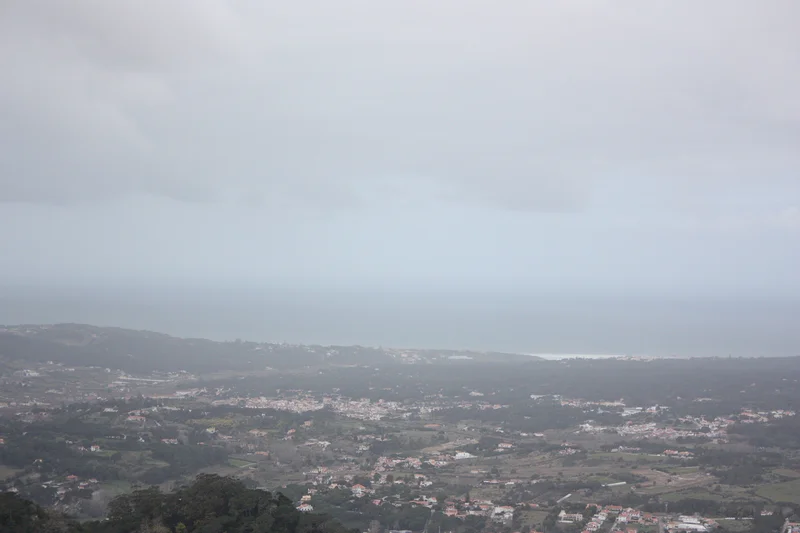
Sintra and its impossible palaces
Lord Byron called it a glorious Eden. But nothing prepares you for the first look at this town clinging to a mountain, where yellow and red palaces pop out above the tree canopy like a fairy tale. The air is crisp and heavy with forest moisture. Lisbon is only a forty-minute train ride away.
A playground for walkers and dreamers
Recognized as a UNESCO World Heritage cultural landscape, the town pulls in more than three million visitors every year. Most people show up on a day trip from Lisbon, check off two palaces, and leave. That is a mistake, because the area takes at least two days to explore without rushing.
Great destination for:
- Architecture, history, and heritage buffs
- Families with kids who love caves, tunnels, and towers
- Hikers, romantics, and photographers
Skip this destination if:
- You have limited mobility: steep hills, stairs, and cobblestones are everywhere
- You hate crowds: lines are exhausting during peak season
- You want a lazy beach vacation: the coast here is wild and windy
A budget to keep in mind
Admission tickets add up fast. The Palace of Pena costs $23* per adult, the Quinta da Regaleira runs around $23*, and the Moorish Castle is $14*. Factor in the tourist shuttle bus at $16* and the train, and a single day easily passes $96* per person. Buying combo tickets online saves about 10 percent.
| Expense category | Backpacker budget | Comfortable budget |
|---|---|---|
| Lodging | $17 to $29* in a hostel | $57 to $90* in a guesthouse |
| Quick bites | $5.70 to $9* | $9 to $14* |
| Sit-down meals | $12 to $17* | $23 to $40* |
| Transport and entry, 1 day | $23 to $34* | $51 to $73* |
| Daily total | $57 to $85* | $135 to $220* |
Ready to walk?
Good shoes are essential. The sights are spread across steep hills, connected by forest paths that get slippery. The microclimate of the Serra de Sintra makes it 2 to 5 degrees cooler than Lisbon, with heavy morning fog. Pack a warm layer even in the summer. Safetywise, you have nothing special to worry about.
Palaces of excess
The Palácio Nacional da Pena is the definitive symbol of the town. Moorish, Renaissance, Manueline: King Ferdinand II mixed styles shamelessly, creating one of Europe's boldest romantic palaces. Its 200-hectare park holds sequoias, tree ferns, and lakes. Cruz Alta, the highest point, treats you to a sweeping view of the Atlantic.
Friendly tip: book your time slot online, at least the day before between April and September. The park-only ticket at $12* gives you access to the gardens and terraces, which are just as spectacular as the indoor rooms.
A ten-minute walk away, the ramparts of the Moorish Castle wind along the rocky ridge. This eighth-century fortification delivers striking drop-down views of the historic center and the Palace of Pena. Plan for a solid hour on-site.
Esoteric gardens and forgotten trails
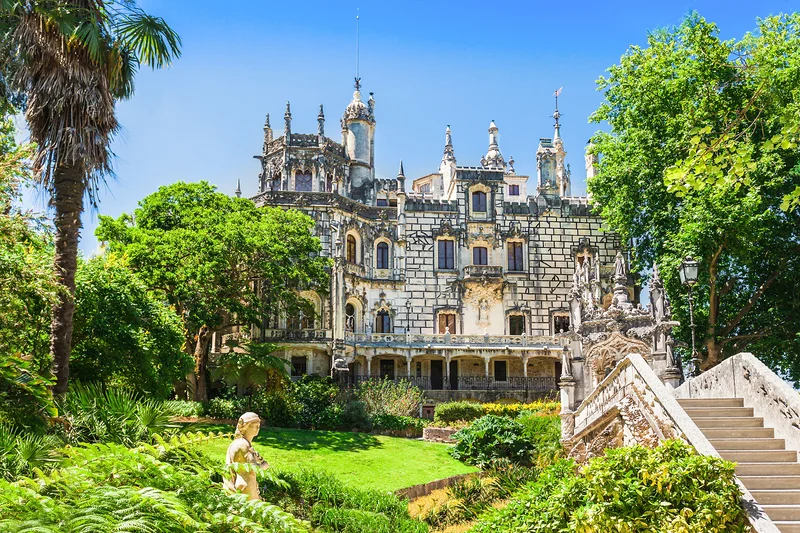
The Quinta da Regaleira stands as the other major highlight. This 4-hectare estate blends Templar symbols, Freemasonry, and mythology. The initiation well, an inverted tower dropping nine stories underground, links via tunnels to a subterranean lake. The effect is striking.
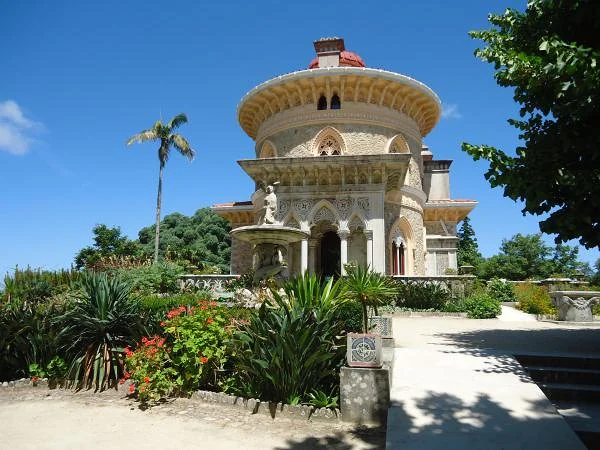
Less known, the Palace of Monserrate looks like a miniature Taj Mahal with Arabic and Indian influences. Its 143-hectare park is the quietest spot in the region. We consider it the best value, with tickets at just $9*.
To reach the heights without boarding a bus, take Vila Sassetti, a free path cutting through terraced gardens before winding toward the Moorish Castle and the Palace of Pena. Most visitors miss this one entirely.
At the edge of the continent: the wild coast
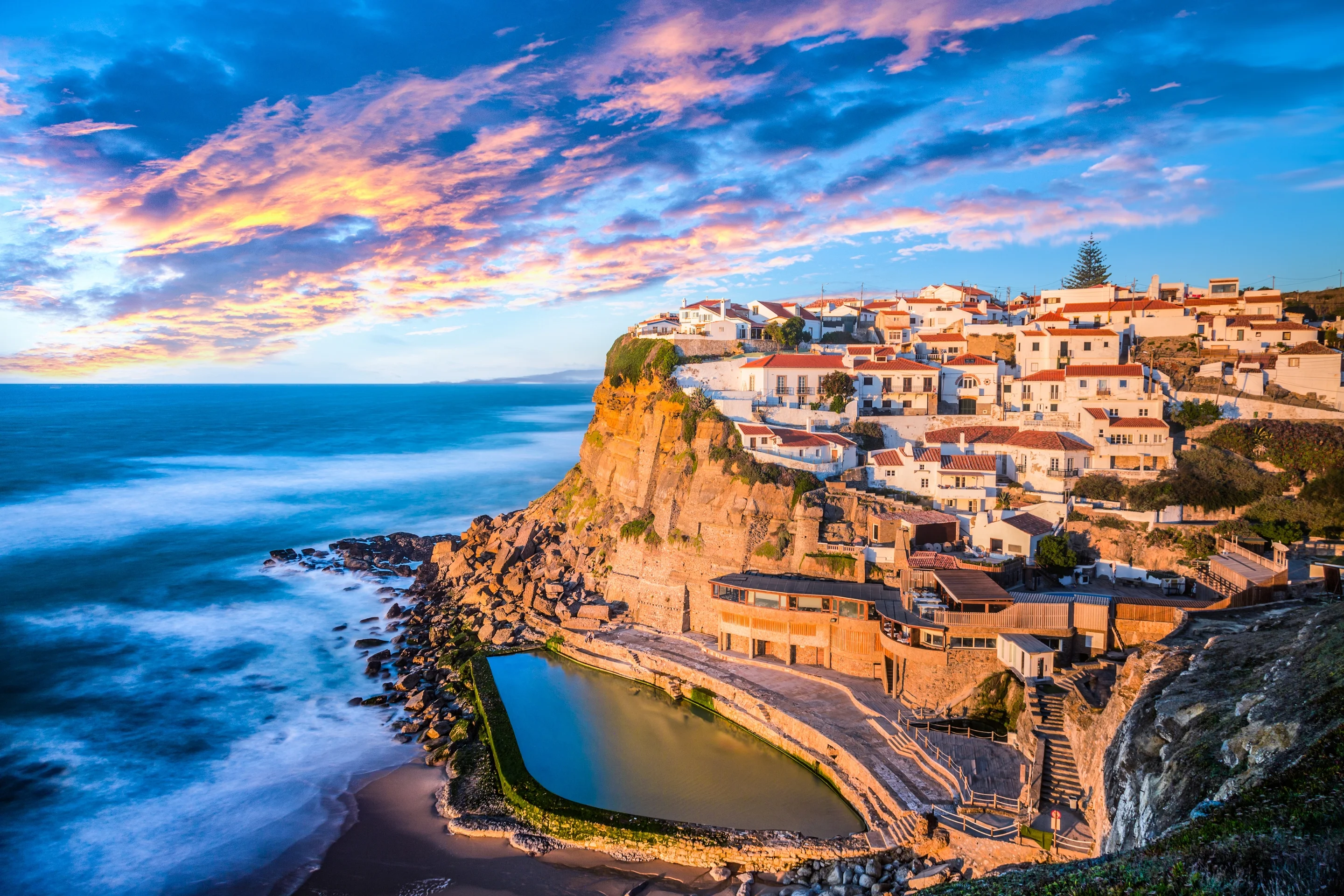
The Cabo da Roca marks the westernmost point of continental Europe. Wind-battered cliffs, endless Atlantic views, a lighthouse, and a stone marker carved with a verse by Camões. It is dramatic at sunset. Just to the north, Praia da Ursa ranks as one of Portugal's most stunning wild beaches.
Where to eat and drink in Sintra?
Two sweet specialties rule here. Queijadas are fresh cheese tarts with cinnamon, with recipes dating back to the thirteenth century. Then come travesseiros, flaky puff pastry turnovers stuffed with almond cream. The historic bakery is Casa Piriquita, founded in 1862 on rua das Padarias. Dona Estefânia, a few streets away, sees fewer crowds.
For a proper meal, Tasca do Xico serves grilled octopus, cod fritters, and lamb chops at fair prices. Tascantiga features modern tapas and an excellent caldo verde soup. Step away from the tourist path, and a five-minute walk cuts your bill in half.
How to get to Sintra?
From Rossio Station in Lisbon, the train takes 40 minutes for about $2.90* with the Navegante card. Three departures run every hour. From Cascais, bus 1623 takes 30 minutes. From North America, TAP flies nonstop to Lisbon from New York, Boston, Washington and Miami in six to seven hours; once you are in Europe, Ryanair and easyJet serve Lisbon from most major cities.
Driving is discouraged for the town itself: winding one-way roads and parking are nearly impossible during peak season.
How to get around Sintra?
Bus 434 links the train station to the center, the Moorish Castle, and the Palace of Pena for $16*. Bus 435 runs to Monserrate and the Regaleira. On foot, expect 30 to 45 minutes of uphill walking along steep paths to reach the monuments.
Tuk-tuks offer tours between $34 and $90* for two to three people. Uber and FreeNow operate here, but wait times spike outside the center.
When to visit Sintra?
May, June, and September provide the best balance of weather and crowd levels. Summer is packed, with lines stretching up to an hour outside the Palace of Pena. Winter is quiet, and prices drop by 30 to 50 percent, but fog and rain can ruin the views.
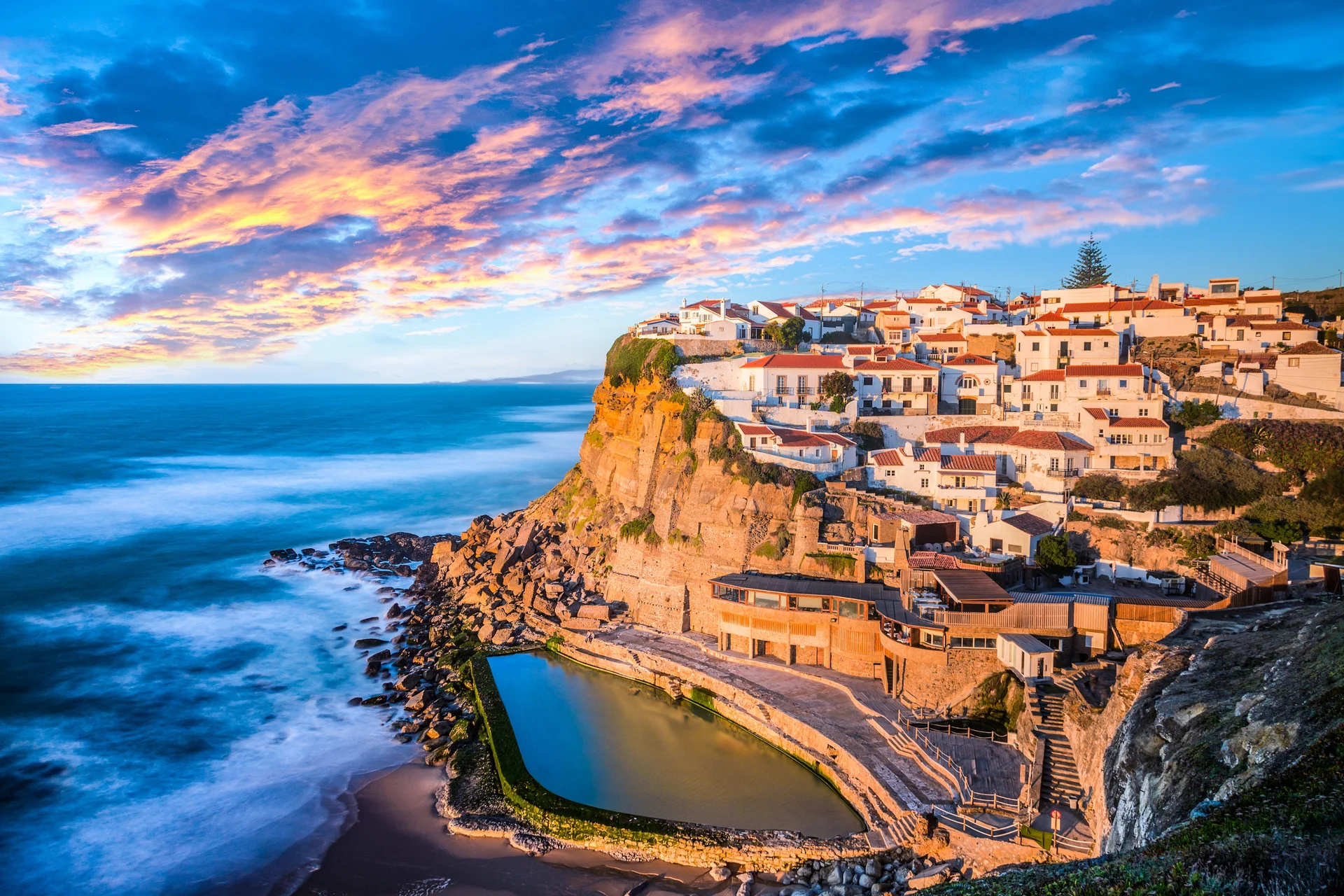
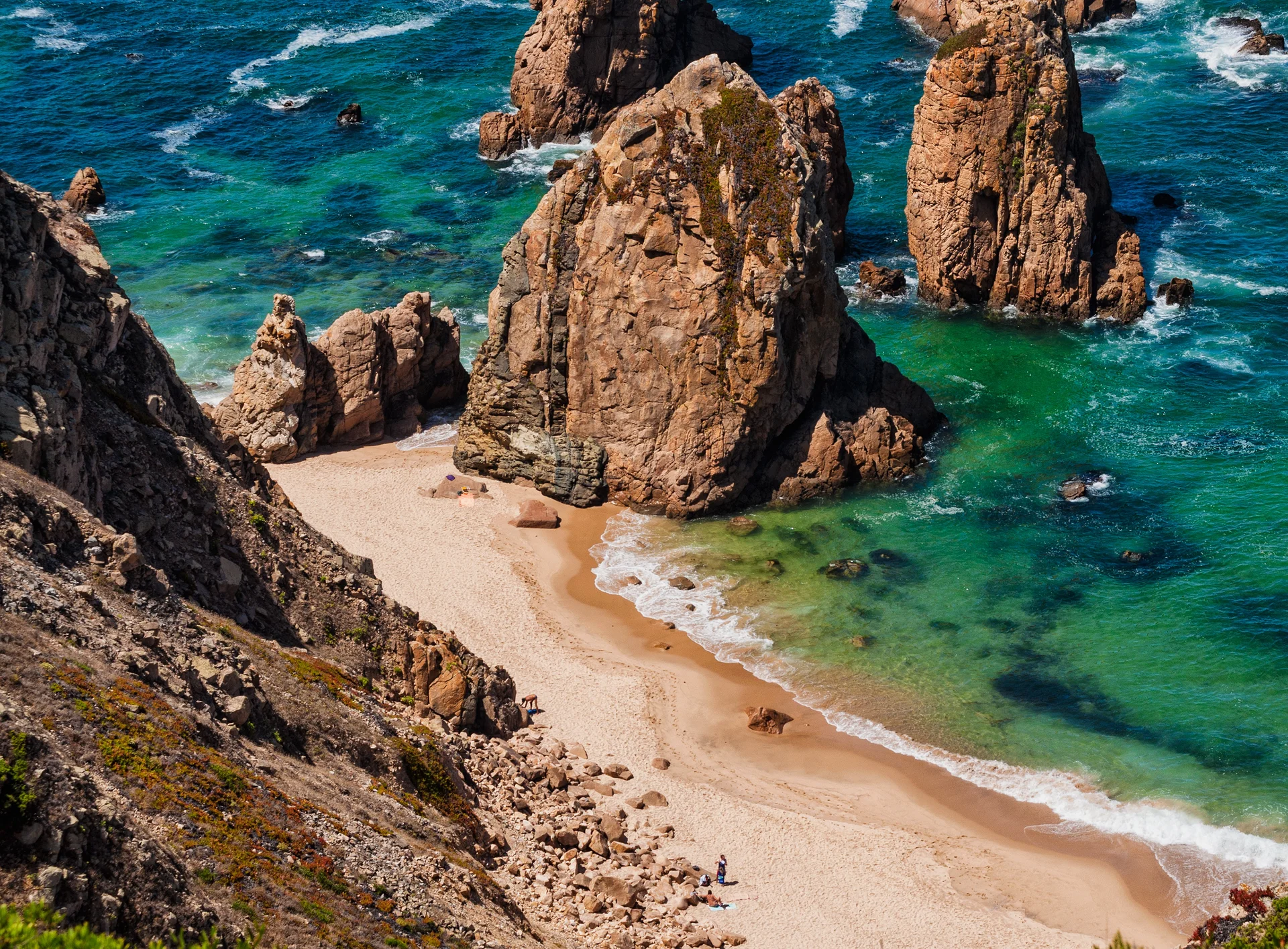
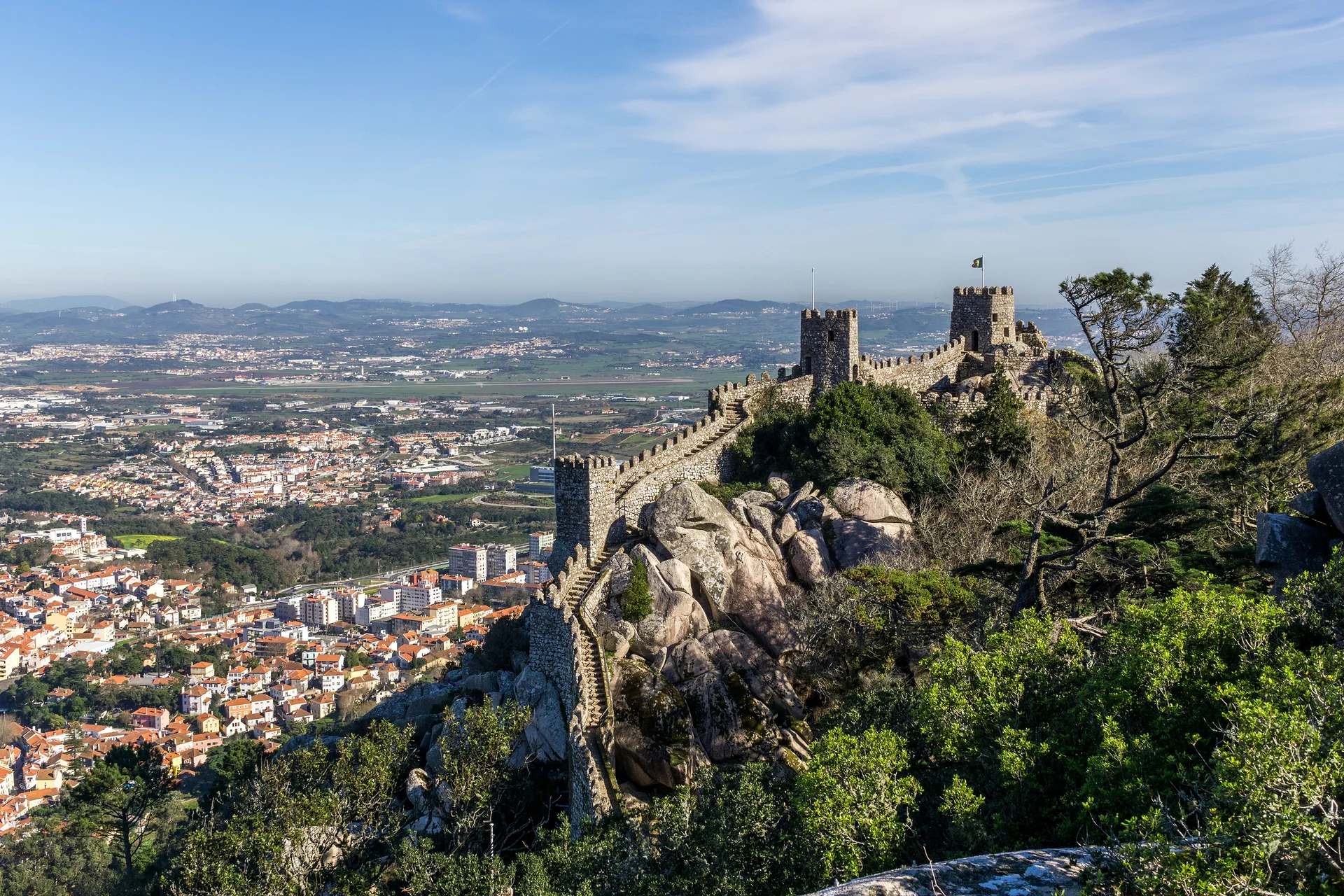
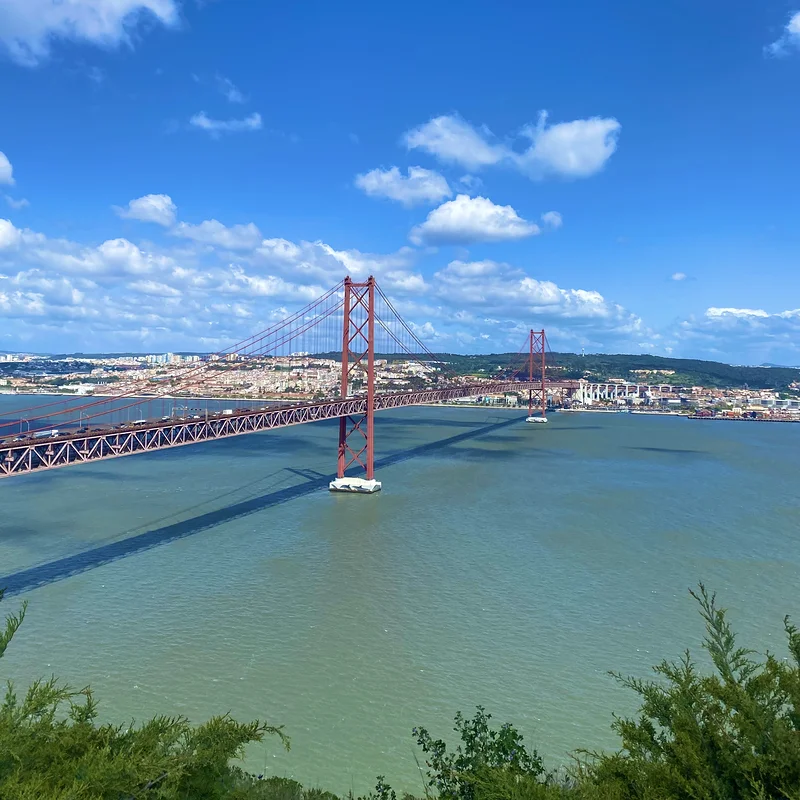
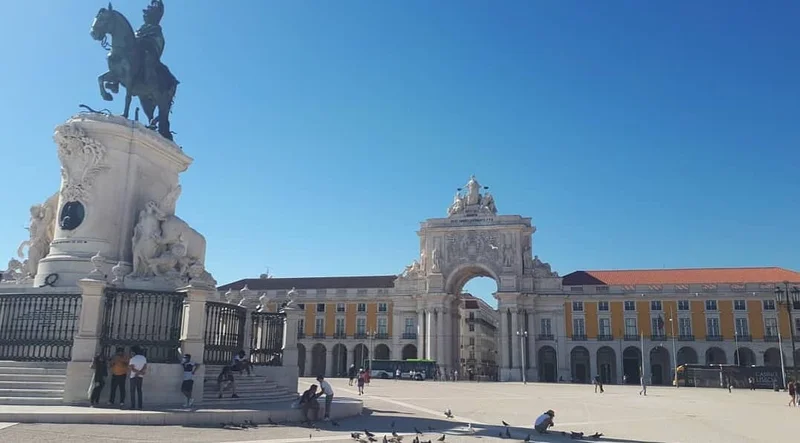
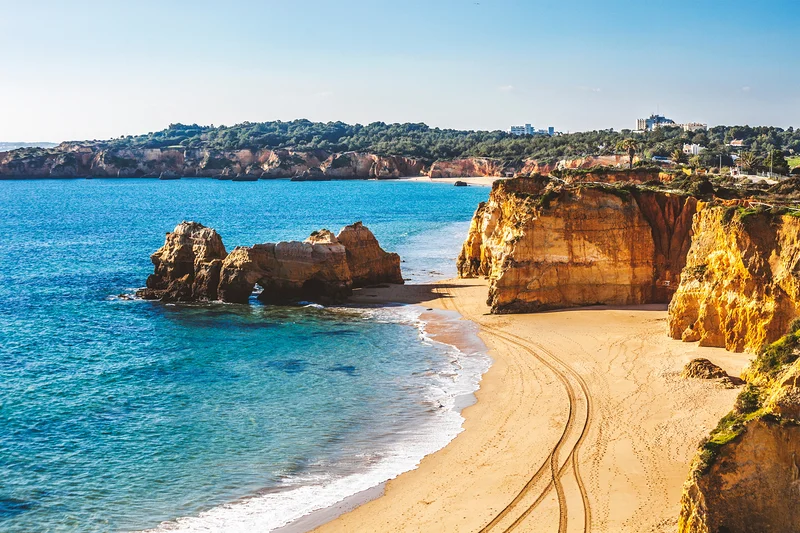
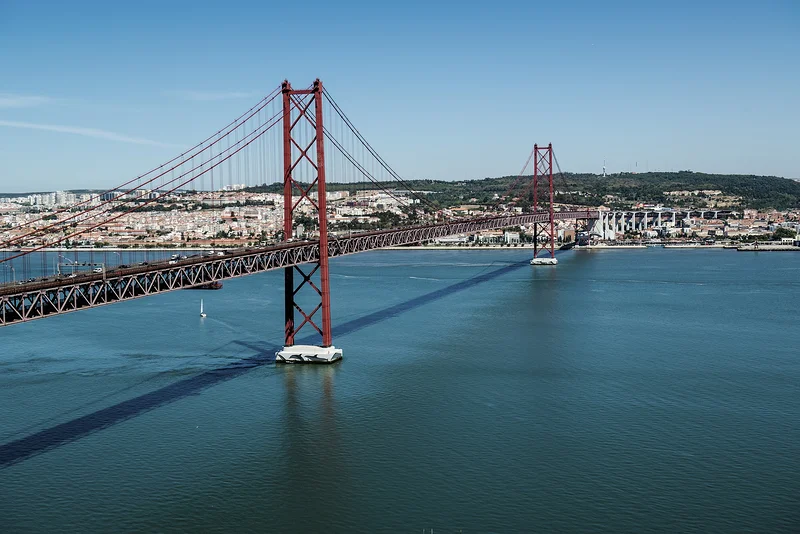
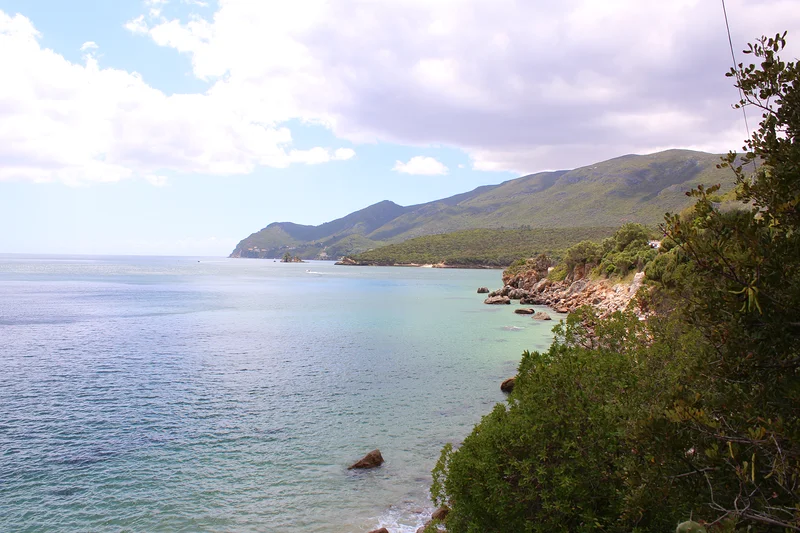
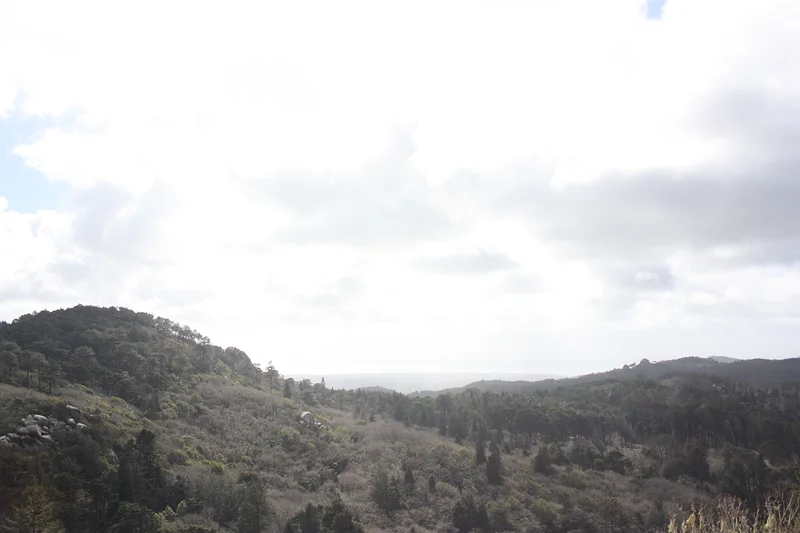
Built on a steep area by the sea, Sintra offers some pretty views for those who have the courage to hike its hilly paths.
Special shout-out to the Pena Palace, a really great surprise.