



Lisbon, where the light hits differently
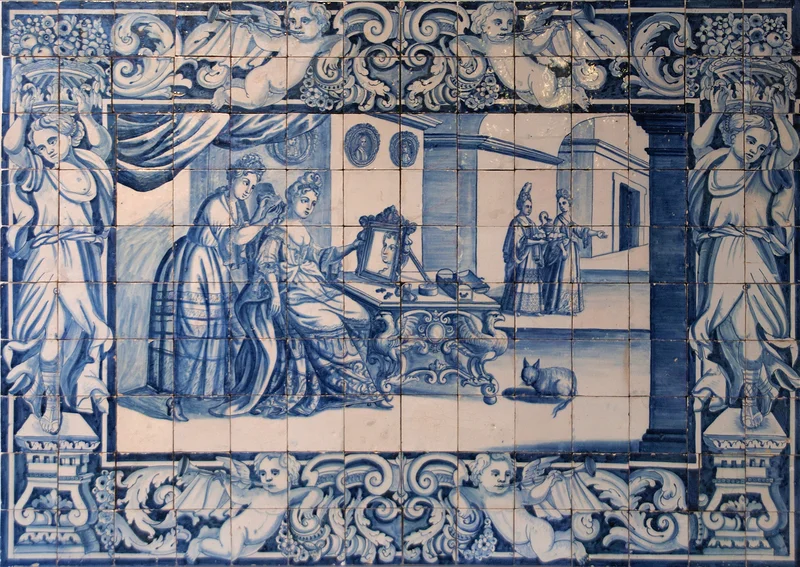
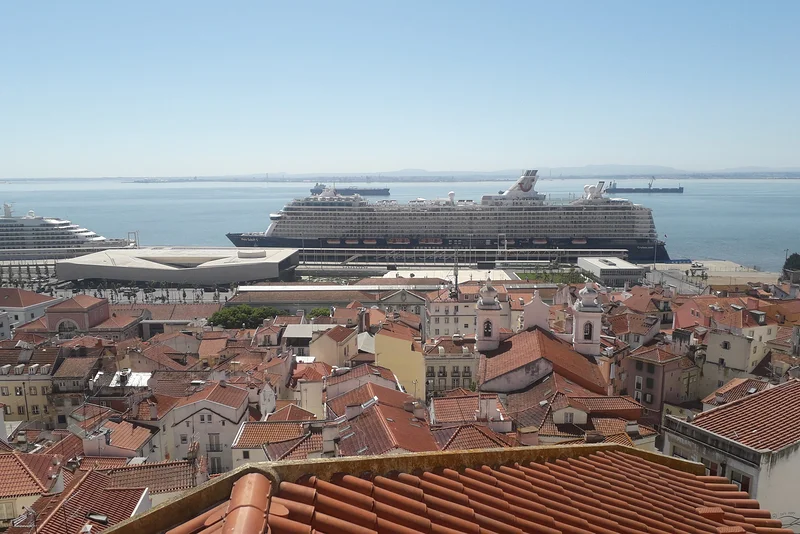
It is 7:00 AM at the miradouro de Santa Luzia. The sun is just hitting the rust-colored rooftops of the Alfama, and an elderly local is already hanging laundry between two facades covered in azulejos. A fishmonger shouts from a narrow alley below, while the tramway 28 screeches in the distance over the cobblestones. This city has existed for over 3,000 years, predating Rome, yet this morning, it feels like it has not changed in centuries.
The city that rewards those who slow down
This capital is for you if you enjoy getting lost in side streets where every turn reveals a new vantage point over the Tagus, if a cafe terrace is enough of a daily agenda, or if you are the type to linger in front of a hand-painted tile facade. Food lovers will find plenty to enjoy here. Portugal claims over a thousand ways to prepare bacalhau, and the conventual desserts are dangerously good.
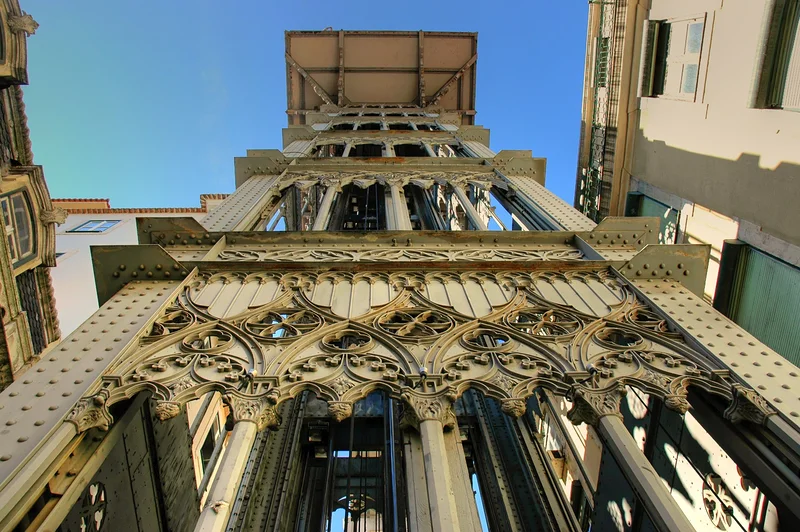
Be prepared for a workout, though. The seven hills of Lisbon are no myth, and some climbs are essentially urban hikes. Travelers with limited mobility or families with strollers will need to plan carefully, though funiculaires and elevadores offer helpful relief.
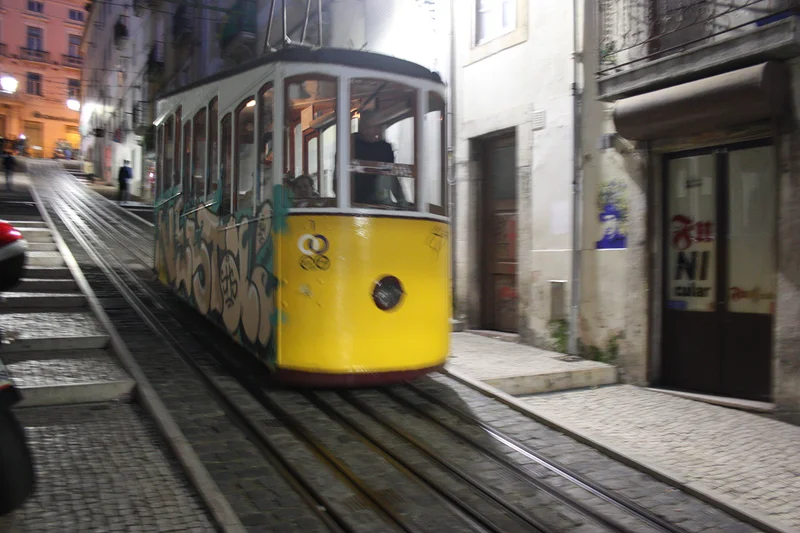
Mass tourism has left its mark. Central neighborhoods are packed in the summer, and scams are common around the tramway 28. Avoid this tram during rush hour, as pickpockets are unfortunately active.
A fair budget for Western Europe
Expect to spend between 70 and 120 euros ($75-$130) per day for a comfortable trip, including lodging. A hostel dorm bed runs about 25-35 euros ($27-$38), while a decent hotel in the city center ranges from 80 to 130 euros ($87-$140) per night. Meals remain accessible. A full lunch with a prato do dia costs 8-12 euros ($9-$13) in local tascas, and a hearty dinner runs about 15 euros ($16). Public transport is easy on the wallet with a 7 euro ($8) day pass that covers the metro, buses, and trams.
The Alfama and its neighbors: the beating heart of Lisbon
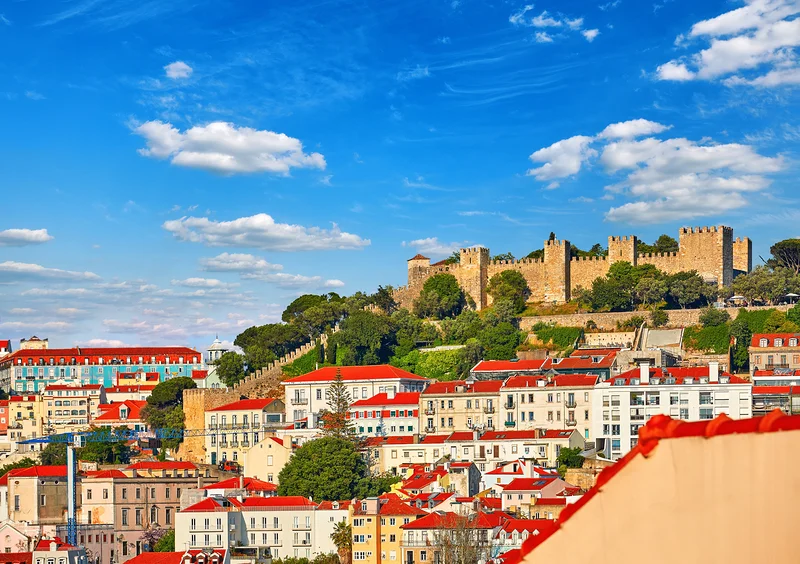
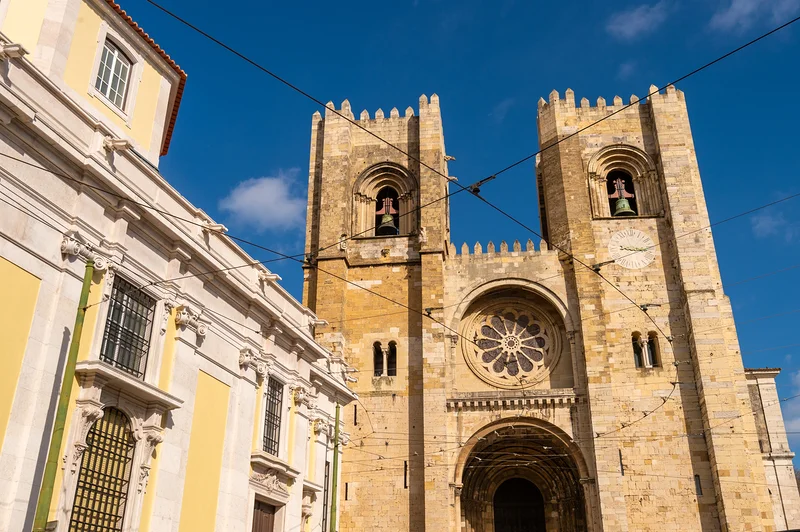
This neighborhood survived the devastating 1755 earthquake, and its labyrinthine alleys retain the atmosphere of a Mediterranean medina. Laundry dries in the windows, cats lounge on the steps, and notes of fado spill out from local taverns. The cathédrale Sé, a 12th-century Romanesque structure, dominates the area with its massive towers.
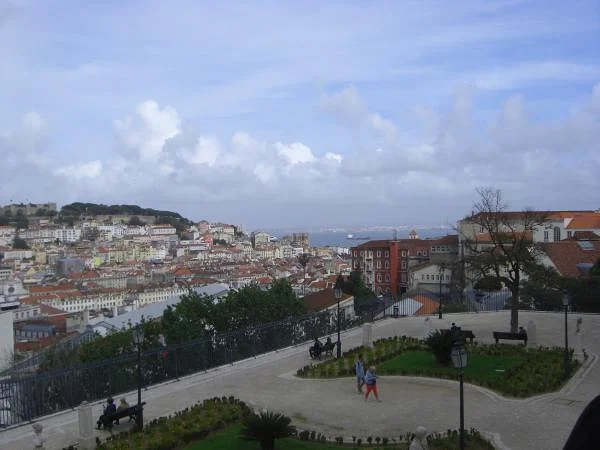
Right next door, the Mouraria district offers a more working-class, less crowded alternative. This is where fado was born in the 19th century, in taverns frequented by sailors and locals. Contemporary street art sits alongside crumbling facades here, and restaurant prices are notably lower. Head up toward the miradouro da Graça or the Senhora do Monte for spectacular views without the crowds.
Pro tip: To hear fado without breaking the bank, head to Tasca do Chico in the Bairro Alto or make your way to A Baiuca in the Alfama. These spots feature fado vadio, sung by passionate amateurs in a much more sincere setting than the tourist traps charging 65 euros ($70) for dinner.
Baixa-Chiado: elegance rebuilt
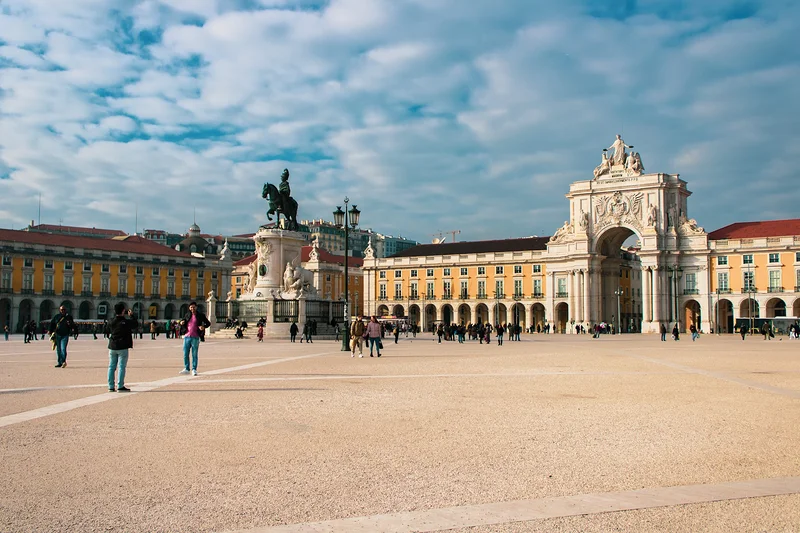
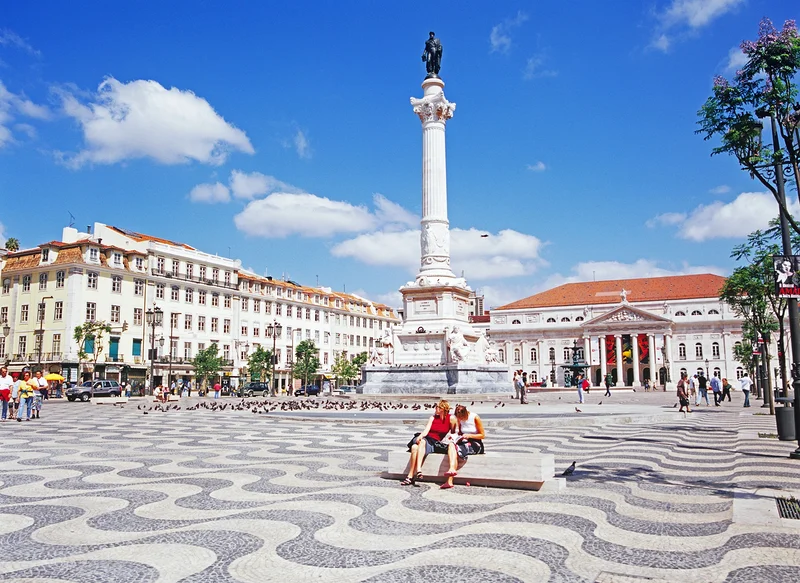
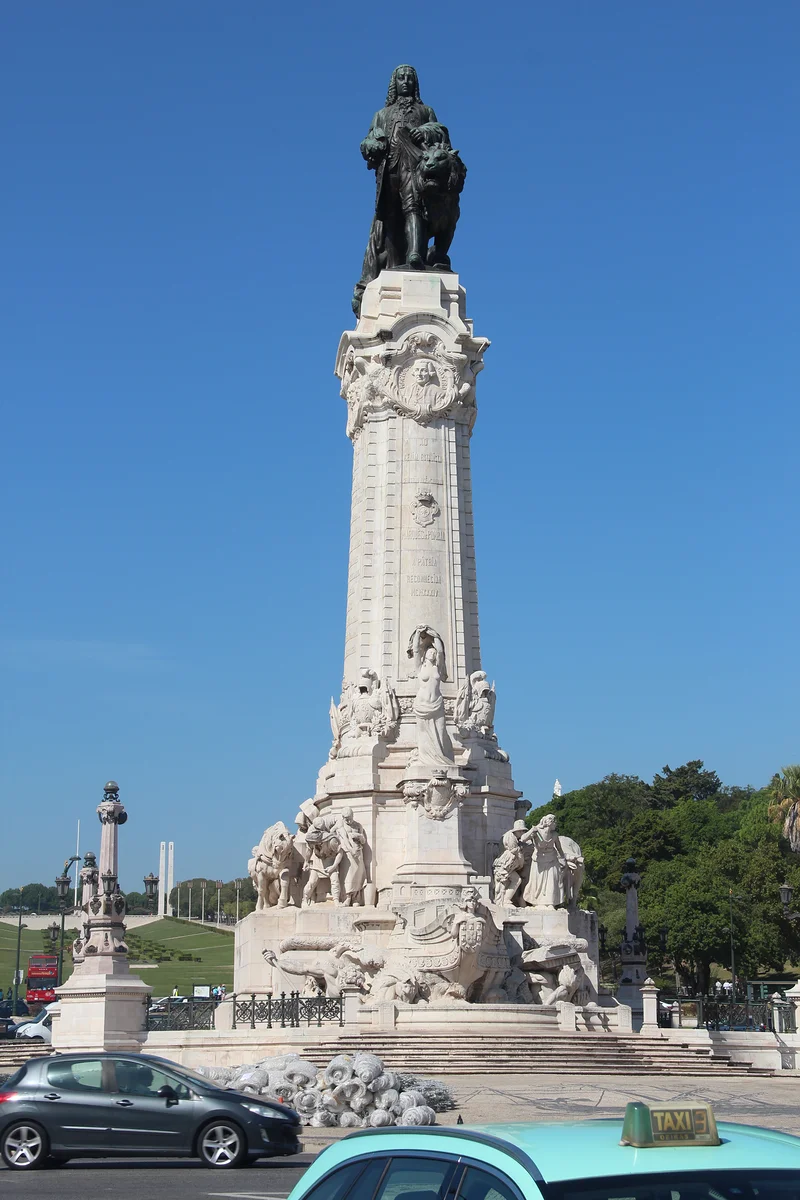
After the 1755 earthquake, the Marquis of Pombal rebuilt this district in a revolutionary grid pattern for the era, using earthquake-resistant buildings with flexible wooden structures. The Praça do Comércio, which opens onto the Tagus, is the centerpiece. This massive, arcade-lined square once served as the arrival point for goods from the colonies.
Chiado is the city's cultural hub, packed with century-old bookstores, historic cafes, and theaters. Stop at Café A Brasileira for an espresso in front of the bronze statue of Fernando Pessoa, the poet who defined the Portuguese 20th century. The Rua Augusta, which cuts through the Baixa, is a pedestrian street lined with shops, but prices are inflated. Stick to the side streets for dining.
Bairro Alto and Cais do Sodré: after dark
The Bairro Alto transforms after 10:00 PM. This residential neighborhood with weathered facades becomes the epicenter of Lisbon nightlife. Bars spill their crowds into the narrow streets, and the party rolls on until about 2:00 AM. To keep the night going, head to the Cais do Sodré district and its famous Pink Street, where clubs and cocktail bars take over until the early morning.
The Pensâo Amor, a former brothel turned burlesque bar, perfectly embodies the district's edgy spirit. The venue hosts shows and displays an erotic collection in its alcoves. A more low-key but equally social spot, the Time Out Market, housed in the historic Mercado da Ribeira, gathers the city's best kitchens under one roof. It is the perfect place to sample a bit of everything without overspending.
Belém: in the footsteps of great explorers
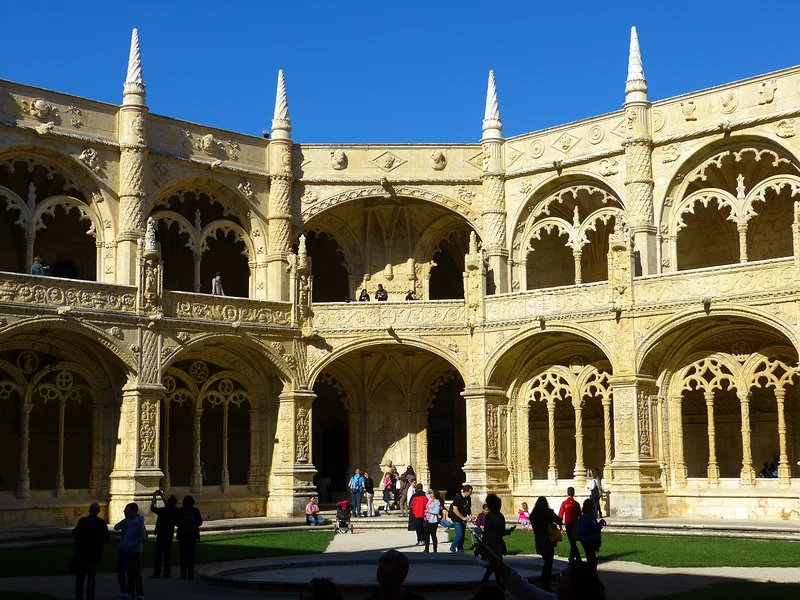
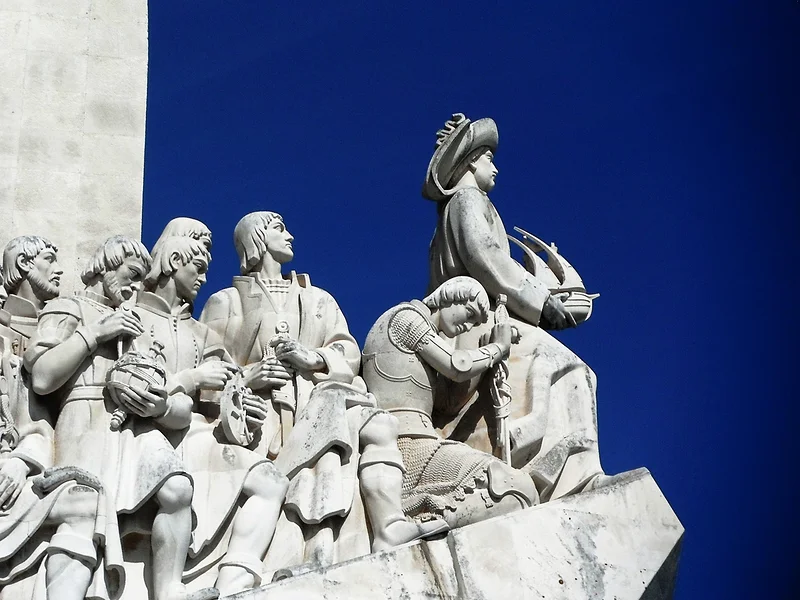
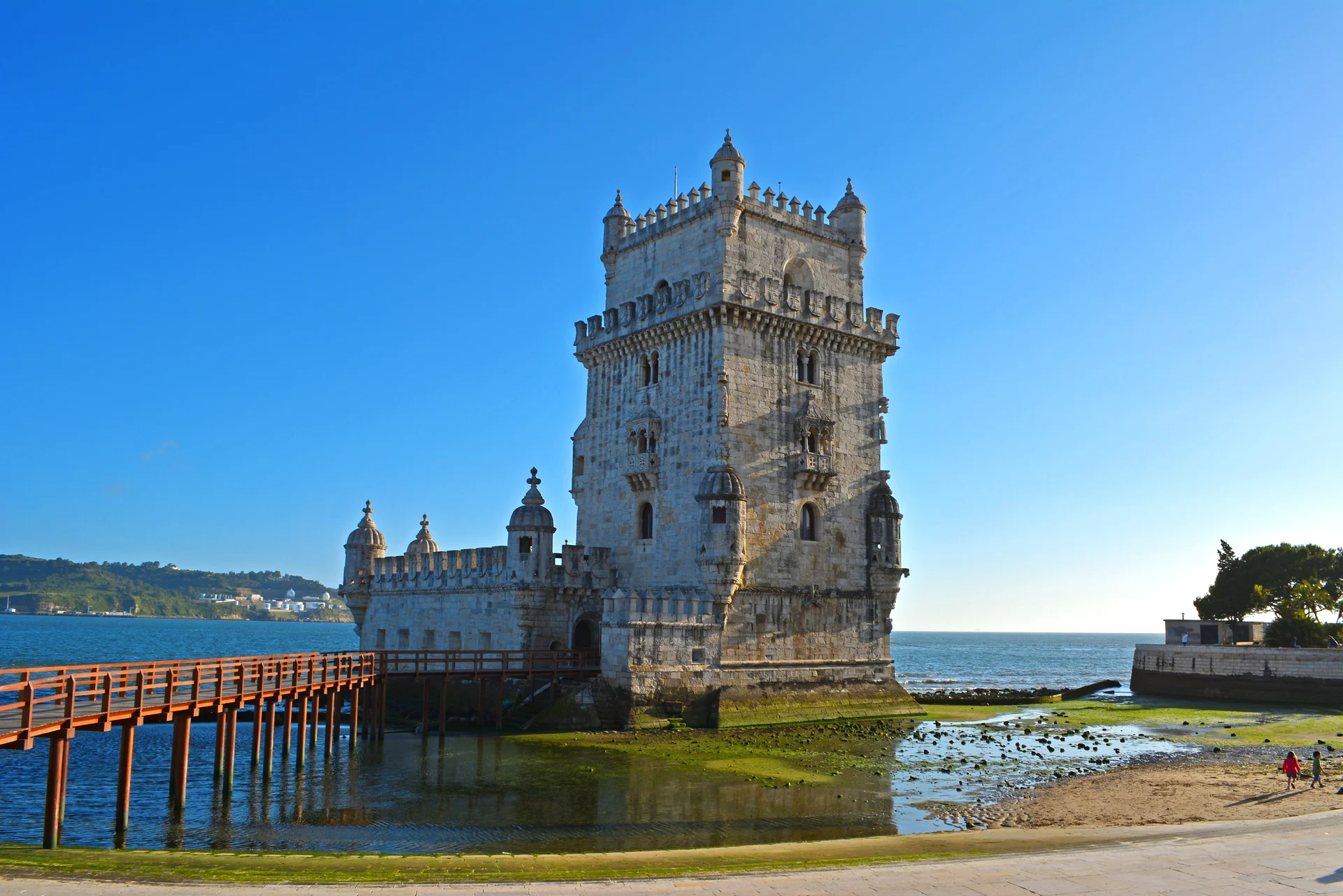
This outlying district is worth a half-day trip on its own. Vasco da Gama set sail from these shores to discover the route to India in 1497, and the monuments here celebrate that maritime epic. The Monastère des Hiéronymites, a UNESCO-listed masterpiece of Manueline architecture, was funded by the wealth brought back from the colonies. Its finely carved cloisters are a highlight.
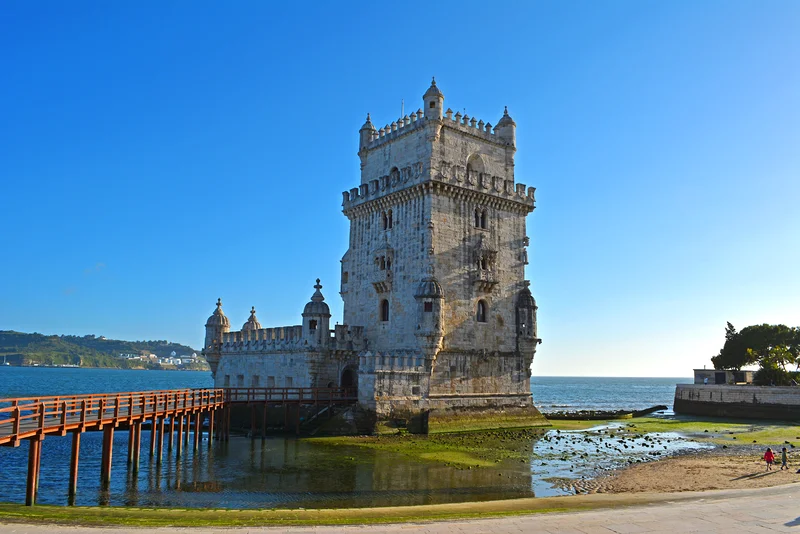
The Tour de Belém, a fortified sentinel at the mouth of the Tagus, completes the historical picture. Belém is also home to the famous Pastéis de Belém, the bakery that has been crafting authentic pastéis de nata since 1837 using a secret recipe inherited from the monks. The line can be daunting, but the crispy puff pastry and creamy custard dusted with cinnamon are worth the wait.
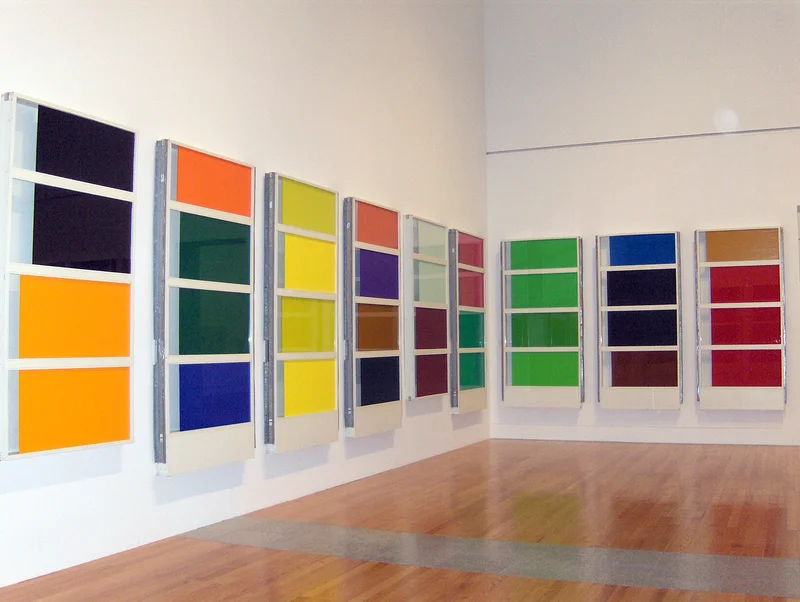
Pro tip: Take the E15 tram or the train from Cais do Sodré to get to Belém rather than walking. If you have time, extend your walk to the MAAT, a contemporary art museum housed in a former power station with a distinct, undulating design.
Where to eat and drink in Lisbon?
Lisbon cuisine revolves around seafood. Sardinhas assadas, grilled over charcoal, take over the streets during the June festivals, but you can find them year-round in local tascas. Bacalhau, the salted, dried cod, comes in hundreds of recipes. Try it grilled with potatoes, in fritters called pataniscas, or in a creamy gratin. For a comforting meal, look for cataplana de mariscos, a seafood stew cooked in a copper vessel.
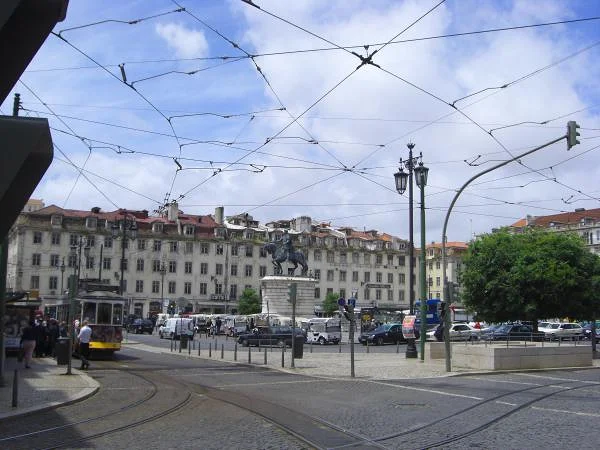
For sweets, do not leave without trying conventual desserts. Beyond pastéis de nata, the Confeitaria Nacional on the Praça da Figueira has been serving cakes based on monastery recipes since 1829. Pair yours with a ginjinha, a cherry liqueur served in a small chocolate cup that you eat after drinking. The bars on the Rua das Portas de Santo Antão specialize in it.
Where to stay in Lisbon and the surrounding area?
The Baixa-Chiado district offers the most central location, ideal for a first trip, but prices are high and nightlife noise can be an issue. The Bairro Alto suits night owls ready to handle the sound of revelers under their windows. The Alfama is charming, but watch out for the steep, uneven streets that can make getting to your accommodation a workout.
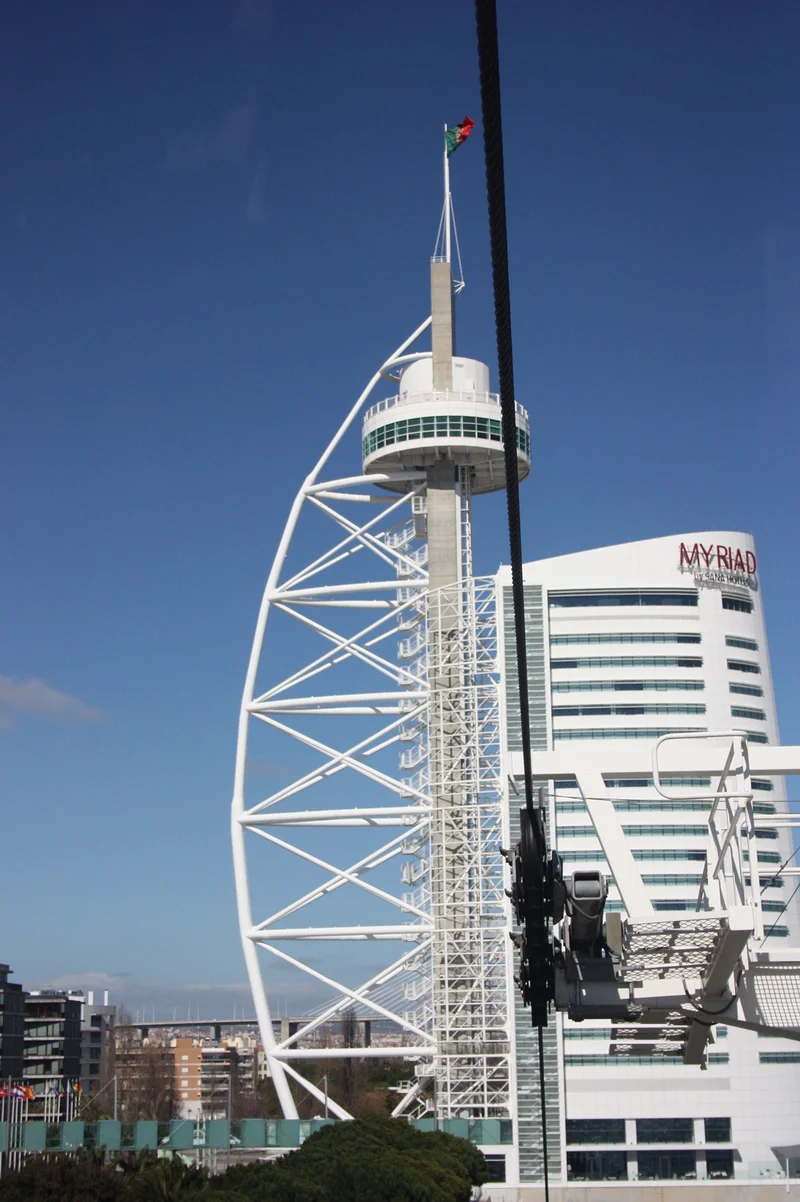
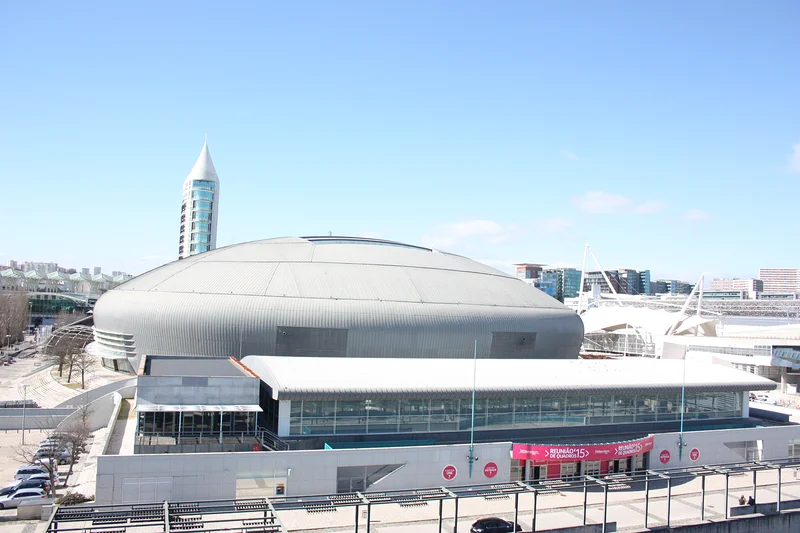
For better value, look at the Graça, Campo de Ourique, or Príncipe Real neighborhoods. These residential areas are 10-15 minutes from the center and offer a more local experience while remaining well-connected by transport. The Parque das Nações, a modern district built for the 1998 World Expo, is great for families, thanks to its Oceanarium and riverside green spaces.
How to get to and around Lisbon?
Humberto Delgado Airport is only 7 km from the city center. The metro connects the airport to the center in 25-35 minutes for about 2 euros ($2.20). Take the red line to Alameda or São Sebastião to transfer to tourist areas. Taxis cost 12-20 euros ($13-$22) depending on the time of day, and apps like Uber and Bolt often offer lower rates.
From Paris, expect about a 2.5-hour direct flight with several airlines, including TAP Portugal and budget carriers. Direct flights also exist from other French cities like Lyon, Bordeaux, and Nantes. The train is an option for slow-travel enthusiasts, taking about 20 hours from Paris via Hendaye and Madrid.
Once in the city, stick to walking in the historic center despite the hills. The rechargeable Navegante pass lets you use the metro, buses, trams, and even trains to Sintra or Cascais. The famous tramway 28 runs through historic neighborhoods, but its popularity often leaves it packed. It is best to ride it early in the morning or late in the day.
When to go?
Spring and autumn, particularly April-May and September-October, offer the best conditions. Temperatures range between 18 and 25 degrees Celsius (64-77°F), the light is beautiful, and there are fewer tourists than in the summer. June is a special time for the Festas de Santo António, when the whole city turns into a street party with grilled sardines, music, and parades in the Alfama.
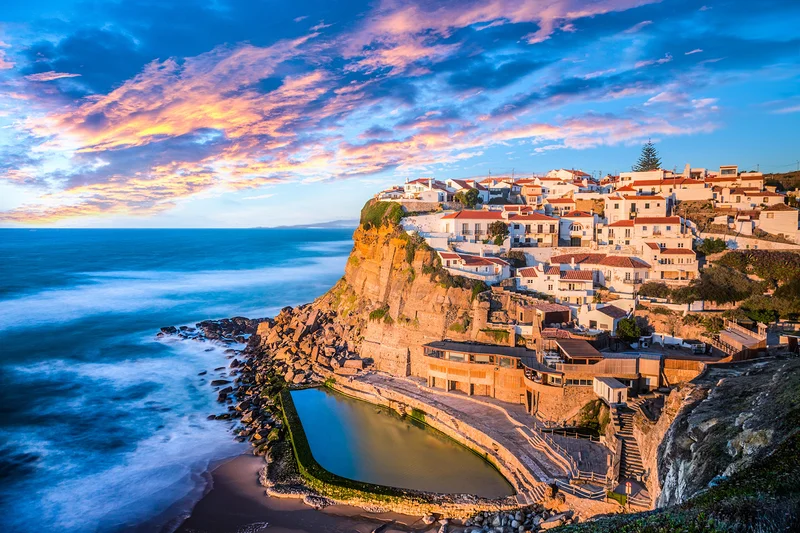
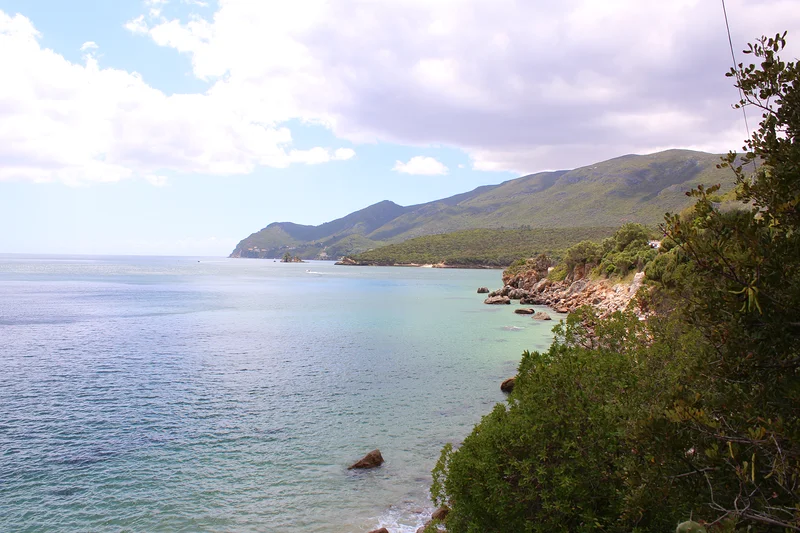
Summer brings intense heat and crowds. If you have no other choice, head to the beaches of Cascais or Costa da Caparica to escape the city furnace. Winter remains mild but rainy. It is an ideal time to enjoy the museums and cafes without the crush, and accommodation prices are at their lowest.
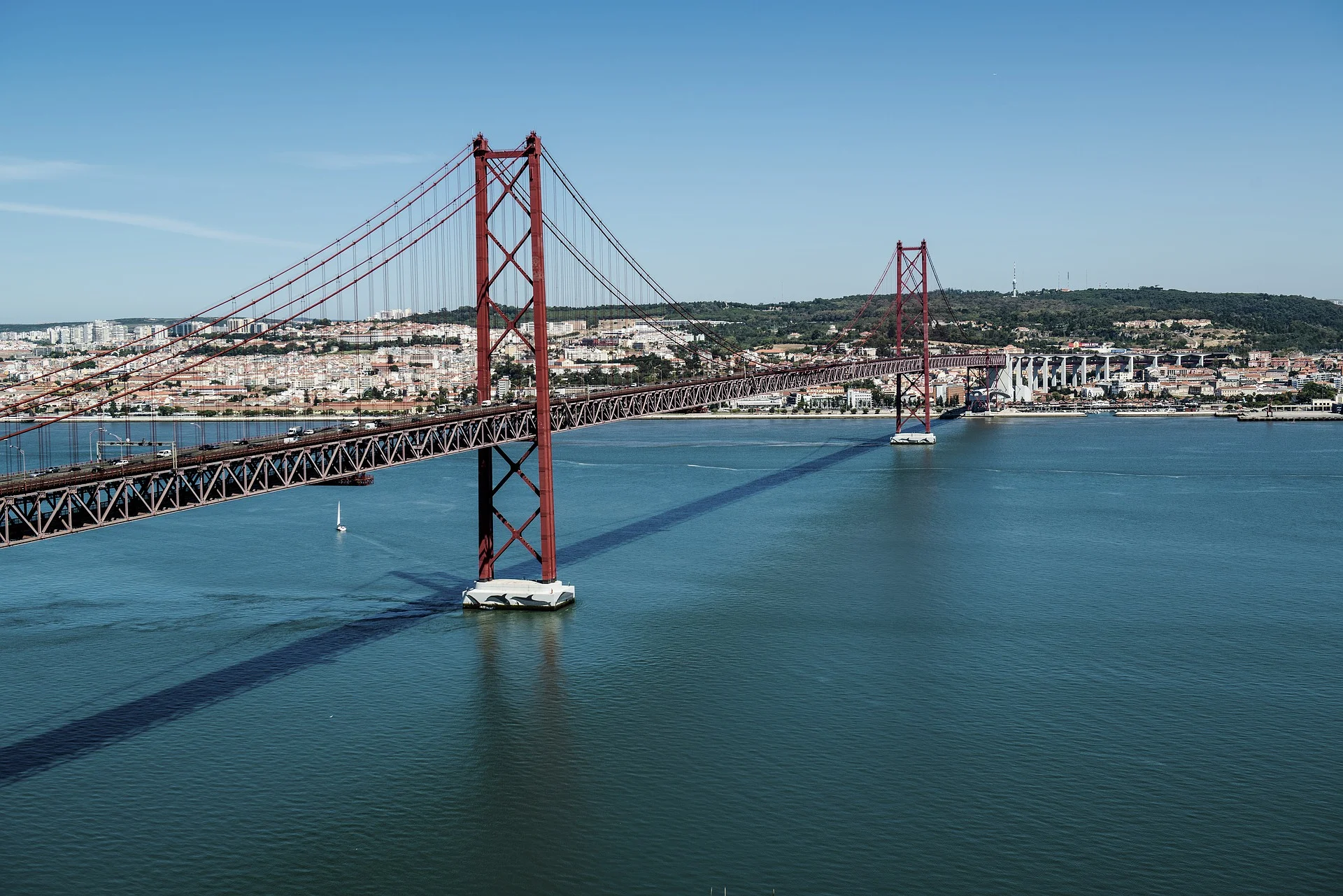
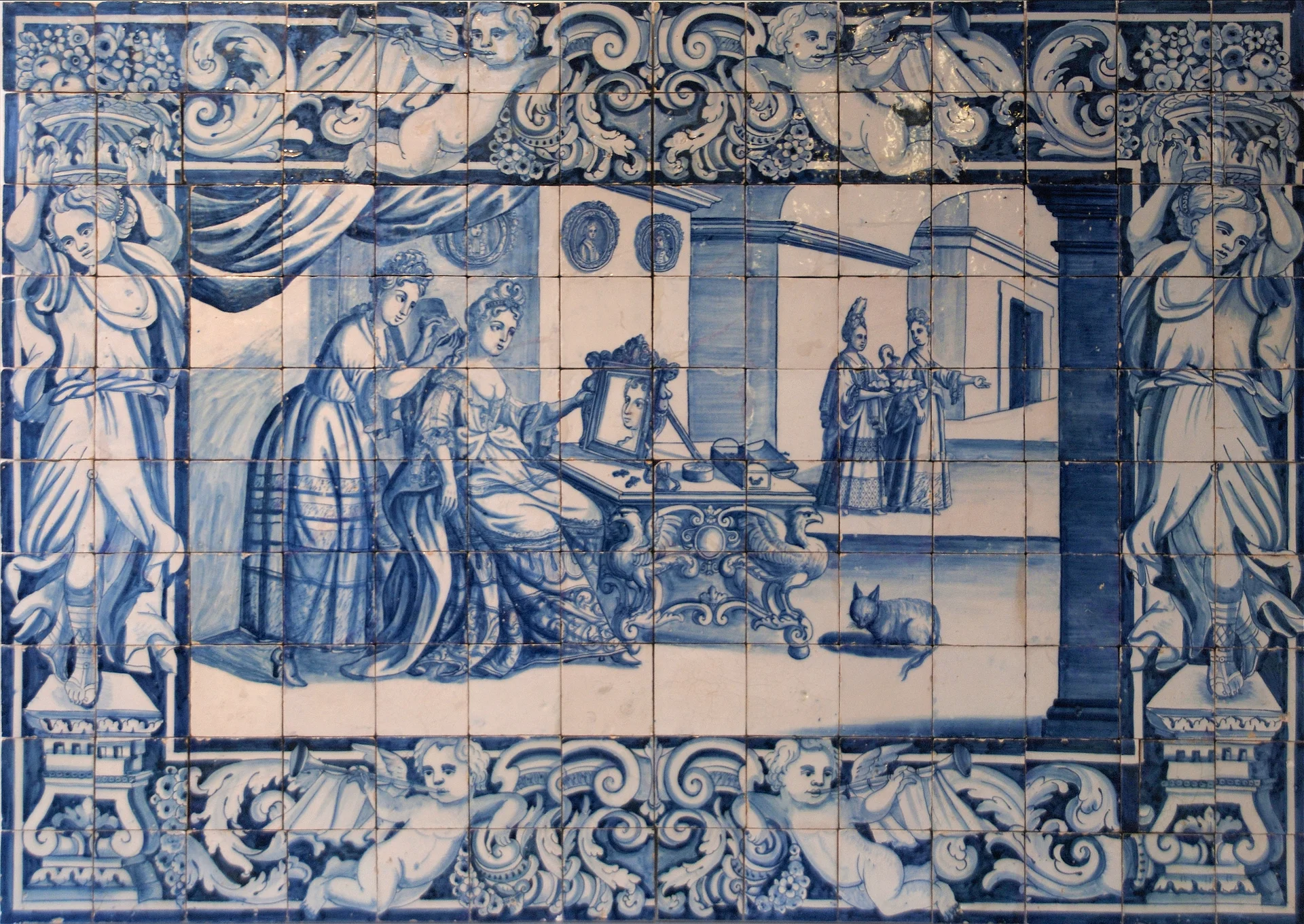
Lisbon is all in all a capital like many others, but it has a Mediterranean charm all its own. The historic center is lined with winding alleys and typical houses, many of which are covered in authentic azulejos (those classic little tiles, often white and blue). Between the city life and the seaside, I highly recommend this city for its atmosphere, its architecture, and its culture!