
Visiting Setúbal, the port city that refuses to cater to the crowd
While tour buses jam into Cascais and Sintra buckles under the weight of selfie sticks, Setúbal quietly goes about its maritime business about 50 kilometres south of Lisbon. The smell of grilled fish drifts across the harbor, and hand-painted azulejo tiles depict naval scenes that nobody cares about except the locals, which is precisely where the charm lies. This working fishing city stubbornly refuses to put on a polished face for mass tourism.
A destination for those looking for the real Portugal
Let's be direct: if you are dreaming of a postcard-perfect setting or a quaint village where every cobblestone looks staged for Instagram, Setúbal might let you down. This industrial port town retains its raw edges. On the other hand, if you prefer a bustling fish market over a souvenir shop, and the idea of sharing a table with locals in a smoky tasca appeals to you more than a sleek restaurant, you will fit right in.
Budget-wise, it is reasonable. The top spots for choco frito run around $12-$17* per person, and lodging stays affordable compared to Lisbon. Having a car makes getting to the Arrábida beaches much easier, though trains and buses work fine if you are not in a rush. When it comes to pace, life here follows the rhythm of the port and the tides rather than organized tour schedules.
Heritage and flavors in the historic center
The Mercado do Livramento, opened in 1930, ranks among the finest covered markets in Portugal. Its pink exterior hides an interior lined with tiles and mosaics where fish stalls line up in a silver-scaled shimmer. You will mostly find Setubalenses doing their morning shopping here instead of camera-toting tour groups. The atmosphere is loud, unfiltered, and alive.
Steps away, the Praça do Bocage spreads out its shaded café terraces under the watchful eye of the city's favorite poet. The striking purple city hall features bold baroque architecture, rebuilt after a 1910 fire destroyed the original building. The 13th-century église São Julião sits near the Renaissance cathedral, where ornate tilework and a golden altarpiece reward a quick step inside. Cobbled pedestrian lanes lead toward l'avenue Luisa Todi, the main drag lined with grilled fish joints and traditional tascas.
The Igreja de Jesus, built between 1490 and 1495, stands as the earliest example of Manueline architecture in Portugal, the exact style later used for the Jerónimos Monastery in Lisbon. Its twisted columns showcase the bold architectural ambitions of the Manueline Gothic era.
Friendly tip: Head to the market early in the morning when the fishermen unload their catch and fishmongers clean seafood right on the counters. The scene beats any ethnological museum.
The beaches of Arrábida, a secret that is getting out
Praia de Galapinhos was voted Europe's best beach by European Best Destinations, bringing a surge in popularity that makes access tricky. From June to September, traffic is strictly regulated on the coastal road, with vehicle checks set up near the cruzamento do Pinheiro. Bicycles and motorbikes pass through, but cars must park at Creiro and walk or catch the free shuttle.
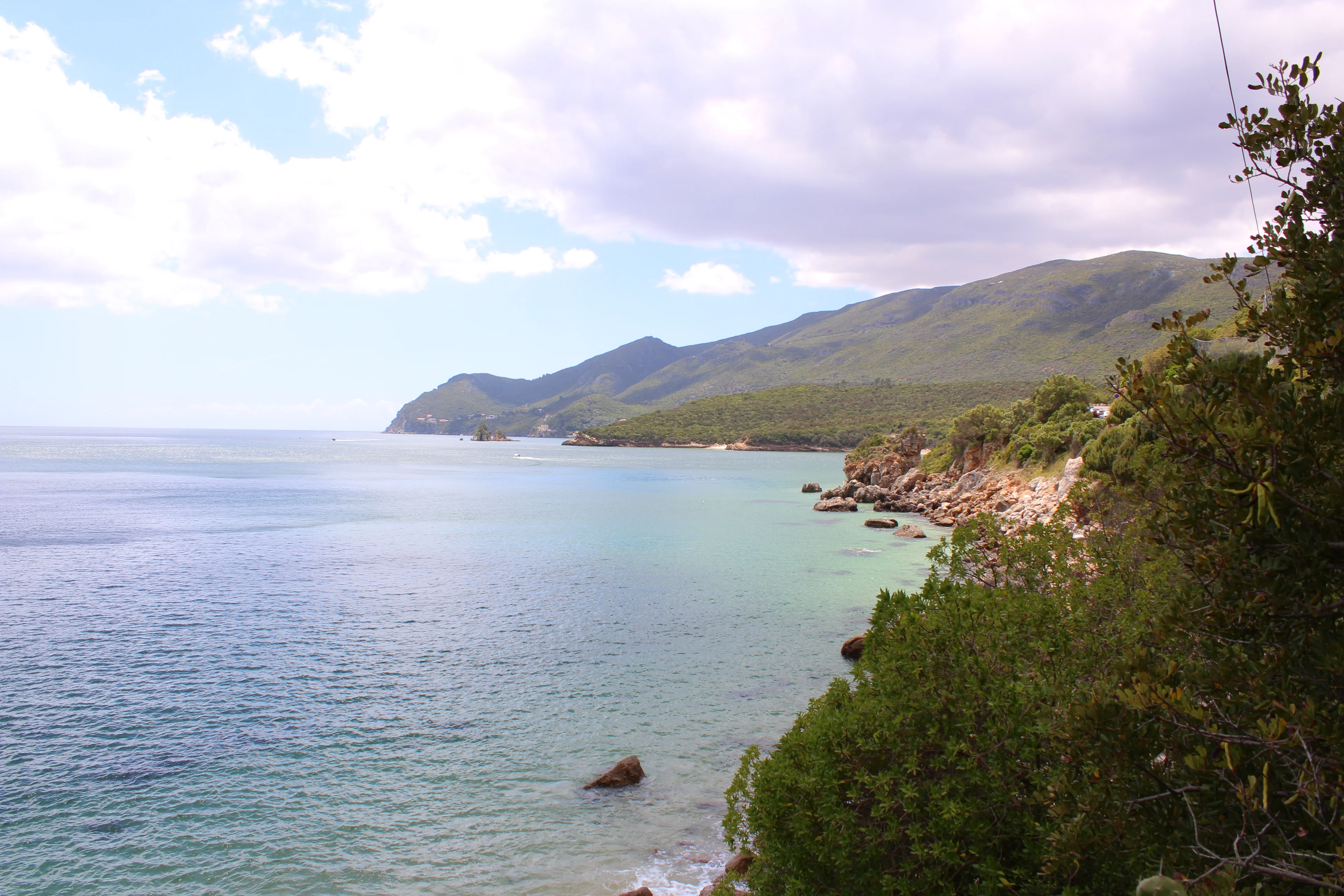
Praia da Figueirinha remains the most accessible beach via public transit from Setúbal and works well for families. Further along, Praia dos Galapos and Praia dos Coelhos offer clear waters ideal for snorkeling, framed by the white limestone cliffs of the Serra da Arrábida. The water runs colder than you might expect given the Mediterranean feel, but the clarity is striking.
Friendly tip: The road connecting Figueirinha and Galapos stays closed year-round due to rockfall risks. To reach Galapinhos, you must go through Creiro or Azeitão. Pack sturdy walking shoes and get there early, particularly in the summer.
The Sado dolphins and the Tróia peninsula
The Sado estuary shelters a resident pod of roughly 27 to 30 bottlenose dolphins, standing out as one of only three groups in Europe living year-round in an estuary. These animals have been tracked and studied since 1981, with individual dolphins identified by their unique dorsal fins. Catamaran tours leave from the Setúbal port, typically heading out at 10:30 and 14:30 for a roughly 2.5-hour trip. Prices hover around $40-$45* per adult.
Across the estuary, the Tróia peninsula stretches out 13 kilometres of blond sandy beaches backed by pine woods. The pedestrian ferry costs $9.50* one-way with a free return, departing from central Setúbal every hour in the off-season and every 30 minutes in the summer. You can explore the Roman ruins of Cetobriga, an ancient fish-salting hub, on the peninsula's eastern shore. Tróia has evolved into an upscale destination with high-end resorts and a casino, but the southern beaches stay empty for anyone willing to walk.
Friendly tip: Dolphins are wild and unpredictable, but sighting success rates hover around 95%. Choose a morning departure when the water stays calmer and the lighting favors photography.
The vineyards of Azeitão and local terroir
A fifteen-minute drive into the hills of Arrábida brings you to the village of Azeitão, home of Moscatel de Setúbal, a sweet fortified wine made from Alexandria Muscat grapes. Estates like José Maria da Fonseca and Bacalhôa offer tours of historic cellars where casks have aged for over a century. Moscatel pairs brilliantly with Queijo de Azeitão, a creamy raw sheep's milk cheese made using a traditional thistle-based vegetable rennet.
The Tortas de Azeitão, rolled sponge cakes filled with egg yolk and dusted with cinnamon, round out the local food triad. Pick up these sweets in the village pastry shops alongside a traditional espresso bica.
Where to eat and drink in Setúbal?
Choco frito (fried cuttlefish) rules the local dining scene. Casa Santiago - O Rei Do Choco Frito, right on avenue Luisa Todi, has served the dish since 1974. Crispy outside, tender inside, lightly spiced, and paired with french fries and salad, the cuttlefish shows up in every variation imaginable. Every April, Setúbal hosts a Choco Week where dozens of restaurants roll out creative plates like cuttlefish ink risotto, favada de choco, and choco nigiri.
Other grilled fish spots line the same avenue and the nearby side streets. Fresh sardines, octopus, caldeirada fish stew, and pork with clams appear on every menu. For a drink or dessert, stop by Casa da Baía, a striking blue building that houses the tourist office alongside a regional shop stocking Moscatel and local cheeses.
Where to stay in and around Setúbal?
The historic center around Praça do Bocage packs in mid-range hotels at fair prices, keeping you within walking distance of the market, restaurants, and harbor. Neighborhoods closer to Albarquel, the waterfront urban park, offer more modern stays with estuary views. Rates stay well below Lisbon prices, even during peak season.
If you want easy access to the beaches and vineyards, Azeitão features guesthouses and charming wine estates tucked into the hills. Across the estuary, Tróia aims high with luxury resorts and upscale villas, though you will need to factor ferry costs into your daily trips.
How to get to and around Setúbal?
Trains depart Lisbon from Roma-Areeiro station and take 58 minutes to reach Setúbal. Buses connect the capital in about an hour. Driving via the A2 takes roughly 45 minutes from central Lisbon. The closest airport is Lisbon Airport, located 40 kilometres away.
Around town, you can easily walk everywhere. For the Arrábida beaches, a car is essential since public buses only run to Figueirinha. Parking gets tight near the sand during the summer, which makes an early start mandatory. To reach Tróia, passenger catamarans leave from Cais 3 in downtown, while car ferries depart from Doca do Comércio.
When to go?
From April to October, the Mediterranean climate delivers warm weather and minimal rain. July and August bring the heaviest beach crowds. Late July features the Feira Sant'Iago, a traditional 400-year-old fair. In early August, the maritime procession of Nossa Senhora do Rosário across the estuary is worth seeing. Between March and April, the Cheese, Bread, and Wine Festival highlights regional specialties. Autumn draws wine lovers for the harvest season across the Azeitão estates.
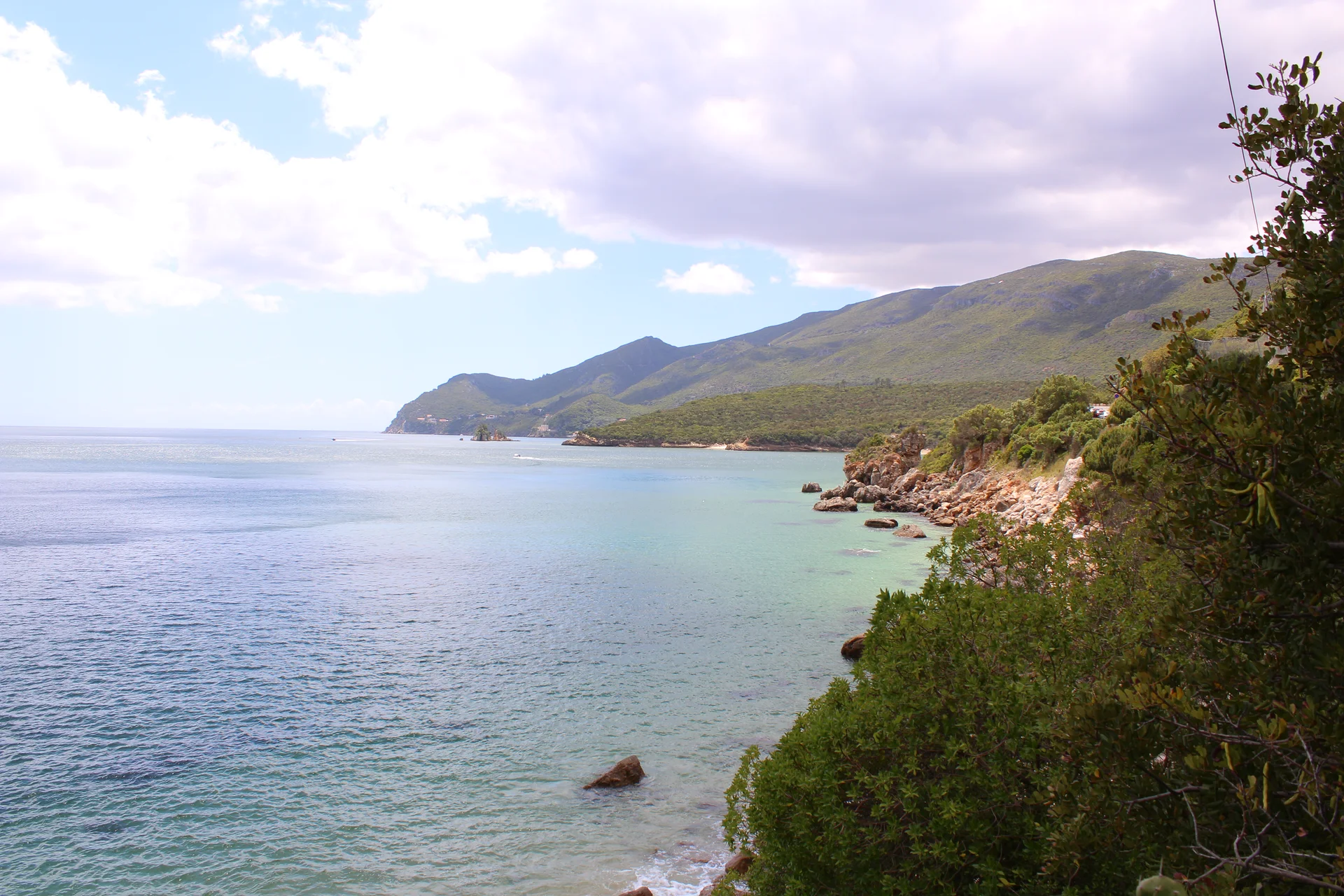
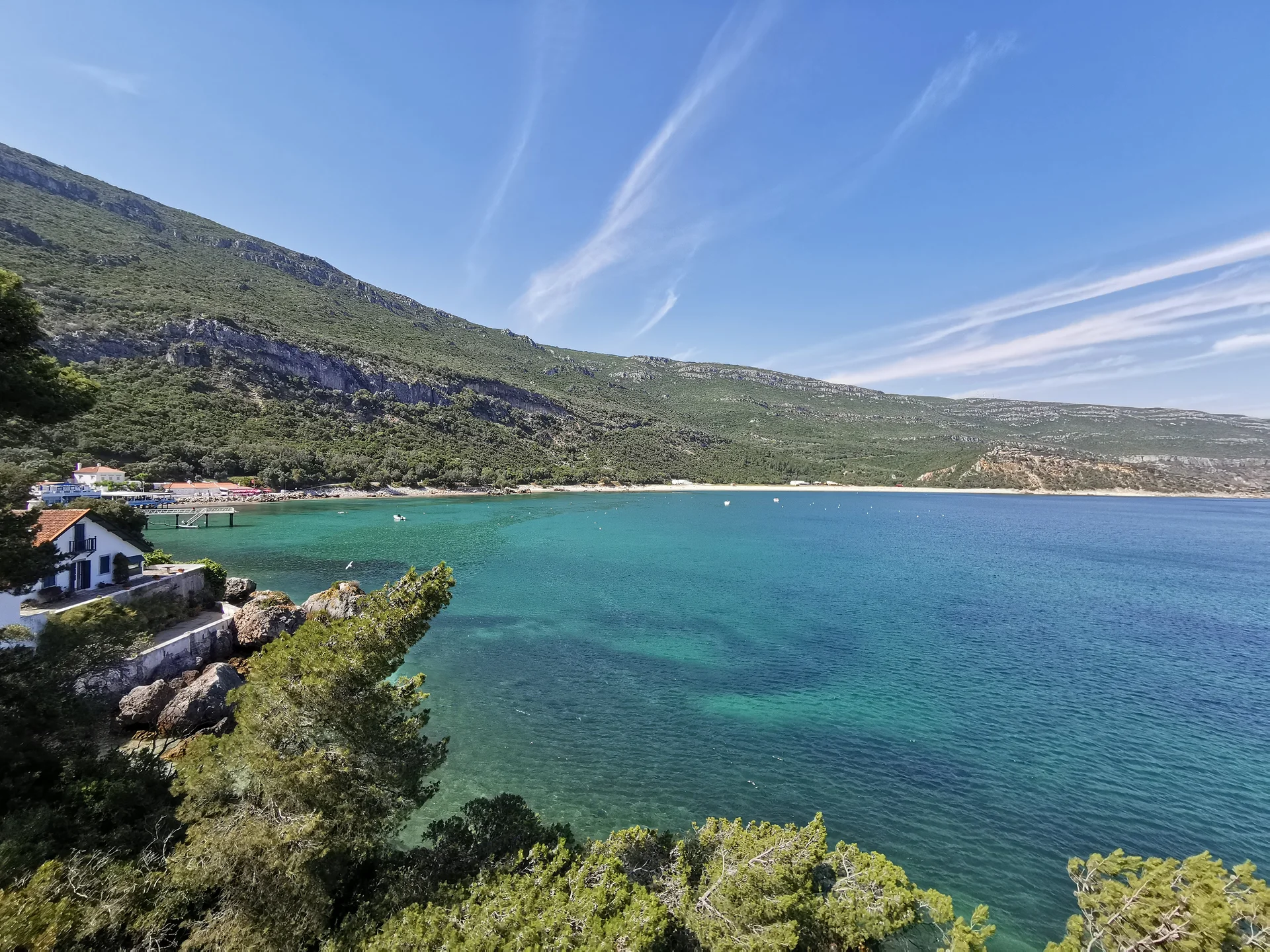
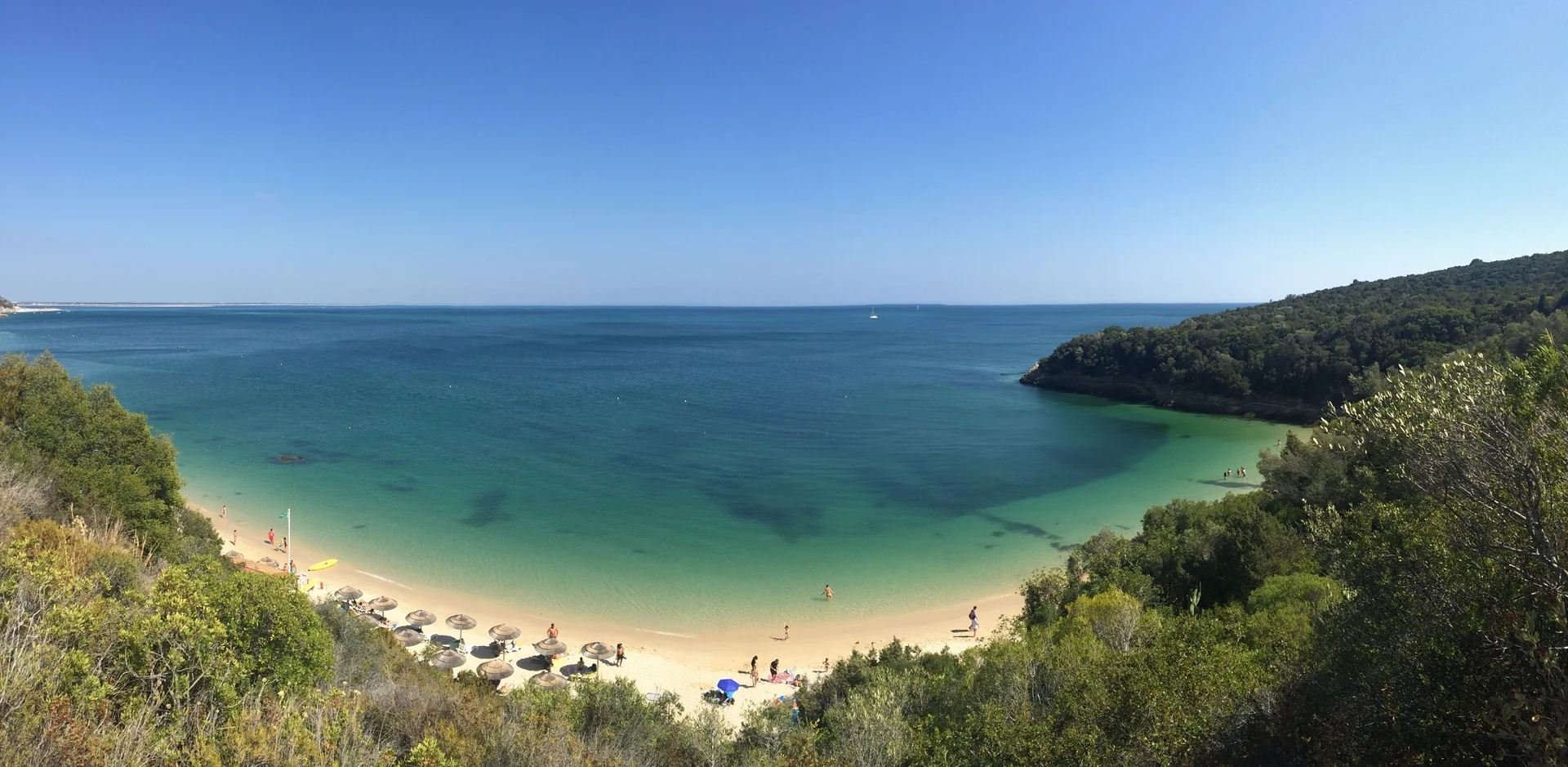
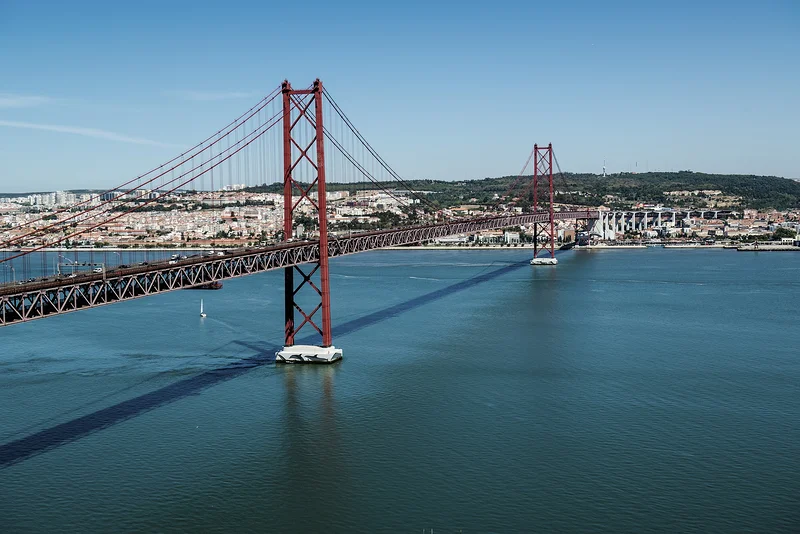
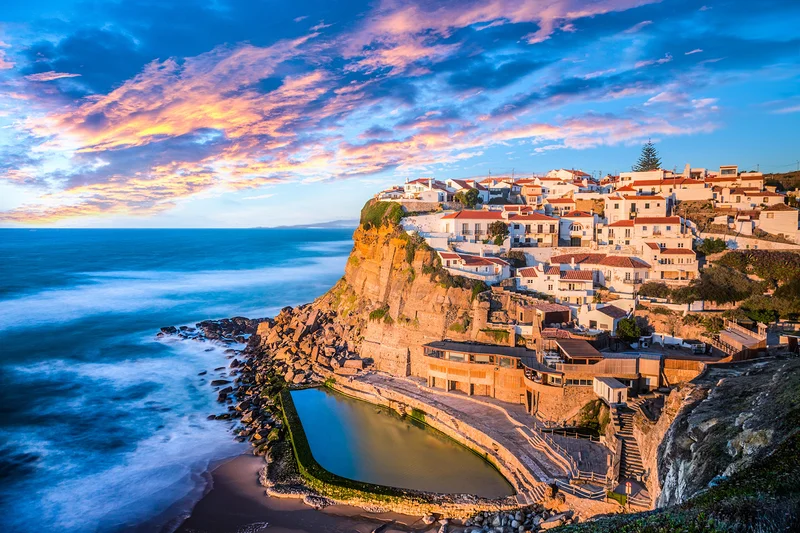
Not too far from Lisbon, this coastal city is located along a very pretty bay. The water is relatively cold for swimming, even in the summer, but the setting is really nice.