
Visiting the Calouste Gulbenkian Museum
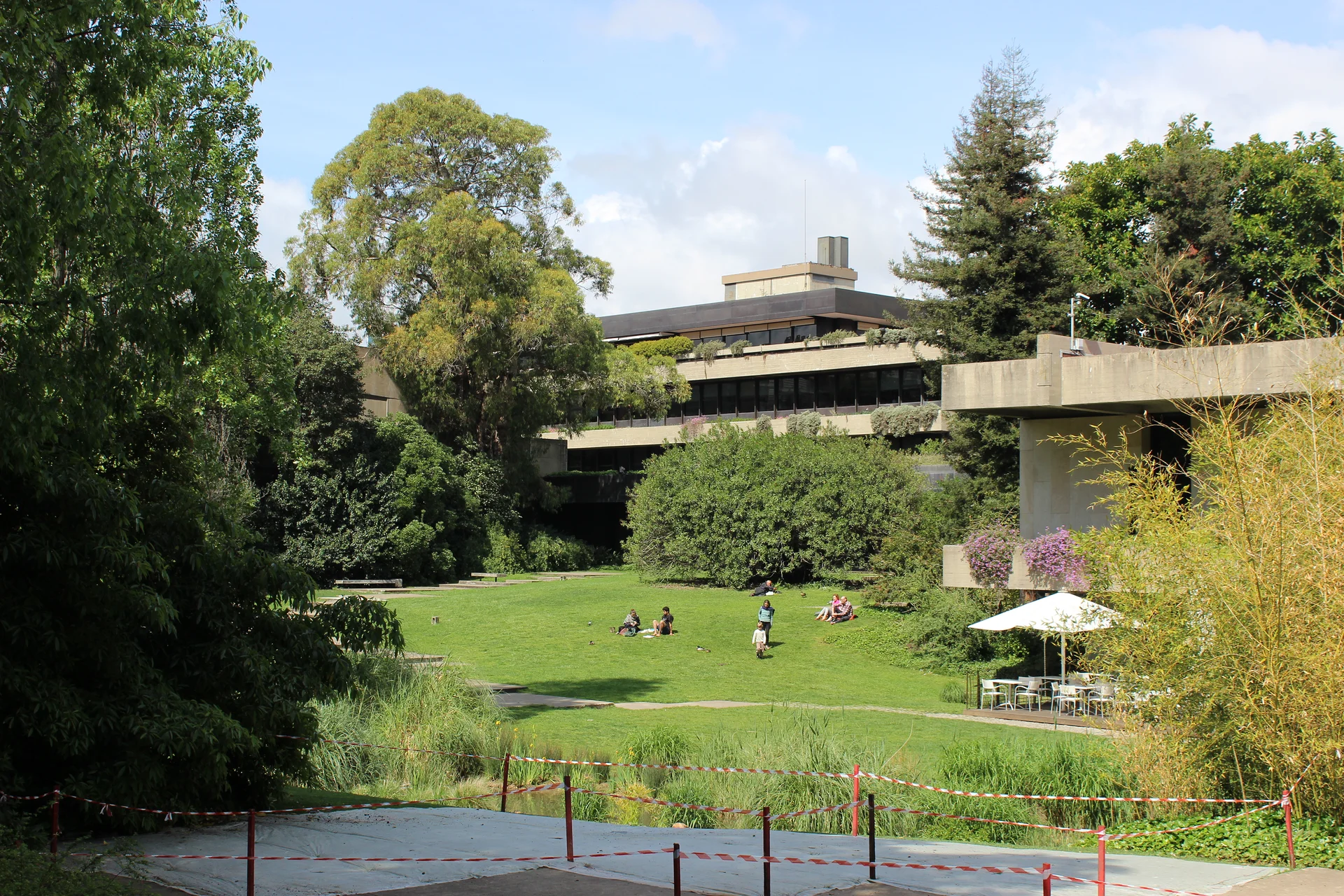
Located in Lisbon, the Calouste Gulbenkian Museum houses a private collection of over 6,000 pieces assembled by the Armenian businessman and art collector Calouste Gulbenkian, who built his fortune in the oil industry. The museum spans 5,000 years of history, from Ancient Egypt to the 20th century, including works by master glassmaker René Lalique, a close friend of the collector. The building sits at the center of a park of the same name, a space perfect for walking between ponds and tree-lined paths.
An Eclectic Art Collection in Lisbon
The Calouste Gulbenkian Museum is a condensed history of various eras and regions. On the advice of British Egyptologist Howard Carter, Gulbenkian acquired significant pieces from ancient Egypt, such as the famous statue of Bes. A collection of Greek coins and medallions was recovered during excavations in Abu Qir, Egypt, in the early 20th century.
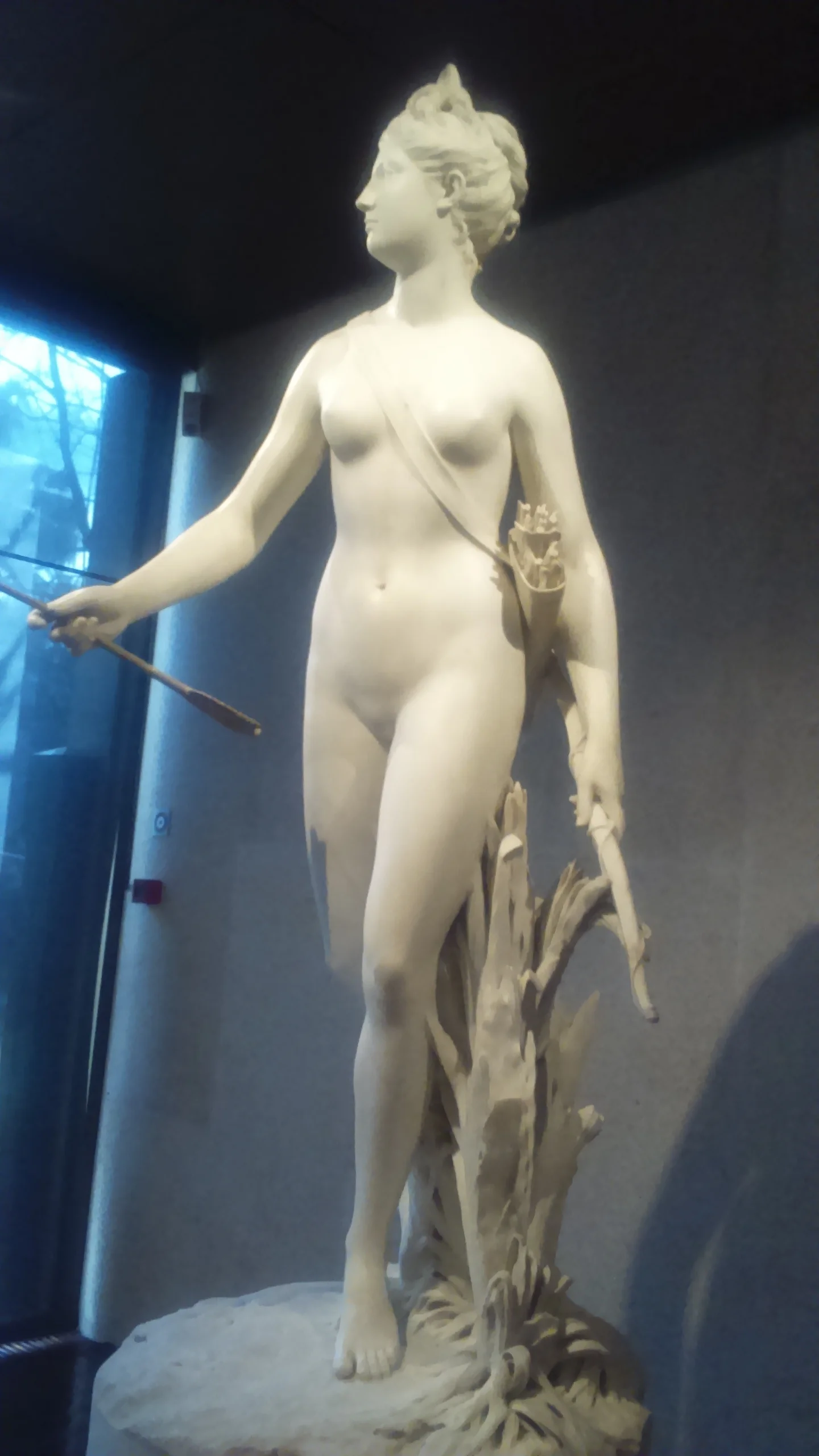
Beyond antiquity, you will find a range of artifacts representing Islamic art, including textiles, ceramics, and glassware, gathered during the collector's travels. European painting from the 13th to the 19th century is well represented, with works by Renoir, Rembrandt, and 19 paintings of Venice by Francesco Guardi. Additionally, the museum displays a collection of Flemish, Italian, and French furniture and Art Deco objects.
The Calouste Gulbenkian Museum
The building was designed by architects Ruy Jervis d'Athouguia, Pedro Cid, and Alberto Pessoa in 1969. It was designated a national monument in 2010, becoming the first contemporary structure to be included in the Portuguese national heritage list.
The museum is organized into two distinct circuits located on the first floor. One path is dedicated to classical and oriental art, while the second covers European sculpture and painting from the 11th to the 20th century. On-site, you can also explore a center for modern and contemporary art.
Opening hours
| Monday | 10:00-18:00 |
|---|---|
| Tuesday | Closed |
| Wednesday | 10:00-18:00 |
| Thursday | 10:00-18:00 |
| Friday | 10:00-18:00 |
| Saturday | 10:00-18:00 |
| Sunday | 10:00-18:00 |
Closed on Tuesdays and holidays.

This gigantic museum consists of two buildings, the foundation and the modern art museum. I spent an entire afternoon there, and there is so much to see. Islamic and Asian arts, Greek and Egyptian antiquities, Impressionist paintings, the collections cater to all tastes. For my part, I loved the section dedicated to Art Nouveau, which features sumptuous glassware by René Lalique. Furthermore, the Japanese-inspired setting of the museum, bordered by a garden, is very pleasant.