

Lisbon, the city that smells of roasted coffee and ocean salt
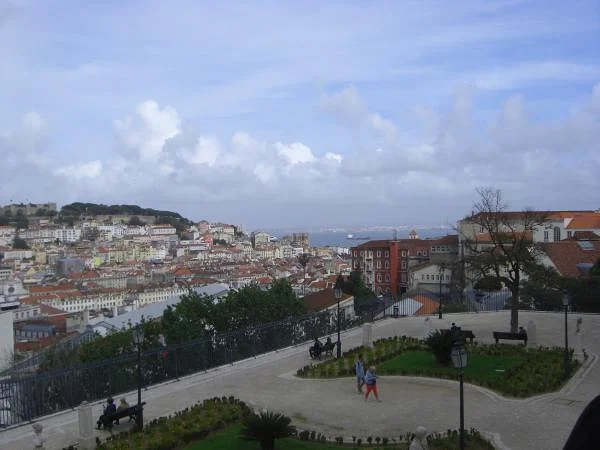
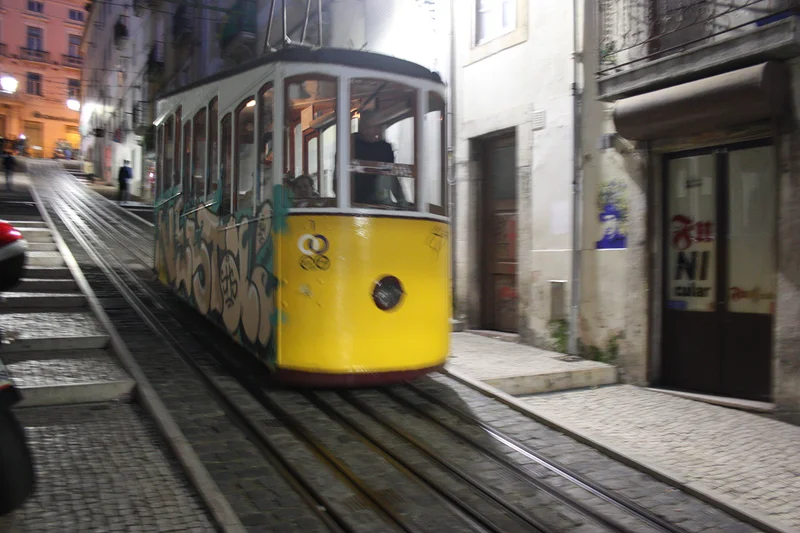
Seven hills, squeaky yellow streetcars navigating narrow alleys, and a distinct quality of light that gives every weathered facade an almost cinematic charm.
Lisbon stands apart from other Western European capitals. It retains its deep history, its rough edges, and its slightly crooked stance, which ultimately proves to be its most endearing quality.
A destination made for you?
You will appreciate this city if you are looking for a manageable European capital where you can still wander through a working-class neighborhood without running into a fast-food chain on every corner. Fans of miradouros (viewpoints), seafood gastronomy, and a relaxed nightlife scene will find plenty to love.
Conversely, if you hate walking uphill or need a flat city that is easy to navigate with a wheelchair or stroller, Lisbon will give you a workout. Slippery cobblestones and steep elevation changes are part of the local character, for better or worse.
A great fit for:
- Couples seeking romance without the price tag of Paris or Venice
- Fans of seafood and Port wine
- Travelers interested in colonial and maritime history
- Mid-range budgets looking for an accessible Western European capital
Not ideal for:
- Visitors with limited mobility (cobblestones, steep slopes, narrow sidewalks)
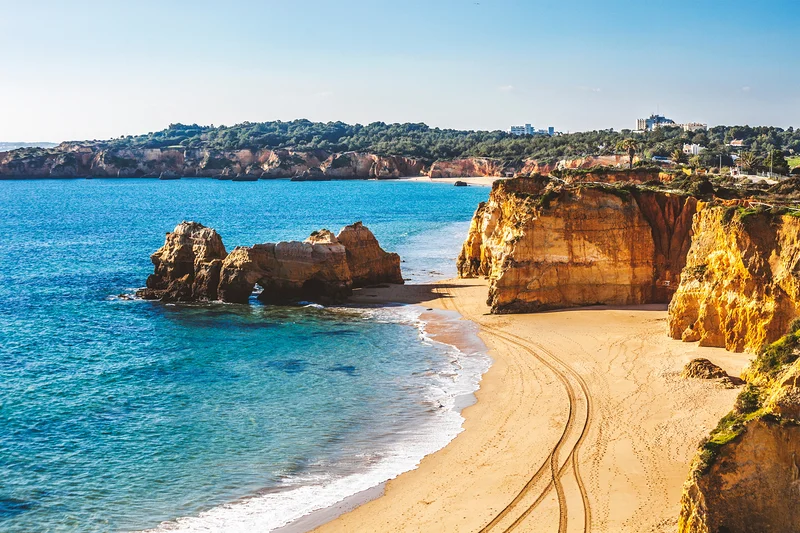
- Travelers looking for an Algarve-style beach resort town
- Anyone who tries to avoid heavy tourism (the center gets packed in peak season)
A budget that remains reasonable, though it is climbing
Lisbon stays cheaper than Paris, London, or Amsterdam, but prices have noticeably risen in recent years with the influx of tourists and digital nomads. Budget accordingly for lodging right in the center.
| Expense | Range |
|---|---|
| Hostel night (dorm bed) | $23 to $40* |
| Comfortable hotel night (3-4 stars) | $90 to $169* |
| Quick bite (bifana or pastel de nata) | $2.30 to $6.80* |
| Sit-down restaurant meal (main + drink) | $14 to $23* |
| Day transit pass (subway, bus, tram) | $7.70* |
Estimated rates subject to change
Practical realities: what people do not always tell you
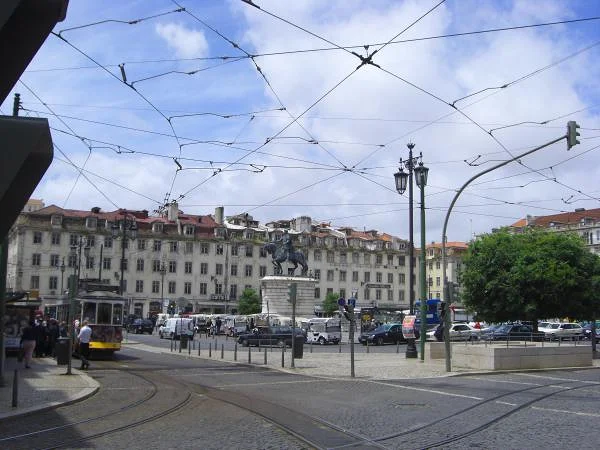
The Mediterranean climate delivers dry, hot summers (often topping 30°C in July and August) alongside mild, rainy winters. The city is generally safe, but pickpocketing on tourist trams (especially the famous tram 28) and around the Baixa neighborhood requires staying alert.
Solo female travelers typically run into very few issues. Lisbon is widely viewed as a welcoming, calm capital, even at night in tourist areas. The language barrier is minimal, as English is spoken everywhere in the tourism sector, though a bit less in residential neighborhoods.
Alfama, old Lisbon holding its ground
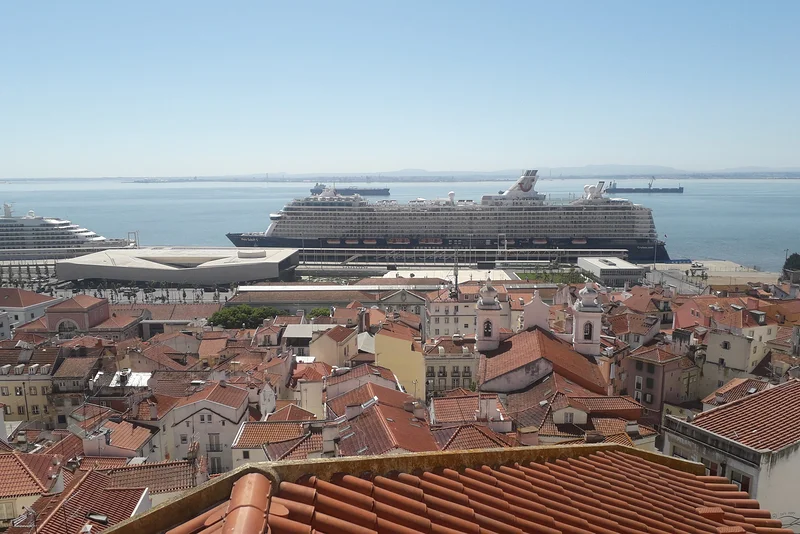
The neighborhood survived the massive earthquake of 1755 that leveled much of the city. Its maze of alleyways, laundry hanging from windows, and miradouros (with the Miradouro das Portas do Sol at the top of the list) make it the most photogenic historic core.
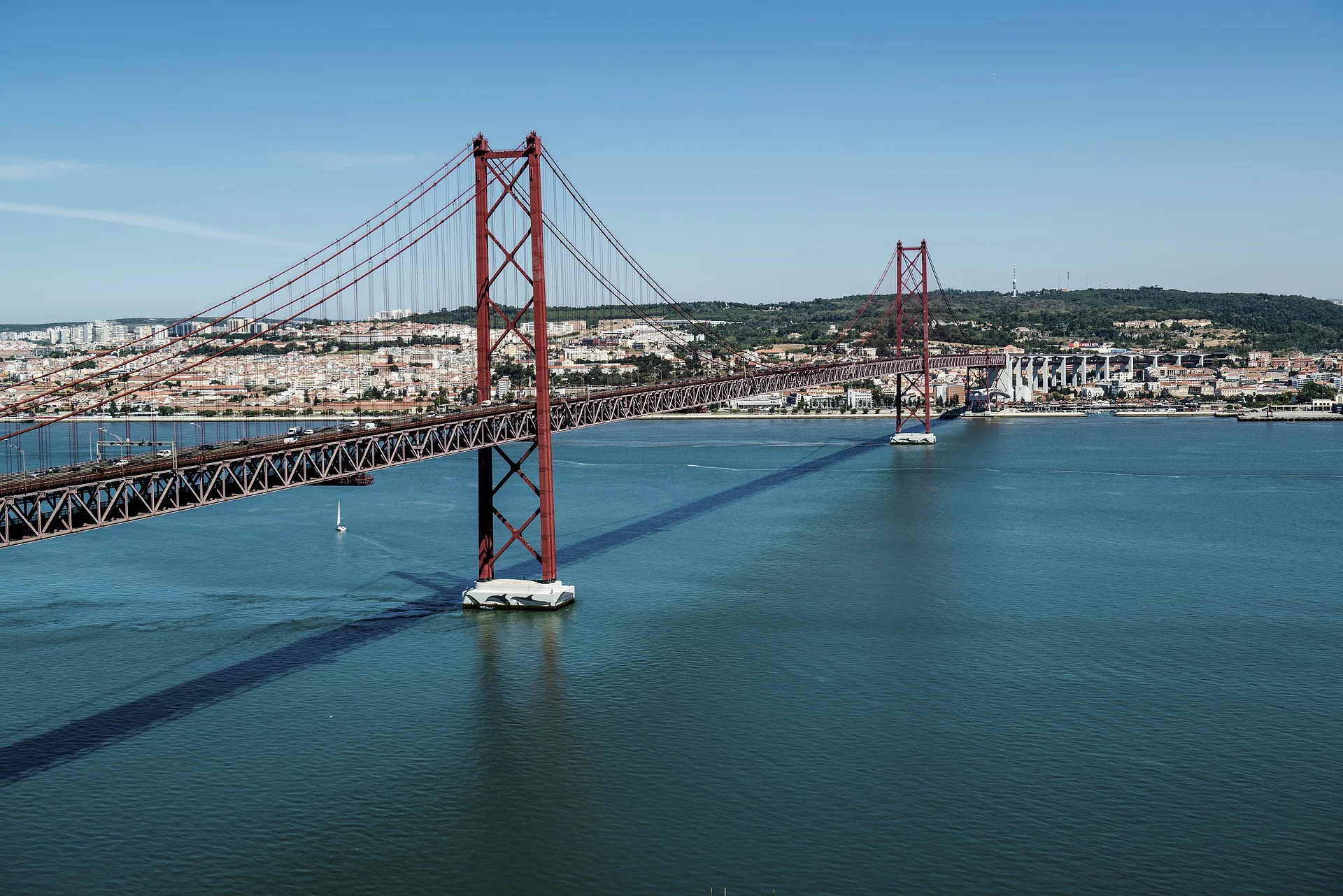
This is where fado music echoes out of small tascas at night. St. George's Castle looms over the district, framing some of the best views of the Tagus River.
Baixa and Chiado, Pombaline elegance
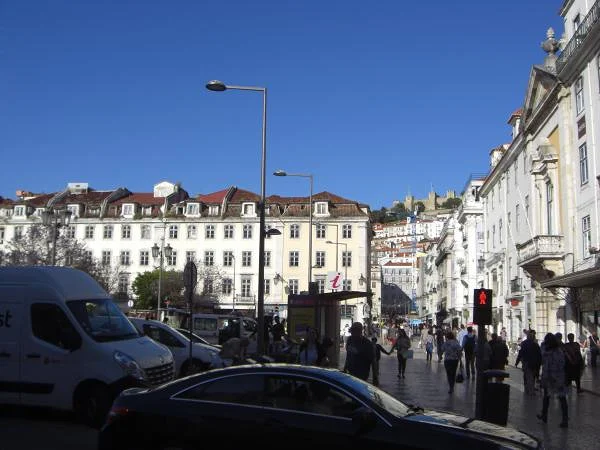
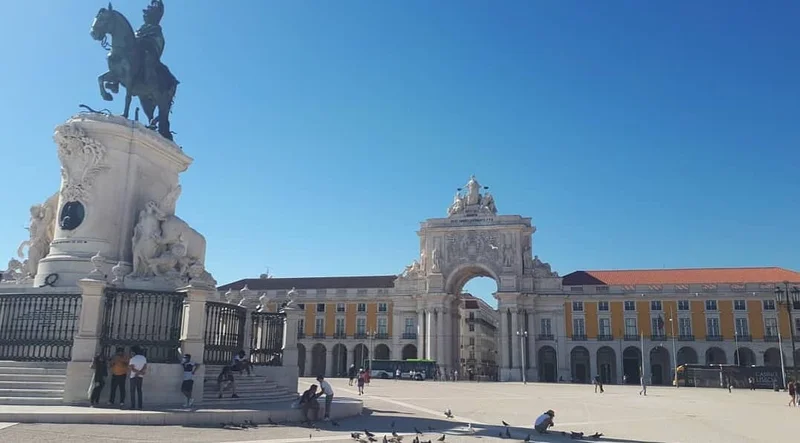
Rebuilt after the earthquake on an innovative grid system for its time, this neighborhood breathes classicism. Commerce Square, a massive open square facing the river, marks the grand entry point to the city.
Chiado, a more upscale enclave, hosts century-old bookstores and historic cafes like the A Brasileira, once frequented by the poet Fernando Pessoa.
Bairro Alto and Príncipe Real, the nightlife hubs
By day, Bairro Alto sleeps off the night before. By night, it turns into a labyrinth of bars where crowds spill out onto the street with drinks in hand amid a loud, joyful atmosphere. Príncipe Real, situated just uphill, offers a more polished vibe with design boutiques and shaded gardens.
Friendly tip: Skip tram 28 during peak tourist hours (10 AM to 4 PM). Catch it early in the morning or late in the day, and keep your bag zipped in front of you, as it is a favorite target for pickpockets.
Belém, monument to the Age of Discovery
Out west, this district gathers the icons of Portugal's maritime golden age: the UNESCO-listed Jerónimos Monastery and the Belém Tower, a white stone sentinel on the Tagus. This is also the birthplace of the original pastel de Belém, keeping a secret recipe locked down since 1837.
Where to eat and drink in Lisbon?
Bacalhau (salted cod) comes in dozens of different preparations according to local lore. Grilled sardines, served simply with bread and olive oil, are a summer staple. On the sweet side, a warm pastel de nata dusted with cinnamon works at any hour.
- The Time Out Market hall in Cais do Sodré to sample several local kitchens under one roof
- The neighborhood tascas of Alfama for a simple, hearty meal
- A shot of ginjinha (sour cherry liqueur) sipped standing up at a tiny Baixa counter
How to get to Lisbon?
Humberto Delgado Airport (code LIS) sits just 7 km from downtown, making it one of the most accessible European capitals. Numerous budget carriers run direct flights from major European hubs, with travel times generally running between 2.5 and 3 hours.
How to get around Lisbon?
The historic center is best explored on foot, but get ready for a workout since the hills are real. The funiculars (Elevador da Bica, Gloria) and the Santa Justa Lift help give your legs a break. The subway, bus, and tram network runs efficiently and relies on the reloadable Viva Viagem card.
Ride-sharing apps like Uber and Bolt are widely available and significantly cheaper than in many parts of northern Europe or the US, making them a practical choice for late nights or heading out to Belém without the hike.
When to go to Lisbon?
Spring (April to June) and early fall (September to October) strike the right balance between pleasant weather and manageable crowds. July and August bring festive energy through the popular Santo António street festivals, but they also bring intense heat and heavy crowds.
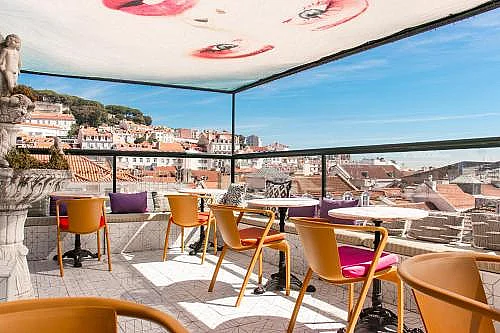
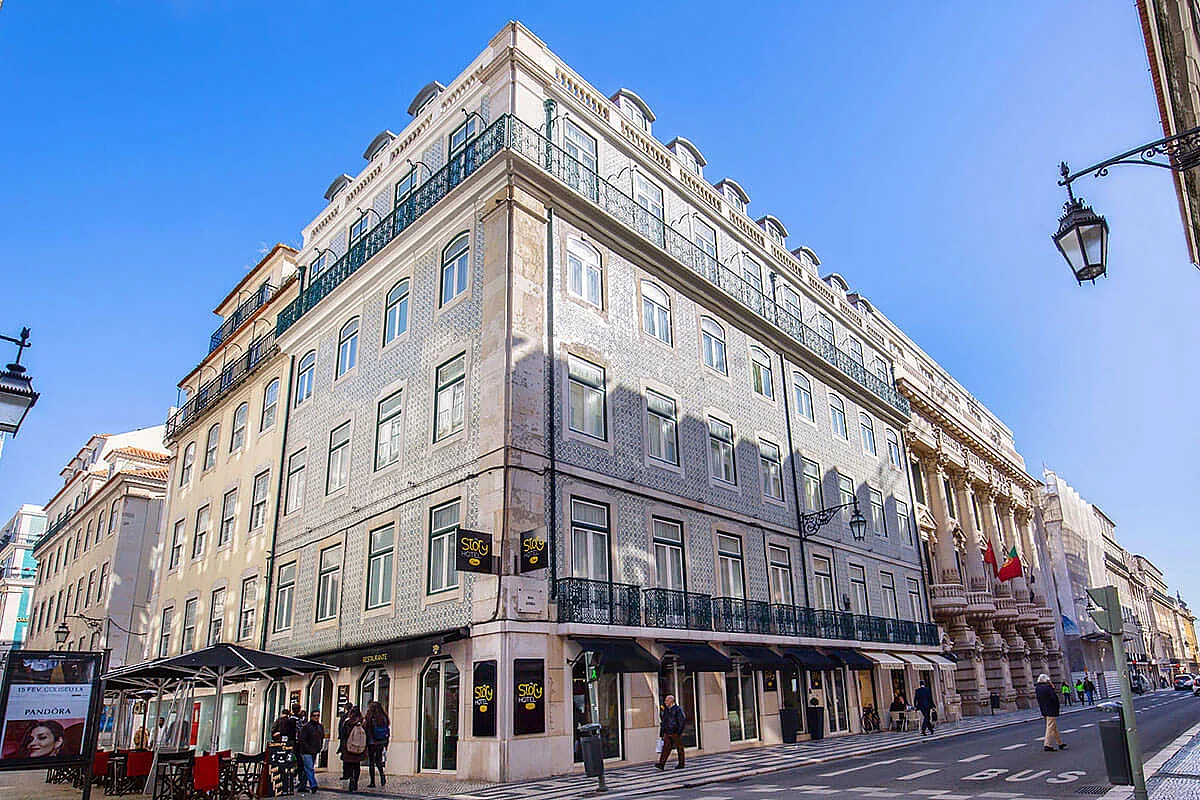
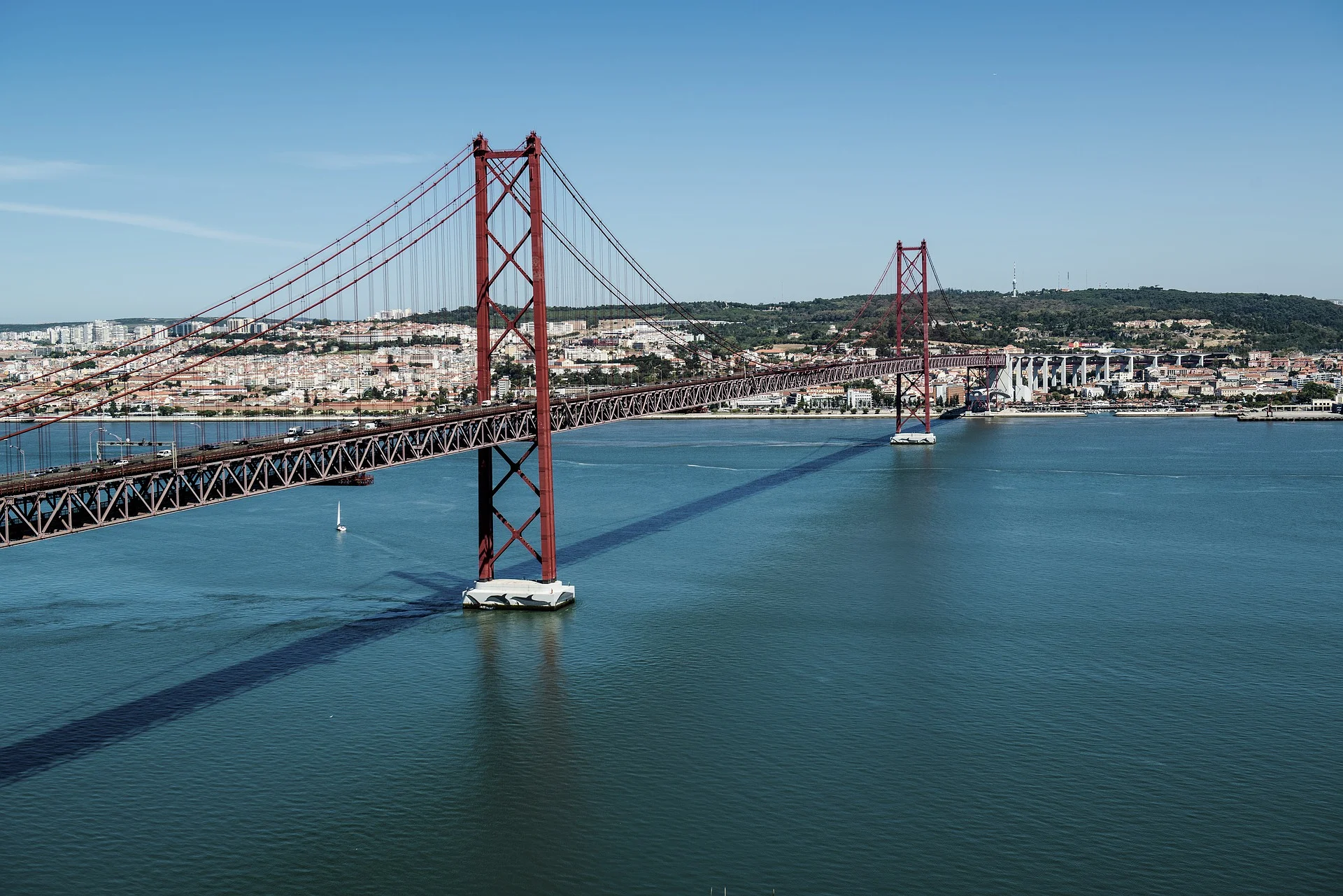
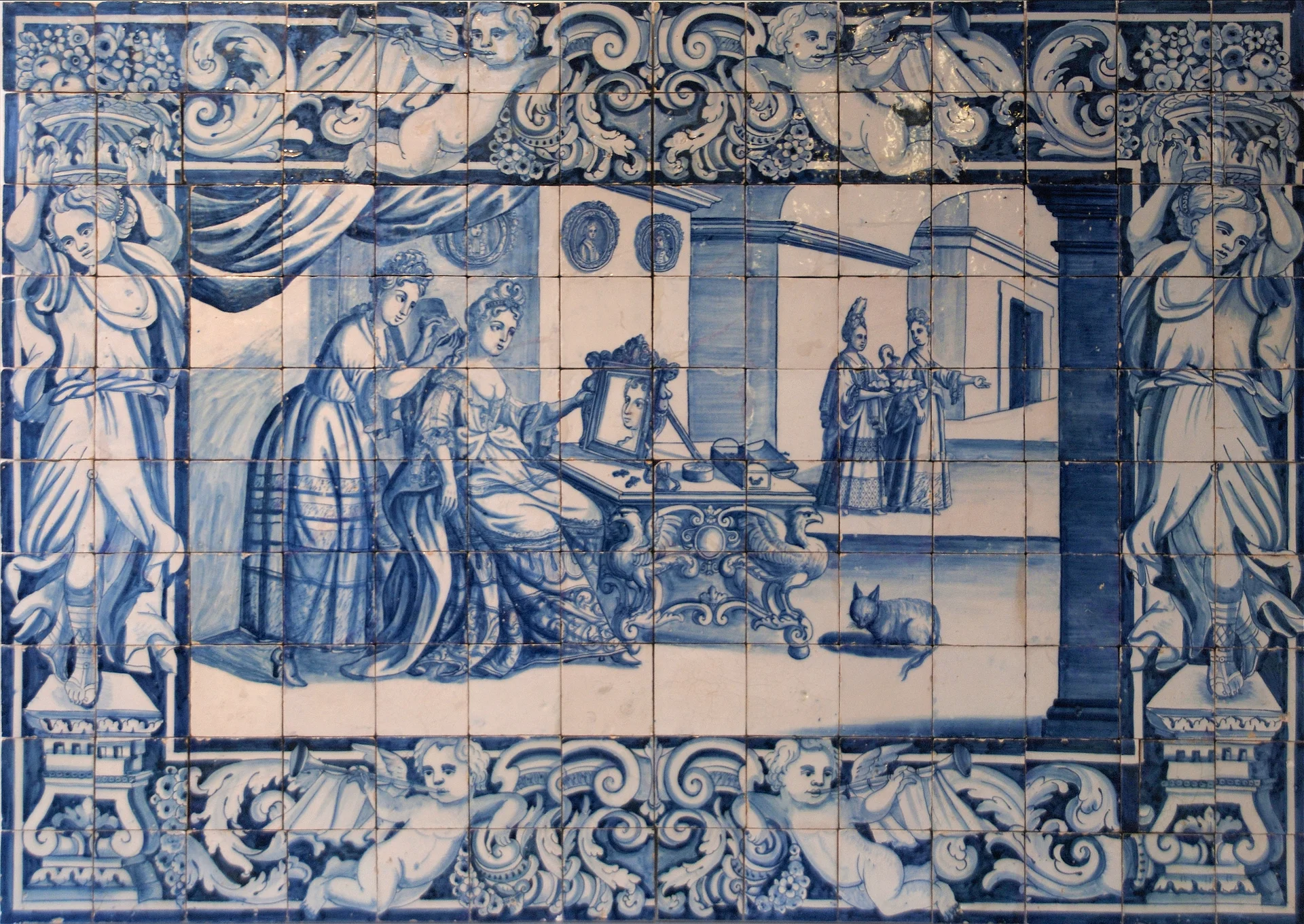
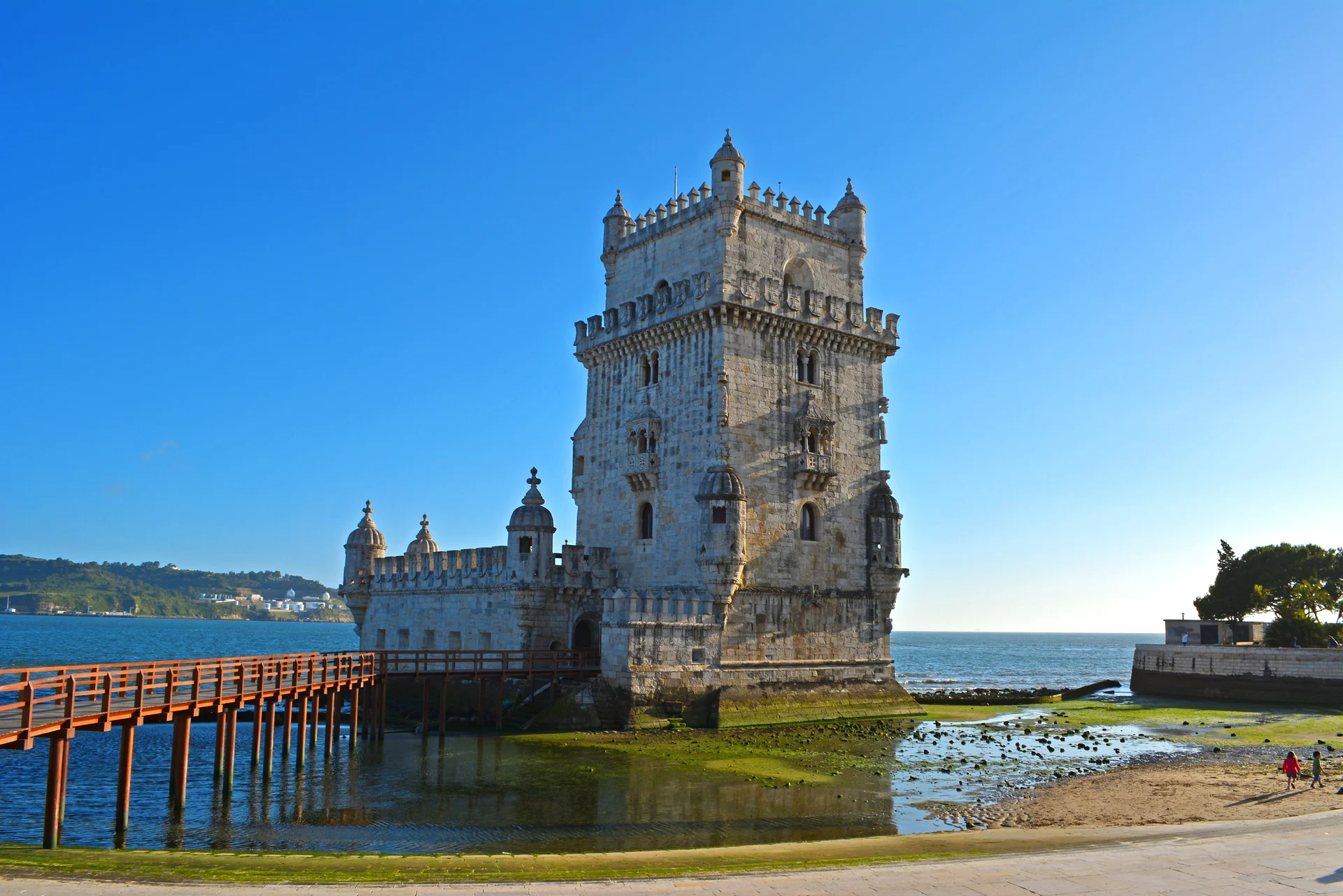
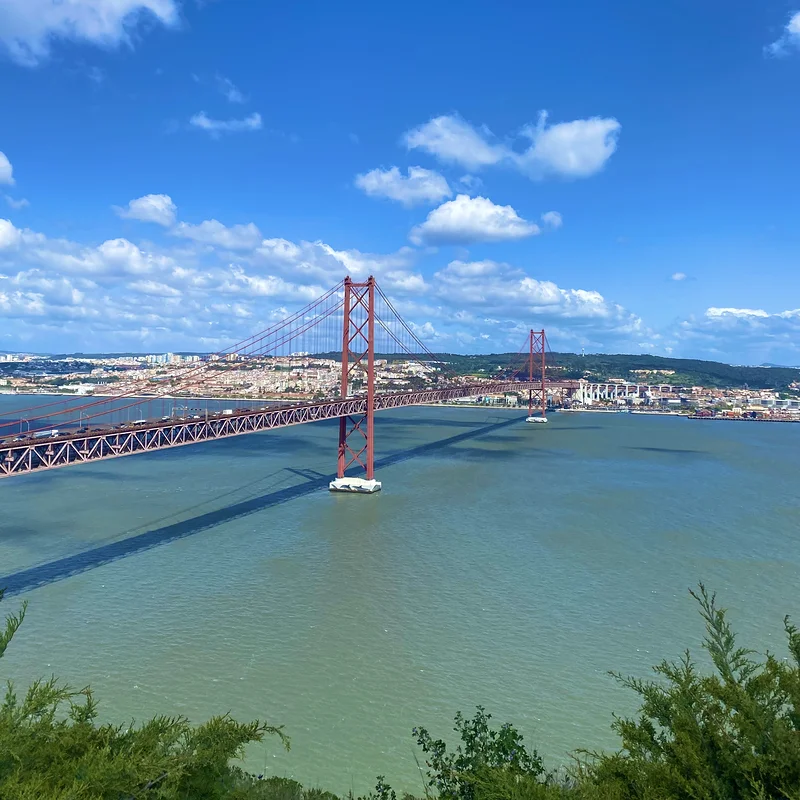
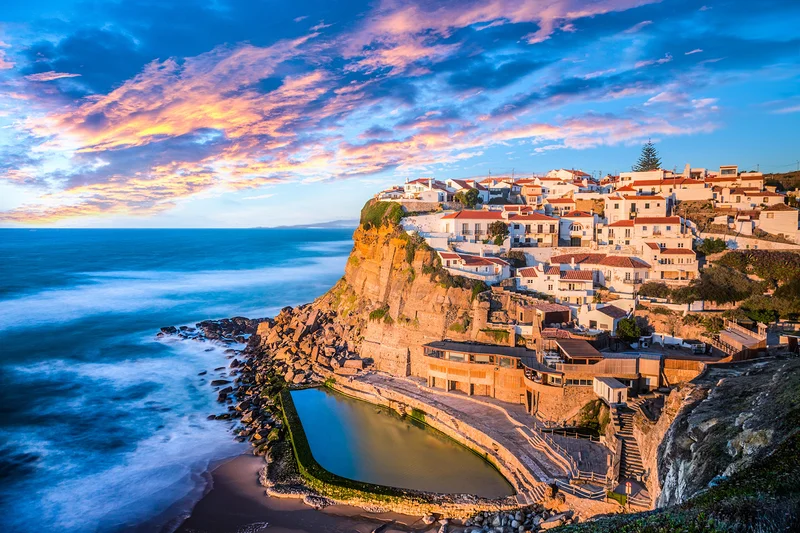
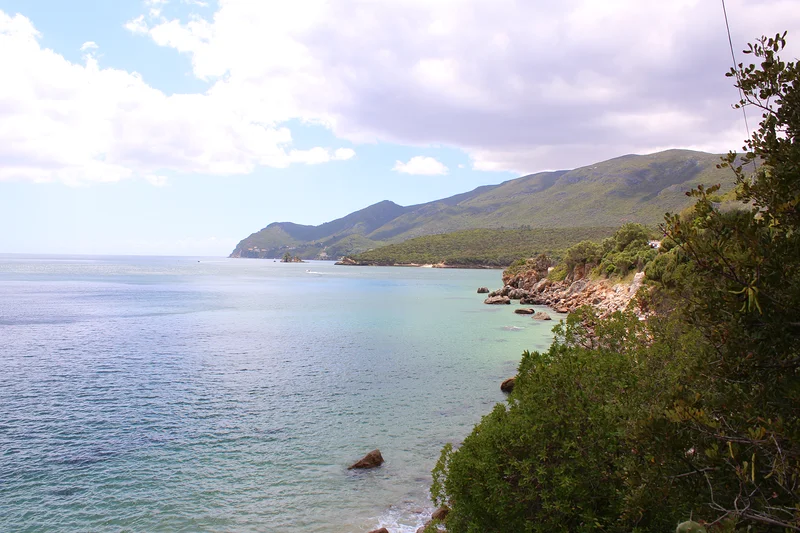
Lisbon is all in all a capital like many others, but it has a Mediterranean charm all its own. The historic center is lined with winding alleys and typical houses, many of which are covered in authentic azulejos (those classic little tiles, often white and blue). Between the city life and the seaside, I highly recommend this city for its atmosphere, its architecture, and its culture!