
Visiting the National Museum of Ancient Art
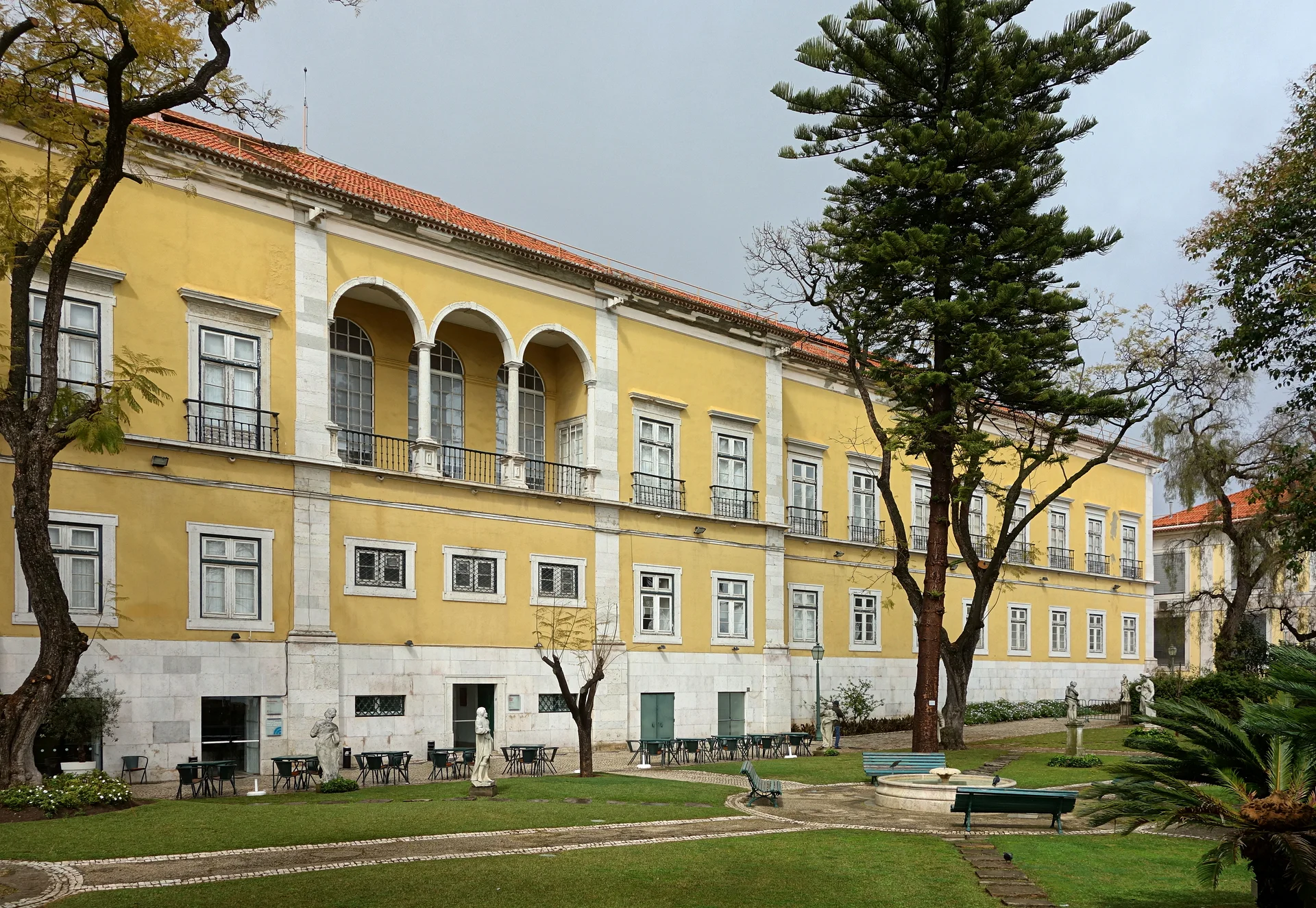
The National Museum of Ancient Art is a landmark institution in Lisbon. It sits inside a former palace known locally as the Palace of the Green Windows, which gave its name to the adjacent street. The residence was built in the late 17th century by the Count of Alvor. While the exterior remains relatively understated, the entrance features ornate baroque details. Inside, several rooms retain original ceiling paintings by the Florentine artist Vincenzo Bacherelli. Since opening in 1884, the museum has housed the most significant public collection in Portugal, now totaling over 40,000 items.
Collections shaped by history
The National Museum of Ancient Art holds numerous national treasures, many originating from the Age of Discovery during the 15th and 16th centuries. You will find Chinese ceramics, oriental art from former colonies like Goa and Ceylon, and Nanban screens brought back from Japan. The museum began acquiring its first pieces in 1835 when the Academia de Belas-Artes de Lisboa (Lisbon Academy of Fine Arts) was established, tasked with preserving religious artifacts from monasteries and convents facing closure. Later, the establishment of the Portuguese Republic led to the museum acquiring a vast collection of art previously held by the royal family.
Wealthy private donors further expanded the collection, most notably the Valmor family during the first half of the 20th century.
A window into Portuguese history and its European ties
The works gathered at the National Museum of Ancient Art trace the evolution of the country, with a particular focus on the era of the Great Discoveries. The Panels of Saint Vincent, by the Portuguese painter Nuno Gonçalves, depict sixty figures venerating Saint Vincent, including a recognizable Henry the Navigator. The entire second floor of the museum is dedicated to Portuguese painting.
Beyond local works, the museum displays a diverse array of European art, ranging from Dutch and Italian master paintings to French tapestries crafted at the Manufacture des Gobelins (Gobelins Manufactory).
Opening hours
| Monday | Closed |
|---|---|
| Tuesday | 10:00-18:00 |
| Wednesday | 10:00-18:00 |
| Thursday | 10:00-18:00 |
| Friday | 10:00-18:00 |
| Saturday | 10:00-18:00 |
| Sunday | 10:00-18:00 |
Hours data: © OpenStreetMap contributors

Very diverse collections ranging from antiquity and the Middle Ages to more recent centuries. A must-see: paintings, sculptures, but also crafts and earthenware.
Portugal's heritage is in the spotlight, but that is not all. Works from all over Europe, like The Temptation of Saint Anthony by Bosch, and from Asia are on display here.