
Visiting the National Azulejo Museum
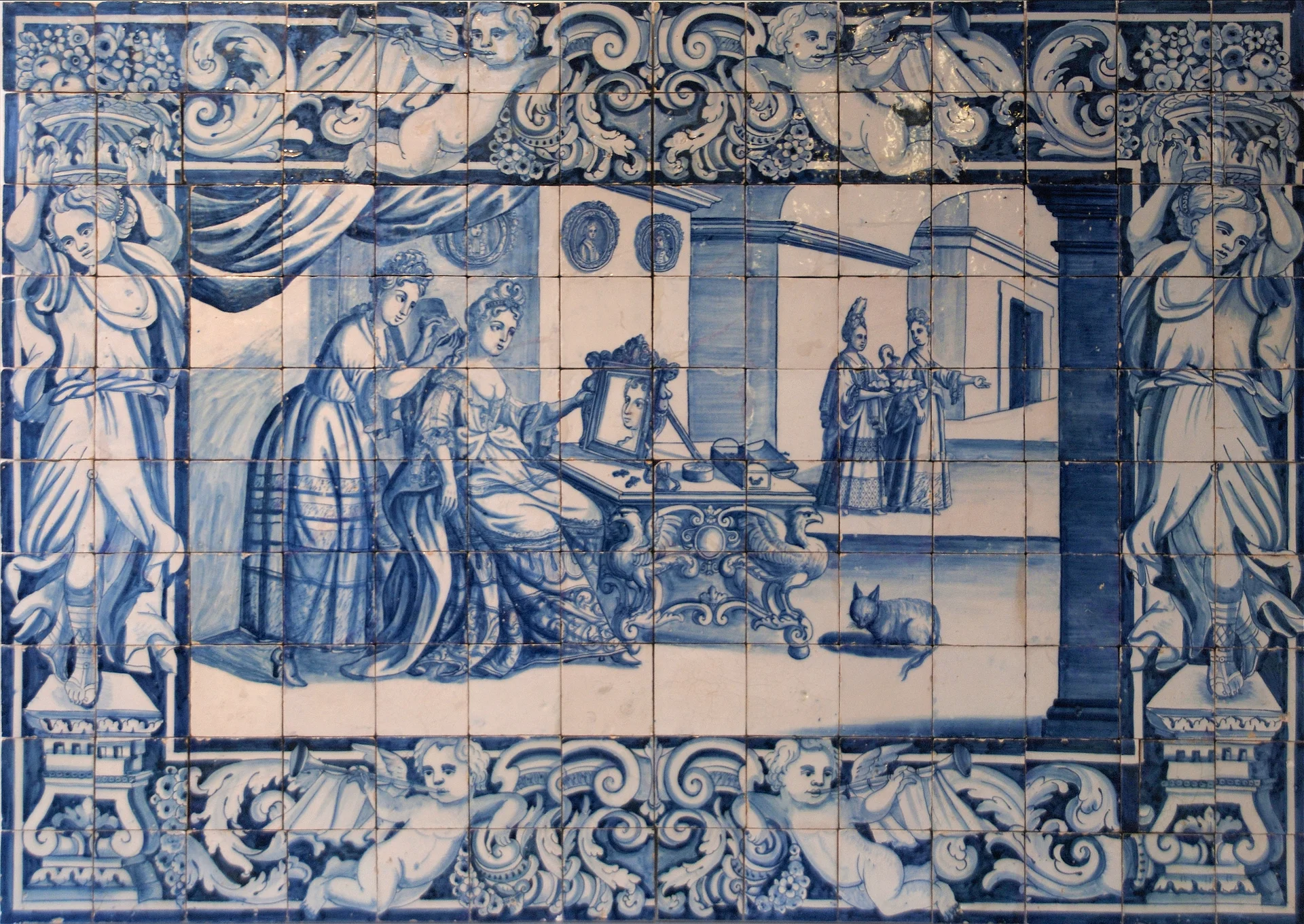
The National Azulejo Museum is located in Lisbon and documents an artistic practice iconic to Portugal, the production of azulejos. These small earthenware tiles, often featuring blue and white tones, appear throughout the country. You will see them on church walls, inside homes, and across the facades of public buildings. Tile painting originated as an Arab craft, introduced following the Moorish occupation of Portugal and Spain that began in the 8th century. Over time, the azulejo became a staple of wall ornamentation across the nation.
Understanding the history of azulejos, a Portuguese national art
Large-scale production of azulejos began in Portugal in the early 16th century. They were valued for their decorative appeal, their practicality, and their ability to keep homes cool during the summer. The National Azulejo Museum covers 500 years of history for these tiles, extending into the contemporary era. The collection features a wide range of colors and pieces, including works from the Arab world and from Delft, a Dutch city known for its production of small blue tiles.
The centerpiece of the collection is a panel measuring over 23 meters (75 feet) created in 1735. It depicts Lisbon as it existed before the 1755 earthquake destroyed much of the city. The entire work consists of 1,300 individual tiles.
The former Madre de Deus Convent
The museum occupies the former Madre de Deus Convent (Mother of God Convent), which was founded in 1509 by order of Queen Leonor. The church itself is filled with azulejos, gilded carvings, and paintings depicting the life of Saint Francis. The interior creates a vibrant display of color in a distinctly Baroque style.
Opening hours
| Monday | Closed |
|---|---|
| Tuesday | 10:00-13:00, 14:00-18:00 |
| Wednesday | 10:00-13:00, 14:00-18:00 |
| Thursday | 10:00-13:00, 14:00-18:00 |
| Friday | 10:00-13:00, 14:00-18:00 |
| Saturday | 10:00-13:00, 14:00-18:00 |
| Sunday | 10:00-13:00, 14:00-18:00 |

I saw these pretty azulejos all over Lisbon and I was curious to learn more about them by visiting this museum. I was not disappointed. The collections are rich and magnificent. I loved the phenomenal fresco of Lisbon, which measures more than twenty meters. With a didactic and historical tour, the museum helped me discover a true art of tile making that has transformed throughout the ages. A local cultural heritage site not to be missed.