
The Monument to the Discoveries at a glance
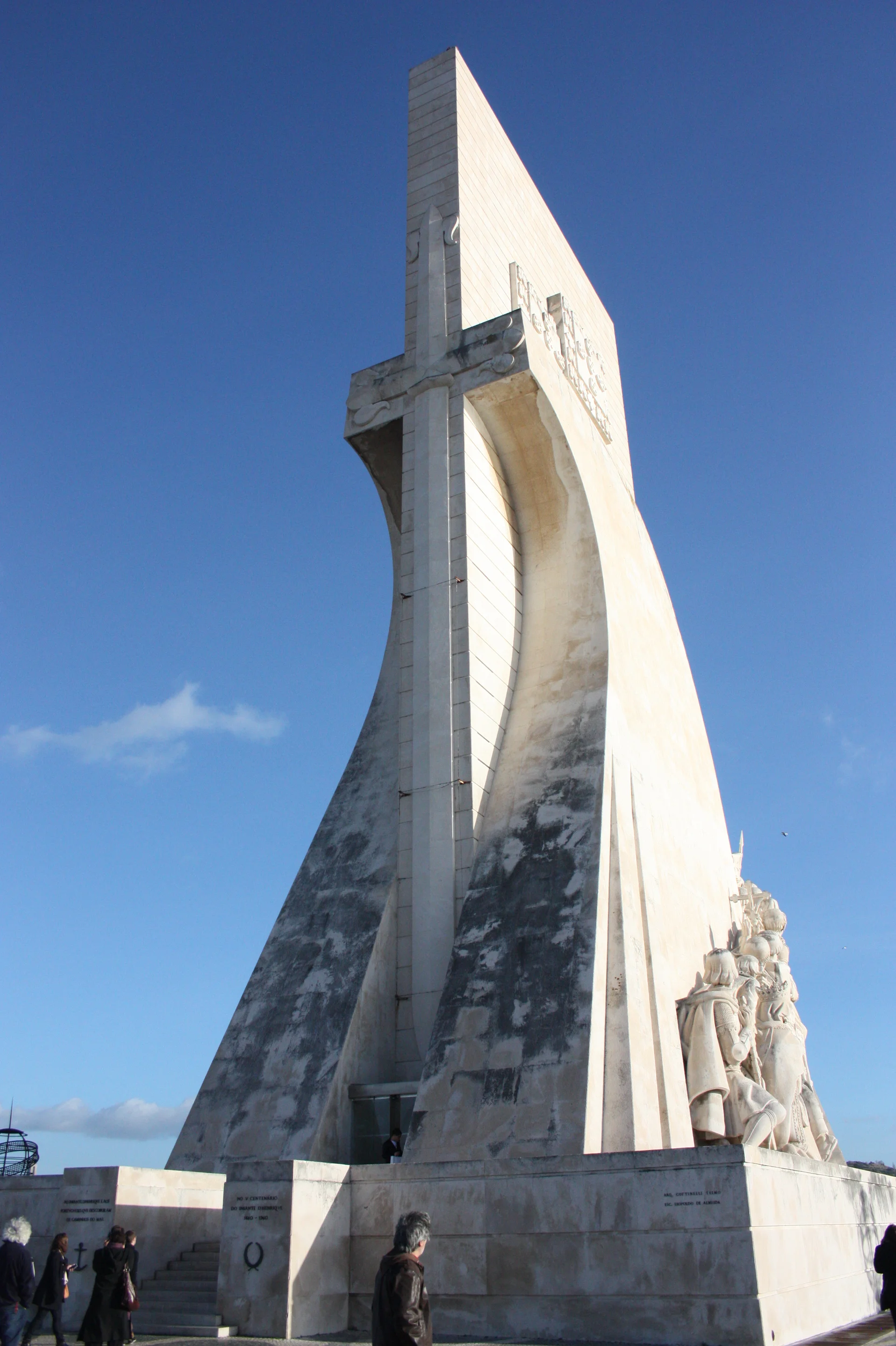
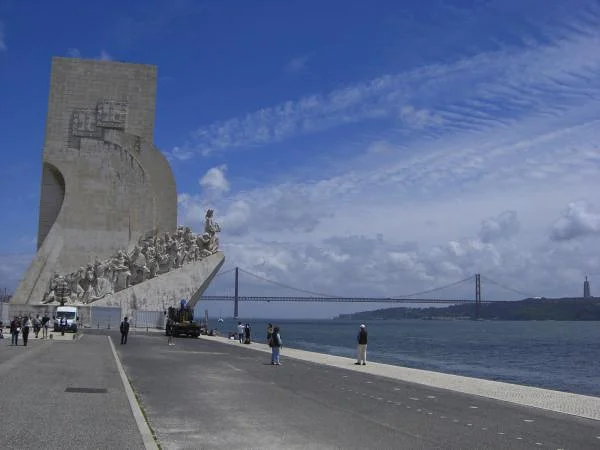
Located in the Belém neighborhood of Lisbon on the banks of the Tagus River, right across from the famous Mosteiro dos Jerónimos (Jeronimos Monastery), the Padrão dos Descobrimentos, or Monument to the Discoveries, is a striking, elegant modern sculpture made of ochre stone in the shape of a caravel. You can climb the stairs to reach the platform 50 meters above the ground or take the elevator. At sunset, the panoramic view over the Tagus and the 25 de Abril Bridge is excellent.
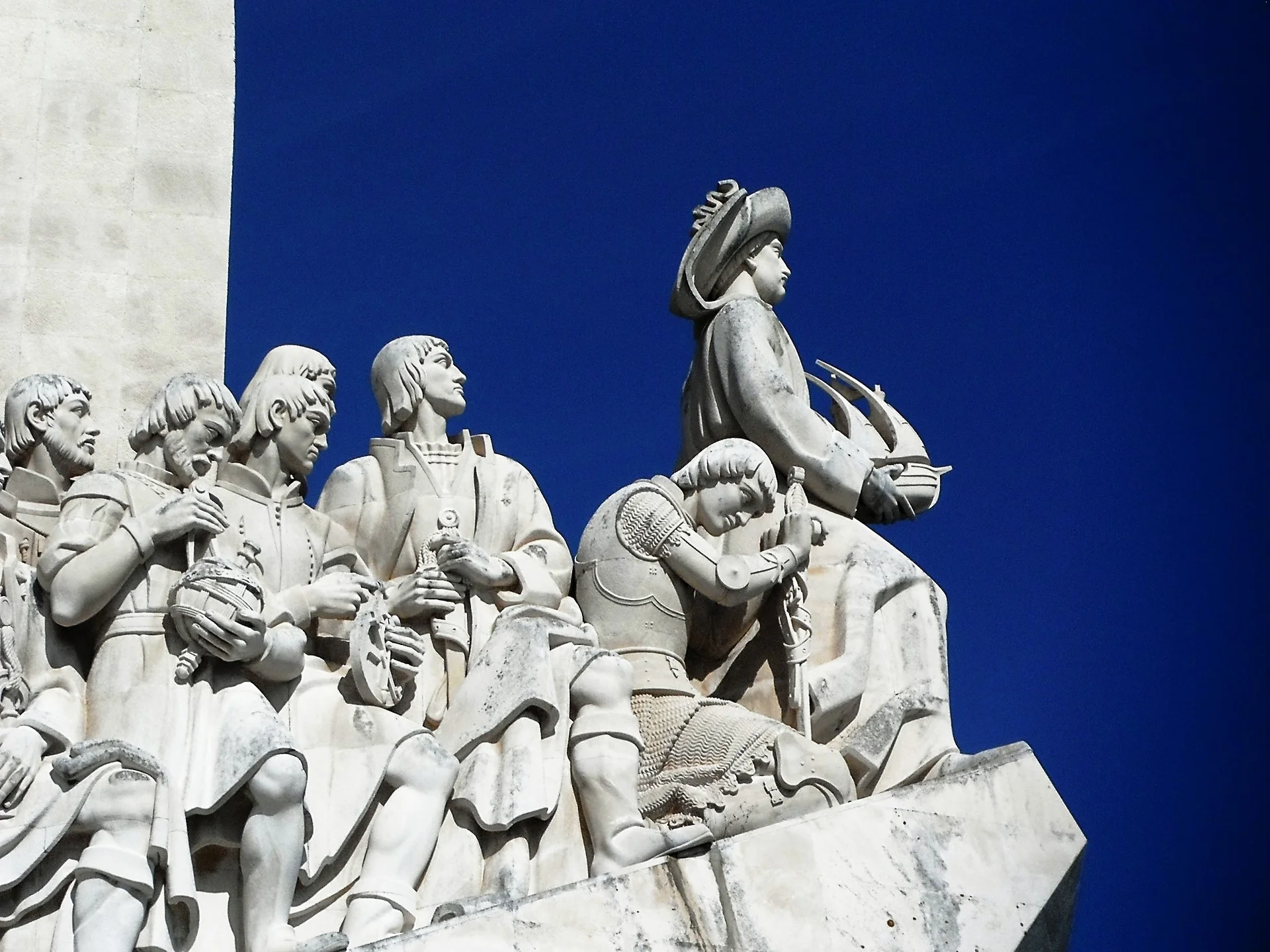
Built in 1940 by José Ângelo Cottinelli Telmo built from perishable materials, it was dismantled in 1958 and rebuilt in stone and concrete, inaugurated in 1960 to commemorate the 500th anniversary of the death of Henry the Navigator, an iconic figure of the colonial era. By extension, it pays tribute to all the great Portuguese navigators, whose statues you will see reproduced in detail. Among them are Vasco da Gama, Magellan, Bartolomeu Dias, Fernão Mendes Pinto, Pedro Álvares Cabral, Pero da Covilhã, and Luís de Camões, all in a procession behind Henry the Navigator, who stands at the prow holding a small sailing vessel in his hands.
The term padrão refers to a stone pillar topped with a Portuguese coat of arms or a cross. These were used in unknown territories to mark new discoveries. The first padrão used was that of Diogo Cão in 1482 at the mouth of the Zaire River.
As you head back down, take a close look at the mosaic spread out at the base of the building. On this world map, you can learn about the key dates of Portuguese exploration. To the north, a large compass rose completes the scene, detailing the routes taken during the 15th and 16th centuries.

I didn't expect to like this monument so much. Dedicated to the great explorers of Portugal, especially Infante Henry, this massive sculpture in the shape of a caravel is packed with details when you look at it up close. Perfectly integrated into its surroundings with the bridge in the background, it provides some really great photo opportunities. I recommend going to the top to admire Belém and especially the magnificent compass rose mosaic located on the plaza.