
Pena Palace: When an Artist-King Reinvented the Fairytale Castle
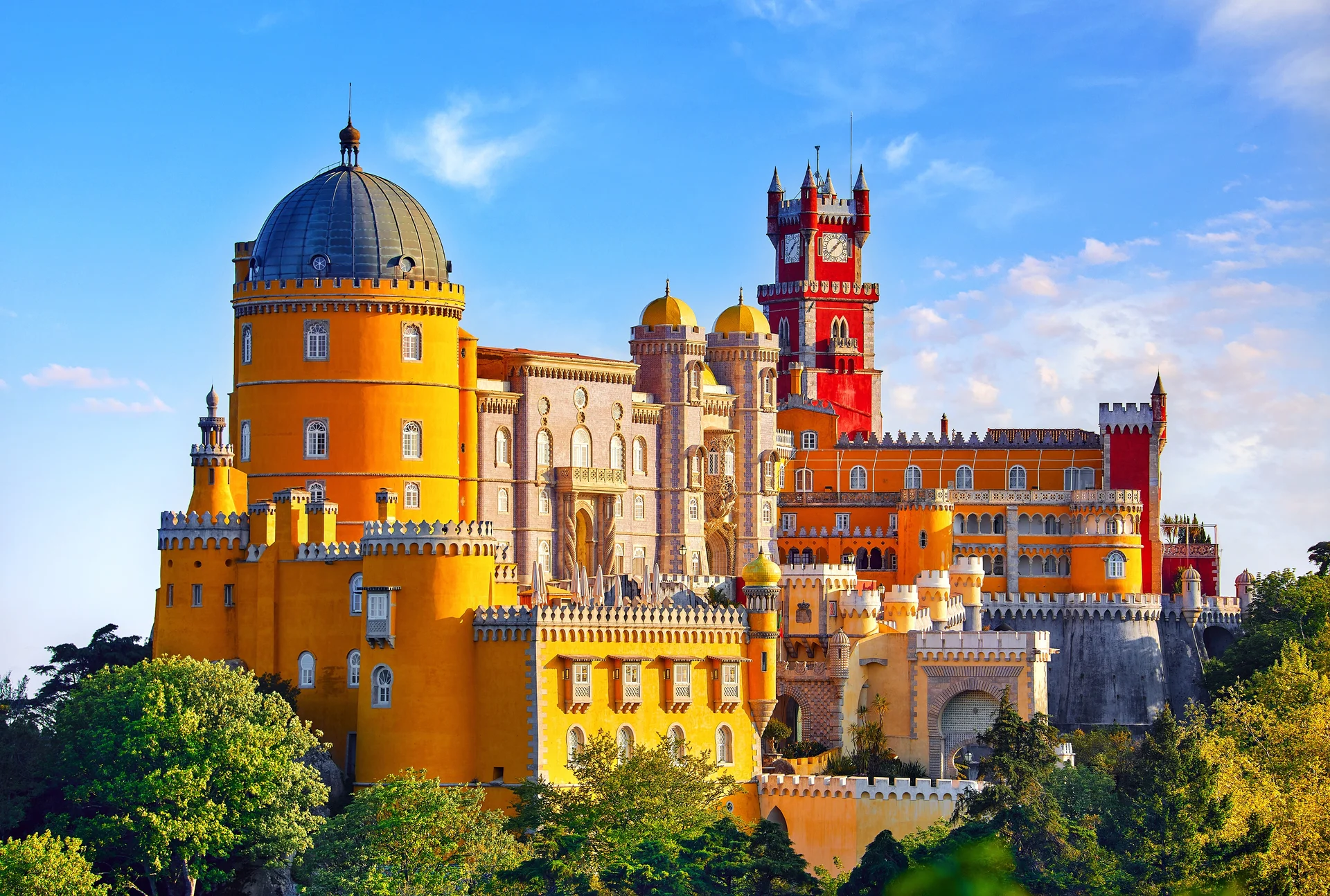
The yellow and red towers emerge from the morning mist like an unreal apparition. At 500 meters of altitude perched on a rocky spur of the Serra de Sintra, Pena Palace defies every architectural convention. It is neither entirely a medieval castle nor truly a baroque palace. It is the dream of a man utterly in love with a place.
Why visit Pena Palace?
This palace was the first romantic building in Europe, constructed thirty years before Ludwig II of Bavaria's famous Neuschwanstein. In 1838, the Prince Consort Ferdinand II of Portugal, of German descent, fell under the spell of the ruins of a Hieronymite monastery devastated by the 1755 earthquake. He decided to build his summer residence there and entrusted the project to the engineer Wilhelm Ludwig von Eschwege.
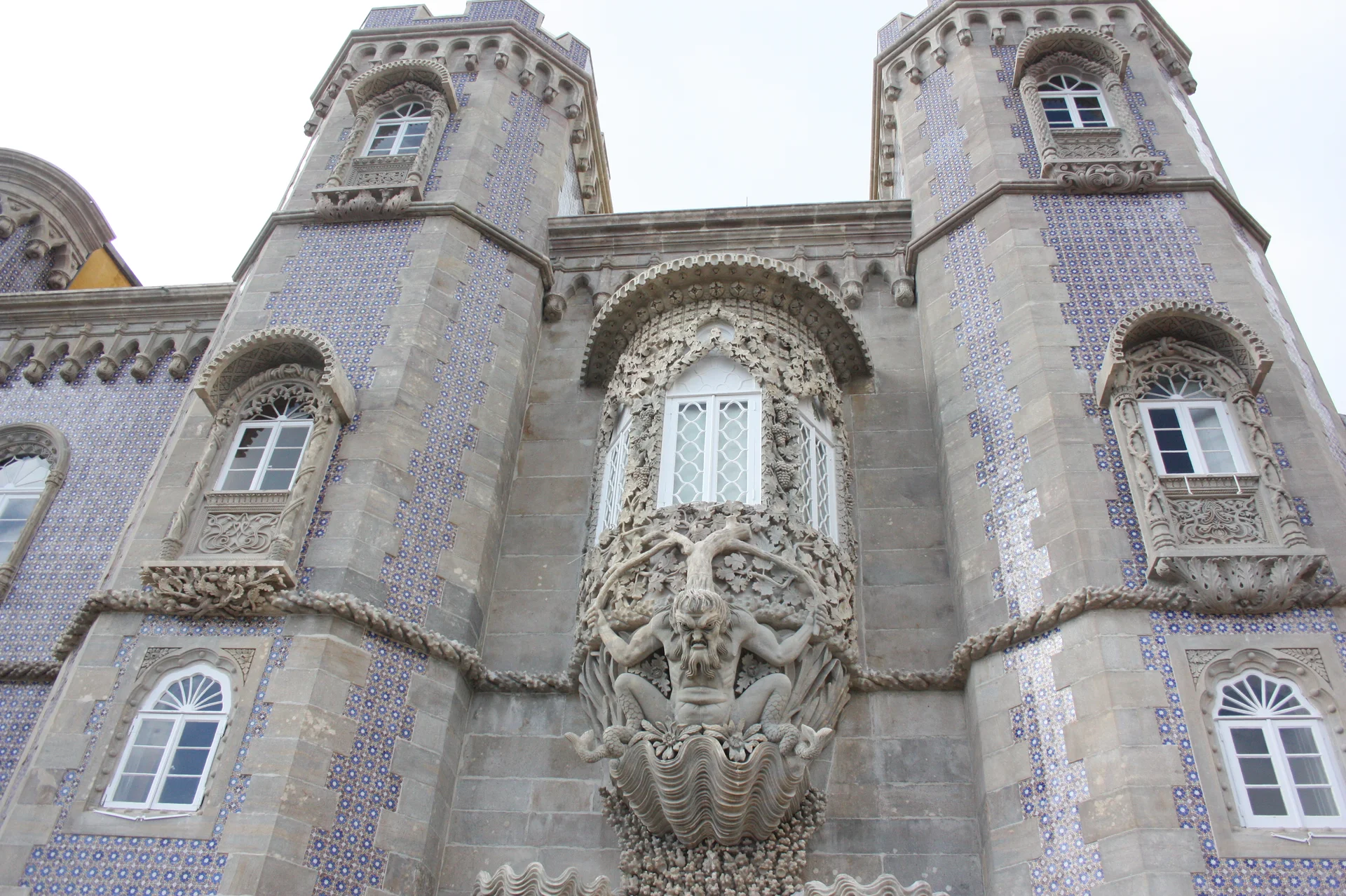
The result is a deliberate patchwork of neo-Gothic, neo-Manueline, neo-Islamic, and neo-Renaissance styles. UNESCO listed the complex as a World Heritage Site in 1995, and the Portuguese voted it among the Seven Wonders of Portugal in 2007. On a clear day, you can spot its silhouette from Lisbon.
Architecture and Extravagances
The Multicolored Facades
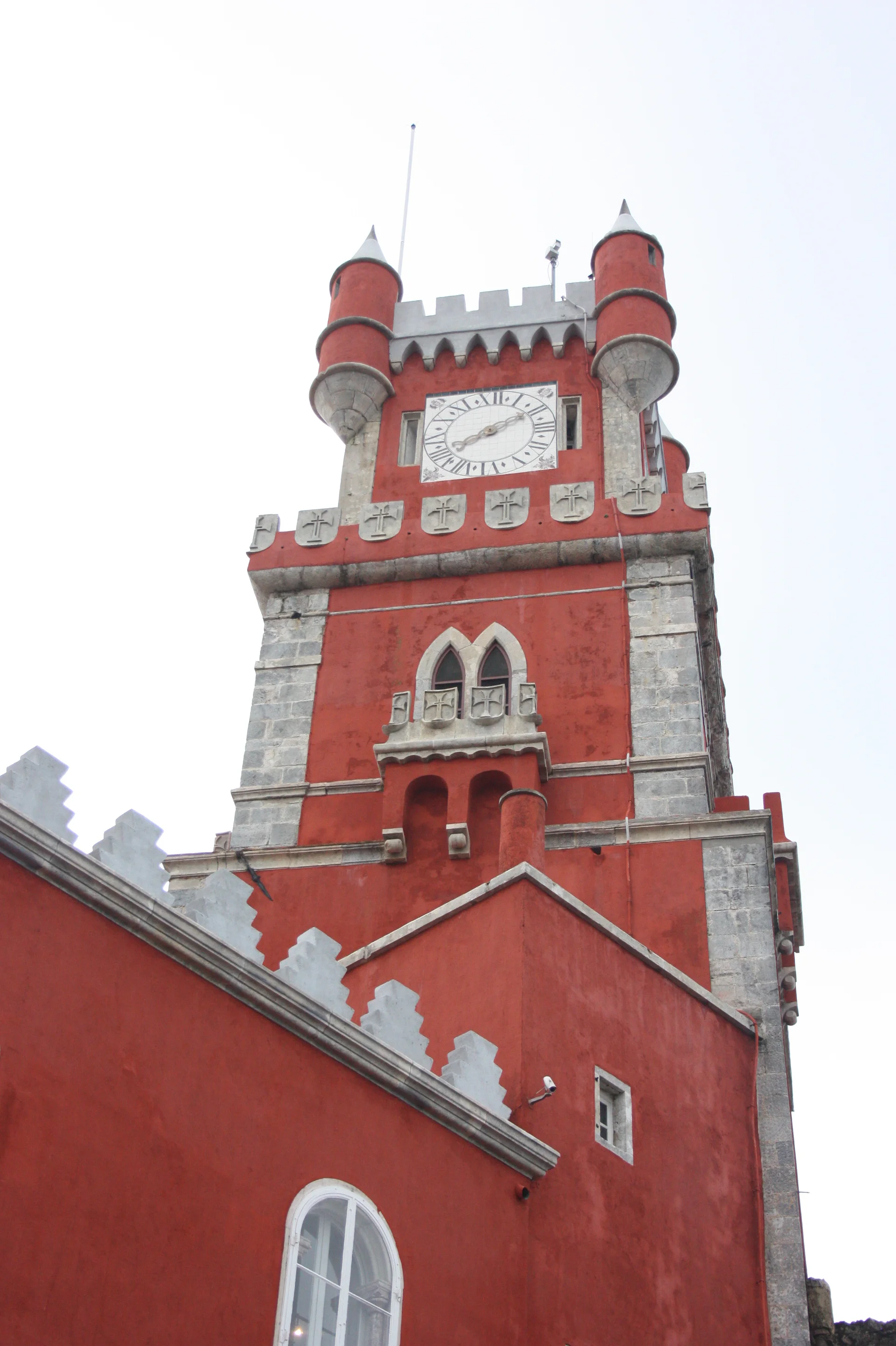
The red and yellow that make the palace famous are actually a return to its origins. For decades, the facades had turned gray before being restored to their original hues in the late 20th century. The visual effect is striking against the lush vegetation surrounding the building.
Terraces and Viewpoints
The Queen's Terrace, facing due south, offers a dizzying panorama of the Atlantic coast and the Sintra plain. The rampart walk allows you to make a complete circuit of the rock on which the palace rests. The mist that often wraps around the hills adds an almost fantastical dimension to the experience.
Friendly tip: In the afternoon, after 3 PM, the crowds drop noticeably as organized tour groups leave the site. The 9:30 AM morning slots remain popular but offer ideal lighting for photos.
The Interior Rooms
The interior of the palace reveals Ferdinand II's eclectic tastes. The Arabic Room displays his collection of oriental porcelain beneath Gothic chandeliers and Central European stained glass windows. The chapel preserves a 16th-century altarpiece signed by Nicolau de Chanterene. The royal apartments have kept their period furniture, right down to the kitchens where you can see copper utensils engraved with the initials "PP" for Pena Palace.
The guided tour of the interior takes about 45 minutes. The rooms are narrow and visitors move in single file during busy periods.
The Park of 500 Species
Ferdinand II did not just build a palace. He created a 200-hectare arboretum around it where California redwoods, Lawson cypresses, Chinese ginkgos, and Australian tree ferns grow side by side. The humid climate of the Serra de Sintra allows this exotic vegetation to thrive.
Park highlights:
- The Chalet of the Countess of Edla, built for Ferdinand II's second wife, whose facade is decorated with local cork
- Cruz Alta, the highest point of the Serra at 528 meters of altitude
- The Valley of the Lakes, particularly photogenic in the spring
- The camellia garden, in bloom from November to March
Plan on wearing good walking shoes. From the park entrance up to the palace, expect a 30-minute uphill walk on foot. A paid shuttle runs every 15 minutes for those who prefer to save their energy.
Opening hours
Palace: From 9:30 AM to 6:30 PM (last entry 5:30 PM).
Closed December 24, 25 and December 31, January 1.
During high season (June to September), hours are sometimes extended until 7:00 PM.
*Information subject to change

It is a truly unique palace, with all its colors and architecture that is surprising to say the least.
It is impressive because it was built on a hill, which means you can see it from far away.
I highly recommend you take a guided tour so you do not miss any of the history of this place, and especially to avoid the endless line in the summer.