
Visiting Porto, the City Where the Douro Shapes History
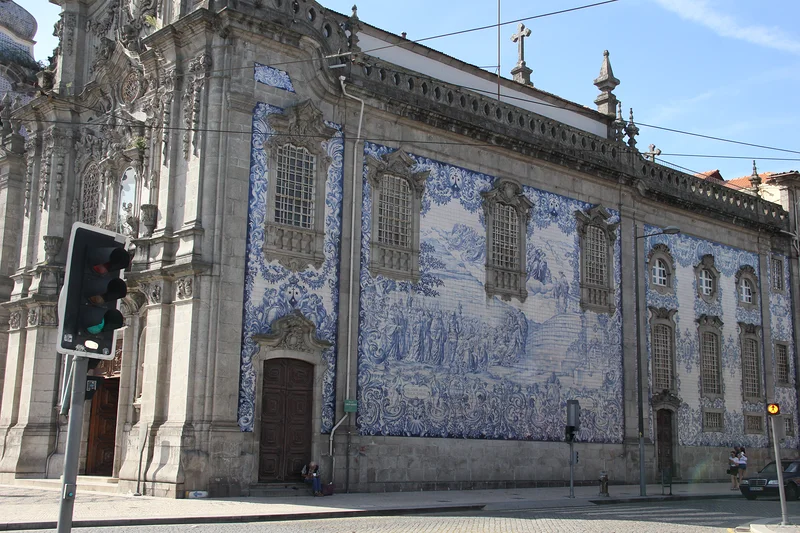
The river cuts its path between two steep hills, the iron bridge stands out against the sky, and everywhere, facades covered in blue azulejos and wrought-iron balconies tell stories of centuries of maritime daring. Porto is not a museum city frozen in its past. It is a living organism where wine flows in the ancient cellars of Vila Nova de Gaia, where the alleys of the Ribeira echo with the hum of outdoor terraces, and where every street corner holds a surprise, whether architectural or culinary.
A Destination for Lovers of Authenticity and Character
The city is easy to explore on foot despite its steep terrain, making it ideal for curious and patient walkers. Porto speaks to romantic souls who appreciate melancholic atmospheres, to fans of baroque architecture and maritime history, and to food lovers ready to venture into small family taverns. If you avoid the overwhelming crowds of certain European capitals, good news: Porto is less touristy than Lisbon.
On the other hand, fans of tropical beaches and extended swimming will be disappointed. The Atlantic Ocean stays chilly even in summer. Travelers with reduced mobility will find the historic center difficult to navigate with its steep slopes and uneven cobblestones. Finally, if you hate rain, avoid the period from November to March, which is particularly wet.
An Accessible Budget for a European City
The cost of living in Porto is lower than in major French cities. For lodging, expect $45 to $68* a night for a two-star double hotel room. When it comes to dining, a full lunch costs between $12 and $17*, and $23 to $34* for dinner at a traditional restaurant. The metro and public transit are very affordable, and many outdoor activities are free.
Baixa and the Beating Heart of Porto
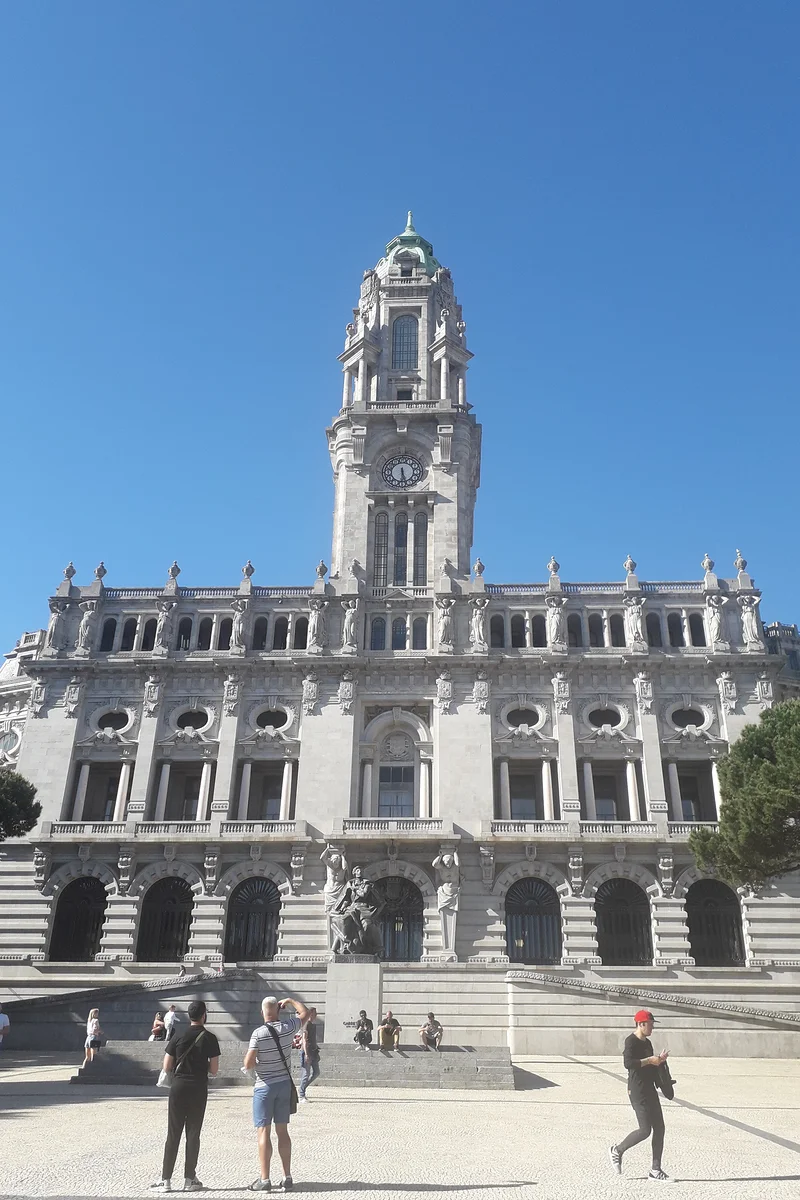
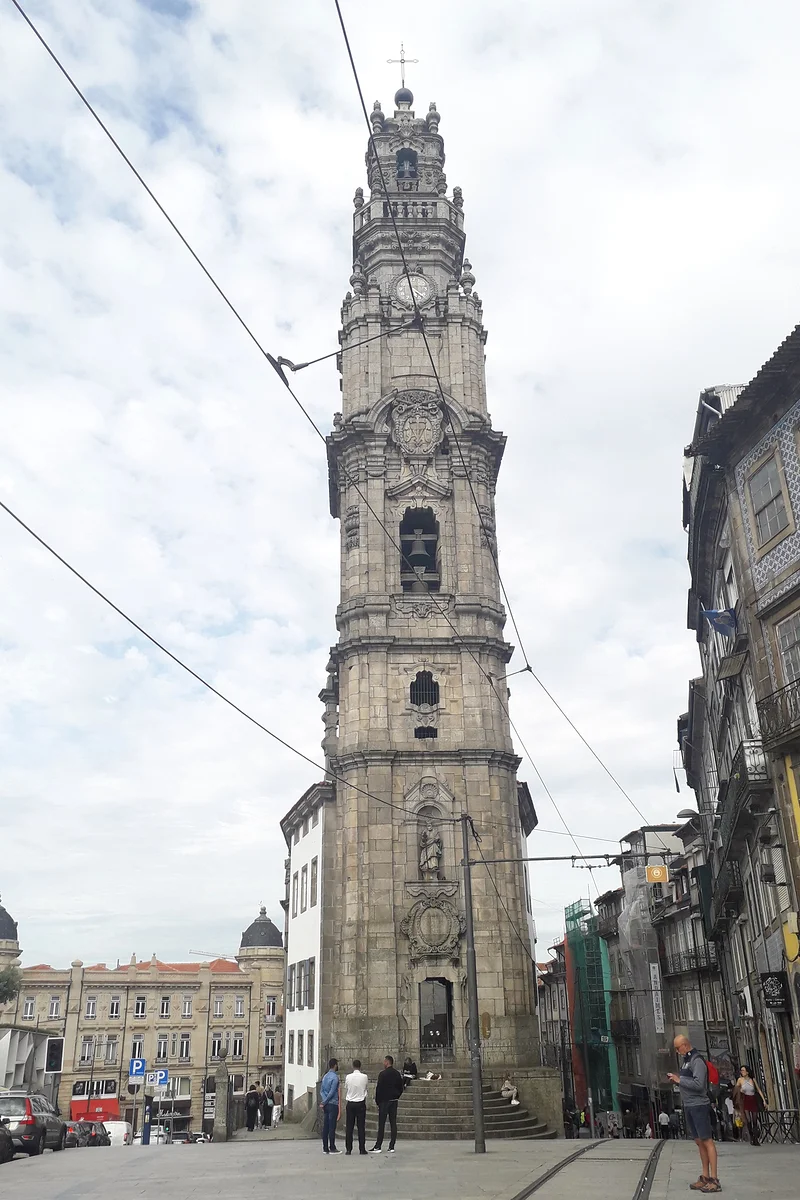
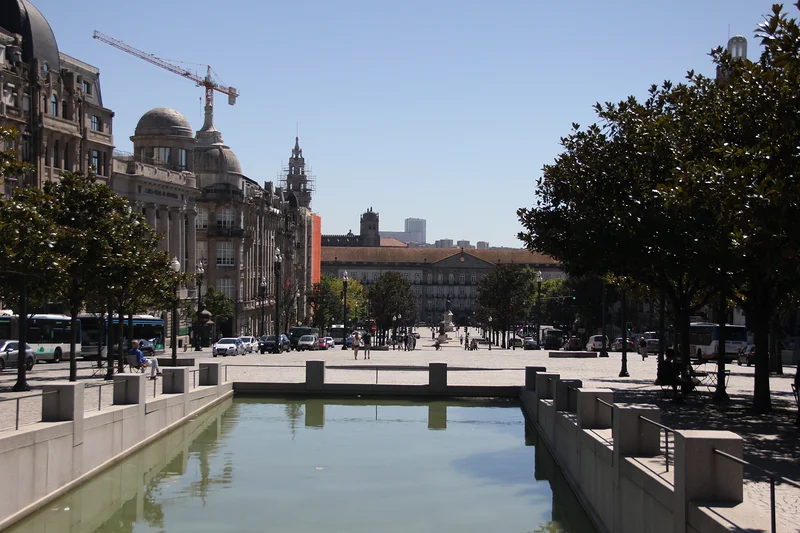
The Baixa neighborhood concentrates some of the most iconic monuments around the imposing Avenida dos Aliados. This grand avenue, lined with Beaux-Arts buildings, leads to City Hall and serves as the stage for major city celebrations. Just a few steps away, the 18th-century Torre dos Clérigos offers one of the best views over Porto after climbing its 240 steps.
Do not miss the São Bento train station, a true gem whose entrance hall is tiled with over 20,000 azulejos tracing the history of Portugal. On Rua Santa Catarina, a lively shopping street, stop by the Café Majestic, an Art Nouveau institution where time seems to stand still. The Lello bookstore, with its flamboyant red staircase and neo-Gothic woodwork, is said to have inspired J.K. Rowling for Harry Potter.
Friendly tip: Book your time slot for the Lello bookstore online several days in advance, especially in high season. Crowds are substantial, and the wait can exceed an hour without a reservation.
The Ribeira and the Douro Quays
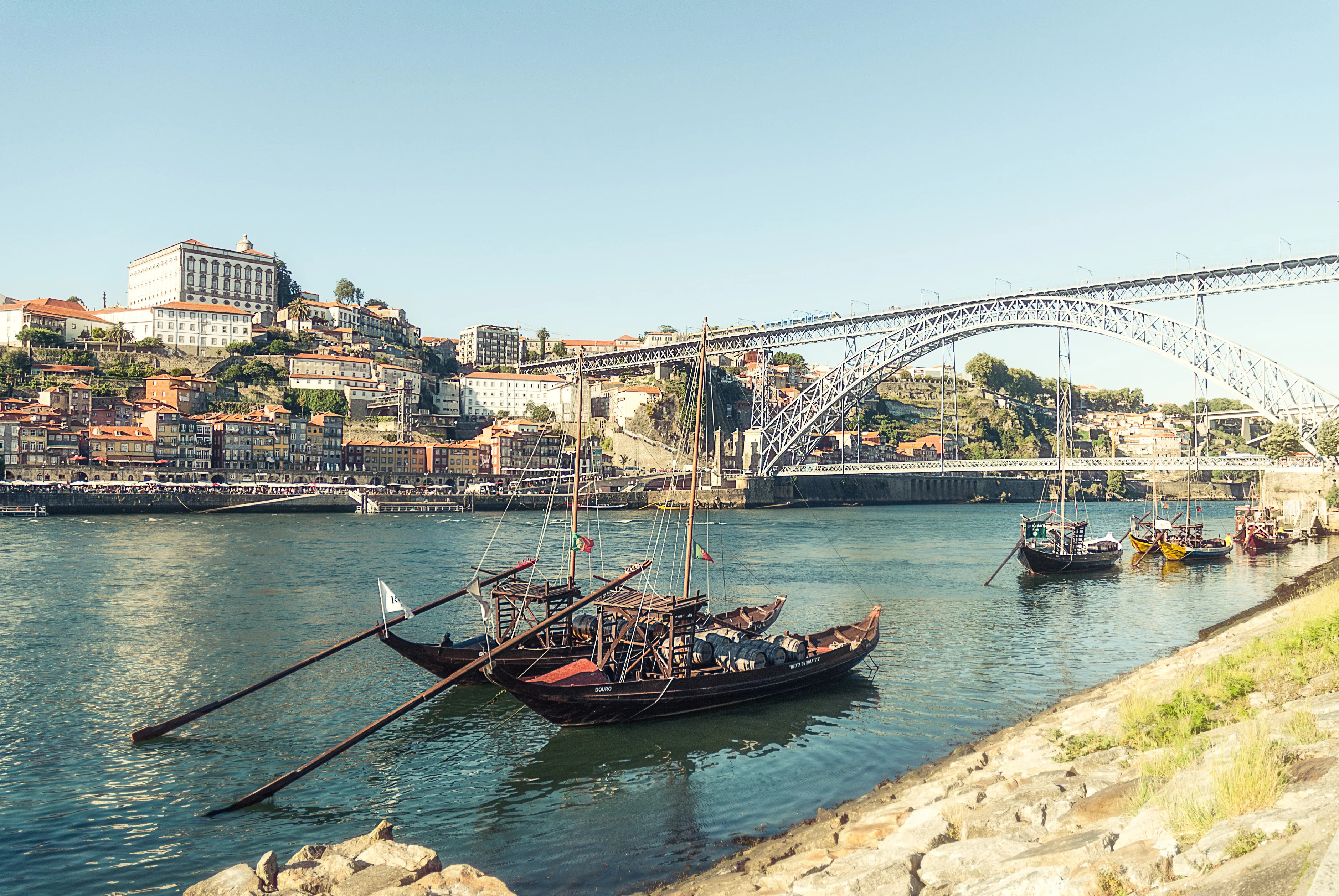
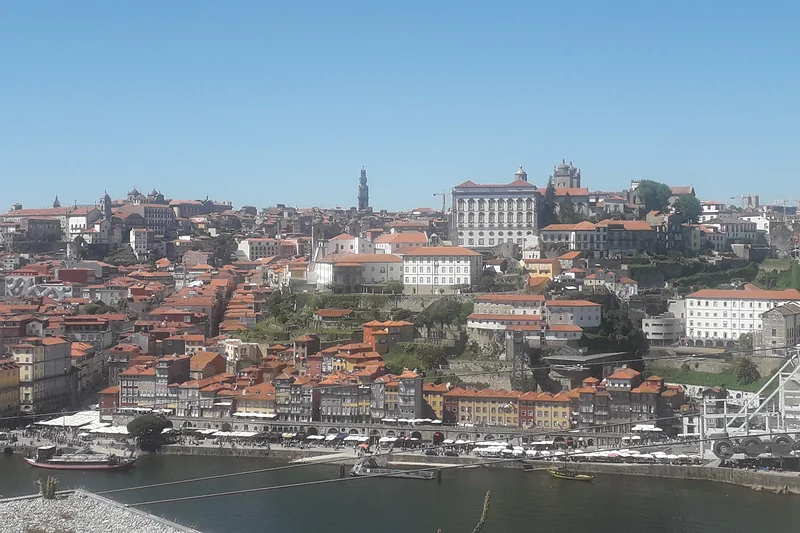
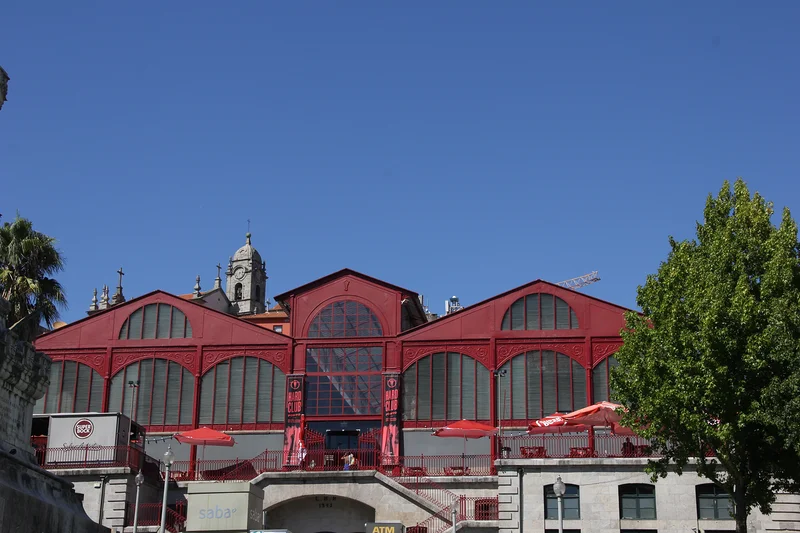
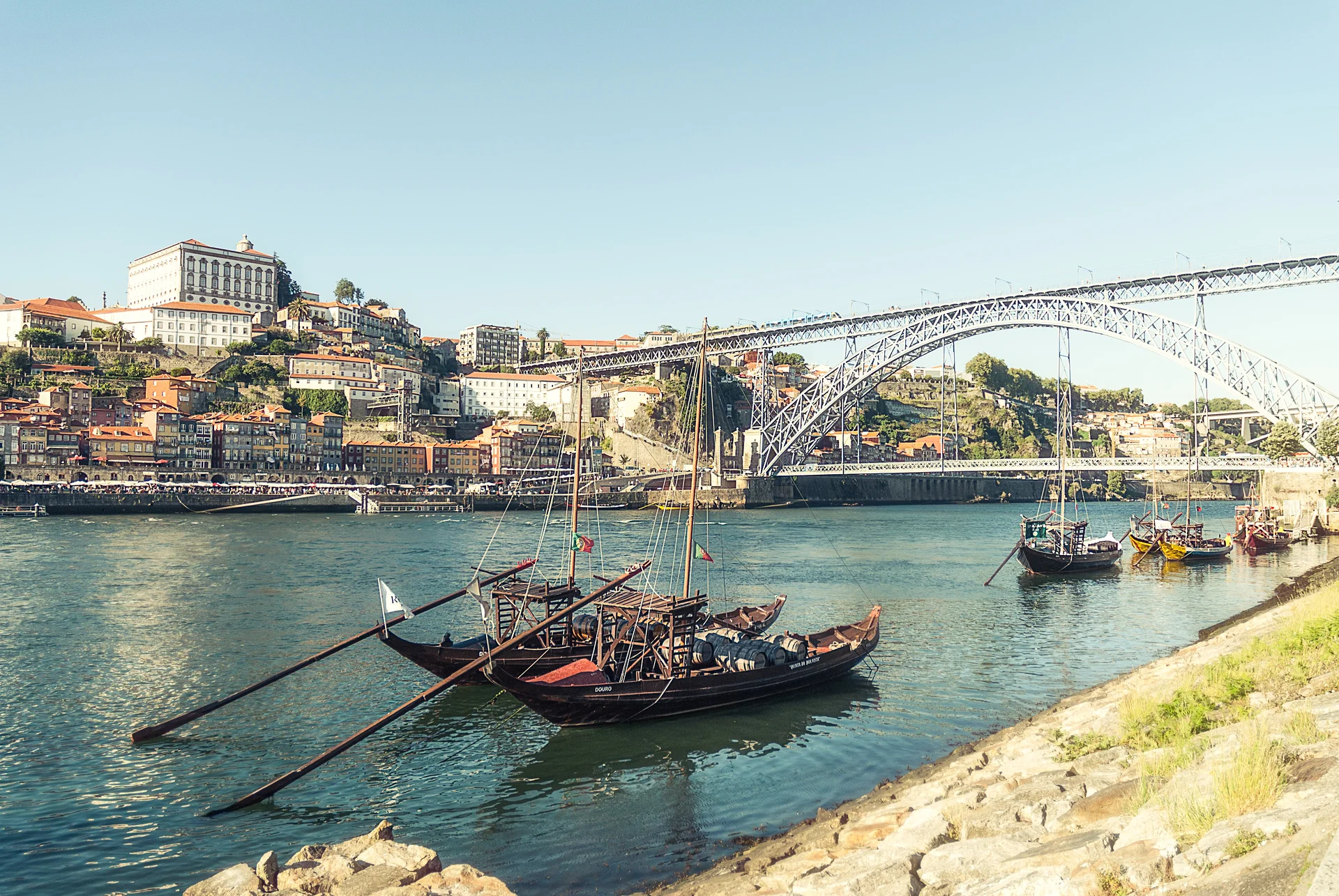
The Ribeira neighborhood is packed with treasures to discover, featuring narrow alleys winding between tall houses painted in bright pastel shades or decorated with azulejos. This is postcard Porto, the one from dream photos, but it is also the most crowded. Head down to the riverbanks where wine bars and restaurants line up, all facing the permanent show of the Dom Luís I Bridge.
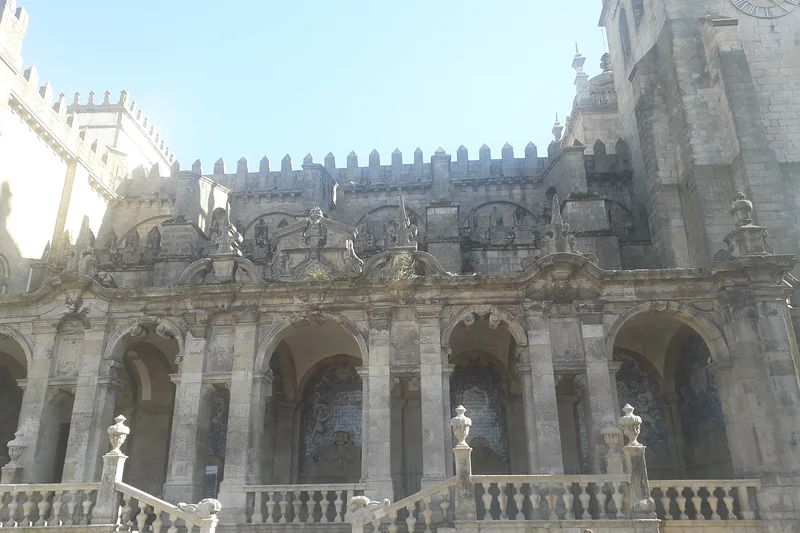
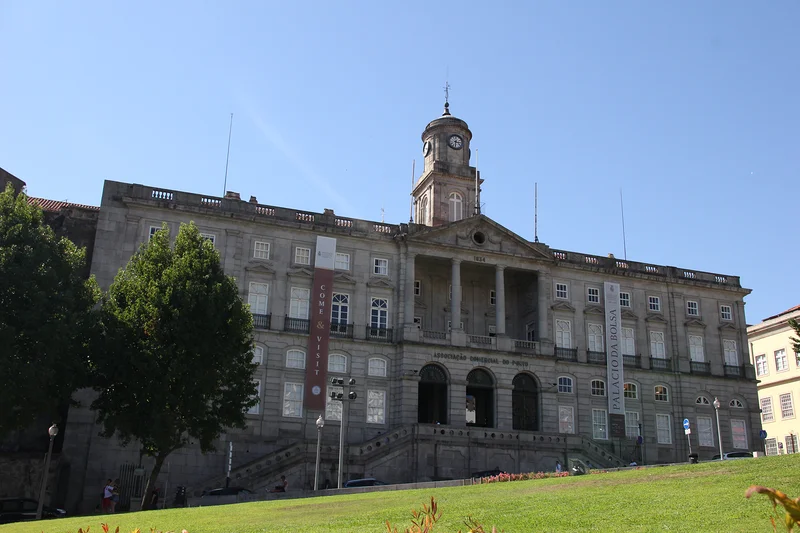
Climb up to the Sé Cathedral, a medieval fortress that has dominated the city since the 12th century. From its forecourt, the sweeping view over the ochre rooftops of Ribeira and the silvery river is worth the climb alone. Higher up in the neighborhood, the Palácio da Bolsa, the former stock exchange palace, dazzles with its extravagantly gilded Arab Room.
Friendly tip: Explore Ribeira early in the morning, around 8:00 AM to 9:00 AM, before the tour buses arrive. You will discover the neighborhood in its morning quiet when shopkeepers open their stores and the low-angled light flatters the facades.
Vila Nova de Gaia and the Port Wine Cellars
Cross the Dom Luís I Bridge (on foot via the upper deck for thrills, or via the lower deck) to reach Vila Nova de Gaia on the opposite bank of the Douro. The historic cellars make it a prime destination for wine enthusiasts. Major houses like Graham's, Sandeman, and Taylor's offer guided tours followed by tastings.
Vila Nova de Gaia is not just about its cellars, however. Stroll along the quays which offer the finest perspective of Porto, admire the moored traditional rabelo boats that once carried barrels, and linger at the Gaia cable car which glides over the warehouse roofs all the way to the Serra do Pilar monastery.
Friendly tip: For a more intimate and authentic tasting, steer clear of the large tourist houses and head to more low-key cellars offering small-group tours. Prices are often gentler and the welcome warmer.
Foz do Douro and the Call of the Atlantic
The Foz neighborhood, at the mouth of the Douro, blends everyday Portuguese life in traditional houses with a massive breath of fresh air right on the edge of the Atlantic Ocean. This is beachside Porto, where locals head to catch a breeze on the weekends. The beaches of Praia do Molhe and Praia da Luz draw surfers and families, while the oceanfront promenade invites long bike rides or walks.
The neighborhood also holds architectural treasures, such as the Forte de São Francisco Xavier, nicknamed the cheese castle because of the shape of the rock it is built on. To get there, take the historic number 1 tram from downtown, a nostalgic ride through the modern city out to the ocean.
Friendly tip: Catch the sunset from the Farol de Felgueiras, the lighthouse located at the mouth of the Douro. Reached on foot along the pier, it is one of the most photogenic and romantic spots in Porto, far from downtown crowds.
Where to Eat and Drink in Porto?
Food in Porto is bold, spicy, and heavier than in southern Portugal. The undisputed star of local tables is the francesinha, a sandwich stuffed with steak, ham, and sausages, covered in melted cheese and a sauce made from tomato, beer, and pepper. Purists will point you toward Café Santiago or Bufete Fase, local institutions for francesinha, but be ready to wait.
For salt cod, a sacred ingredient in Portuguese cooking, try bacalhau à Gomes de Sá, baked with potatoes, onions, garlic, hard-boiled eggs, and olives. Tripas à moda do Porto, a tripe stew that earned locals the nickname tripeiros, is another local emblem. On the sweet side, you cannot skip pastéis de nata, those crispy cinnamon egg custard tarts enjoyed warm from any pastry shop.
In the Miragaia neighborhood, small tascas (family taverns) serve hearty home-cooked food at gentle prices. Avoid the restaurants with aggressive hosts on the Ribeira quays. The view is unbeatable, but the food and the check rarely measure up. Plan your reservations ahead, especially on weekends when lines form outside the good spots starting at 7:00 PM.
How to Get to and Around Porto?
The vast majority of travelers arrive in Porto by plane, landing at Francisco Sá Carneiro Airport, located 16 km northwest of the center. Low-cost carriers like Ryanair, Transavia, and Vueling offer direct flights from Paris, with rates ranging from $79* round-trip in low season up to $310* in the middle of August.
From the airport, the metro is the best option. Line E (purple) provides a reliable, low-cost trip to the heart of Porto. The ride costs about $2.60* (plus $0.68* for the reloadable Andante card) and takes about 45 minutes. A taxi to downtown runs $23 to $29* during the day.
Once you arrive, the city is best explored on foot, even though the hills will test your calves. The Porto metro features 6 color-coded lines serving the main neighborhoods. For visitors, the Porto Card offers unlimited transit and discounts on many attractions. Taxis are affordable for trips within the center, averaging $4.50 to $6.80*.
When to go?
The best time to visit Porto is in late spring (May-June) and early autumn (September). June stands out as the best month: the weather is warm and sunny without midsummer's intense heat, and the city celebrates the spectacular Festa de São João on the night of the 23rd, a massive street party where everyone dances outside.
Summer (July-August) draws crowds and drives up prices, but the region still offers exceptional value compared to inflated costs elsewhere in Europe. Winter months (November to March) are the low season with unpredictable and often very wet weather. Avoid April in particular, which stays rainy despite the return of spring.
I went to Porto with some friends for a bachelorette party, and I have to say that I loved the vibe of the city. The architecture is worth a look, just as much as the views over the Douro. It is totally possible to stay there for not too much money and to find restaurants that are accessible to everyone. I liked the nightlife, its bars, and its wild DJ sets, but above all the sociability of the locals whom I found adorable. I think I will come back to discover the city from a cultural perspective this time :)