
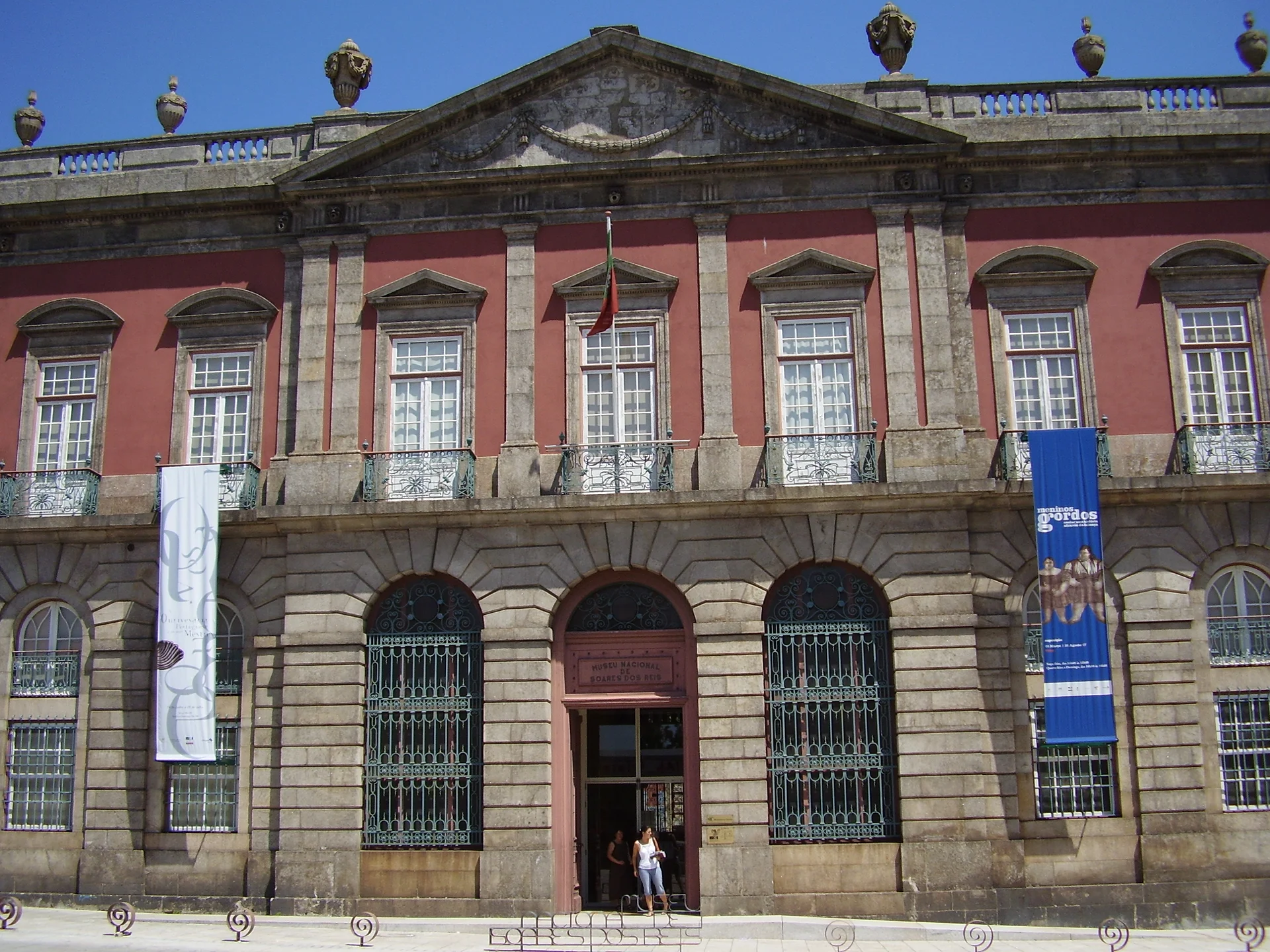
Visiting the Soares dos Reis National Museum
The Soares dos Reis National Museum is the oldest public museum in Portugal. Located in Porto, it was founded in 1833 by King D. Pedro IV, marking nearly two centuries of history. Its original holdings were gathered from religious institutions following the civil war that gripped the country between 1828 and 1834. The museum is named after António Soares dos Reis, one of the most celebrated sculptors in the nation.
A must-visit museum in Porto
Since 1940, the Soares dos Reis National Museum has been housed in the Carrancas Palace, which served as a private residence during the 18th century. The building notably functioned as military headquarters for General Soult and later the Duke of Wellington during the Peninsular War. The structure follows the principles of Ancien Régime architectural treatises, featuring a noble floor, a closed courtyard, and a high perimeter wall. Be sure to explore the impeccably preserved period rooms, particularly the music room and the former dining halls of the palace.
An overview of Portuguese heritage since the 16th century
The Soares dos Reis National Museum displays a wide range of works by major Portuguese artists. Beyond iconic sculptures by António Soares dos Reis like The Exile, which is classified as a national treasure, you will find numerous pieces from students of the Escola das Belas-Artes do Porto (Porto School of Fine Arts). The painting collection spans 2,500 works from the 16th to the 20th century, featuring artists representative of naturalist and realist movements such as Silva Porto.
This landmark museum in Porto also includes several departments dedicated to decorative arts. You will find extensive collections of ceramics, furniture, jewelry, glassware, and textiles. Some pieces represent the Indo-Portuguese style, a legacy of the period when Portugal explored Asia.
Opening hours
| Monday | Closed |
|---|---|
| Tuesday | 14:00-18:00 |
| Wednesday | 10:00-18:00 |
| Thursday | 10:00-18:00 |
| Friday | 10:00-18:00 |
| Saturday | 10:00-18:00 |
| Sunday | 10:00-18:00 |

I wasn't able to see the whole museum because it was under construction. I actually thought that this museum was underutilizing its potential and that it deserves to be refreshed a bit. The same goes for the garden, which could be showcased much better.
Despite everything, there are some cool pieces to see, often by local and Portuguese artists who aren't necessarily known internationally. Besides paintings, there is also tableware, jewelry, crafts, and furniture on display. There are a few contemporary creations here and there, like that metal statue of a crippled mule loaded with bags. I'm still trying to figure out the meaning :)