
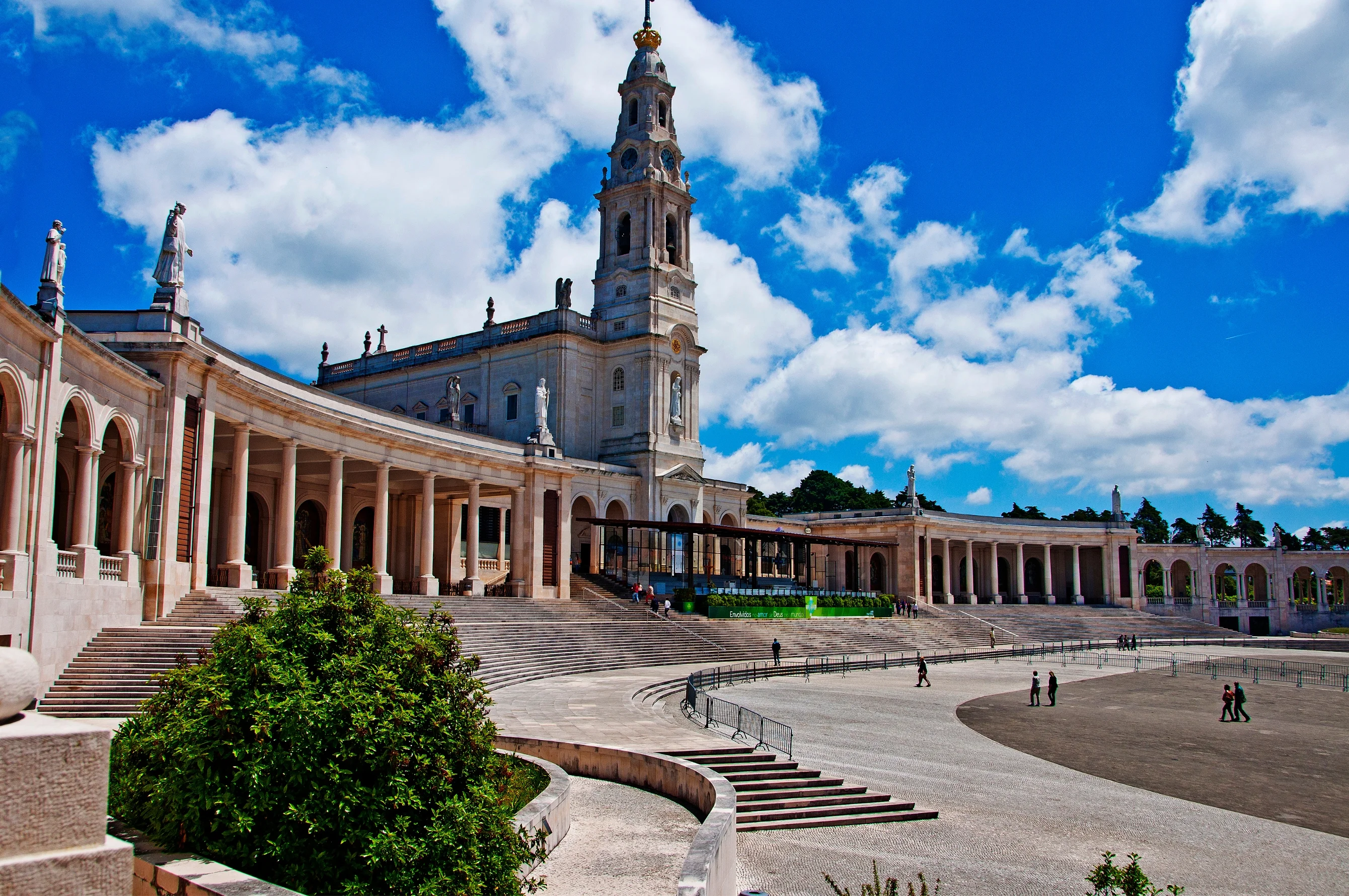
Visiting Fátima: Where Faith Meets History in the Heart of Portugal
Millions of candles flickering at dusk, the soft clicking of rosary beads in the hands of pilgrims, and that quiet sense of stillness settling over you the moment you step onto the massive esplanade. Fátima transformed from an obscure village into a bustling destination for millions of pilgrims and curious travelers after local children reported visions of the Virgin Mary.
Today, this sacred site draws between 5 and 8 million visitors each year, creating a sharp contrast between the contemplative atmosphere of the sanctuary and the surrounding tourist activity.
Fátima: A World-Renowned Sanctuary, But Is It Right for You?
Fátima generally welcomes two types of visitors:
- Religious travelers: those who come to pray, receive a blessing, or complete a personal pilgrimage.
- Curious visitors: those who are interested rather than deeply religious, or who simply want to see a famous landmark in Portugal. For the first group, it is an emotionally powerful destination where you can join moving nighttime processions and reflect in a historic setting. For the second group, the experience might feel more limited, as there are no quaint medieval streets, very little nightlife, and an atmosphere focused entirely on spirituality.
Practically speaking, this destination suits families seeking meaning, fans of religious architecture, and those looking for a quiet pause during a Portuguese road trip. On the other hand, if you want the authenticity of a traditional Portuguese village or the energy of a major city, you might come away disappointed.
Average budget to expect: Fátima offers a range of accommodations for different budgets, from pilgrim hostels starting at $34* a night to 4-star hotels around $113*. The good news is that the Santuário de Fátima maintains a deeply pious atmosphere where pilgrims can attend services, and access to the sanctuary grounds is completely free.
The Sanctuary and Its Spiritual Realm
The sanctuary of Fatima includes the Basilica of Our Lady of the Rosary, which holds the tombs of the three young shepherds, the Chapel of the Apparitions (along with its preserved oak tree) built on the exact spot where the Virgin is said to have appeared, and the Basilica of the Holy Trinity, a striking modern structure finished in 2007. The esplanade connecting these monuments can hold up to 300,000 people during major celebrations on the 13th of each month, making for an impressive human gathering.
- The Chapel of the Apparitions, a small white structure in the center of the esplanade, marks the exact spot where the Virgin reportedly appeared to the three shepherd children in 1917. This is the spiritual heart of Fátima, with masses held continuously in multiple languages.
- Nearby, the Basilica of the Most Holy Trinity, opened in 2007, stands out with its contemporary architecture: a massive white circle measuring 125 meters across that seats 8,633 people. Inside, striking mosaics draw the eye, particularly a large golden ceramic tile mural behind the altar and across the chancel.
Friendly tip: Visit the sanctuary early in the morning around 7 AM for the most authentic atmosphere and to avoid the crowds. The evening candlelit processions starting at 9:30 PM during peak season offer a memorable experience even for non-believers.
Following in the Footsteps of the Young Shepherds
Located in the village of Aljustrel, about 2 km from Fátima, these historic homes showcase rural life from that era. Visiting the houses of Lúcia, Francisco, and Jacinta drops you into early 20th-century rural Portugal. These stone buildings with simple furnishings and modest rooms show the humble origins of the three children. The garden of Lúcia's house holds the Arneiro well, the site of the angel's second appearance.
A short walk away is Valinhos, a natural Stations of the Cross trail leading to the site of the August 1917 apparition. The surrounding countryside brings a quiet, contemplative feel to the walk. It is an ideal way to escape the bustle of the center and see the natural environment where these children grew up.
Friendly tip: Combine your visit to Aljustrel with Valinhos for a full morning or afternoon. Go in the late afternoon when golden light hits the surrounding hills.
Cultural Sights Around the Sanctuary
The Wax Museum, located a short walk from the sanctuary, uses life-size figures to recreate key episodes in Fátima's history. It makes for an easy 45-minute family stop. While a bit kitsch, kids enjoy it, and it gives a quick overview of the historical context.
For sacred art enthusiasts, the Museum of Sacred Art and Ethnology displays a fascinating collection of religious items from around the world, reflecting international devotion to Our Lady of Fátima. Liturgical vestments, statues, and ex-votos share stories of faith originating from Africa, Asia, and Latin America.
Where to Eat and Drink in Fátima?
Dining in Fátima follows central Portugal's traditional, hearty culinary style. Authentic Portuguese cooking shines here, combining fresh ingredients with generous portions. Local specialties include bacalhau à brás (shredded salt cod with eggs and potatoes), chanfana (goat stew slow-cooked in red wine), and sandes de leitão (roast suckling pig sandwiches).
For a traditional, no-frills meal that won't break the bank, try Tasca no Chopin. The food is traditional Portuguese, flavorful, filling, and served with a warm welcome. If you want something more upscale, the Tia Alice restaurant serves home-style Portuguese cooking in a rustic setting, known for its melt-in-your-mouth roast lamb.
A Tasquinha stands out as one of Fátima's most popular spots, offering a classic old-school tavern feel that works well for a casual meal with friends.
Friendly tip: Skip the restaurants directly on the main avenue facing the sanctuary, as they tend to be tourist traps. Venture down side streets like Rua Francisco Marto to find more authentic and reasonably priced spots.
How to Get to and Around Fátima?
Fátima connects easily via direct buses from Lisbon, taking about 1.5 hours. Rede Expressos runs several daily departures from the Sete Rios bus station in Lisbon. From Porto, expect a 2-hour drive or bus ride down the A1 highway. The closest airport is Lisbon, situated 120 km away.
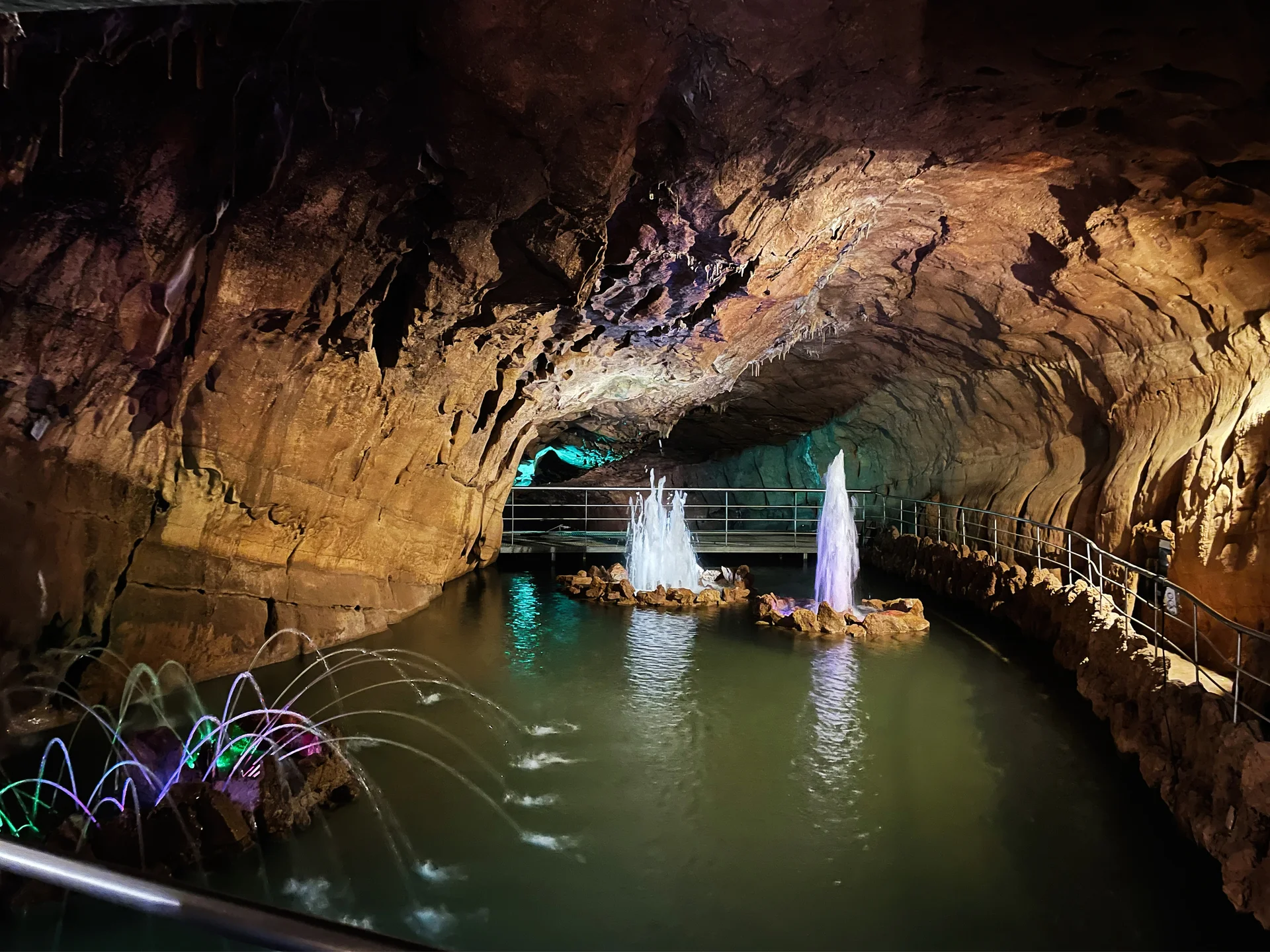
Once you arrive, the town is easy to explore on foot. Downtown Fátima is compact, with everything centered around the sanctuary. However, visiting the shepherd houses in Aljustrel or exploring nearby sights like Tomar, Batalha, or the Mira de Aire caves makes having a car much easier. Taxis and rideshares operate here, but costs add up quickly for day trips.
Friendly tip: Free parking is fairly easy to find around the sanctuary on weekdays, but turns into a challenge on weekends and especially on the 13th of each month. Arrive early or use the peripheral lots with free shuttle service.
When to go?
The best time to visit Fátima runs between May and October, when the weather stays mild and major religious celebrations take place, particularly the anniversaries on May 13 and October 13. These dates draw hundreds of thousands of pilgrims worldwide, creating an extraordinary atmosphere alongside heavy crowds. For a quieter trip, choose the off-season between November and March, when the sanctuary returns to its calm, contemplative state.
Visiting Fátima on weekends or on the 13th day of the month brings massive crowds that can overwhelm the town. Summer temperatures often climb past 35°C, making the shadeless esplanade exhausting to cross. Spring (April to May) and autumn (September to October) strike the right balance between pleasant weather and manageable crowds.
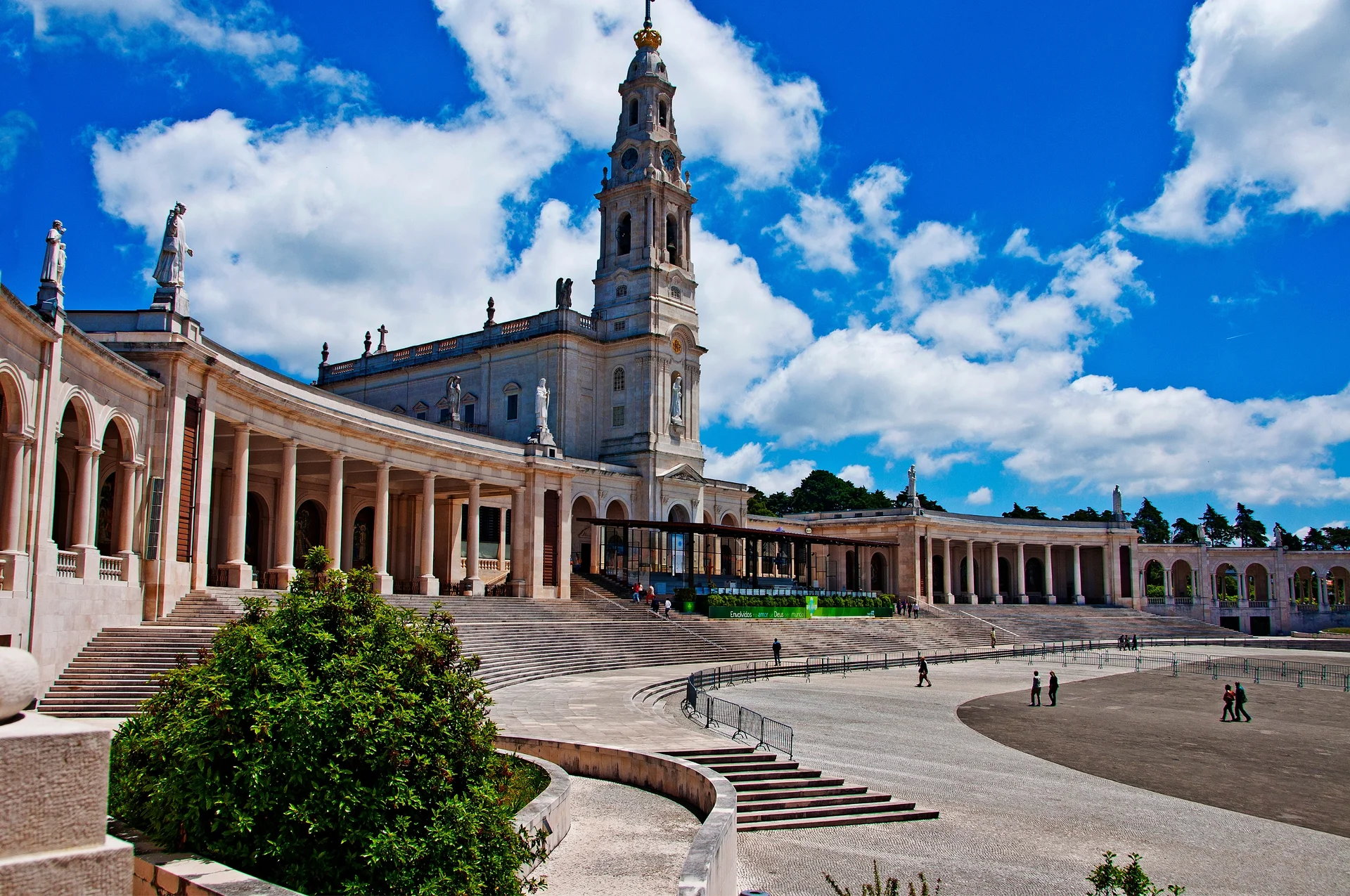
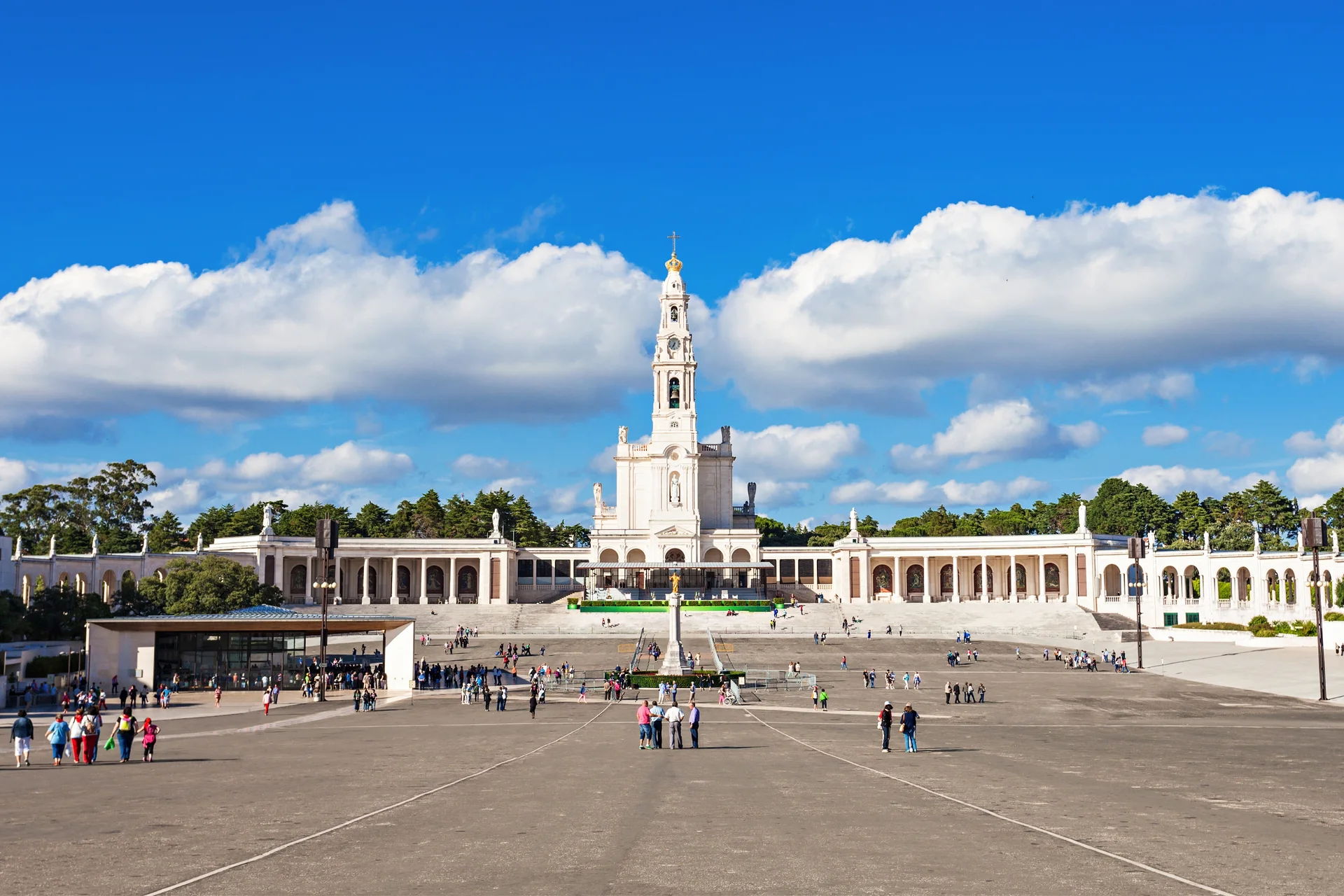
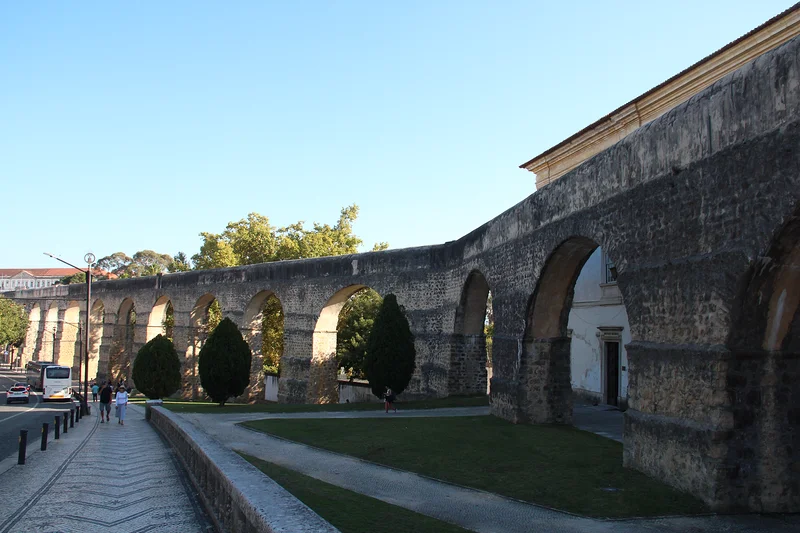
I discovered the city of Fatima with pleasure, and a great sense of spirituality truly reigns there. It is a major pilgrimage site that brings together a great many faithful who have come from all over the world. Even though I am not very religious, I was impressed by so much fervor. The sanctuary is an absolute must-see, as is the adjoining basilica.