
Visiting Coimbra
Serving as the capital of Portugal from 1139 to 1255, Coimbra is both essential and deeply compelling, shaped by the historical figures who left their mark here. Straddling a river with a proud academic heritage, this intellectual hub and former Roman city turned Moorish stronghold saw the birth of six medieval kings and stellar Renaissance achievements. You will find pieces of this rich past in every alleyway, blending seamlessly with one of Portugal's most energetic modern scenes, fueled by students keeping traditions alive and driving a lively nightlife. Positioned right between Porto and Lisbon, the city continues to impress.
One of the oldest universities in the world
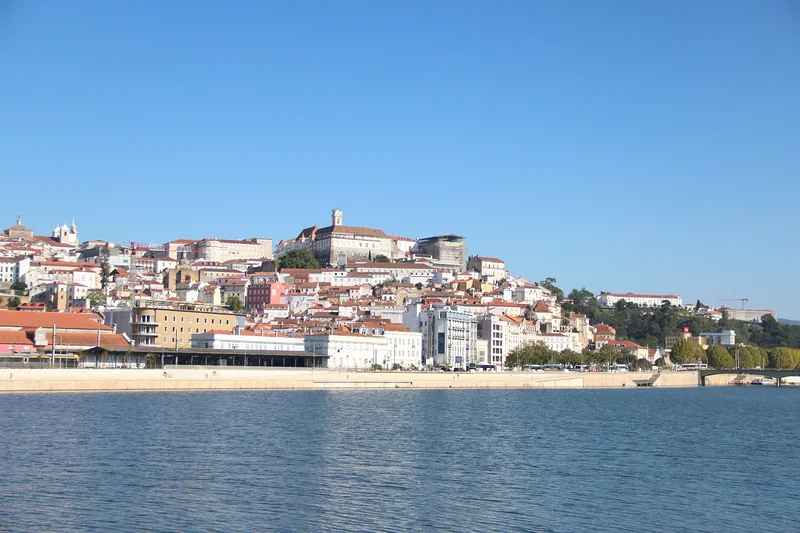
Framed by the Mondego River, Coimbra climbs up the slopes of Alcáçova Hill and retains its 12th-century urban layout, which once separated the social classes. La Baixa, the lower town, has evolved into the buzzing heart of bars, restaurants, commerce, and nightlife. Once reserved for the nobility and clergy, Cidade Alta, the upper neighborhood, gathers the city's most striking historic monuments. Navigating the steep, winding cobblestone streets involves quite a climb, though an elevator makes it easy or you can simply catch a tuk-tuk.
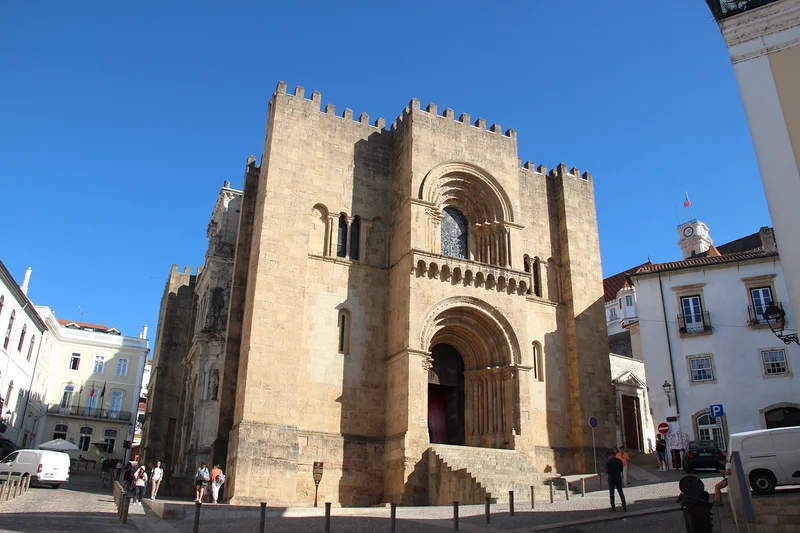
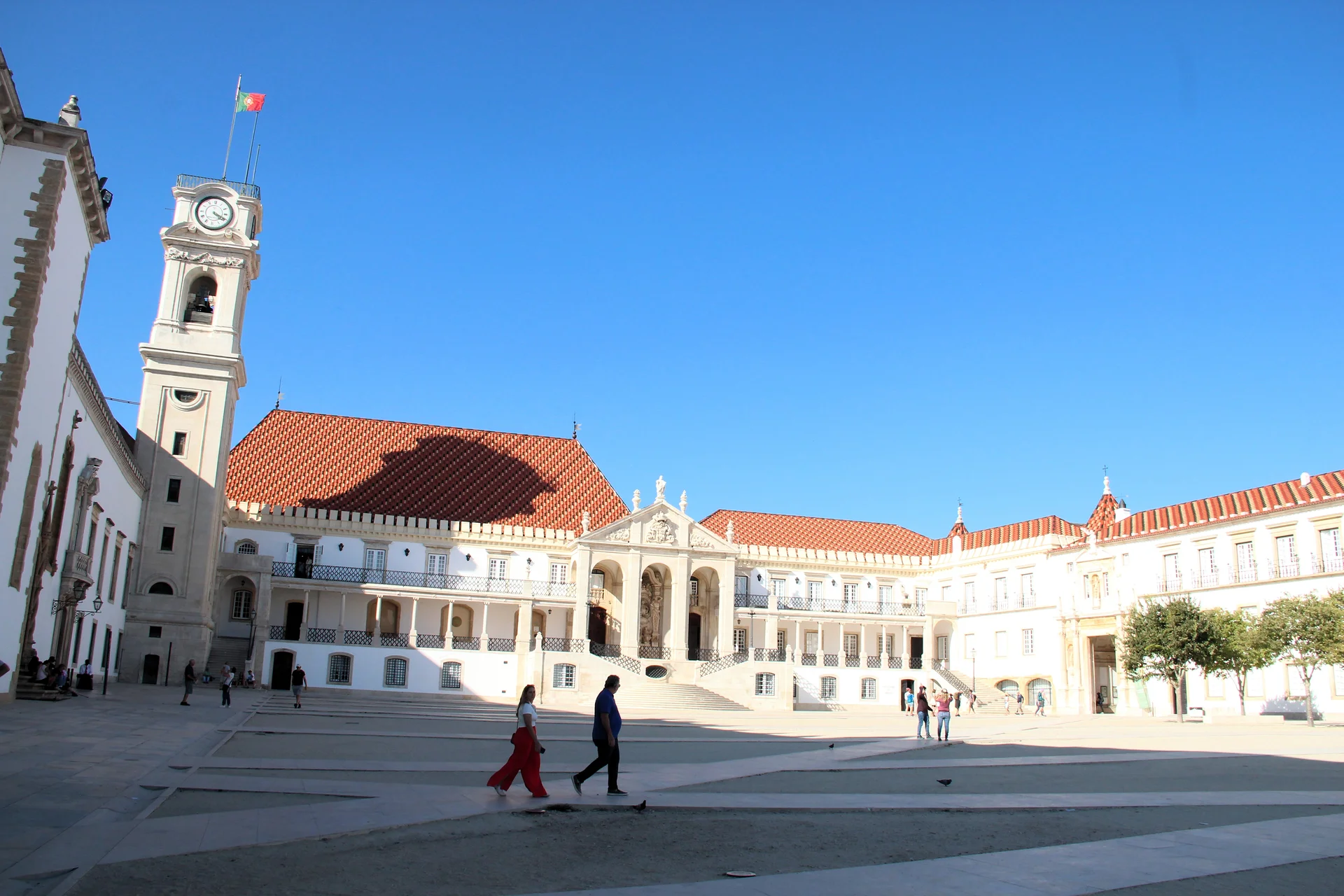
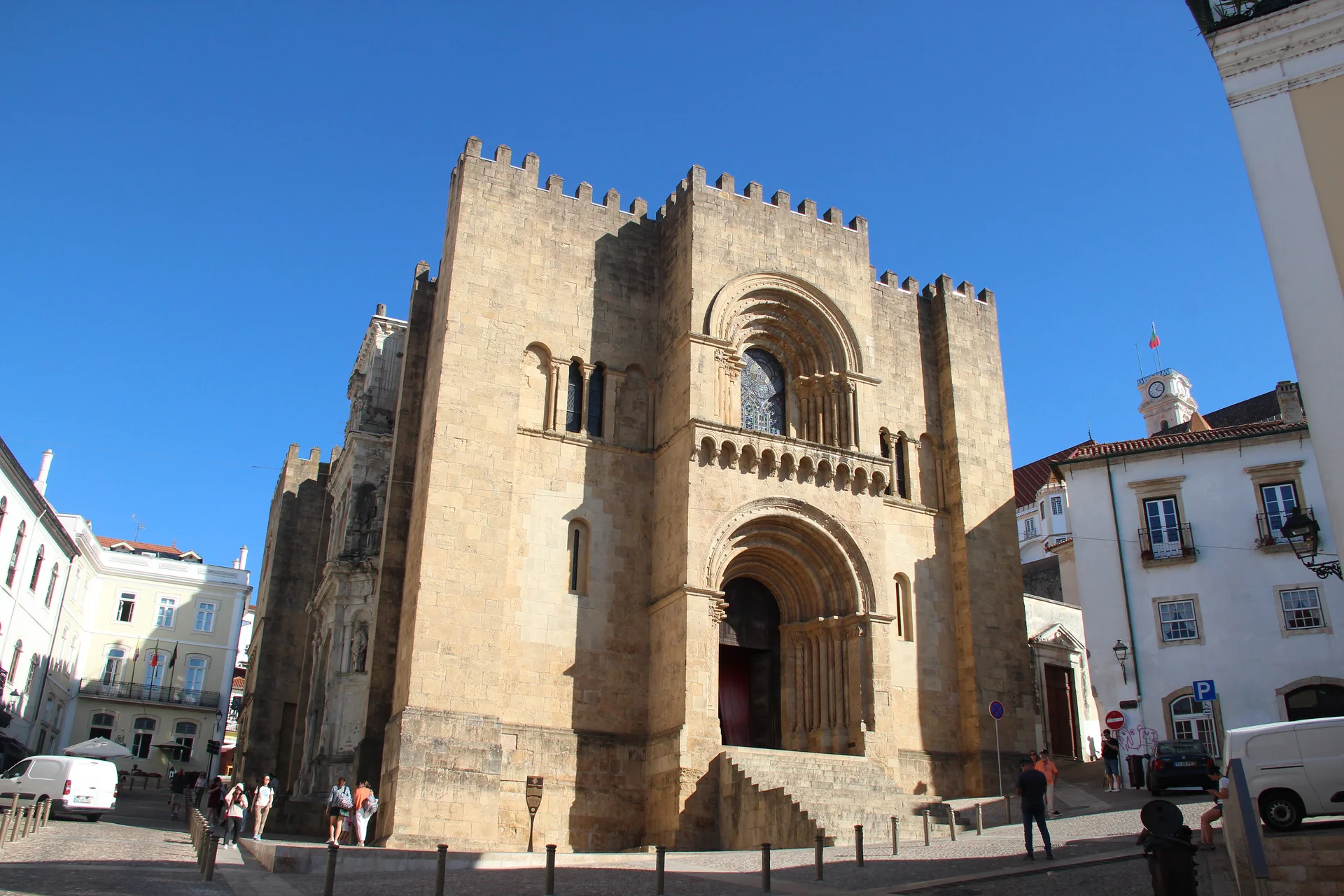
Towering over the plains, the University of Coimbra, founded in 1290, sits at the very top as one of the oldest universities in the world. Framing the central courtyard and the clock tower of São Miguel Chapel, a complex of buildings remodeled up through the 18th century creates an unmatched setting. Passing through the striking 1634 Porta Férrea reveals the Royal Palace with its state rooms, Sé Nova, the late 16th-century new cathedral, and Machado de Castro Museum, an episcopal palace housing a magnificent collection of Flemish and Portuguese sculpture nestled within ancient catacombs. This timeless spot is extraordinary. The three floors of the Joanina Library require advance reservations, but stepping inside reveals a baroque masterpiece lined with rich wood and gilt, holding 300,000 volumes preserved using the finest materials from the colonial empire. Nearby, the 12th-century Old Cathedral resembles a fortress influenced by both oriental styles and the Renaissance. With its loggia, panoramic views, vaulted ceilings, and galleries, the entire historic core along with the adjacent Rua da Sofia is designated as a UNESCO World Heritage Site.
For a breath of fresh air, head down to the Botanical Garden, featuring terraced walks, tropical plants, and historic fountains.
The city's religious heritage runs deep, starting with Mosteiro de Santa Cruz, blending Romanesque and baroque architecture with a remarkable 16th-century porch. It sits right next to Jardin da Manga, a striking Renaissance monument. Across the left bank of the river, make sure to visit the ruins of the Gothic Santa Clara Monastery, tied to the history of Queen Isabel. Right across the way, the whimsical Portugal dos Pequenitos miniature village traces the country's history through scale models of its most iconic buildings.
A city of festivals and fado
Jump back to the present day around Praça do Comércio, where outdoor café terraces offer a front-row seat to the historic façades and regional culinary specialties. Try alheiras, heavily spiced smoked sausages, classic grilled frango, codfish dishes, and pasteis, creamy little custard tarts. Sardines also feature prominently on local menus, and you will find an incredible historic cannery on Rua Ferreira Borges to take a taste of Coimbra home with you. The university students drive an energetic nightlife scene, keeping bars lively across town. Numerous clubs are dedicated to fado, cementing Coimbra as a vital center for this musical tradition, echoing the local saying that « Coimbra is a lesson ».
When to go
Set in the north-central part of the country, the local climate is oceanic with relatively mild winters, though rain is frequent from October through May. The ideal window runs from June to September. Visiting in July offers a quieter experience while students are on summer break before the tourist crowds peak in August. In May, the famous Queima das Fitas festival takes over the city with student serenades and parades, drawing thousands of visitors.
How to get there
The closest airport is in Porto, about an hour away by road. You can easily reach the city by train, with two stations in Coimbra, an efficient rail network, and fares much cheaper than driving, or by taking a long-distance bus from major hubs like Lisbon.
Ancient city with one of the first universities in Portugal. Very lively student life, international, welcoming, and festive.
Great memories.