The United Kingdom: A Land of Contrasts That Still Surprises
Fog rolling over the Scottish Highlands at dawn, the smell of fish and chips drifting through the streets of Brighton at 4 PM, the cry of gulls over the white cliffs of Dover. The United Kingdom is a place you experience just as much as you visit, with its four distinct nations rubbing shoulders without ever truly blending together.
Between London and its global melting pot and Welsh villages where time seems to have stopped, this 93,600-square-mile territory packs an astonishing density of experiences into a relatively compact space.
For Culture Lovers and Changing Landscapes
If you are looking for guaranteed sunshine, look elsewhere. British weather is notoriously fickle, and rain loves to crash the party even in July.
Tourist infrastructure is excellent, the museums rank among the best in the world, and public transportation is comprehensive yet costly. Traveling here works well for history buffs, dedicated hikers, and fans of vibrant music and arts scenes. While less suited for travelers chasing Mediterranean heat or dirt-cheap getaways, the territory compensates with a massive variety of landscapes packed into a small footprint.
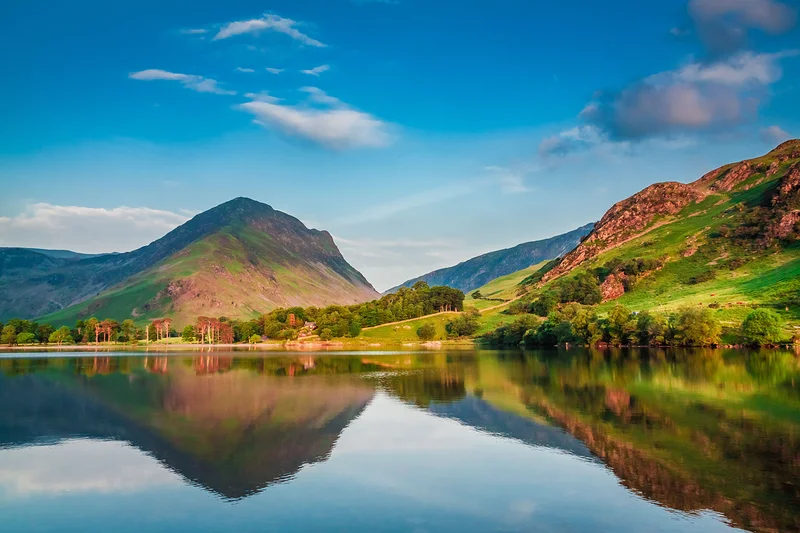
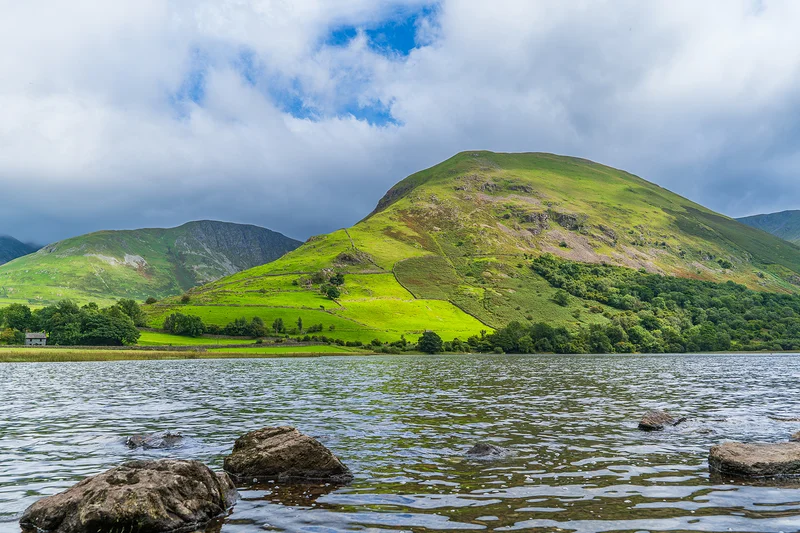
Major cities like London, Edinburgh, and Manchester offer intense nightlife, free museums, and a food scene that has evolved dramatically over the past two decades. Rural areas like the Lake District, the Highlands, and the Cotswolds draw visitors in with their quiet charm and trail networks. The pace of life stays fast in the metros and slows down considerably in the countryside. Safety standards are high, though big cities deal with the usual urban issues found anywhere. Bring a credit card with no foreign transaction fees, because contactless payment rules the day.
A Substantial Budget to Plan For
Let us be upfront: the United Kingdom is expensive. Expect to budget between $79 and $113* per day per person for a backpacker approach with hostel dorms, pub meals, and public transit. A mid-range budget runs from $113 to $169* per day, covering three-star hotels and casual sit-down dinners. London pushes these numbers up by 20 to 30 percent. Lodging eats up the largest chunk of the budget, followed by transportation. Bed & Breakfast inns offer the best value with a hearty breakfast included, running $57 to $90* a night for a double room outside of London.
London and Its Distinct Neighborhoods
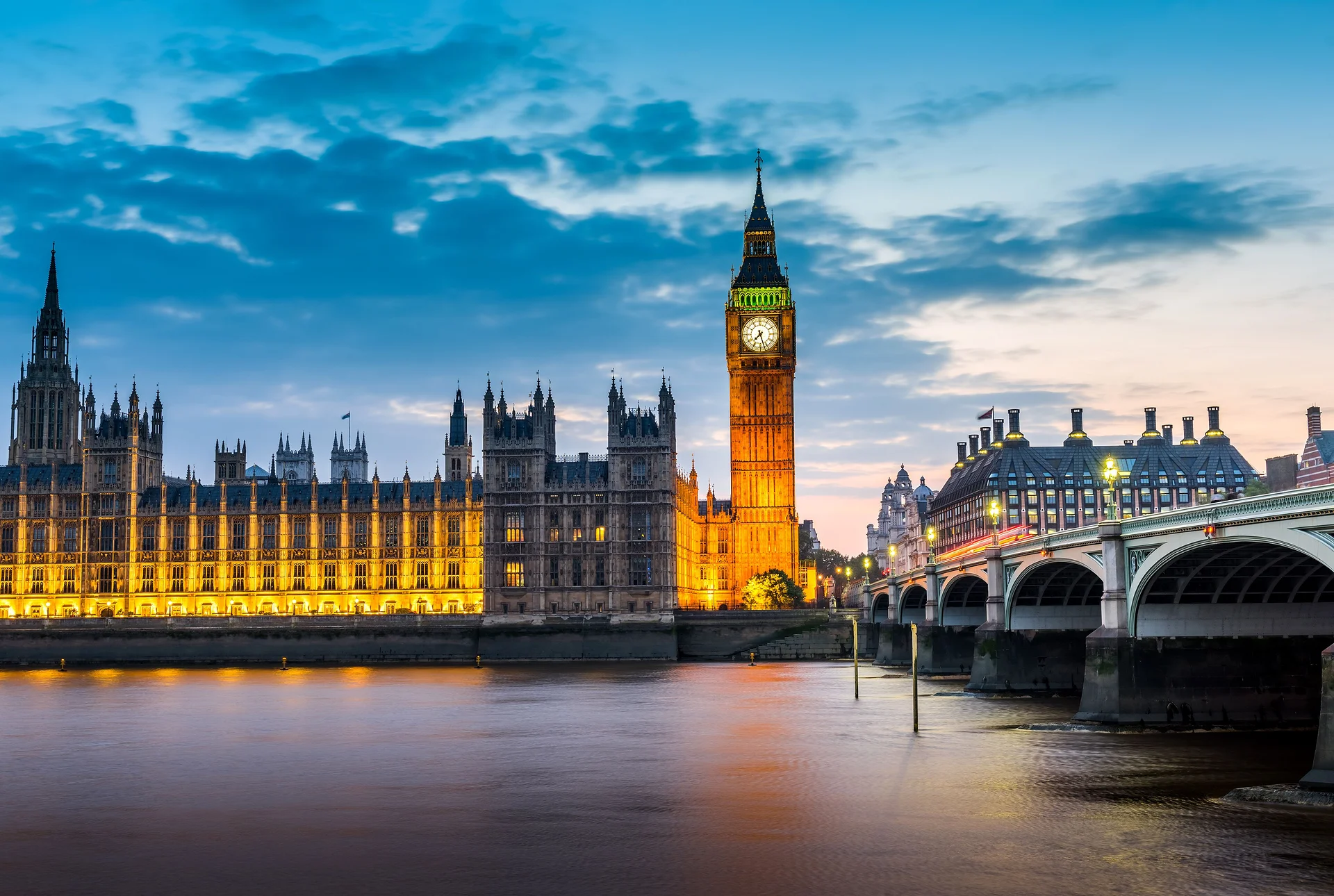
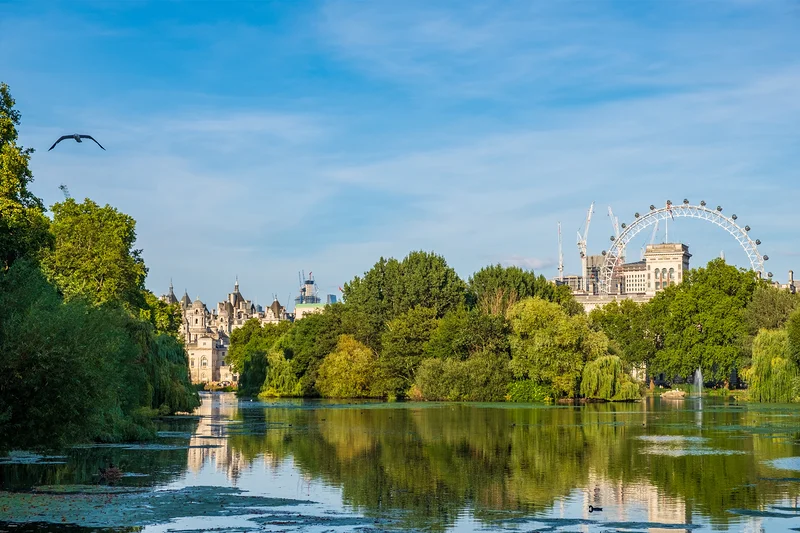
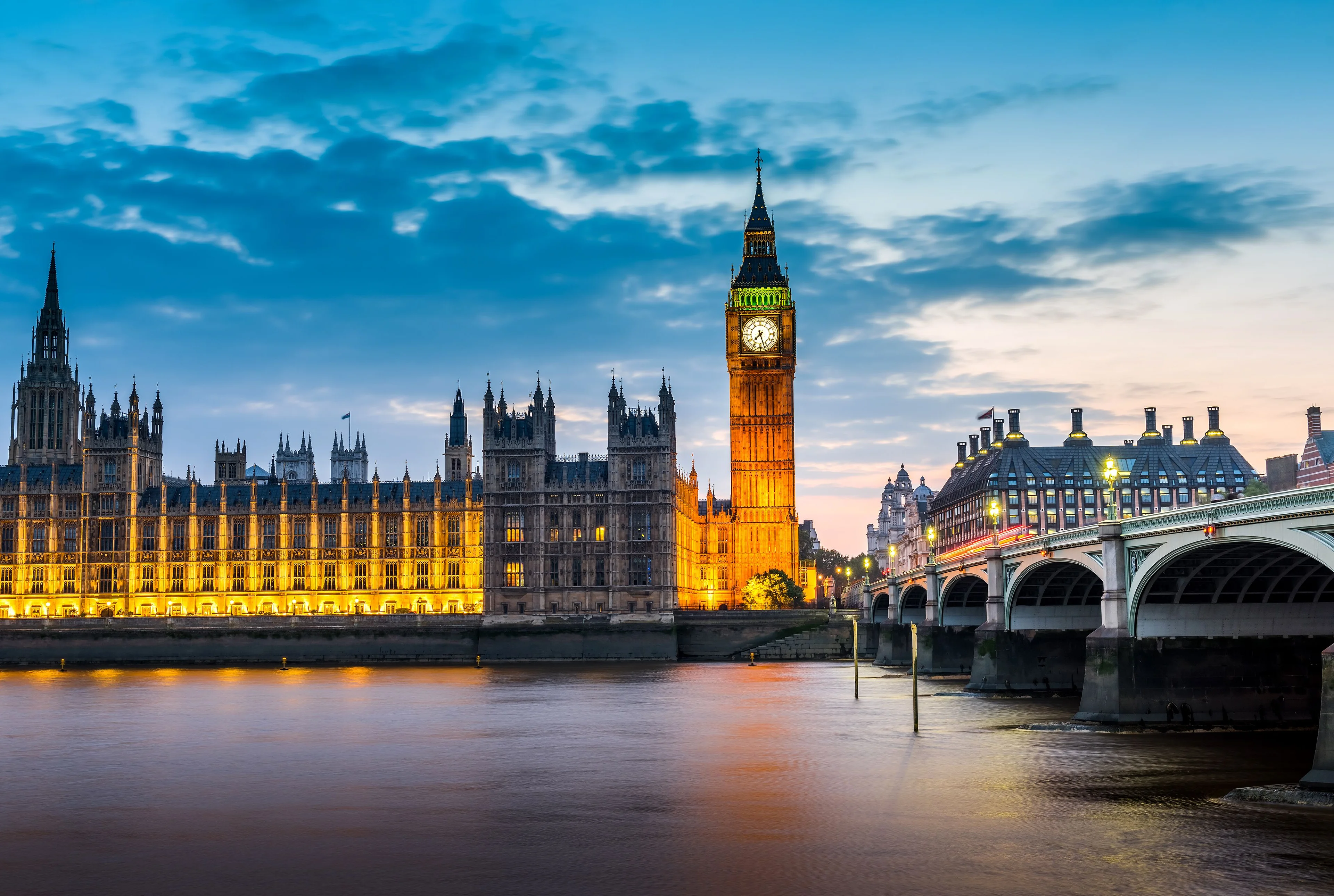
The British capital dominates everything with its sheer scale. Home to over 9 million residents across 32 boroughs, it stretches roughly 50 kilometers from east to west. The historic center clusters around Westminster, home to Buckingham Palace, Big Ben, and the Abbey. But reducing London to these postcard sights misses the point. Neighborhoods like Shoreditch pulse with street art and independent coffee shops, Camden keeps its alternative punk roots alive, and Notting Hill shows off the pastel townhouses you have seen all over Instagram.
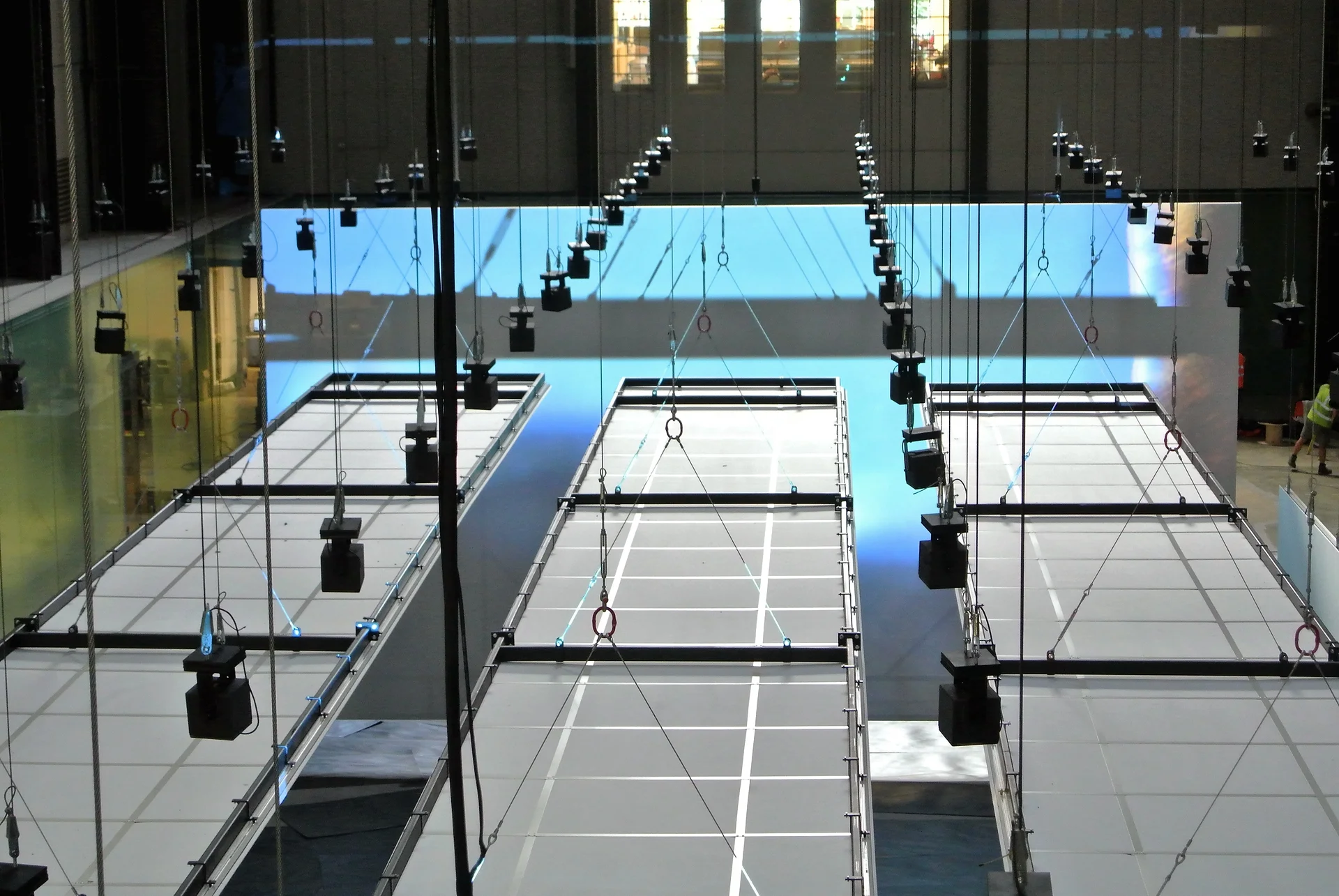
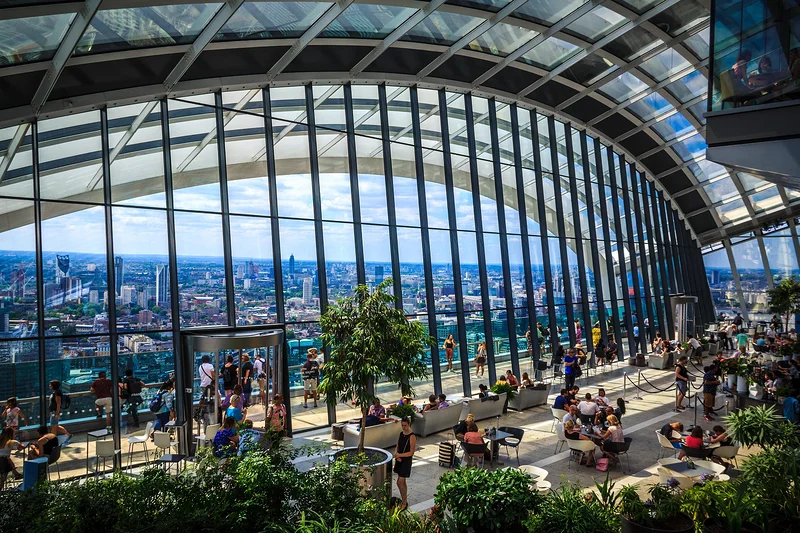
Along the Thames, the urban transformation is striking. Southbank lines up cultural heavyweights including the Tate Modern, housed inside a former power station. Further east, Canary Wharf rises in a cluster of glass skyscrapers, while Greenwich preserves its deep maritime heritage. National museums remain free, a massive perk when spots like the National Gallery or the British Museum easily demand multiple days to properly explore. Heavy traffic and crowded sidewalks always catch newcomers off guard.
Street markets are worth visiting for their atmosphere and cheaper bites. Borough Market under its Victorian brick arches serves up global street food, while Brick Lane mixes Bangladeshi curry houses with vintage clothing shops. The London Underground runs efficiently but costs a fortune unless you use a Visitor Oyster Card or contactless payment to cap fares. Plan on spending $6.80 to $12* a day on transit alone. Walking the city is entirely doable and often reveals hidden corners you would otherwise miss.
Friendly tip: Download Citymapper before you arrive. This app calculates the fastest routes in real time by combining every form of transport, down to the exact fare and travel time.
Scotland, From Lively Cities to Breathtaking Landscapes
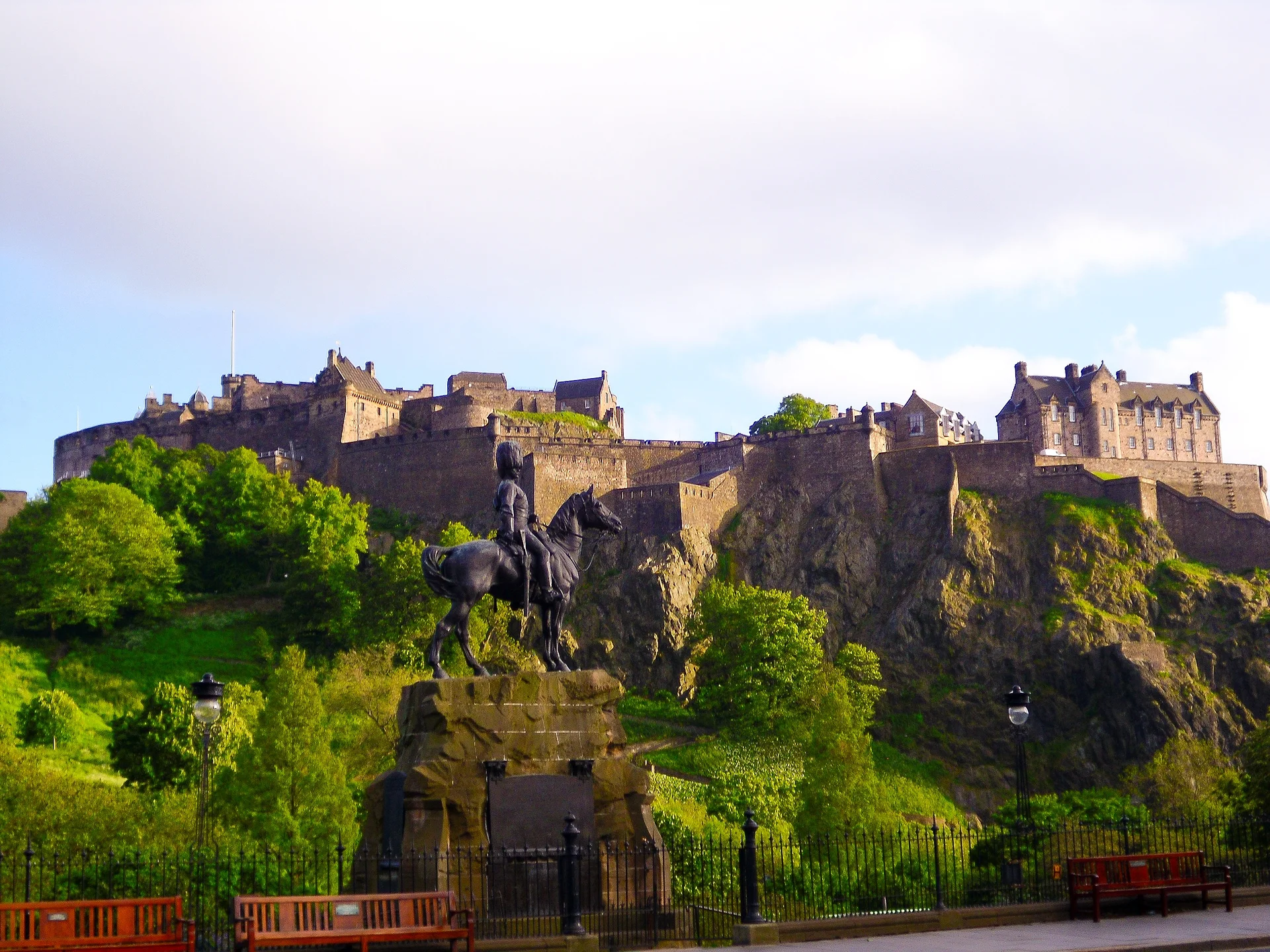
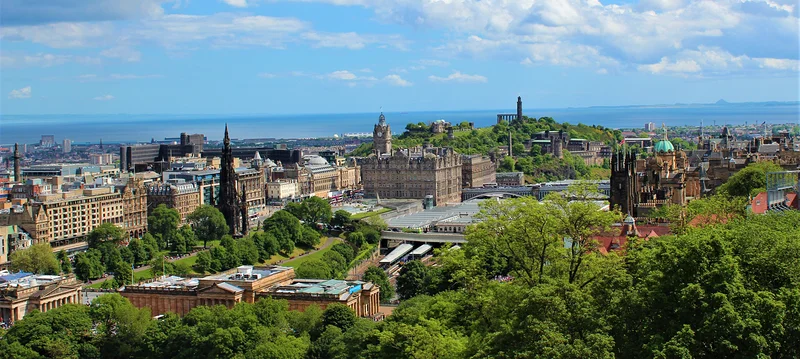
Edinburgh stands out as one of Europe's most striking capitals. Its clifftop castle towers over the medieval Old Town, and cobblestone alleys plunge up and down volcanic hillsides. The Royal Mile connecting the castle to the Palace of Holyroodhouse is packed with tartan shops, historic pubs, and stone tenements. In August, the Edinburgh Festival turns the entire city into a giant stage with hundreds of performances daily. Prices skyrocket during this window, so book several months ahead.
Glasgow, an hour away by train, cultivates a completely different identity. Harder working and more rugged, Scotland's largest city boasts a legendary live music scene and stunning Victorian architecture. The Kelvingrove Museum is free to enter and rivals major London institutions. Between the two cities, Loch Lomond provides a first taste of wild Scottish scenery, with dark waters framed by rolling green hills.
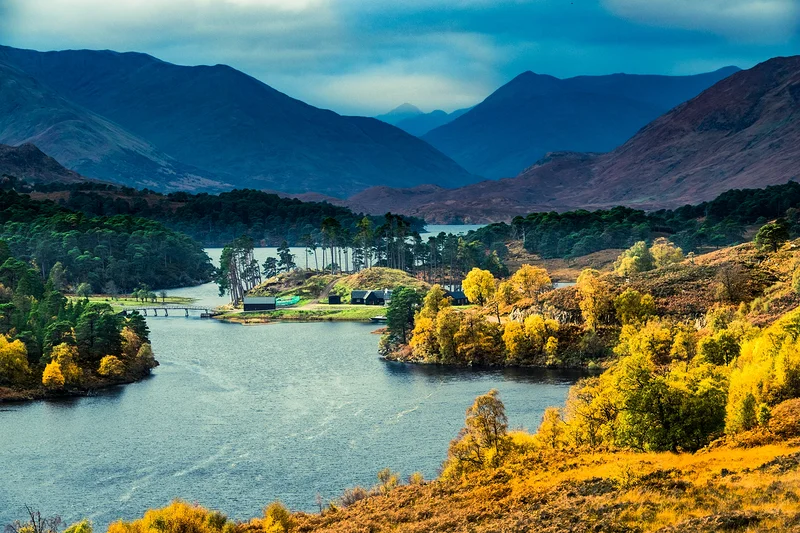
The northern Highlands embody raw, untamed Scotland. Picture wind-whipped bare mountains, mysterious lochs, and crumbling castles lost in the middle of nowhere. The winding drive out to the Isle of Skye delivers views that make the entire trip worthwhile. The Old Man of Storr, Skye's signature rock spire, requires a solid hour-long uphill hike to reach. Loch Ness still pulls in crowds hunting for monster legends, but the area's real appeal lies in its wooded shores and historic ruins like Urquhart Castle.
Scottish distances can be deceiving. What looks close on a map takes real time on narrow, winding roads. Expect a four-hour drive from Edinburgh to Skye, longer by bus. Citylink and Megabus coaches offer reasonable fares if booked in advance, sometimes starting around £10 a trip. Renting a car gives you ultimate freedom for hitting remote trailheads, though you will have to navigate driving on the left and single-track roads with passing places.
Wales, Where Mountains Meet the Sea
Cardiff, the Welsh capital, surprises visitors with its energy. Once an industrial coal port, it reinvented itself around the redeveloped Cardiff Bay and an imposing castle featuring Roman foundations, a Norman keep, and Victorian Gothic revamps. The Millennium Stadium looms right over downtown, generating an electric crowd on rugby match days, the undisputed king of Welsh sports.
Snowdonia National Park in the north holds Wales' tallest peaks, anchored by Snowdon at 1,085 meters. A rack-and-pinion mountain railway chugs all the way to the summit for travelers looking to skip a four-hour hike. Stone villages like Betws-y-Coed act as base camps for exploring the surrounding river valleys. Massive fortresses built by Edward I dot the region, including Caernarfon, Conwy, and Harlech, all UNESCO World Heritage sites. Their imposing stone curtain walls tell stories of intense medieval conflict.
The southern coast reveals family-friendly beaches like Tenby with its painted townhouses, alongside the Pembrokeshire coast path and its rugged clifftop walks. The Brecon Beacons further south offer sweeping moorlands and waterfalls with fewer crowds than Snowdonia. Welsh is spoken daily in parts of the region, and bilingual road signs with their consonant-heavy spelling take some getting used to.
Northern Ireland, Between Recent History and Protected Coastlines
Belfast has transformed dramatically since the 1998 peace agreements. The political murals along the Falls Road and Shankill Road document past conflicts, now preserved as historical points of interest. The Titanic museum on the historic shipyard slipways traces the ocean liner built here in 1912. The downtown Victorian architecture stands in sharp contrast to the modern glass developments rising along the River Lagan.
The Giant's Causeway on the north coast is worth the journey. These 40,000 interlocking basalt columns formed by ancient volcanic activity look straight out of a science fiction movie. The site gets packed in the summer, so aim for late afternoon to catch some quiet. The Causeway Coastal Route hugging the Antrim coast uncovers ruined clifftop keeps, rope bridges swaying over the ocean, and tiny fishing harbors.
Derry/Londonderry, a walled city where even the name sparks debate, deserves a full day to walk the complete circuit of its historic ramparts and explore its turbulent past. The Mourne Mountains to the south offer rugged hiking trails with a fraction of the foot traffic found in Scotland. Northern Ireland generally runs cheaper than the rest of the UK, with lodging and dining typically costing 10 to 15 percent less.
Between Fish and Chips and a Culinary Revolution
Fish and chips remains an absolute staple. Battered cod or haddock served with thick-cut chips, traditionally wrapped paper-style in neighborhood takeouts. Expect to pay £8 to £12 depending on the location. Pubs dish out a proper Sunday roast every Sunday afternoon featuring roasted meat, Yorkshire pudding, seasonal vegetables, and rich gravy. The welcoming vibe of these neighborhood pubs makes it easy to strike up a chat with locals.
British food has come a long way. London hosts dozens of Michelin-starred dining rooms, while food markets serve up incredible Indian, Korean, and Mexican street food for £8 to £15. Supermarkets like Tesco, Sainsbury's, and Marks & Spencer stock popular meal deals running £3 to £5, packaging a sandwich, drink, and snack together. A traditional full cooked breakfast packs enough calories and protein to fuel you well into the afternoon.
For drinks, afternoon tea time stays deeply rooted in local habits, though specialty coffee shops have taken over most corners. Pubs pour dozens of local cask ales on tap, and single malt Scotch whisky tastes best right where it is distilled. Fast-casual chains like Pret A Manger and Greggs make grabbing a quick bite easy on the wallet. In sit-down restaurants, a service charge is often added to the bill, though an extra 10 percent tip is appreciated for good service without being mandatory.
Prioritize Spring and Autumn
May, June, and September hit the sweet spot between decent weather and manageable crowds. Temperatures hover between 59 and 68°F, and daylight stretches past 9 PM during peak summer. July and August align with British and European school holidays, meaning major landmarks overflow with tourists and hotel rates jump by 30 to 50 percent. Scotland looks its absolute best in September when purple heather blankets the rolling hills.
Winter from November through March brings cold rain, early darkness, and a moody atmosphere. Christmas markets pop up in December, pubs string up festive lights, and cities glow after dark. Accommodation prices plummet outside of the holiday weeks. Fall brings fiery foliage to parks and forests, and the New Forest in southern England turns spectacular through October.
Weather across the UK stays unpredictable no matter the month. Experiencing four seasons in a single afternoon is a real phenomenon, so pack a light rain jacket and layers. Events like the Edinburgh Festival in August, the Notting Hill Carnival in late August in London, and St. Patrick's celebrations in March in Northern Ireland draw heavy crowds but deliver unforgettable energy.
Getting to the United Kingdom from France
Eurostar trains connect Paris to London in 2 hours and 15 minutes, making it the fastest and often most budget-friendly route. Tickets booked weeks ahead start around $45* one-way, but climb to $169-$230* for last-minute bookings. Trains depart from Gare du Nord in Paris and arrive at St Pancras International in central London, with select runs continuing on to Brussels and Amsterdam.
Airlines fly into various British airports from major French cities. Heathrow and Gatwick serve London, while Manchester, Birmingham, Edinburgh, and Glasgow let you skip the capital entirely. Budget carriers like easyJet and Ryanair offer flights starting around $34-$57* if booked early, though you should watch out for baggage fees. Expect a flight time between 1 hour 30 minutes and 2 hours 30 minutes. Travelers should note the electronic ETA travel authorization requirement for European visitors, which costs £10 and is processed online.
Ferries from Calais to Dover take about 90 minutes, making them a practical choice if you are traveling with a car. Operators like P&O and DFDS run multiple daily sailings, with prices ranging from $90 to $230* for a vehicle and passengers depending on the season. Other routes operate from Dieppe, Cherbourg, and Roscoff to various English ports. The Channel Tunnel via Eurotunnel hauls vehicles across between Calais and Folkestone in just 35 minutes.
Getting Around Efficiently
The British rail network covers the country thoroughly but costs a fortune if you wait until the last minute. Booking in advance through Trainline or National Rail cuts ticket prices in half or thirds. A London-to-Edinburgh fare can range from £30 up to £150 based on when you purchase and the departure time. Trains offer comfortable, fast travel, taking 4.5 hours between London and Edinburgh and 2 hours between London and Manchester. First class offers little beyond slightly wider seats.
Long-distance buses like National Express or Megabus offer unbeatable rates, sometimes dropping to £5 a ticket. The downside is travel time, which often doubles or triples compared to the train. A London-to-Edinburgh coach takes 8 to 10 hours versus 4.5 hours by rail, making them ideal for strict budgets or overnight trips that save on a hotel night.
Inside cities, public transit runs smoothly. The London Underground remains the most extensive system, though also Europe's priciest. Oyster cards or contactless bank cards automatically cap your daily spending. Edinburgh, Manchester, and Glasgow feature efficient tram and bus networks.
Renting a car makes sense for exploring Scottish or Welsh countryside where public options thin out. Keep in mind that driving on the left takes concentration during your first few hours, and narrow country lanes require full attention. Gas costs around £1.55 per liter, so try to avoid highway service stations where prices spike.