

A fortress dominating the city from its volcanic pedestal
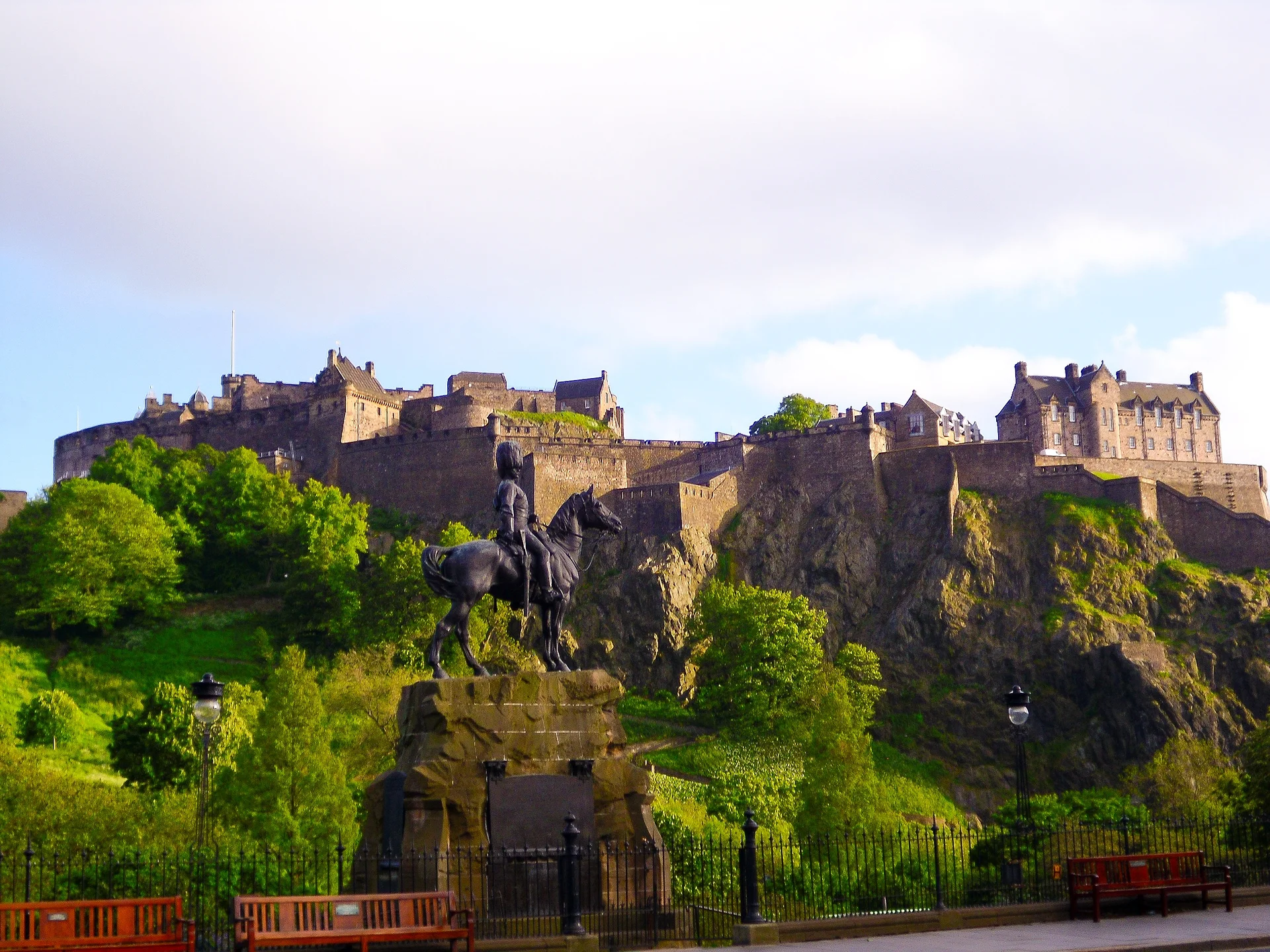
Perched on Castle Rock, a volcanic plug overlooking downtown Edinburgh, the castle commands attention with its gray-stone silhouette visible from Princes Street. The fortified complex extends along the ridge, dotted with buildings from different eras.
Inside, several structures stand side by side: a small Romanesque chapel, a military museum, a hall displaying the Scottish crown jewels, and an old siege cannon.
Why visit Edinburgh Castle
The site has been occupied for centuries and remains one of the oldest fortified locations in Europe. Each building tells a different chapter of Scottish history, from the medieval period to the Napoleonic wars.
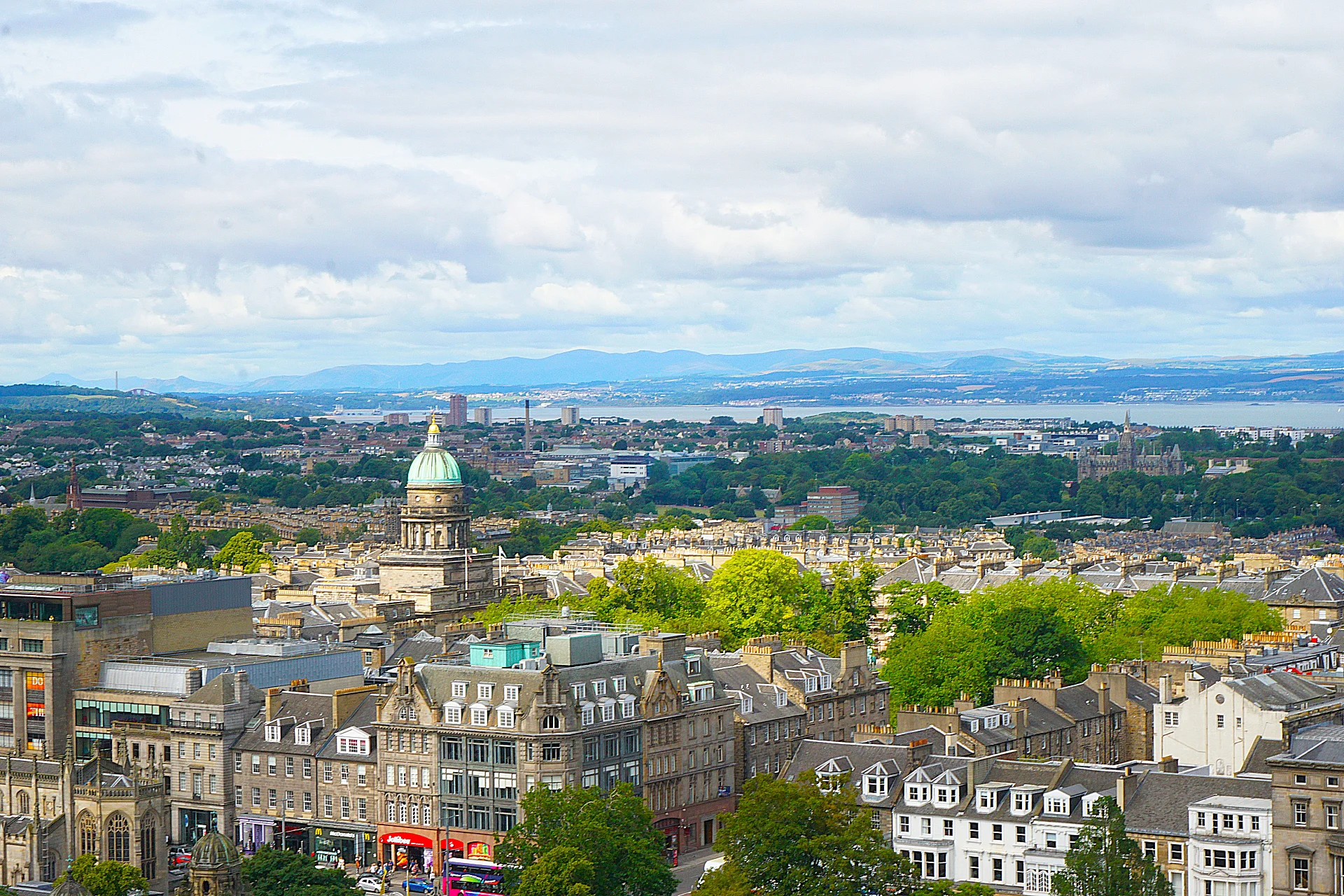
It is also from this promontory that the city unfolds below in a single view: the Old Town at your feet, the Royal Mile leading toward the Palace of Holyroodhouse, and the Firth of Forth in the distance.
St Margaret's Chapel, the oldest on site
Built in Norman architecture, this small chapel is the oldest surviving building in the castle. It was erected in memory of the mother of King David I of Scotland.
The Crown Jewels and the Stone of Destiny
The Honours of Scotland room houses a crown, a ceremonial sword, and a sceptre, forming one of the oldest collections of royal regalia in Europe.
Visitors can also see the Stone of Destiny, used in the coronation of Scottish monarchs. Taken in 1296 by the English king Edward I, it remained in London for seven centuries before returning to Scotland in 1996.
Mons Meg and the one o'clock gun
Mons Meg, a 15th-century siege cannon weighing six tonnes, stands as a testament to Scotland's military might under the reign of James II. Today, it rests silently within the walls.
Every day except Sunday at 1pm, a cannon shot rings out from the castle. Established in 1861 to help sailors and city residents set their clocks, this tradition continues today purely for symbolic reasons.
The National War Museum
This museum traces the country's military history through weapons, armor, paintings, traditional uniforms, and soldiers' letters. The basement levels also house reconstructed prisoner-of-war quarters, complete with straw mattresses and hammocks, which were used from the Seven Years' War to the Napoleonic wars.
Opening hours
April to September: 9:30 AM to 6:00 PM (last entry at 5:00 PM). October to March: 9:30 AM to 5:00 PM (last entry at 4:00 PM)
How long for this activity
Plan on 2 to 3 hours to tour the entire site and catch the One O'Clock Gun firing.
*Information subject to change

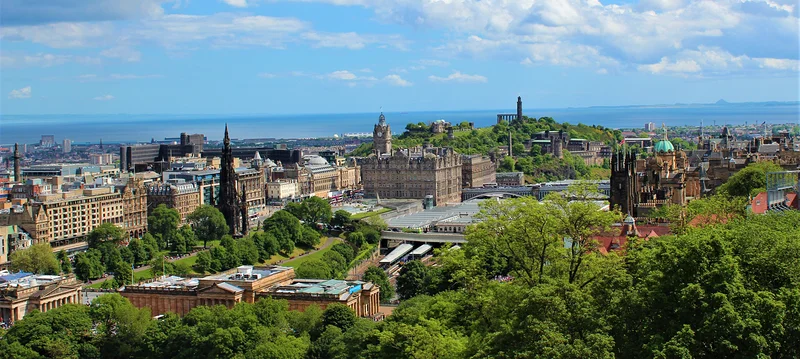
Built on an ancient volcano, the castle houses several buildings from different eras. According to the guide, the site has been continuously inhabited for over 3,000 years, which apparently is a European record (though I have my doubts about that).
I recommend taking the guided tour to get lots of info and fun facts about the castle and Scotland, from antiquity, the Middle Ages, and all the way up to the recent world wars.
Try to be there in person if you want to catch the cannon firing, the one o'clock gun.
From the ramparts, you get a lovely view of the surrounding area.