

Visiting Glasgow
Glasgow is a Scottish powerhouse and the third-largest city in the United Kingdom, home to nearly 600,000 residents. The city transformed into a massive commercial and industrial hub between the 18th and 20th centuries. You can still see this legacy in the local architecture, particularly in the Hyndland neighborhood with its tall red sandstone tenements. The early 20th century also saw a surge of Art Nouveau design led by architect Charles Rennie Mackintosh, who left his mark on the city with iconic structures like the Mackintosh House and the Glasgow School of Art.
A key stop in Scotland
Glasgow has been a major religious center since the Middle Ages. Head over to Saint Mungo's Cathedral to see the history for yourself. Afterward, take a walk through the Necropolis, a fascinating hillside cemetery packed with ornate Victorian tombstones.
Next, make your way to George Square, the city's main plaza and a gateway to the central shopping and cultural district. Beyond the City Chambers, you will find grand Victorian buildings like the GOMA, a museum dedicated to modern and contemporary art. You cannot miss the statue of the Duke of Wellington out front, which is famous for the traffic cone locals insist on placing on his head. Continue down Buchanan Street to find other landmarks like the LightHouse. This tower houses a design center dedicated to the work of Mackintosh, and you can climb the stairs for a panoramic view of the city.
Glasgow's industrial heritage
The city took a hard turn toward heavy industry in the 19th century, driven by steel and iron production. By the 1980s, however, Glasgow faced a serious economic downturn. While it often sits in the shadow of its neighbor Edinburgh, the city has successfully reinvented its industrial past. This creative energy fueled a legendary local music scene, producing world-famous bands like Simple Minds, Belle & Sebastian, and Franz Ferdinand.
To really get a feel for this transformation, head to the Finnieston neighborhood. This former industrial port area is now the city's trendiest spot for dining and nightlife. Further along the old docks, the RiverSide Museum, designed by architect Zaha Hadid, offers a deep dive into maritime history.
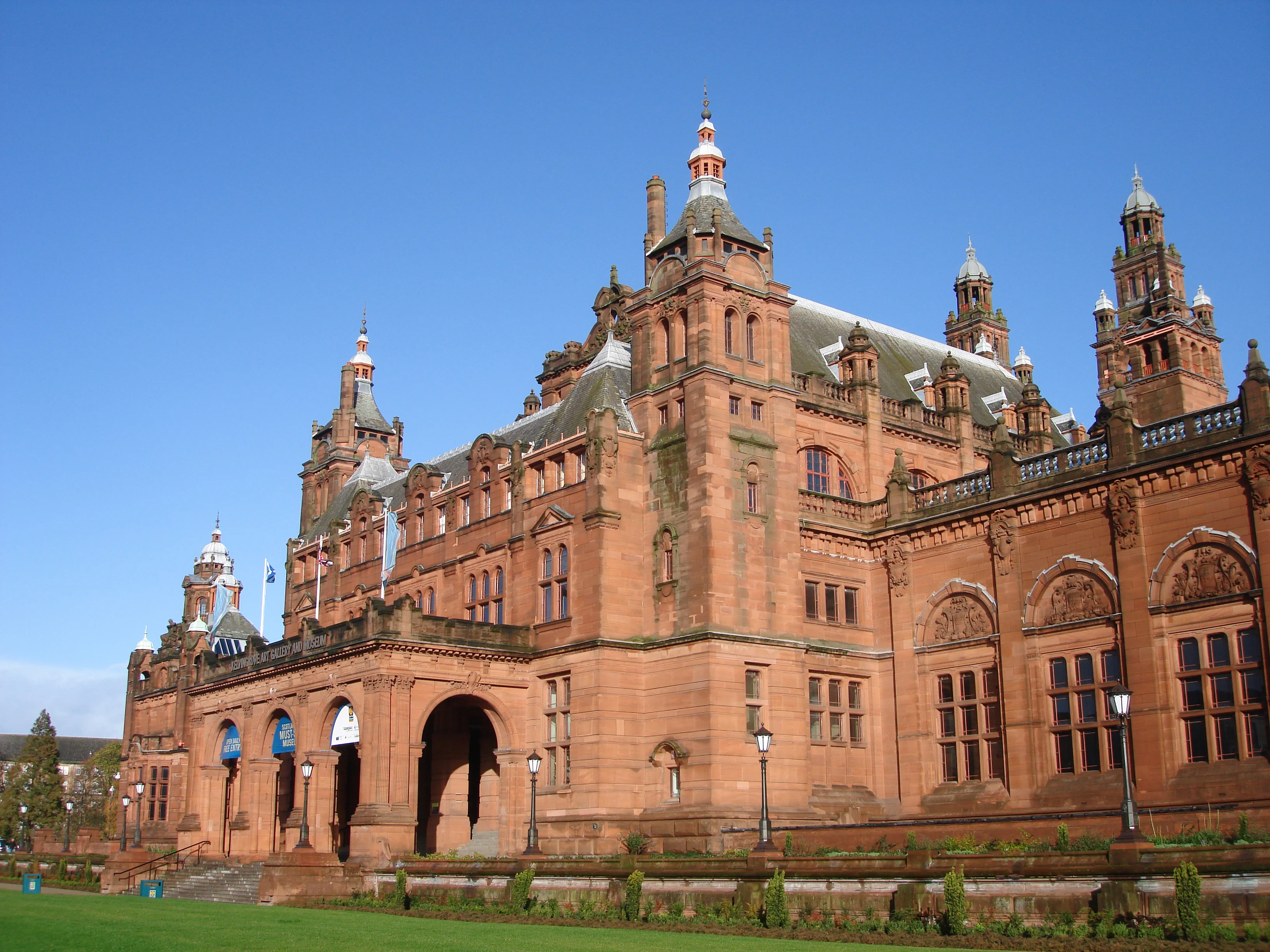
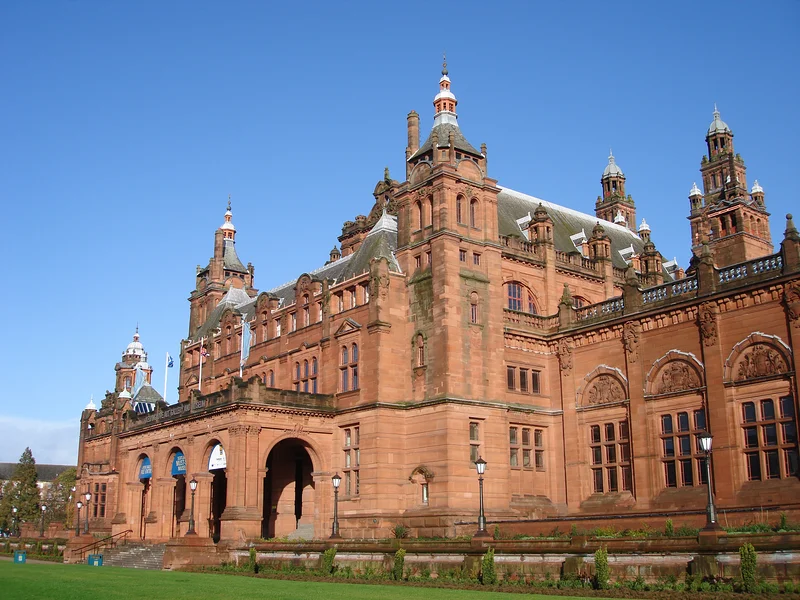
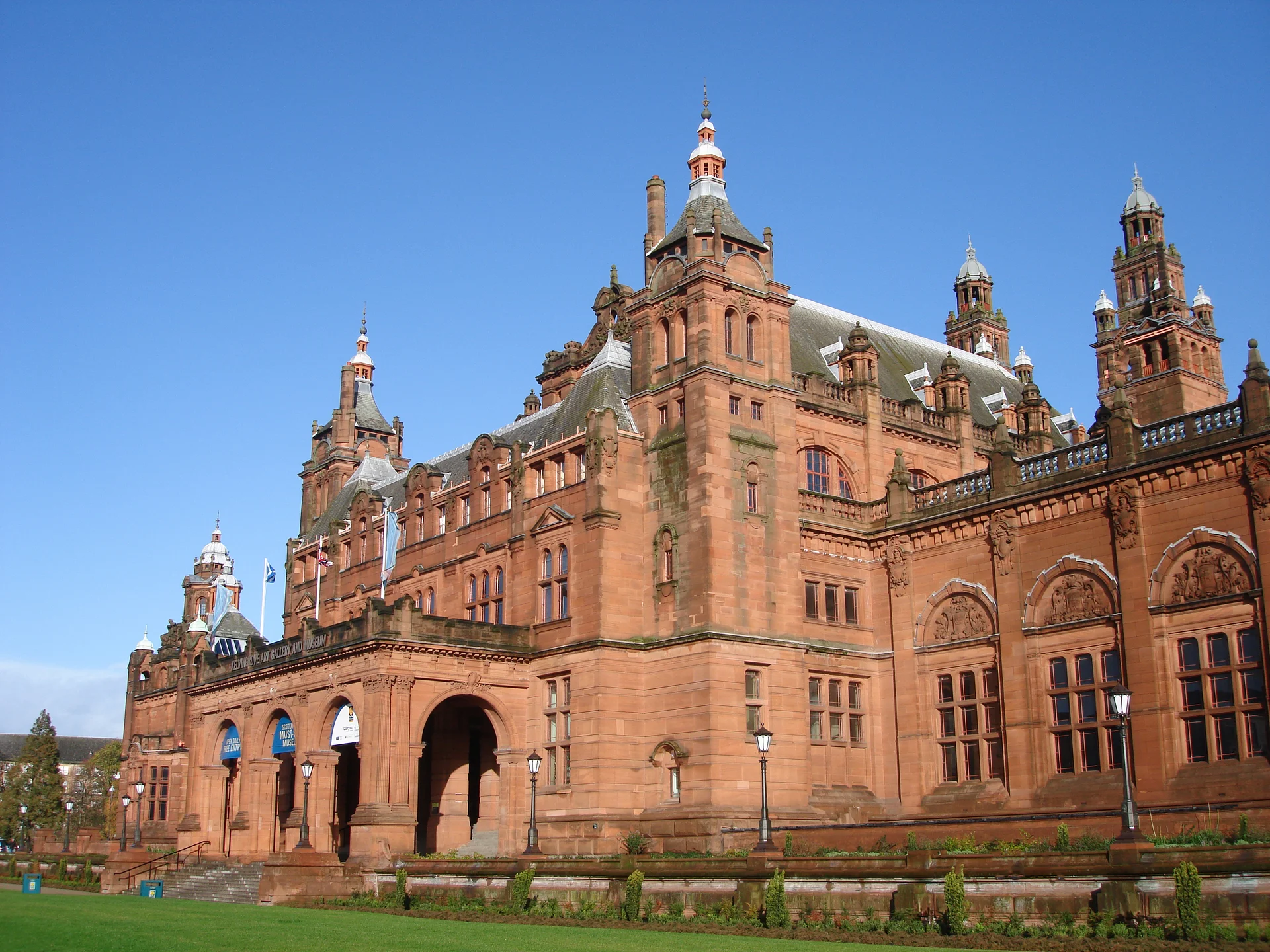
Just a short distance away, you can relax in Kelvingrove Park, which hosts the Kelvingrove Art Gallery and Museum. The grand 1901 building houses vast collections of art and history, including the famous Salvador Dali painting, Christ of Saint John of the Cross. From there, follow the Kelvin River for a walk to the 200-year-old Glasgow Botanic Gardens.
When to go
The best time to experience Glasgow is when the weather is at its mildest, between May and September.
How to get there
You can find occasional direct flights to Glasgow from a number of European hubs. Otherwise, fly into Edinburgh and take the short train ride over. Once you are in the city, ride the Glasgow Subway. It is one of the oldest in the world, and the tiny orange cars feel like a trip back in time.


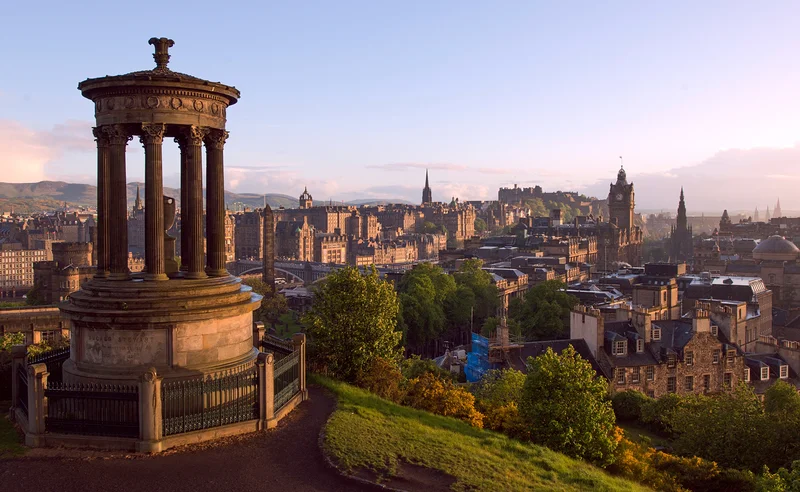
Even though I definitely prefer Edinburgh, Glasgow can be worth the trip, at least to see the city by bus and discover its impressive Victorian (and Gothic) architecture. I recommend visiting its university. A quick tip: stick to the bus or a taxi, but do not venture into Glasgow by car, as it is much more complicated to drive in than other cities.