
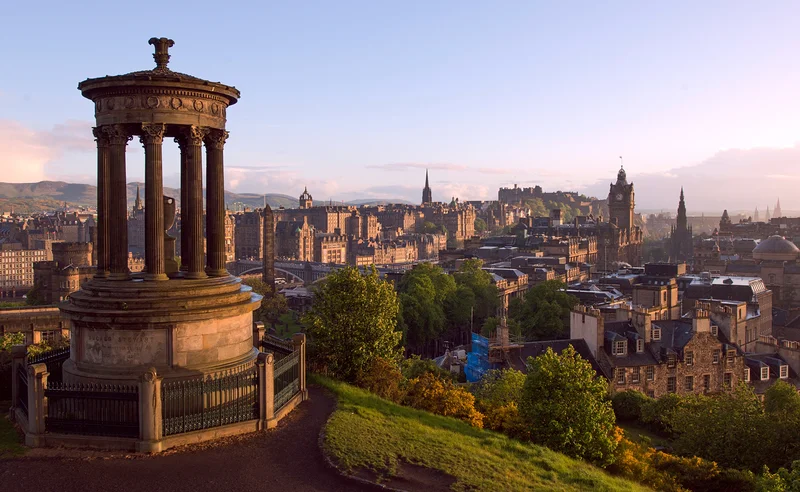

Edinburgh: A medieval capital where ghosts meet bagpipes
Imagine a city perched on volcanic hills, where a black-stone castle has watched over winding cobblestone alleys for nine centuries. Add the distant sound of a bagpipe echoing between Georgian buildings, the scent of peated whisky wafting from distilleries, and the mysterious mist that blankets the city at dusk.
This is where the heart of Scotland beats, tucked between the sea and the highlands. It is a city where history permeates every street corner, where ghost legends compete with contemporary art festivals, and where you can climb an extinct volcano before settling into a centuries-old pub.
A destination for romantic souls and history buffs
If you are looking for sun and a relaxed pace, you are in the wrong place. Here, you embrace the rain, the wind, and skies that change four times a day. But for lovers of medieval architecture, literature, and gothic ambiance, this is nirvana. The city draws couples seeking romantic weekends, families eager to explore free castles and museums, and festival-goers who arrive by the thousands in August. Backpackers will appreciate the well-developed hostel network and the many museums with free admission.
On the other hand, if you avoid crowds, stay away during August. The Fringe Festival turns the city into a giant beehive with more than 50,000 performances and streets packed from morning to night. Practically speaking, everything in the historic center is walkable. You do not need a car, as buses and the tram are more than sufficient. Also, keep in mind that the Scots eat early. Most kitchens close around 9:00 PM, so plan your dinners accordingly.
A budget that bites
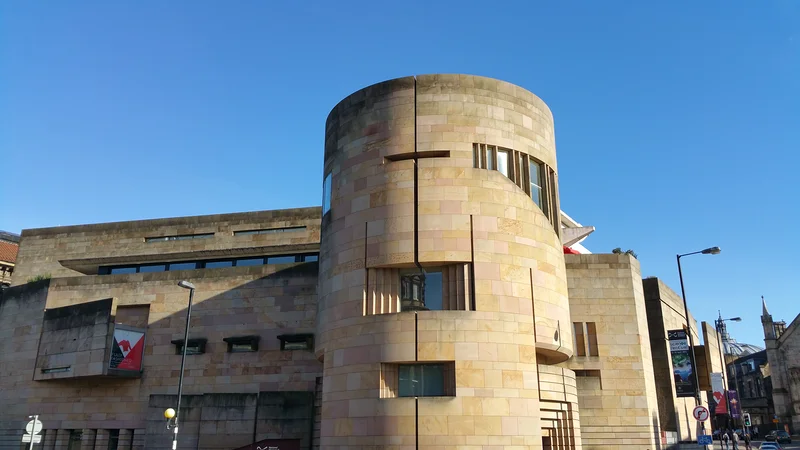
Be prepared, as the British pound hits the wallet hard. Plan for about £105-£130 per day (about $130-165) per person for a comfortable stay, including a three-star hotel, restaurant meals, and a few paid attractions. A pub lunch costs £12-£18 (about $15-23), and a pint of beer is £4-£5 (about $5-6). For lodging, hostels start at £25 (about $32) a night for a dorm, while mid-range hotels range from £80 to £150 (about $100-190) per room. The good news is that many museums are free, including the excellent National Museum of Scotland.
Old Town, the medieval heart that still pulses
The labyrinth of cobblestone alleys descending from the castle to the Palace of Holyroodhouse holds everything that makes the city's historic heart beat. The Royal Mile, the main artery, stretches for a mile between tartan shops, traditional pubs, and mysterious closes. These narrow passages that tuck between buildings hide secret courtyards and stories of the black plague. Mary King's Close, a 17th-century underground street, reveals the daily life and tragedies of old Edinburgh through theatrical guided tours.
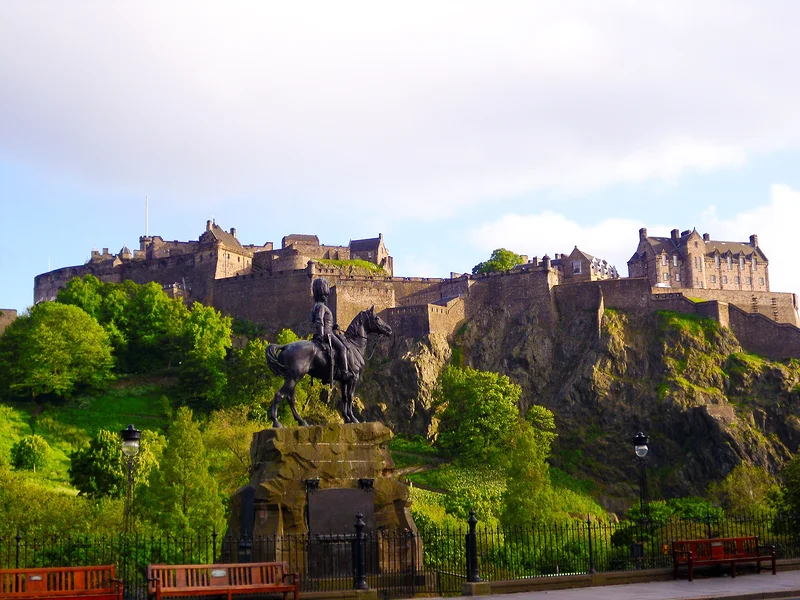
Dominating this medieval chaos, the Edinburgh Castle sits on its volcanic rock like a stone guardian. Inside, you will find the crown jewels sparkling in the dim light, the 12th-century St. Margaret's Chapel, and the One O'Clock Gun that fires every day at 1:00 PM sharp. The view from the ramparts takes in the whole city and the sea in the distance. Book your tickets online to skip the line, especially in high season.
Do not miss St Giles' Cathedral with its crown-shaped spire piercing the sky. Admission is free, but a donation is appreciated. Inside, the Thistle Chapel dazzles with its wood carvings and stained glass. For thrill-seekers, Greyfriars Kirkyard organizes night tours of the burial vaults. This is also where Bobby, the loyal dog, reportedly guarded his master's grave for 14 years.
Insider tip: Visit the castle early, right at the 9:30 AM opening, before the tour buses arrive. You will have the place almost to yourself, and the light on the buildings is magnificent.
New Town, the embodiment of Georgian elegance
Cross the Princes Street Gardens and you are propelled two centuries forward. The New Town, built in the 18th century, features straight streets, harmonious squares, and impeccable neoclassical facades. Princes Street, the main shopping avenue, lines up department stores facing the gardens with the castle as a backdrop. The contrast with the Old Town is striking.
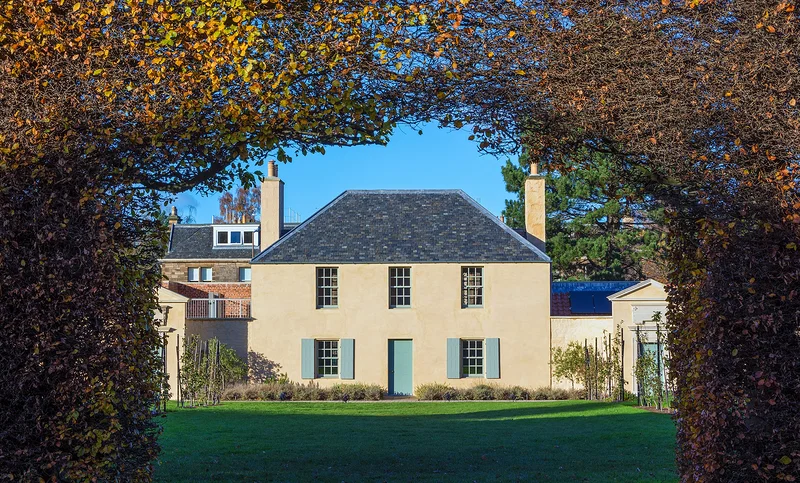
George Street and Rose Street are hubs for chic boutiques, cocktail bars, and trendy restaurants. The atmosphere is more open and more affluent. Charlotte Square, with the Georgian House museum, offers a glimpse into the daily life of wealthy 18th-century families. Guides in period costumes share the details of life in these homes.
Calton Hill, the viewpoint worth the trek
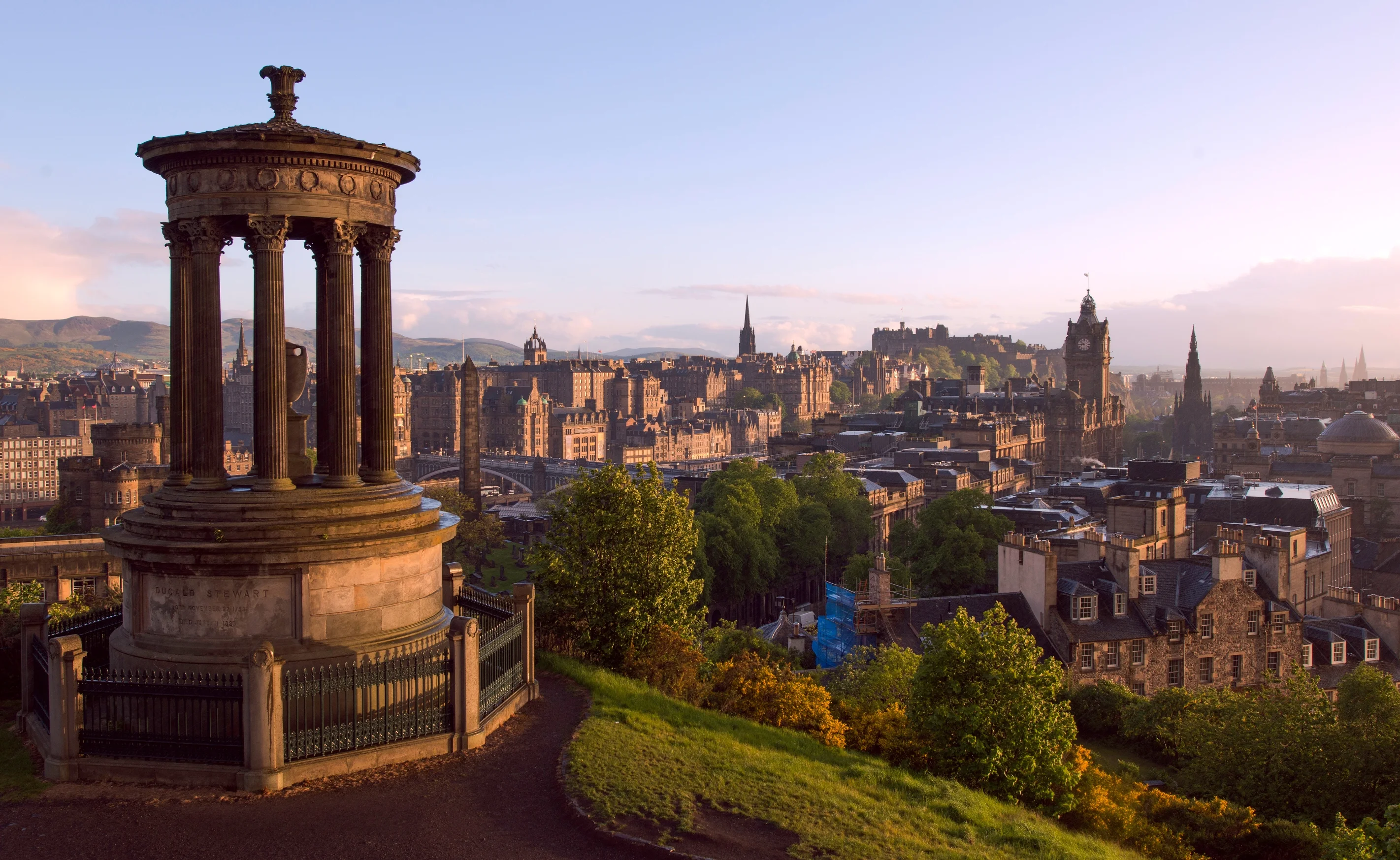
Climb this hill east of Princes Street for one of the most beautiful panoramas of the city. The National Monument of Scotland, an unfinished Parthenon, stands at the summit with the look of an ancient ruin. It is a favorite spot for locals to watch the sunset. You will also find the Nelson Monument and the observatory at the top. The climb takes only ten minutes from Waverley Station.
Insider tip: To avoid the Calton Hill crowds, try Blackford Hill in the south of the city. The view is just as spectacular, and you will mostly run into locals walking their dogs.
Arthur's Seat and Holyrood, nature in the city
Who would have thought you could climb a 251-meter extinct volcano in the heart of a European capital? Holyrood Park offers this luxury. Arthur's Seat, the summit of this ancient volcano, can be reached in 45 minutes via several paths. The most athletic take the Salisbury Crags, the dizzying cliffs that overlook the city. The 360-degree view from the top takes in the entire city, the sea, and the surrounding hills.
At the foot of the volcano, the Palace of Holyroodhouse displays its Renaissance architecture. The official residence of the royal family during their Scottish visits, it is open to the public when they are not in residence. Mary, Queen of Scots' apartments are worth the visit, especially the room where her secretary was murdered before her eyes. The gardens are rarely crowded and are perfect for a stroll.
Right next door, the Scottish Parliament stands out with its controversial contemporary architecture. Some find the building bold, while others call it a concrete eyesore. Free guided tours allow you to form your own opinion while learning about the workings of Scottish institutions.
Insider tip: Head out early in the morning or late in the day for Arthur's Seat. At midday, the paths get crowded. And if it is thick fog, skip it, as you will not see anything from the top.
Leith, the rising port
Four kilometers from the center, the former port district has transformed into a trendy haunt. The Shore, the historic quay, is lined with oyster bars, fine dining restaurants, and authentic sea-faring pubs. The atmosphere is more relaxed than in the city center and less touristy. The Royal Yacht Britannia, the former royal ship turned floating museum, tells the story of 44 years of royal voyages with plenty of detail about life on board.
On Sundays, do not miss the flea market to hunt for vintage tartans and Scottish curiosities. For street art lovers, the warehouses along the Water of Leith feature impressive murals. The area is perfect for getting off the beaten path and seeing the real Edinburgh life.
Where to eat and drink in the Scottish capital?
Scottish gastronomy goes far beyond the cliché of haggis, the stuffed sheep's stomach that intimidates some tourists. While the national dish is worth trying at least once, served with neeps and tatties (mashed turnips and potatoes), the culinary scene has exploded in recent years. Cullen skink, a creamy smoked haddock soup, warms the soul on rainy days. A hearty Scottish breakfast includes eggs, bacon, black pudding, baked beans, and sometimes smoked haddock.
To try these specialties in a traditional setting, head to The White Hart Inn in Grassmarket, one of the oldest pubs in the city where Oliver Cromwell is said to have had a drink. The Scran & Scallie reimagines Scottish cuisine with flair in a relaxed gastropub setting. Expect to pay £20-£40 (about $25-50) per person. Fine diners should head to Timberyard, where local products are elevated in a former timber warehouse. Tasting menus are around £70 (about $90).
As for drinks, whisky obviously reigns supreme. The Whiski Rooms offer more than 300 selections in a cozy setting. The Scotch Whisky Experience on the Royal Mile offers guided tastings to understand the differences between regions. A pint of local beer costs around £4-£5 (about $5-6) in traditional pubs. For gin lovers, the Edinburgh Gin Distillery organizes tours followed by tastings at their Rutland Place location.
Where to stay in the city of seven hills?
Old Town puts all the attractions within walking distance, but the atmosphere can be noisy, especially in the summer with revelers leaving the pubs. Hotels here are generally more expensive. New Town offers an excellent compromise, as it is quiet, central, and well-served by transport. The Stockbridge and Dean Village neighborhoods to the northwest appeal with their Georgian houses, independent cafes, and village atmosphere. Expect to pay £80-£150 (about $100-190) a night for a boutique hotel.
Budget travelers will find excellent hostels like Castle Rock Hostel or Code Pod Hostel, costing between £20 and £35 (about $25-45) per night in a dorm. Leith offers lower rates in boutique hotels with harbor views. For a unique experience, try the Georgian B&Bs in New Town where owners serve a full Scottish breakfast in period dining rooms.
During the festival in August, prices skyrocket and everything is booked months in advance. Book at least six months ahead or look for accommodation in nearby towns like Leith or Portobello, which are well-connected by bus.
How to get to and around the Scottish capital?
Edinburgh Airport is 13 km from the center. The tram connects the airport to Princes Street in 35 minutes for £6 (about $8) one-way (£8.50 or $11 round-trip). Departures are every 8-10 minutes from 6:00 AM to 11:00 PM. The Airlink 100 bus also serves the center in 30 minutes for £4.50 (about $6), with the advantage of running 24/7. A taxi costs about £20-£25 (about $25-32) and takes 20-25 minutes.
In the city, walk! The Old Town and New Town are entirely walkable. To reach outlying sites like the Royal Yacht Britannia in Leith or the botanical garden, the Lothian buses cover the city perfectly. A single trip costs £1.70 (about $2), and a day pass is £4 (about $5). Black cabs are easily hailed on the street; count on £6-£7 (about $8-9) for a ride in the city center.
From the US, you will likely connect through major hubs, though there are direct flights from some cities. The train from London takes 4.5 hours with magnificent coastal scenery once you cross the Scottish border.
When to go?
May, June, and September offer the best balance, with mild temperatures (15-18°C or 59-64°F), less rain than in the summer, long days, and manageable crowds. July and August ironically see more rainfall despite pleasant temperatures around 19°C (66°F). This is also the time of the Fringe Festival, a unique experience if you can handle the crowds and inflated prices.
Winter (December-February) is cold and wet with temperatures hovering around 5-8°C (41-46°F), but Hogmanay, the Scottish New Year's Eve, turns the city into a giant street party. Avoid November, the grayest and rainiest month, unless you love gothic ambiance pushed to its peak.
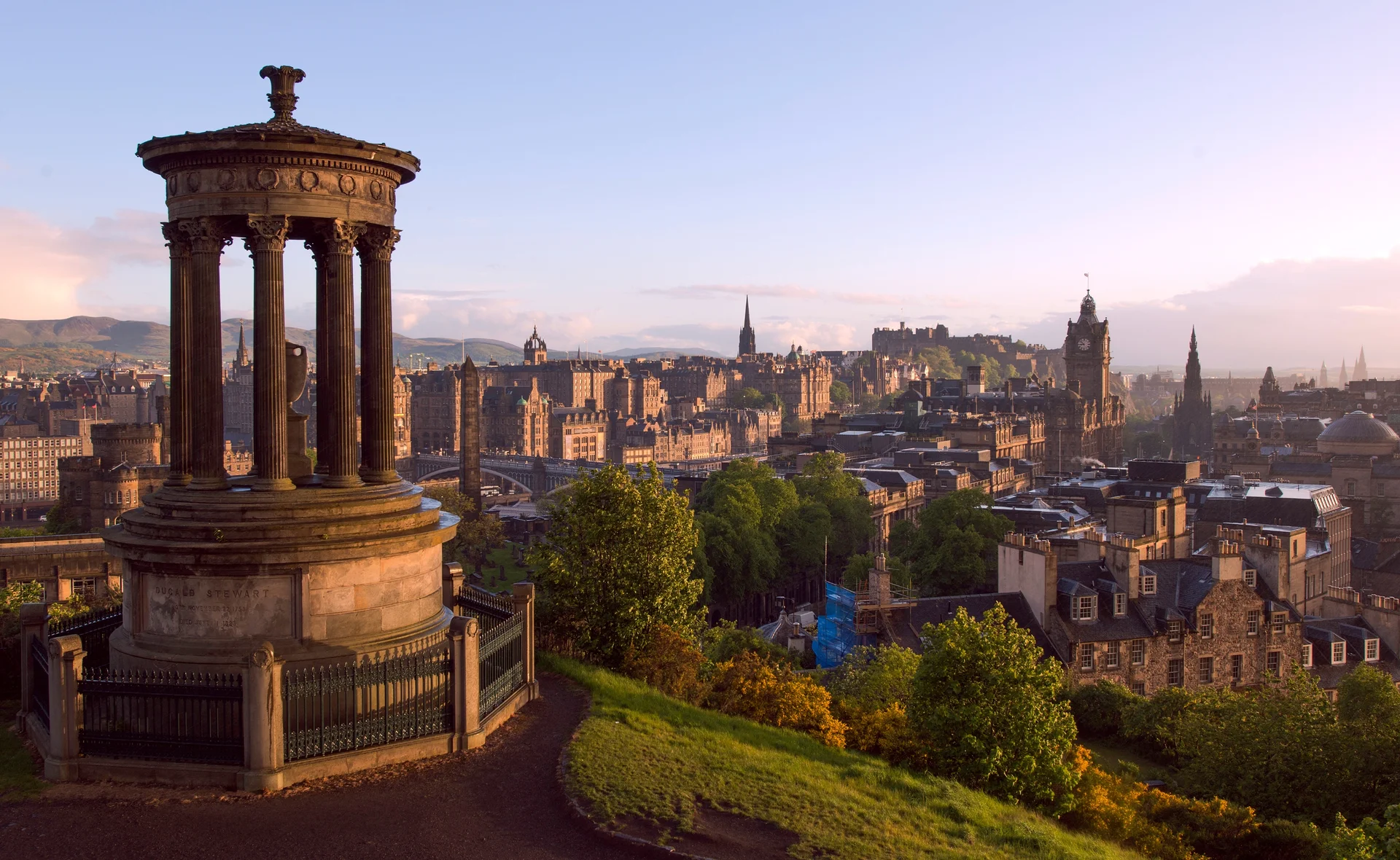
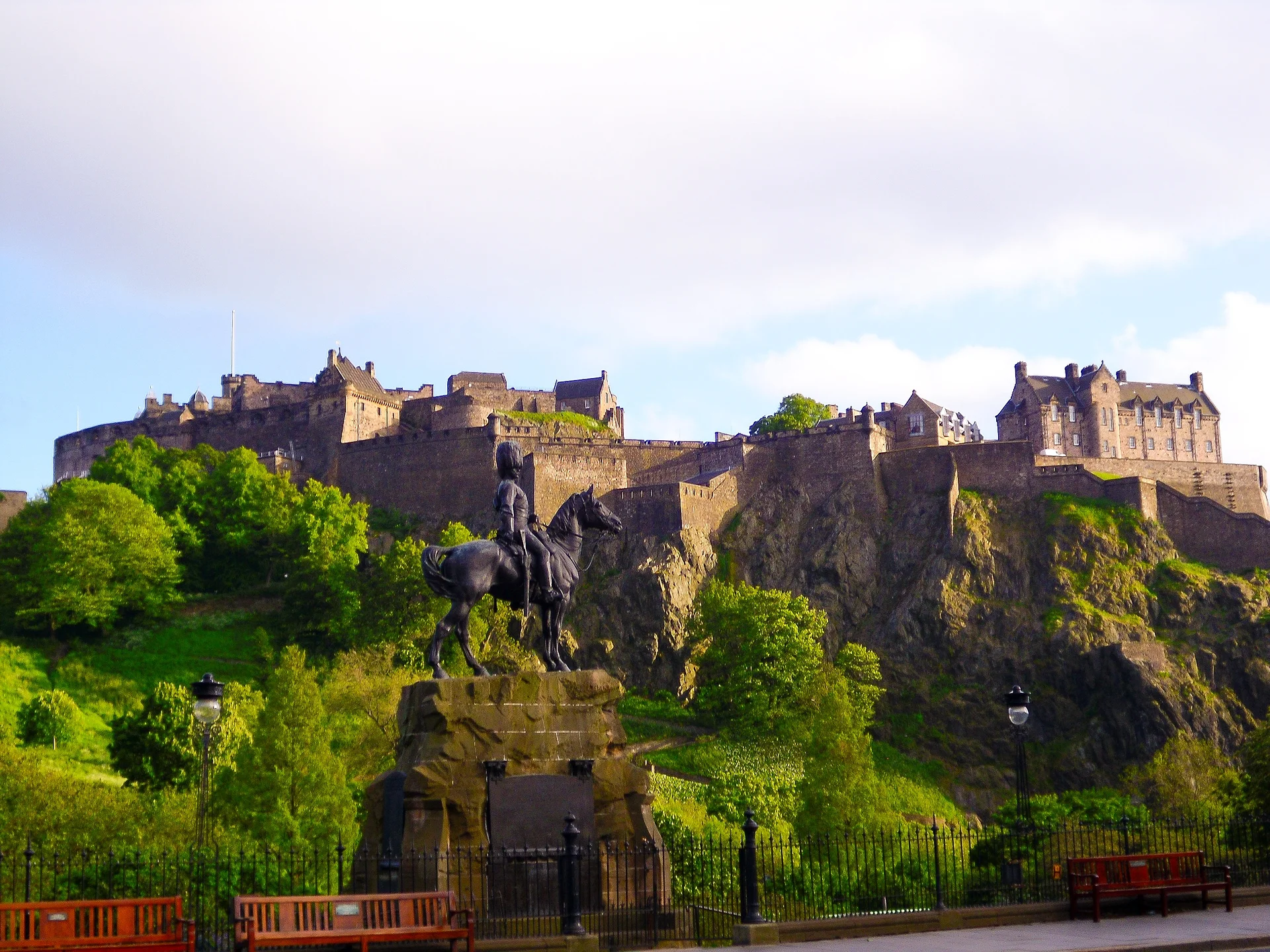
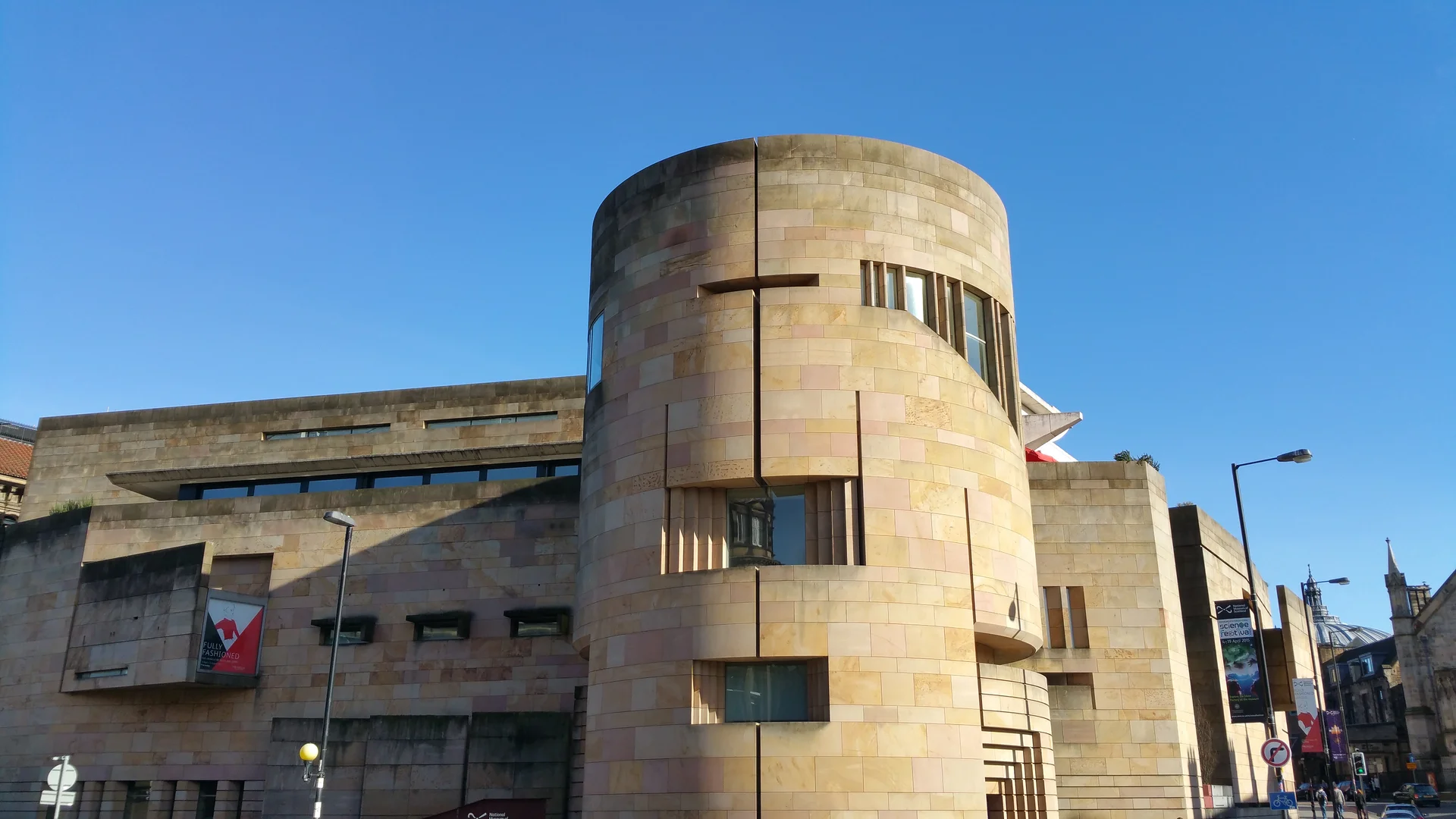
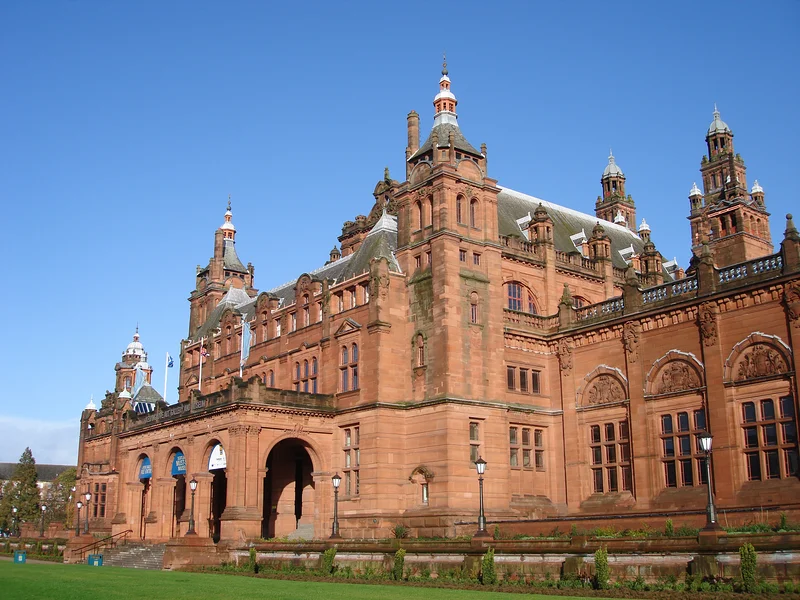
I loved spending a few days in the city of Edinburgh. I found the city lively and the locals much more welcoming than in London. It is a city on a human scale that is easy to visit on foot. Edinburgh has architecture that is still very well preserved. Don't miss the castle, which will plunge you right into Scottish culture.