Big Ben

Things to do in the United Kingdom: 20 must-see attractions in 2026

Discover our members' favorite destinations in the United Kingdom, plus reviews, practical info, and traveler photos...

Our members' favourite places in the United Kingdom

Ranked on recommendations from travellers who went there

#1 London +287 recs

London pairs royal palaces with gritty street art and historic pubs with modern shipping-container food halls. Most major museums are free, the food scene draws from fifty different nations, and the Tube makes it easy to switch vibes in just a few stops. Expect high costs and plan your budget accordingly, but the experiences more than justify the price.

#2 Inverness +157 recs

As the capital of the Scottish Highlands, Inverness pairs a compact urban feel with immediate access to rugged terrain. You can spend your time exploring the castle overlooking the River Ness, walking the riverbanks, or visiting the local museum for a deep dive into regional history. Its location makes it a practical base for day trips to the nearby Loch Ness and the Culloden Battlefield.

#3 Edinburgh +125 recs

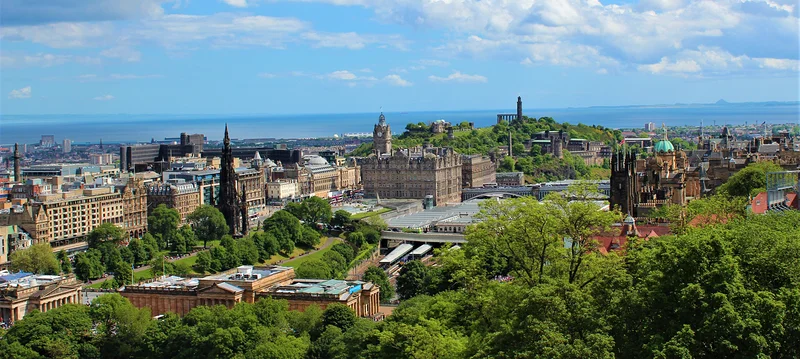
Perched on ancient volcanic rock, Scotland's capital pairs winding medieval alleys, dark stone fortresses, and royal palaces under moody skies. Between subterranean ghost tours and Georgian elegance, the city blends dramatic history with an active cultural scene. Bagpipes echo through centuries-old pubs, whisky pours freely, and you can hike a peak right in the middle of town before settling down for a hearty plate of haggis. Romantic, theatrical, unforgettable.

#4 Oxford +80 recs

Oxford puts you inside the world of elite academia with its historic colleges and grand libraries, much like the ivy-covered atmosphere of an Ivy League campus. You can spend your days wandering through gothic architecture, exploring major museums, or taking a traditional punt boat out on the Cherwell river. For a quick day trip, head to the massive Blenheim Palace just outside the city center. Oxford is an ideal escape for anyone drawn to history and discovery.

#5 Liverpool +42 recs

A record manager walked into a basement club in 1962 and found four boys in leather. The rest is music history. Yet Liverpool is more than just its most famous sons. Victorian docks now house major museums, two cathedrals stand in architectural defiance of one another, and pubs host live music every single night. Expect a red-brick city where the locals are as warm as the weather is famously rainy.

#6 Salisbury +31 recs

Salisbury, located in Wiltshire, is an English city rich in heritage and medieval architecture. Known for its iconic cathedral and proximity to major prehistoric sites, Salisbury offers travelers an authentic immersion into British history.

Salisbury Cathedral: A Gothic Masterpiece

In the center of the city stands Salisbury Cathedral, a remarkable example of English Gothic architecture. Built between 1220 and 1258, it features the tallest spire in the United Kingdom, reaching a height of 123 metres. Visitors can explore the cathedral's spacious interior, stained glass windows, and a clock dating back to 1386, which is recognized as one of the oldest working mechanical clocks in the world.

The cathedral also houses one of the four original surviving copies of the Magna Carta, a landmark historic document signed in 1215.

Old Sarum: The Origins of Salisbury

A few kilometres north of the city lie the remains of Old Sarum, the original site of Salisbury. This archaeological area preserves the ruins of an early castle and cathedral, providing panoramic views over the surrounding countryside. Visitors can wander through the foundations and discover more about the region's origins.

Stonehenge: An Iconic Prehistoric Monument

About 13 kilometres from Salisbury sits the world-famous site of Stonehenge. This megalithic stone circle, dating back several millennia, continues to draw interest for its mystery and historical significance. Guided tours are available to explain the leading theories regarding its construction and purpose.

The City Centre and Its Hidden Corners

Salisbury's city centre is filled with cobblestone streets, half-timbered houses, and lively public squares. The historic Market Place regularly hosts local markets where visitors can browse artisanal goods and food products. The adjacent lanes feature independent shops, cafés, and art galleries that showcase the traditional character of the city.

Traditional Cuisine with Local Flavors

Salisbury's food scene highlights classic British dishes, frequently prepared with regional ingredients. Diners can order savory meat or vegetable pies served with mashed potatoes and gravy. Traditional cream teas, consisting of scones with clotted cream and jam, are also a popular choice for an afternoon break.

Where to eat?

  • The Old Mill (Harnham neighborhood): A historic pub serving classic British fare in a scenic riverside setting.
  • The Refectory (city centre): Located within the cathedral grounds, this café serves light lunches and baked goods, ideal for a break during sightseeing.
  • The Rai d'Or (city centre): A fusion restaurant offering a mix of Thai and British dishes in a relaxed setting.
  • Henderson's Artisan Bakery & Cafe (city centre): An artisanal bakery offering fresh breads, pastries, and light lunches.

When to go?

Salisbury has a temperate climate featuring mild summers and cool winters. The months from May to September are especially pleasant for sightseeing, with comfortable temperatures and numerous cultural events. In September, the Salisbury Food & Drink Festival showcases local producers through tasting booths and cooking demonstrations.

How to get there?

Salisbury is accessible from London by train, with regular departures originating from Waterloo station. The trip takes about 1 hour and 30 minutes, and one-way tickets start at £20. By car, the city is reachable via the M3 motorway and the A303, with a drive time of roughly 2 hours from the capital.

How to get around?

Salisbury's city centre is compact and well-suited for walking. For destinations further out, such as Stonehenge, bus services and organized tours run directly from the city centre.

#7 Manchester +28 recs

Manchester blends its industrial roots with a creative edge, balancing red-brick heritage with modern galleries and converted warehouse food halls. From the alternative energy of the Northern Quarter to the redeveloped waterfront at Salford, this city moves at its own pace. Expect a local scene where Saturday afternoons are defined by stadium chants and Sunday nights are for catching live music in cramped clubs.

#8 Brighton +25 recs

Brighton sits on the southeast coast of England in the United Kingdom, right on the English Channel within East Sussex. It really took off during the 18th century as a seaside and spa destination. Energetic and lively, it is often called London on Sea. Back in 1841, a railway connection linked Brighton directly to London, which accelerated its growth as a resort town. The Victorian era left behind iconic buildings like the Grand Hotel, which still stands right on the waterfront today.

A Cornerstone of British Leisure Culture

By the late 19th century, two piers had gone up in Brighton. The Palace Pier, packed with arcades and eateries, is still standing today. The West Pier met a rougher fate, originally featuring a concert hall and a theater before structural decline forced its closure in 1975. Fire damage followed over the years, and today only skeletal ruins remain visible from the shore.

Another defining landmark is the Royal Pavilion. Built by the Prince Regent who later became King George IV, its Indo-Saracenic architecture features distinctive domes and minarets. Today, it operates as an art museum housing major collections of fine art, fashion, and design.

A Classic English Seaside Town

The downtown area known as The Lanes packs narrow alleys with small shops, pubs, and restaurants. Wandering through the maze of streets brings you past spots like Blaker Street to check out the colorful pastel townhouses. Head over to North Laine next for street art and independent antique stores. This neighborhood gave birth to the mod subculture, a British movement centered around modern jazz, sharp suits, and motor scooters.

The Brighton seafront, famously captured by landscape painter John Constable, is well-developed. Over toward Hove, you will walk past rows of traditional wooden beach huts known as the Hove Beach Huts, and you can ride the observation pod of the i360 tower. Standing 162 meters tall, it offers sweeping views over the coastline and the city below. Heading east, take the Undercliff Walk, a 5-kilometer paved path built right at the base of the white chalk cliffs.

When to go

Spring and summer offer the best weather for exploring Brighton. Timing your visit for Gay Pride is well worth it, as it ranks among the largest celebrations in the United Kingdom, living up to Brighton's reputation as the country's LGBTQ+ capital.

How to get there

The closest major international hub is London Gatwick airport, which offers direct train service straight to Brighton. If you arrive via the Eurostar in London, connecting trains to Brighton depart from St Pancras or Victoria stations. For drivers, Brighton connects easily via the A23, the coastal A259, or the A27.

#9 Windsor +25 recs

Located about 40 kilometres west of London in Berkshire, Windsor is the ultimate royal town. This is home to the famous Windsor Castle, the secondary residence of the royal family, along with other palaces like Frogmore House. Between its charming downtown and its lavish parks and gardens, Windsor is the ideal spot to unwind away from the rush of the capital. You will also find the Legoland theme park here, featuring miniature replicas of famous English landmarks such as Big Ben and the London Eye.

The most famous royal town in the United Kingdom

Naturally, any visit to Windsor includes its famous castle. Founded in 1070 by William the Conqueror, it is the largest castle in England with over 1,000 rooms and a surface area of 52,000m². Pay attention to the flag flying above the ramparts because if it is raised, the king and his family are in residence. During your visit, do not miss St. George's Chapel, a stunning Gothic religious building and the burial site of numerous British monarchs including Henry VIII and, more recently, Queen Elizabeth II.

The old town of Windsor hides other fine examples of English heritage, such as half-timbered houses dating from the 16th and 18th centuries. Stop by the Windsor Guildhall, which houses a small museum tracing local history back to the Stone Age. History enthusiasts should head to the neighboring town of Eton, home to the prestigious Eton College and several museums.

Between parks and gardens

Aside from a scenic stroll along the Thames on foot or by boat, take advantage of your time in Windsor to admire the lavish surrounding parks and gardens like Windsor Great Park, the royal park of Windsor. Spanning 2,020 hectares, it features trees over 500 years old and herds of deer. Walk down the Long Walk, an avenue stretching from Windsor Castle to the Copper Horse monument that offers great viewpoints. Commissioned by George V in 1932, the Savill Garden is a stunning botanical garden that also features a magnificent rose garden.

When to go?

Windsor Castle is open from early November to late February from 10:00 AM to 4:15 PM (last admission at 3:00 PM) and from early March to late October from 10:00 AM to 5:15 PM (last admission at 4:00 PM). Note that the chapel closes at 4:00 PM from Monday to Saturday, and the Changing of the Guard takes place on Tuesdays, Thursdays, and Saturdays at 11:00 AM. If you want to enjoy the gardens, the best time to visit Windsor is during the warmer months between May and September.

How to get there?

Windsor is located about 15 kilometres from London Heathrow airport. By car, take the M4 and exit at junction 6. From London Paddington, trains reach Windsor & Eton Central in about 40 minutes with a change at Slough. From London Waterloo, direct trains serve the town's other station, Windsor & Eton Riverside, in just under an hour. A shuttle bus also runs the route from London Victoria station.

#10 Glasgow +24 recs

Glasgow is a Scottish powerhouse and the third-largest city in the United Kingdom, home to nearly 600,000 residents. The city transformed into a massive commercial and industrial hub between the 18th and 20th centuries. You can still see this legacy in the local architecture, particularly in the Hyndland neighborhood with its tall red sandstone tenements. The early 20th century also saw a surge of Art Nouveau design led by architect Charles Rennie Mackintosh, who left his mark on the city with iconic structures like the Mackintosh House and the Glasgow School of Art.

A key stop in Scotland

Glasgow has been a major religious center since the Middle Ages. Head over to Saint Mungo's Cathedral to see the history for yourself. Afterward, take a walk through the Necropolis, a fascinating hillside cemetery packed with ornate Victorian tombstones.

Next, make your way to George Square, the city's main plaza and a gateway to the central shopping and cultural district. Beyond the City Chambers, you will find grand Victorian buildings like the GOMA, a museum dedicated to modern and contemporary art. You cannot miss the statue of the Duke of Wellington out front, which is famous for the traffic cone locals insist on placing on his head. Continue down Buchanan Street to find other landmarks like the LightHouse. This tower houses a design center dedicated to the work of Mackintosh, and you can climb the stairs for a panoramic view of the city.

Glasgow's industrial heritage

The city took a hard turn toward heavy industry in the 19th century, driven by steel and iron production. By the 1980s, however, Glasgow faced a serious economic downturn. While it often sits in the shadow of its neighbor Edinburgh, the city has successfully reinvented its industrial past. This creative energy fueled a legendary local music scene, producing world-famous bands like Simple Minds, Belle & Sebastian, and Franz Ferdinand.

To really get a feel for this transformation, head to the Finnieston neighborhood. This former industrial port area is now the city's trendiest spot for dining and nightlife. Further along the old docks, the RiverSide Museum, designed by architect Zaha Hadid, offers a deep dive into maritime history.

Just a short distance away, you can relax in Kelvingrove Park, which hosts the Kelvingrove Art Gallery and Museum. The grand 1901 building houses vast collections of art and history, including the famous Salvador Dali painting, Christ of Saint John of the Cross. From there, follow the Kelvin River for a walk to the 200-year-old Glasgow Botanic Gardens.

When to go

The best time to experience Glasgow is when the weather is at its mildest, between May and September.

How to get there

You can find occasional direct flights to Glasgow from a number of European hubs. Otherwise, fly into Edinburgh and take the short train ride over. Once you are in the city, ride the Glasgow Subway. It is one of the oldest in the world, and the tiny orange cars feel like a trip back in time.

Our members' favourite things to do in the United Kingdom

Ranked on recommendations from travellers who did them

#1 British Museum (London) +33 recs 4.9/5

The British Museum is among the most influential institutions on the planet. Located in London, it guards a collection of over 8 million items spanning from prehistory to the present. Key highlights include the Rosetta Stone and the Parthenon Sculptures. It draws 6 million annual visitors.

See the guide See deals-7%AVYGEO7

#2 National Gallery (London) +32 recs 4.6/5

Located on Trafalgar Square, the National Gallery in London holds a status similar to the Louvre in Paris. It houses over 2,300 Western paintings spanning the 13th to 20th centuries. Highlights include Van Gogh's Sunflowers and Self-Portrait, Leonardo da Vinci's The Virgin of the Rocks, and Raphael's Madonna of the Pinks.

See the guide See deals-7%AVYGEO7

#3 St Paul's Cathedral (London) +25 recs 4.7/5

St Paul's Cathedral in London serves as the seat of the Anglican Diocese. Rebuilt by Sir Christopher Wren after the Great Fire of 1666, it blends neoclassical and baroque styles. Its massive dome draws inspiration from St. Peter's Basilica and the Hôtel des Invalides. Famous for its 125 bells and Golden Gallery, the cathedral hosted the funeral of Churchill and the wedding of Charles and Diana. The crypt holds notable British figures, including the architect Wren himself.

See the guide See deals-7%AVYGEO7

#4 London Eye (London) +22 recs 3.9/5

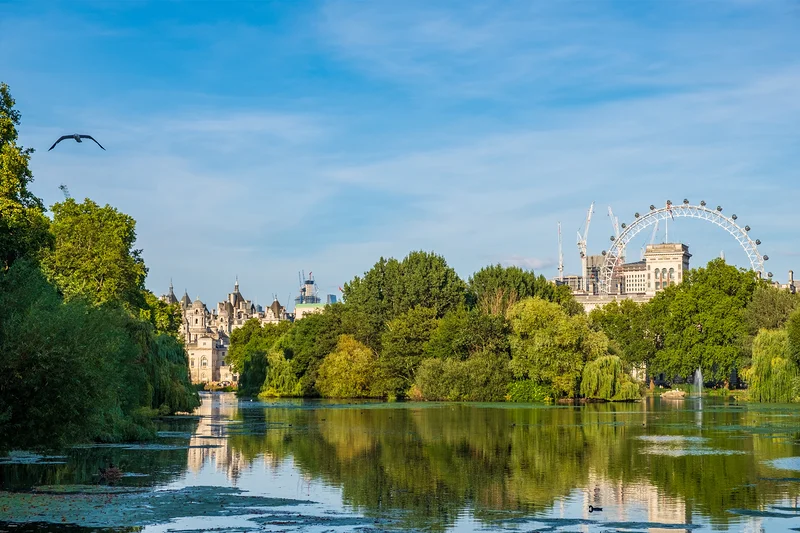
The London Eye is a massive observation wheel located on the South Bank of the River Thames in London. Since opening in 2000, this 135-meter structure with 32 capsules has become a top attraction. A full rotation takes about 30 minutes, providing views of Big Ben, Buckingham Palace, and the Tower of London.

See the guide See deals-7%AVYGEO7

#5 Houses of Parliament (London) +22 recs 4.6/5

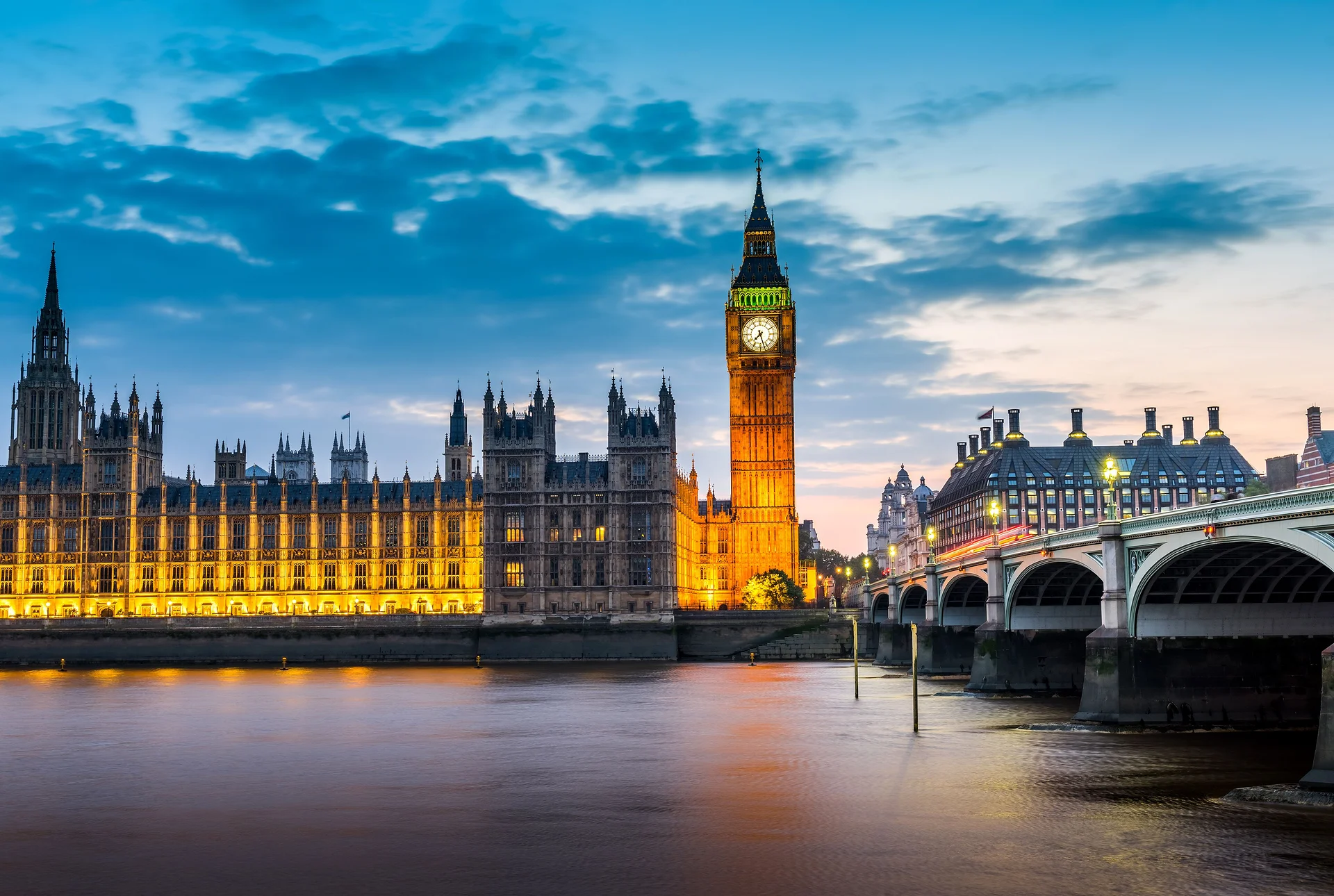
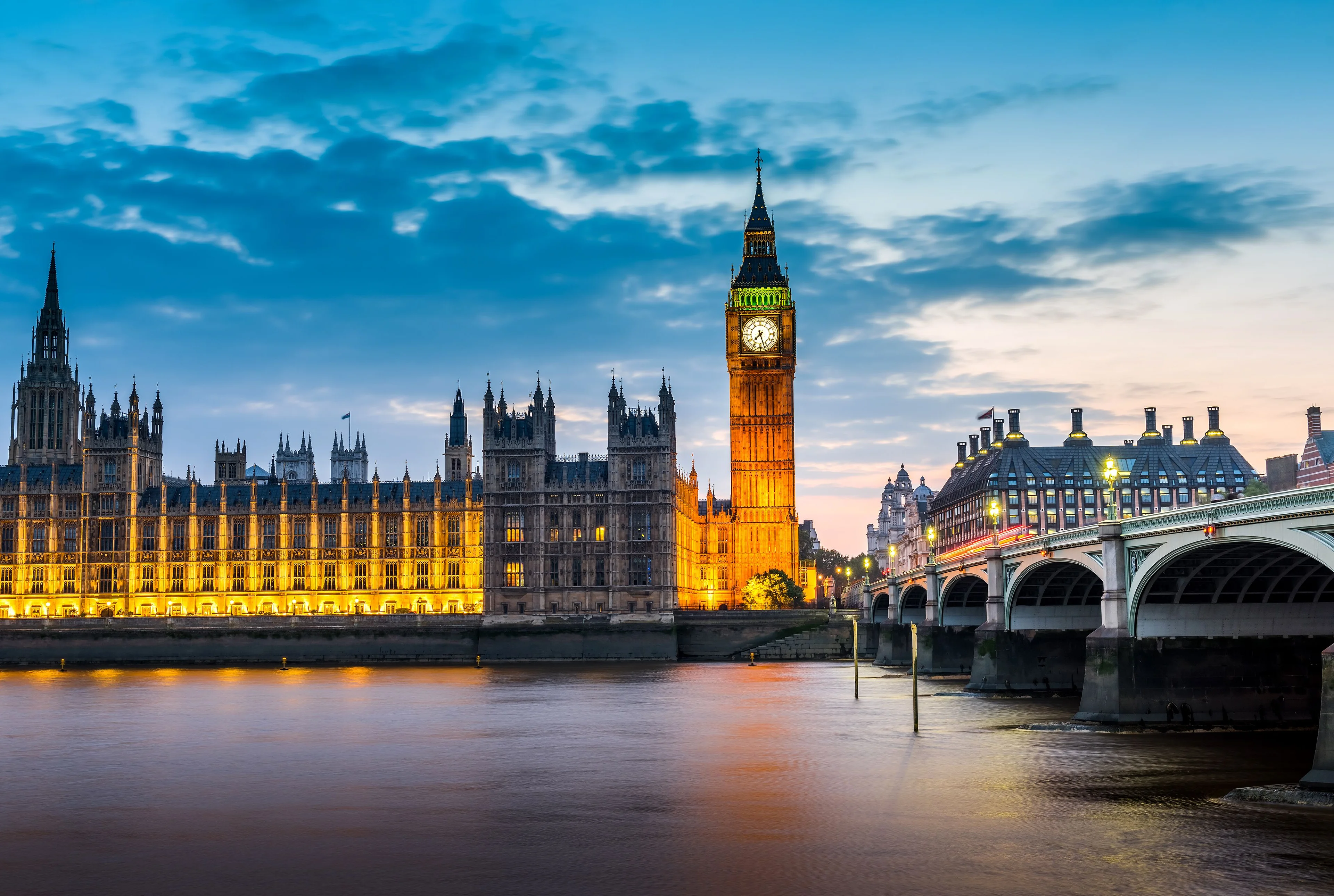
The Houses of Parliament, in the heart of London, are essential for understanding British history and politics. With roots reaching back to the Middle Ages, this site remains a focal point of the United Kingdom. Admire the iconic Big Ben clock tower and tour the chambers of the House of Lords and House of Commons.

See the guide See deals

#6 Edinburgh Castle (Edinburgh) +21 recs 4.3/5

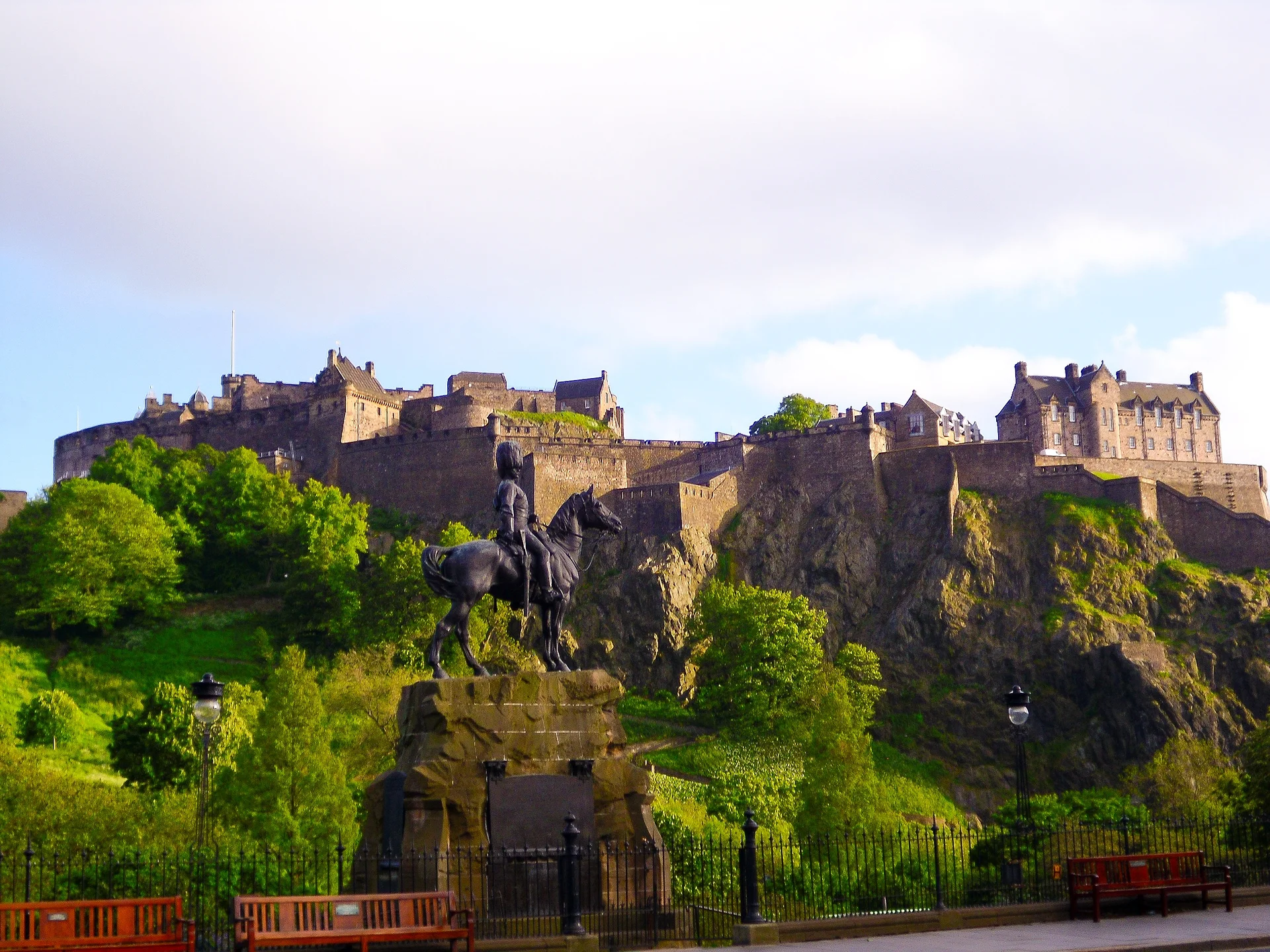
Edinburgh Castle packs everything families love into one stop: history, adventure, stunning views, royal jewels, and ancient legends. Explore this striking fortress where you will encounter the one o'clock gun, Saint Margaret's Chapel, the Crown Jewels, the National War Memorial of Scotland, Mons Meg, and the historic war prisons.

See the guide See deals-7%AVYGEO7

#7 University of Oxford (Oxford) +21 recs 4.5/5

The University of Oxford is a collection of historic colleges and prestigious libraries reflecting a deep academic legacy. Christ Church, Magdalen College, and the Bodleian Library are essential stops. Gothic architecture, quiet cloisters, and massive book collections draw history buffs globally. It remains a hub of excellence, welcoming students from around the world annually.

#8 Bodleian Library (Oxford) +19 recs 5/5

The Bodleian Library is a historic landmark in Oxford. Founded in 1602, it is among the oldest in Europe. It holds over 13 million items across notable buildings like the Radcliffe Camera and the Divinity School. Guided tours reveal gothic halls, medieval manuscripts, and Shakespeare texts. Its architecture defines the city.

#9 Tate Modern (London) +18 recs 4.6/5

Tate Modern is a modern and contemporary art museum in the Bankside neighborhood of London. Housed in a former power station since 2000, it features works by Picasso, Warhol, and Rothko. The massive Turbine Hall hosts large-scale installations. It remains one of the most visited museums in London, drawing millions of guests annually.

See the guide See deals-7%AVYGEO7

#10 Tower Bridge (London) +18 recs 4.7/5

Tower Bridge, the icon of London, is a neo-Gothic bascule bridge built in 1886. Spanning 246 meters and standing 65 meters tall, it features a clever hydraulic system for river traffic. While steam once powered the towers, electric motors took over in 1976. The bridge museum walkway offers river views, and 2008 LED upgrades highlight its nighttime charm.

See the guide See deals-7%AVYGEO7
See the best activities in the United Kingdom

The United Kingdom: A Land of Contrasts That Still Surprises

Fog rolling over the Scottish Highlands at dawn, the smell of fish and chips drifting through the streets of Brighton at 4 PM, the cry of gulls over the white cliffs of Dover. The United Kingdom is a place you experience just as much as you visit, with its four distinct nations rubbing shoulders without ever truly blending together.

Between London and its global melting pot and Welsh villages where time seems to have stopped, this 93,600-square-mile territory packs an astonishing density of experiences into a relatively compact space.

For Culture Lovers and Changing Landscapes

If you are looking for guaranteed sunshine, look elsewhere. British weather is notoriously fickle, and rain loves to crash the party even in July.

Tourist infrastructure is excellent, the museums rank among the best in the world, and public transportation is comprehensive yet costly. Traveling here works well for history buffs, dedicated hikers, and fans of vibrant music and arts scenes. While less suited for travelers chasing Mediterranean heat or dirt-cheap getaways, the territory compensates with a massive variety of landscapes packed into a small footprint.

Major cities like London, Edinburgh, and Manchester offer intense nightlife, free museums, and a food scene that has evolved dramatically over the past two decades. Rural areas like the Lake District, the Highlands, and the Cotswolds draw visitors in with their quiet charm and trail networks. The pace of life stays fast in the metros and slows down considerably in the countryside. Safety standards are high, though big cities deal with the usual urban issues found anywhere. Bring a credit card with no foreign transaction fees, because contactless payment rules the day.

A Substantial Budget to Plan For

Let us be upfront: the United Kingdom is expensive. Expect to budget between $79 and $113* per day per person for a backpacker approach with hostel dorms, pub meals, and public transit. A mid-range budget runs from $113 to $169* per day, covering three-star hotels and casual sit-down dinners. London pushes these numbers up by 20 to 30 percent. Lodging eats up the largest chunk of the budget, followed by transportation. Bed & Breakfast inns offer the best value with a hearty breakfast included, running $57 to $90* a night for a double room outside of London.

London and Its Distinct Neighborhoods

The British capital dominates everything with its sheer scale. Home to over 9 million residents across 32 boroughs, it stretches roughly 50 kilometers from east to west. The historic center clusters around Westminster, home to Buckingham Palace, Big Ben, and the Abbey. But reducing London to these postcard sights misses the point. Neighborhoods like Shoreditch pulse with street art and independent coffee shops, Camden keeps its alternative punk roots alive, and Notting Hill shows off the pastel townhouses you have seen all over Instagram.

Along the Thames, the urban transformation is striking. Southbank lines up cultural heavyweights including the Tate Modern, housed inside a former power station. Further east, Canary Wharf rises in a cluster of glass skyscrapers, while Greenwich preserves its deep maritime heritage. National museums remain free, a massive perk when spots like the National Gallery or the British Museum easily demand multiple days to properly explore. Heavy traffic and crowded sidewalks always catch newcomers off guard.

Street markets are worth visiting for their atmosphere and cheaper bites. Borough Market under its Victorian brick arches serves up global street food, while Brick Lane mixes Bangladeshi curry houses with vintage clothing shops. The London Underground runs efficiently but costs a fortune unless you use a Visitor Oyster Card or contactless payment to cap fares. Plan on spending $6.80 to $12* a day on transit alone. Walking the city is entirely doable and often reveals hidden corners you would otherwise miss.

Friendly tip: Download Citymapper before you arrive. This app calculates the fastest routes in real time by combining every form of transport, down to the exact fare and travel time.

Scotland, From Lively Cities to Breathtaking Landscapes

Edinburgh stands out as one of Europe's most striking capitals. Its clifftop castle towers over the medieval Old Town, and cobblestone alleys plunge up and down volcanic hillsides. The Royal Mile connecting the castle to the Palace of Holyroodhouse is packed with tartan shops, historic pubs, and stone tenements. In August, the Edinburgh Festival turns the entire city into a giant stage with hundreds of performances daily. Prices skyrocket during this window, so book several months ahead.

Glasgow, an hour away by train, cultivates a completely different identity. Harder working and more rugged, Scotland's largest city boasts a legendary live music scene and stunning Victorian architecture. The Kelvingrove Museum is free to enter and rivals major London institutions. Between the two cities, Loch Lomond provides a first taste of wild Scottish scenery, with dark waters framed by rolling green hills.

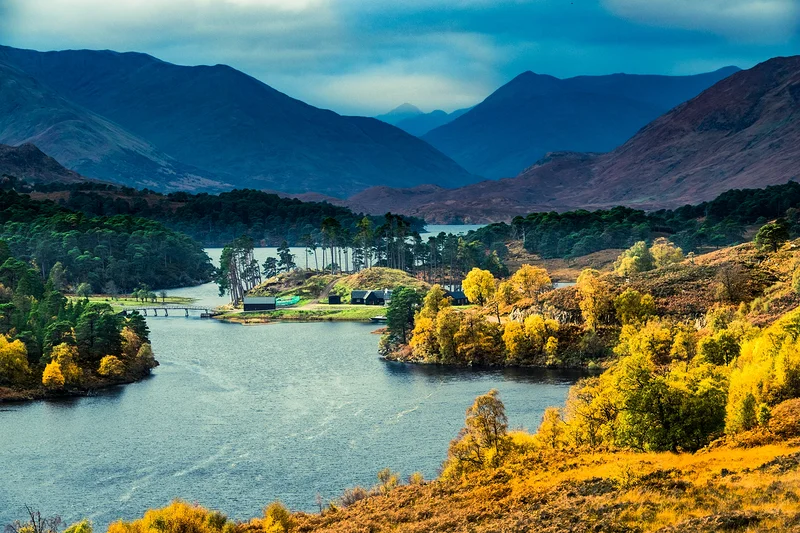
The northern Highlands embody raw, untamed Scotland. Picture wind-whipped bare mountains, mysterious lochs, and crumbling castles lost in the middle of nowhere. The winding drive out to the Isle of Skye delivers views that make the entire trip worthwhile. The Old Man of Storr, Skye's signature rock spire, requires a solid hour-long uphill hike to reach. Loch Ness still pulls in crowds hunting for monster legends, but the area's real appeal lies in its wooded shores and historic ruins like Urquhart Castle.

Scottish distances can be deceiving. What looks close on a map takes real time on narrow, winding roads. Expect a four-hour drive from Edinburgh to Skye, longer by bus. Citylink and Megabus coaches offer reasonable fares if booked in advance, sometimes starting around £10 a trip. Renting a car gives you ultimate freedom for hitting remote trailheads, though you will have to navigate driving on the left and single-track roads with passing places.

Wales, Where Mountains Meet the Sea

Cardiff, the Welsh capital, surprises visitors with its energy. Once an industrial coal port, it reinvented itself around the redeveloped Cardiff Bay and an imposing castle featuring Roman foundations, a Norman keep, and Victorian Gothic revamps. The Millennium Stadium looms right over downtown, generating an electric crowd on rugby match days, the undisputed king of Welsh sports.

Snowdonia National Park in the north holds Wales' tallest peaks, anchored by Snowdon at 1,085 meters. A rack-and-pinion mountain railway chugs all the way to the summit for travelers looking to skip a four-hour hike. Stone villages like Betws-y-Coed act as base camps for exploring the surrounding river valleys. Massive fortresses built by Edward I dot the region, including Caernarfon, Conwy, and Harlech, all UNESCO World Heritage sites. Their imposing stone curtain walls tell stories of intense medieval conflict.

The southern coast reveals family-friendly beaches like Tenby with its painted townhouses, alongside the Pembrokeshire coast path and its rugged clifftop walks. The Brecon Beacons further south offer sweeping moorlands and waterfalls with fewer crowds than Snowdonia. Welsh is spoken daily in parts of the region, and bilingual road signs with their consonant-heavy spelling take some getting used to.

Northern Ireland, Between Recent History and Protected Coastlines

Belfast has transformed dramatically since the 1998 peace agreements. The political murals along the Falls Road and Shankill Road document past conflicts, now preserved as historical points of interest. The Titanic museum on the historic shipyard slipways traces the ocean liner built here in 1912. The downtown Victorian architecture stands in sharp contrast to the modern glass developments rising along the River Lagan.

The Giant's Causeway on the north coast is worth the journey. These 40,000 interlocking basalt columns formed by ancient volcanic activity look straight out of a science fiction movie. The site gets packed in the summer, so aim for late afternoon to catch some quiet. The Causeway Coastal Route hugging the Antrim coast uncovers ruined clifftop keeps, rope bridges swaying over the ocean, and tiny fishing harbors.

Derry/Londonderry, a walled city where even the name sparks debate, deserves a full day to walk the complete circuit of its historic ramparts and explore its turbulent past. The Mourne Mountains to the south offer rugged hiking trails with a fraction of the foot traffic found in Scotland. Northern Ireland generally runs cheaper than the rest of the UK, with lodging and dining typically costing 10 to 15 percent less.

Between Fish and Chips and a Culinary Revolution

Fish and chips remains an absolute staple. Battered cod or haddock served with thick-cut chips, traditionally wrapped paper-style in neighborhood takeouts. Expect to pay £8 to £12 depending on the location. Pubs dish out a proper Sunday roast every Sunday afternoon featuring roasted meat, Yorkshire pudding, seasonal vegetables, and rich gravy. The welcoming vibe of these neighborhood pubs makes it easy to strike up a chat with locals.

British food has come a long way. London hosts dozens of Michelin-starred dining rooms, while food markets serve up incredible Indian, Korean, and Mexican street food for £8 to £15. Supermarkets like Tesco, Sainsbury's, and Marks & Spencer stock popular meal deals running £3 to £5, packaging a sandwich, drink, and snack together. A traditional full cooked breakfast packs enough calories and protein to fuel you well into the afternoon.

For drinks, afternoon tea time stays deeply rooted in local habits, though specialty coffee shops have taken over most corners. Pubs pour dozens of local cask ales on tap, and single malt Scotch whisky tastes best right where it is distilled. Fast-casual chains like Pret A Manger and Greggs make grabbing a quick bite easy on the wallet. In sit-down restaurants, a service charge is often added to the bill, though an extra 10 percent tip is appreciated for good service without being mandatory.

Prioritize Spring and Autumn

May, June, and September hit the sweet spot between decent weather and manageable crowds. Temperatures hover between 59 and 68°F, and daylight stretches past 9 PM during peak summer. July and August align with British and European school holidays, meaning major landmarks overflow with tourists and hotel rates jump by 30 to 50 percent. Scotland looks its absolute best in September when purple heather blankets the rolling hills.

Winter from November through March brings cold rain, early darkness, and a moody atmosphere. Christmas markets pop up in December, pubs string up festive lights, and cities glow after dark. Accommodation prices plummet outside of the holiday weeks. Fall brings fiery foliage to parks and forests, and the New Forest in southern England turns spectacular through October.

Weather across the UK stays unpredictable no matter the month. Experiencing four seasons in a single afternoon is a real phenomenon, so pack a light rain jacket and layers. Events like the Edinburgh Festival in August, the Notting Hill Carnival in late August in London, and St. Patrick's celebrations in March in Northern Ireland draw heavy crowds but deliver unforgettable energy.

Getting to the United Kingdom from France

Eurostar trains connect Paris to London in 2 hours and 15 minutes, making it the fastest and often most budget-friendly route. Tickets booked weeks ahead start around $45* one-way, but climb to $169-$230* for last-minute bookings. Trains depart from Gare du Nord in Paris and arrive at St Pancras International in central London, with select runs continuing on to Brussels and Amsterdam.

Airlines fly into various British airports from major French cities. Heathrow and Gatwick serve London, while Manchester, Birmingham, Edinburgh, and Glasgow let you skip the capital entirely. Budget carriers like easyJet and Ryanair offer flights starting around $34-$57* if booked early, though you should watch out for baggage fees. Expect a flight time between 1 hour 30 minutes and 2 hours 30 minutes. Travelers should note the electronic ETA travel authorization requirement for European visitors, which costs £10 and is processed online.

Ferries from Calais to Dover take about 90 minutes, making them a practical choice if you are traveling with a car. Operators like P&O and DFDS run multiple daily sailings, with prices ranging from $90 to $230* for a vehicle and passengers depending on the season. Other routes operate from Dieppe, Cherbourg, and Roscoff to various English ports. The Channel Tunnel via Eurotunnel hauls vehicles across between Calais and Folkestone in just 35 minutes.

Getting Around Efficiently

The British rail network covers the country thoroughly but costs a fortune if you wait until the last minute. Booking in advance through Trainline or National Rail cuts ticket prices in half or thirds. A London-to-Edinburgh fare can range from £30 up to £150 based on when you purchase and the departure time. Trains offer comfortable, fast travel, taking 4.5 hours between London and Edinburgh and 2 hours between London and Manchester. First class offers little beyond slightly wider seats.

Long-distance buses like National Express or Megabus offer unbeatable rates, sometimes dropping to £5 a ticket. The downside is travel time, which often doubles or triples compared to the train. A London-to-Edinburgh coach takes 8 to 10 hours versus 4.5 hours by rail, making them ideal for strict budgets or overnight trips that save on a hotel night.

Inside cities, public transit runs smoothly. The London Underground remains the most extensive system, though also Europe's priciest. Oyster cards or contactless bank cards automatically cap your daily spending. Edinburgh, Manchester, and Glasgow feature efficient tram and bus networks.

Renting a car makes sense for exploring Scottish or Welsh countryside where public options thin out. Keep in mind that driving on the left takes concentration during your first few hours, and narrow country lanes require full attention. Gas costs around £1.55 per liter, so try to avoid highway service stations where prices spike.
Find the best travel deals in the United Kingdom

Hotels and stays Flights Car rentals Custom trips

Our regional guides

England

England

+603 recs
Scotland

Scotland

+332 recs

Top photos posted by members

Big Ben
Château d'Edimbourg
Tate Modern de Londres

Articles about the United Kingdom

Traveler reviews

Most underrated English city

I love Manchester, you can feel the music on every corner, the vibe of the city is young and active, and everyone is kind and smiling. The industrial history of the region blends with the modern buil…

108

A timeless experience

I loved my visit to this magnificent library. It is a place rich in history where you will feel like you are in Harry Potter's castle! The library is open from Monday to Saturday and admission is free…

49

One of the best museums I've been to!

It wasn't in our original itinerary, but we just wandered into the museum by chance (it's free, worth noting!) and what a great surprise! First off, it is huge and packed with exhibits of all kinds, c…

127

Historic British city built on ancient volcanoes

I went to Edinburgh without really knowing what to expect. Several things surprised me: - The topography: built on ancient volcanoes, there are several hills and it is sometimes steep, but above all…

253

My favorite city ❤️

What a marvelous city Edinburgh is, one of my absolute favorites! The atmosphere in the little alleys, day or night, is truly incredible. Lots of friendly people, and plenty of pubs with gorgeous arch…

80