Brazil hits you hard on day one
The humid heat clings to your skin before you even step out of the Rio de Janeiro airport. Taxis honk endlessly, samba drifts from a passing car, and a vendor calls out to you in Portuguese. This country, slightly larger than the contiguous United States, makes zero compromises: its beaches stretch for miles, the Amazon rainforest covers half the country, and its parties last for days.
A trip to Brazil requires preparation and realism

Let's be direct: this destination suits travelers who accept a certain level of chaos and do not expect modern comforts everywhere. Infrastructure varies wildly by region. Rio and São Paulo offer subways, modern restaurants, and hotels, but as soon as you leave the major cities, roads turn rough and schedules become optional.
Portuguese dominates completely, with fewer than 10% of the population speaking English. Downloading Google Translate or learning a few basic phrases genuinely transforms the experience.
Is it dangerous to travel in Brazil?
The safety question deserves a frank conversation. Crime statistics are high, particularly in Rio and specific neighborhoods of major metropolises. That does not mean you will inevitably run into trouble, but constant vigilance is required. Skip visible jewelry, keep your phone in your pocket, and avoid walking through deserted areas at night. Apps like Uber or 99 are far safer than street taxis. Tourist zones like Copacabana and Ipanema remain generally safe during the day, backed by a visible police presence. Absolutely avoid the favelas, even with a guide, because situations can turn instantly.
Budgets vary based on your choices
Brazil can run $47 to $70* per day for a backpacker staying in hostels, eating at per-kilo restaurants, and taking buses. Plan on $93 to $139* per day for a mid-range budget with a decent hotel and a few activities. Domestic flights with Gol, Azul, or LATAM add up quickly, but the distances are so vast that flying is often mandatory. Expeditions into the Amazon or the Pantanal easily cost $350* for three days.
Rio between clichés and urban reality
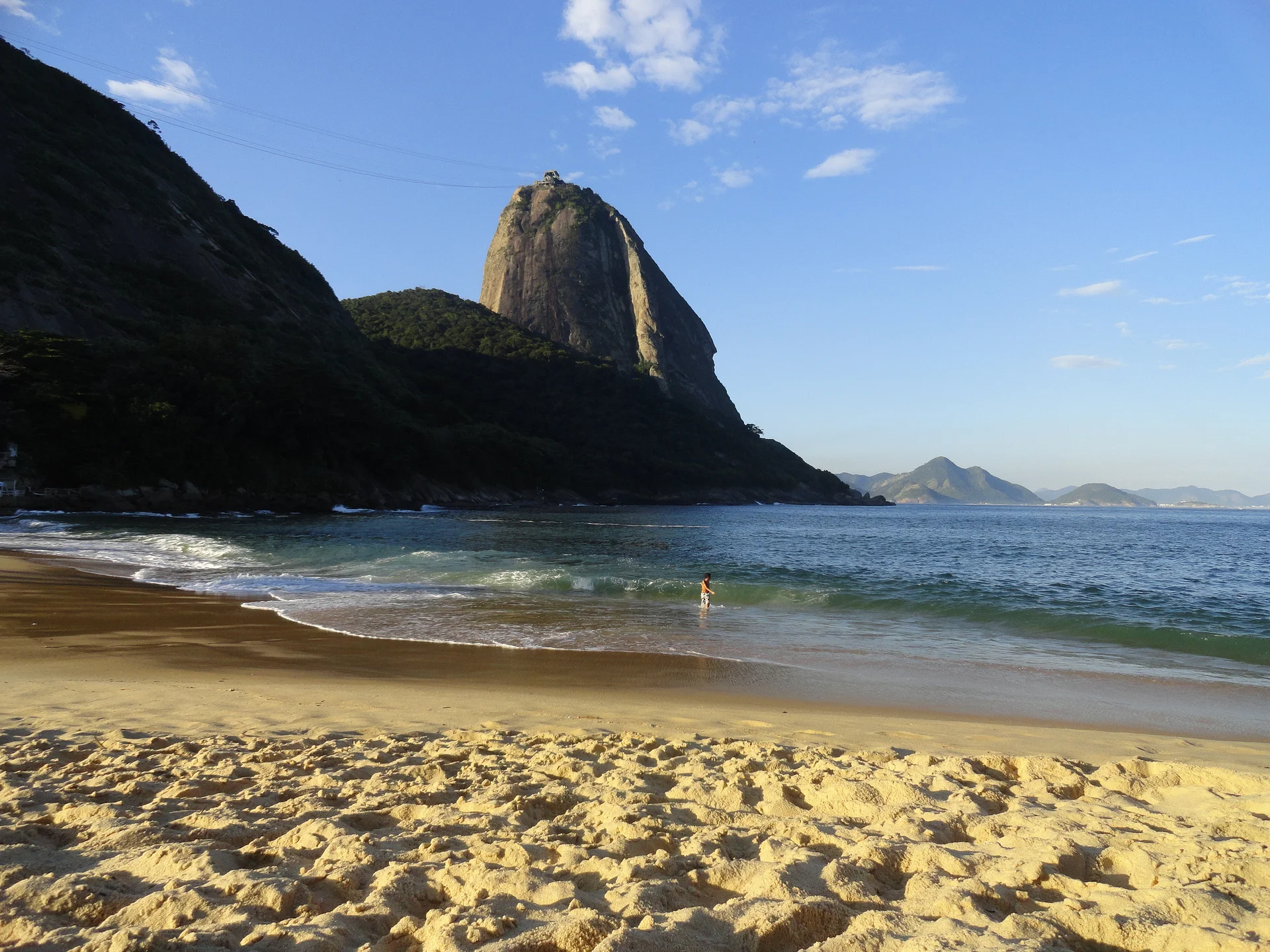
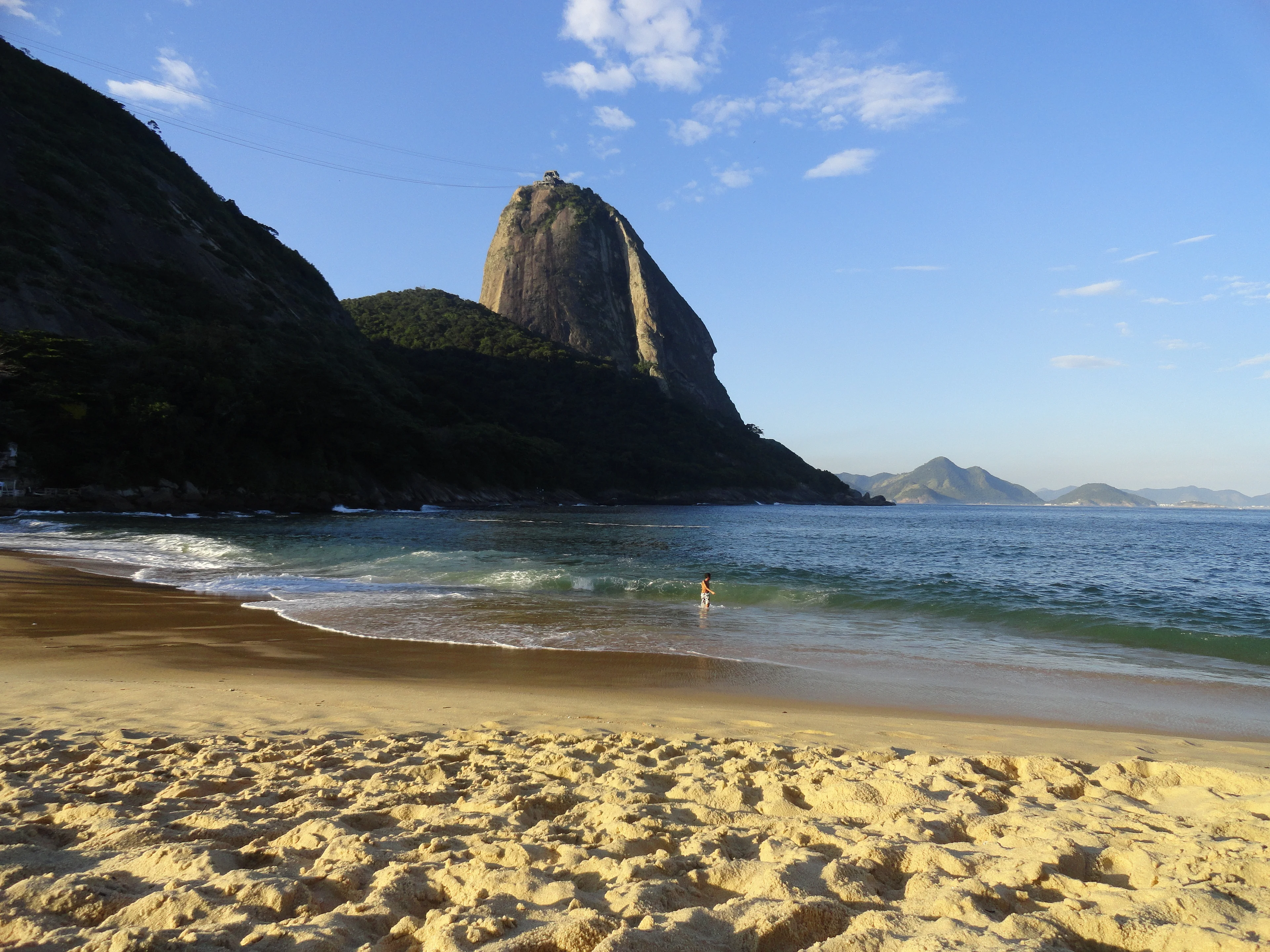
La Cidade Maravilhosa lives up to its name when you ride the cable car up to Sugarloaf Mountain. The bay sparkles below, mountains plunge into the ocean, and the statue of Christ the Redeemer towers over everything from the top of Corcovado. These two sites are best visited early in the morning to beat the crowds and catch softer light. Booking tickets online saves an hour in line, especially in high season.
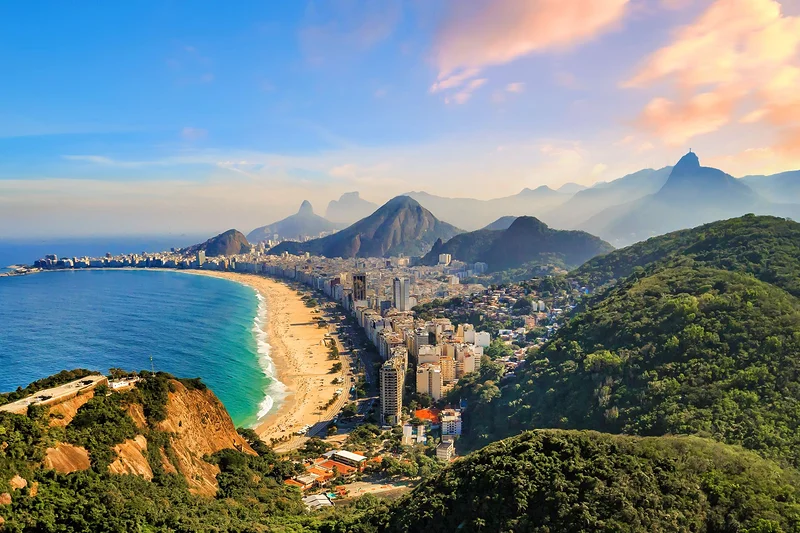
The beaches of Copacabana and Ipanema are institutions, but do not expect a quiet tropical paradise. The sand fills with thousands of cariocas playing soccer, drinking beer, and blasting music. The vibe is festive, noisy, and occasionally overwhelming. Swimming calls for caution because the undertows can surprise you. Beach vendors walk by every five minutes selling cold beers, sarongs, or peanuts. Always have someone watch your belongings, even for a quick dip.
The Lapa neighborhood comes alive at night with its bars and samba clubs, but it remains an area where you need to stay extra alert. The Arcos da Lapa and the Escadaria Selarón with its 2,000 colorful tiles are worth photographing by day. Santa Teresa, the bohemian neighborhood perched on the hills, features cobblestone alleys lined with artist studios and charming restaurants. The historic yellow streetcar climbs the steep slopes laboriously, making for a picturesque but slow ride.
To escape the urban buzz, cariocas sometimes head to Ilha Grande, two hours away. This island housed a federal prison until 1994 and escaped heavy development. There are almost no cars, few buildings, pleasant beaches, and forest trails. The contrast with Rio is striking.
Friendly tip: Per-kilo restaurants let you eat local food for 15 to 25 reais ($3 to $4.90*). You pick what you like, weigh your plate, and pay by weight. Ideal for trying several dishes without breaking the bank.
The Amazon and the Pantanal for wildlife encounters

The Amazon makes you work for it. You have to fly to Manaus or Belém, then board a boat or head to a jungle lodge. Expeditions lasting at least three days let you push deep enough into the wilderness to spot caimans, pink river dolphins, howler monkeys, and endless birds. The humid heat drains your energy, mosquitoes bite relentlessly despite bug spray, and sleeping in hammocks under mosquito nets isn't for everyone. Still, cruising down an Amazon tributary at sunrise, surrounded by the chorus of the forest, leaves unforgettable memories.
Local guides know the forest inside out and spot animals you would never see on your own. Some lodges offer overnight stays in the canopy or visits with indigenous communities. The best time to visit runs from July to September during the dry season. Rains from April to June turn trails muddy and limit certain activities.
The Pantanal, an immense wetland bordering Paraguay and Bolivia, offers better wildlife viewing odds. Jaguars, capybaras, anacondas, hyacinth macaws, and hundreds of bird species inhabit these flooded plains. Fazendas converted into lodges organize 4x4 safaris, night boat tours, and horseback rides. Rates start at $116* per day all-inclusive, a solid investment for nature lovers.
Natural wonders that defy imagination

The Iguazu Falls on the border with Argentina defy description. 275 waterfalls crash down in a deafening roar, kicking up mists that spawn permanent rainbows. The Brazilian side delivers a spectacular panoramic view, while the Argentine side lets you get right up to the falls on dizzying catwalks. Plan for a full day on each side, along with a raincoat because you will get soaked. The town of Foz do Iguaçu serves as a practical, if charmless, logistical base.

The Lençóis Maranhenses in the Nordeste look like a mirage. Pristine white sand dunes stretch across 155,000 hectares, dotted with turquoise lagoons that fill up after the rainy season. From June to September, these natural pools reach their peak. You access the park from Barreirinhas, a small village experiencing fast tourism growth. 4x4 excursions followed by hiking through the dunes under a blazing sun require good physical condition.
Salvador and the Nordeste coast

Salvador pulses to the beat of its Afro-Brazilian roots. The Pelourinho, the historic center with its colorful facades, packs in baroque churches, art galleries, and Bahian seafood restaurants. Capoeira demonstrations animate the squares, and drum beats echo through the cobblestone streets. The city holds a distinct soul, quite different from Rio or São Paulo. On Sundays, Bonfim draws thousands for Candomblé ceremonies, a syncretic religion born from African beliefs and Catholicism.
Heading down the coast to the southern beaches, Morro de São Paulo, Itacaré, and Trancoso offer fine sand, coconut palms, and a laid-back vibe. Jericoacoara in Ceará draws kitesurfers and partygoers. Fernando de Noronha, a protected archipelago 350 km offshore, lures visitors with crystal-clear waters and exceptional marine life, though the 100-real daily entry fee and high prices filter out mass tourism.
São Paulo and Brasília, two contrasting urban faces
São Paulo impresses with its sheer scale. 12 million residents, 30,000 restaurants, and an intense cultural scene featuring theaters, museums, and a frantic nightlife that never stops. The Vila Madalena neighborhood covers its walls in street art, Liberdade hosts the largest Japanese community outside of Japan, and Avenida Paulista concentrates commerce and museums. This city isn't touristy in the traditional sense; you experience it for its creative energy and a food scene that brings together cuisines from around the globe.
Brasília, the federal capital laid out by urban planner Lucio Costa and built to Oscar Niemeyer’s designs, either fascinates or repels. Its futuristic 1960s buildings form an open-air architecture museum. The Metropolitan Cathedral with its hyperboloid structure, the National Congress with its twin towers, and the Palácio da Alvorada showcase the audacity of this city built in four years out in the middle of the cerrado. The lack of a traditional downtown center and the massive distances between neighborhoods make visiting feel a bit surreal.
Brazil on your plate: fusion and generosity

Feijoada, the national dish, simmers black beans with various pork cuts for hours. Restaurants traditionally serve it on Wednesdays and Saturdays, accompanied by rice, orange slices, and farofa, the toasted cassava flour that crunches between your teeth. Wash it down with a caipirinha, a cocktail made from cachaça, lime, and sugar that goes down smooth but hits hard.
Pão de queijo, small cheese rolls, make for a great snack at any hour. Coxinhas, teardrop-shaped fried dough stuffed with shredded chicken, fill bakery display cases and street carts. Bahian moqueca stews fish or shrimp in a coconut milk and palm oil broth, served piping hot in a clay pot. Churrascarias offer rodizios where servers bring grilled meat skewers directly to your table until you wave the white flag.
Tropical fruit juices cool you down fast: açaí, cupuaçu, maracuja, caju. Açaí is served in a bowl with granola and bananas, especially popular after the beach. Markets overflow with fruits unknown in Europe. Brigadeiros, condensed milk and cocoa truffles, finish meals on a sweet note that sticks to your fingers.
Targeting the southern summer or the dry season
High season runs from December to March during the Brazilian summer. Temperatures climb to 35°C with high humidity, beaches get packed, and prices jump 30% to 50%. Carnaval in February or early March turns Rio into a giant four-day party. Attending the samba school parades at the Sambadrome requires booking months ahead. The energy is electric, but the city gets oversaturated.
From May to September, the southern winter brings milder temperatures to the country's south, making it ideal for visiting São Paulo, Iguaçu Falls, or the colonial towns. The Nordeste stays warm year-round. This is the prime window for the Amazon and the Pantanal, bringing less rain and better wildlife viewing. The Lençóis Maranhenses are best visited between June and September when the lagoons are full.
Shoulder season from March to November offers lower rates and smaller crowds. Tropical rains from April to July can disrupt certain activities but rarely last all day. Local festivals like the Festas Juninas in June celebrate folk saints with bonfires, traditional dancing, and local food, especially across the Nordeste.
Reaching this South American giant
Direct flights from Paris to Rio or São Paulo take 11.5 to 12 hours. European airlines like Air France, TAP, and LATAM operate regular connections. Budget $700 to $1,040* in low season, easily double that during year-end holidays or Carnaval. A layover in Lisbon stretches the travel time by a few hours but occasionally yields good deals.
US citizens do not need a visa for tourist stays under 90 days. Your passport must remain valid for six months beyond your entry date. Yellow fever vaccination is strongly recommended for the Amazon and the Pantanal, and some regions require it. Get vaccinated at least ten days before departure.
Arriving overland from Argentina, Paraguay, Uruguay, or Bolivia is straightforward for anyone already touring South America. Long-distance buses cross borders with standard security checks. A trip from Buenos Aires to Foz do Iguaçu takes about 18 hours.
Getting around a country-sized nation
Domestic flights quickly become essential given the distances. Rio to Manaus spans 2,800 km, while São Paulo to Salvador covers 1,500 km. The three main carriers offer competitive rates if you book ahead: $93 to $174* per domestic flight on average. Major airports connect well to downtown areas via subway, bus, or rideshare apps.
Long-distance buses provide an economical alternative with reclining semi-sleeper seats that are reasonably comfortable. Companies like Gontijo, Itapemirim, and Cometa crisscross the country. A Rio-São Paulo ticket costs 50 reais (about $9.80*) and takes six hours. Overnight routes save you the cost of a hotel night. Bus stations often sit on city peripheries, so budget for an Uber to reach the center.
In major cities, the subway systems in Rio and São Paulo make getting around easy. Apps like Uber and 99 operate everywhere and cost much less than in the US, running $2.40 to $5.80* for an average city ride. Avoid street taxis except at airports where they are regulated. Renting a car makes sense for exploring certain coastal regions or natural parks, but aggressive driving and erratic signage call for steady nerves.