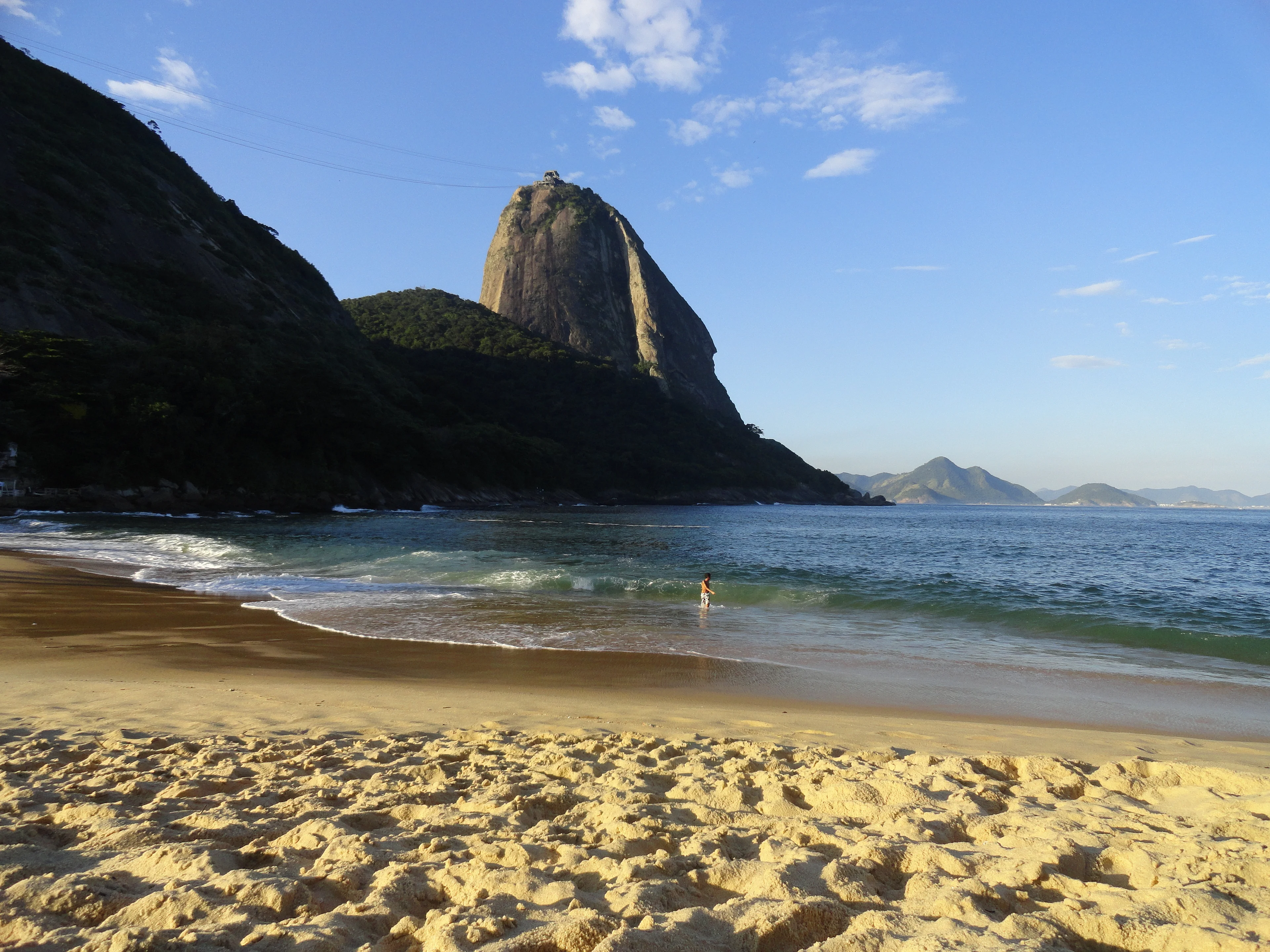
Rio's Red Beach

Things to do in Brazil: 20 must-see attractions in 2026

Discover our members' favorite destinations in Brazil, plus reviews, practical info, and traveler photos...

Our members' favourite places in Brazil

Ranked on recommendations from travellers who went there

#1 Rio de Janeiro +274 recs

Rio de Janeiro defies expectations with a landscape where granite peaks drop directly into the Atlantic, creating a dramatic tropical setting. Between the summit of Corcovado and the sands of Ipanema, the city moves at a pace defined by carioca energy and a focus on outdoor living. Expect a daily rhythm that shifts from urban grit to lush tropical surroundings in just a few blocks.

#2 Florianópolis +109 recs

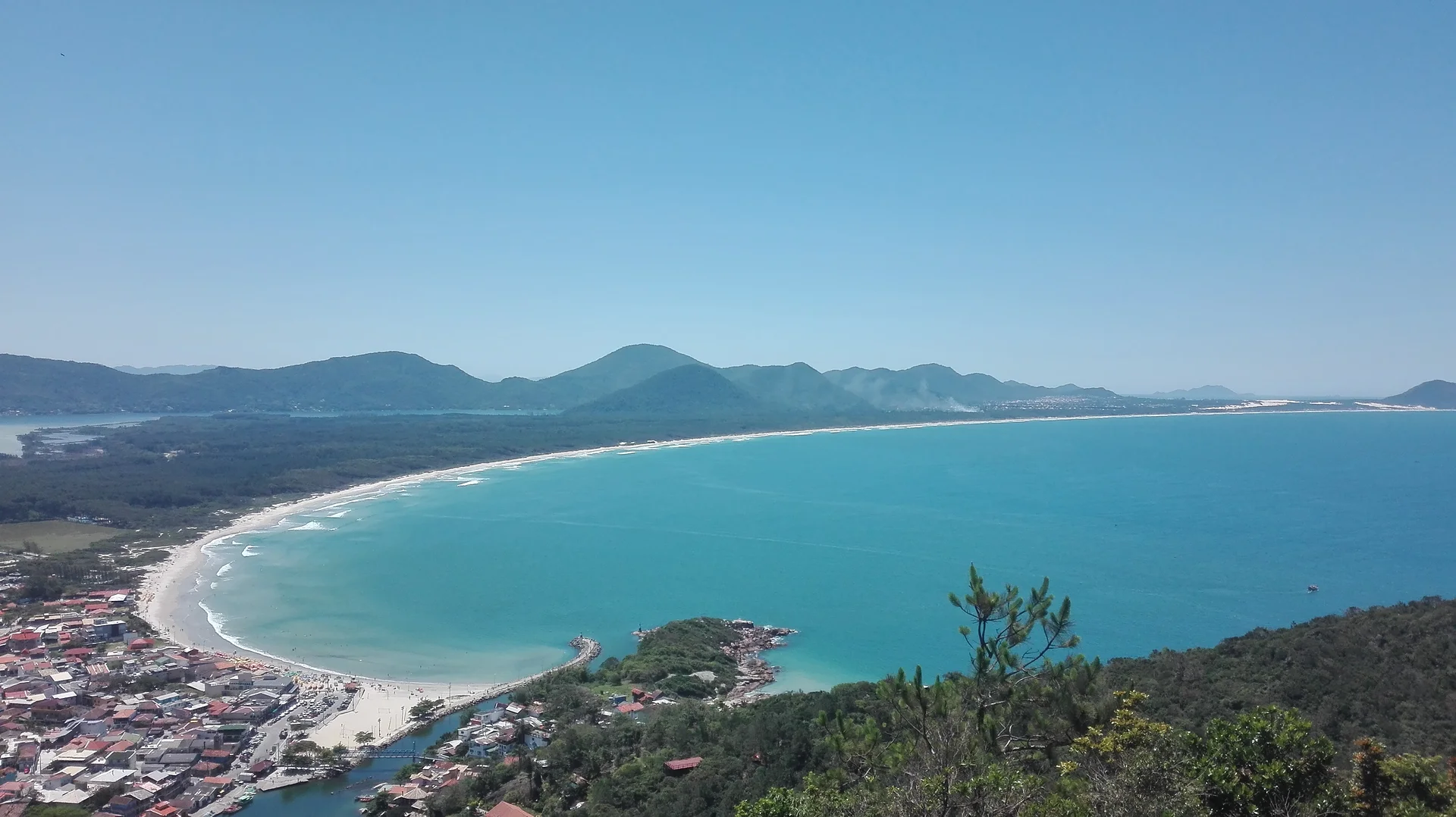
Nicknamed the magic island by Brazilians, Florianópolis packs 42 beaches with entirely different personalities across a 54 kilometre island. On the east coast, heavy waves pull surfers and nightlife seekers toward Lagoa da Conceição. Down south, Atlantic forest trails lead to deserted coves. Out in the Azorean fishing villages, you can eat Brazil's best oysters as the sun goes down.

#3 Salvador +72 recs

Salvador centers on a deep Afro-Brazilian heritage, anchored by the bright colonial buildings of the Pelourinho district. Between the coastal rhythm of the Bay of All Saints and the local street food scene, it offers a direct look at the country's roots. Expect a mix of steep cobblestone streets, beach time, and a pace of life that feels like a more intense, tropical version of New Orleans.

#4 Petropolis +56 recs

Tucked into the Serra dos Órgãos mountains, Petrópolis provides a quiet escape from the intensity of Rio de Janeiro. This former imperial city draws visitors with its preserved history, palaces, and cool mountain air, offering a reprieve similar to the crisp atmosphere of Asheville. It is a straightforward destination for those interested in Brazilian heritage or simply looking to slow down away from the urban rush.

#5 São Paulo +49 recs

São Paulo is Brazil’s financial and cultural engine, a sprawling metropolis with a scale that feels like a more vertical, intense version of Los Angeles. Established in 1554, the city grew wealthy on the backs of gold and coffee trade. You can trace this history through the old city center, the Cathedral, and the iconic Avenida Paulista, which anchors the city's modern identity. For a deep dive into local heritage, visit the Museu Paulista, the Museu Afro Brasil, and the massive Ibirapuera Park. Don't miss the Memorial da América Latina, which serves as a dedicated space for regional history and arts.

#6 Ouro Preto +42 recs

Ouro Preto, a former mining town in Minas Gerais, stands out for its preserved Baroque architecture and genuine character. As a UNESCO World Heritage site, it functions like a living museum filled with ornate churches, museums, and local cultural festivals. Surrounding the city are rugged landscapes perfect for hiking, making this an ideal stop for travelers interested in history and art who want to see a side of Brazil beyond the typical coastal resorts.

#7 Porto Alegre +40 recs

As the capital of the state of Rio Grande do Sul, Porto Alegre sits among the southernmost cities in Brazil. Unlike most major Brazilian tourist hubs, people do not visit Porto Alegre for its beaches, even though water defines much of the geography. The city occupies the shores of the Guaíba Bay and the river of the same name. Alongside preserved neoclassical architecture, the city blends urban life with greenery and numerous parks, such as Farroupilha Park, also known as Redenção Park, which offers a great spot for families with its zoo and children's play areas.

A multicultural city steeped in gaucho tradition

Porto Alegre is a melting pot shaped by Argentine and Uruguayan influences alongside waves of European immigration. Several traditions arrive directly from Argentina, notably the daily ritual of drinking mate and the presence of churrascarias, the iconic barbecue steakhouses scattered across town. Bordered by sweeping expanses of Pampa grasslands, Porto Alegre nurtured the Gauchos, traditional rural cattle herders who took control of the city during the Farroupilha Revolution in 1835 before central authorities regained power.

Start your downtown walk around Praça Marechal Deodoro to take in the Pirinanti Palace, the seat of the local government featuring a columned facade and statues. The same square holds the São Pedro Theater and the city cathedral, home to majestic stained glass and mosaics. Just steps away, head over to Praça da Alfândega, home to two of the city's key cultural institutions: the Rio Grande do Sul Art Museum, known as MARGS, and the Memorial do Rio Grande do Sul, which honors the gaucho heritage of this Brazilian state.

Porto Alegre, a green city

Linger a bit longer in the historic center to check out the Porto Alegre market, a massive indoor hall packed with over a hundred stalls. Afterward, follow the Guaíba River down to the Iberê Camargo Museum, an award-winning brutalist concrete structure designed by Portuguese architect Álvaro Siza Vieira.

On the natural side, Porto Alegre has plenty to show off. Nearby, the Jacuí archipelago is a protected ecological zone featuring around thirty islands crisscrossed by countless channels, making it a haven for birdlife. South of the city, a lagoon stretching over 260 kilometres leads all the way down to the Atlantic Ocean. You can tour it by boat from the port of Porto Alegre, one of Brazil's major commercial harbors with 8 kilometres of docks.

When to go?

Porto Alegre enjoys pleasant weather year-round. Keep in mind that between November and February, temperatures climb past 30 degrees.

How to get there?

Porto Alegre has an international airport. Travelers coming from Europe typically connect through São Paulo or Rio de Janeiro before landing in Porto Alegre.

#8 Foz do Iguaçu +36 recs

Foz do Iguaçu is a border city in Brazil, located at the intersection of three countries: Brazil, Argentina, and Paraguay. In Portuguese, its name means the mouth of the Iguaçu. Near the city are the Iguaçu Falls, a Unesco World Heritage site. This massive panorama of cascades stretches across 3 kilometres of front with waterfalls reaching 80 metres in height! From Foz do Iguaçu, you can cross into Argentina via the Tancredo Neves Bridge or into Paraguay via the Friendship Bridge.

The exceptional Iguaçu ecosystem

Foz do Iguaçu serves as a gateway to the Iguaçu National Park and its famous waterfalls. The park was designated of public interest by Brazilian authorities in 1939, following the advocacy of several figures including Santos-Dumont, a pioneering aviator. A statue of him stands in the city to honor his work in protecting the park.

The park and the Iguaçu waterfalls shelter a rich variety of biodiversity, including endangered species like jaguars, pumas, harpy eagles, and giant otters. While the site sits on both the Argentine and Brazilian sides, the best panoramic views of the cataracts are found right here in Foz do Iguaçu. Boardwalk trails bring you close to the renowned Devil's Gorge, where the most powerful falls plunge. The national park protects subtropical forest ecosystems alongside the final remnants of the Atlantic Forest that once covered much of Brazil.
 

A multicultural city close to Brazil's natural treasures

Just outside the city center, the Bird Park spans 16 hectares and houses over a hundred protected bird species and reptiles. More than half of the animals living in the park were rescued from trafficking, deforestation, or poaching. 

Foz do Iguaçu sits at the confluence of the Iguaçu and Paraná rivers. Water defines the region, and you can visit one of the world's largest hydroelectric dams: the Itaipu Dam. Stretching over 7 kilometres, it generates nearly 10% of the electricity consumed in Brazil! Another worthwhile stop is a walk along the Paraná river to the Brazilian Triple Frontier monument, marked by an obelisk painted in the national green and yellow colors.

Multicultural and lively, Foz do Iguaçu is worth exploring on foot: take time to walk down Avenida Brasil, where most of the local activity is centered.

When to go?

The most pleasant months to visit Foz do Iguaçu and its cascades run from March to September, with warmer temperatures in March and April.

How to get there?

An international airport sits 15 kilometres from Foz do Iguaçu. Flights from Europe require a layover in Rio de Janeiro or São Paulo.

#9 Lençóis +35 recs

Lençóis is a colonial-era town serving as the main gateway to the Chapada Diamantina National Park. Once a hub for the diamond rush, it now hosts hikers and outdoor enthusiasts drawn to its waterfalls, caves, and unique rock formations. The historic center features colorful architecture and a laid-back atmosphere that makes it the perfect basecamp for exploring one of Brazil's most rugged natural regions.

#10 Olinda +35 recs

Olinda offers a direct look at Brazil's colonial past within its UNESCO-listed historic center. This quiet Nordeste town is defined by cobblestone streets, baroque churches, and local artist studios. During Carnival, the streets fill with massive papier-mâché puppets and a high-energy, welcoming crowd. With calm beaches nearby and a genuine atmosphere that holds up year-round, it serves as a grounded, culturally rich alternative to the high-rise sprawl of neighboring Recife.

Our members' favourite things to do in Brazil

Ranked on recommendations from travellers who did them

#1 Christ the Redeemer (Rio de Janeiro) +24 recs 4.8/5

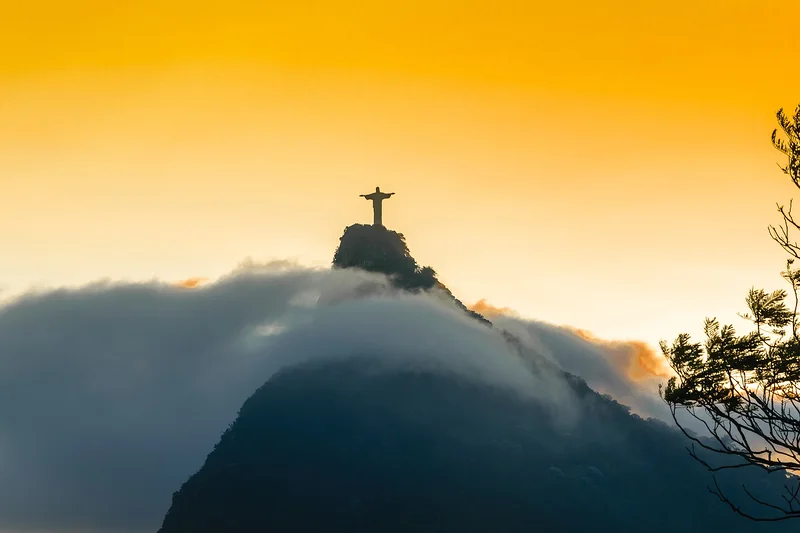
Corcovado is a 704-meter granite peak overlooking Rio de Janeiro, topped by the iconic Christ the Redeemer statue, a symbol of Brazil. Since the early 19th century, paths have allowed visitors to reach the summit for bay views. Whether hiking or taking the cog train, you will cross the Tijuca Forest.

See the guide See deals-7%AVYGEO7

#2 Sugarloaf Mountain (Rio de Janeiro) +23 recs 4.6/5

Sugarloaf Mountain defines the skyline of Rio de Janeiro. Rising 396 meters, this granite monolith has been accessible for over a century via cable cars, among the first built globally. It provides expansive views of the city and Christ the Redeemer, while securing its place in pop culture since appearing in the James Bond film Moonraker.

See the guide See deals-7%AVYGEO7

#3 Tijuca National Park (Rio de Janeiro) +19 recs 4.7/5

Tijuca National Park is among the world's largest urban green spaces. Reforested since the 19th century, it features dense tropical forest, hiking trails, waterfalls, and sweeping views of Rio de Janeiro. It offers easy access to nature just minutes from the city. Perfect for hikers, wildlife lovers, and those seeking vistas of Guanabara Bay.

See the guide See deals

#4 Pedra da Gávea (Rio de Janeiro) +19 recs 3.3/5

Pedra da Gávea is a granite peak inside the Tijuca National Park in Rio de Janeiro. Known for 360-degree views of the city and coastline, it draws experienced hikers seeking a physical challenge. The technical climb demands high fitness but offers total immersion in tropical nature, cliffs, and vistas. It is a wild, iconic location.

See the guide See deals

#5 Rodrigo de Freitas Lagoon (Rio de Janeiro) +19 recs 5/5

Rodrigo de Freitas Lagoon sits in the south zone of Rio de Janeiro, ringed by residential neighborhoods. It offers a 7.5 km loop for outdoor exercise, water sports facilities, and green spaces like the Parque da Catacumba (Catacumba Park). Kiosks and restaurants line the water, providing a local vibe with live music in the evening.

#6 Rio de Janeiro Botanical Garden (Rio de Janeiro) +19 recs 5/5

The Rio de Janeiro Botanical Garden is a landmark in Brazil with a history spanning nearly two centuries. Wander its paths to see diverse local and exotic flora and fauna. It sits between the Rio de Janeiro city center and the Tijuca Forest, which leads to the Corcovado mountain and the iconic Christ the Redeemer statue. The garden shelters over 6,500 species, including several threatened varieties.

#7 Barra da Lagoa Beach (Florianópolis) +19 recs 4.7/5

Barra da Lagoa Beach, located on the island of Florianópolis, is a long, tranquil stretch of sand popular with families, beginner surfers, and travelers seeking relaxation. The village maintains a local vibe with its fishermen, simple lanes, and seafood restaurants. It is an ideal base for exploring nearby beaches and experiencing daily life in Brazil.

#8 Praia Vermelha (Rio de Janeiro) +19 recs 4.7/5

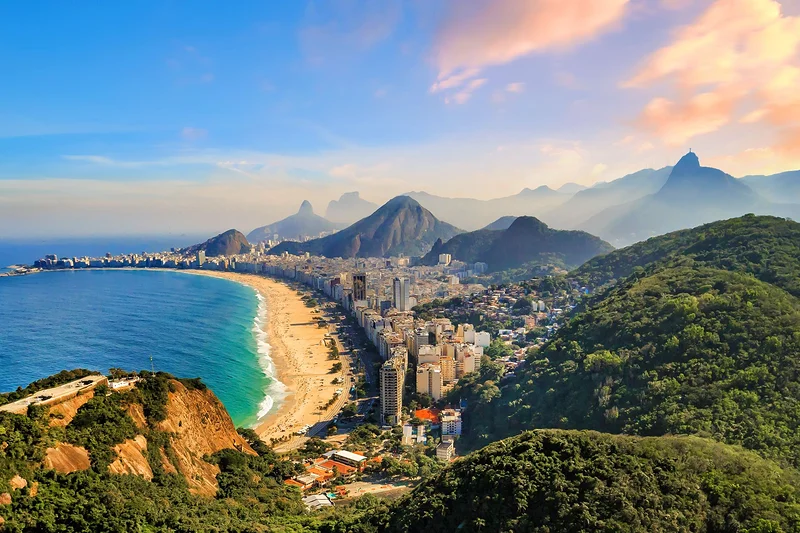
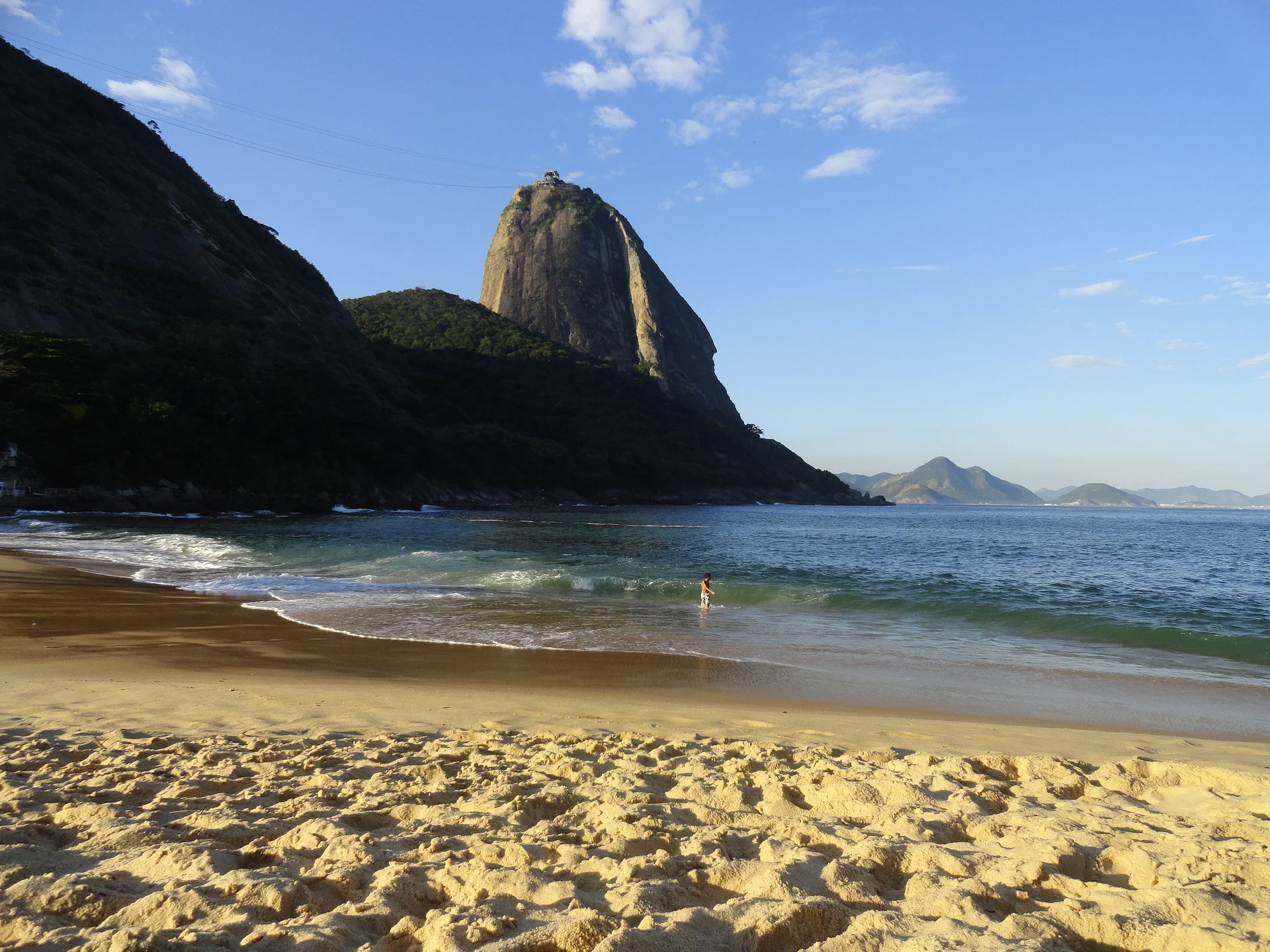
Praia Vermelha, tucked into the Urca neighborhood of Rio de Janeiro, is a quiet beach at the base of Sugarloaf Mountain. It features calm water, reddish sand, and a scenic coastal path. Far less crowded than Copacabana, it is a local favorite for hiking or boarding the cable car to the summit.

#9 Maracanã Stadium (Rio de Janeiro) +17 recs 4.4/5

Maracanã Stadium was built to host the 1950 World Cup in Brazil. The venue remains tied to the Maracanazo, the historic final where Brazil lost to Uruguay. Regularly renovated for safety, its facade is protected by the IPHAN (National Institute of Historic and Artistic Heritage). Catching a game here is pure theater, fueled by rhythmic batucada drums.

See the guide See deals

#10 Metropolitan Cathedral of Porto Alegre (Porto Alegre) +13 recs 3.5/5

The Metropolitan Cathedral of Porto Alegre is a striking religious landmark defined by intricate mosaics. These panels feature religious figures and symbols rendered in vibrant Murano blue glass. Built between 1921 and 1973, it replaced a 1774 structure commissioned when the capital was moved from Viamão to Porto Alegre, to reflect the city's new status.

See the best activities in Brazil

Map of Brazil

Brazil hits hard from day one

The humid heat sticks to your skin before you even leave the airport in Rio de Janeiro. Taxis honk nonstop, samba spills out of a passing car, a vendor calls out to you in Portuguese. This country, nearly as big as the entire contiguous United States, does nothing halfway: its beaches stretch for miles on end, the Amazon rainforest covers half the territory, and its parties last for days.

A trip to Brazil takes preparation and realism

Rio de Janeiro

Let's be upfront: this country suits travelers who can handle a certain amount of chaos and don't expect US-level comfort everywhere. Infrastructure varies enormously from region to region. Rio and São Paulo have subways, restaurants and modern hotels, but once you leave the big cities, roads can get sketchy and schedules turn approximate.

Portuguese dominates, and fewer than 10% of Brazilians speak English. Downloading Google Translate or learning a few basic phrases genuinely changes the experience.

Is it dangerous to travel to Brazil?

Safety deserves a real discussion. Crime statistics are high, particularly in Rio and in certain neighborhoods of the big metro areas. That doesn't mean you'll necessarily run into trouble, but you need to stay alert at all times. Keep jewelry out of sight, keep your phone in your pocket, and don't take walks at night in deserted areas. Apps like Uber or 99 beat street taxis by a wide margin. Tourist areas like Copacabana and Ipanema stay generally safe during the day, with a stronger police presence. Avoid the favelas entirely, even with a guide, because the situation can flip without warning.

Your budget depends on your choices

Brazil can cost $45 to $68* a day for a backpacker who sleeps in hostels, eats at per-kilo restaurants and rides buses. Plan on $90 to $135* a day for a mid-range budget with a decent hotel and a few activities. Domestic flights on Gol, Azul or LATAM push the bill up fast, but the distances are such that they sometimes become unavoidable. Excursions into the Amazon or the Pantanal easily run $340* for three days.

Rio, between clichés and urban reality

The Cidade Maravilhosa lives up to its name when you ride the cable car up Sugarloaf Mountain. The bay glitters below, the mountains plunge into the ocean, and the statue of Christ the Redeemer looms over everything from the top of Corcovado. Both sites are best visited early in the morning to avoid the crowds and catch softer light. Booking tickets online saves an hour in line, especially in high season.

Copacabana and Ipanema beaches are institutions, but don't expect a tropical paradise. The sand hosts thousands of cariocas playing soccer, drinking beer and blasting music. The atmosphere is festive, loud, sometimes overwhelming. Swimming calls for caution because the currents can catch you off guard. Beach vendors come by every five minutes offering ice-cold beers, sarongs or peanuts. Always have someone watch your belongings, even for a quick dip.

The Lapa neighborhood comes alive at night with its bars and samba clubs, but it's one of the places where you need to be extra vigilant. The Arcos da Lapa and the Escadaria Selarón, with its 2,000 colorful tiles, are best photographed by day. Santa Teresa, a bohemian neighborhood perched on the hills, has cobblestone lanes lined with artists' studios and charming restaurants. The historic yellow tram struggles up the steep slopes, making for a picturesque but slow ride.

To escape the urban bustle, cariocas sometimes head to Ilha Grande, two hours away. The island housed a federal prison until 1994 and has stayed clear of heavy development. Almost no cars, few buildings, pleasant beaches, hiking trails through the forest. The contrast with Rio is striking.

Friendly tip: per-kilo restaurants let you eat local for 15 to 25 reais ($2.80 to $4.70*). You pick what you like, weigh your plate and pay by weight. Ideal for sampling several dishes without blowing your budget.

The Amazon and the Pantanal for wildlife encounters

The immense Amazon, larger than the European Union

The Amazon is earned. You fly to Manaus or Belém, then board a boat or head to a lodge deep in the jungle. Expeditions of three days minimum get you far enough in to spot caimans, pink river dolphins, howler monkeys and countless birds. The humid heat wears you down, mosquitoes bite relentlessly despite repellent, and nights in a hammock under a mosquito net aren't for everyone. But cruising a tributary of the Amazon at sunrise, surrounded by the chorus of the forest, leaves unforgettable memories.

Local guides know the forest by heart and spot animals you'd never see on your own. Some lodges offer nights in the canopy or visits with Indigenous communities. The best time to visit runs from July to September, during the dry season. The rains from April to June make trails muddy and limit some activities.

The Pantanal, an immense wetland on the border with Paraguay and Bolivia, offers better odds of seeing wildlife. Jaguars, capybaras, anacondas, hyacinth macaws and hundreds of bird species populate these flooded plains. Fazendas converted into lodges run 4x4 safaris, night boat outings and horseback rides. Rates start at $112* a day all-inclusive, an investment well worth it for nature lovers.

Natural wonders beyond imagination

Iguaçu Falls

Iguaçu Falls, on the border with Argentina, defy description. 275 cascades pour down with a deafening roar, throwing up clouds of mist that create permanent rainbows. The Brazilian side gives a spectacular panoramic view, while the Argentine side lets you get as close as possible to the falls on dizzying walkways. Plan a day on each side, and bring a rain jacket because you will get soaked. The town of Foz do Iguaçu serves as a logistical base, with no particular charm but plenty of convenience.

Dunes of the Lençóis Maranhenses

The Lençóis Maranhenses in the Nordeste look like a mirage. Dunes of pristine white sand stretch across 155,000 hectares, dotted with turquoise lagoons that form after the rainy season. From June to September, these natural pools reach their full glory. You reach the park from Barreirinhas, a small village seeing rapid tourism growth. The 4x4 excursions followed by walks through the dunes under a blazing sun call for good physical condition.

Salvador and the Nordeste coast

Historic center of Salvador de Bahia

Salvador de Bahia pulses to the rhythm of its Afro-Brazilian roots. The Pelourinho, the historic center with its colorful facades, packs in baroque churches, art galleries and Bahian restaurants. Capoeira demonstrations liven up the squares, and drumbeats echo through the cobblestone streets. The city has a distinct soul, different from Rio or São Paulo. On Sundays, the Bonfim church draws thousands of people for candomblé ceremonies, a syncretic religion born from the meeting of African beliefs and Catholicism.

Heading south down the coast, the beaches of Morro de São Paulo, Itacaré or Trancoso offer fine sand, coconut palms and a laid-back vibe. Jericoacoara in Ceará draws kitesurfers and partiers. Fernando de Noronha, a protected archipelago 350 km off the coast, seduces with crystal-clear water and exceptional marine life, but the entry fee of 100 reais a day and high prices keep out mass tourism.

São Paulo and Brasília, two opposite urban faces

São Paulo impresses with its sheer scale. 12 million residents, 30,000 restaurants, an intense cultural scene with theaters, museums and a frenzied nightlife that never stops. The Vila Madalena neighborhood covers its walls in street art, Liberdade is home to the largest Japanese community outside Japan, and Avenida Paulista concentrates shops and museums. This city has nothing touristy in the classic sense; you experience it for its creative energy and a food scene that brings together every cuisine in the world.

Brasília, the federal capital, with a master plan by urbanist Lucio Costa and buildings by Oscar Niemeyer, either fascinates or repels. Its futuristic 1960s buildings form an open-air architecture museum. The Metropolitan Cathedral with its hyperboloid structure, the National Congress with its twin towers, and the Palácio da Alvorada show off the boldness of a city built in four years in the middle of the cerrado. With no traditional downtown and gigantic distances between districts, a visit feels a bit strange.

Brazil on the plate: blended traditions and generosity

Plate of feijoada

Feijoada, the national dish, simmers black beans with assorted cuts of pork for hours. Restaurants traditionally serve it on Wednesdays and Saturdays, with rice, orange slices and farofa, the toasted cassava flour that crunches between your teeth. It's all washed down with a caipirinha, a cocktail of cachaça, lime and sugar that goes down easy but hits fast.

Pão de queijo, little cheese breads, get snacked on at any hour. Coxinhas, teardrop-shaped fritters stuffed with chicken, are sold in bakeries and street stands. Bahian moqueca cooks fish or shrimp in a coconut milk and palm oil broth, served steaming in a clay pot. Churrascarias offer rodizios where waiters bring skewers of grilled meat straight to your table until you surrender.

Tropical fruit juices cool you off effectively: açaí, cupuaçu, passion fruit, cashew fruit. Açaí is eaten in a bowl with granola and bananas, especially welcome after the beach. Markets overflow with fruits you won't find in the US. Brigadeiros, truffles of condensed milk and cocoa, finish meals on a sweet note that sticks to your fingers.

Aim for the southern summer or the dry season

High season runs from December to March, during the Brazilian summer. Temperatures climb to 35°C with high humidity, beaches are packed, and prices jump 30 to 50%. Carnival in February or early March turns Rio into a giant four-day party. Catching the samba school parades at the Sambadrome means booking months ahead. The atmosphere is electric, but the city is overrun.

From May to September, the southern winter brings milder temperatures to the south of the country, perfect for visiting São Paulo, Foz do Iguaçu or the colonial towns. The Nordeste stays hot year-round. This is the best period for the Amazon and the Pantanal, with less rain and better wildlife visibility. The Lençóis Maranhenses are best visited between June and September when the lagoons are full.

Low season, from March to November, brings reduced rates and fewer crowds. Tropical rains from April to July can disrupt some activities but rarely last all day. Local festivals like the Festas Juninas in June celebrate popular saints with bonfires, folk dances and traditional food, especially in the Nordeste.

Getting to this South American giant

From the US, nonstop flights to Rio or São Paulo leave from gateways like Miami, New York (JFK), Newark, Atlanta and Houston. Count roughly 8 to 10 hours from Miami and 10 to 11 hours from New York or Newark. Carriers like American Airlines, Delta, United and LATAM run regular service. Expect to pay between $600 and $1,100 in low season, easily double over the holidays or Carnival. A connection through Panama City or Bogotá can sometimes bring fares down.

Entry rules depend on your nationality, so check what applies to your passport before booking. Your passport should remain valid for six months after your arrival date. Yellow fever vaccination is strongly recommended for the Amazon and the Pantanal, and some regions require it. Get vaccinated at least ten days before departure.

Arriving overland from Argentina, Paraguay, Uruguay or Bolivia remains possible for those already traveling in South America. Long-distance buses cross the borders, with all the necessary checks. A Buenos Aires-Foz do Iguaçu trip takes about 18 hours.

Getting around a country the size of a continent

Domestic flights quickly become essential given the distances. Rio-Manaus is 2,800 km, São Paulo-Salvador 1,500 km. The three main airlines offer competitive fares if you book ahead: $90 to $168* per domestic flight on average. The main airports are well connected to downtown by subway, bus or ride-hailing apps.

Long-distance buses offer an economical alternative, with fairly comfortable semi-sleeper reclining seats. Companies like Gontijo, Itapemirim or Cometa crisscross the country. A Rio-São Paulo ride costs 50 reais (about $9.30*) and takes six hours. Overnight trips let you save a night of hotel costs. Bus terminals are often on the outskirts, so plan on an Uber to get downtown.

In the big cities, the subway in Rio and São Paulo makes getting around easy. The Uber and 99 apps work everywhere and cost far less than in the US; count $2.30 to $5.60* for an average city ride. Avoid street taxis except at airports, where they're regulated. A rental car makes sense for exploring some coastal regions or the national parks, but aggressive driving and sometimes fanciful signage demand a good dose of composure.
Find the best travel deals in Brazil

Hotels and stays Flights Car rentals Custom trips

Trip ideas and themed activities

Top 4 best travel agencies in Brazil

Between the Amazon, the Pantanal, the beaches of the Nordeste, and distances that span thousands of miles, a poorly planned itinerary in Brazil wastes precious time. Avygeo members share their recommendations for agencies that actually know the terrain. Rely on their reviews to build your trip without any unpleasant surprises.

Top photos posted by members

Rio's Red Beach
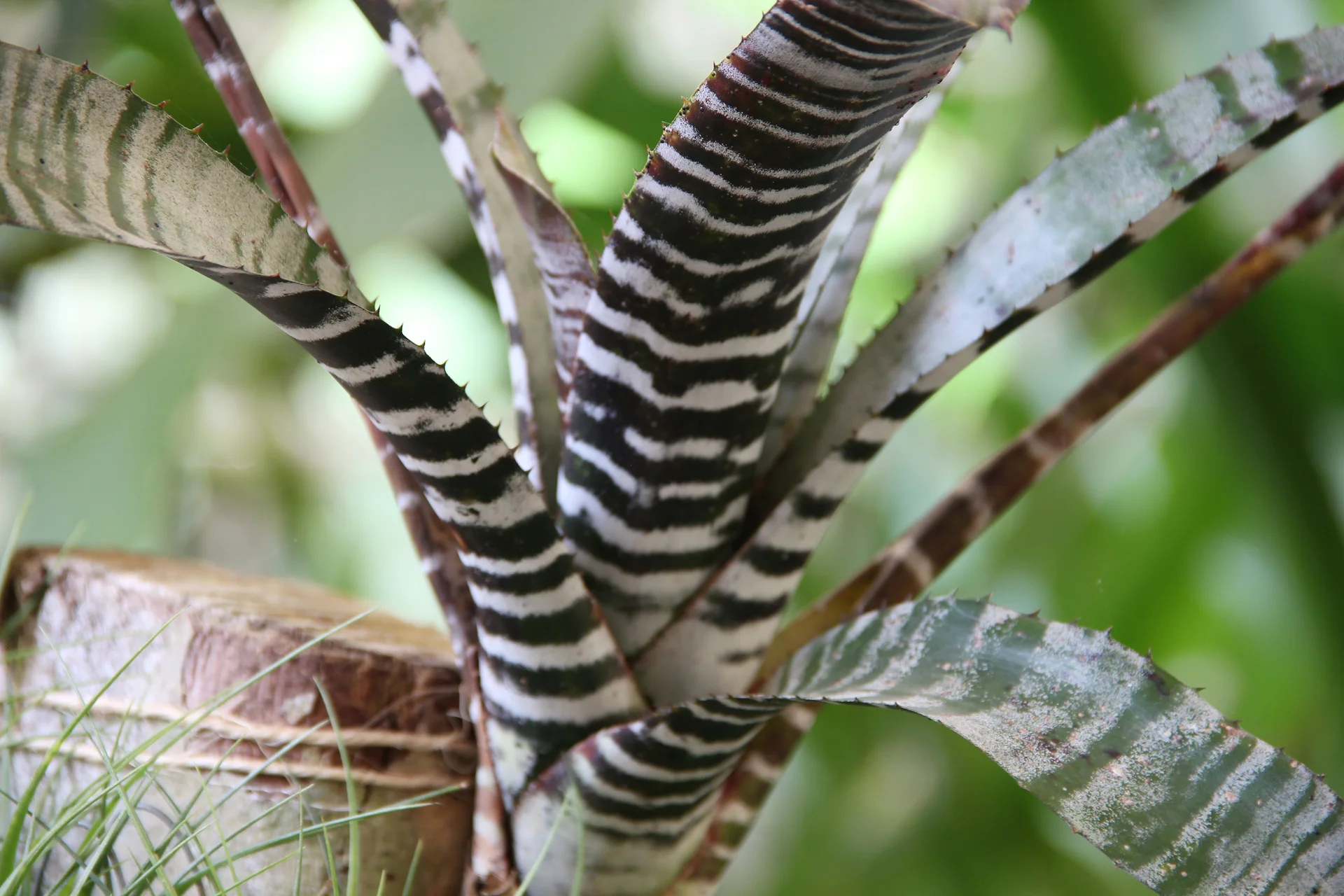
Flores
A Praia

Articles about Brazil

Traveler reviews

The Mecca of soccer

Who lives football the most passionately? Brazil! The most iconic stadium in Brazil? The Maracana! This is where every football fan has to make their pilgrimage :) An almost religious experience, I do…

733

For urban planning lovers

Brasilia, the (real) capital of Brazil, left me with a rather mixed impression despite its interesting urban planning. I appreciated Niemeyer's futuristic architecture, especially the cathedral and th…

79

The Afro-Brazilian soul

Salvador de Bahia is a vibrant city in Brazil that I had a great time discovering. It is a colorful city where you can deeply feel the Afro-Brazilian soul. I took advantage of beaches like Porto da Ba…

71

Included in organized tours

Most organized tours in the Amazon rainforest departing from Manaus include a boat trip to the spot known as the Meeting of Waters. It is actually the meeting point between the Rio Negro with its dark…

26

Amazon tour

There are two options to get to Manaus, the gateway to the Amazon in Brazil: by river (very long but cheap) or by plane. I was expecting a village on the riverbank, but it is actually a big port city,…

81