Visiting Kansai
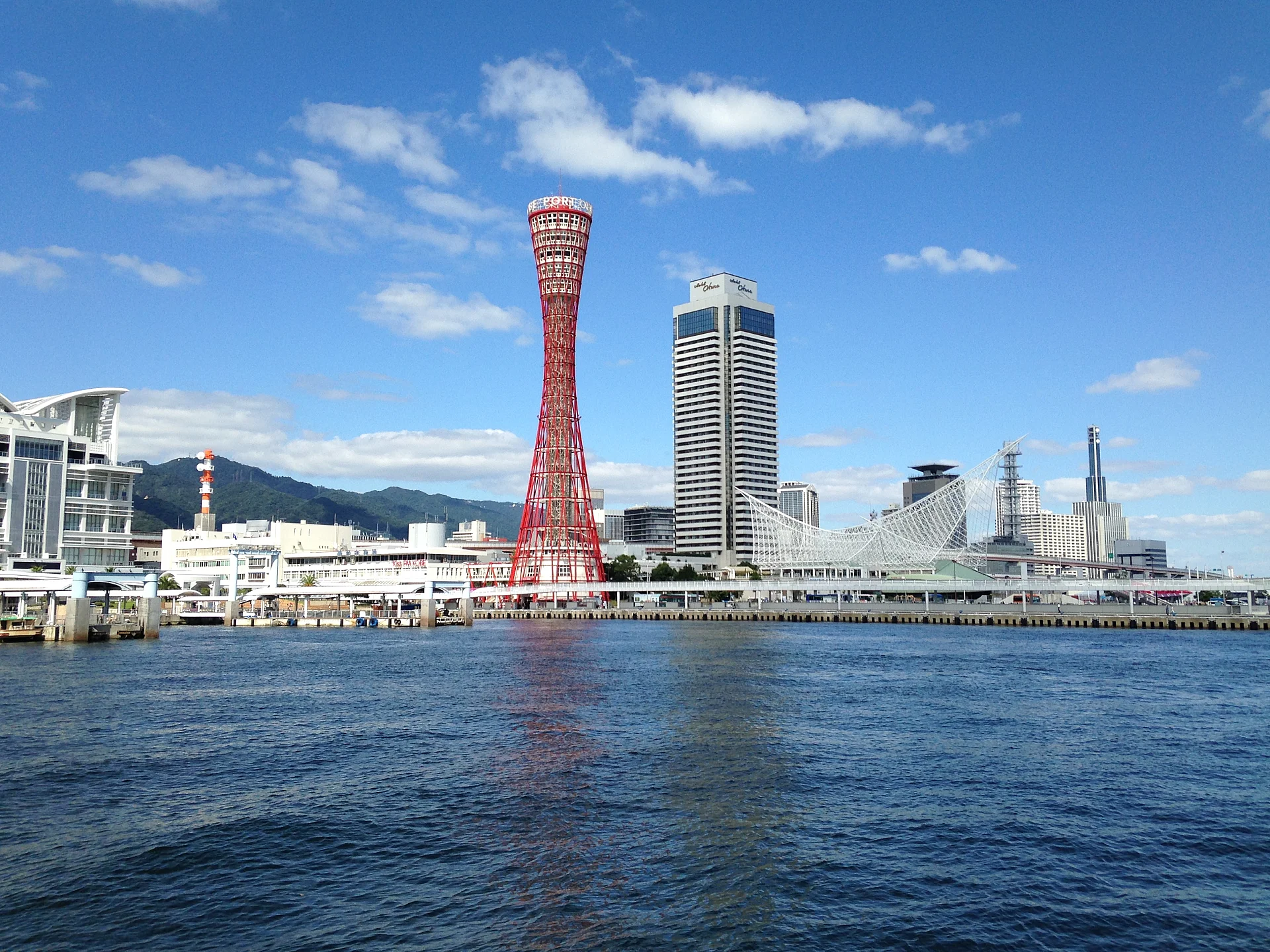
Nara was Japan's capital before Kyōto, which held that role for over a thousand years. The two cities are less than an hour apart by train. Between them, Osaka never ruled and wears that proudly: street food, a blunt local dialect, and the garish neon storefronts lining the Dotonbori canal.
That contrast is what sets Kansai apart from the rest of Japan. Three cities with completely different personalities, connected by trains that run every ten minutes, all reachable from a single base without switching hotels. The Japan most travelers come looking for, wooden temples and lantern-lit alleyways, is right here, and none of it requires a long journey to reach.
You'll love it if
- You want temples and cities without spending your days in transit
- You eat to travel as much as you walk
- You're open to April or November, and you book well in advance
Passez votre chemin si
- You're visiting in July or August without knowing what the heat feels like in a basin
- You're after beaches or wide-open spaces
- The crowds at a landmark site ruining your visit
The must-sees
The highlights
-
1 Kyoto +294 recs
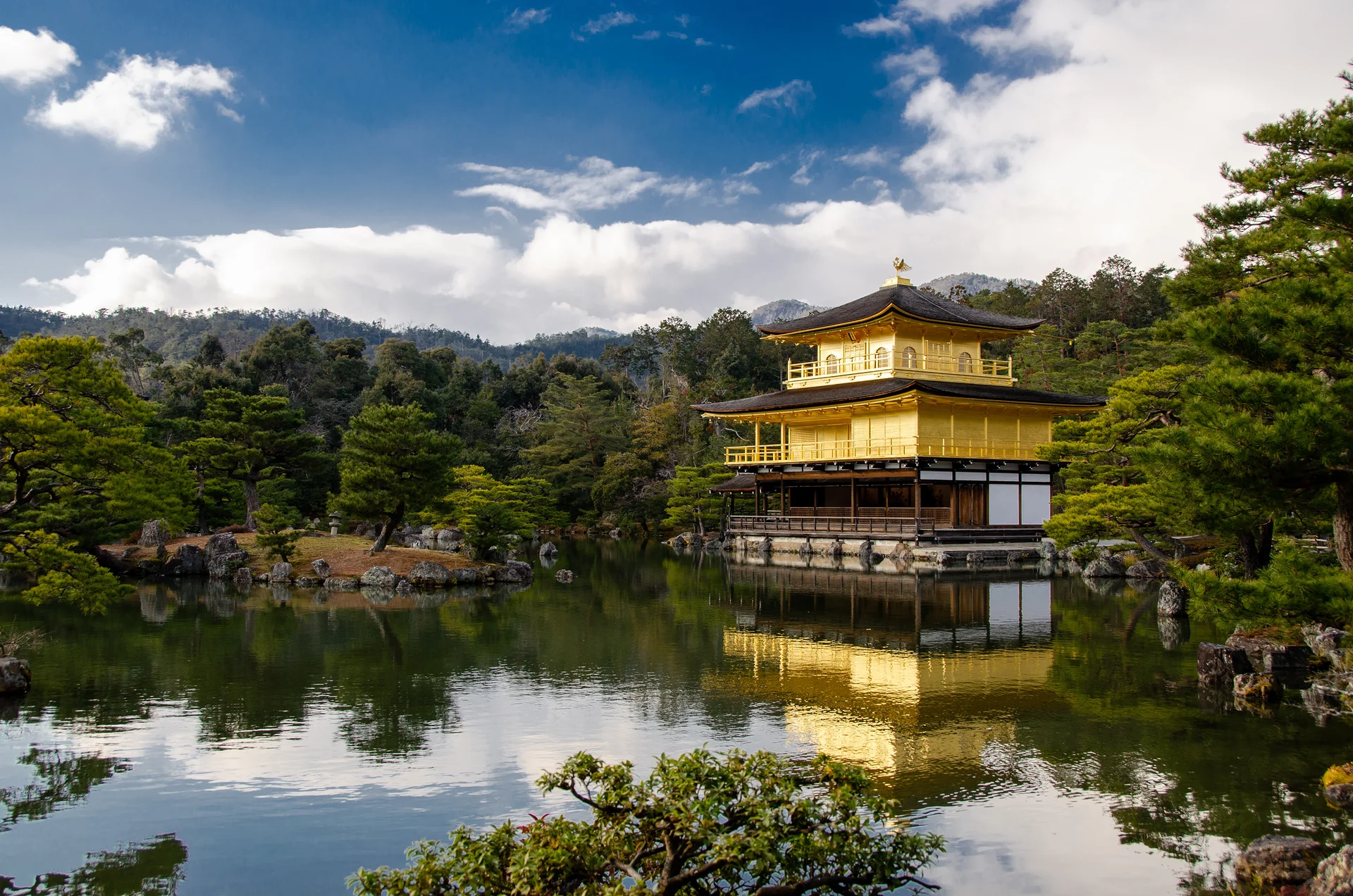
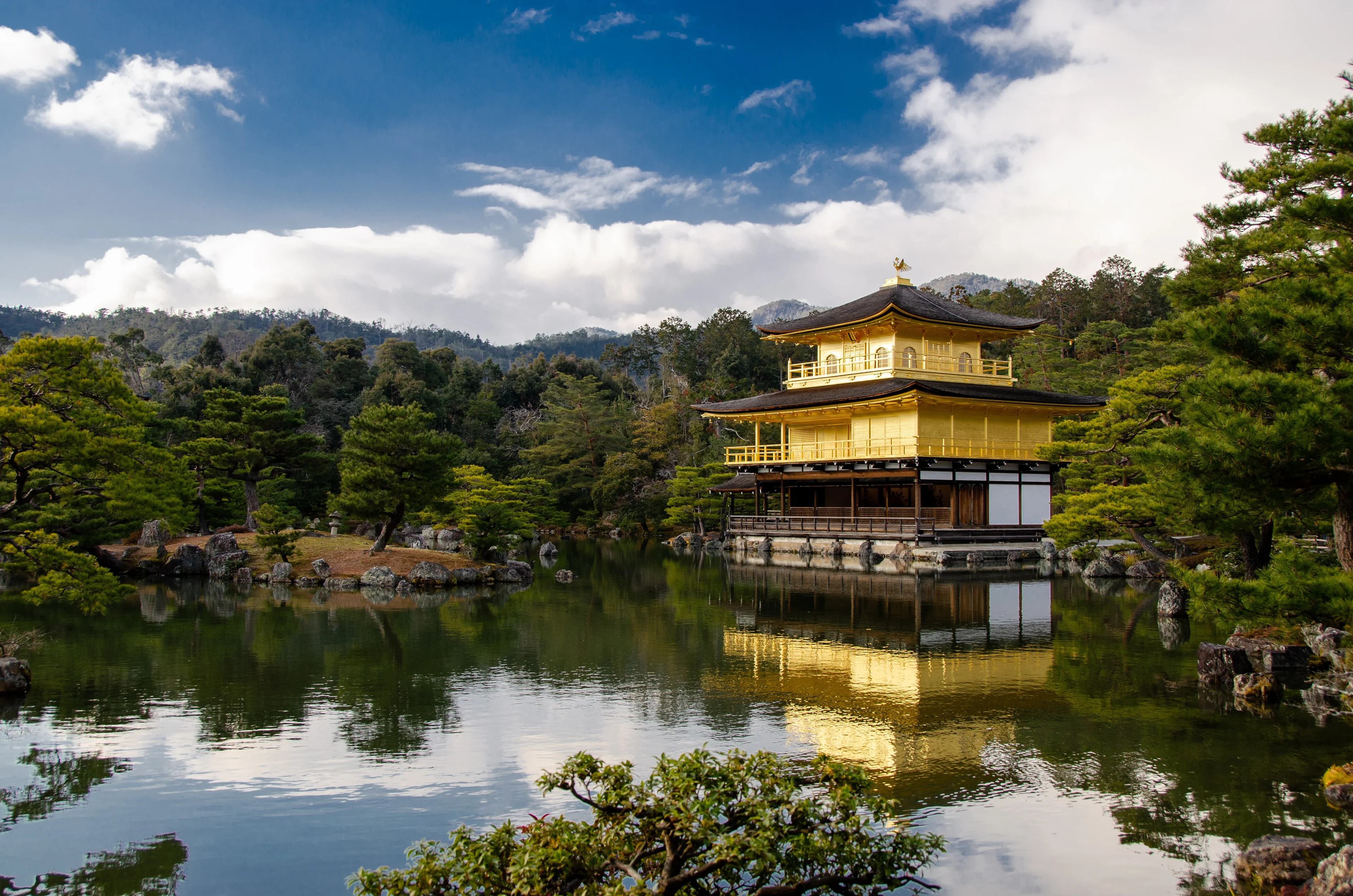
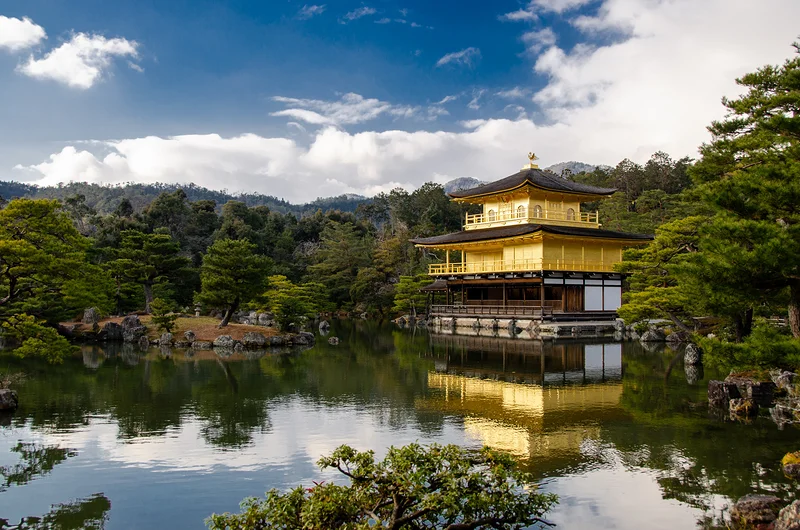
Japan's capital from 794 to 1868, Kyoto was spared the 1945 bombings. Seventeen of its monuments are UNESCO World Heritage sites. The Golden Pavilion takes about an hour to visit; the Gion district is best explored on foot at dusk.
-
2 Fushimi Inari-taisha +18 recs
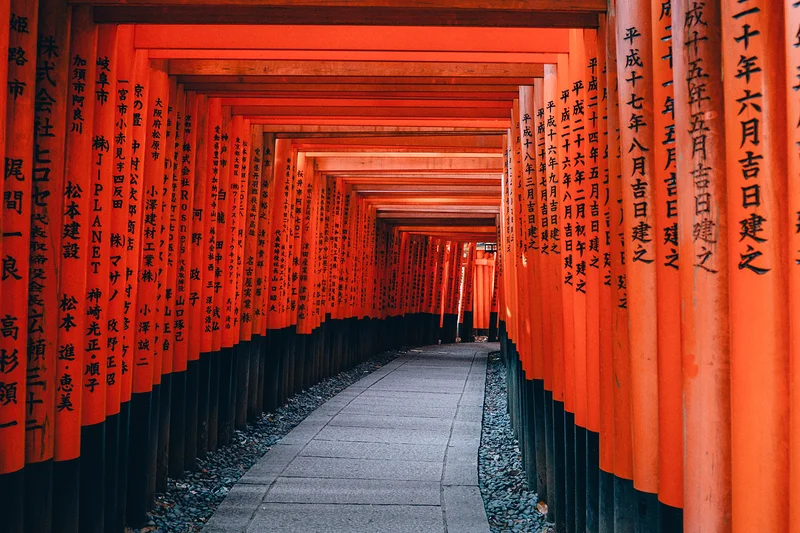
Thousands of vermilion torii gates climb the slopes of Mount Inari, each donated by a company whose name is carved into the back. The trail runs four kilometers to the summit. The first two hundred meters are packed with people; beyond that, it's nearly empty.
-
3 Dotonbori +17 recs
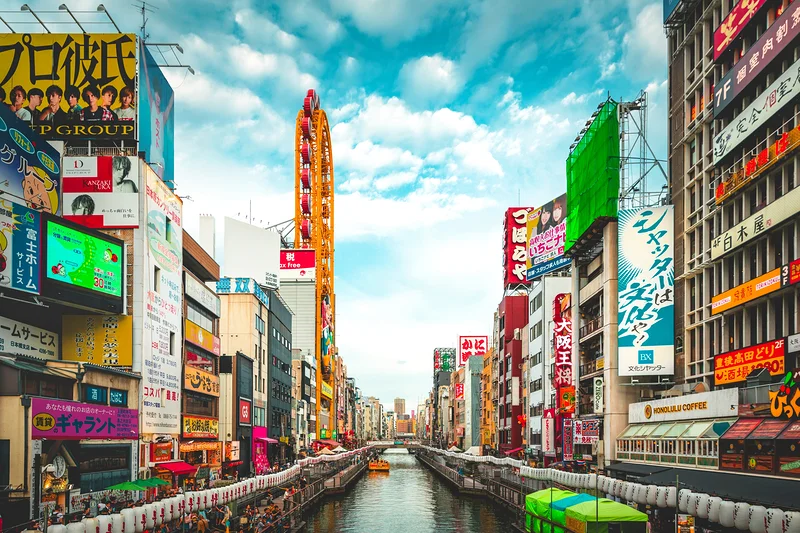
Osaka's canals and their glowing signs, including the Glico running man that has been lit up since 1935. Street food here is eaten standing up: takoyaki, okonomiyaki, kushikatsu. It's the city in Japan most willing to laugh at itself.
-
4 The maples November
The red of the momiji (Japanese maple) lasts roughly two weeks, from mid-November to early December depending on the garden. Kyoto's temples open for special evening illuminations during this period. This is the season Japanese travelers themselves aim for, and the prices reflect that.
-
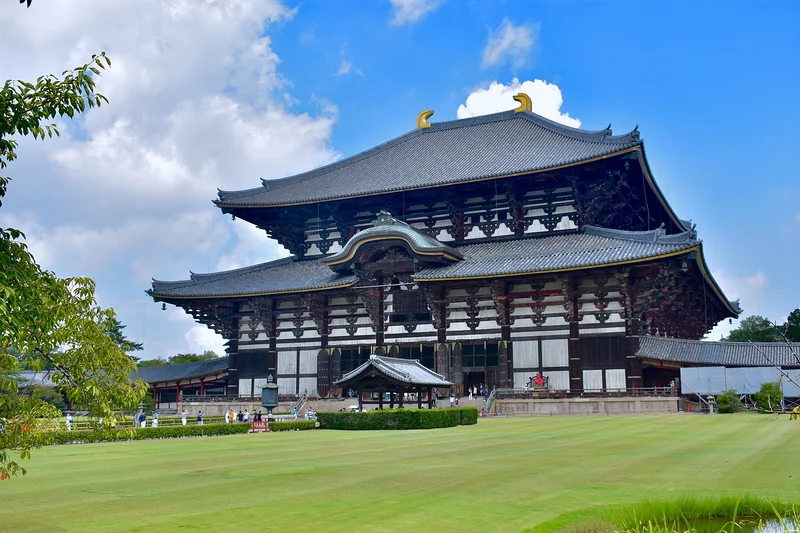
5 Nara +123 recs
Japan's first permanent capital, from 710 to 784. Sika deer roam freely through the park, where Tōdai-ji houses a fifteen-meter bronze Buddha. A half-day trip from Kyoto or Osaka covers it easily.
Our itineraries in Kansai
| Duration | Itinerary | What you'll see |
|---|---|---|
| Long weekend (4 days) | Kyōto › Nara | Temples and deer |
| 1 week | Kyōto › Nara › Osaka › Kobe | Three temperaments, one cuisine |
| 10 days | Kyōto › Uji › Nara › Osaka › Himeji › Miyazu | Tea, castle, coast |
Pick one base and do day trips by train, that's the simplest way to get around. Kyoto or Osaka work equally well: they're fifteen minutes apart by Shinkansen, and each puts Nara, Kobe, and Himeji within an hour.
Budget a half-day per city, not a full day: temples close early, often by 5pm, and heading back after dark means missing everything along the way.
When to visit Kansai
| Interest | Season | Weather | Crowds and prices |
|---|---|---|---|
| ★★★ | Late March to mid-April | 12 to 20°C, dry | Maximum, book months ahead |
| ★★★ | Mid-November to early December | 8 to 17 °C, dry | Very high, prices steep |
| ★★ | May and October | 15 to 25 °C, pleasant | Moderate, mid-range prices |
| ★ | June to September | 25 to 35°C, very humid | Low in August, low prices |
Our take
Aim for the second half of November rather than April: fall foliage lasts longer than cherry blossoms, and the illuminated temple night events only happen in autumn. Avoid the first week of May, when the entire country shuts down for Golden Week.
Getting to Kansai
- By plane: Kansai International, built on an artificial island in the bay of Osaka, connects directly by train to Kyōto and Osaka. It's the main gateway into the region.
- By Shinkansen: Shin-Osaka and Kyoto stations are both on the Tokaido line, which connects to Tokyo. The train drops you right in the city center; a flight does not.
- By regional train: three networks cover the region, JR and two private companies, often competing on the same routes. JR is almost never the cheapest option.
If your trip starts in the Kansai region, fly into Kansai International Airport. If you're combining Kansai with Tokyo, take the Shinkansen without a second thought: it drops you right in central Kyoto and spares you two airport transfers.
Getting around Kansai
A car is more hassle than it's worth here, and parking fees add up fast. Trains, subways, and buses cover everything, and a rechargeable IC card is all you need to tap through the gates.
By train
- Departures every ten minutes between the three major cities
- A rechargeable card accepted on almost every transit network and at most stores
- No parking to hunt for, no mountain roads to navigate
What to accept
- Massive train stations where switching lines means a 15-minute walk
- Last trains around midnight, earlier on secondary lines
- Three carriers, one route map: do the math before you book
Good to know
The national unlimited rail pass almost never pays off for a trip that stays within the Kansai region: the distances are short. Compare it against the regional passes before you buy.
What to eat in Kansai
- Takoyaki: octopus-filled dough balls cooked in a half-sphere mold and served piping hot. The signature street food of Osaka, eaten standing on the sidewalk.
- Okonomiyaki: a thick savory pancake made with cabbage and batter, cooked on a griddle right in front of you. The Osaka version mixes everything together before cooking; the Hiroshima style layers the ingredients instead.
- Kushikatsu: breaded and deep-fried skewers, served with a communal dipping sauce you dip into only once. The rule is posted in every restaurant.
- Kaiseki: Kyōto's multi-course tasting tradition, rooted in the tea ceremony. A lunch service runs a fraction of the dinner price and gives you the full picture.
- Matcha from Uji: this city has been producing Japan's most prized green tea since the twelfth century. Drink it straight, or eat it in ice cream and pastries right there on the spot.
- Kobe beef (Kobe): a tightly controlled designation, only a few thousand certified animals per year. The steak will cost you a fortune, but a Kobe beef sandwich at lunch is a lot more manageable.
- Sake: two of Japan's biggest brewing districts are right here, Nada in Kobe and Fushimi in Kyoto. Most breweries offer tours and tastings.
Kitchens close early, often by 9pm outside the nightlife districts, and many spots stop serving lunch after 2pm. Eat on Japanese time or you'll find the doors locked.
Where to stay in Kansai
| Region | What to do | Good to know |
|---|---|---|
| Kyōto, around the station | Exploring by train, temples in the morning | The most practical, the least charming |
| Kyoto, Gion, and Higashiyama | Strolling the back streets at night | Expensive, and booked out months ahead |
| Osaka, Namba or Umeda | Eating late, going out | Larger rooms, lower prices |
| Nara | See the park before the tour buses arrive | Very quiet at night, limited options |
| Kobe | Port, sake, beef | One night is enough, easy to do as a day trip from Osaka |
One base for the whole region is the way to go: the train network makes multi-stop stays unnecessary, and unpacking twice costs you half a day. Kyoto for the temples, Osaka for the food and the lower room rates.
Beyond a week, a second base on the coast, in Kobe or near Miyazu, shifts the pace of the trip considerably.
How much does a trip in Kansai cost?
| Stay | Duration | Budget per person |
|---|---|---|
| Budget (hostel, street food, local transit) | 7 days | $600-$850 |
| Comfort (chain hotel, restaurants, a few sightseeing stops) | 7 days | $1,200 to $1,700 |
| Luxury (ryokan, kaiseki, taxis) | 7 days | $2,800 to $4,000 |
- Timing matters: in April and November, rooms cost twice what they do in June, and they book up six months out.
- Lunch: a set lunch menu at a solid restaurant runs three to four times less than dinner from the same kitchen.
- Getting around: trips are short but they add up fast, so factor transportation into your budget and look into a regional pass before you go.
- Temples: admission is charged at each one, typically a few hundred yen per site. A day hitting five temples adds up fast.
- The ryokan: a night with dinner and breakfast often costs as much as three hotel nights. It's an experience, not just a place to sleep.
Traditions and way of life in Kansai
The Japanese spoken here isn't textbook Japanese. Kansai-ben has its own intonations, its own vocabulary, its own negations, and locals don't soften it for visitors. In Osaka, conversations with shopkeepers are more direct than anywhere else in Japan, and quick wit is part of doing business: the city gave the country its tradition of comic theater.
Kyōto works the opposite way, through set phrases and implication, with tighter social codes. The two cities have been ribbing each other for centuries, with a consistency that looks a lot like affection. In Gion, the apprentice geiko you might pass in the late afternoon are heading to work: they're professionals on their way to an engagement, not a tourist attraction.
Two habits are worth picking up fast. Don't photograph a geiko up close without asking first, it's banned in several lanes of Gion and you can be fined. And don't eat while walking: step aside, finish, then move on.