Temple Todaiji

Things to do in Nara: top 7 must-see attractions

Looking for inspiration to visit Nara? Browse the attractions our traveler community loves most — historic sites, cultural visits, scenic walks and laid-back spots...

Top 7 attractions our members recommend

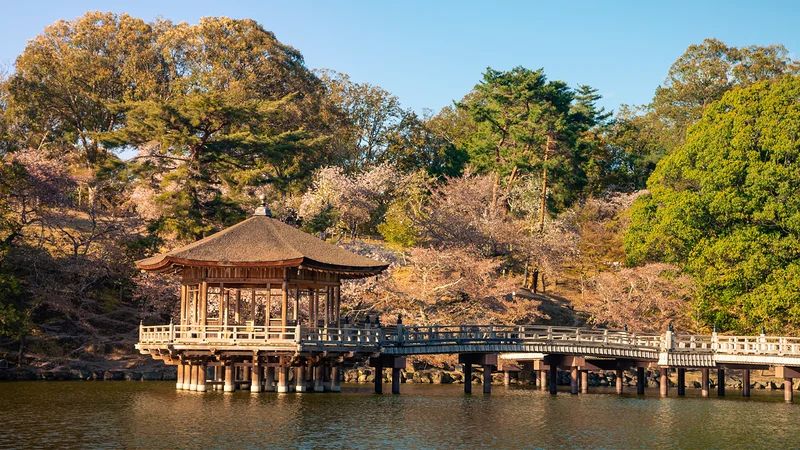
Nara Park

#1 Nara Park +14 5

Le parc de Nara est un vaste espace vert abritant plusieurs temples et une importante population de cerfs shika, symboles de la ville. Le temple Tōdai-ji, avec son immense Bouddha de bronze, et le sanctuaire Kasuga-taisha figurent parmi les principaux sites à découvrir. Des sentiers permettent d’explorer les environs et d’accéder à des points de vue sur la ville. Au printemps, les cerisiers en fleurs renforcent le charme du lieu.

Voir le guide View offers
Kasuga-taisha Shrine

#2 Kasuga-taisha Shrine +13 4.5

Le sanctuaire Kasuga-taisha est un site shinto historique de Nara, célèbre pour ses milliers de lanternes en pierre et en bronze. Entouré de forêt et accessible à pied depuis le parc de Nara, il offre une atmosphère paisible et empreinte de spiritualité. Le lieu se distingue par ses bâtiments colorés, ses festivals nocturnes aux lanternes et la présence de cerfs en liberté. Une belle étape pour ceux qui cherchent calme, nature et tradition japonaise.

Voir le guide View offers
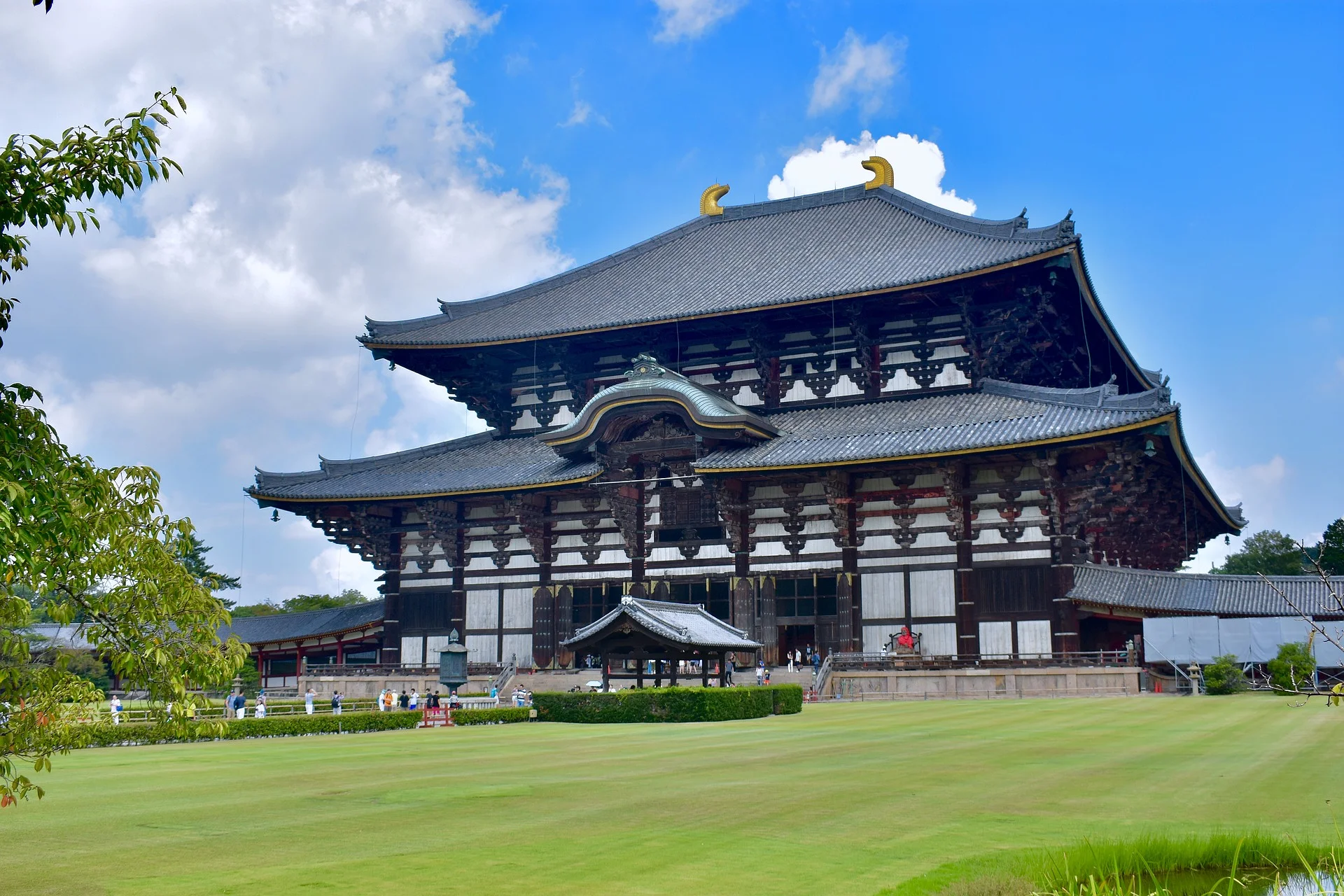
Todai-ji Temple

#3 Todai-ji Temple +13 4.5

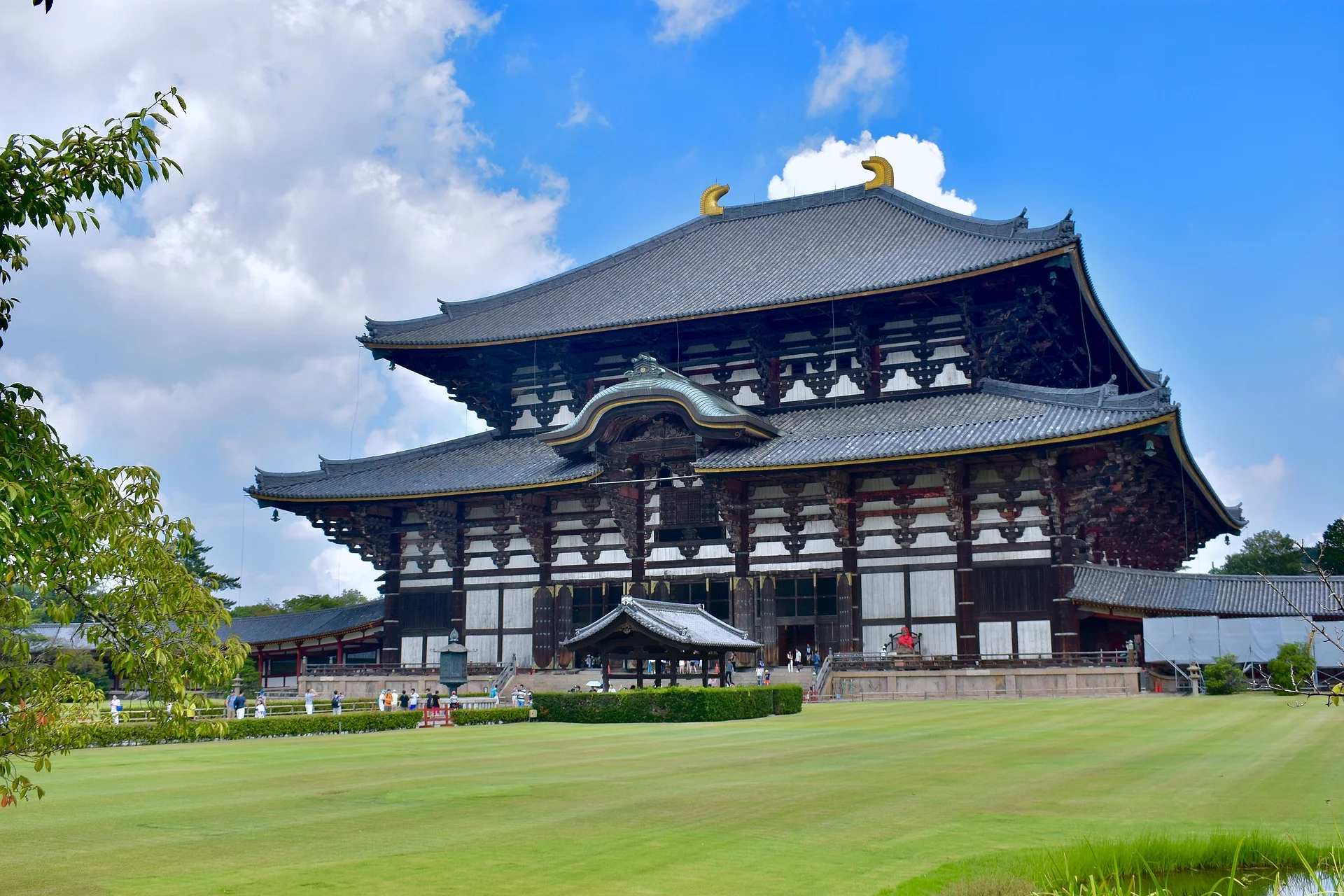
Tōdai-ji est un temple bouddhiste majeur situé dans le parc de Nara. Connu pour son pavillon en bois abritant un gigantesque Bouddha en bronze, il impressionne par ses dimensions et sa charge symbolique. Le site se parcourt à pied au milieu des daims en liberté, entre jardins, grandes portes et sculptures anciennes. Un lieu à la fois monumental et spirituel, inscrit dans l’histoire religieuse du Japon.

Voir le guide View offers
Gangō-ji Temple

#4 Gangō-ji Temple +11 4

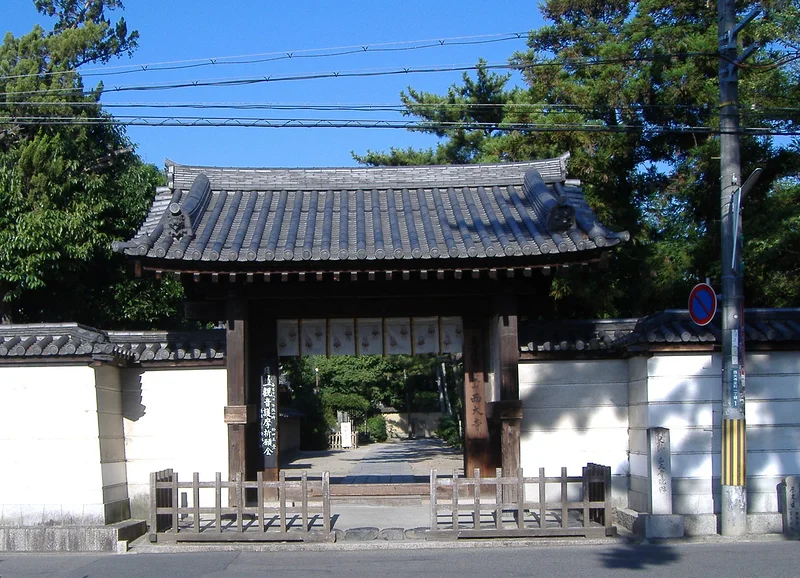
Premier temple bouddhiste du Japon fondé en 588, Gangō-ji fut déplacé à Nara en 718. Classé UNESCO, il conserve les plus anciennes tuiles de toit japonaises et des trésors nationaux comme le hall Gokuraku-dō. Au cœur de Naramachi, ce temple intimiste offre une plongée authentique dans 1 400 ans d'histoire religieuse.

Heijō Palace

#5 Heijō Palace +11 4.5

Le palais Heijō à Nara était le centre du pouvoir impérial japonais au VIIIᵉ siècle. Aujourd’hui, certaines structures comme la Grande Salle d’Audience ont été reconstruites, offrant un aperçu du passé. Le site comprend un musée présentant des artefacts historiques et un vaste parc archéologique idéal pour une promenade. Entre histoire et nature, c’est un lieu agréable pour comprendre le rôle de Nara dans l’histoire du Japon tout en profitant d’un cadre serein.

Voir le guide View offers
Kasugayama Primeval Forest

#6 Kasugayama Primeval Forest +7 5

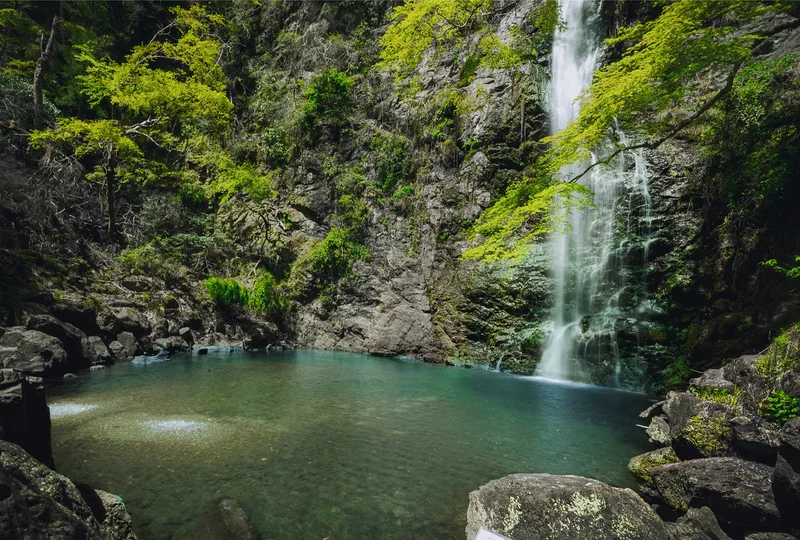
Protégée depuis l'an 841, la forêt primitive de Kasugayama s'étend sur près de 300 hectares derrière le sanctuaire Kasuga-taisha à Nara. Monument naturel national spécial et site UNESCO, elle abrite des cèdres pluricentenaires, des statues bouddhistes taillées dans la roche et plus de 800 espèces végétales. Les sentiers balisés sont accessibles librement, et la grande boucle incluant le mont Wakakusa offre un panorama sur toute la ville.

Voir le guide View offers
Isuien Garden

#7 Isuien Garden +7 5

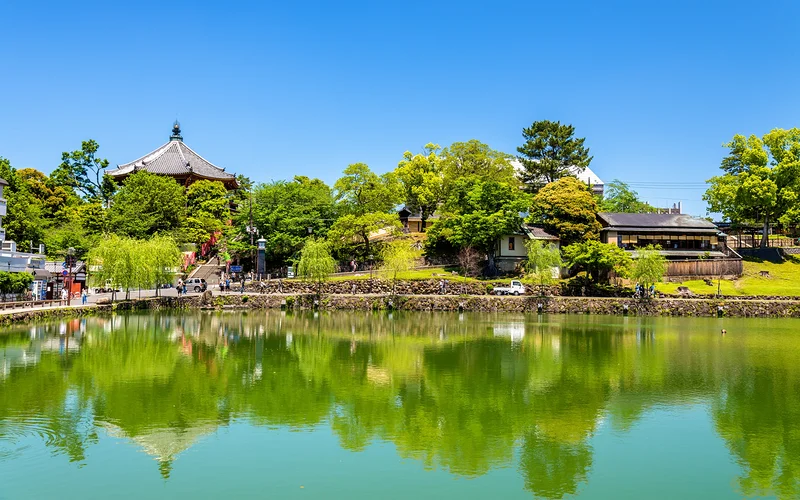
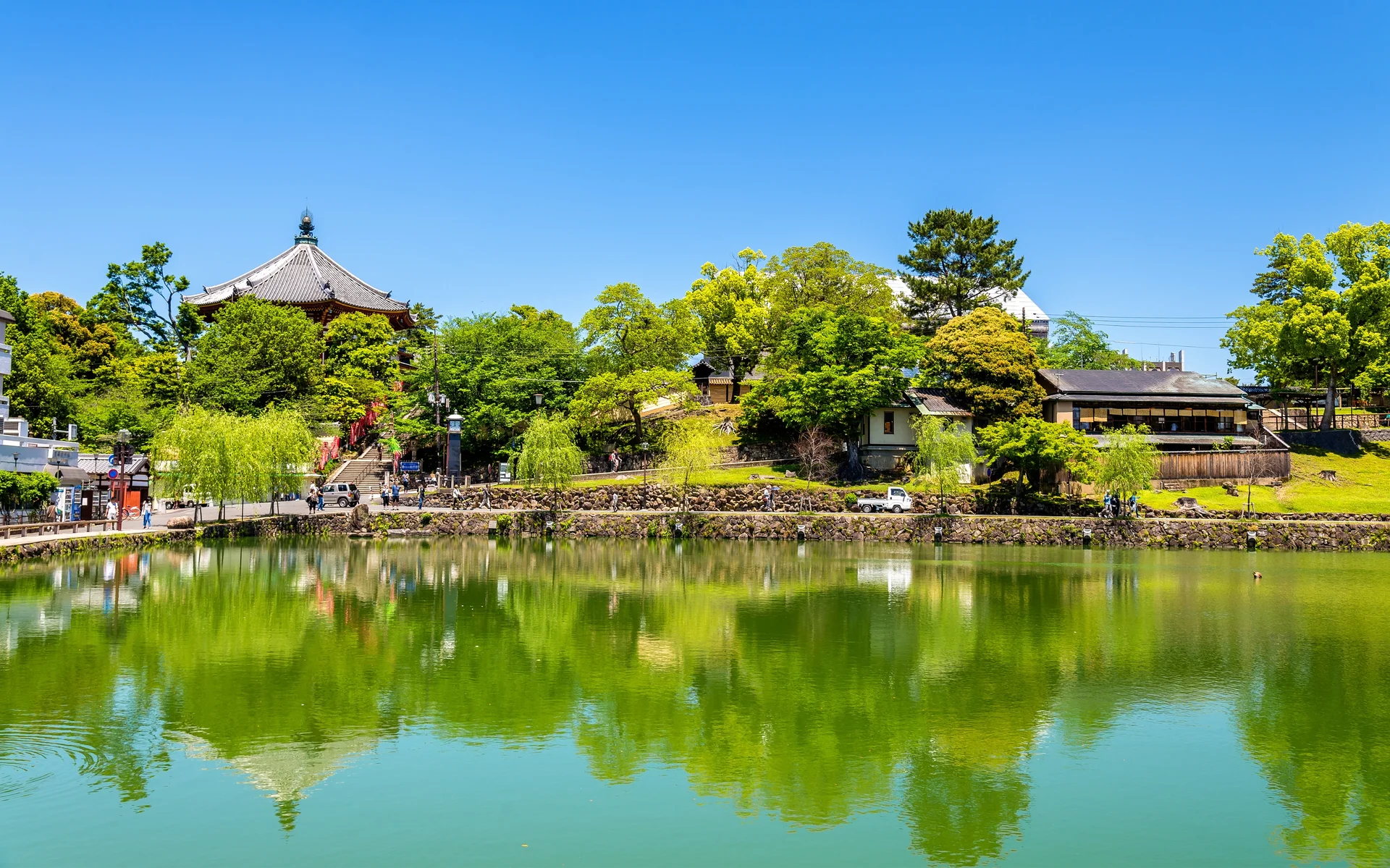
Le jardin Isuien, seul jardin de promenade de Nara, comprend deux espaces distincts séparés par un pavillon de thé central : un jardin intime du XVIIe siècle et un vaste plan d'eau du XIXe siècle d'où l'on contemple le toit du Todaiji cadré par les montagnes. L'entrée inclut le musée Neiraku, qui présente une collection de bronzes et céramiques d'Asie ancienne. Un site rare, trop souvent délaissé au profit des temples voisins.

Voir le guide View offers

Map of must-see attractions in Nara

Visiting Nara, a window into ancient Japan

As the first permanent capital of Japan, Nara is a city where history and nature exist in a delicate balance. Known for its centuries-old temples and free-roaming deer, it offers a quiet pace that stands in contrast to the high-energy sprawl of nearby Japanese metropolises. Located just an hour from Osaka and Kyoto, it serves as a common day trip for those seeking a mix of cultural heritage and calm.

Nara Park and the sacred deer

Nara Park is the city's most recognizable landmark. It is home to hundreds of shika deer, which are considered messengers of the gods in the Shinto tradition. These animals are accustomed to visitors and will often approach without hesitation, sometimes bowing in exchange for the specialized crackers sold throughout the park. Beyond the deer, the park grounds contain several major sites, most notably Tōdai-ji.

Tōdai-ji temple and its Great Buddha

A UNESCO World Heritage site, Tōdai-ji is the centerpiece of a visit to Nara. It houses the Daibutsu, a massive bronze Buddha statue standing 15 meters tall. The main hall, the Daibutsuden, remains one of the largest wooden buildings on the planet. Many visitors try to squeeze through a narrow opening in one of the temple's pillars, a feat said to grant luck and wisdom to those who succeed.

Kasuga-taisha shrine and its lanterns

On the edge of Nara Park, Kasuga-taisha is known for its thousands of stone and bronze lanterns, which are lit during festivals in February and August. This Shinto shrine is surrounded by a protected forest that enhances its secluded feel. The shaded paths leading to the site offer a chance to explore smaller auxiliary shrines and observe the local landscape.

Hōryū-ji temple and Buddhist heritage

Located about 15 kilometers (9 miles) from central Nara, Hōryū-ji is one of the oldest Buddhist temple complexes in Japan. Built in the 7th century, it contains some of the world's oldest surviving wooden structures. It sees fewer crowds than Tōdai-ji and offers a deeper look into the religious art and architecture of that era.

Refined cuisine with traditional roots

Nara’s food scene reflects its historical significance and its proximity to Kyoto. Kakinoha-zushi, a pressed sushi wrapped in a persimmon leaf, is the local signature dish. Chagayu, a green tea rice porridge, is a classic staple dating back to the Nara period. To pair with these meals, local sake from the city's long-standing breweries is highly regarded.

Where to eat?

  • Kakinoha Sushi Honpo (Naramachi) - A restaurant dedicated to the local specialty, kakinoha-zushi.
  • Edogawa Naramachi (Naramachi) - A spot known for its unagi (grilled eel).
  • Kasuga Ninai Jyaya (Kasuga-taisha) - A traditional teahouse serving chagayu.
  • Harushika Sake Brewery (Sanjo) - A brewery that offers tastings of local sake.

Where to stay?

  • Nara Hotel (Nara Park) - A historic hotel with a retro aesthetic and views of the park.
  • Sarusawa no Ie (Naramachi) - An authentic ryokan for a traditional Japanese lodging experience.
  • Guesthouse Naramachi (Naramachi) - A casual guesthouse located inside a former townhome.
  • Super Hotel Lohas JR Nara (JR Nara) - A modern hotel with an on-site onsen, convenient for commuters.

When to go?

Spring (March-April) and autumn (October-November) are the best times to visit Nara, offering mild temperatures and landscapes marked by cherry blossoms or turning maple leaves. Summers are hot and humid, while winters are cold but provide a much quieter experience.

How to get there?

Nara is easy to reach from Osaka and Kyoto. From Kyoto, a train ride takes 45 minutes and costs around 700 JPY (about $4.70). From Osaka, the trip takes 30 minutes via the Kintetsu or JR lines. Express trains are a faster option for a slightly higher fare.

How to get around?

The center of Nara is best explored on foot, especially the park and the major temples. For more distant sites like Hōryū-ji, the city has a reliable bus network. Renting a bicycle is also a practical way to navigate the city streets.
Find the best deals to travel to Nara

Activities and guided tours Hotels and stays Flights Custom trips

Top photos posted by members

Temple Todaiji
Temple Kōfuku-ji
Forêt primitive de Kasugayama

Traveler reviews on Nara

Write a review

Reviews summary

On the city

2 reviews
+13
recos
  • Overall 4.5/5
  • Family 4/5
  • Couple 4.5/5
  • Friends 4/5

On the attractions

36 reviews
+104
recos
  • Temples +51
  • Parks and gardens +21
  • Castles and palaces +11
  • Forests +7

The deer park

Nara is famous for its deer roaming free. It is also an ancient city with many temples set in nature. However, I found the city to be a bit overrated. You have to walk an awful lot before you actually reach the nature part. There are tons of tourists stuffing the deer with biscuits, and there is nothing really cute about it. Honestly, the temples are not the most incredible ones in Japan. Still, Nara is worth the trip.

5
Recommends :
Overall rating :
With family :
As a couple :
With friends :

A great alternative to Kyoto

If you are feeling suffocated by the crowds in Kyoto, escape to Nara. You will get there in a little over half an hour by train. Once you arrive, most of the sites can be visited on foot. First stop: Nara Park and its sika deer. You will admire monumental Buddhist statues in the temples and museums. A must for art and history lovers!

5
Recommends :
Overall rating :
With family :
As a couple :
With friends :

You've seen every review.

More cities to visit from Nara