
Visit Osaka, the city that never sleeps between neon lights and tradition
Picture a street lit by giant signs shaped like octopuses or crabs, the scent of sweet and savory sauce rising from a hot griddle, and the loud laughter of a group of friends gathered around an okonomiyaki. This is your first encounter with Osaka, a city that radiates energy, a love for food, and a social warmth that is rare in Japan.
Osaka, for whom and why?
Osaka appeals to those who love urban life in its most intense form. Curious foodies, entertainment seekers, and families will find plenty to do here. Life in Osaka is lived louder, faster, and more spontaneously than in many other Japanese cities.
However, if you are looking for a quiet pace or endless natural landscapes, you might feel frustrated. Expenses can also add up quickly, especially when you factor in constant dining, shopping, and attraction tickets. This is the perfect destination if you want to sink your teeth into modern Japan.
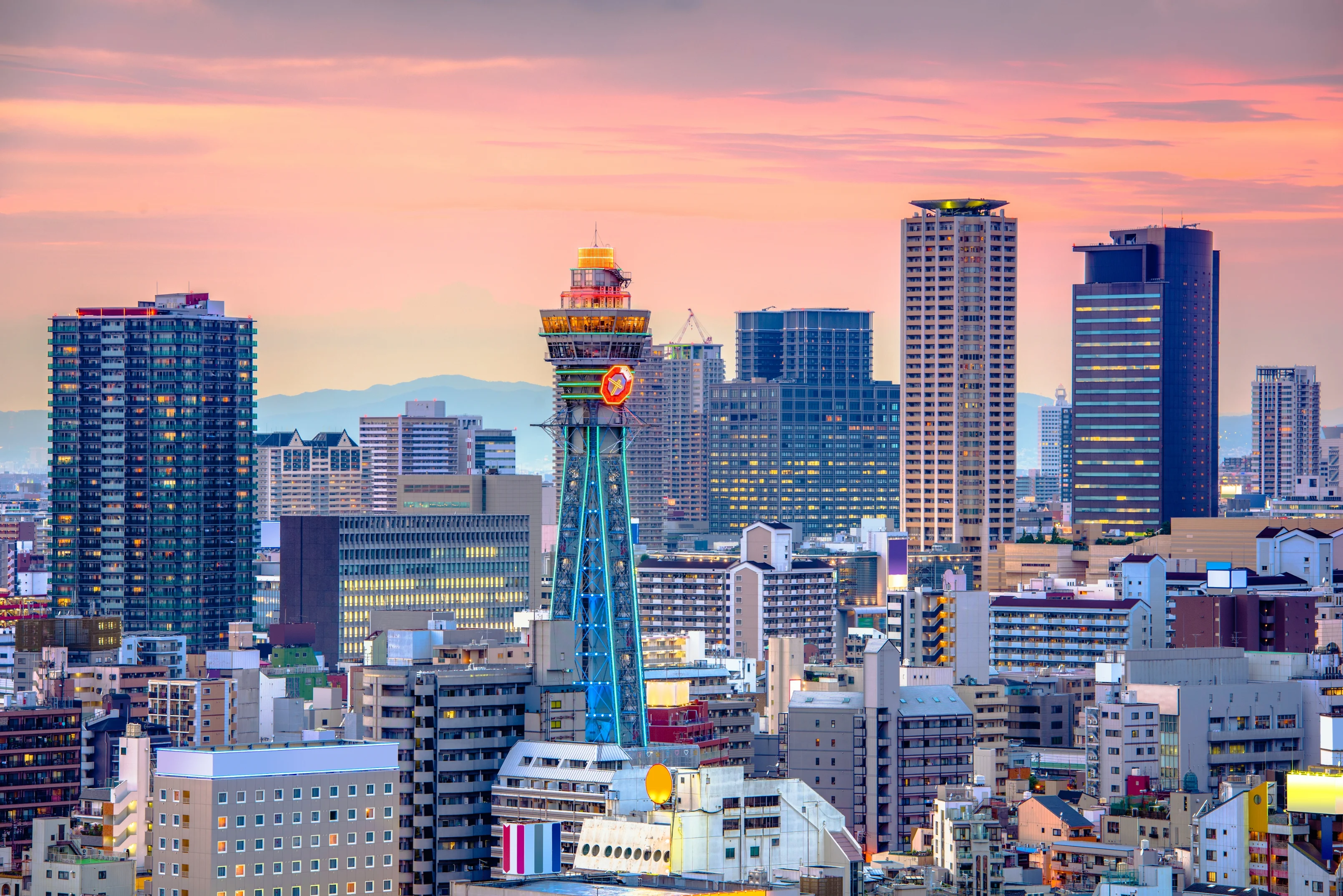
Dotonbori and Namba: the heart that beats at night
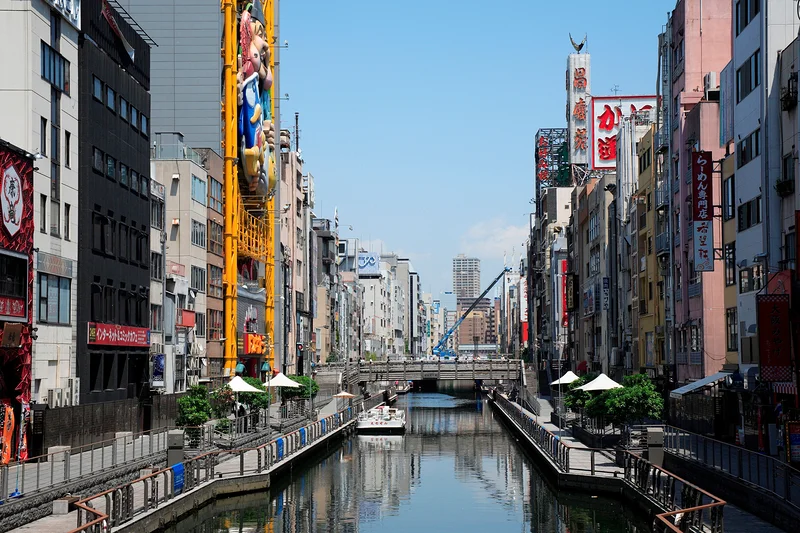
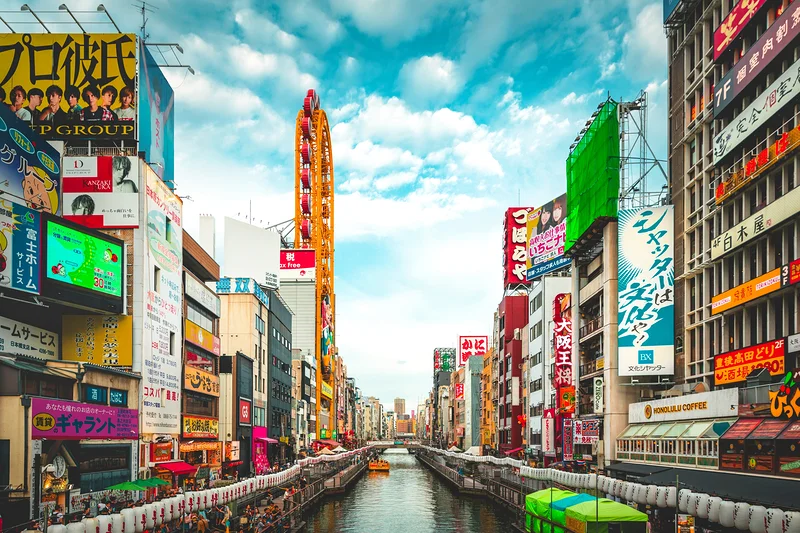
At dusk, Dotonbori ignites with neon. Along the canal, the lively facades compete in eccentricity while street stalls serve piping hot takoyaki and okonomiyaki. The dense crowd can be overwhelming, but the atmosphere is unlike anywhere else in the world.
Local tip: cross the Ebisu-bashi bridge and stand facing the famous Glico Man. It is a cliché photo, but the view of the canal from this spot is unforgettable.
Umeda: verticality and views
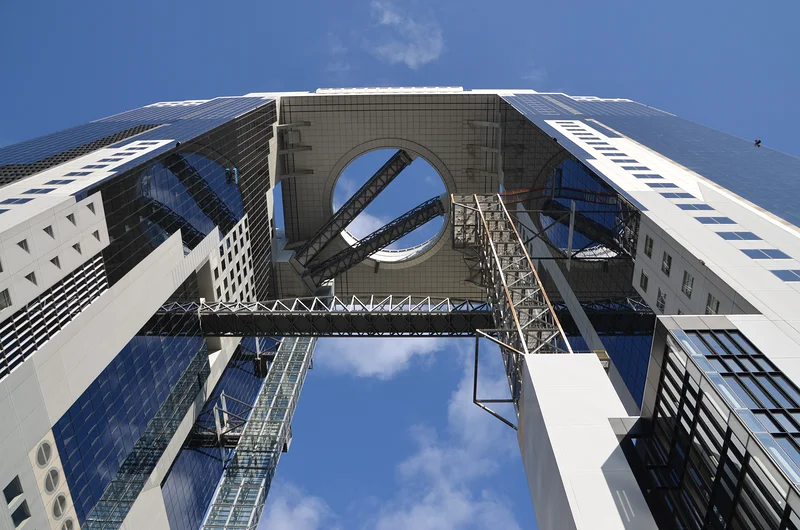
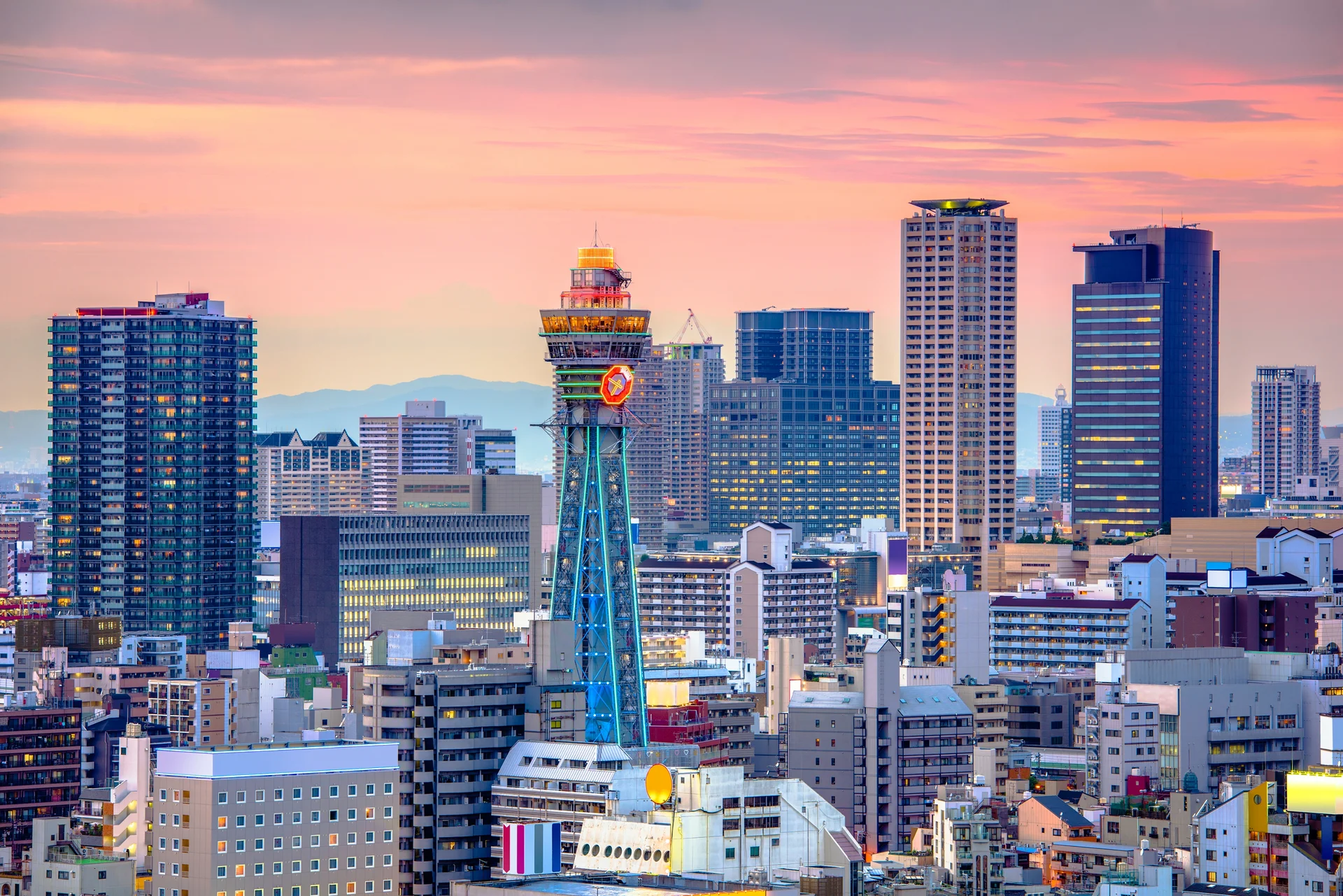
Umeda, the business district, surprises visitors with its futuristic skyscrapers. The climb to the Umeda Sky Building leads to an open circular observatory, which is perfect at sunset. At its base, a maze of underground galleries shows another side of the city.
Local tip: step into the small bars hidden under the train tracks. The yakitori is excellent, and you will share a drink with relaxed salarymen.
Historical and spiritual Osaka
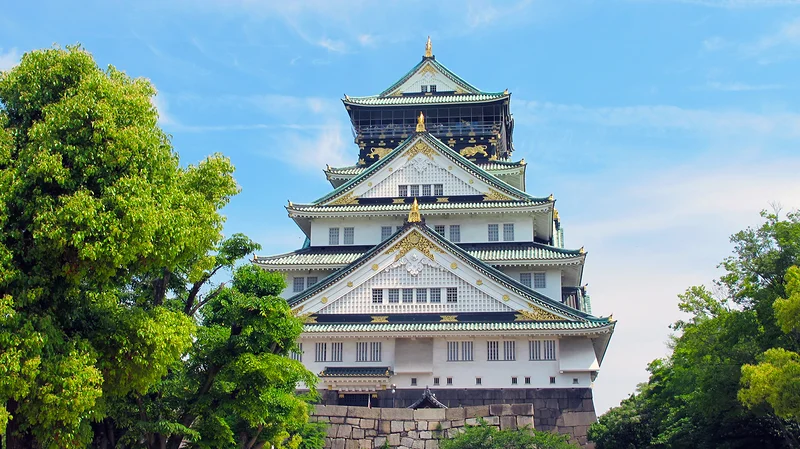
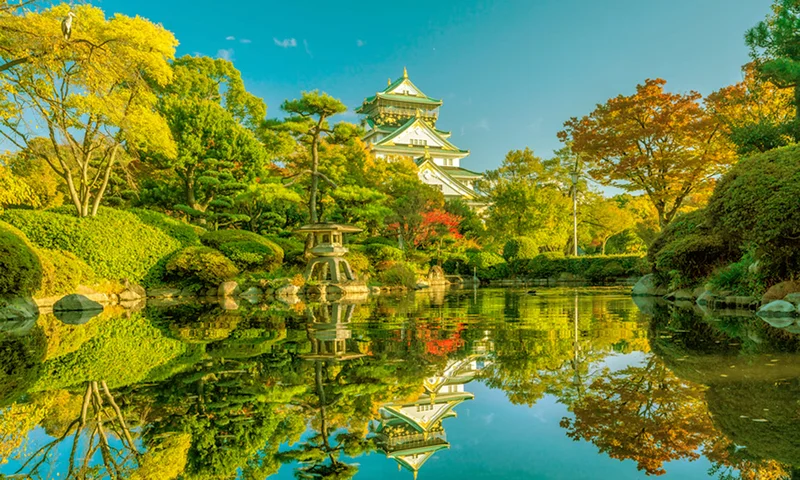
The Osaka Castle, surrounded by moats and gardens, embodies the historical face of the city. In the spring, cherry blossoms turn the site into a postcard. Even older are the Shitenno-ji temple and the Sumiyoshi Taisha shrine, which serve as reminders that the city keeps one foot in tradition.
Local tip: head to the castle early in the morning. You will avoid the crowds and see local joggers who give the place a different energy.
Bay Area and family entertainment
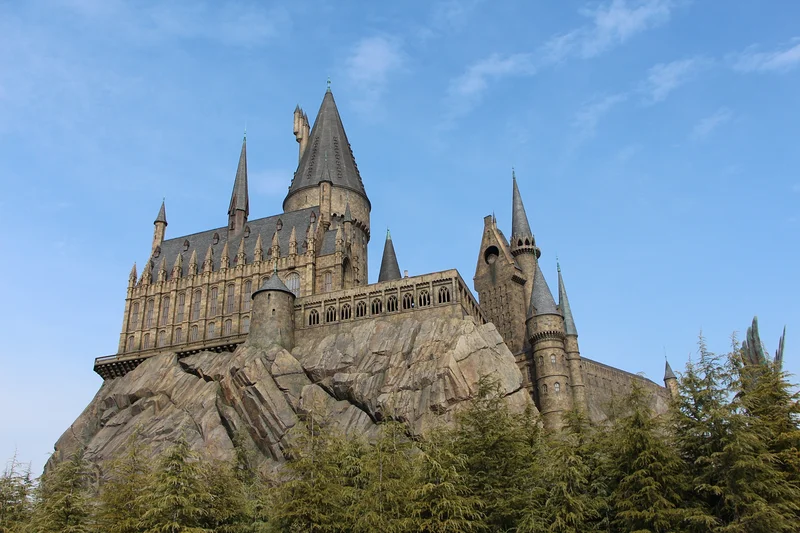
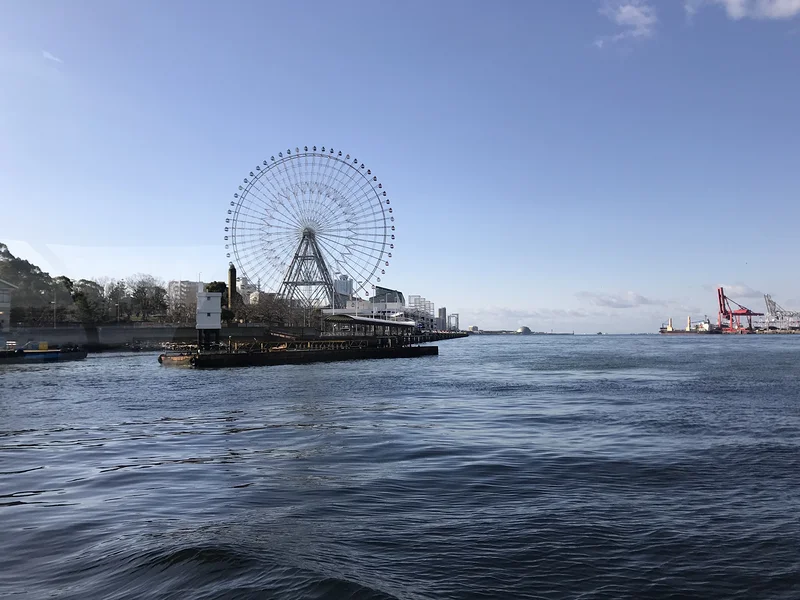
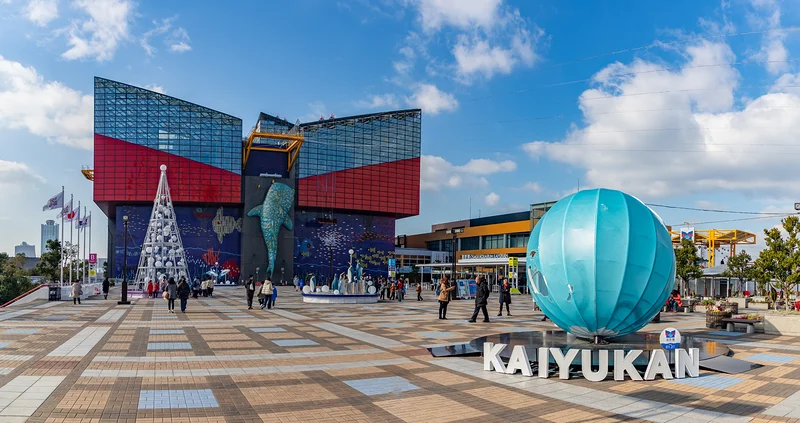
To the west, the waterfront houses major sites like the Kaiyukan Aquarium, where whale sharks and jellyfish captivate visitors of all ages. Right next door, Universal Studios Japan draws movie fans and thrill-seekers.
Local tip: buy your tickets online for Universal; the lines can easily ruin a day.
Where to eat and drink in Osaka?
Osaka's reputation as the "kitchen of Japan" is well-earned. Beyond takoyaki and okonomiyaki, try the kushikatsu in Shinsekai, which are breaded skewers dipped in a communal sauce, or fugu for the truly adventurous. The izakaya (Japanese pubs) in the Namba district offer a social and authentic experience.
Where to sleep in Osaka and the surrounding area?
To be in the center of the action, choose Namba or Dotonbori. Umeda is more upscale and convenient for transportation. If you are looking for quiet, consider Tennoji, which also offers quick access to Kyoto and Nara.
Local tip: opt for a modern capsule hotel if you are traveling light. It is a quintessential Japanese experience at a low price.
How to get around Osaka?
Kansai International Airport connects directly to the city in about 40 minutes by express train. Once there, the subway is dense and efficient, and passes like the Osaka Amazing Pass help save on travel and attractions. Walking remains a pleasure in the central districts, but pack comfortable shoes.
When to go?
Spring and autumn are the most pleasant seasons, between cherry blossoms and fiery maple leaves. Summer is hot and humid, and winter, while mild, sometimes lacks outdoor energy. Avoid Golden Week in late April and early May, as the city is completely packed.
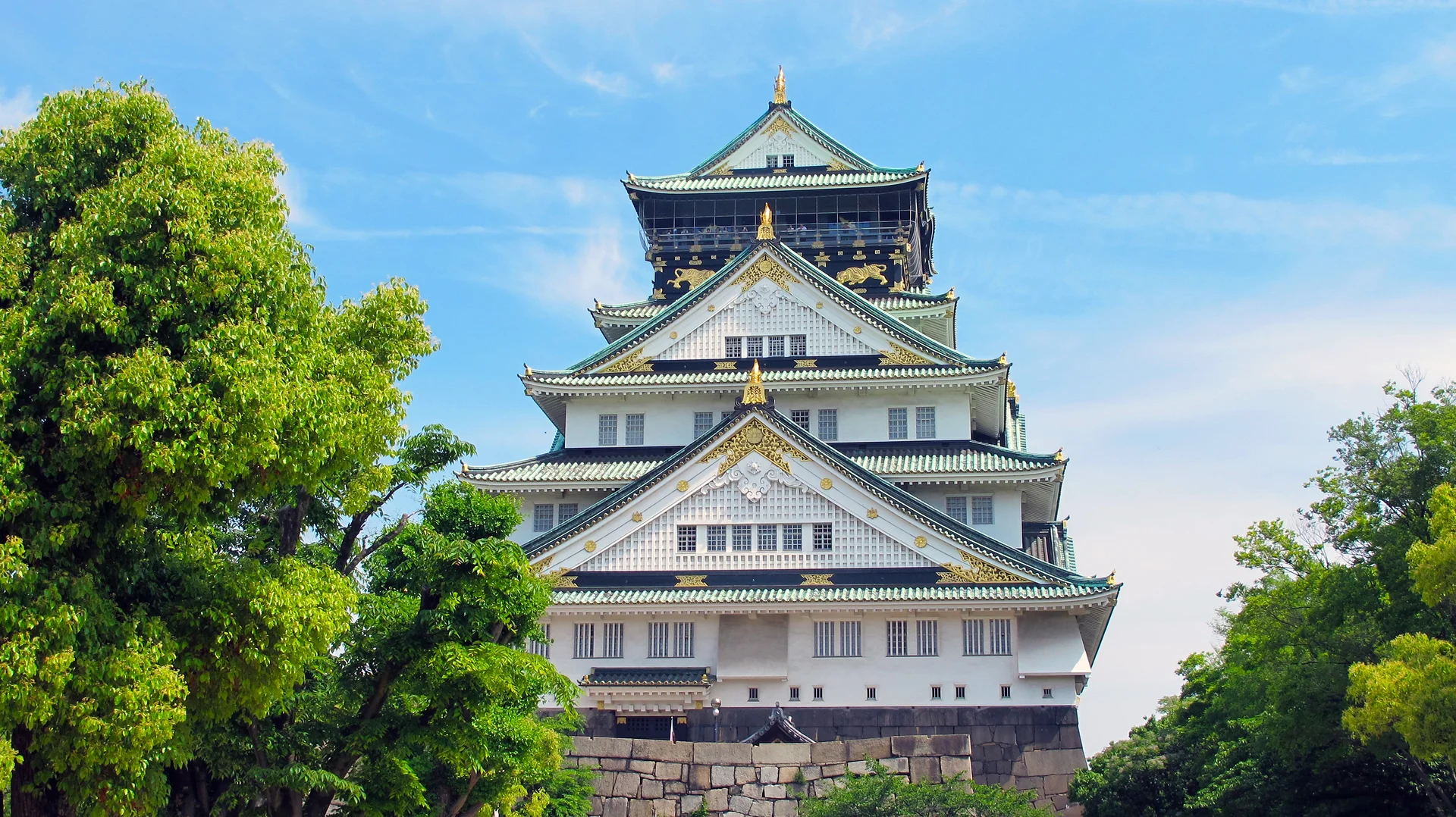
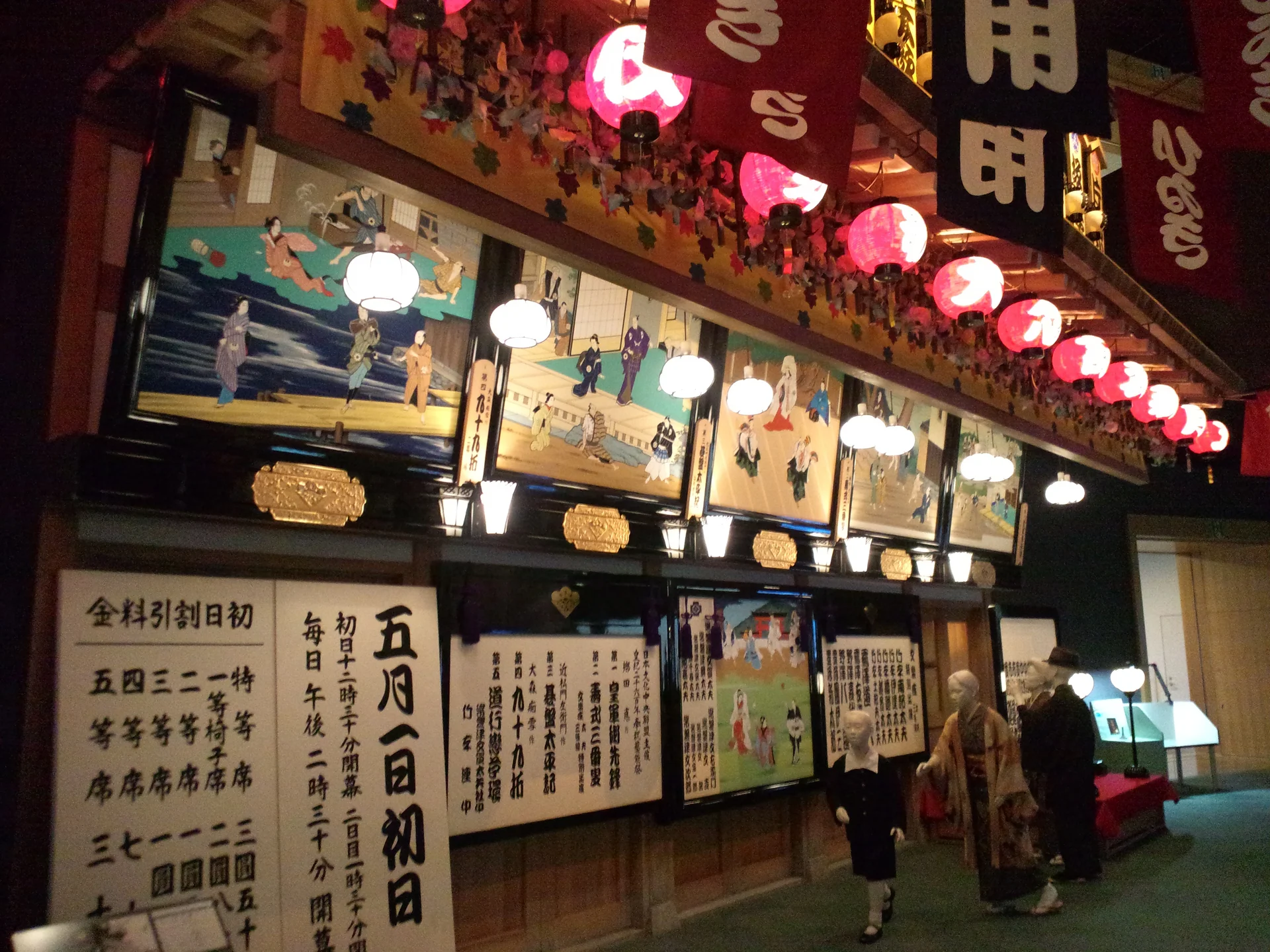
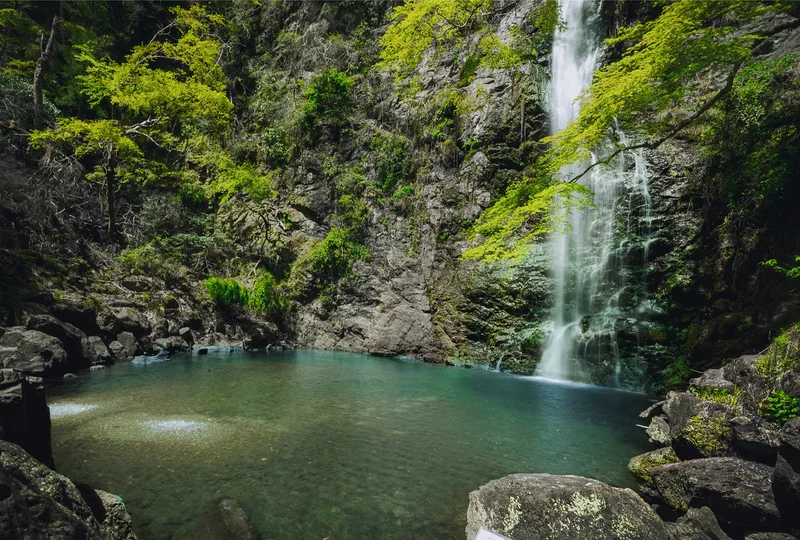
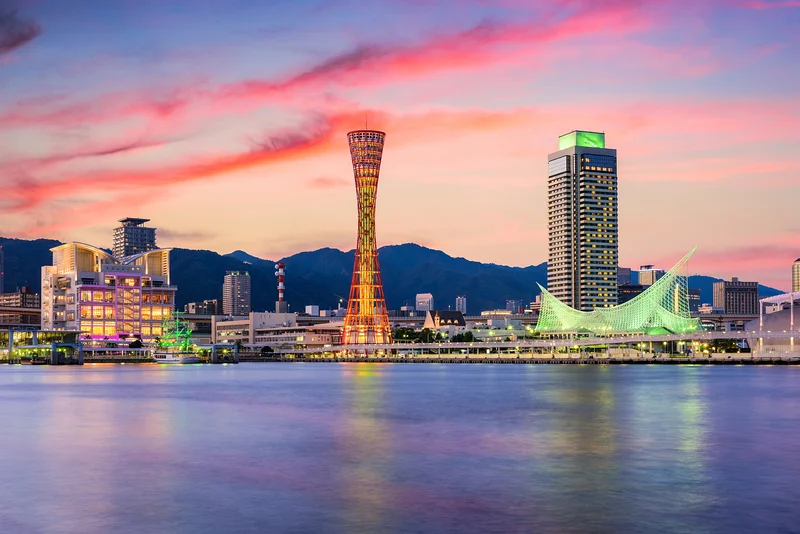
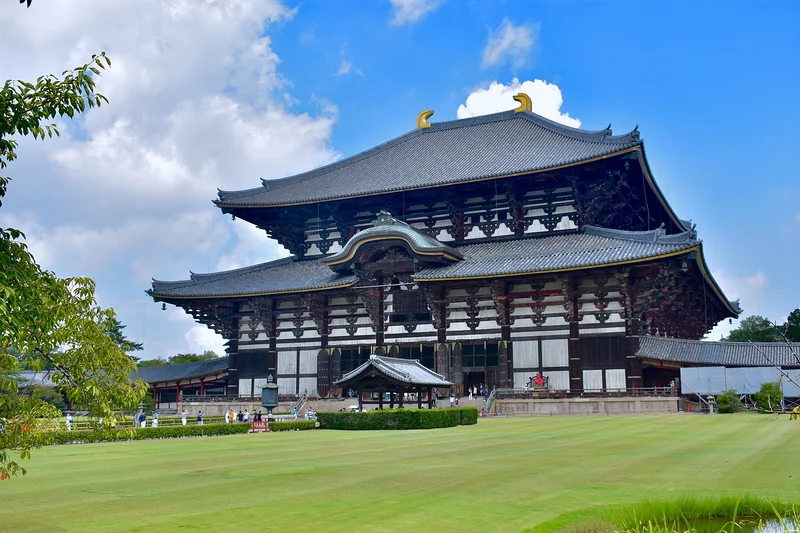
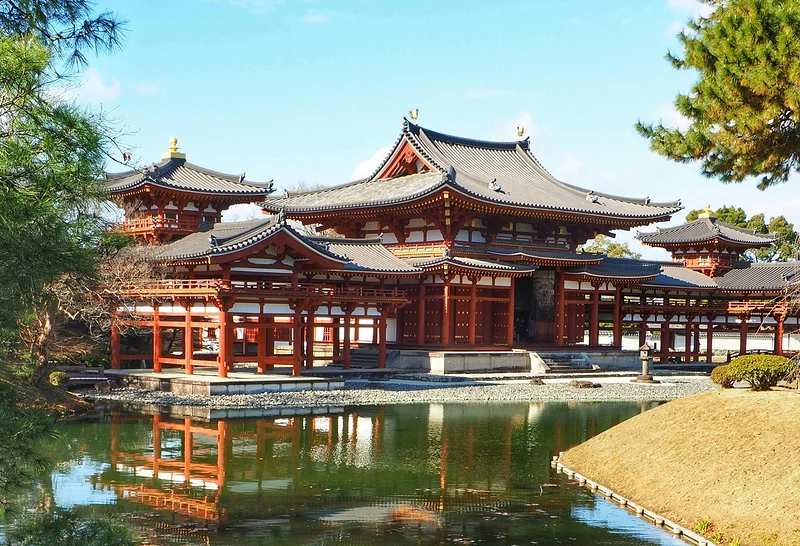
For me, Osaka is one of the three must-visit cities in Japan, along with Tokyo and Kyoto. The city is lively and energetic, and the food is really great. I recommend visiting Osaka Castle with its very traditional architecture. The atmosphere is less overwhelming than in Tokyo. Two days there seems like a good idea.