Mont Fuji

Things to do in Japan: 20 must-see attractions in 2026

Discover our members' favorite destinations in Japan, plus reviews, practical info, and traveler photos...

The 5 most beautiful cities to visit in Japan

Tokyo

#1 Tokyo +337

Tokyo hits your senses with full force. Between ancient shrines, neon-lit intersections, and endless food options, the city keeps every day feeling new. It is loud and demanding, yet it rewards both the urban explorer and the traveler looking for a quiet moment at a temple.

Kyoto

#2 Kyoto +285

Imperial capital for over a millennium, Kyoto holds nearly 2,000 temples, 17 UNESCO sites, and some of Japan's most refined dining. From the geisha districts of Gion and the bamboo groves of Arashiyama to the thousands of red torii gates at Fushimi Inari, every neighborhood reveals a distinct layer of Japanese history. It is also more affordable than you might expect, with daily spending often landing around 10,000 to 15,000 JPY (about $65 to $100).

Osaka

#3 Osaka +180

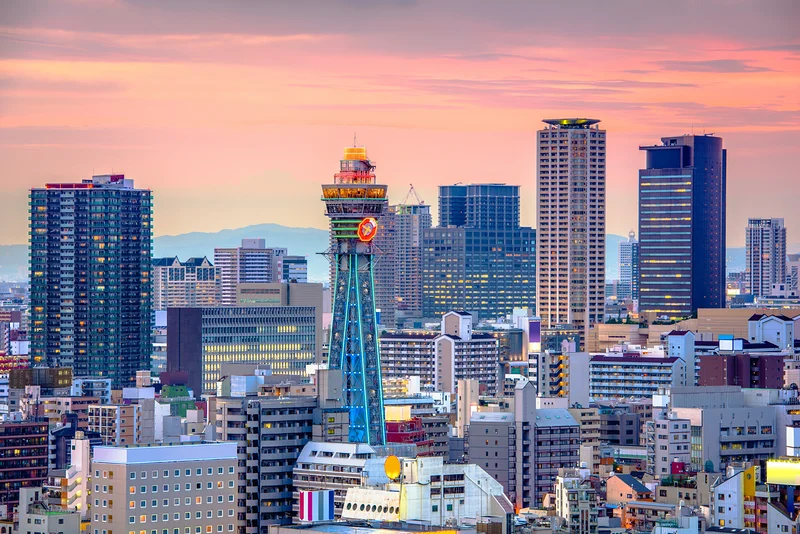
Osaka hits with an intensity where neon-soaked skyscrapers collide with centuries-old temples. It feels more spontaneous and approachable than other major Japanese cities, defined by its obsession with street food and high-energy alleyways. Get ready for a sensory overload where every turn reveals a new surprise, from hidden izakayas to futuristic architecture.

Nara

#4 Nara +117

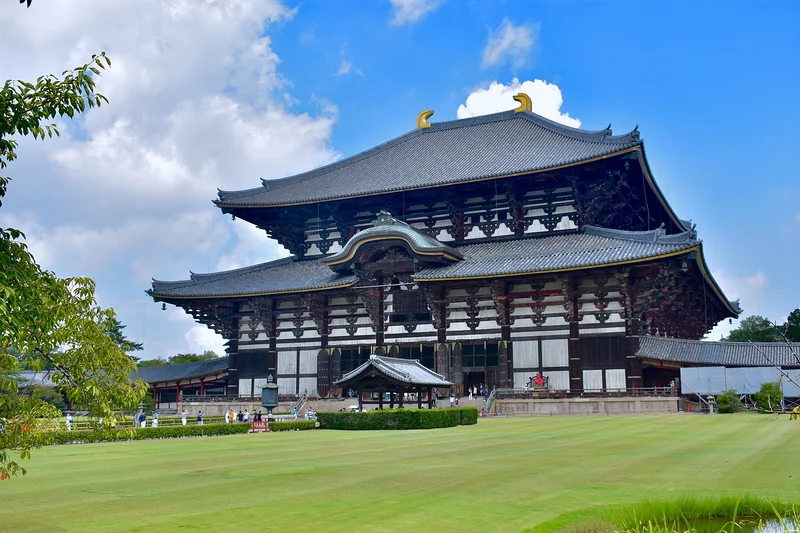
As Japan's first permanent capital, Nara serves as a living archive of the country's imperial and religious history. The city's famous park is home to hundreds of free-roaming deer and iconic landmarks like the Tōdai-ji temple, which houses a massive bronze Buddha. Between the thousands of lanterns at Kasuga-taisha shrine and the ancient wooden structures of the Hōryū-ji temple, Nara provides a quiet, focused look at traditional Japanese culture.

Kamakura

#5 Kamakura +83

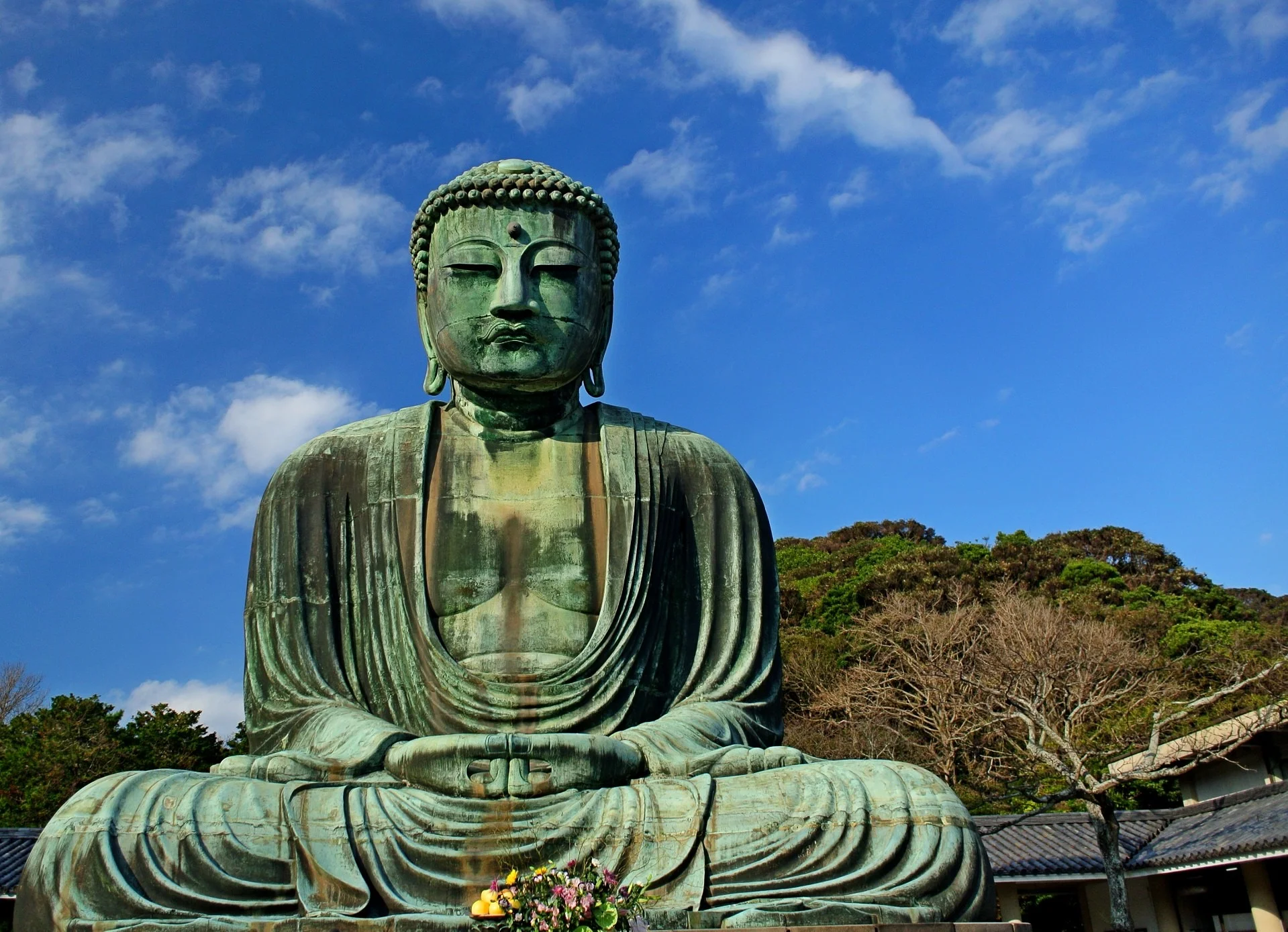
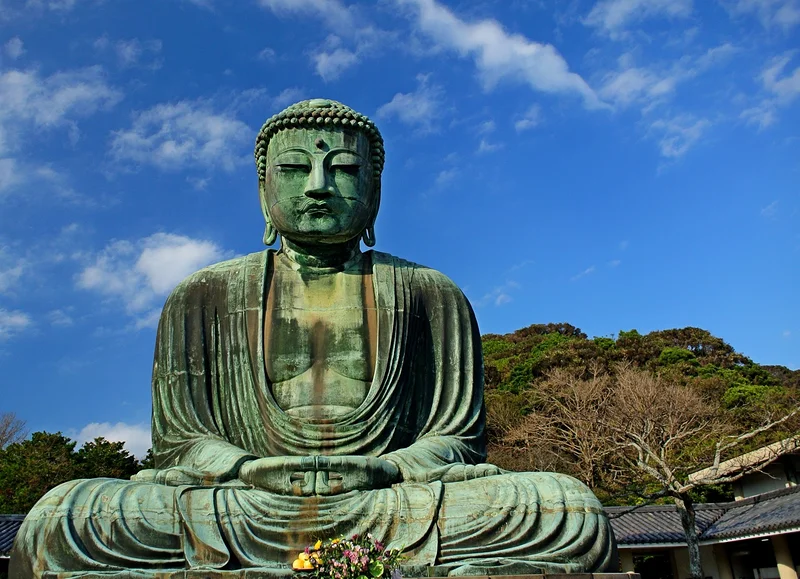
Just an hour from Tokyo, Kamakura packs centuries-old Zen temples, bamboo forests, and Pacific beaches into the compact footprint of Japan's former medieval capital. The massive bronze Great Buddha has watched over the town for seven centuries, while the retro Enoden train line hugs the coast, running so close to homes it feels like a neighbor's commute. Between bowls of fresh shirasu (whitebait) and minimalist cafes tucked into traditional wooden houses, this former samurai stronghold balances history and modern life with ease.

Ranking of the 15 activities selected by our editors in Japan

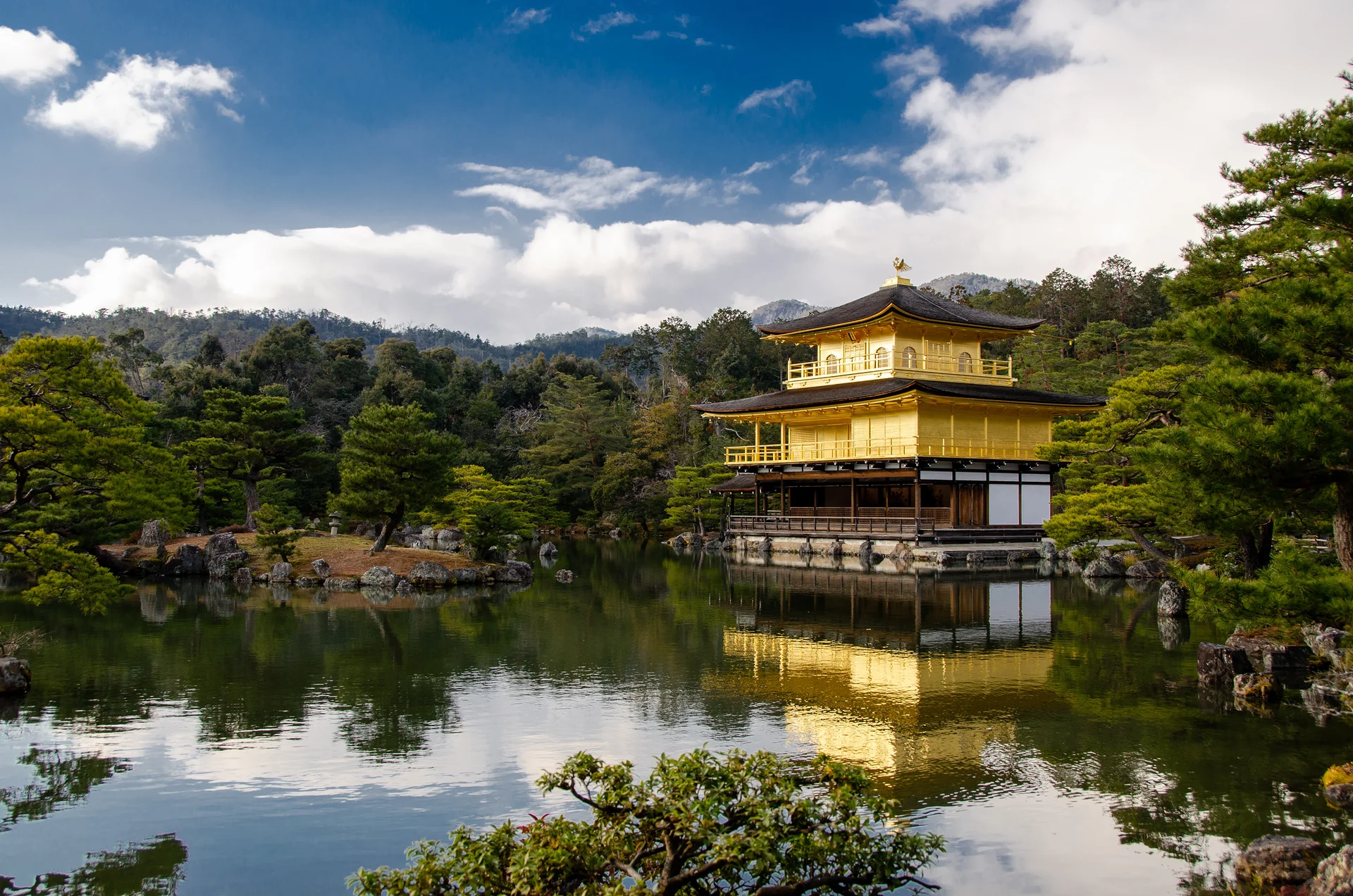
#1 Kinkaku-ji (Kyoto) +30 4.7

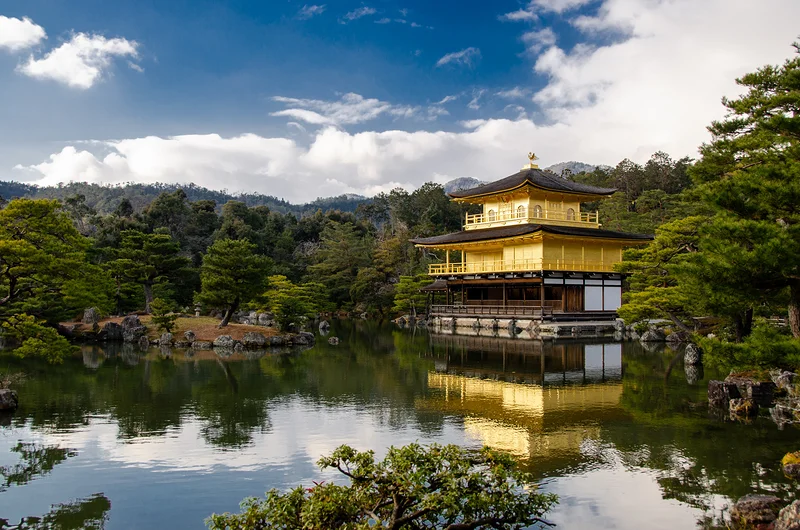
The iconic Golden Pavilion, or Kinkaku-ji, remains a top destination in Japan. Located in Kyoto on the island of Honshu, this imperial deer garden temple draws thousands of Buddhist pilgrims and travelers alike. Explore the gold-leaf architecture and serene grounds. Despite multiple reconstructions after fires, this Unesco World Heritage site has remained pristine since 1994.

See the guide See deals

#2 Shibuya Crossing (Tokyo) +25 4.2

Often seen on screen, Shibuya Crossing is the largest intersection in the world. With its 10 lanes, five zebra-striped crosswalks, and futuristic skyscrapers covered in massive neon signage, it is an essential stop for anyone visiting Tokyo. Navigating the crossing and watching the chaos is a surreal experience, even for the most seasoned urban traveler.

Located right next to the train station of the same name, it is also known as the Hachiko crossing. This refers to the nearby statue of the Akita dog that faithfully waited for his master, a university professor who suffered a fatal heart attack, for more than seven years after his death. You will easily find it by exiting the JR station into the small square, which is usually packed with locals.

As a symbol of Tokyo, an extravagant megalopolis that never stops moving, Shibuya Crossing handles over 2,500 people during each two-minute light cycle. Every year, more than one billion people pass through here.

The best times to watch this highly organized crowd, which waits patiently for the green light signal to walk, are Friday and Saturday nights. You should also visit when it rains to see the ballet of umbrellas, a common sight in Tokyo given how quickly the weather changes.

For a better perspective, head to the Starbucks in Shibuya Tsutaya, which is often cited for offering one of the best overhead views. Plenty of other spots remain to be explored, including multi-story shopping malls, bars, and cafes. Once you have finished your time in the crowd, you can recharge at the Meiji-jingu shrine and its expansive park. If you have time, the Tokyo Metropolitan Government Building is in the same district. It features two towers with free access. Its observation decks, open until 11:00 PM, offer a great view of the Japanese capital at no charge.

See the guide See deals

#3 Tokyo Tower (Tokyo) +23 4.4

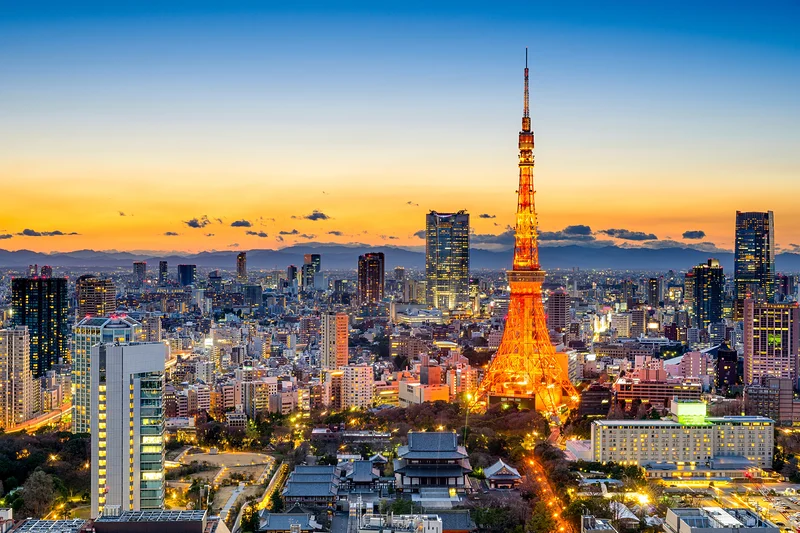
Built in 1957 by Tachu Naito, Tokyo Tower stands 333 meters tall, edging out the Eiffel Tower by seven meters. Engineered for seismic resilience and painted orange and white for aviation safety, it glows with seasonal lighting. Visitors access two observatories at 145 and 250 meters. Foot Town at the base features an aquarium, dining, and a theme park.

See the guide See deals

#4 Osaka Castle (Osaka) +21 4.6

Located in the center of Osaka, Osaka Castle is a primary attraction in Japan. Its majestic architecture matches its long, turbulent history. Today, the site offers a peaceful, scenic environment. Visitors can explore the extensive museum for a deep dive into Japanese history, followed by a walk through the sprawling surrounding park.

See the guide See deals

#5 Mount Fuji (Fujikawaguchiko) +20 5

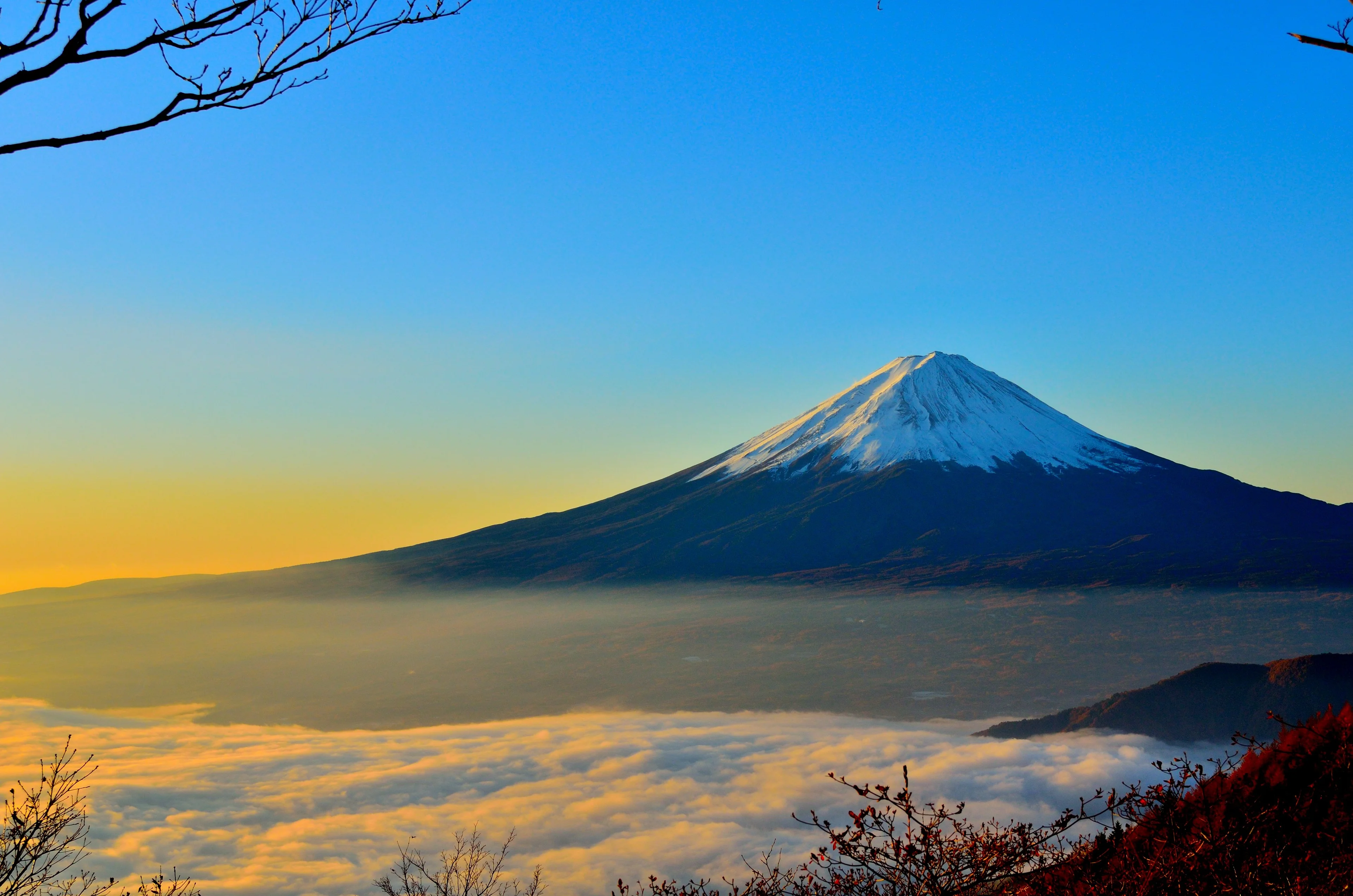
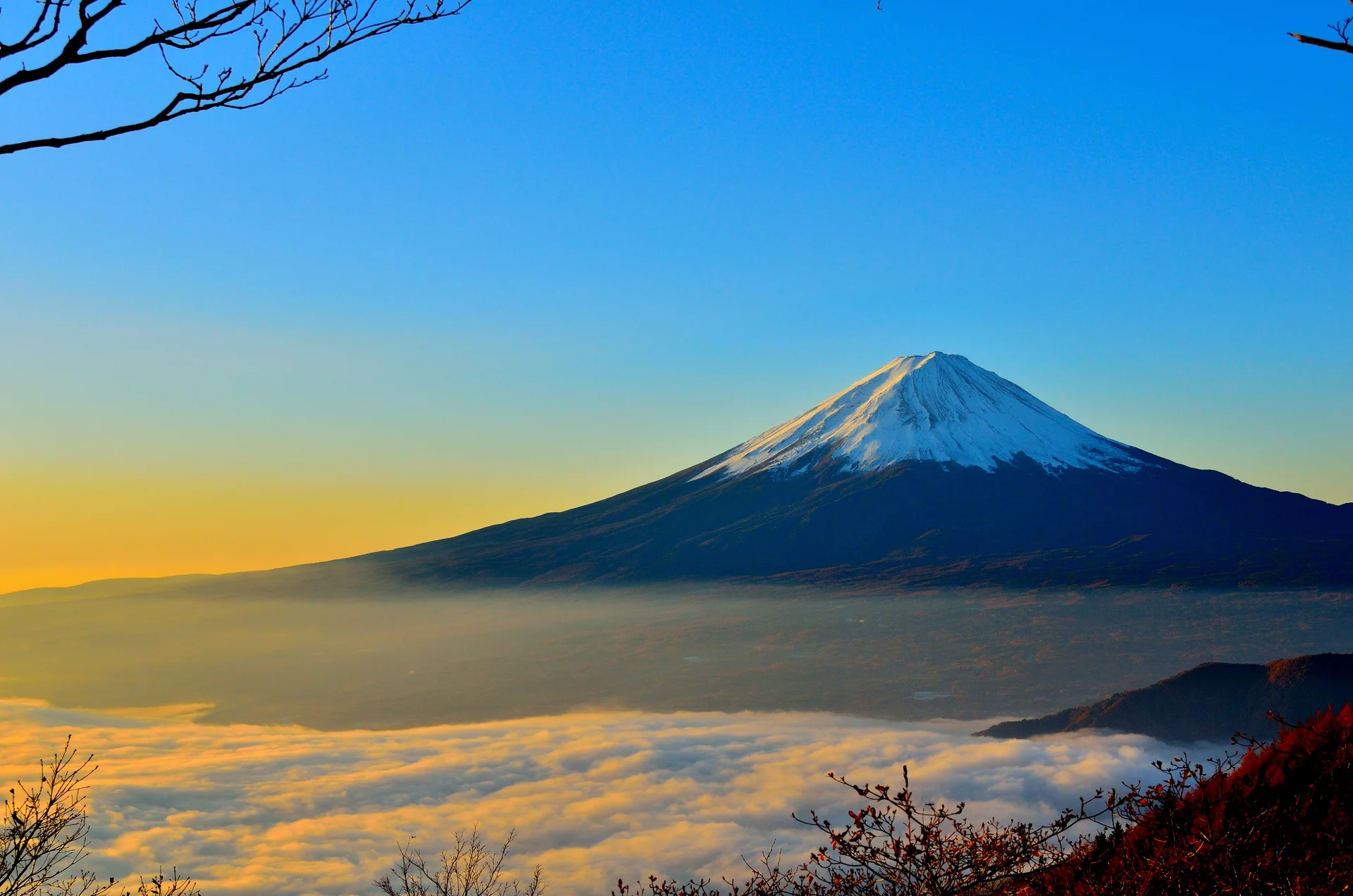
As the highest point in Japan at 3,776 meters, Mount Fuji is a sacred volcano that draws over 300,000 hikers every summer. Off-season, the Fuji Five Lakes region and Hakone offer clear views of this perfectly shaped cone, which is recognized as a UNESCO World Heritage site.

See the guide See deals

#6 Umeda Sky Building (Osaka) +20 4.5

Two 40-story towers connected by a circular open-air observatory at 173 meters (568 feet) high, the Umeda Sky Building offers one of the most striking views in Osaka. The escalator suspended in the void between the towers is part of the experience. Downstairs, the Takimi Koji (a retro-themed alleyway) recreates 1920s Japan.

See the guide See deals-7%AVYGEO7

#7 Fushimi Inari Taisha (Kyoto) +20 4.5

Japan is a land of spiritual contrasts where different faiths have shaped one another for generations. Shintoism, born on these islands, remains central to the local identity. To experience it, a visit to Fushimi Inari Taisha in Kyoto is essential. Beyond the preserved shrine, you can hike a unique trail beneath thousands of iconic vermilion torii gates.

See the guide See deals

#8 Universal Studios Japan (Osaka) +19 4.8

Located in Osaka, Universal Studios Japan is a top destination for movie and gaming fans. Explore immersive zones like The Wizarding World of Harry Potter and Super Nintendo World, enjoy rides for all ages, and catch live shows like WaterWorld. Grab unique themed snacks and exclusive souvenirs to round out your visit.

See the guide See deals

#9 Tempozan Ferris Wheel (Osaka) +17 5

The Tempozan Ferris Wheel stands 112.5 meters tall, offering panoramic views over Osaka. This 15-minute ride provides a clear vantage point of the bay and city skyline. At night, its lighting predicts the weather. Located near the Kaiyukan Aquarium and Tempozan Marketplace, it is a great addition to any day exploring the Minato-ku district.

#10 Philosopher's Path (Kyoto) +17 4.7

The Philosopher's Path is a quiet trail following a cherry tree-lined canal in eastern Kyoto. Connecting the Ginkaku-ji (Silver Pavilion) to the Nanzen-ji temple, it passes understated sites like Honen-in and Otoyo-jinja. Each season shifts the mood, from spring blossoms to fiery autumn foliage. Small shops and cafes line the route, offering visitors a calm, scenic break.

#11 Dotonbori Bridge (Osaka) +17 4.3

Dotonbori Bridge sits at the center of the busiest district in Osaka, offering an iconic view of the neon lights and the canal. It is a gathering spot for travelers, street performers, and nightlife lovers. The evening atmosphere is electric, packed with crowds and steps from the best local street food stalls.

See the guide See deals

#12 Dotonbori (Osaka) +17 4

Dotonbori is Osaka's most electric district, famous for neon signage and high-energy nightlife. Crowds gather along the canal and shopping streets, making this a top culinary hub. Stop for takoyaki or okonomiyaki, enjoy a local canal cruise, or browse the nearby shops. It is the heart of the city after dark.

#13 Osaka Castle Park (Osaka) +17 4

Osaka Castle Park spans 260 acres in the center of Osaka, blending history with nature. The iconic main tower houses a museum and observation deck. Visit the Nishinomaru Garden for its famous cherry blossoms in spring. The park hosts cultural events and sports, making it a peaceful, subway-accessible retreat to explore local history.

See the guide See deals

#14 Hachiko Statue (Tokyo) +17 4

The Hachiko Statue, standing outside Shibuya Station in Tokyo, honors a dog famous for his unwavering loyalty. It serves as a go to meeting spot for locals and travelers alike. From here, you can watch the pulse of the city, cross the iconic Shibuya Crossing, or head to Harajuku for quirky boutiques and unique cafes.

#15 Hase-dera Temple (Kamakura) +16 4.7

Overlooking Kamakura, the Hase-dera Temple is a Jōdo sect Buddhist site. It is famous for its iconic Kannon: the bodhisattva of mercy. Beyond this massive statue, which stands over 9 meters tall, the temple offers a prime vantage point. You get exceptional views of the city below, set against a hillside Japanese garden.

Visiting Japan: Where Hypermodern and Ancient Exist Side by Side

A bullet train cuts through the countryside at 200 mph. A bamboo grove in a zen garden barely makes a sound. Japan operates on contrasts that somehow never clash. This archipelago of 126 million people broke its own tourism records in 2024, drawing nearly 37 million visitors. Some neighborhoods have hit a tipping point, but the country still rewards travelers who know where to look.

Is Japan Right for You?

Japan works well for travelers who respect structure. You don't eat while walking, you don't talk on your phone on the subway, and you take your shoes off before entering a temple or a ryokan. These social norms can feel strict at first, but they create an atmosphere of mutual respect that's genuinely refreshing. You don't need to speak Japanese to get around, especially in major cities where signage is often bilingual and translation apps fill most gaps.

Budget carefully. The weak yen has been a real advantage for American travelers in recent years, but hotel prices in Kyoto and Tokyo spike hard during cherry blossom season. Getting around between cities is one of your biggest expenses, so factor that in early. Cash still matters here: many small restaurants and traditional shops are cash-only. The good news is that 7-Eleven convenience store ATMs across Japan reliably accept foreign cards.

The Cities That Overwhelm in the Best Way

Tokyo: Too Big to Figure Out, Too Good to Stop Trying

Tokyo doesn't make sense at first, and that's the point. Each neighborhood runs on its own logic: Shinjuku with its neon-drenched skyscrapers, Asakusa where the Sensō-ji temple still carries the mood of old Edo, Shibuya with its famous scramble crossing. The best way to experience the city is on foot, one neighborhood at a time, without trying to check every box.

For a panoramic view at sunset, Shibuya Sky is worth the effort. Book at least a month ahead. teamLab Planets, the digital art museum in Toyosu, blurs the line between technology and immersive art in a way that's hard to describe until you're standing inside it.

Osaka: Japan's Food Capital, No Contest

Osaka has a completely different energy from Tokyo. Locals here have a reputation for being more direct and more outgoing. The Dotonbori district channels that personality through glowing signs and street food stalls lining the canal. In 2025, the city is also hosting the World Expo on Yumeshima island.

Insider tip: Don't over-plan your meals in Osaka. A line of locals waiting outside a small place with no English sign will serve you better than any Google rating. That's where the real eating happens.

Kyoto: Extraordinary, and Extremely Crowded

Kyoto welcomed more than 56 million visitors in 2024. The former imperial capital is so overrun that many Japanese locals have stopped going to its central areas. The Golden Pavilion and Fushimi Inari shrine are still worth seeing, but go in early and expect crowds no matter what.

A new accommodation tax takes effect in March 2026, reaching up to 10,000 yen per night (roughly $65). The private lanes of the Gion geisha district have been closed to tourists since April 2024, following complaints from geishas about harassment.

The Other Japan: Places That Still Have Room to Breathe

Only about 6% of tourists make it to Takayama, a well-preserved merchant town in the Japanese Alps where you can eat Hida beef and do sake tastings at local breweries for a few hundred yen. Toyama, nearby, landed on the New York Times list of 52 places to visit in 2025.

Kanazawa, often called "Little Kyoto," has intact geisha and samurai districts without the crush of visitors. Its Kenroku-en garden ranks among the three finest in Japan. Down at the southern end of the archipelago, Okinawa is a different country in feel, with white-sand beaches, clear water, and a distinct Ryukyuan culture that sets it apart from mainland Japan.

Getting Outside the Cities

Mount Fuji tops out at 12,389 feet and draws thousands of hikers every summer. Since 2024, a 4,000 yen (about $26) access fee is mandatory on the main Yoshida Trail, and daily climber numbers are capped.

The northern island of Hokkaido pulls powder skiers to Niseko, which gets some of the best snow in the world, comparable to what you'd find in Utah but with a Japanese twist. In summer, the Kamikochi valley in the Japanese Alps is a cool escape from the brutal humidity. The Tohoku region, northeast of Tokyo, barely registers on most tourist itineraries despite its mountain scenery and hot spring towns.

Insider tip: If your trip falls during Golden Week (April 29 through May 6), expect packed trains and hotel prices that can double overnight. This is when Japan travels, and the whole country moves at once.

Living Traditions Worth Experiencing

Staying in a ryokan with a private thermal bath turns a regular night into something you'll talk about for years. You sleep on a futon, wear the yukata robe provided, and get a multi-course kaiseki dinner served in your room. Onsen public baths come with firm rules: shower before you get in, no swimwear, and tattoos are banned at most facilities.

Japan's festival calendar is worth planning around. The Gion Matsuri in Kyoto every July rolls out enormous ceremonial floats through the city streets. The Sapporo Snow Festival in February fills the city with massive ice sculptures.

Food in Japan: Way Beyond Sushi

Every region defends its specialties fiercely. In Osaka, okonomiyaki (savory pancakes loaded with toppings) are cooked right in front of you on a griddle. Takoyaki, crispy octopus balls, are eaten standing up at street stalls. Kaiseki, a sequence of refined small dishes, is Japanese culinary craft at its most refined.

Kobe and Matsuzaka beef have the kind of marbling that genuinely melts in your mouth, and both live up to the reputation. Don't underestimate the konbini convenience stores either: fresh onigiri, well-made sandwiches, matcha desserts. The quality at a Japanese 7-Eleven will reset your expectations for what a convenience store can be.

When to Go to Japan

Spring, from late March through early May, is peak season. Cherry blossoms turn parks and temple grounds into something out of a painting, and everyone knows it: accommodations book out months in advance and prices reflect that. Fall, from October through early December, delivers a similar payoff with flaming red and orange maples, and the crowds are slightly more manageable.

Winter is for travelers who want fewer crowds, steaming onsen, and world-class skiing in Hokkaido. Summer is hot and humid, with a rainy season in June and July, which keeps international tourism lower. That said, summer is packed with local festivals and fireworks events that most foreign visitors miss entirely.

Getting to Japan from the US

Nonstop flights from major US hubs to Tokyo Haneda or Tokyo Narita run roughly 13 to 14 hours from the West Coast and closer to 16 hours from the East Coast. Japan Airlines and ANA operate these routes, as do US carriers. Round-trip prices typically range from $700 to $1,400 depending on the season, with January and November offering better fares. Connecting flights through Seoul, Doha, or Istanbul can sometimes come in lower if you book well in advance. Osaka Kansai Airport is a smart entry point if you're planning to start your trip in the Kansai region rather than Tokyo. US passport holders don't need a visa for stays under 90 days.

Getting Around Japan

The Shinkansen bullet train connects Tokyo to Kyoto in about 2 hours 20 minutes. The Japan Rail Pass jumped roughly 70% in price in October 2023, now sitting at 50,000 yen (about $330) for 7 days. It's no longer an automatic buy: run the numbers on your specific itinerary before committing. Regional rail passes often make more sense if your trip is concentrated in one area.

In cities, pick up an IC card (Suica or Pasmo) at the airport as soon as you land. It works on trains, buses, and at konbini counters, and saves you from buying individual tickets every time. One underrated service: luggage forwarding between hotels lets you travel between cities with just a daypack, sending your bags ahead for a few thousand yen. It's one of the most practical things Japan offers, and most first-time visitors discover it too late.
Find the best deals to travel to Japan

Hotels and stays Flights Car rentals Custom trips

Top photos posted by members

Mont Fuji
Pavillon d'Or de Kyoto
Grand Boddha de Kamakura