
Visiting Osaka Castle
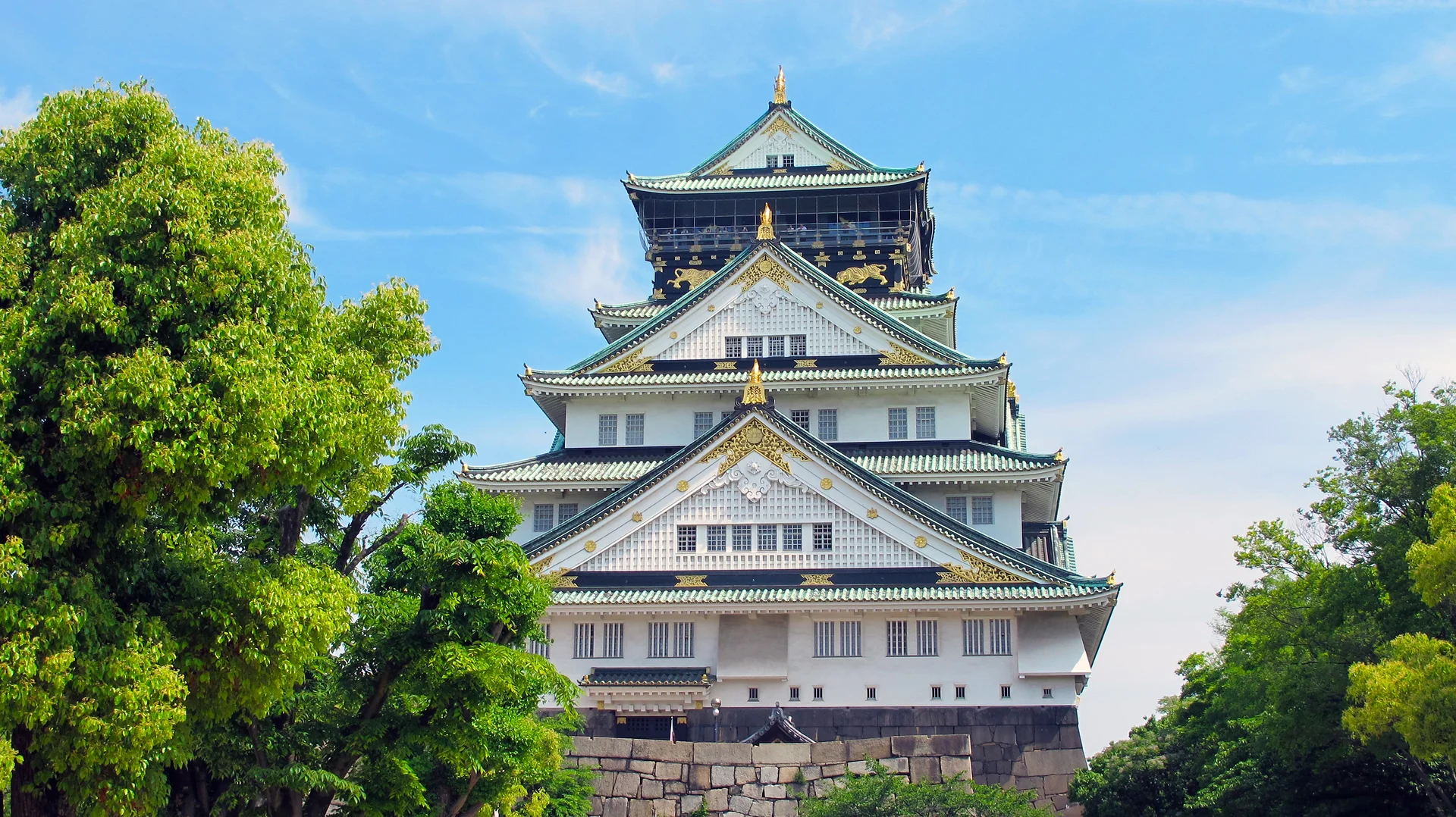
A fortified structure surrounded by a park and moats, Osaka Castle is one of the most recognizable landmarks in Japan. What makes it unique is that its main keep has been destroyed and rebuilt multiple times since its original construction in 1583.
The daimyo Hideyoshi Toyotomi ordered the construction of this edifice in Osaka. At the time, it was meant to represent the seat of power over the entire country under the influence of the Toyotomi clan. The castle saw its first turbulent period two years after the death of the daimyo in 1598. This was when his rival Tokugawa Ieyasu began his rise to power, eventually seizing control of the site in 1615.
The structure has faced significant damage and near destruction over the last four centuries. The current keep was rebuilt in reinforced concrete in 1931 and fully restored in 1997, while the interior is fully modernized for visitor comfort. The building houses a museum detailing the history of the monument with over 10,000 historical artifacts, while the remaining ramparts and moats still reflect its original design.
A Space for Relaxation
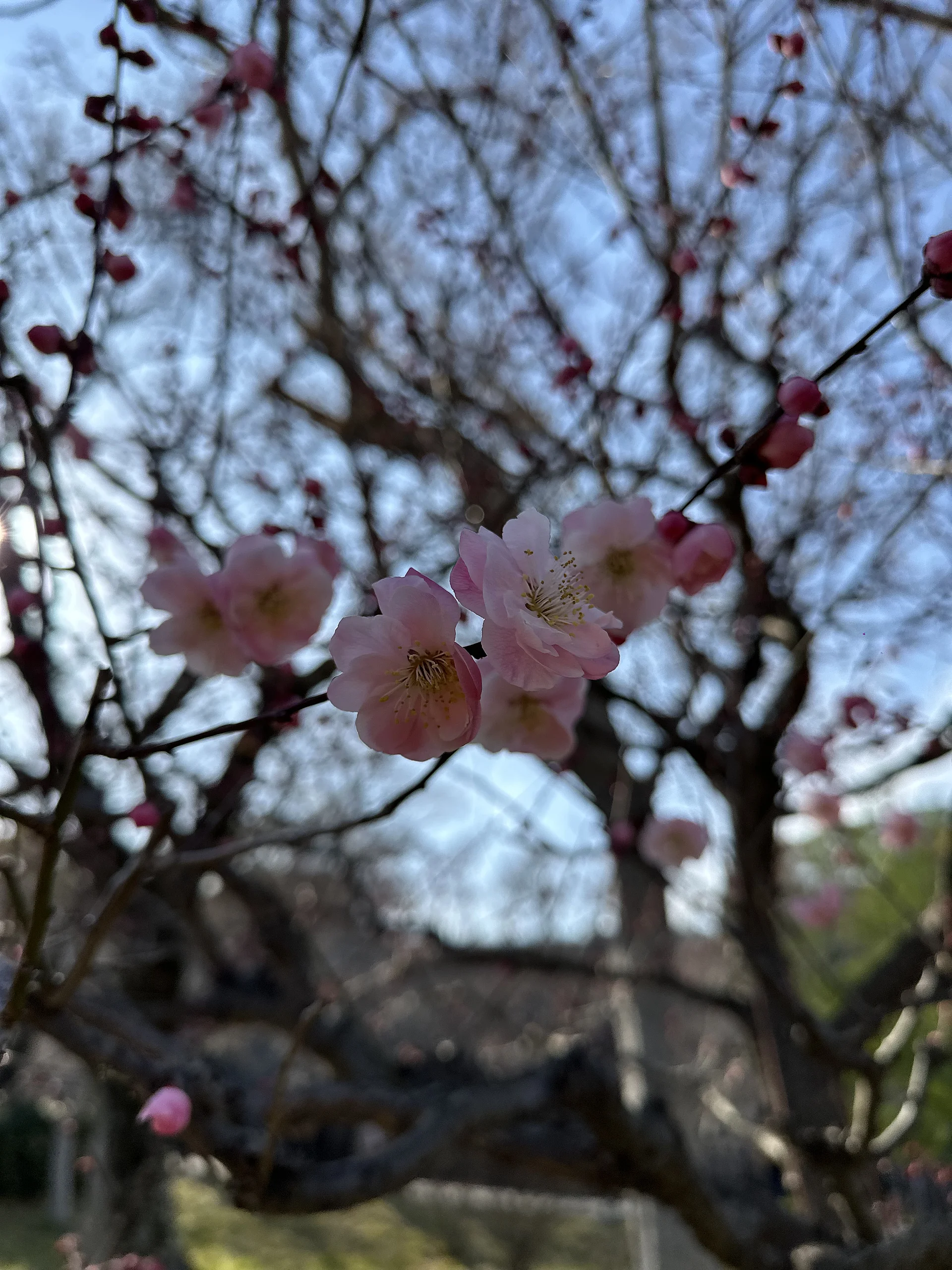
Spanning a massive 106 hectares, the park serves as a green escape in the middle of a densely populated city. It is a popular spot for a quiet stroll or a jog along the outer moat. The best time to visit is during the spring, when locals gather for picnics to celebrate hanami, the seasonal tradition of cherry blossom viewing.
Opening hours
| Monday | 09:00-17:00 |
|---|---|
| Tuesday | 09:00-17:00 |
| Wednesday | 09:00-17:00 |
| Thursday | 09:00-17:00 |
| Friday | 09:00-17:00 |
| Saturday | 09:00-17:00 |
| Sunday | 09:00-17:00 |
*Information subject to change

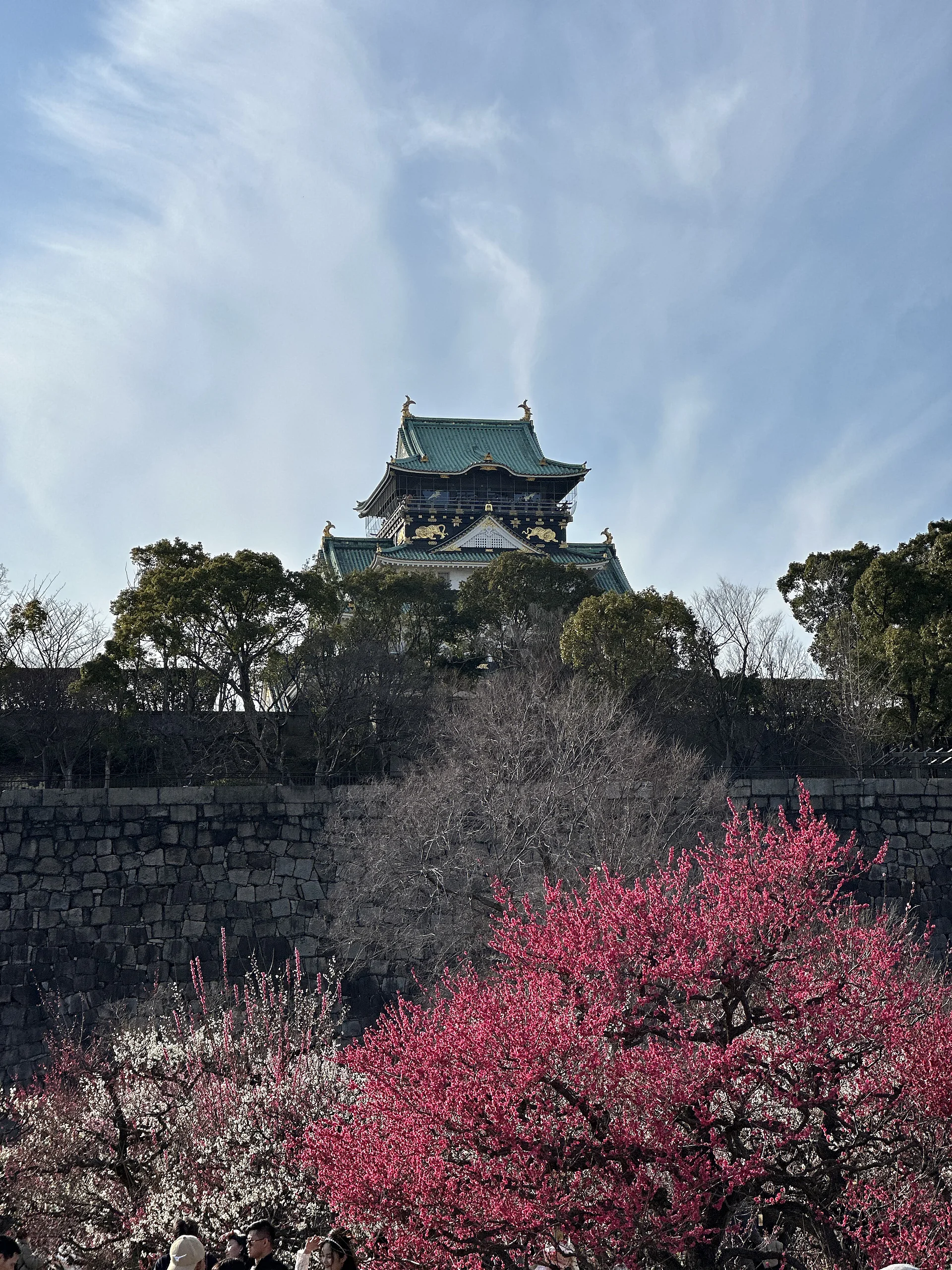
I only saw Osaka Castle from the outside, but honestly, it is well worth the trip. It is really impressive with its massive stone walls, gold-accented roofs, and the moats all around it. The surrounding park with its cherry blossoms is especially nice for a stroll and taking photos. A pretty straightforward visit that does not necessarily take a lot of time, but one I recommend if you are passing through Osaka.