
Visiting Kamakura: Where Medieval Japan Meets the Ocean
Less than an hour from Tokyo, time seems to slow down in this former samurai capital wedged between wooded mountains and the Pacific. Incense drifts from Zen temples, the little Enoden train rattles through residential neighborhoods just inches from front porches, and surfers wait out on the waves with the same patience as monks practicing zazen.
Yet Kamakura is far from a frozen museum piece. Between shrine visits, you will spot hipsters hanging out at design-forward coffee shops, teenagers lining up for sweet potato beignets, and crowds of Tokyoites heading out for a breath of sea air on the weekends.
For History and Nature Lovers (Who Don't Mind Crowds)
Kamakura is built for travelers who want to dive into Japanese history without venturing too far from Tokyo, pairing temples and nature with beachside hangouts. Buddhist history and Zen culture buffs will find plenty to keep them busy with more than 60 temples to explore. Families appreciate the easy transit from the capital and the lifeguarded beaches, while hikers can follow forested footpaths linking hillside temples.
On the flip side, if you hate crowds, prepare yourself for a reality check. On weekends and during the hydrangea season in June, popular temples overflow with visitors and lines stretch for hundreds of yards. Summer on the beaches brings wall-to-wall crowds. If you are hoping for a solitary Zen meditation session like the ones in the movies, you are much more likely to end up staring at the backs of other tourists taking photos of the exact same Instagram spots.
A Classic Japanese Budget
Plan on spending between $113 and $146* per day per person to get the most out of Kamakura, covering transport from Tokyo, temple admissions (between 200 and 500 yen each), meals at standard restaurants, and potentially a night at a local inn. Simple lunches run 800-1500 yen, while dinner at a good seafood restaurant will set you back 2500-4000 yen. The train ride between Tokyo and Kamakura runs about 950 yen each way.
Zen Temples: Meditating Between Selfies
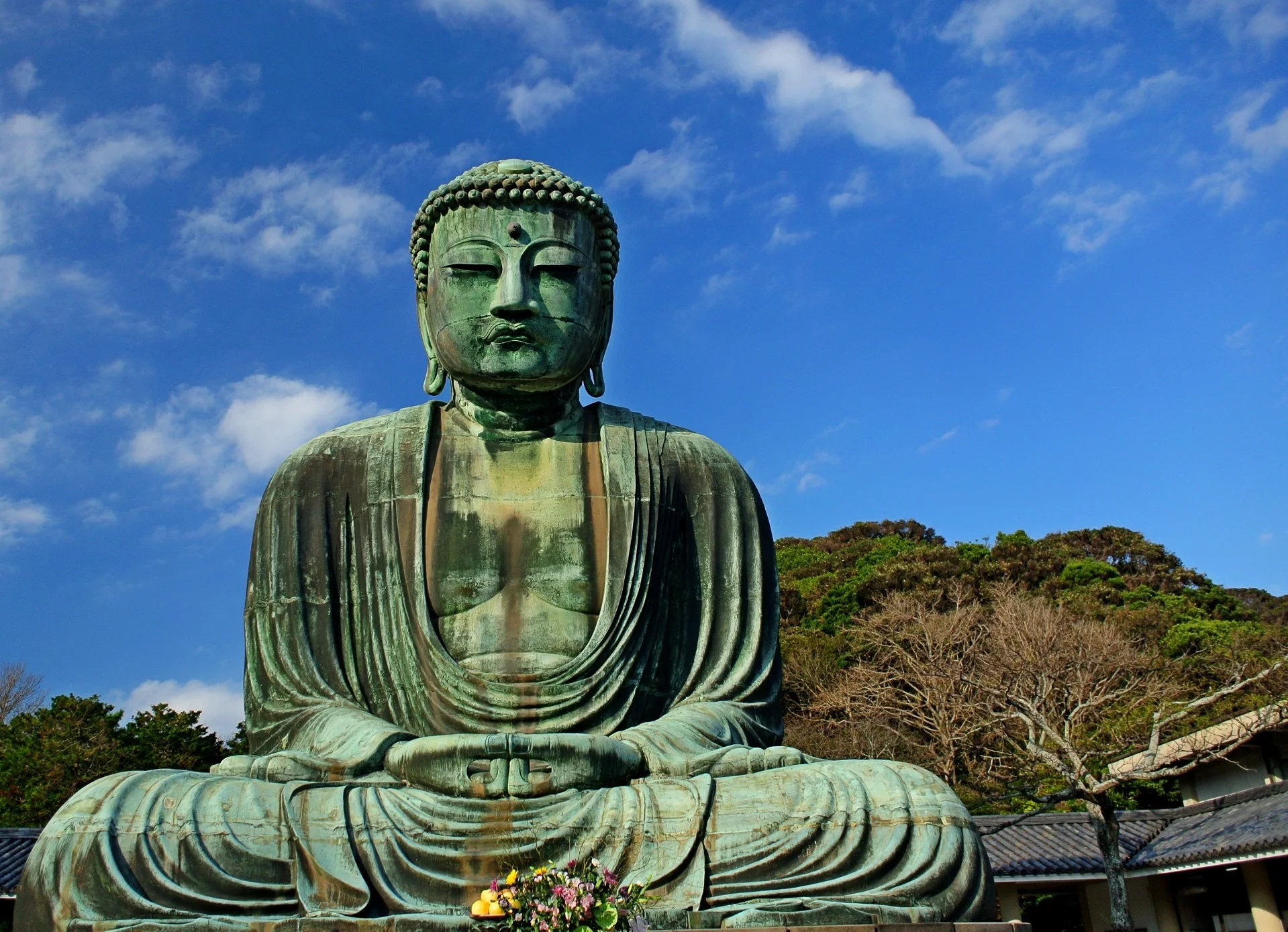
The Great Buddha of Kotoku-in has sat in the open air ever since a tsunami washed away its protective hall back in the 15th century. This 13-meter bronze statue depicts Amida Buddha in eternal serenity, entirely unfazed by the hordes of tourists posing in front of him. For an extra 50 yen, you can actually step inside and see that the giant is hollow. Show up early in the morning or late in the afternoon if you want to soak it in without bumping elbows.
Just a few minutes away on foot, Hase-dera Temple climbs a hillside with sweeping ocean views. The 9-meter-tall eleven-headed statue of Kannon stands watch in a golden, dim-lit hall. But the real draw is the thousands of small Jizo statues lining the pathways. These Buddhist deities protect deceased children, and seeing their endless rows topped with tiny red bibs packs a quiet emotional punch. In June and July, over 2500 hydrangeas turn the temple slopes into rolling waves of blue and violet.
The Must-See Tsurugaoka Hachimangu
The Shinto shrine Tsurugaoka Hachimangu has anchored downtown Kamakura since the 12th century. This is where the shogun Minamoto no Yoritomo established his base of power, kicking off the samurai era. The grand approach lined with vermilion torii gates and twin lotus ponds makes for a classic postcard backdrop. On weekends, traditional weddings and ceremonies take place here, offering visitors a genuine window into Japanese culture. Right next door, the bustling Komachi-dori shopping street is packed with souvenir shops and street food stalls.
Friendly tip: to dodge the tour bus crowds, start your day at the temples of Kita-Kamakura like Engaku-ji or Kencho-ji, Japan's oldest Zen training monastery. By 8am, you will have these majestic forested compounds almost entirely to yourself, complete with the morning chanting of the monks.
The Hydrangea Temple and the Bamboo Grove
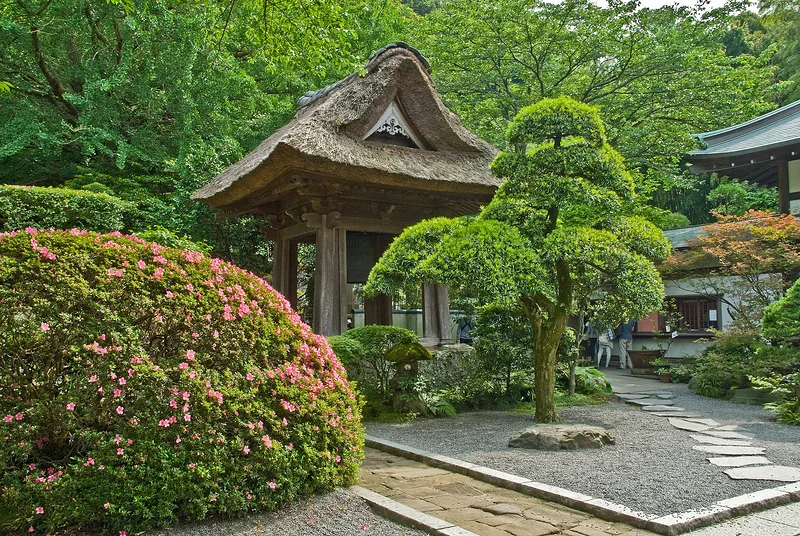
Meigetsu-in, better known as the hydrangea temple, lives up to its reputation even outside of June. The round window in the main hall frames the back garden like a living painting that shifts with the seasons: cherry blossoms in spring, lush greenery in summer, and blazing maples in autumn. During peak hydrangea season, arrive before the 8:30am opening to miss the crushing crowds that can turn a visit into a headache. Roughly 2500 himeajisai plants wash the grounds in a deep shade known as Meigetsu-in blue.
Further south, Hokoku-ji hides a striking bamboo grove where sunlight filters through the stalks to create an almost otherworldly atmosphere. Sure, it is much smaller than Arashiyama back in Kyoto, but the peace and quiet remain intact. Afterward, treat yourself to a bowl of matcha green tea (500 yen) at the tea house overlooking the garden. Sipping the bitter brew while gazing out at the hypnotic green of the bamboo is a timeless experience.
Friendly tip: the hiking trails of Daibutsu, Tenen, and Gionyama link several temples across the wooded hills. Expect 1 to 2 hours of easy nature walking, complete with ancient rock-cut tombs (yagura) and sweeping city views. In December, the fall foliage along these paths is exceptional.
Coastal Vibes and Retro Enoden Charm
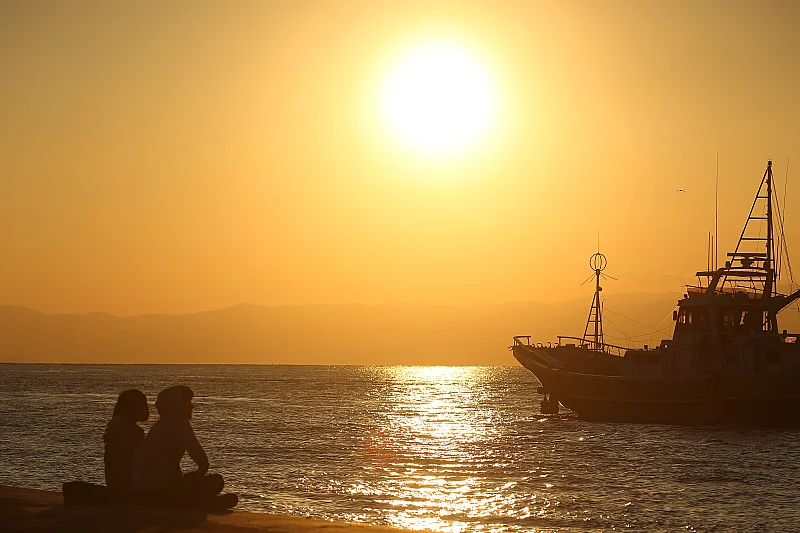
The beaches of Yuigahama and Zaimokuza draw Tokyoites the moment the weather turns warm. Do not expect postcard-perfect white sand. This is classic Japanese gray volcanic sand, and summer brings crowds thick enough to rival a rush-hour subway car. Even so, the surf culture, early-morning surfers, and seasonal beach shacks (umi no ie) serving cold beer and yakisoba from July through August give Kamakura a unique coastal soul.
The vintage Enoden electric railway, which runs along the coast between Kamakura and Fujisawa, feels like a slice of retro Japan you thought was gone. The colorful 1950s train cars squeeze through alleys so narrow you could practically touch the houses from the windows, skim right past the surf, and stop at tiny stations tucked between the mountains and the sea. The grade crossing in front of the high school near Kamakurakoko-mae station, immortalized in the anime Slam Dunk, draws dedicated fans looking to recreate the opening credits shot.
Friendly tip: grab an Enoshima-Kamakura Free Pass (1640 yen) which covers round-trip transit from Shinjuku and unlimited rides on the Enoden. If you have time, make your way across the bridge to the island of Enoshima for shrines, sea caves, views of Mount Fuji on clear days, and freshly caught seafood.
Seafood Flavors and Sweet Treats
The undisputed local specialty is shirasu: tiny, translucent whitebait sardines or anchovies scooped straight out of Sagami Bay. You can eat them raw during the fishing season from March through December, or boiled, served over a steaming bowl of rice with grated ginger and scallions. You will find shirasu-don bowls at dozens of spots, but the best addresses sit near the ports of Koshigoe and Hase. The Shirasuya restaurant in Koshigoe, run directly by local fishermen, serves unbeatable portions, though you should expect a 40-minute wait.
On the Komachi-dori shopping street, try the dove-shaped cookies at Toshimaya (a local institution running for 120 years), the curry buns packed with 30 spices and melted cheese at Giraffa, or takoyaki stuffed with shirasu at Kamakura J's. For something sweeter, the purple sweet potato soft-serve ice cream at Imoyoshi is creamy, not too sweet, and has achieved cult status among visitors.
Friendly tip: for an authentic vegetarian shojin ryori (Buddhist temple cuisine) meal, book a table at Hachinoki near Kencho-ji. These refined, plant-based dishes served in lacquered bowls reflect the Zen philosophy of living in harmony with nature.
Where to Eat and Drink in Kamakura
Beyond the omnipresent shirasu, Kamakura stands out for locally grown Kamakura-yasai vegetables and a surprisingly robust cafe scene. You can enjoy kamameshi, rice cooked in an iron pot with seafood and seasonal veggies, at Kamakama near the station. For post-surf burgers, Good Mellows in Yuigahama grills patties over charcoal in a classic California surf shack setting. If hand-crafted soba is more your speed, head to Matsubara-an, a traditional house with a garden terrace where you can watch the noodles being made from scratch.
For sweets, Tsubame Cafe occupies an old Japanese home serving homestyle teishoku set lunches on carefully curated artisan tableware. Mont Blanc Stand focuses entirely on chestnut desserts with flavors that rotate through the seasons. If you are after ceremonial-grade matcha, Hatoya brought its expertise down from Kyoto to open an outpost serving seven different varieties depending on the time of year.
Getting Around Kamakura
From Tokyo, hop on the JR Yokosuka Line from Tokyo Station (950 yen, 55 minutes) or the JR Shonan-Shinjuku Line from Shinjuku (950 yen, 60 minutes). Both routes are covered by the JR Pass. For a more scenic but slower option, take the Odakyu Line to Fujisawa and transfer to the charming coastal Enoden train into Kamakura. The Enoshima-Kamakura Free Pass (1640 yen from Shinjuku) bundles your round-trip fare with unlimited Enoden rides.
Once you arrive, the downtown core is entirely walkable. The temples of Kita-Kamakura and the Hase district are spaced about 20 to 30 minutes apart on foot. The Enoden handles coastal spots efficiently (310 yen from Kamakura to Hase), while municipal buses connect to out-of-the-way temples like Hokoku-ji. Renting a bicycle near the station (1000-1500 yen per day) speeds things up, though keep an eye out for the steep climbs leading up to certain hillside temples.
When to Go
The sweet spots are March through April for cherry blossoms and November through December for the vibrant fall foliage, offering comfortable temperatures (10-20°C) and smaller crowds. June and early July bring heavy foot traffic for the hydrangeas, which are gorgeous but make for sticky, crowded sightseeing right through the rainy season. July and August see vacationers flood the beaches alongside high humidity (30°C+) and peak crowds. Winter (January-February) stays mild (5-15°C) and delivers crisp, clear views of Mount Fuji from the coast, plus the major perk of nearly empty temple grounds.
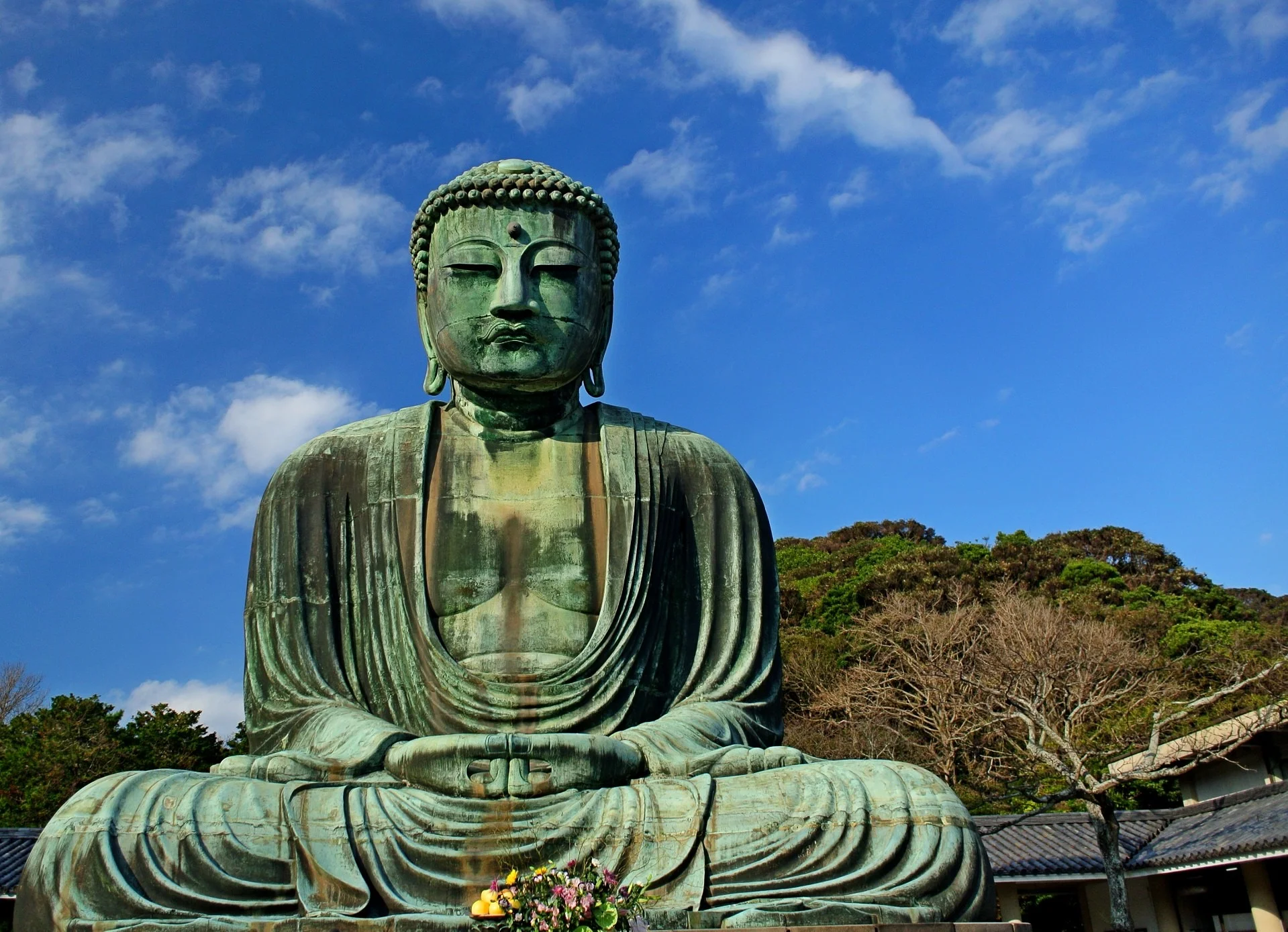
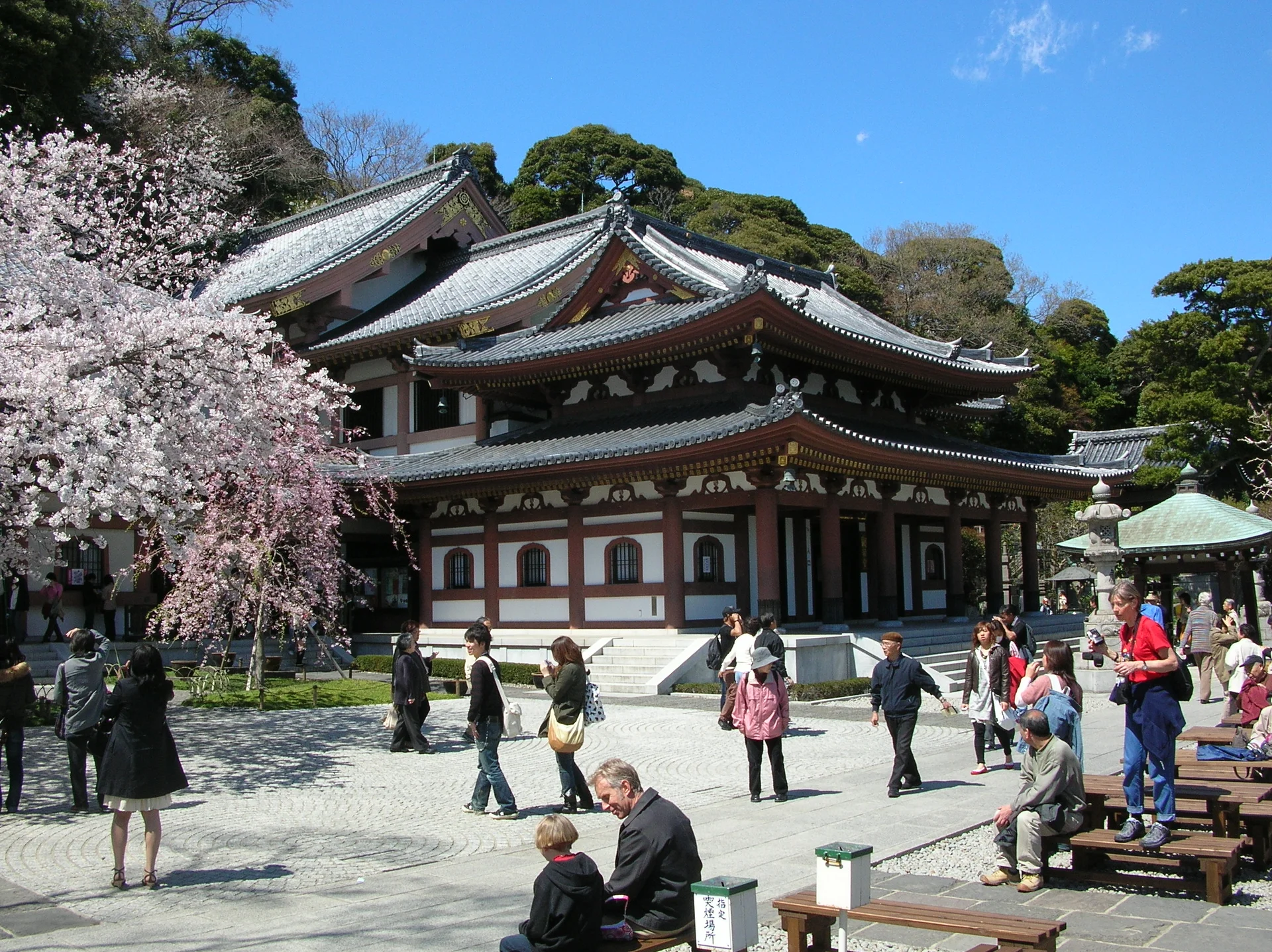
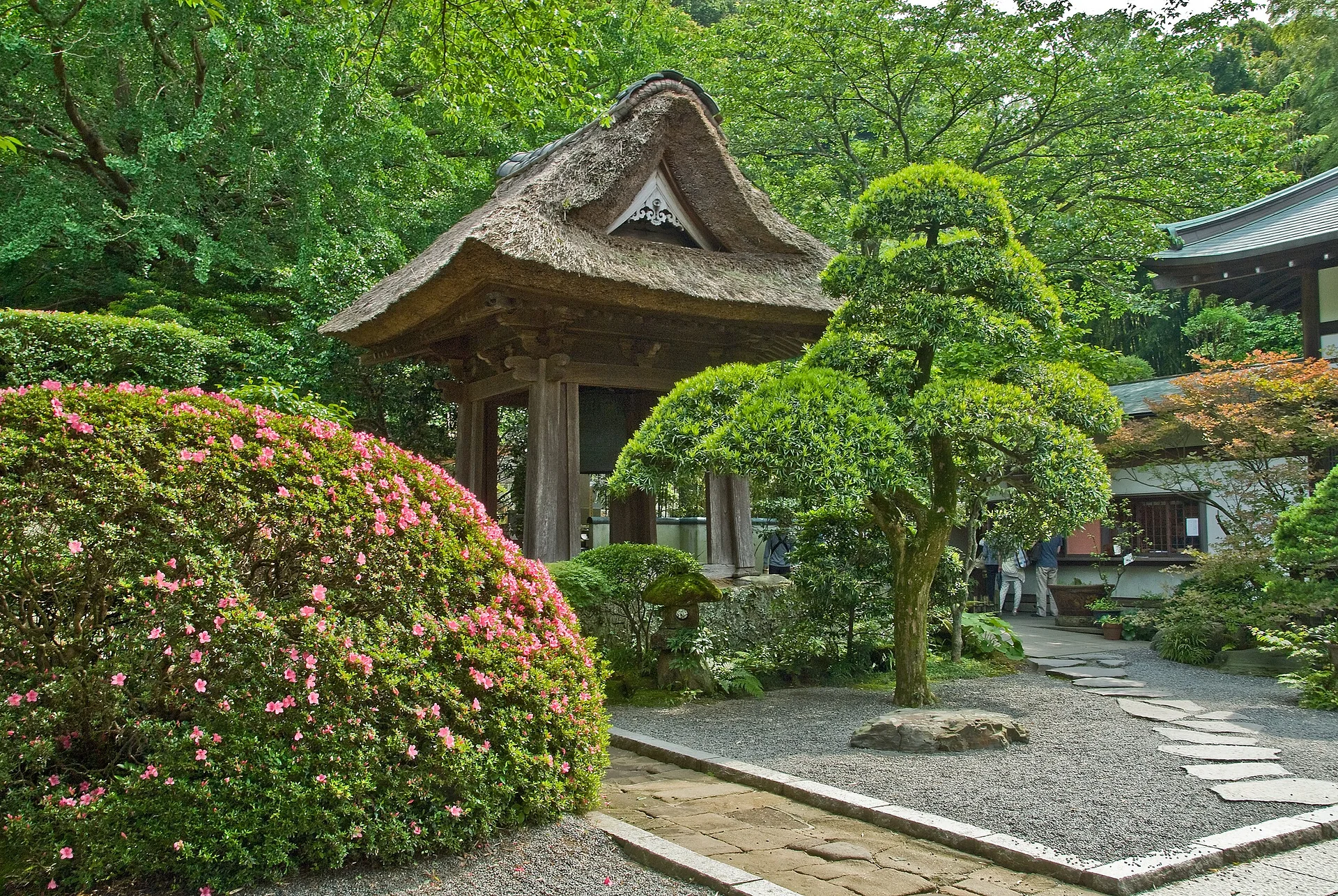
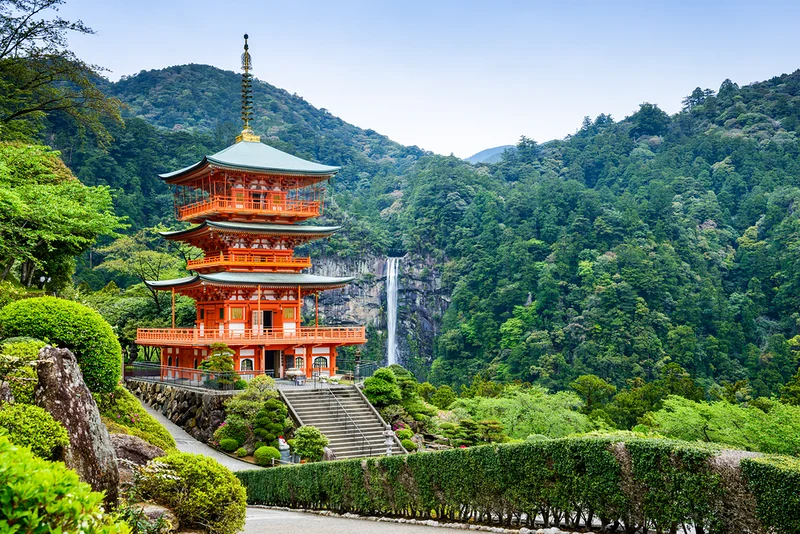
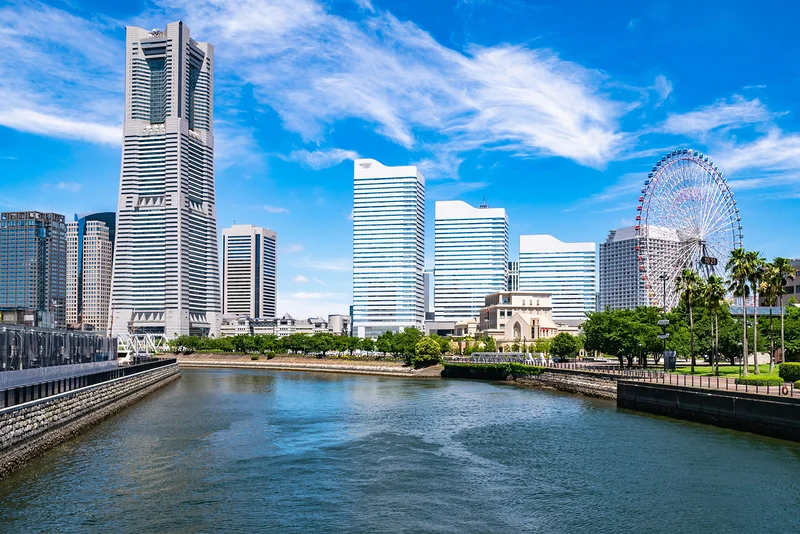
Accessible by a 1 hour train ride from Tokyo, Kamakura is a pleasant city if you are looking for a bit of calm. Do not miss the Great Buddha! You can also visit some beautiful temples. The second Sunday of April is the Kamakura Matsuri, or Kamakura festival, at Tsurugaoka Hachimangu. You will see horseback archery there, as well as a beautiful traditional dance. I recommend the experience!