
Visiting Yokohama, a modern and cosmopolitan port
From your first steps along the waterfronts of Minato Mirai, a cool sea breeze carries the scent of adventure and progress. Yokohama is far from being a mere suburb of Tokyo. It is a city with a distinct personality, where futuristic skyscrapers sit alongside historic gardens and a sprawling, energetic Chinese community. It offers a compelling getaway, blending international history with Japanese innovation.
Is Yokohama the right destination for you?
If you are looking for a Japanese experience that feels less frantic than Tokyo but remains just as culturally dense, Yokohama is your answer. It is a great spot for families thanks to its interactive museums and amusement parks, and it appeals to fans of modern architecture, curious foodies, and anyone who enjoys a long walk by the water.
If your trip to Japan is focused strictly on finding ancient temples and traditional customs, Yokohama might feel a bit too contemporary for your tastes.
Costs can add up, but the city is exceptionally well-connected by public transit, making a rental car unnecessary.
Minato Mirai 21: The future on the waterfront
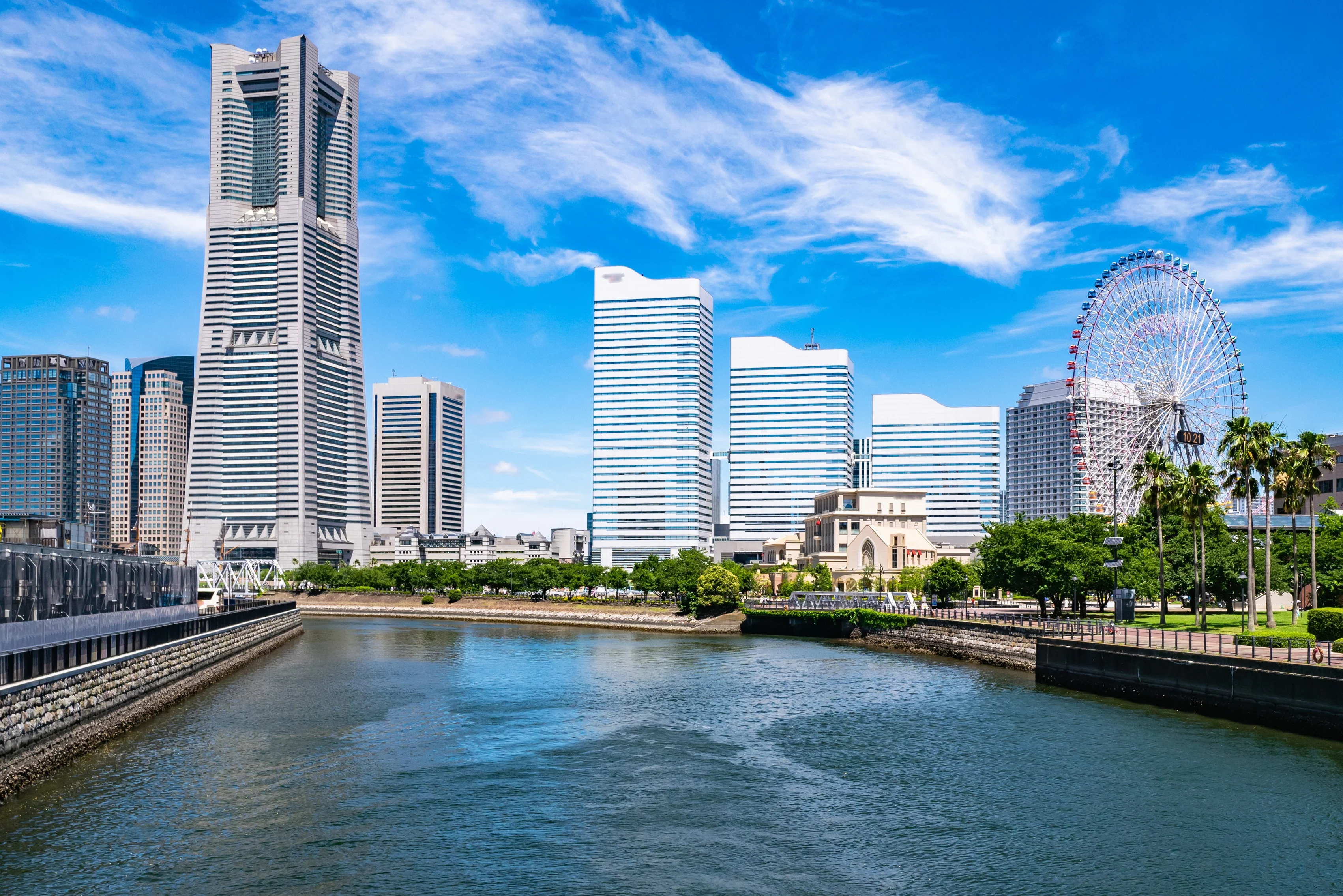
The Minato Mirai 21 district is the face of modern Yokohama. Its shimmering skyscrapers, such as the Landmark Tower (one of the tallest in Japan), house offices, luxury hotels, and shopping malls. Beyond the business, it is a recreation zone filled with unique museums, an amusement park, and large green spaces. The night views, with city lights reflecting off the bay, are genuinely impressive.
Yokohama Cosmo World and its Ferris wheel
The Yokohama Cosmo World amusement park, anchored by the iconic Cosmo Clock 21 Ferris wheel, offers thrills and incredible city panoramas. Its unique draw is its location right in the city center, where the rides integrate seamlessly into the urban skyline.
Pro tip: For a killer view without paying the observatory fee at the Landmark Tower, head to the free observation garden at Queen's Square Yokohama on the second floor. Alternatively, grab a coffee in one of the upper-floor cafes in the surrounding buildings, which often offer comparable vantage points.
Chinatown (Yokohama Chukagai): A feast for the senses
The Yokohama Chinatown is the largest in Japan and one of the most active in the world. Enter through one of the ornate, colorful gates and lean into the chaos: the smell of spices, the calls of street vendors, and the glow of decorated temples. It is a maze of restaurants, shops, and shrines where every turn reveals something new.
Pro tip: Don't just sit down at the big restaurants. Explore the small stalls for street food: steaming nikuman (pork buns), goma dango (fried sesame balls), or Chinese-style castella (sponge cake) are essentials to enjoy while walking.
Sankei-en Garden: The elegance of Japanese gardens
Tucked away from the modern center, Sankei-en Garden is a pocket of quiet and beauty. This expansive traditional Japanese garden houses several historic buildings relocated from across Japan, including a three-story pagoda, teahouses, and former private residences. The landscape shifts with the seasons, always providing a balanced, tranquil scene.
Pro tip: Set aside at least two to three hours to fully wander through Sankei-en Garden. Don't skip the Choshukaku teahouse for a peaceful break with beautiful views of the pond and the pagoda.
Shin-Yokohama Ramen Museum: A culinary deep dive
The Shin-Yokohama Ramen Museum is less of a museum and more of a theme park dedicated to Japan's favorite noodle dish. It recreates a 1950s Tokyo streetscape, complete with nine ramen restaurants from different regions of Japan, each serving their local specialty. It is a fun, delicious experience for any appetite.
Where to eat and drink in Yokohama?
The culinary scene in Yokohama is incredibly diverse, reflecting its cosmopolitan history. While Chinatown is the obvious choice for Chinese cuisine, the city also has excellent Japanese and international options.
For a meal with a view, check the restaurants in the Landmark Tower or along the Minato Mirai waterfront. Gyukaku (a Japanese yakiniku barbecue chain) is a popular go-to. Kirin Beer Village is a worthwhile stop for beer lovers, featuring an on-site restaurant. Make sure to try sanma-men, a local ramen specialty served with stir-fried vegetables.
Where to stay in Yokohama and the surrounding area?
Yokohama has lodging for every budget. Minato Mirai features luxury hotels with dramatic bay views, while the more historic Kannai district offers mid-range options with easy transit access. Chinatown also has a few small, charming hotels.
For those on a tighter budget, modern hostels are available. While neighboring cities also offer rooms, the benefit of staying in Yokohama itself is its unique atmosphere and ease of access to the city's sights.
How to get to and around Yokohama?
Yokohama is perfectly integrated into the Japanese rail network. From Tokyo, you can reach it in under 30 minutes via the JR Tokaido line or the private Tokyu Toyoko line. Narita (NRT) and Haneda (HND) airports are also directly connected via airport limousine buses or trains. Once you arrive, the local subway and train network is highly efficient, bolstered by bus routes. Walking is also pleasant, especially along the bay and through the city parks.
When to go?
Spring (March to May), with the cherry blossoms, and autumn (October to November), with its vibrant foliage, are the best times to visit. The weather is mild and comfortable, and the crowds are at a manageable level. Summer (June to September) is hot and humid, with a risk of typhoons, but the city comes alive with many festivals. Winter (December to February) is cold but clear, with smaller crowds and spectacular Christmas illuminations in Minato Mirai.
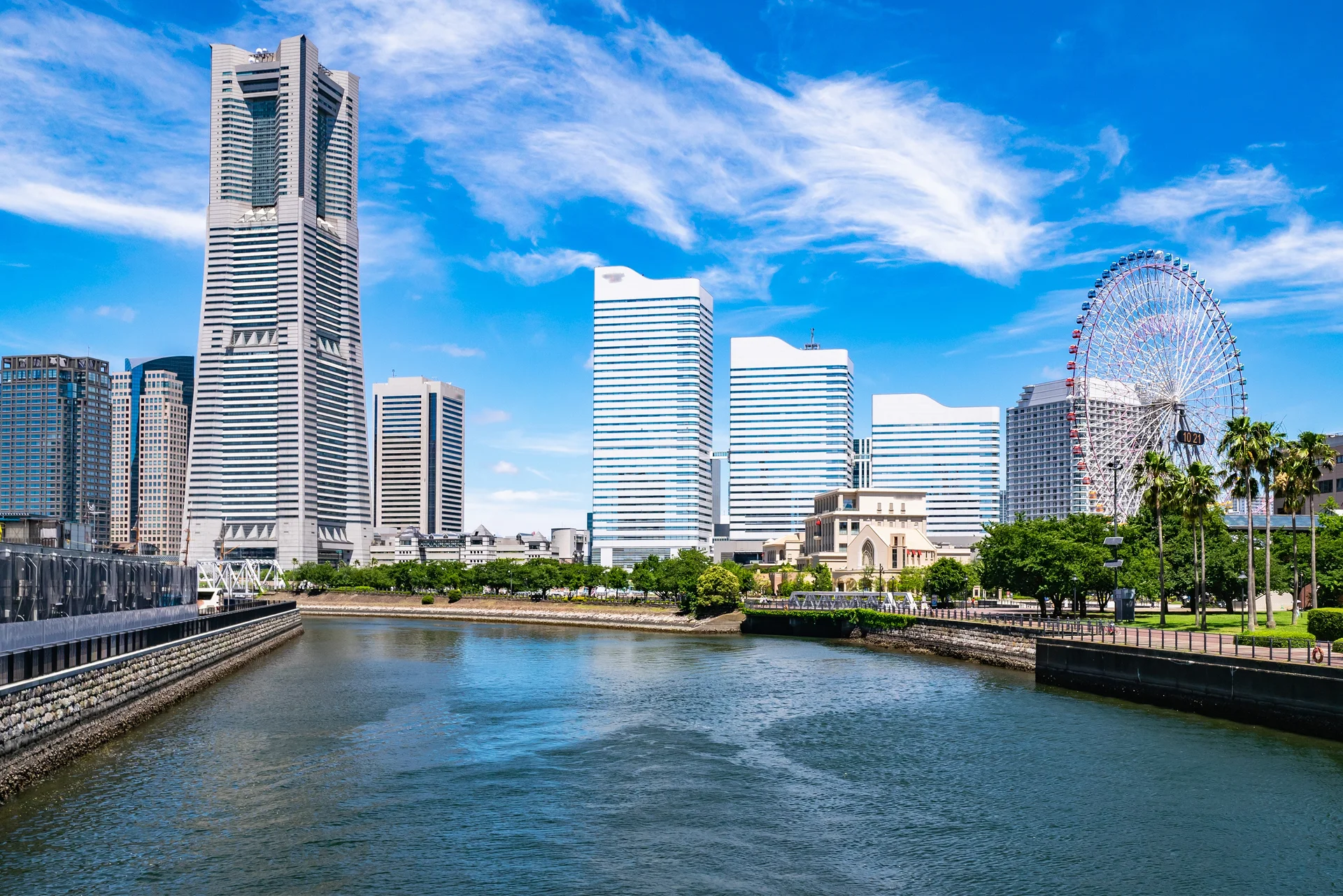
Located near Tokyo, Yokohama is a lively and pleasant city to visit! You will admire futuristic and monumental towers there. First stop: the Sky Garden observatory at the Landmark Tower for an impressive panorama. You will also find shops and restaurants there. For a change of scenery, visit the very colorful Chinatown, Chukagai.