
Visiting Fushimi Inari Taisha
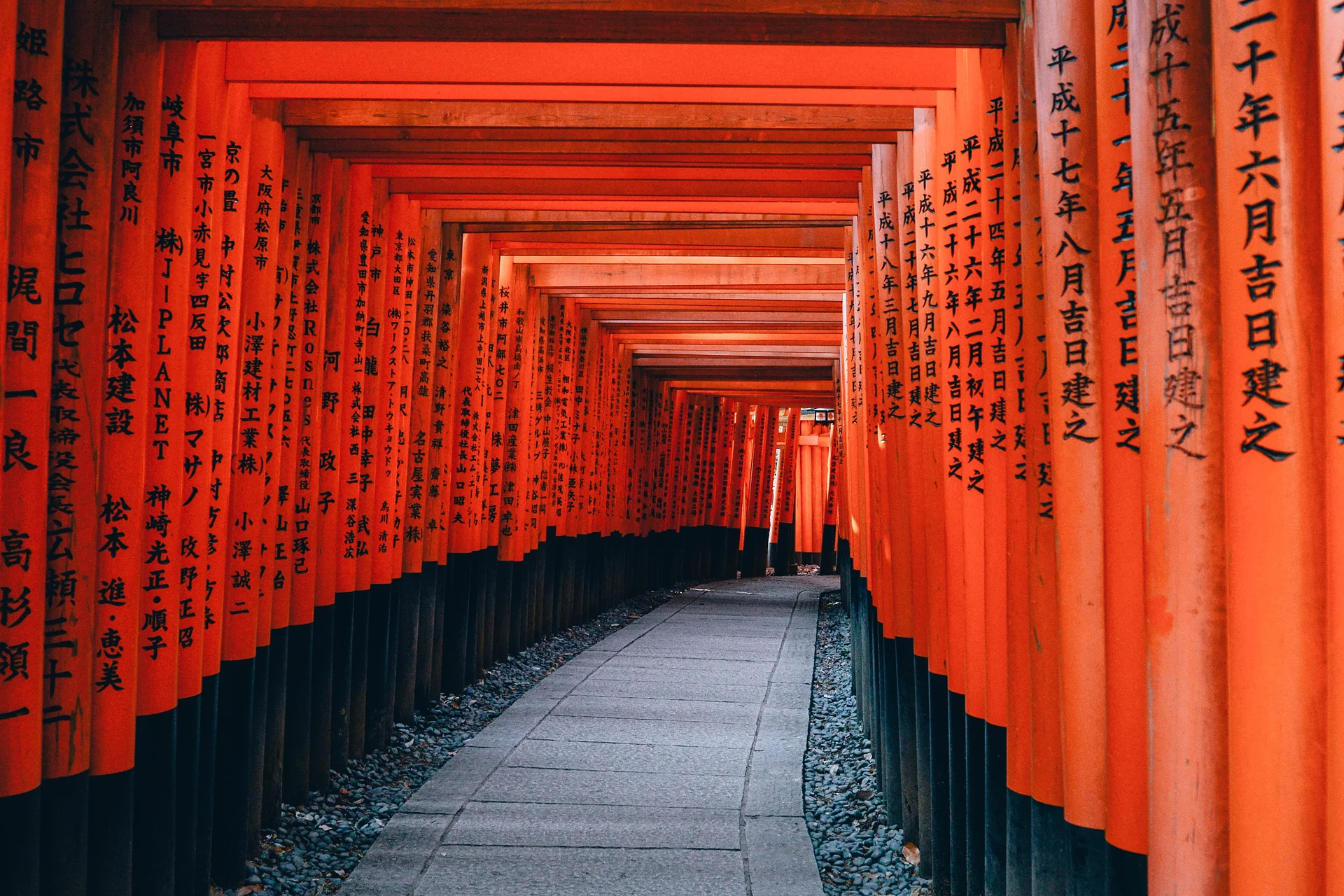
Traveling in Japan often means immersing yourself in its unique indigenous religion, Shinto. Fushimi Inari Taisha is one of the most significant Shinto shrines in the country. It is located just south of Kyoto, in the Fushimi-ku (Fushimi ward) district. Established in 711, this shrine is dedicated to Inari, the deity (or kami in Shinto ritual) of rice and prosperity. Beyond the exceptionally well-preserved main shrine buildings, the site is famous for its hiking trail. Along an adjacent hillside, tens of thousands of vermilion-colored gates, known as torii in Japanese, mark a path that winds through the forest. For a contemplative traveler, the hike can take about two hours to cover the few miles of uphill trail leading through the dense surrounding woodland.
The Path to Abundance
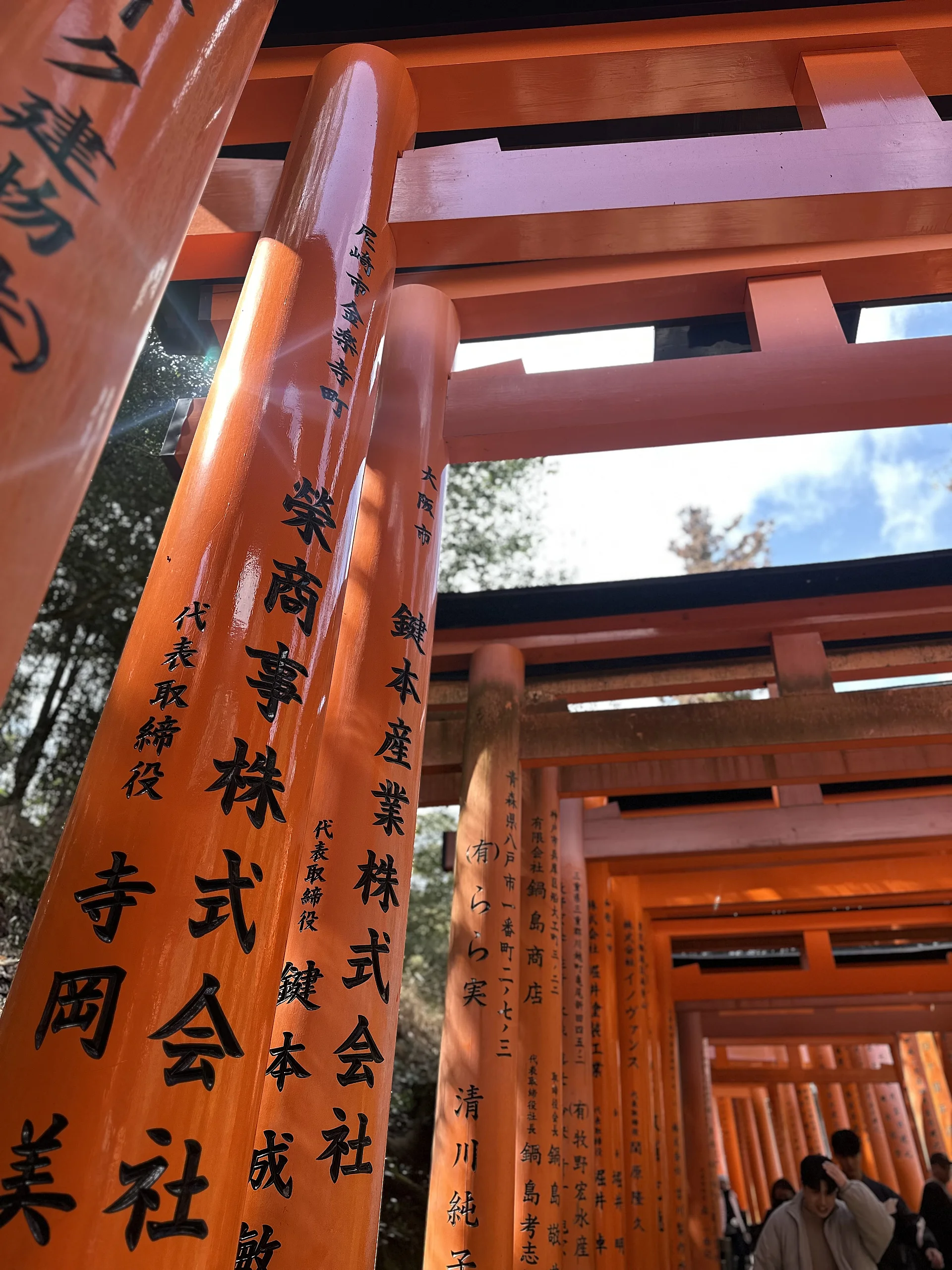
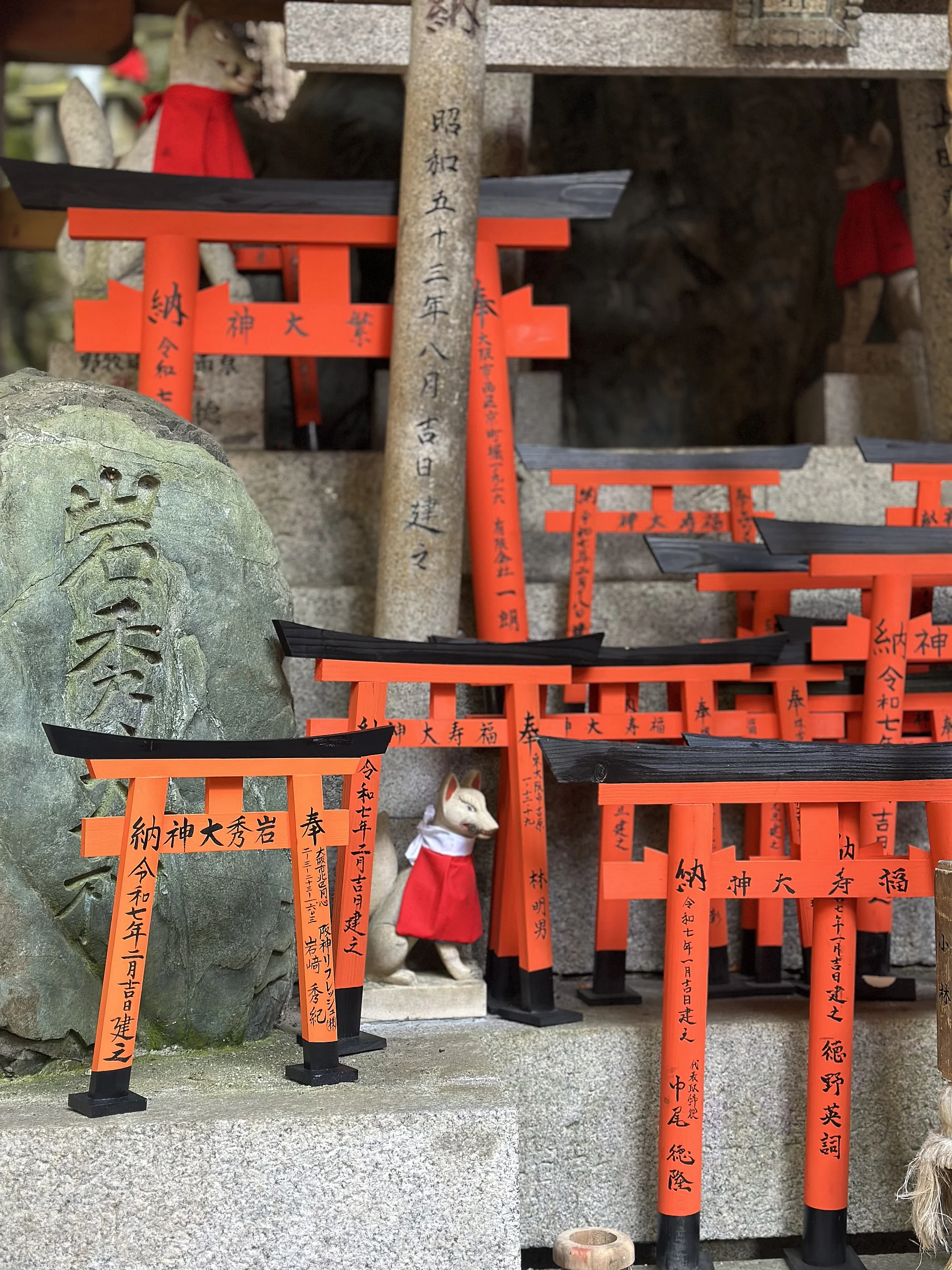
While torii are visually striking, they serve a practical purpose that remains central to Japanese spiritual life. These traditional gates are positioned at the entrance to Shinto shrines to symbolically mark the divide between the physical world and the spiritual realm of the kamis (the deities of Shinto mythology). At Fushimi Inari Taisha, this threshold is particularly significant because the shrine is dedicated to the pursuit of prosperity. This is why Japanese business leaders, local companies, and large corporations frequently fund the construction of their own torii, with their company name inscribed on the gate posts. An observant visitor can read the names of these contributors while walking through the tunnels of gates. It is a practical way to experience the contrast between tradition and modernity that defines contemporary Japan.
Opening hours
Open 24/7
*Information subject to change

You have definitely seen this place on Instagram. Orange gates lined up one after another that just keep going endlessly. Once you are there, massive crowds, clearly one of the most touristy spots in Kyoto, and in the end there is not much more to see than this endless succession of torii gates. It is still a cool photo to take, but the experience kind of stops there.