
Kyoto, a thousand temples and one regret: not staying longer
It is 6:00 AM in the Gion district. The stone lanterns are still glowing, the pavement is damp, and the only person in sight is a monk walking briskly across the street. In three hours, these same alleys will be swarming with crowds. But right now, you can hear the clicking of wooden sandals on the cobblestones and the murmur of the Kamo River.
The Imperial Capital of Japan for over a thousand years, this city of 1.5 million people has survived wars, fires, and even made the list of atomic targets in 1945, from which it was removed at the last minute. The result: nearly 2,000 intact temples and shrines, 17 UNESCO World Heritage sites, and more than 100 Michelin-starred restaurants.
The ancient capital: who is it for?
Let's be clear. If you are looking for nightlife or theme parks, head over to Osaka, 30 minutes away by train. However, if you want to slow down and understand a thousand-year-old culture through its daily gestures and subtle details, you are in the right place.
Best for:
- History, culture, and spirituality enthusiasts
- Fans of refined Japanese gastronomy
- Couples seeking romance and serenity
- Photographers and aesthetes, in any season
- Families with curious children, provided you pace your temple visits
Not for:
- Travelers looking for high-intensity nightlife or beaches
- Those who hate crowds: major sites are overwhelmed in high season
- Travelers with limited mobility, as many temples require climbing stairs
- Travelers in a rush with only a half-day to spend
A manageable budget thanks to the weak yen
Good news: Japan is not the ruinous country you might imagine. The yen remains low against the dollar in 2025-2026, and consumer prices have barely moved in two decades. A hearty meal in a small restaurant often costs less than a lunch in a major US city.
| Expense | Range |
|---|---|
| Night in a hostel or guesthouse | $17 to $40* |
| Night in mid-range hotel or simple ryokan | $68 to $135* |
| Quick meal: ramen, bento, convenience store | $4.50 to $9* |
| Standard restaurant meal | $12 to $29* |
| Transport + temple entrance fees per day | $9 to $23* |
| Total daily budget (budget traveler) | $45 to $79* |
| Total daily budget (comfortable) | $102 to $210* |
What to know before you go
The city is very safe. You can walk around at any hour without worry, even solo. The language barrier is real outside of tourist zones, but signage in train stations and museums is generally translated. Download Google Translate with the offline Japanese pack; it is a vital safety net.
Climate and the city rhythm
The summer, from June to August, is stifling. It is humid, feels like 95°F (35°C), and brings mosquitoes. We do not recommend this period for those who struggle with humidity. Winter is mild but cool, with temperatures around 41°F (5°C) and beautiful light. Spring and autumn are the prime seasons, but also the most crowded.
Friendly tip: Book your accommodation 3 to 6 months in advance if you are visiting for cherry blossom season, late March to early April, or the red maples in November. Prices can double and hotels sell out.
Gion and Higashiyama: postcard Japan
This is where the city's heart beats strongest. The Gion district, with its dark wooden teahouses and lantern-lit alleys, remains the place where you are most likely to spot a geiko or maiko heading to an appointment. The sight is fleeting: a few seconds, the rustle of a kimono, and it is gone.
Be aware that some streets are now off-limits to tourists to protect the privacy of residents. Check local signs before you wander into side alleys.
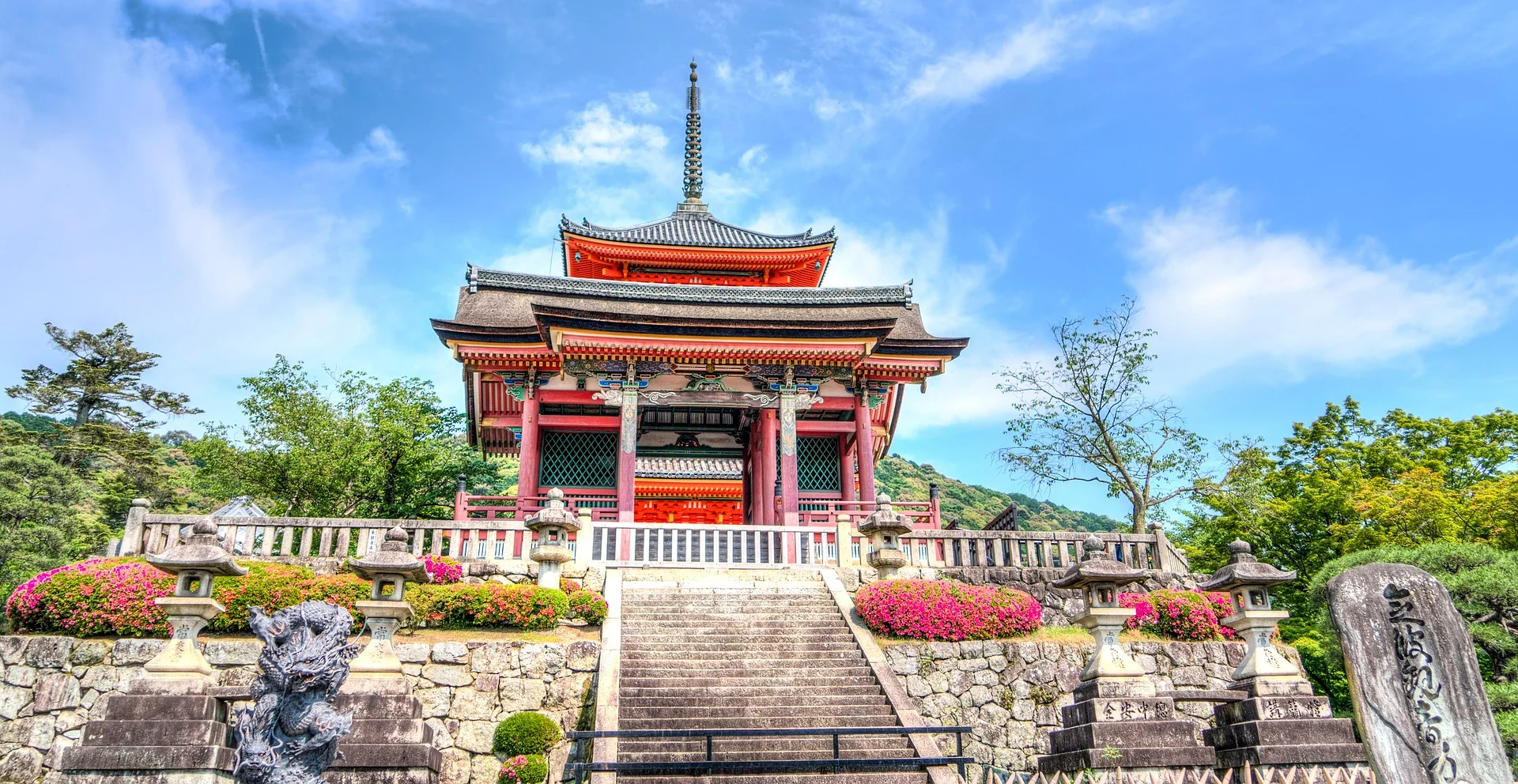
Heading east, Higashiyama is packed with wonders. The sloping lanes of Ninenzaka and Sannenzaka, lined with artisan shops and teahouses, lead to Kiyomizu-dera. This temple, perched on a 43-foot wooden terrace built without a single nail, offers a sweeping view over the entire city.
Further down, the Yasaka-jinja Shrine and the Kennin-ji Temple, with its ceiling painted with twin dragons, are both worth a stop.
Friendly tip: Start your visits in Gion by 6:30 AM. By 8:00 AM, the crowds have already tripled. In the evening, between 5:00 PM and 7:00 PM, the golden light turns the alleys into a movie set.
The North: Kinkaku-ji, bamboo, and Zen gardens
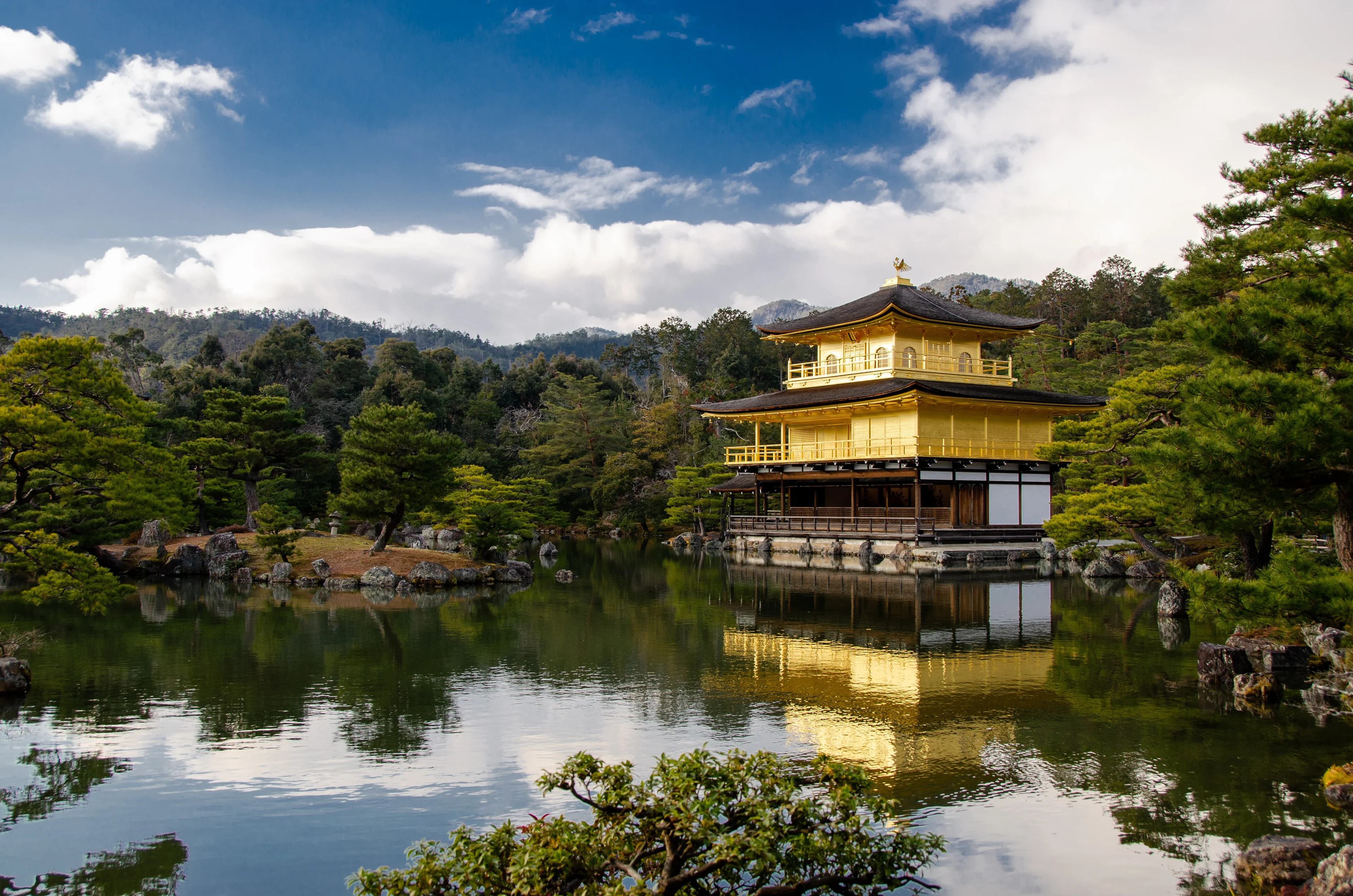
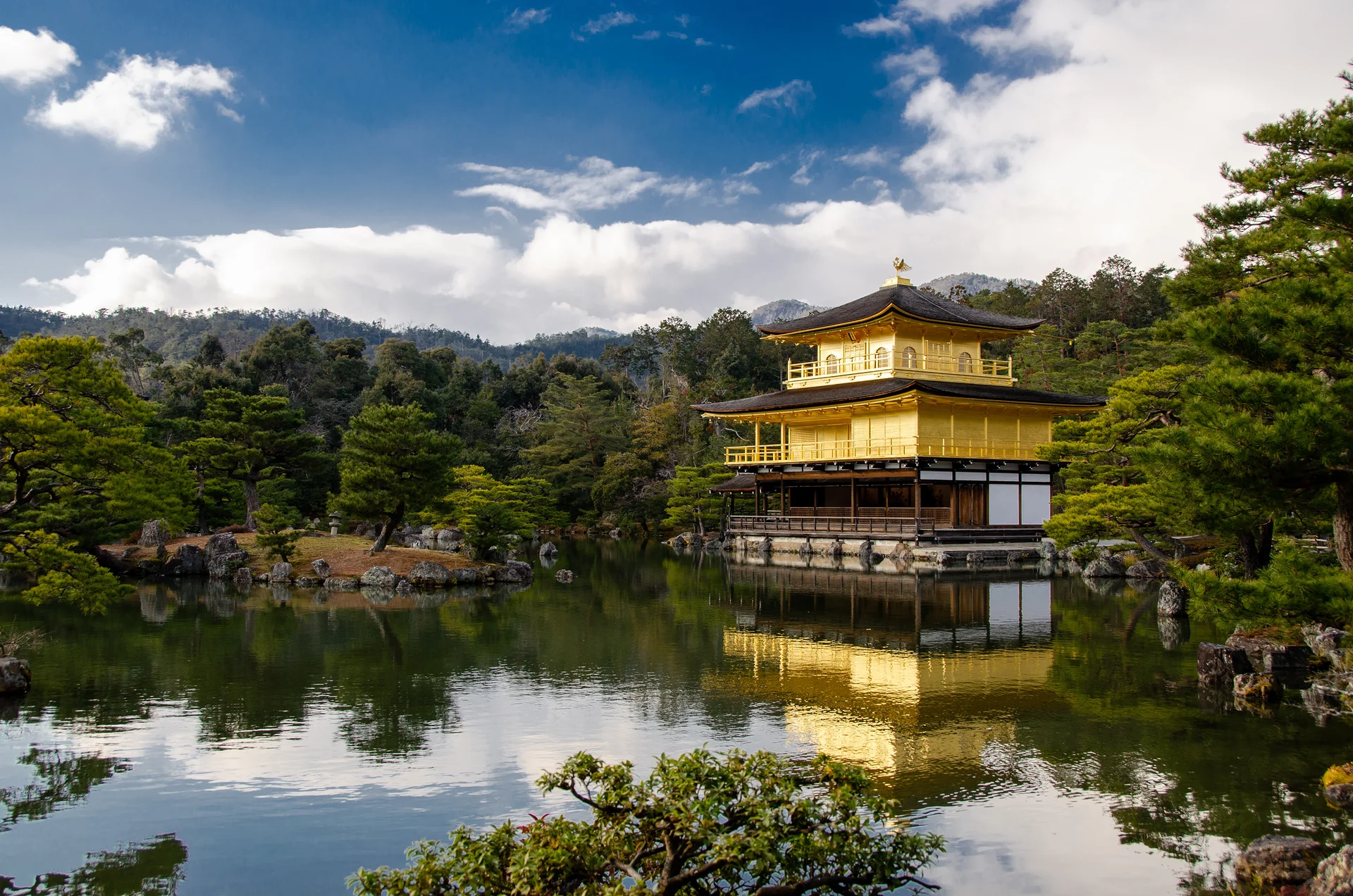
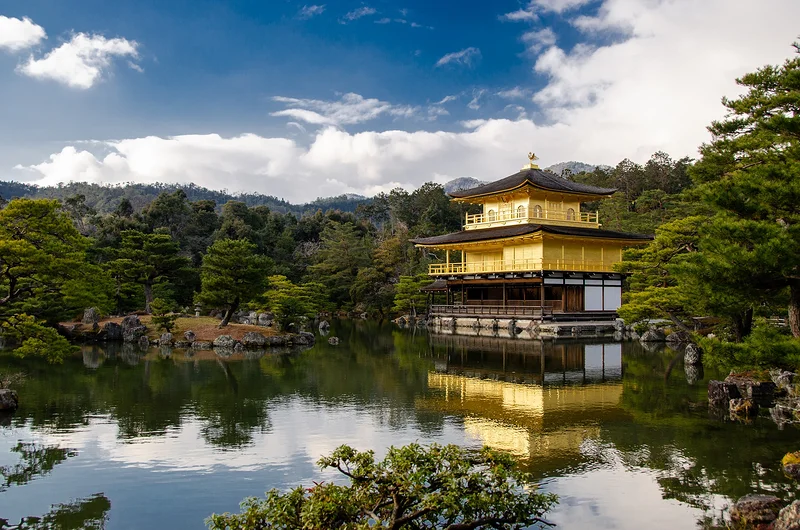
Kinkaku-ji, the famous Golden Pavilion, is arguably the most reproduced image of the city. Covered in gold leaf, it reflects in a pond surrounded by centuries-old pine trees. The site is stunning, even when 300 people are crowding the observation deck. Early in the morning, once again, you will find more peace.
A few miles away, Ryoan-ji houses the most famous Zen garden in Japan. Fifteen stones are arranged on raked white gravel with a deliberate mystery: no matter the angle, you can never see more than fourteen at once. The place invites silence. Just next door, Ninna-ji brings together temples and gardens in a welcome calm.
Further west, Arashiyama and its famous Sagano Bamboo Forest attract the masses. The massive stalks swaying above your head create a unique soundscape of creaks and whistles. The Tenryu-ji Temple and the Togetsukyo Bridge over the river complete the scene. To escape the crush, head to Gio-ji Temple, a small moss-covered sanctuary rarely mentioned in guidebooks.
The South: Fushimi Inari and the sake district
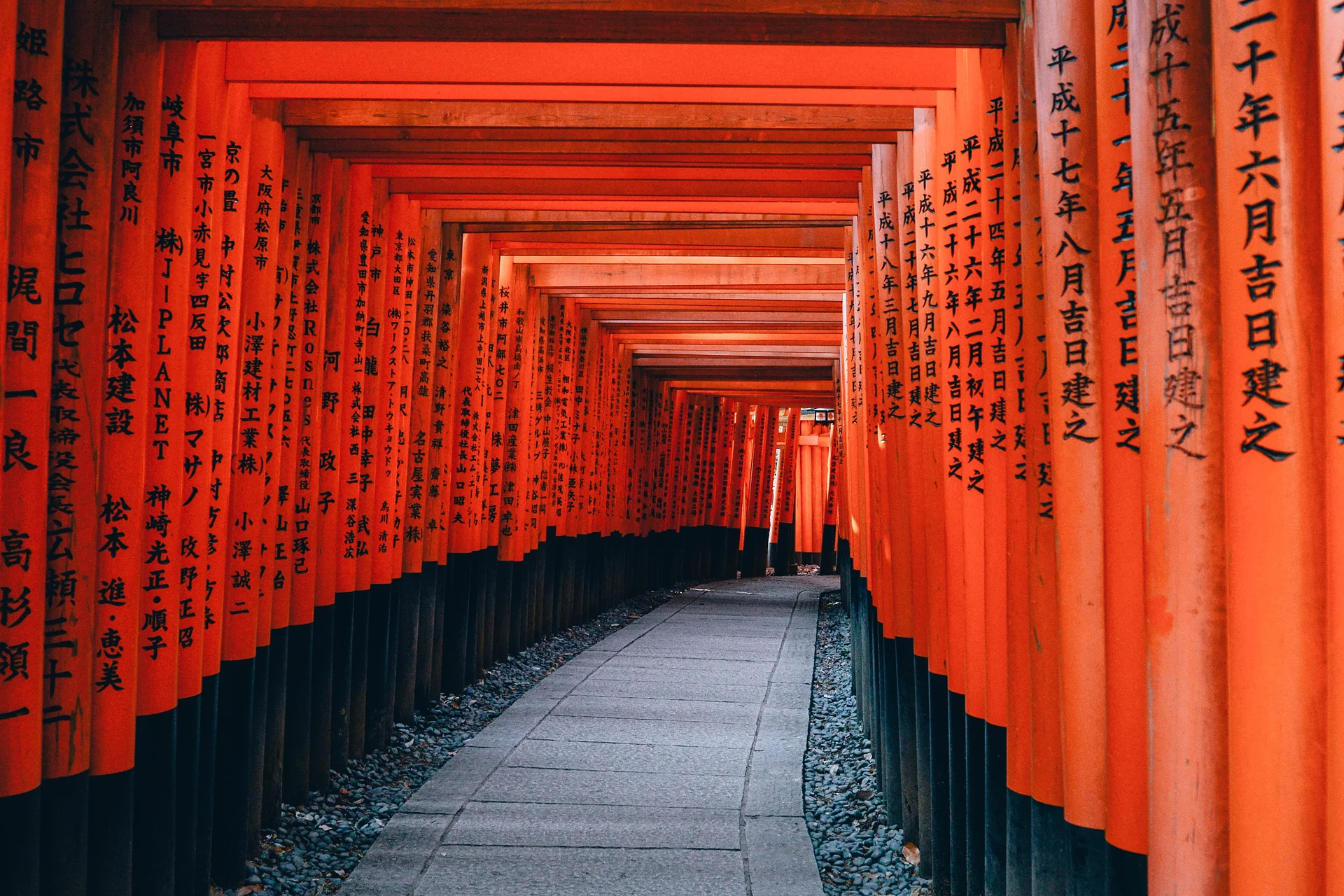
Fushimi Inari Taisha and its thousands of vermilion torii gates lined up on the slopes of Mount Inari form probably the most photographed shrine in Japan. The full climb takes about two hours. Most visitors stop at the first third; if you continue, the torii become more spaced out, the forest takes over, and you will be almost alone.
Back down in the plains, the Fushimi district is the historical cradle of the city's sake production. Traditional breweries, such as Gekkeikan, offer tastings. The water there has a particular softness, which explains the quality of the local sake and the tofu produced in the region.
Friendly tip: For Fushimi Inari, arrive before 7:00 AM or after 4:00 PM. The shrine is open 24/7 and free. The night climb, with lanterns lit, is an experience all its own.
The city center: markets, galleries, and the Kamo River
Nishiki Market, nicknamed the city's kitchen, stretches over five covered blocks. More than 100 stalls sell tsukemono (pickled vegetables), fresh mochi, beef skewers, and matcha sweets. It is crowded, loud, and that is what makes it charming.
The Nijo Castle, residence of the Tokugawa shoguns, is a few minutes' walk away. Its "nightingale floors," designed to chirp under the footsteps of intruders, still fascinate visitors today.
In the evening, Pontocho street, a narrow alley lined with restaurants that often open onto terraces over the Kamo River, offers one of the most atmospheric settings for dinner. Prices vary wildly: you can find a bowl of ramen for 800 yen ($5.10*) or a kaiseki meal for 15,000 yen ($96*).
Where to eat and drink in Kyoto?
The local culinary scene was built far from the sea. The city developed specific techniques based on tofu, pickled vegetables, matcha, and the fine cooking of seasonal produce. Kaiseki, the imperial court cuisine served as a series of small dishes, was born here.
A kaiseki meal at an establishment like Kikunoi in Higashiyama is a memorable experience, although the price tag easily goes beyond $113*.
Must-try specialties
- Yudofu: silken boiled tofu, simple and delicate, served in temple restaurants
- Yuba: soy milk skin, a unique texture, eaten fresh or dried
- Sabazushi: pickled mackerel sushi, a historical specialty of the city
- Obanzai: traditional home-style cooking using local seasonal products
For a tighter budget, ramen chains like Ippudo or Tenkaippin, born here in 1981 with a thick, creamy chicken broth, offer filling bowls for under 1,000 yen. The konbini, those 24/7 convenience stores, sell onigiri, bentos, and sandwiches of surprising quality for $3.40 to $5.70*.
How to get to Kyoto?
The city does not have an airport. Access is primarily via Kansai International Airport, also known as KIX, in Osaka. The Haruka express train connects KIX to Kyoto Station in about 75 minutes for about 2,200 yen ($14*), a trip covered by the JR Pass. "Limousine" buses also provide the connection in about 90 minutes.
From Tokyo
The Tokaido Shinkansen connects Tokyo to Kyoto in about 2 hours and 15 minutes. A one-way ticket costs around 14,000 yen. It is the most traveled route in Japan, with nearly 150 daily departures. If you are doing a lot of intercity travel, study the value of the Japan Rail Pass before buying, as its price increased in 2023.
From Europe
Direct flights from Paris land at Osaka-Kansai or Tokyo-Haneda/Narita. Expect to pay between $570 and $1,020* round-trip depending on the season and how early you book. From Tokyo, the transfer to Kyoto by Shinkansen adds 2 hours and 15 minutes and about $95 to the trip.
How to get around Kyoto?
The city is very easy to navigate by combining subway, bus, and walking. The subway has two lines: Karasuma running north to south, and Tozai running east to west. A ride costs between 220 and 360 yen.
The IC Suica/Icoca card, rechargeable and usable throughout Japan, simplifies payments. The Kyoto Sightseeing Card for 1,100 yen gives unlimited access to the subway and most buses for one day.
Biking is an excellent way to discover neighborhoods off the beaten path. Several rental agencies offer bikes by the day for 1,000 to 1,500 yen. Be careful to respect parking zones, or you risk a fine. Taxis are clean and reliable but expensive: expect 620 yen ($4*) for the initial charge. Uber works in a limited capacity.
When to go?
The two star periods are spring, from late March to mid-April, for cherry blossoms, and autumn, from mid-October to late November, for red maples. The spectacle is striking, but so is the crowd.
For a good balance between pleasant weather and moderate crowds, aim for early March or early December: temperatures remain mild, the colors are beautiful, and you will have more room to breathe. Summer, from June to August, is to be avoided if possible: the humid heat is tiring, and the Gion Matsuri festival in July, as spectacular as it is, turns the city into an anthill.

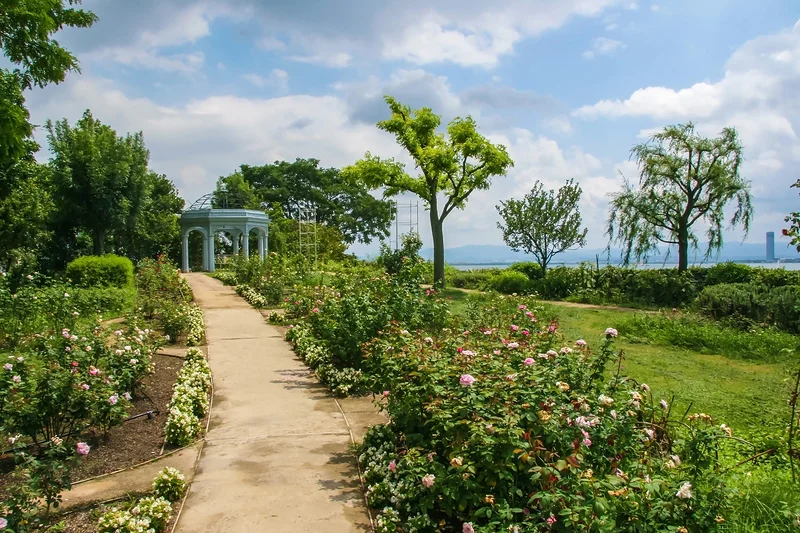
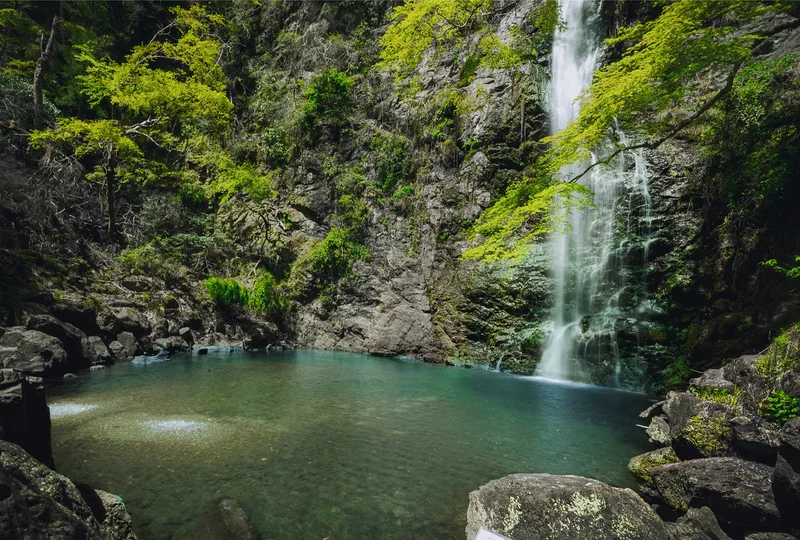
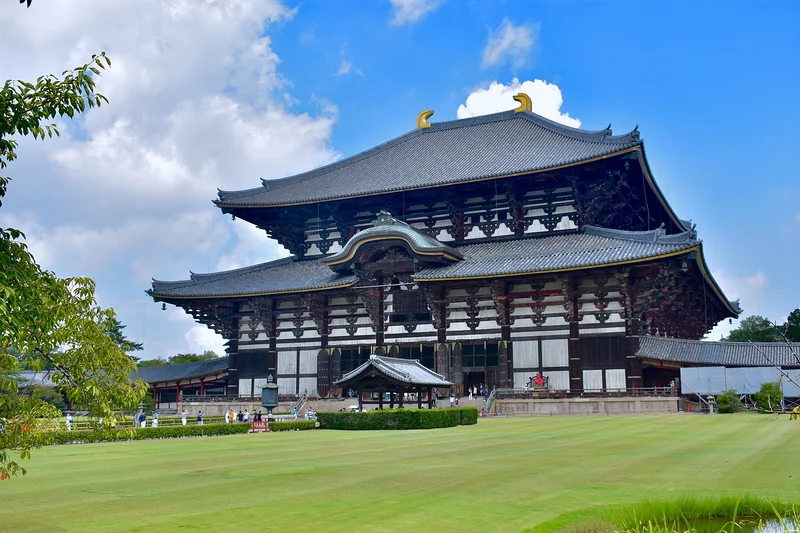
I really loved Kyoto! A city that you discover at a leisurely pace among the small streets, temples, and traditional houses. A huge favorite for the Gion district, which really gives the impression of going back in time, you almost feel like you are in a movie, even though it is very touristy.