
Uji, where time brews like tea
It is 8:30 AM, and morning mist still hangs over the Uji River. A grassy, almost sweet aroma drifts from the shops waking up along the Omotesando. The tea prepared here for eight centuries has shaped every corner of this small town.
Tucked between Kyoto and Nara, two former imperial capitals, it has developed its own personality. It is a place where you come to slow down, watch the reflection of a millennium-old temple on a pond, and discover why Japanese matcha has conquered the world.
A getaway for culture and calm
Looking to escape the crowds of Kyoto without sacrificing the cultural depth of the Kansai region? Uji is your answer. This day trip is perfect for tea enthusiasts, history buffs, and those who prefer to wander rather than check items off a tourist list. Families will also appreciate the new Nintendo Museum, which opened in October 2024.
If you are chasing urban energy or bright neon lights, look elsewhere. Uji closes early. Most shops shutter around 5:00 PM, and by evening, the town returns to the quiet rhythm of a provincial village. This is exactly what makes it charming to some, though it might frustrate other visitors.
A controlled budget
The good news is that Uji remains affordable compared to Kyoto. Budget 15 to 25 euros (about $16-$27) per day for sightseeing, including the Byodo-in temple and a tea ceremony. Lunch at a matcha soba restaurant costs between 1000 and 1500 JPY (about $7-$10). Transportation from Kyoto is 240 JPY (about $1.60) one-way on the JR line.
The historic heart: temples and river
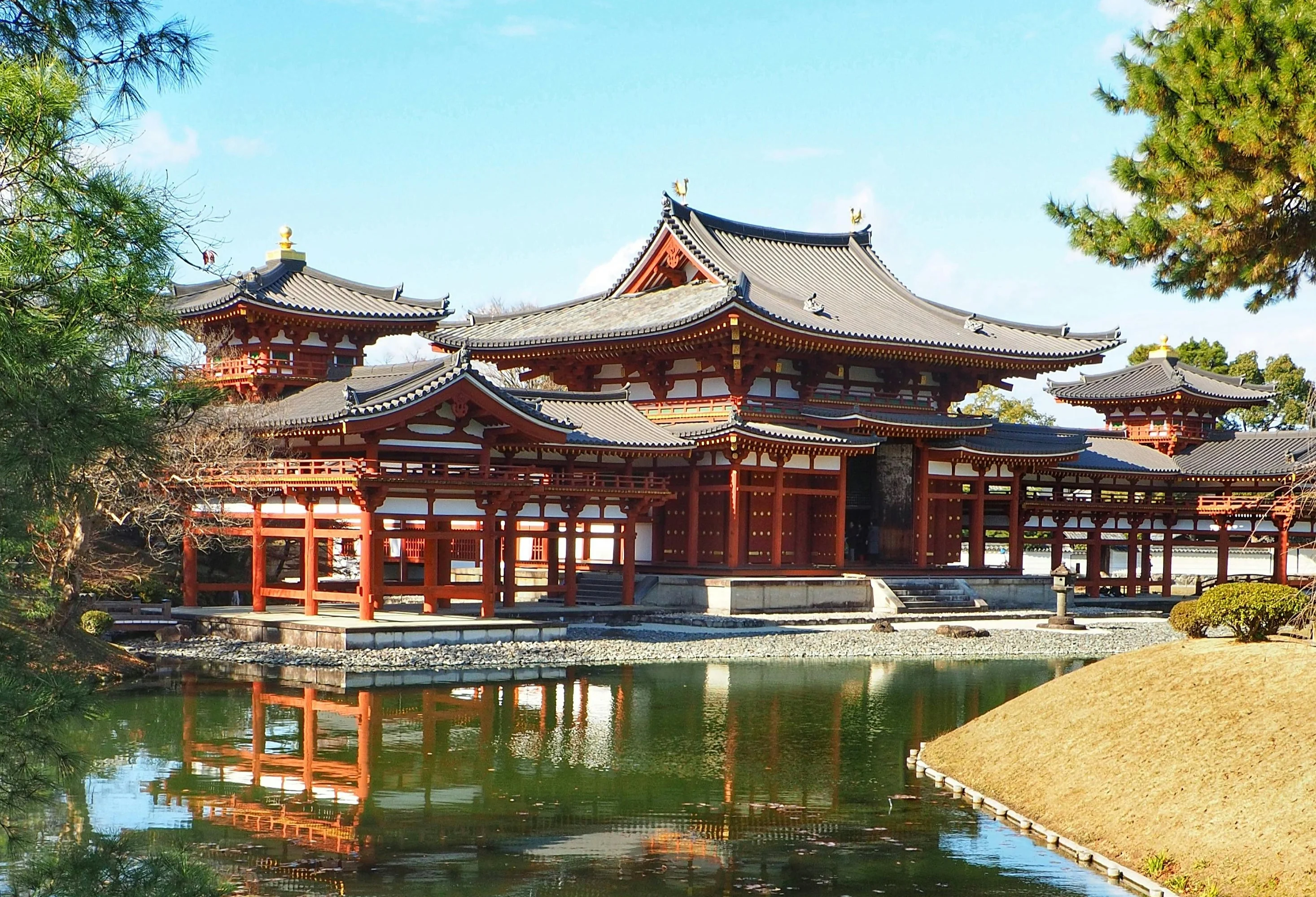
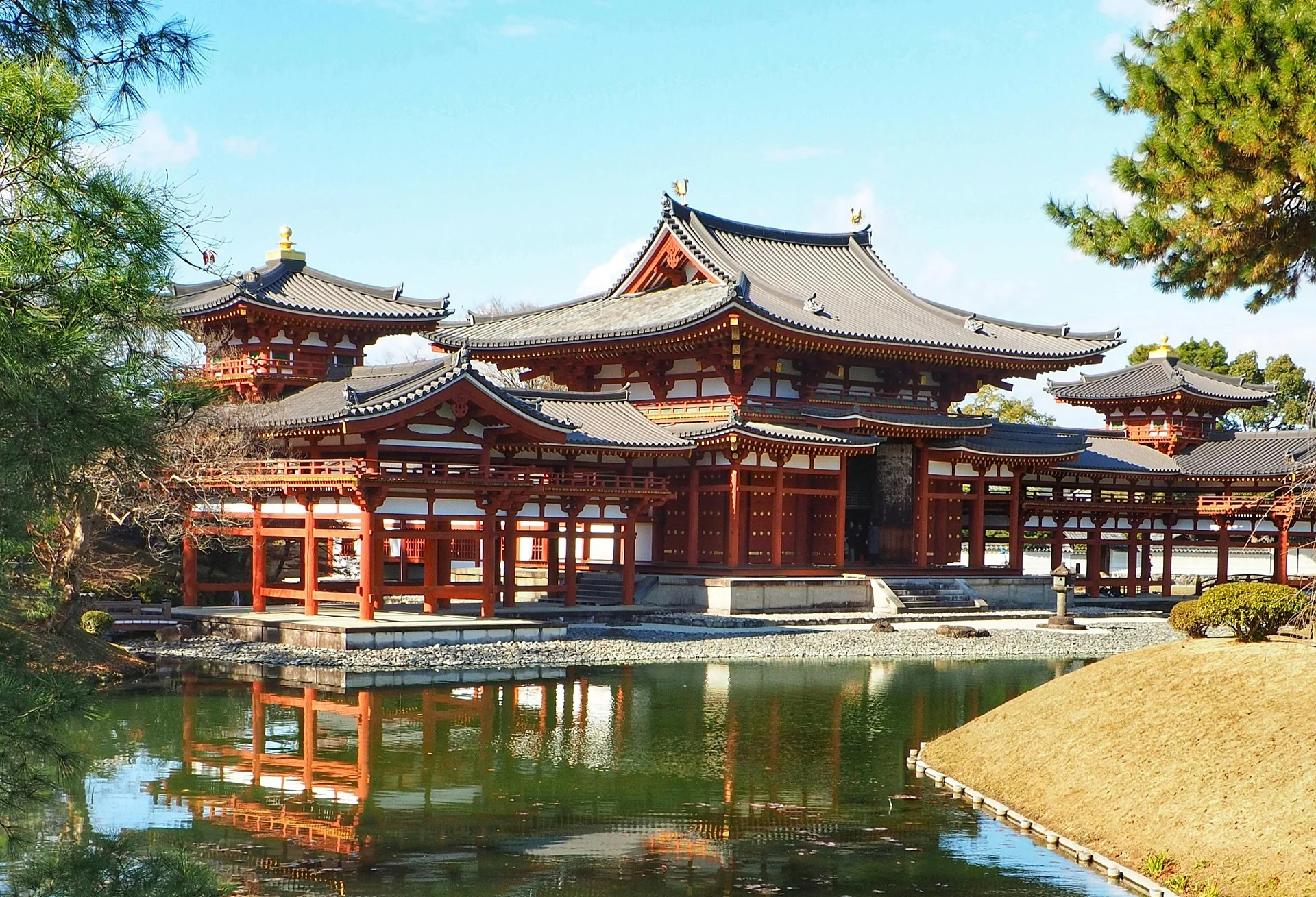
The Byodo-in dominates the visit. This 11th-century Buddhist temple appears on the back of the 10-yen coin, and you will understand why as soon as you see its Phoenix Hall reflected in the pond. Built in 1052 by the son of a powerful Fujiwara regent, it represents the Pure Land paradise in Buddhist tradition. Inside, a 2.7-meter statue of the Amida Buddha, sculpted by Jocho, has been waiting for visitors for nearly a thousand years.
Admission is 700 JPY (about $4.70) for the gardens and museum. To enter the Phoenix Hall, add 300 JPY (about $2) and book a time slot as soon as you arrive, as spots go quickly. Guided tours are in Japanese, but translated brochures are available.
Friend's tip: Arrive at opening time, around 8:30 AM. You will have the temple almost to yourself before the organized tour groups arrive around 10:00 AM.
On the other side of the river, the Ujigami shrine is often overlooked. It is actually the oldest standing Shinto shrine in Japan, built around 1060. Its main hall and worship hall are classified as national treasures. Local legend says a guardian rabbit shows the way to those who pray to it. You will see rabbit motifs everywhere in the neighborhood.
Tea culture: more than just a drink
Uji tea has enjoyed an exceptional reputation since the 13th century. The Zen monk Eisai, who brought Zen Buddhism and tea from China, advised local priests on cultivation methods. The fertile soil and microclimate did the rest. Today, Uji matcha is still considered the best in Japan.
For a full immersion, the municipal Taihoan tea house offers tea ceremonies for 1000 JPY (about $6.70). Sitting on tatami mats facing a Japanese garden, you will learn basic etiquette, such as turning the bowl before drinking and wiping the rim with your fingers. The relaxed atmosphere is suitable for beginners.
Purists will prefer Tsuen Tea, founded in 1160. This shop is the oldest tea house still in operation in Japan, and the 24th generation of the family still runs it today. Shoguns Tokugawa Ieyasu and Toyotomi Hideyoshi both stopped here. For something more interactive, Fukujuen Ujicha Kobo organizes workshops where you grind your own tea leaves before tasting them.
Friend's tip: At Itoh Kyuemon, wait until you have finished your meal before buying tea in the shop. You will receive a 300 JPY (about $2) discount coupon when you leave the restaurant.
Omotesando street: matcha paradise
This 300-meter path leading to the Byodo-in is home to most of the shops and restaurants. You can find everything here: matcha ice cream, green soba noodles, chocolates, hojicha cheesecakes, and even green tea-infused beer. The selection is dizzying.
A few addresses stand out. Nakamura Tokichi draws crowds for its cold matcha soba noodles and elaborate parfaits. Be prepared to wait, as the line can exceed an hour on weekends. Mitsuboshien Kanbayashi Sannyu, a tea house founded in 1522, offers a more intimate experience with ceremonies and premium matcha tastings for 1100 JPY (about $7.40).
To avoid the crush, step slightly away from the main thoroughfare. The small parallel streets house less crowded tea salons, often with garden views.
The Nintendo Museum: new attraction
Opened in October 2024 in a former Nintendo factory, this museum traces 135 years of the company's history, from Hanafuda cards to the Switch. The building itself is worth the trip, featuring a giant Super Mario-style block sitting on the roof.
Inside, there are two floors of interactive exhibits. The first offers retro games revisited with modern technology: giant two-player controllers, Zapper shooting on a massive screen, and a batting cage inspired by the Ultra Machine. Each visitor receives 10 tokens included with the ticket to spend as they wish. The second floor displays consoles and toys from every era, from the Famicom to never-released prototypes.
Access is by lottery. Register three months in advance on the official website with a free Nintendo account. Results are announced on the 1st of the following month. Price: 3300 JPY (about $22) for adults, 2200 JPY (about $15) for ages 12-17, and 1100 JPY (about $7.40) for ages 6-11. Plan for 2 to 4 hours on-site.
Friend's tip: Afternoon slots after 4:00 PM are generally less crowded. Lines for popular games can reach 30 minutes on weekends.
Beyond the center: flower temples
If you have extra time, the Mimuroto-ji temple is worth the trip. Nicknamed the flower temple, it blooms with 20,000 azaleas in May and 10,000 hydrangeas in June. Admission is 1000 JPY (about $6.70), and the No. 43 bus from Keihan Uji Station gets you there in 15 minutes.
Further north, the Zen Mampuku-ji temple offers a radically different atmosphere. Founded in 1661 by the Chinese monk Ingen, it retains a strong continental architectural influence. You can book a shojin ryori vegetarian meal, but advance reservations are required.
Where to eat and drink in Uji?
Local gastronomy revolves around tea. Matcha soba is the signature dish: buckwheat noodles tinted green, served cold with a light dipping sauce. Nakamura Tokichi and Renge Chaya excel in this category. The latter offers tatami seating upstairs with street views.
For something sweet, matcha ice cream is a must. Every shop offers its own version, varying in bitterness based on the grade of tea used. For an original experience, try the matcha curry at Wamucha Cafe or the green beer at Akamon Chaya, near the Byodo-in. The Terashiyama shop sells quality loose-leaf tea to take home.
Where to stay in Uji and the surrounding area?
Most visitors do a day trip from Kyoto. However, spending a night on-site allows you to discover the town in peace, in the morning before the excursionists arrive.
Two traditional ryokans stand out south of the Byodo-in, along the river. They offer kaiseki cuisine and the classic Japanese lodging experience. More accessible, the Uji Cha-gan-ju-tei House guesthouse focuses on tea culture with free access to draft beer and proximity to the temple. For a tighter budget, business hotels near JR Uji Station offer standard Japanese comfort at a moderate price.
How to get to and around Uji?
From Kyoto, the JR Nara line connects the central station to JR Uji in 17 to 30 minutes depending on the train. The trip costs 240 JPY (about $1.60) and is covered by the Japan Rail Pass. An alternative is the Keihan line from Gion-Shijo or Sanjo, which drops you at Keihan Uji Station, closer to the main sites, in about 40 minutes. This trip is not included in the JR Pass.
From Osaka, count about an hour by combining the shinkansen or JR train to Kyoto, then transferring to Uji. The direct Keihan line from Yodoyabashi or Kyobashi also takes an hour, with a transfer at Chushojima, for 400 JPY (about $2.70).
Once there, everything is walkable. The main sites are concentrated within a 15-minute walk of Uji Bridge. For the Nintendo Museum, located in Ogura, take a local train to Kintetsu Ogura or JR Ogura Station, then walk 5 to 8 minutes. A special bus also connects the Keihan and JR Uji stations to the museum for 230 JPY (about $1.50).
When to go?
Spring remains the prime season, between late March and early May. Cherry blossoms line the river, and the century-old wisteria at the Byodo-in offers a striking sight in mid-April. Autumn, from mid-November to early December, paints the maples in red and orange around the temples.
The Japanese summer, hot and humid, can discourage long walks. But it is also the season for hydrangeas at Mimuroto-ji and cormorant fishing demonstrations on the river, between June and September. Winter brings a welcome tranquility: fewer visitors and the pleasure of a steaming bowl of matcha facing a snow-covered garden.
Uji is a little gem! Located near Kyoto, it is much less known than the latter. I strongly encourage you to get off the beaten path. It is a very relaxing little town. The vibe reminds me a bit of Arashiyama. A walk defined by water, with the river, temples, and some traditional tea to enjoy!