
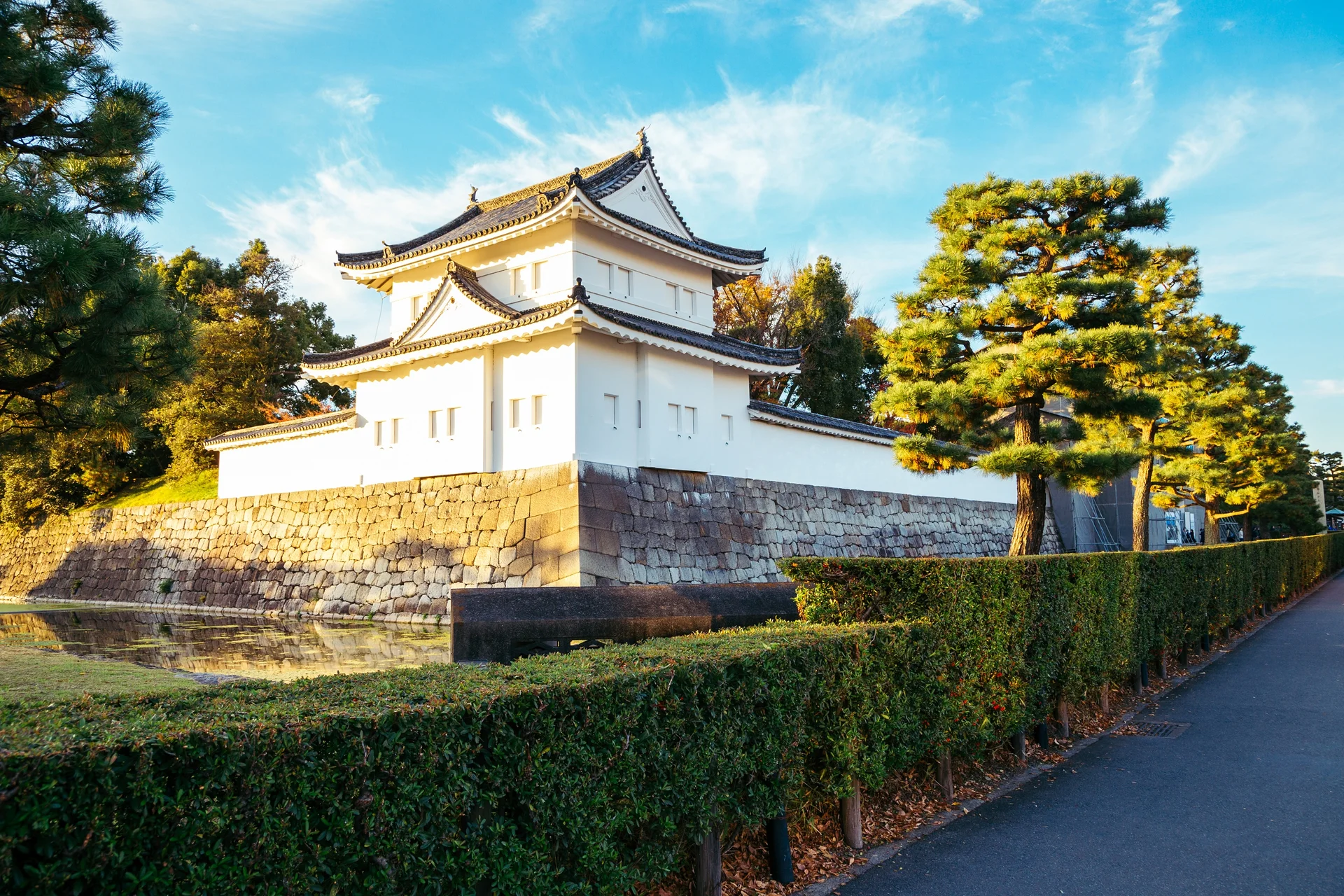
Visiting Nijo Castle in Kyoto: Shogunate Splendor and Nightingale Floors
At the center of Kyoto stands Nijo Castle, a historic architectural testament to the power of the Tokugawa shoguns. Its massive walls and elegant roofs hold a history of centralized authority and the artistic refinement that defined the Edo period. As a UNESCO World Heritage site, every stone and garden here tells a fragment of the past.
Why explore Nijo Castle?
Visiting Nijo Castle is like stepping back into the era of the shogunate, a lavish period when this fortress served as the residence for shoguns visiting Kyoto, the imperial capital. It was built in 1603 by Tokugawa Ieyasu, the founder of the Tokugawa shogunate. The castle is a prime example of the residential and defensive architecture of the time. It offers a deep dive into the political and cultural history of Japan, symbolizing both the grandeur and the complexity of relations between the shogunal power and the imperial court. This is also where the imperial restoration was proclaimed in 1867, marking the end of the feudal era.
The Ninomaru Palace: An architectural and sensory wonder
The Ninomaru Palace is the centerpiece of Nijo Castle. It is a succession of wooden buildings connected by corridors famous for their nightingale floors. These floorboards, designed to chirp underfoot, served as an effective alarm system against intruders, adding a unique sensory dimension to the visit. Inside, the vast rooms are adorned with sumptuous wall paintings, the fusuma-e, created by the Kano school. These works depict tigers, pine trees, and birds, symbolizing the power and beauty of nature while creating an atmosphere of respect. The sliding screens and carved ceilings demonstrate the refinement of Japanese craftsmanship from that period.
Friendly tip: Take the time to listen carefully to the song of the nightingale floors in the Ninomaru Palace. Each step triggers a subtle melody, the result of ingenious ancient engineering. It is a fascinating detail that reveals the sophistication of the security measures used at the time.
The castle gardens: Landscape harmony
Nijo Castle is surrounded by several beautifully landscaped gardens designed to complement the architecture of the palaces. The Ninomaru Garden, a traditional strolling garden, is particularly notable. It features a large central pond dotted with rocks and miniature islands, evoking classic Japanese landscapes. The various tree species and water elements are arranged with a keen sense of balance and aesthetics, offering changing views with every step. It is a space of serenity and contemplation where you can appreciate the art of Japanese gardening, designed to represent nature in its most pure and harmonious form.
The castle also houses the Seiryu-en Garden, a more recent addition created in the 20th century that combines elements of Japanese and Western gardens, and the Honmaru Garden, located around the foundations of the former keep, offering an elevated view of the entire complex.
Opening hours
*Information subject to change

An important site in the city of Kyoto, perfect for discovering the history of the city. Very well maintained, and the gardens are very pleasant. I preferred the outside to the inside!